Advanced Hand & Wrist Orthopedic MCQs: Scaphoid Nonunion & Carpal Collapse
14 Apr 2026
53 min read
83 Views
Key Takeaway
This interactive board review contains 100 randomly selected orthopedic surgery questions with clinical images, immediate feedback, and detailed references.
Advanced Hand & Wrist Orthopedic MCQs: Scapho...
00:00
Start Quiz
Question 1High Yield
Which factor is most important when attempting to prevent interbody graft subsidence?
Explanation
Osteoporosis can affect all aspects of spinal stability and is the most critical factor regarding spinal implant failure. Burring of the end plates may decrease strength of the interface with the uncovering of "softer" cancellous bone. Increasing the surface contact area may help prevent subsidence but is not as important as bone quality. Stress shielding through rigid fixation may lead to construct failure.
RECOMMENDED READINGS
Benzel E (ed): Biomechanics of Spine Stabilization. Rolling Meadows, IL, American Association of Neurological Surgeons, 2001, pp 446-447.
[Goldhahn J, Reinhold M, Stauber M, Knop C, Frei R, Schneider E, Linke B. Improved anchorage in osteoporotic vertebrae with new implant designs. J Orthop Res. 2006 May;24(5):917-25. PubMed PMID: 16583445. ](http://www.ncbi.nlm.nih.gov/pubmed/16583445)[View Abstract at PubMed](http://www.ncbi.nlm.nih.gov/pubmed/16583445)
RECOMMENDED READINGS
Benzel E (ed): Biomechanics of Spine Stabilization. Rolling Meadows, IL, American Association of Neurological Surgeons, 2001, pp 446-447.
[Goldhahn J, Reinhold M, Stauber M, Knop C, Frei R, Schneider E, Linke B. Improved anchorage in osteoporotic vertebrae with new implant designs. J Orthop Res. 2006 May;24(5):917-25. PubMed PMID: 16583445. ](http://www.ncbi.nlm.nih.gov/pubmed/16583445)[View Abstract at PubMed](http://www.ncbi.nlm.nih.gov/pubmed/16583445)
Question 2High Yield
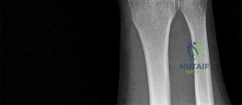
Figure 28 is the radiograph of a 14-year-old boy with an ankle injury.
Explanation
- CT scan
Question 3High Yield
A 45-year-old right-hand dominant woman falls onto an outstretched left hand. Imaging shows a complex elbow dislocation. The postreduction CT scan demonstrates a reduced joint, comminuted radial head fracture, and type I coronoid fracture. Surgical intervention is recommended to address the involved structures. Which component of the intervention adds the most rotational stability?
Explanation
This represents a terrible triad injury, with elbow dislocation, radial head fracture, and coronoid fracture. The LCL complex is typically disrupted in this injury pattern. Repair or reconstruction of this structure provides the greatest increase in rotational stability of the elbow.
Question 4High Yield
A 65-year-old patient undergoes revision total shoulder arthroplasty. Intraoperative culture results held for 5 days are negative. Five days after surgery, this afebrile patient experiences increasing pain, modest redness, and decreased motion. His postsurgical erythrocyte sedimentation rate is 25 mm/h (reference range, 0-20 mm/h), and his white blood cell level is normal. What is the best next step?


Explanation
_Propionibacterium acnes is increasingly recognized as a pathogen in shoulder surgery of all types and a cause of postsurgical shoulder pain. Its presentation often is characterized by pain and only minimally elevated laboratory study results and low-grade clinical findings. Cultures should be held for 2 weeks to identify this organism._
RECOMMENDED READINGS
12. Hudek R, Sommer F, Kerwat M, Abdelkawi AF, Loos F, Gohlke F. Propionibacterium acnes in shoulder surgery: true infection, contamination, or commensal of the deep tissue? J Shoulder Elbow Surg. 2014 Dec;23(12):1763-71. doi: 10.1016/j.jse.2014.05.024. Epub 2014 Aug 29. PubMed PMID:
[25179369/. ](http://www.ncbi.nlm.nih.gov/pubmed/25179369)[View Abstract at PubMed](http://www.ncbi.nlm.nih.gov/pubmed/25179369)
13. [Matsen FA 3rd, Butler-Wu S, Carofino BC, Jette JL, Bertelsen A, Bumgarner R. Origin of propionibacterium in surgical wounds and evidence-based approach for culturing propionibacterium from surgical sites. J Bone Joint Surg Am. 2013 Dec 4;95(23):e1811-7. doi: 10.2106/JBJS.L.01733. PubMed PMID: 24306704. ](http://www.ncbi.nlm.nih.gov/pubmed/24306704)[View Abstract at PubMed](http://www.ncbi.nlm.nih.gov/pubmed/24306704)
14. [Sethi PM, Sabetta JR, Stuek SJ, Horine SV, Vadasdi KB, Greene RT, Cunningham JG, Miller SR. Presence of Propionibacterium acnes in primary shoulder arthroscopy: results of aspiration and tissue cultures. J Shoulder Elbow Surg. 2015 May;24(5):796-803. doi: 10.1016/j.jse.2014.09.042. Epub 2014 Dec 4. PubMed PMID: 25483906. ](http://www.ncbi.nlm.nih.gov/pubmed/25483906)[View Abstract at PubMed](http://www.ncbi.nlm.nih.gov/pubmed/25483906)
CLINICAL SITUATION FOR QUESTIONS 21 AND 22
Figures 21a through 21c are the radiographs of a 45-year-old man following acute trauma.
RECOMMENDED READINGS
12. Hudek R, Sommer F, Kerwat M, Abdelkawi AF, Loos F, Gohlke F. Propionibacterium acnes in shoulder surgery: true infection, contamination, or commensal of the deep tissue? J Shoulder Elbow Surg. 2014 Dec;23(12):1763-71. doi: 10.1016/j.jse.2014.05.024. Epub 2014 Aug 29. PubMed PMID:
[25179369/. ](http://www.ncbi.nlm.nih.gov/pubmed/25179369)[View Abstract at PubMed](http://www.ncbi.nlm.nih.gov/pubmed/25179369)
13. [Matsen FA 3rd, Butler-Wu S, Carofino BC, Jette JL, Bertelsen A, Bumgarner R. Origin of propionibacterium in surgical wounds and evidence-based approach for culturing propionibacterium from surgical sites. J Bone Joint Surg Am. 2013 Dec 4;95(23):e1811-7. doi: 10.2106/JBJS.L.01733. PubMed PMID: 24306704. ](http://www.ncbi.nlm.nih.gov/pubmed/24306704)[View Abstract at PubMed](http://www.ncbi.nlm.nih.gov/pubmed/24306704)
14. [Sethi PM, Sabetta JR, Stuek SJ, Horine SV, Vadasdi KB, Greene RT, Cunningham JG, Miller SR. Presence of Propionibacterium acnes in primary shoulder arthroscopy: results of aspiration and tissue cultures. J Shoulder Elbow Surg. 2015 May;24(5):796-803. doi: 10.1016/j.jse.2014.09.042. Epub 2014 Dec 4. PubMed PMID: 25483906. ](http://www.ncbi.nlm.nih.gov/pubmed/25483906)[View Abstract at PubMed](http://www.ncbi.nlm.nih.gov/pubmed/25483906)
CLINICAL SITUATION FOR QUESTIONS 21 AND 22
Figures 21a through 21c are the radiographs of a 45-year-old man following acute trauma.
Question 5High Yield
Schwannomas are differentiated from neurofibromas by all of the following except:
Explanation
Schwann cells contribute to schwannoma and neurofibroma.
Question 6High Yield
Ultrasound therapy delivers superficial heat to the tissue and has a penetration depth of 5 mm.
Explanation
Ultrasound is considered a deep heat modality and does not heat the superficial tissues.
Question 7High Yield
Slide 1 Slide 2 Slide 3
A 12-year-old boy is brought to the clinic by his concerned parents. The boyâs forearm is bowed, and his parents are confused as to the possible diagnosis and treatment options. You notice that the right forearm of the child is bowed ulnarwards and is shorter compared to the left forearm. The pronosupination is markedly decreased on the right side but is also limited on the left side. The patient has a good grip, pinch, and grasp. He is neurologically intact as well.
The parents say that they first noticed the deformity around 6 or 7 years ago, and the mother informs you that she had noticed a hard bump on the forearm. She has recently noticed another bump on his right leg. The child does not complain of pain and is using both of his hands quite well. The parents were informed by a previous physician that the child has Madelungâs deformity and are concerned that the disease is now involving other areas of his body.
You order a radiograph of the forearm. The anteroposterior radiograph is shown (Slide 1). The childâs skeletal radiograph survey is also presented (Slide 2 and Slide 3).
The most likely complication in this child is:
A 12-year-old boy is brought to the clinic by his concerned parents. The boyâs forearm is bowed, and his parents are confused as to the possible diagnosis and treatment options. You notice that the right forearm of the child is bowed ulnarwards and is shorter compared to the left forearm. The pronosupination is markedly decreased on the right side but is also limited on the left side. The patient has a good grip, pinch, and grasp. He is neurologically intact as well.
The parents say that they first noticed the deformity around 6 or 7 years ago, and the mother informs you that she had noticed a hard bump on the forearm. She has recently noticed another bump on his right leg. The child does not complain of pain and is using both of his hands quite well. The parents were informed by a previous physician that the child has Madelungâs deformity and are concerned that the disease is now involving other areas of his body.
You order a radiograph of the forearm. The anteroposterior radiograph is shown (Slide 1). The childâs skeletal radiograph survey is also presented (Slide 2 and Slide 3).
The most likely complication in this child is:
Explanation
Ulnar carpal translocation occurs due to the steep radial articular angulation that occurs due to the tethering effect of a shortened ulna and is already apparent in early stages in the first radiograph. While peroneal palsy is possible due to a proximal fibula lesion, it is less common. Malignant transformation occurs, risk varies with families.
Question 8High Yield
Figure 1 is the MRI scan of a patient with recurrent knee instability, which persists after a period of nonsurgical treatment. Anatomic reconstruction of the torn ligament is recommended. What radiographic finding is the most important independent predictor of recurrent instability following surgery?
Explanation
The MRI scan is consistent with an episode of patellar instability with concomitant bruising of the medial patellar facet and lateral femoral condyle. The medial patellofemoral ligament appears torn and attenuated. Kita and associates reported that severe
trochlear dysplasia is the most important predictor of residual patellofemoral instability after isolated medial patellofemoral ligament reconstruction. An increased TT-TG affected outcomes of patients with type D trochlear dysplasia (Dejour classification). Wagner and associates also found that high degrees of trochlear dysplasia correlate with poor clinical outcome due to graft overload in dysplastic situations. Other studies by Nelitz and associates and Matsushita and associates have also suggested that TT-TG distance did not reliably correlate with clinical outcome. Tibial slope would not affect recurrent patellar instability.
Question 9High Yield
What is the most important measure to take to reduce the risk of frostbite of the toes while hiking in extreme temperatures?
Explanation
Several studies showed the most reliable method to reduce the risk of cold exposure injury is to reduce thermal heat loss. This can be done with a combination of protective socks and shoes, and reducing moisture in the shoes.
Question 10High Yield
Figure 7Figure 7 is the pelvic radiograph of a 33-year-old man involved in a high-speed automobile crash. Examination reveals a blood pressure of 90/50 mm Hg and a pulse rate of 120/min. Radiographs of the chest and lateral cervical spine are normal. A CT scan of the abdomen does not reveal any intraabdominal bleeding. What is the most appropriate management for the pelvic fracture?


Explanation
No detailed explanation provided for this question.
Question 11High Yield
A 59-year-old woman with a history of osteoporosis is involved in a high- speed motor vehicle accident, resulting in left hip pain and deformity. The initial radiograph from the trauma bay is shown in Figure
Explanation
The radiograph shows a posterior wall acetabular fracture-dislocation. Postreduction CT indicates a large comminuted posterior wall fracture with marginal impaction of the articular surface. A comminuted femoral head fracture also is seen extending to the superior weight-bearing surface. Given the marginal impaction of the acetabulum and the considerable comminution of the femoral head (which is likely unreconstructible), this injury would have a high risk of causing posttraumatic arthritis if treated with ORIF of the fractures alone. Considering this fact and the patient’s age, ORIF of the posterior wall and acute total hip arthroplasty would likely have the best functional result and the lowest risk of reoperation. Hemiarthroplasty is inappropriate for this injury considering the acetabular fracture. Skeletal traction currently plays a limited role in the definitive treatment of acetabular fractures.
45
45
Question 12High Yield
Giant cell tumors of the spine can metastasize to other areas of the body. They most likely metastasize to which of the following areas?
Explanation
Giant cell tumors of the spine can metastasize to other areas of the body. Donthineni and associates identified seven cases (three females and four males) of lung metastases from a total of 51 cases of giant cell tumors of the spine (13.7%). Four of the seven patients had a spine recurrence after previous treatments and the rest developed recurrences later. The treatments for the lung nodules consisted of metastectomy in two and chemotherapy in six patients. At the latest follow-up (ranging from 18 to 126 months), two had died of the disease, two had no evidence of the disease, and three were alive with disease. This series shows a higher metastatic rate from spine giant cell tumor as compared with those from the extremities, but the overall behavior and treatment outcomes of the lung metastases are similar. Tunn and associates also showed a predilection for pulmonary metastatic lesions.
Question 13High Yield
Figures 1 and 2 are the MRI scans of a 57-year-old man who dislocated his left shoulder after a fall while playing tennis. On examination, he had full passive shoulder range of motion, but he was unable to actively elevate his injured shoulder. Sensation was intact to light touch over the lateral shoulder. What is the most likely etiology of his shoulder weakness?
---
---
---
---


Explanation
This patient has a massive rotator cuff tear resulting in disruption of the transverse force couple between the subscapularis anteriorly and the infraspinatus and teres minor posteriorly. These muscles provide dynamic shoulder stability throughout active elevation, and loss of the force couple produces a pathologic increase in translation of the humeral head and decreased active abduction. Active shoulder elevation <90 degrees in the presence of full passive motion is termed pseudoparalysis. The most common neurologic deficit after shoulder dislocation is isolated injury to the axillary nerve. This patient's sensory examination suggests that the axillary nerve is intact. Cervical radiculopathy is less common after shoulder dislocation but has been reported. Conflicting evidence exists regarding the contribution of the long head of the biceps tendon to glenohumeral stability. One study reported minimal electromyographic activity in the biceps during ten basic shoulder motions.
Question 14High Yield
The most common extraskeletal manifestation of this disease is
Explanation
- café au lait macules._
Question 15High Yield
A healthy, active, independent 74-year-old woman fell and sustained the elbow injury shown in Figures 41a and 41b. Management should consist of
Explanation
Open reduction and internal fixation of distal humeral fractures in elderly patients often fails. These fractures characteristically have a very small distal segment and poor bone quality, resulting in failure of fixation and nonunion. Nonunion is often painful and functionally debilitating. Total elbow arthroplasty provides good results when used for distal humeral fractures in elderly patients with osteopenic bone and fracture patterns thought to be irreconstructable. Long arm casting may result in union, but the resulting stiffness is unacceptable for an active patient. Elbow arthrodesis has few indications. A sling and range-of-motion exercises will often result in a painful and debilitating nonunion at the fracture site.
REFERENCES: Frankle MA, Herscovici D Jr, DiPasquale TG, et al: A comparison of open reduction and internal fixation and primary total elbow arthroplasty in the treatment of intra-articular distal humerus fractures in women older than 65. J Orthop Trauma 2003;17:473-480.
Cobb TK, Morrey BF: Total elbow arthroplasty as primary treatment for distal humerus fractures in elderly patients. J Bone Joint Surg Am 1997;79:826-832.
Obremskey WT, Bhandari M, Dirschl DR, et al: Internal fixation versus arthroplasty of comminuted fractures of the distal humerus. J Orthop Trauma 2003;17:463-465.
REFERENCES: Frankle MA, Herscovici D Jr, DiPasquale TG, et al: A comparison of open reduction and internal fixation and primary total elbow arthroplasty in the treatment of intra-articular distal humerus fractures in women older than 65. J Orthop Trauma 2003;17:473-480.
Cobb TK, Morrey BF: Total elbow arthroplasty as primary treatment for distal humerus fractures in elderly patients. J Bone Joint Surg Am 1997;79:826-832.
Obremskey WT, Bhandari M, Dirschl DR, et al: Internal fixation versus arthroplasty of comminuted fractures of the distal humerus. J Orthop Trauma 2003;17:463-465.
Question 16High Yield
Figures 88a through 88d are the radiographs and MR images of a healthy 21-year-old woman who has had persistent dorsal wrist pain despite immobilization and no history of trauma. The surgical procedure associated with the best prognosis in this scenario is


Explanation
This patient has osteonecrosis of the capitate. The MR images show evidence of osteonecrosis with decreased signal on the T1-weighted image. The radiographs are unremarkable, with the exception of lunotriquetral coalition, which does not necessitate treatment. The etiology of
osteonecrosis of the capitate may be related to trauma, abnormal Interosseous vascular supply, and hypermobility. Surgery is an option for patients with persistent symptoms despite immobilization. Vascularized bone graft should be considered in this scenario because there is no evidence of capitate collapse or arthritic change about the wrist. Free and local vascularized bone grafts have produced satisfactory results. Capitate excision with interposition arthroplasty is indicated for patients with proximal pole capitate collapse. Total wrist fusion is a salvage procedure and would be considered if there were evidence of collapse and arthritic change. PRC would leave the capitate articulating with the radius and is not indicated.
RECOMMENDED READINGS
85. Hattori Y, Doi K, Sakamoto S, Yukata K, Shafi M, Akhundov K. Vascularized pedicled bone graft for avascular necrosis of the capitate: case report. J Hand Surg Am. 2009 Sep;34(7):1303-7. doi: 10.1016/j.jhsa.2009.04.012. Epub 2009 Jun 4. PubMed PMID: 19497683.
86. Lapinsky AS, Mack GR. Avascular necrosis of the capitate: a case report. J Hand Surg Am. 1992 Nov;17(6):1090-2. Review. PubMed PMID: 1430946.
87. Peters SJ, Degreef I, De Smet L. Avascular necrosis of the capitate: report of six cases and review of the literature. J Hand Surg Eur Vol. 2015 Jun;40(5):520-5. doi: 10.1177/1753193414524876. Epub 2014 Feb 25. Review. PubMed PMID: 24570346.
RESPONSES FOR QUESTIONS 89 THROUGH 94
1. Low median nerve palsy
2. Posterior interosseous nerve (PIN) palsy
3. Anterior interosseous nerve (AIN) palsy
4. Radial tunnel syndrome
5. Cubital tunnel syndrome
6. Carpal tunnel syndrome
7. Ulnar tunnel syndrome
8. Wartenberg syndrome
9. Thoracic outlet syndrome
osteonecrosis of the capitate may be related to trauma, abnormal Interosseous vascular supply, and hypermobility. Surgery is an option for patients with persistent symptoms despite immobilization. Vascularized bone graft should be considered in this scenario because there is no evidence of capitate collapse or arthritic change about the wrist. Free and local vascularized bone grafts have produced satisfactory results. Capitate excision with interposition arthroplasty is indicated for patients with proximal pole capitate collapse. Total wrist fusion is a salvage procedure and would be considered if there were evidence of collapse and arthritic change. PRC would leave the capitate articulating with the radius and is not indicated.
RECOMMENDED READINGS
85. Hattori Y, Doi K, Sakamoto S, Yukata K, Shafi M, Akhundov K. Vascularized pedicled bone graft for avascular necrosis of the capitate: case report. J Hand Surg Am. 2009 Sep;34(7):1303-7. doi: 10.1016/j.jhsa.2009.04.012. Epub 2009 Jun 4. PubMed PMID: 19497683.
86. Lapinsky AS, Mack GR. Avascular necrosis of the capitate: a case report. J Hand Surg Am. 1992 Nov;17(6):1090-2. Review. PubMed PMID: 1430946.
87. Peters SJ, Degreef I, De Smet L. Avascular necrosis of the capitate: report of six cases and review of the literature. J Hand Surg Eur Vol. 2015 Jun;40(5):520-5. doi: 10.1177/1753193414524876. Epub 2014 Feb 25. Review. PubMed PMID: 24570346.
RESPONSES FOR QUESTIONS 89 THROUGH 94
1. Low median nerve palsy
2. Posterior interosseous nerve (PIN) palsy
3. Anterior interosseous nerve (AIN) palsy
4. Radial tunnel syndrome
5. Cubital tunnel syndrome
6. Carpal tunnel syndrome
7. Ulnar tunnel syndrome
8. Wartenberg syndrome
9. Thoracic outlet syndrome
Question 17High Yield
A 12-year-old boy with achondroplasia has a gradual 40° thoracolumbar kyphosis. He is unable to walk more than two blocks. Magnetic resonance imaging reveals spinal stenosis, and the patient is scheduled to undergo posterior decompression from T12- S1. In addition to this procedure, you recommend:
Explanation
Extensive posterior decompression poses a high risk of postoperative increase in kyphosis because of both the patientâs age and pre-existing kyphosis.
Observation would not be a good idea because the risk is already known to be high.
Neither a brace nor an uninstrumented fusion would prevent the deformity from developing. C orpectomy is not indicated because the kyphosis is not focal.
Posterior instrumented fusion at the time of decompression is indicated.
Observation would not be a good idea because the risk is already known to be high.
Neither a brace nor an uninstrumented fusion would prevent the deformity from developing. C orpectomy is not indicated because the kyphosis is not focal.
Posterior instrumented fusion at the time of decompression is indicated.
Question 18High Yield
Which of the following pieces of equipment currently offers the greatest opportunity for lowering the number of equestrian injuries?
Explanation
DISCUSSION: Ball and associates reported that “horseback riding was more dangerous than motorcycle riding.” In a 10-year study of major traumatic injuries, they reported that 151 (2%) of 7,941 trauma patients had major equestrian injuries (injury severity score > or = 12). Injuries included the chest (54%), head (48%), abdomen (22%), and extremities (17%). Only 9% of riders wore helmets, and 64% believed the accident was preventable. The authors noted that “helmet and vest use will be targeted in future injury prevention strategies.” In another study, Frankel and associates noted that helmet use was only documented in 34% of riders. Although orthopaedic injuries are common, knee pads, wrist guards, boots, and quick release stirrups would most likely have less impact on injury prevention.
REFERENCES: Ball CG, Ball JE, Kirkpatrick AW, et al: Equestrian injuries: Incidence, injury patterns, and risks factors for 10 years of major traumatic injuries. Am J Surg 2007;193:636-640.
Frankel HL, Haskell R, Digiacomo JC, et al: Recidivism in equestrian trauma. Am Surg 1998;64:151-154.
A 38-year-old man is three quarters of the way through the Hawaiian Ironman events run in a temperature of 60°F. He is sweating profusely and suddenly collapses. Prior to this he had been drinking large amounts of bottled water at every water stop. What is the most likely diagnosis?
1. #### Hypernatremia
2. #### Hypothermia
3. #### Hyponatremia
4. #### Subendocardial myocardial infarction
5. #### Ruptured berry aneurysm
PREFERRED RESPONSE: 3
DISCUSSION: Hyponatremia is often seen in endurance athletes such as triathloners, ultramarathoners, and marathoners after prolonged exertion. It is commonly attributed to excess free water intake that fails to replete massive sodium losses that result from sweating as reported by O’Connor. Exercise-induced hyponatremia is generally asymptomatic, particularly in patients in whom the sodium is only mildy reduced. Up to 10% of ultradistance athletes have a sodium level of 135 mEq/L or less, but those who are symptomatic usually have a sodium level of 125 mEq/L as reported by Noakes and O’Connor. The best way to prevent hyponatremia is to maintain the proper volume and types of fluid intake to ensure fluid balance during exercise. Beverages containing carbohydrates in concentrations of 4% to 8% (ie, “sports drinks”) are recommended for athletes participating in exercise lasting more than an hour (eg, marathon runners, etc.) To avert brainstem herniation and death, severe, acute hyponatremia requires rapid correction. Oral rehydration with salty solutions is safe and effective in patients with mild symptoms.
Too rapid correction has been reported to cause central pontine myelinolysis; therefore, correction ought to be performed slowly. Hypernatremia, hypothermia, subendocardial myocardial infarction, or ruptured berry aneurysm are unlikely in this scenario.
REFERENCES: O’Connor RE: Exercise-induced hyponatremia: Causes, risks, prevention, and management. Cleve Clin J Med 2006;73:S13-S18.
Noakes T: Hyponatremia in distance runners: Fluid and sodium balance during exercise. Curr Sports Med Rep
2002;1:197-207.
Laureno R, Karp BI: Myelinolysis after correction of hyponatremia. Ann Int Med 1997;126:57-62. Question 50
A 20-year-old male tennis player reports the acute onset of ulnar-sided wrist pain after hitting a forehand shot. Examination reveals dorsoulnar tenderness and minimal swelling. The pain is recreated with supination, wrist flexion, and ulnar deviation. Radiographs are normal. What structure is most likely involved?
1. #### Ulnar styloid
2. #### Flexor carpi radialis tendon
3. #### Extensor carpi ulnaris tendon
4. #### Scapholunate ligament
5. #### Transverse carpal ligament PREFERRED RESPONSE: 3
DISCUSSION: Extensor carpi ulnaris (ECU) lesions produce pain at the dorsoulnar aspect of the wrist, particularly during wrist supination, wrist flexion, and ulnar deviation. It has been frequently described in tennis players. Most ECU tenosynovitis can be successfully treated nonsurgically with immobilization techniques. Surgical treatment is generally indicated for ECU tenosynovitis or tendinopathy that does not respond to rest. Anatomically, the ECU retinaculum can rupture and the tendon can leave its sheath. With supination, the tendon can leave the sheath and then return to its position during pronation.
REFERENCES: Montalvan B, Parier J, Brasseur JL, et al: Extensor carpi ulnaris injuries in tennis players: A study of 28 cases. Br J Sports Med 2006;40:424-429.
Allende C, Le Viet D: Extensor carpi ulnaris problems at the wrist: Classification, surgical treatment and results. J Hand Surg Br 2005;30:265-272.
DISCUSSION: Ball and associates reported that “horseback riding was more dangerous than motorcycle riding.” In a 10-year study of major traumatic injuries, they reported that 151 (2%) of 7,941 trauma patients had major equestrian injuries (injury severity score > or = 12). Injuries included the chest (54%), head (48%), abdomen (22%), and extremities (17%). Only 9% of riders wore helmets, and 64% believed the accident was preventable. The authors noted that “helmet and vest use will be targeted in future injury prevention strategies.” In another study, Frankel and associates noted that helmet use was only documented in 34% of riders. Although orthopaedic injuries are common, knee pads, wrist guards, boots, and quick release stirrups would most likely have less impact on injury prevention.
REFERENCES: Ball CG, Ball JE, Kirkpatrick AW, et al: Equestrian injuries: Incidence, injury patterns, and risks factors for 10 years of major traumatic injuries. Am J Surg 2007;193:636-640.
Frankel HL, Haskell R, Digiacomo JC, et al: Recidivism in equestrian trauma. Am Surg 1998;64:151-154.
A 38-year-old man is three quarters of the way through the Hawaiian Ironman events run in a temperature of 60°F. He is sweating profusely and suddenly collapses. Prior to this he had been drinking large amounts of bottled water at every water stop. What is the most likely diagnosis?
1. #### Hypernatremia
2. #### Hypothermia
3. #### Hyponatremia
4. #### Subendocardial myocardial infarction
5. #### Ruptured berry aneurysm
PREFERRED RESPONSE: 3
DISCUSSION: Hyponatremia is often seen in endurance athletes such as triathloners, ultramarathoners, and marathoners after prolonged exertion. It is commonly attributed to excess free water intake that fails to replete massive sodium losses that result from sweating as reported by O’Connor. Exercise-induced hyponatremia is generally asymptomatic, particularly in patients in whom the sodium is only mildy reduced. Up to 10% of ultradistance athletes have a sodium level of 135 mEq/L or less, but those who are symptomatic usually have a sodium level of 125 mEq/L as reported by Noakes and O’Connor. The best way to prevent hyponatremia is to maintain the proper volume and types of fluid intake to ensure fluid balance during exercise. Beverages containing carbohydrates in concentrations of 4% to 8% (ie, “sports drinks”) are recommended for athletes participating in exercise lasting more than an hour (eg, marathon runners, etc.) To avert brainstem herniation and death, severe, acute hyponatremia requires rapid correction. Oral rehydration with salty solutions is safe and effective in patients with mild symptoms.
Too rapid correction has been reported to cause central pontine myelinolysis; therefore, correction ought to be performed slowly. Hypernatremia, hypothermia, subendocardial myocardial infarction, or ruptured berry aneurysm are unlikely in this scenario.
REFERENCES: O’Connor RE: Exercise-induced hyponatremia: Causes, risks, prevention, and management. Cleve Clin J Med 2006;73:S13-S18.
Noakes T: Hyponatremia in distance runners: Fluid and sodium balance during exercise. Curr Sports Med Rep
2002;1:197-207.
Laureno R, Karp BI: Myelinolysis after correction of hyponatremia. Ann Int Med 1997;126:57-62. Question 50
A 20-year-old male tennis player reports the acute onset of ulnar-sided wrist pain after hitting a forehand shot. Examination reveals dorsoulnar tenderness and minimal swelling. The pain is recreated with supination, wrist flexion, and ulnar deviation. Radiographs are normal. What structure is most likely involved?
1. #### Ulnar styloid
2. #### Flexor carpi radialis tendon
3. #### Extensor carpi ulnaris tendon
4. #### Scapholunate ligament
5. #### Transverse carpal ligament PREFERRED RESPONSE: 3
DISCUSSION: Extensor carpi ulnaris (ECU) lesions produce pain at the dorsoulnar aspect of the wrist, particularly during wrist supination, wrist flexion, and ulnar deviation. It has been frequently described in tennis players. Most ECU tenosynovitis can be successfully treated nonsurgically with immobilization techniques. Surgical treatment is generally indicated for ECU tenosynovitis or tendinopathy that does not respond to rest. Anatomically, the ECU retinaculum can rupture and the tendon can leave its sheath. With supination, the tendon can leave the sheath and then return to its position during pronation.
REFERENCES: Montalvan B, Parier J, Brasseur JL, et al: Extensor carpi ulnaris injuries in tennis players: A study of 28 cases. Br J Sports Med 2006;40:424-429.
Allende C, Le Viet D: Extensor carpi ulnaris problems at the wrist: Classification, surgical treatment and results. J Hand Surg Br 2005;30:265-272.
Question 19High Yield
**CLINICAL SITUATION**
Figures 1 through 3 are the radiographs of a 25-year-old man who is brought to the emergency department after a motorcycle collision. He is complaining of isolated knee pain. Examination reveals swelling, popliteal ecchymosis, joint line pain, and limited knee joint motion. His pulses and sensation are normal.
This knee injury is best described as a
---
---
Figures 1 through 3 are the radiographs of a 25-year-old man who is brought to the emergency department after a motorcycle collision. He is complaining of isolated knee pain. Examination reveals swelling, popliteal ecchymosis, joint line pain, and limited knee joint motion. His pulses and sensation are normal.
This knee injury is best described as a
---
---


Explanation
Medial plateau fracture dislocations are rare. Failure to recognize this pattern can lead to poor patient outcomes secondary to poor surgical decision making. Pathognomonic findings on the anteroposterior radiograph include an intact lateral column (lateral articular surface still in continuity with tibial shaft), centrolateral articular impaction, shortening, and condylar widening. The medial femoral condyle stays with the fractured medial tibial plateau segment.
Initial management of axially unstable tibial plateau fractures with soft tissue swelling should consist of spanning external fixation and closed manipulative realignment. This allows for soft tissue recovery with the knee joint provisionally stabilized in reduced station. It also provides time for pre-operative planning, which is typically empowered via a CT scan with reconstructions. If the pattern was initially misdiagnosed as a more typically bicondylar tibial plateau fracture, the CT scan will clarify the misconception and allow for better surgical decision making.
Supine positioning is preferred for definitive fixation, but surgical approaches vary. Attempting to stabilize a medial partial articular pattern in the supine position from a lateral utility approach is fraught with difficulties. Lateral locked plating is not designed for this indication. The lateral utility approach allows for visualization of the centrolateral impaction and lateral meniscal peripheral capsular avulsion repair, but when used alone leads to biomechanically unsound implant placement. The primary plate should be on the medial side of the tibia rather than the intact lateral column.
Initial management of axially unstable tibial plateau fractures with soft tissue swelling should consist of spanning external fixation and closed manipulative realignment. This allows for soft tissue recovery with the knee joint provisionally stabilized in reduced station. It also provides time for pre-operative planning, which is typically empowered via a CT scan with reconstructions. If the pattern was initially misdiagnosed as a more typically bicondylar tibial plateau fracture, the CT scan will clarify the misconception and allow for better surgical decision making.
Supine positioning is preferred for definitive fixation, but surgical approaches vary. Attempting to stabilize a medial partial articular pattern in the supine position from a lateral utility approach is fraught with difficulties. Lateral locked plating is not designed for this indication. The lateral utility approach allows for visualization of the centrolateral impaction and lateral meniscal peripheral capsular avulsion repair, but when used alone leads to biomechanically unsound implant placement. The primary plate should be on the medial side of the tibia rather than the intact lateral column.
Question 20High Yield
A patientâs upper extremity radiographs are shown in Slide 1 and Slide 2. The most likely diagnosis is:
Explanation
This patient has multiple hereditary exostoses. Note the multiple sessile osteochondromas on the humerus and ulna. A
characteristic bowing deformity of the forearm and pseudo-Madelung deformity of the wrist are also present.
Multiple hereditary exostoses is autosomal dominant. The putative tumor suppressive gene mutation is EXT1, EXT2. The risk of low-grade chondrosarcoma occurring is approximately 10%.
In most patients, the forearm deformity does not cause a major problem and can be treated nonoperatively. Correct Answe Multiple hereditary exostoses
characteristic bowing deformity of the forearm and pseudo-Madelung deformity of the wrist are also present.
Multiple hereditary exostoses is autosomal dominant. The putative tumor suppressive gene mutation is EXT1, EXT2. The risk of low-grade chondrosarcoma occurring is approximately 10%.
In most patients, the forearm deformity does not cause a major problem and can be treated nonoperatively. Correct Answe Multiple hereditary exostoses
Question 21High Yield
A 33-year-old female is diagnosed with spontaneous atraumatic subluxation of the sternoclavicular joint. She notes mild, intermittent pain and a small amount of prominence to that area. She is noted to have 6 points out of a possible 9 points on the Beighton-Horan scale. What is the most appropriate treatment at this time?


Explanation
Spontaneous atraumatic subluxaton of the sternoclavicular joint is a rare condition and is generally associated with ligamentous laxity. A score of 5 or more on 9-point Beighton-Horan scale defines joint hypermobility. The treatment for spontaneous atraumatic subluxaton of the sternoclavicular joint is observation.
Higginbotham et al reported that spontaneous atraumatic anterior subluxation of the sternoclavicular joint may occur during overhead elevation of the arm. The majority of cases are not painful, and the subluxation usually reduces with lowering the arm. Surgery is rarely indicated. Nonsurgical management, including patient education of the benign nature of the condition, is recommended.
Rockwood et al reviewed a series of 37 patients with this condition and noted that at an average follow-up of eight years, the twenty-nine patients who were treated non-operatively had excellent results, with no limitations of activity or changes in lifestyle. The eight patients who were treated operatively (group II) had numerous problems, including noticeable scars, persistent instability, pain, or limitation of activity that resulted in an alteration in lifestyle.
Illustration A is a chart that outlines the Beigton-Horan scale and Illustration B demonstrates the clinical images associated with the criteria. A score of 5 or more on 9-point Beighton-Horan scale defines joint hypermobility.
Higginbotham et al reported that spontaneous atraumatic anterior subluxation of the sternoclavicular joint may occur during overhead elevation of the arm. The majority of cases are not painful, and the subluxation usually reduces with lowering the arm. Surgery is rarely indicated. Nonsurgical management, including patient education of the benign nature of the condition, is recommended.
Rockwood et al reviewed a series of 37 patients with this condition and noted that at an average follow-up of eight years, the twenty-nine patients who were treated non-operatively had excellent results, with no limitations of activity or changes in lifestyle. The eight patients who were treated operatively (group II) had numerous problems, including noticeable scars, persistent instability, pain, or limitation of activity that resulted in an alteration in lifestyle.
Illustration A is a chart that outlines the Beigton-Horan scale and Illustration B demonstrates the clinical images associated with the criteria. A score of 5 or more on 9-point Beighton-Horan scale defines joint hypermobility.
Question 22High Yield
Unicameral bone cyst
Explanation
- Round, expansive, well-circumscribed metaphyseal lesion with thinning of the cortex
Question 23High Yield
A 45-year-old man sustains an acute closed posterolateral elbow dislocation. The elbow is reduced, and examination reveals that the elbow dislocates posteriorly at 35 degrees with the forearm placed in supination. What is the best course of action?
Explanation
Most closed simple dislocations are best managed with early range of motion. Posterior dislocation typically occurs through a posterolateral rotatory mechanism. When placed in pronation, the elbow has greater stability when the medial ligamentous structures are intact. In traumatic dislocations, MRI rarely provides additional information that will affect treatment. In elbows that remain unstable, primary repair is preferred over ligament reconstruction. Cast immobilization increases the risk of arthrofibrosis.
REFERENCE: O’Driscoll SW, Morrey BF, Korinek S, et al: Elbow subluxation and dislocation: A spectrum of instability. Clin Orthop 1992;280:186-197.
Question 24High Yield
A 25-year-old male presents with the injury seen in Figures A and B following a motorcycle collision. He has an ipsilateral open tibia fracture. No other injuries are noted. He is hemodynamically stable and cleared for operative intervention. What would be the most appropriate definitive treatment for this injury?


Explanation
Reamed, statically locked nailing is the standard treatment for diaphyseal femur fractures. In this patient with an ipsilateral lower extremity fracture, retrograde nailing allows for supine positioning to address both injuries.
Antegrade, reamed, statically locked intramedullary nailing is the treatment of choice for the majority of diaphyseal femur fractures. Relative indications for retrograde nailing include multi-injured patients, ipsilateral lower extremity trauma, morbid obesity, and infra-isthmal fracture patterns.
Brumback and Virkus review the current concepts and controversies regarding the management of femoral shaft fractures with reamed and unreamed nailing. The authors highlight the benefits of reaming including deposition of local autograft, stimulation of periosteal blood supply and increased nail diameter.
They note that there is a subset of trauma patients, specifically those with pulmonary injury, that may be adversely affected by nailing.
Figures A and B demonstrate AP and Lateral views of a comminuted mid-diaphyseal femoral shaft fracture. Illustrations A and B demonstrate the same fracture that progressed to uneventful union after treatment with a reamed, statically locked retrograde nail supplemented with blocking screws to correct angular alignment.
Incorrect answers:
Answers 1 and 3: Unlocked nailing is rarely indicated and is mainly of historical significance
Answer 2: Antegrade nailing would not necessarily allow for the tibia fracture to be addressed simultaneously. Dynamic interlocking is contra-indicated in this length unstable fracture pattern
Answer 5: Dyamic interlocking is not typically used for femoral shaft fractures. It would be contra-indicated in this length unstable femur fracture.
Antegrade, reamed, statically locked intramedullary nailing is the treatment of choice for the majority of diaphyseal femur fractures. Relative indications for retrograde nailing include multi-injured patients, ipsilateral lower extremity trauma, morbid obesity, and infra-isthmal fracture patterns.
Brumback and Virkus review the current concepts and controversies regarding the management of femoral shaft fractures with reamed and unreamed nailing. The authors highlight the benefits of reaming including deposition of local autograft, stimulation of periosteal blood supply and increased nail diameter.
They note that there is a subset of trauma patients, specifically those with pulmonary injury, that may be adversely affected by nailing.
Figures A and B demonstrate AP and Lateral views of a comminuted mid-diaphyseal femoral shaft fracture. Illustrations A and B demonstrate the same fracture that progressed to uneventful union after treatment with a reamed, statically locked retrograde nail supplemented with blocking screws to correct angular alignment.
Incorrect answers:
Answers 1 and 3: Unlocked nailing is rarely indicated and is mainly of historical significance
Answer 2: Antegrade nailing would not necessarily allow for the tibia fracture to be addressed simultaneously. Dynamic interlocking is contra-indicated in this length unstable fracture pattern
Answer 5: Dyamic interlocking is not typically used for femoral shaft fractures. It would be contra-indicated in this length unstable femur fracture.
Question 25High Yield
Which of the following mutations occurs in patients with achondroplasia?
Explanation
One should remember the important mutations that occur in musculoskeletal conditions: A. FGFR3 mutation: Achondroplasia
B. Type IX collagen mutation: Multiple epiphyseal dysplasia (MED)
C . WISP3 mutation: Spondyloepiphyseal dysplasia with progressive osteoarthropathy
D. Type II collagen mutation: Stickler syndrome
E. Sulfate transporter gene mutation: Diastrophic dysplasia
F. Fibrillin gene mutation: Marfanâs syndrome
G. Type V collagen mutation: Ehlers-Danlos syndrome
H. Type I collagen mutation: Osteogenesis imperfecta
C orrect Answer: Mutation in fibroblast growth factor receptor 3 gene
B. Type IX collagen mutation: Multiple epiphyseal dysplasia (MED)
C . WISP3 mutation: Spondyloepiphyseal dysplasia with progressive osteoarthropathy
D. Type II collagen mutation: Stickler syndrome
E. Sulfate transporter gene mutation: Diastrophic dysplasia
F. Fibrillin gene mutation: Marfanâs syndrome
G. Type V collagen mutation: Ehlers-Danlos syndrome
H. Type I collagen mutation: Osteogenesis imperfecta
C orrect Answer: Mutation in fibroblast growth factor receptor 3 gene
Question 26High Yield
A 45-year-old man has a draining sinus and recurrent infection of his right total knee arthroplasty. He has
had two prior revision surgeries after the primary procedure and three other surgeries before his initial replacement, including a proximal tibial osteotomy and subsequent hardware removal. On clinical examination, he has a draining sinus in the mid portion of his surgical scar and a range of motion of 5° to
85°. AP and lateral radiographs of the right knee are shown in Figures below. During surgery, the femoral component is found to be grossly loose, but the tibial component is well fixed. What is the most appropriate extensile approach that would provide adequate exposure and aid in tibial component extraction?
had two prior revision surgeries after the primary procedure and three other surgeries before his initial replacement, including a proximal tibial osteotomy and subsequent hardware removal. On clinical examination, he has a draining sinus in the mid portion of his surgical scar and a range of motion of 5° to
85°. AP and lateral radiographs of the right knee are shown in Figures below. During surgery, the femoral component is found to be grossly loose, but the tibial component is well fixed. What is the most appropriate extensile approach that would provide adequate exposure and aid in tibial component extraction?
Explanation
Extended tibial tubercle osteotomy is an extensile approach to revision total knee arthroplasty that affords excellent exposure and can facilitate removal of tibial sleeves and cones. This patient has had multiple surgeries, including a proximal tibial osteotomy, as well as poor range of motion, patella baja, and a well- fixed metaphyseal sleeve component. Classically, an extended tibial tubercle osteotomy provides outstanding exposure for component removal in the setting of prior high tibial osteotomy and patella baja. For this patient, it is important to recognize the patella baja on the radiographs, as well as the tibial sleeve. In many of these cases the osteotomy provides access to the sleeve to help with extraction, because the stem will not pull through the sleeve or detach from the tray to allow visualization of the sleeve. The extended medial parapatellar approach is just a long medial approach that typically yields good exposure
but would not help with the patella baja or extraction of the tibial sleeve. The quadriceps snip would give good exposure to the knee but would not aid in tibial component removal. Lastly, the medial epicondyle osteotomy could help with exposure and tensioning of the medial complex of the knee but would not help
with tibial component extraction.
but would not help with the patella baja or extraction of the tibial sleeve. The quadriceps snip would give good exposure to the knee but would not aid in tibial component removal. Lastly, the medial epicondyle osteotomy could help with exposure and tensioning of the medial complex of the knee but would not help
with tibial component extraction.
Question 27High Yield
Optimization of early active motion protocols for flexor tendon rehabilitation includes:
Explanation
The use of 6- and 8-strand repair techniques allow the flexor tendon repair to withstand the force applied by early active motion protocols. The addition of epitendinous tendon repair also strengthens the repair.
Question 28High Yield
This finding has been shown to be variably present in asymptomatic patients, and its incidence increases with age.
Explanation
- Figure 72a Figure 72b
Question 29High Yield
The most common mallet finger injuries are:
Explanation
Type I mallet injuries are by far the most common mallet injuries. There is no such classification as a type V injury.C orrect
Answer: Type I
Answer: Type I
Question 30High Yield
ProsthetiCplacement in a cement-filled canal creates highest peak elevations in pressure when:
Explanation
ProsthetiCplacement in the cement-filled femoral canal creates transiently higher peak elevations in pressure when inserted late in the setting phase. It creates higher pressures than those obtained with a cement restrictor, retrograde filling, or mechanical pressurization
Question 31High Yield
Intraoperatively, all patients with sickle cell disease require which of the following:
Explanation
The most common intraoperative complications are excessive blood loss (53%), followed by hypothermia (11%). Therefore, patients require extensive monitoring of cardiaCrhythm, blood pressure, temperature, and oxygen saturation. They also need active intraoperative warming, which usually consists of a combination of a warming blanket, humidifier, blood/fluid warmer, and heat lamp
Question 32High Yield
Which surgical procedure should be considered for treatment of chronic plantar fasciitis?
Explanation
Imaging studies in the evaluation of plantar fasciitis should always include weight-bearing foot radiographs to reveal alignment and exclude calcaneal stress fracture, tumor, subtalar arthritis, and insertional posterior spurs. MRI is occasionally indicated in problematic cases. Ultrasound can be helpful to evaluate thickening and disease in the proximal plantar fascia. Ultrasound is quick and much more cost effective than MRI. Laboratory screenings to evaluate inflammatory arthritis are indicated only for patients with bilateral heel pain who may be more likely to have systemic disease.
In the nonsurgical treatment of plantar fasciitis, high-impact loading exercises may make the condition worse. Corticosteroid injections may provide short-term relief only and can occasionally cause plantar fascia rupture. They should be used with caution. PRP injections are expensive and currently not covered by insurance. Studies have not demonstrated long-term pain relief with PRP. Plantar fascia-specific stretching has been shown more effective than Achilles tendon stretching alone.
Surgical treatment is indicated for fewer than 5% of patients. It is not necessary to resect the heel spur because the spur is not attached to the plantar fascia and rarely contributes to a patient's pain. The open extensile approach is associated with a much longer recovery than the open or endoscopic approaches and is no longer justified. Multiple studies have demonstrated the efficacy of endoscopic and open plantar fasciotomy techniques.
RECOMMENDED READINGS
Bader L, Park K, Gu Y, O'Malley MJ. Functional outcome of endoscopic plantar fasciotomy. Foot Ankle Int. 2012 Jan;33(1):37-43. doi: 10.3113/FAI.2012.0037. PubMed PMID:
[22381234.](http://www.ncbi.nlm.nih.gov/pubmed/22381234)[View Abstract at PubMed](http://www.ncbi.nlm.nih.gov/pubmed/22381234)
Lareau CR, Sawyer GA, Wang JH, DiGiovanni CW. Plantar and medial heel pain: diagnosis and management. J Am Acad Orthop Surg. 2014 Jun;22(6):372-80. doi: 10.5435/JAAOS-22-06-
[372/. PubMed PMID: 24860133.](http://www.ncbi.nlm.nih.gov/pubmed/24860133)[View Abstract at PubMed](http://www.ncbi.nlm.nih.gov/pubmed/24860133)
In the nonsurgical treatment of plantar fasciitis, high-impact loading exercises may make the condition worse. Corticosteroid injections may provide short-term relief only and can occasionally cause plantar fascia rupture. They should be used with caution. PRP injections are expensive and currently not covered by insurance. Studies have not demonstrated long-term pain relief with PRP. Plantar fascia-specific stretching has been shown more effective than Achilles tendon stretching alone.
Surgical treatment is indicated for fewer than 5% of patients. It is not necessary to resect the heel spur because the spur is not attached to the plantar fascia and rarely contributes to a patient's pain. The open extensile approach is associated with a much longer recovery than the open or endoscopic approaches and is no longer justified. Multiple studies have demonstrated the efficacy of endoscopic and open plantar fasciotomy techniques.
RECOMMENDED READINGS
Bader L, Park K, Gu Y, O'Malley MJ. Functional outcome of endoscopic plantar fasciotomy. Foot Ankle Int. 2012 Jan;33(1):37-43. doi: 10.3113/FAI.2012.0037. PubMed PMID:
[22381234.](http://www.ncbi.nlm.nih.gov/pubmed/22381234)[View Abstract at PubMed](http://www.ncbi.nlm.nih.gov/pubmed/22381234)
Lareau CR, Sawyer GA, Wang JH, DiGiovanni CW. Plantar and medial heel pain: diagnosis and management. J Am Acad Orthop Surg. 2014 Jun;22(6):372-80. doi: 10.5435/JAAOS-22-06-
[372/. PubMed PMID: 24860133.](http://www.ncbi.nlm.nih.gov/pubmed/24860133)[View Abstract at PubMed](http://www.ncbi.nlm.nih.gov/pubmed/24860133)
Question 33High Yield
Figures 1 and 2 are the radiographs of a 55-year-old woman homemaker with a 1-year history of insidious onset left wrist pain. She has failed conservative treatment and desires surgery. Her medical history is complicated by a smoking history of 1.5 packs of cigarettes per day. At the time of surgery her capitate articular surface is normal in appearance. The best procedure for her would be
---
---
---
---


Explanation
This patient has Lichtman stage 3B Kienbock disease. She is 55 years old and is a "low-demand" patient; however, she is a heavy smoker. Based on her condition and her current smoking status, salvage treatment that does not require bone healing such as a proximal row carpectomy is likely the best treatment option. A radial shortening osteotomy and a capitate shortening osteotomy may be helpful in offloading the lunate, but both procedures require bone healing and are better options in earlier stages of Kienbock disease. A scaphoid excision and four-corner fusion is typically performed for scapholunate advanced collapse or scaphoid nonunion advanced collapse wrist arthritis and would not be recommended in this _scenario, as the lunate is avascular._
Question 34High Yield
A 52-year-old woman with a medical history that includes type 1 diabetes mellitus and rheumatoid arthritis has a painless right thigh mass that increased in size during the preceding year. Ultrasound was “consistent with lipoma,” and the patient underwent uneventful resection. Final pathology revealed high-grade undifferentiated sarcoma. Figures 75a and 75b are the clinical photograph and postresection MR image. The treatment rendered prior to referral to a sarcoma center most likely will result in increased


Explanation
This patient had an unplanned resection of a high-grade soft-tissue sarcoma. The MR image shows that the unplanned resection extended deep to the fascia. Errors in this case include failure to obtain cross-sectional imaging of a tumor deep to the fascia prior to resection and use of a transverse incision. Flap coverage for unplanned soft-tissue sarcoma resection can increase the complexity of soft-tissue reconstruction. Radiation therapy would have been indicated for a high-grade soft-
tissue sarcoma deep to the fascia regardless of the biopsy technique. Overall, mortality does not correlate with errors in biopsy technique. Although many studies demonstrate increased local recurrence risk is associated with unplanned resection, amputation is not indicated in most cases. Radiation therapy and wide re-resection with salvage of the involved limb is the treatment of choice.
RECOMMENDED READINGS
51. [Jones DA, Shideman C, Yuan J, Dusenbery K, Carlos Manivel J, Ogilvie C, Clohisy DR, Cheng EY, Shanley R, Chinsoo Cho L. Management of Unplanned Excision for Soft-Tissue Sarcoma With Preoperative Radiotherapy Followed by Definitive Resection. Am J Clin Oncol. 2014 May 29. [Epub ahead of print] PubMed PMID: 24879470.](http://www.ncbi.nlm.nih.gov/pubmed/24879470)[View Abstract at PubMed](http://www.ncbi.nlm.nih.gov/pubmed/24879470)
52. [Pretell-Mazzini J, Barton MD Jr, Conway SA, Temple HT. Unplanned excision of soft-tissue sarcomas: current concepts for management and prognosis. J Bone Joint Surg Am. 2015 Apr 1;97(7):597-603. doi: 10.2106/JBJS.N.00649. Review. PubMed PMID: 25834085.](http://www.ncbi.nlm.nih.gov/pubmed/25834085)[View Abstract at PubMed](http://www.ncbi.nlm.nih.gov/pubmed/25834085)
53. [Qureshi YA, Huddy JR, Miller JD, Strauss DC, Thomas JM, Hayes AJ. Unplanned excision of soft tissue sarcoma results in increased rates of local recurrence despite full further oncological treatment. Ann Surg Oncol. 2012 Mar;19(3):871-7. doi: 10.1245/s10434-011-1876-z. Epub 2011 Jul 27. PubMed PMID: 21792512.](http://www.ncbi.nlm.nih.gov/pubmed/21792512)[View Abstract at PubMed](http://www.ncbi.nlm.nih.gov/pubmed/21792512)
tissue sarcoma deep to the fascia regardless of the biopsy technique. Overall, mortality does not correlate with errors in biopsy technique. Although many studies demonstrate increased local recurrence risk is associated with unplanned resection, amputation is not indicated in most cases. Radiation therapy and wide re-resection with salvage of the involved limb is the treatment of choice.
RECOMMENDED READINGS
51. [Jones DA, Shideman C, Yuan J, Dusenbery K, Carlos Manivel J, Ogilvie C, Clohisy DR, Cheng EY, Shanley R, Chinsoo Cho L. Management of Unplanned Excision for Soft-Tissue Sarcoma With Preoperative Radiotherapy Followed by Definitive Resection. Am J Clin Oncol. 2014 May 29. [Epub ahead of print] PubMed PMID: 24879470.](http://www.ncbi.nlm.nih.gov/pubmed/24879470)[View Abstract at PubMed](http://www.ncbi.nlm.nih.gov/pubmed/24879470)
52. [Pretell-Mazzini J, Barton MD Jr, Conway SA, Temple HT. Unplanned excision of soft-tissue sarcomas: current concepts for management and prognosis. J Bone Joint Surg Am. 2015 Apr 1;97(7):597-603. doi: 10.2106/JBJS.N.00649. Review. PubMed PMID: 25834085.](http://www.ncbi.nlm.nih.gov/pubmed/25834085)[View Abstract at PubMed](http://www.ncbi.nlm.nih.gov/pubmed/25834085)
53. [Qureshi YA, Huddy JR, Miller JD, Strauss DC, Thomas JM, Hayes AJ. Unplanned excision of soft tissue sarcoma results in increased rates of local recurrence despite full further oncological treatment. Ann Surg Oncol. 2012 Mar;19(3):871-7. doi: 10.1245/s10434-011-1876-z. Epub 2011 Jul 27. PubMed PMID: 21792512.](http://www.ncbi.nlm.nih.gov/pubmed/21792512)[View Abstract at PubMed](http://www.ncbi.nlm.nih.gov/pubmed/21792512)
Question 35High Yield
A 32-year-old male nonsmoker patient sustained a left closed tibial shaft fracture 15 months ago that was treated with an unreamed tibial intramedullary nail. FIve months ago, at the 10 months follow-up
appointment, radiographs revealed the distal interlock screws were found to have broken at which point surgery was recommended, but the patient refused. Figures A and B are the recent radiographs of the tibia. Recent erythrocyte sedimentation rate and C-reactive protein levels were normal. What would be the best treatment option at this time?


Explanation
The patient is presenting with a tibial shaft hypertrophic non-union as described by the "elephant's foot" appearance of the bone at the fracture site. The best treatment option at this time would include reamed exchange nailing to allow for a larger nail and increased fracture stability.
Tibial shaft fracture nonunion can pose a treatment challenge and occur in up to 17% of closed and up to 40% of open tibial shaft fractures. The appearance of a hypertrophic nonunion can be described as an "elephant's foot" due to the increased bone formation in an attempt to heal the fracture. In these cases, there is adequate blood supply and biological capacity to heal the fracture, but the key ingredient of fracture stabilization is lacking. Ideal surgical treatment
for hypertrophic tibial nonunions involves reamed exchange nailing, where the tibia is reamed further to allow for the placement of a larger tibial nail. This increased fracture stability by the fourth power of the nail diameter and increased isthmic fit by the reaming process.
Zelle et al. performed a retrospective study of forty patients that underwent exchange reamed tibial nailing for aseptic tibial shaft non-union after initial unreamed tibial nailing. Following exchanged nailing, there was a 95% union rate at an average of 29 weeks post-op. Complications included a 5% hardware failure rate, one patient with a broken screw and the other a broken nail, as well as a 2.5% deep vein thrombosis rate. The authors concluded that reamed exchange nailing is an effective treatment option for aseptic tibial nonunions and is associated with a high union and low complication rate.
Litrenta et al. performed a multicenter retrospective study of patients undergoing either tibial nail dynamization or exchange tibial nailing for tibial shaft delayed union or nonunion. The authors reported there to be an 83% and 90% union rate in the dynamization and exchange nailing groups, respectively, with a p-value of 0.19. They found that the presence of a fracture gap after dynamization or exchange nailing was a statistically significant negative predictor for union with rates of 78% and 92% in gapped and ungapped fractures, respectively (p = 0.02). They concluded that both nail dynamization and exchange nailing are viable options for the treatment of tibial shaft nonunions, with fracture gapping a risk factor for persistent nonunion.
Figures A and B are the AP and lateral radiographs of a tibia with a hypertrophic nonunion after a previous intramedullary nail.
Incorrect answers:
Answer 1: The patient has a hypertrophic tibial nonunion with no signs of fracture union at 15 months despite previous nail dynamization, which requires further surgical care and not continued observation.
Answer 2: The patient does not appear to have a septic nonunion as suggested by the normal ESR and CRP levels as well as the extensive fracture biology given the hypertrophic nonunion.
Answer 3: Placing new distal interlocking screws would not provide enough added stability benefit to achieve fracture union in this patient.
Answer 5: Unreamed exchange nailing is not an appropriate option because it will not allow for a larger nail to be placed, which confers increased fracture stability by the diameter of the nail to the fourth power. Further, the reaming process causes extrusion of bone graft into the fracture site, which can add fracture healing biology to the nonunion.
Tibial shaft fracture nonunion can pose a treatment challenge and occur in up to 17% of closed and up to 40% of open tibial shaft fractures. The appearance of a hypertrophic nonunion can be described as an "elephant's foot" due to the increased bone formation in an attempt to heal the fracture. In these cases, there is adequate blood supply and biological capacity to heal the fracture, but the key ingredient of fracture stabilization is lacking. Ideal surgical treatment
for hypertrophic tibial nonunions involves reamed exchange nailing, where the tibia is reamed further to allow for the placement of a larger tibial nail. This increased fracture stability by the fourth power of the nail diameter and increased isthmic fit by the reaming process.
Zelle et al. performed a retrospective study of forty patients that underwent exchange reamed tibial nailing for aseptic tibial shaft non-union after initial unreamed tibial nailing. Following exchanged nailing, there was a 95% union rate at an average of 29 weeks post-op. Complications included a 5% hardware failure rate, one patient with a broken screw and the other a broken nail, as well as a 2.5% deep vein thrombosis rate. The authors concluded that reamed exchange nailing is an effective treatment option for aseptic tibial nonunions and is associated with a high union and low complication rate.
Litrenta et al. performed a multicenter retrospective study of patients undergoing either tibial nail dynamization or exchange tibial nailing for tibial shaft delayed union or nonunion. The authors reported there to be an 83% and 90% union rate in the dynamization and exchange nailing groups, respectively, with a p-value of 0.19. They found that the presence of a fracture gap after dynamization or exchange nailing was a statistically significant negative predictor for union with rates of 78% and 92% in gapped and ungapped fractures, respectively (p = 0.02). They concluded that both nail dynamization and exchange nailing are viable options for the treatment of tibial shaft nonunions, with fracture gapping a risk factor for persistent nonunion.
Figures A and B are the AP and lateral radiographs of a tibia with a hypertrophic nonunion after a previous intramedullary nail.
Incorrect answers:
Answer 1: The patient has a hypertrophic tibial nonunion with no signs of fracture union at 15 months despite previous nail dynamization, which requires further surgical care and not continued observation.
Answer 2: The patient does not appear to have a septic nonunion as suggested by the normal ESR and CRP levels as well as the extensive fracture biology given the hypertrophic nonunion.
Answer 3: Placing new distal interlocking screws would not provide enough added stability benefit to achieve fracture union in this patient.
Answer 5: Unreamed exchange nailing is not an appropriate option because it will not allow for a larger nail to be placed, which confers increased fracture stability by the diameter of the nail to the fourth power. Further, the reaming process causes extrusion of bone graft into the fracture site, which can add fracture healing biology to the nonunion.
Question 36High Yield
The direct anterior (Smith-Peterson) approach to hip arthroplasty is most commonly associated with
injury to what nerve?
Explanation
---
DISCUSSION:
Some authors have reported the incidence of lateral femoral cutaneous nerve neuropraxia following hip arthroplasty with the direct anterior approach to be near 80%, but resolution of the sensory deficits has been observed in most patients over time. Femoral nerve palsy has been reported to occur in .64% to 2.3% direct lateral (Hardinge) and anterolateral (Watson-Jones) approaches, and the superior gluteal nerve may be injured with proximal extension of the abductor muscular dissection. The posterior approach has been reported to be associated with sciatic nerve injury, especially in cases of dysplasia. Pudendal nerve injury has not been reported with the anterior, anterolateral, direct lateral, or posterior approaches to hip
arthroplasty. It has been reported following hip arthroscopy and the use of a traction table, however.
DISCUSSION:
Some authors have reported the incidence of lateral femoral cutaneous nerve neuropraxia following hip arthroplasty with the direct anterior approach to be near 80%, but resolution of the sensory deficits has been observed in most patients over time. Femoral nerve palsy has been reported to occur in .64% to 2.3% direct lateral (Hardinge) and anterolateral (Watson-Jones) approaches, and the superior gluteal nerve may be injured with proximal extension of the abductor muscular dissection. The posterior approach has been reported to be associated with sciatic nerve injury, especially in cases of dysplasia. Pudendal nerve injury has not been reported with the anterior, anterolateral, direct lateral, or posterior approaches to hip
arthroplasty. It has been reported following hip arthroscopy and the use of a traction table, however.
Question 37High Yield
A 44-year-old man sustains the injury shown in Figures 1 through


Explanation
Reduction, either open or closed, with internal fixation (pinning) is the recommended treatment for the majority of these injuries. Closed reduction with pinning is most often performed for acute injuries. Open reduction with pinning is performed for those injuries that cannot be reduced by closed means or those with a delayed presentation. Four cases of successful closed reduction and splinting, all performed upon presentation in the emergency department, have been described by Storken and associates, but the authors note that their review of three prior reports uncovered cases of secondary dislocation, which required surgical stabilization. One of the dislocations occurred 4 months after the reduction. They assert that an indication for primary ORIF is a CMC dislocation associated with major fractures. Primary arthrodesis can be considered in cases with severe intra-articular comminution, but this procedure substantially limits the ability of the hand to increase and decrease the transverse metacarpal arch, which is an important functional movement. It can also lead to osteoarthritis of the triquetrohamate joint. Suspension arthroplasty has been described for old fracture-dislocations of the fifth CMC joint, using a partial slip of the extensor carpi ulnaris.
---
---
---
---
---
---
Question 38High Yield
What mechanism contributes to strength gains during conditioning of the preadolescent athlete?
Explanation
Prepubescent athletes gain strength through neurogenic adaptations, including recruitment of motor units, reduced inhibition, and learned motor skills. Myogenic adaptations (muscle hypertrophy) occur after puberty and include increased contractile proteins, thickening of the connective tissue, and increased short-term energy sources such as creatine phosphate.
REFERENCES: Grana WA: Strength training, in Stanitski CL, DeLee JC, Drez D Jr (eds): Pediatric and Adolescent Sports Medicine. Philadelphia, PA, WB Saunders, 1994, pp 520-526.
Micheli LJ: Strength training, in Sullivan JA, Grana WA (eds): The Pediatric Athlete. Park Ridge, IL, American Academy of Orthopaedic Surgeons, 1990, pp 17-20.
REFERENCES: Grana WA: Strength training, in Stanitski CL, DeLee JC, Drez D Jr (eds): Pediatric and Adolescent Sports Medicine. Philadelphia, PA, WB Saunders, 1994, pp 520-526.
Micheli LJ: Strength training, in Sullivan JA, Grana WA (eds): The Pediatric Athlete. Park Ridge, IL, American Academy of Orthopaedic Surgeons, 1990, pp 17-20.
Question 39High Yield
A patient has had a locked posterior dislocation of the shoulder for the past 6 months. After undergoing total shoulder arthroplasty that includes adequate anterior releases and posterior capsulorrhaphy, the patient still exhibits posterior instability intraoperatively. The postoperative rehabilitation regimen should include
Explanation
Achieving stability in chronic locked posterior dislocations of the shoulder remains a difficult challenge. Intraoperative measures include decreased humeral retroversion, anterior releases, and posterior capsular tightening. Postoperative rehabilitation is of equal importance. Immobilization in an external rotation brace (10 degrees to 15 degrees) with the arm at the side for 4 to 6 weeks is recommended to decrease tension in the posterior capsule. When passive range-of-motion exercises are instituted, they should be performed in the plane of the scapula to avoid stress posteriorly. Internal rotation and supine elevation should be avoided for similar reasons.
REFERENCES: Hawkins RJ, Neer CS II, Pianta RM, Mendoza FX: Locked posterior dislocation of the shoulder. J Bone Joint Surg Am 1987;69:9-18.
Loebenberg MI, Cuomo F: The treatment of chronic anterior and posterior dislocations of the glenohumeral joint and associated articular surface defects. Orthop Clin North Am 2000;31:23-24.
REFERENCES: Hawkins RJ, Neer CS II, Pianta RM, Mendoza FX: Locked posterior dislocation of the shoulder. J Bone Joint Surg Am 1987;69:9-18.
Loebenberg MI, Cuomo F: The treatment of chronic anterior and posterior dislocations of the glenohumeral joint and associated articular surface defects. Orthop Clin North Am 2000;31:23-24.
Question 40High Yield
A 35-year-old man is brought to the emergency department following a motorcycle accident. He is breathing spontaneously and has a systolic blood pressure of 80 mm Hg, a pulse rate of 120/min, and a temperature of 98.6° F (37° C). Examination suggests an unstable pelvic fracture; AP radiographs confirm an open book injury with vertical displacement on the left side. Ultrasound evaluation of the abdomen is negative. Despite administration of 4 L of normal saline solution, he still has a systolic pressure of 90 mm Hg and a pulse rate of 110. Urine output has been about 20 mL since arrival 35 minutes ago. What is the next best course of action?
Explanation
The patient is at risk for a pelvic vascular injury and major hemorrhage. This type of complication of pelvic trauma is highest in motorcyclists. Once it is recognized that the pelvic ring has opened, it is important to close that ring to tamponade any venous bleeding with a pelvic binder and to add a skeletal traction pin to the limb on the involved side. This will correct any translational displacement. The noninvasive pelvic binders or sheets are easy to apply and are very effective. They do not compromise future care and allow the surgeons access to the abdomen. External fixation or pelvic resuscitation clamps require a certain amount of skill to apply and are not always available. If the pelvic stabilization does not improve the hemodynamic parameters in 10 to 15 minutes, angiography is necessary.
REFERENCE: Mayo K, Kellam JK: Pelvic ring disruptions, in Browner BD (ed): Skeletal Trauma, ed 3. Philadelphia, PA, WB Saunders, 2003, pp 1052-1108.
Question 41High Yield
Reconstruction of the injured structure is performed. After surgery, the patient initially notes limitation in motion, and later develops recurrent instability of the knee. Which factor most likely contributed to the development of instability?
Explanation
The anteromedial bundle originates on the anterior and proximal aspect of the lateral femoral condyle and inserts on the anteromedial aspect of the anterior cruciate ligament (ACL) footprint on the proximal tibia. The posterolateral bundle originates posterior and distal to 63 the anteromedial bundle and inserts on the posterolateral aspect of the tibial footprint. The fibers are parallel when the knee is in an extended position. As the knee moves into flexion,
the fibers of the anteromedial bundle rotate externally with respect to the posterolateral bundle. The anteromedial bundle is tensioned in both flexion and extension. The posteromedial bundle is tensioned in extension, but relaxes as the knee moves into flexion.
The lateral meniscus is more commonly injured with an acute injury to the ACL. The medial meniscus is injured more commonly when the ACL is chronically unstable.
The ACL is an intra-articular and intrasynovial structure. It is innervated by posterior articular branches from the tibial nerve. Innervation of the ACL involves several types of mechanoreceptors (Ruffini, Pacini, Golgi tendon, and free-nerve endings) that may contribute to proprioceptive function of the knee and modulation of quadriceps function.
Injury to the ACL is predominantly associated with instability to anterior translation of the tibia in extension. The ACL plays a secondary role to limit internal rotation of the tibia, and a loss of ACL stability is confirmed by the reduction of the tibia from a position of anterior translation and internal rotation (pivot shift). The radiographs demonstrate anterior placement of the femoral tunnel. The convex shape of the lateral femoral condyle can make it more difficult to visualize the anatomic femoral origin of the ACL. Failure to identify the
anatomic footprint can result in anterior placement of the femoral tunnel. Anterior ACL graft placement can result in its impingement against the posterior cruciate ligament and early limitation of knee flexion. Over time, impingement on the graft may result in stretching of the graft and recurrent knee instability symptoms.
RECOMMENDED READINGS
1. [Duthon VB, Barea C, Abrassart S, Fasel JH, Fritschy D, Ménétrey J. Anatomy of the anterior cruciate ligament. Knee Surg Sports Traumatol Arthrosc. 2006 Mar;14(3):204-13. Epub 2005 Oct 19. Review. PubMed PMID: 16235056. ](http://www.ncbi.nlm.nih.gov/pubmed/16235056)[View](http://www.ncbi.nlm.nih.gov/pubmed/16235056)[ ](http://www.ncbi.nlm.nih.gov/pubmed/16235056)[Abstract at PubMed](http://www.ncbi.nlm.nih.gov/pubmed/16235056)
2. [Zantop T, Petersen W, Sekiya JK, Musahl V, Fu FH. Anterior cruciate ligament anatomy and function relating to anatomical reconstruction. Knee Surg Sports Traumatol Arthrosc. 2006 Oct;14(10):982-92. Epub 2006 Aug 5. Review. PubMed PMID: 16897068. ](http://www.ncbi.nlm.nih.gov/pubmed/16897068)[View Abstract at PubMed](http://www.ncbi.nlm.nih.gov/pubmed/16897068)
the fibers of the anteromedial bundle rotate externally with respect to the posterolateral bundle. The anteromedial bundle is tensioned in both flexion and extension. The posteromedial bundle is tensioned in extension, but relaxes as the knee moves into flexion.
The lateral meniscus is more commonly injured with an acute injury to the ACL. The medial meniscus is injured more commonly when the ACL is chronically unstable.
The ACL is an intra-articular and intrasynovial structure. It is innervated by posterior articular branches from the tibial nerve. Innervation of the ACL involves several types of mechanoreceptors (Ruffini, Pacini, Golgi tendon, and free-nerve endings) that may contribute to proprioceptive function of the knee and modulation of quadriceps function.
Injury to the ACL is predominantly associated with instability to anterior translation of the tibia in extension. The ACL plays a secondary role to limit internal rotation of the tibia, and a loss of ACL stability is confirmed by the reduction of the tibia from a position of anterior translation and internal rotation (pivot shift). The radiographs demonstrate anterior placement of the femoral tunnel. The convex shape of the lateral femoral condyle can make it more difficult to visualize the anatomic femoral origin of the ACL. Failure to identify the
anatomic footprint can result in anterior placement of the femoral tunnel. Anterior ACL graft placement can result in its impingement against the posterior cruciate ligament and early limitation of knee flexion. Over time, impingement on the graft may result in stretching of the graft and recurrent knee instability symptoms.
RECOMMENDED READINGS
1. [Duthon VB, Barea C, Abrassart S, Fasel JH, Fritschy D, Ménétrey J. Anatomy of the anterior cruciate ligament. Knee Surg Sports Traumatol Arthrosc. 2006 Mar;14(3):204-13. Epub 2005 Oct 19. Review. PubMed PMID: 16235056. ](http://www.ncbi.nlm.nih.gov/pubmed/16235056)[View](http://www.ncbi.nlm.nih.gov/pubmed/16235056)[ ](http://www.ncbi.nlm.nih.gov/pubmed/16235056)[Abstract at PubMed](http://www.ncbi.nlm.nih.gov/pubmed/16235056)
2. [Zantop T, Petersen W, Sekiya JK, Musahl V, Fu FH. Anterior cruciate ligament anatomy and function relating to anatomical reconstruction. Knee Surg Sports Traumatol Arthrosc. 2006 Oct;14(10):982-92. Epub 2006 Aug 5. Review. PubMed PMID: 16897068. ](http://www.ncbi.nlm.nih.gov/pubmed/16897068)[View Abstract at PubMed](http://www.ncbi.nlm.nih.gov/pubmed/16897068)
Question 42High Yield
A 19-year-old collegiate lacrosse player stumbles to the sideline after a collision with an opposing player during the first quarter of a game. She complains of dizziness and is disoriented to place and time. She initially shows disturbances in balance. The player is diagnosed as having sustained a concussion and is removed from the rest of the game. What should the coaching staff be advised of regarding the player’s return to activity?
Explanation
Concussions can be defined as a traumatically induced transient disturbance of brain function. There is currently no consensus regarding the definition of a concussion, nor is a there a defined biomechanical threshold of a concussion. Concussions occur when either linear and/or rotational forces are transmitted to the brain. A complex disturbance in neurometabolic activity follows. Until normal metabolic activity is restored, a second injury can result in worsening metabolic changes and significant cognitive defects. Given this reasoning, under no circumstances should an athlete be allowed same-day return to physical activity. In terms of return to play, studies have shown that strict rest may actually delay recovery and prolong symptoms. Most studies recommend a 24 to 48 hour period of symptom limited cognitive and physical rest, followed by sub-symptom threshold light aerobic activity.
20
20
Question 43High Yield
A cadaveric study in 1990 established much of the orthopaedic literature on humeral head vascularity for two decades until recent experiments have provided new data. This original study in 1990 concluded that the anterolateral branch of the anterior circumflex artery supplies blood to what aspect of the proximal humerus?

Explanation
The anterolateral branch of the anterior circumflex artery, called the arcuate artery terminally, provides blood supply to the entire humeral head, lesser tuberosity and greater tuberosity except for a small posterior area. The posterior portion of the greater tuberosity and a small posteroinferior portion of the humeral head are supplied by the posterior circumflex artery.
Gerber et al performed an anatomical study of the arteries of the humeral head to determine their intraosseous distributions. They injected a radiopaque suspension into the anterior circumflex, posterior circumflex, suprascapular, thoracoacromial, or subscapular artery and then analyzed the specimens macroscopically and radiographically. The humeral head was shown to have been perfused by the anterolateral ascending branch of the anterior circumflex artery in all specimens. The posterior circumflex artery vascularized only the posterior portion of the greater tuberosity and a small posteroinferior part of the head.
While previous literature suggested that the anterior humeral circumflex artery provided the main blood supply to the humeral head, more current literature supports the posterior circumflex humeral artery as the predominant blood supply. Despite the anterior humeral circumflex artery being disrupted in approximately 80% of proximal humeral fractures, the occurrence of resultant osteonecrosis is still infrequent. This inconsistency also suggests a greater role for the posterior humeral circumflex artery.
Hettrich et al. performed a cadaveric study assessing the vascularity of the proximal part of the humerus. They injected gadolinium into the axillary artery proximally, and then either the anterior humeral circumflex artery or the posterior humeral circumflex artery was ligated. MRI was then performed and the specimens were dissected to determine the dominant blood supply. They found that the posterior humeral circumflex artery provided 64% of the blood supply to the humeral head, whereas the anterior humeral circumflex artery supplied 36%. The posterior humeral circumflex artery also provided significantly more of the blood supply in three of the four quadrants of the humeral head.
Illustration A depicts the humeral head vascular supply with #2 being the posterior circumflex, #3 being the anterior circumflex arteries, and #4 being the anterolateral humeral circumflex artery.
Gerber et al performed an anatomical study of the arteries of the humeral head to determine their intraosseous distributions. They injected a radiopaque suspension into the anterior circumflex, posterior circumflex, suprascapular, thoracoacromial, or subscapular artery and then analyzed the specimens macroscopically and radiographically. The humeral head was shown to have been perfused by the anterolateral ascending branch of the anterior circumflex artery in all specimens. The posterior circumflex artery vascularized only the posterior portion of the greater tuberosity and a small posteroinferior part of the head.
While previous literature suggested that the anterior humeral circumflex artery provided the main blood supply to the humeral head, more current literature supports the posterior circumflex humeral artery as the predominant blood supply. Despite the anterior humeral circumflex artery being disrupted in approximately 80% of proximal humeral fractures, the occurrence of resultant osteonecrosis is still infrequent. This inconsistency also suggests a greater role for the posterior humeral circumflex artery.
Hettrich et al. performed a cadaveric study assessing the vascularity of the proximal part of the humerus. They injected gadolinium into the axillary artery proximally, and then either the anterior humeral circumflex artery or the posterior humeral circumflex artery was ligated. MRI was then performed and the specimens were dissected to determine the dominant blood supply. They found that the posterior humeral circumflex artery provided 64% of the blood supply to the humeral head, whereas the anterior humeral circumflex artery supplied 36%. The posterior humeral circumflex artery also provided significantly more of the blood supply in three of the four quadrants of the humeral head.
Illustration A depicts the humeral head vascular supply with #2 being the posterior circumflex, #3 being the anterior circumflex arteries, and #4 being the anterolateral humeral circumflex artery.
Question 44High Yield
Figures below show the radiographs obtained from a 75-year-old woman who underwent right total hip
arthroplasty in 2009. She did well until last month, when a right posterior hip dislocation occurred after she fell from her bed to the floor. Successful closed reduction was performed. She sustained two more posterior dislocations requiring closed reduction under anesthesia. The surgical report from the index arthroplasty notes a 54-mm monoblock acetabular component with a 28-mm inner diameter compression molded polyethylene and a high offset neck cementless stem with a +8-mm length, 28-mm head. What is the best next step?
Explanation
This patient has demonstrated recurrent instability, and her current implants lack the modularity to upsize and improve the head-neck ratio and range to impingement. Given the monoblock acetabular component and a +7-mm neck length, the best option is revision to a large-diameter femoral head or dual-mobility component. Placement of a hip spica cast and resection arthroplasty are unreasonable. Revision to a longer ball length likely would not solve this recurrent instability pattern.
Question 45High Yield
The periosteal vessels supply what portion of the cortical bone blood circulation:
Explanation
The periosteal vessels supply 15% to 20% of the outer periosteal surface. There are three defined blood supplies:
Nutrient vessel entering in the diaphysis
Metaphyseal vessels from the periarticular vessels (geniculate vessels) Periosteal vessels supply the outer 15% to 20% of the cortex
Nutrient vessel entering in the diaphysis
Metaphyseal vessels from the periarticular vessels (geniculate vessels) Periosteal vessels supply the outer 15% to 20% of the cortex
Question 46High Yield
A 21-year-old football player reports increasing pain and a deformity involving his chest after colliding with another player during a scrimmage. Imaging studies confirm an anterior sternoclavicular dislocation. Management should consist of
Explanation
For the patient with an anterior sternoclavicular dislocation, the most appropriate initial treatment should be symptomatic. Surgical options are usually contraindicated because the incidence of intraoperative and postoperative complications is high. A deformity from an anterior sternoclavicular dislocation is usually well tolerated. Return to play is allowed when symptoms resolve.
REFERENCES: Rockwood CA Jr: Disorders of the sternoclavicular joint, in Rockwood CA Jr, Matsen FA III (eds): The Shoulder. Philadelphia, PA, WB Saunders, 1998, vol 1, pp 477-525.
Rockwood CA Jr, Odor JM: Spontaneous atraumatic anterior subluxation of the sternoclavicular joint. J Bone Joint Surg Am 1989;71:1280-1288.
REFERENCES: Rockwood CA Jr: Disorders of the sternoclavicular joint, in Rockwood CA Jr, Matsen FA III (eds): The Shoulder. Philadelphia, PA, WB Saunders, 1998, vol 1, pp 477-525.
Rockwood CA Jr, Odor JM: Spontaneous atraumatic anterior subluxation of the sternoclavicular joint. J Bone Joint Surg Am 1989;71:1280-1288.
Question 47High Yield
A 65-year-old man with ankylosing spondylitis has a fall from a standing height. He previously had minimal range of motion in his cervical spine, but now notices he is better able to extend his head. He is seen in the emergency department and released with a soft collar for use as needed.
Explanation
- Fracture displacement or subluxation leading to neurologic injury
Question 48High Yield
Slide 1
A 24-year-old man presents with a short forearm and a hand deformity. The patient is otherwise healthy with no other congenital defects. The clinical appearance of his forearm is shown (Slide). Although the patient has a thumb, it is in an abnormal position. Any attempt to make his thumb more functional will be influenced by:
Explanation
The pattern of usage of the hand is established in the brain by 2 to 3 years of age. Although pollicization has been performed in adolescents, patients continue to prefer a scissor pinch. At 24 years of age, this pattern will be well established. The patient can be coaxed to use his thumb, but it will not be involuntary and automatic.
Question 49High Yield
Management of a grade IV osteochondritis dissecans lesion of the capitellum should consist of
Explanation
Osteochondritis dissecans of the capitellum is seen most commonly in adolescent athletes. It should be distinguished from osteochondrosis of the capitellum (Panner’s disease), a self-limiting condition seen in younger patients.
Lesions are graded I through V based on radiographic and arthroscopic appearance. Grade I lesions show intact but soft cartilage. Grade II lesions show fissuring of the overlying cartilage. Grade III lesions show exposed bone or an attached osteoarticular flap that is not loose. Grade IV lesions show a loose but nondisplaced osteoarticular flap. Grade V lesions show a displaced fragment.
Simple excision of the loose osteoarticular flap is the treatment of choice for grade IV and V lesions. More complex procedures such as drilling of the in situ lesion, bone grafting, or internal fixation are associated with significantly worse results. While some authors advocate abrasion chondroplasty, the long-term benefits of the procedure are yet to be proven.
REFERENCES: Baumgarten TE: Osteochondritis dissecans of the capitellum. Sports Med Arthroscopy Rev 1995;3:219-223.
Shaughnessy WJ, Bianco AJ: Osteochondritis dissecans, in Morrey BF (ed): The Elbow and Its Disorders, ed 2. Philadelphia, PA, WB Saunders, 1993, pp 282-287.
Lesions are graded I through V based on radiographic and arthroscopic appearance. Grade I lesions show intact but soft cartilage. Grade II lesions show fissuring of the overlying cartilage. Grade III lesions show exposed bone or an attached osteoarticular flap that is not loose. Grade IV lesions show a loose but nondisplaced osteoarticular flap. Grade V lesions show a displaced fragment.
Simple excision of the loose osteoarticular flap is the treatment of choice for grade IV and V lesions. More complex procedures such as drilling of the in situ lesion, bone grafting, or internal fixation are associated with significantly worse results. While some authors advocate abrasion chondroplasty, the long-term benefits of the procedure are yet to be proven.
REFERENCES: Baumgarten TE: Osteochondritis dissecans of the capitellum. Sports Med Arthroscopy Rev 1995;3:219-223.
Shaughnessy WJ, Bianco AJ: Osteochondritis dissecans, in Morrey BF (ed): The Elbow and Its Disorders, ed 2. Philadelphia, PA, WB Saunders, 1993, pp 282-287.
Question 50High Yield
Histologic studies of surgically resected tissue in lateral epicondylitis demonstrate which of the following findings?
Explanation
DISCUSSION: The extensor carpi radialis brevis is most often cited as the anatomic location of pathology in lateral epicondylitis. Histologic examination demonstrates noninflammatory tissue, primarily
angiofibroblastic tendinosis though normal tendon histology is also present. There is usually no evidence of acute inflammation or chondroblastic tissue, or significant calcium deposition.
REFERENCES: Nirschl RP, Ashman ES: Tennis elbow tendinosis (epicondylitis). Instr Course Lect 2004;53:587-598.
Lo MY, Safran MR: Surgical treatment of lateral epicondylitis: A systematic review. Clin Orthop Relat Res 2007;463:98-106.
Calfee RP, Patel A, DaSilva MF, et al: Management of lateral epicondylitis: Current concepts. J Am Acad Orthop Surg 2008;16:19-29.
angiofibroblastic tendinosis though normal tendon histology is also present. There is usually no evidence of acute inflammation or chondroblastic tissue, or significant calcium deposition.
REFERENCES: Nirschl RP, Ashman ES: Tennis elbow tendinosis (epicondylitis). Instr Course Lect 2004;53:587-598.
Lo MY, Safran MR: Surgical treatment of lateral epicondylitis: A systematic review. Clin Orthop Relat Res 2007;463:98-106.
Calfee RP, Patel A, DaSilva MF, et al: Management of lateral epicondylitis: Current concepts. J Am Acad Orthop Surg 2008;16:19-29.
You Might Also Like
Medically Verified Content by
Prof. Dr. Mohammed Hutaif
Consultant Orthopedic & Spine Surgeon
