العربية
Part of the Master Guide

Orthopedic Board Review Mock Exam #603: 100 High-Yield MCQs

Orthopedic Basic 2026 MCQs: Board Review Questions & Answers (Part 4)
23 Apr 2026 73 min read 89 Views
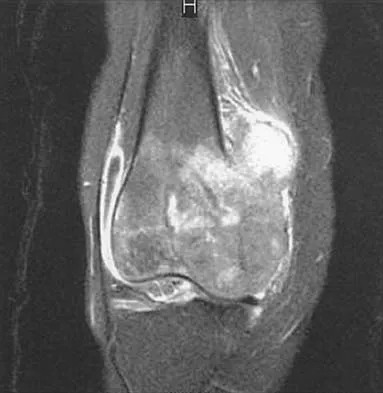
Figure for Mtd 2002 MCQs - Part 4 - Question 76

Key Takeaway

Your ultimate guide to Orthopedic Basic 2026 MCQs: Board Review Questions & Answers (Part 4) starts here. Top-rated Orthopedic Basic 2026 MCQs bank. Practice with clinical case questions, orthopedic surgery board review, and evidence-based answers updated for 2026.

Orthopedic Basic 2026 MCQs: Board Review Questions & Answers (Part 4)

Comprehensive 100-Question Exam


00:00

Start Quiz

Question 1

A 30-year-old woman has pain in her right hand. The radiograph, CT scan, and biopsy specimen are seen in Figures 38a through 38c. What is the most likely diagnosis?


Explanation

38b 38c An enchondroma is the most common primary tumor of the long bones of the hand. The lesion is usually asymptomatic and often is detected when there is a pathologic fracture. Shimizu K, Kotoura Y, Nishijima N, Nakamura T: Enchondroma of the distal phalanx of the hand. J Bone Joint Surg Am 1997;79:898-900.

Question 2

Which of the following agents have been shown to reduce the incidence of skeletal events in patients with multiple myeloma?


Explanation

Bisphosphonates are a class of drugs that act to inhibit osteoclast resorption of bone. It has been shown that patients with multiple myeloma who are treated with bisphosphonates have fewer pathologic fractures than patients who are not treated with bisphosphonates. Vitamin D and calcium are considered appropriate for patients who are at risk for the development of osteoporosis, as is estrogen in selected women. Chelating agents and progesterones have no use in the treatment of patients with multiple myeloma or osteoporosis. Berenson JR: Bisphosphonates in multiple myeloma. Cancer 1997;15:1661-1667.

Question 3

A 12-year-old girl has had progressive left knee pain for the past 4 months. She reports that the pain is unrelated to activity, and she has no history of fever or recent infections. Examination reveals full range of motion of the knee but tenderness along the medial joint line. Plain radiographs and MRI scans are shown in Figures 39a through 39d. A biopsy specimen of the lesion is shown in Figure 39e. Treatment should include


Explanation

39b 39c 39d 39e The lesion is a chondroblastoma. The plain radiographs show a well-defined radiolucent lesion in the distal femoral epiphysis of a skeletally immature patient. The margins are well defined, suggesting a benign growth. The epiphysis is an unusual location for bone tumors, except for chondroblastomas. Of all chondroblastomas, 95% are located within the epiphysis. The MRI scans show a punctate appearance that is commonly seen in cartilage lesions. The biopsy specimen shows a chondroid lesion with polygonal chondrocytes. These findings are consistent with a chondroblastoma. The natural history of chondroblastomas is for continued growth and bone destruction if left untreated. Treatment should consist of curettage, with or without the use of physical or chemical adjuvants, and bone grafting.

Question 4

An open biopsy specimen of a radiodense distal clavicle lesion in a 12-year-old girl shows chronic polyclonal inflammatory cells without granuloma formation. Laboratory studies show that bacterial, fungal, and acid-fast bacillus cultures are negative. Subsequently, a similar lesion is noted in the fibula. The next most appropriate step in management should consist of


Explanation

The most likely diagnosis is chronic multifocal osteomyelitis. This is a culture-negative polyostotic disease that is most commonly found in young people. The treatment of choice is anti-inflammatory drugs. The pathology does not suggest eosinophilic granuloma. Antiviral therapy, broad-spectrum antibiotics, and surgical resection are not indicated for this disease.

Question 5

Figure 40 shows the radiograph of a 30-year-old woman who has a painful elbow. Examination reveals a deformed skull, multiple cafe-au-lait spots, and bone deformities. What is the most likely diagnosis?


Explanation

Findings in patients with McCune-Albright syndrome include polyostotic fibrous dysplasia, multiple cafe-au-lait spots, and precocious puberty. The bone changes in NF-1 resemble nonossifying fibromas, not fibrous dysplasia. NF-2 has little bony change with typical ocular abnormalities. Paget's disease occurs in older individuals and does not present with cafe-au-lait spots. Ollier's disease (multiple enchondromatosis) may show bone changes but not the other findings. Albright F, Butler AM, Hampton AO, et al: Syndrome characterized by osteitis fibrosa disseminata, areas of pigmentation and endocrine dysfunction with precocious puberty in females. N Engl J Med 1937;216:727-746. Danon M, Robboy SJ, Kim S, Scully R, Crawford JD: Cushing syndrome, sexual precocity, and polyostotic fibrous dysplasia (Albright syndrome) in infancy. J Pediatr 1975;87:917-921.

Question 6

Figure 41a shows the AP radiograph of a 15-year-old boy who reports lateral knee pain. Figures 41b and 41c show a radiograph of the distal femur that was obtained 5 years ago and a current CT scan. The indication for surgery in this patient would be


Explanation

41b 41c In a young person with solitary osteochondroma, the best surgical indication is symptoms that limit activity. A growth deformity is unlikely to occur at this age. Malignant degeneration is exceptionally rare and noted most commonly in adults. Growth is expected until skeletal maturity. Mirra JM: Bone Tumors: Clinical, Radiologic, and Pathologic Correlations. Philadelphia, PA, Lea and Febiger, 1989, pp 1626-1659.

Question 7

In what decade does the peak incidence of conventional osteosarcoma occur?


Explanation

Conventional osteosarcoma most frequently occurs in the second decade, followed by the third decade. Approximately 70% to 75% of patients with osteosarcoma are between the ages of 10 and 25 years. Secondary osteosarcoma (arising in Paget's disease or radiation-induced) is seen in older adults. Simon MA, Springfield DS, et al: Osteogenic Sarcoma: Surgery for Bone and Soft Tissue Tumors. Philadelphia, PA, Lippincott Raven, 1998, p 266. Mirra JM: Bone Tumors: Clinical, Radiologic, and Pathologic Correlations. Philadelphia, PA, Lea and Febiger, 1989.

Question 8

A 10-year-old boy has a painful thigh mass. A radiograph, MRI scan, and biopsy specimen are shown in Figures 42a through 42c. What is the most likely diagnosis?


Explanation

42b 42c A destructive mixed lytic and blastic metaphyseal lesion with a large soft-tissue mass in an adolescent is most likely an osteosarcoma until proven otherwise. The epicenter of the tumor is on the surface of the bone, most likely involves the periosteum, and is more likely to be chondroblastic in nature. Parosteal osteosarcoma is a low-grade tumor, much more radiodense, usually smaller, and found in the posterior distal femur of middle-aged patients. Chondrosarcomas are distinctly rare in childhood.

Question 9

A 21-year-old man with neurofibromatosis and multiple cutaneous neurofibromas has a rapidly enlarging painless mass on his buttock. Examination reveals a nontender, well-defined 6- x 6-cm soft-tissue mass that is deep to the fascia. The best course of action should be to order


Explanation

Patients with neurofibromatosis are at risk for development of soft-tissue sarcomas (most commonly malignant peripheral nerve sheath tumors). Clinical indications of development of a neurofibrosarcoma include a rapidly enlarging soft-tissue mass; therefore, this patient should be considered to have a neurofibrosarcoma until proven otherwise. MRI is superior to CT in characterizing the anatomic location of soft-tissue masses and the signal characteristics of the lesion. Areas of necrosis within the tumor may be apparent on MRI that cannot be appreciated on CT, suggesting a malignant tumor. Local imaging studies of suspected malignant tumors should be performed prior to needle or open biopsy so that the biopsy site can be excised at the time of definitive resection. Additionally, postbiopsy changes may lead to MRI artifacts that alter the interpretation of the MRI. Demas BE, Heelan RT, Lane J, Marcove R, Hajdu S, Brennan MF: Soft-tissue sarcomas of the extremities: Comparison of MR and CT in determining the extent of disease. Am J Roentgenol 1988;150:615-620.

Question 10

A 21-year-old man has had progressive right knee pain for the past 2 months that is exacerbated with weight-bearing activities. A plain radiograph and an MRI scan are shown in Figures 43a and 43b. A biopsy specimen is shown in Figure 43c. According to the Enneking staging system of tumor classification, the lesion should be classified as what stage?


Explanation

43b 43c The lesion is an eccentric lytic bone lesion within the epiphyseal-metaphyseal end of the proximal tibia. There is geographic destruction with a "fading border" extending to the articular cartilage. There is no matrix formation or periosteal reaction. The MRI scan shows cortical destruction with extension into the soft tissue. According to the Enneking staging system, benign lesions are stage 1, 2, or 3; malignant lesions are stage I, II, or III. Benign stage 1 lesions are latent; stage 2 are active; and stage 3 are benign aggressive. The histology shows a benign giant cell tumor. Given the cortical breakthrough shown on the MRI scan, the lesion should be classified as stage 3. Enneking WF: Clinical musculoskeletal pathology, in Enneking WF (ed): Appendix A. Gainesville, FL, Storter Publishing, 1986, pp 451-466.

Question 11

What is a common clinical finding in patients with severe hypercalcemia secondary to bony metastasis?


Explanation

Increased levels of calcium are known to cause anorexia, nausea, vomiting, dehydration, muscle weakness, polyuria, and polydipsia. Treatment may include hydration, saline diuresis, and bisphosphonates.

Question 12

What cell type causes the bone destruction in metastatic lesions?


Explanation

The main consequence of tumor invading the bone is activation of both osteoblasts and osteoclasts. However, the osteoclastic effect predominates in the majority of tumors early after the invasion of bone by tumor cells, causing resorption of bone. Cramer SF, Fried L, Carter KJ: The cellular basis of metastatic bone disease in patients with lung cancer. Cancer 1981;48:2649-2660.

Question 13

What is the most common malignant bone tumor seen in patients with multiple hereditary exostosis?


Explanation

Secondary chondrosarcomas are most common in patients with multiple hereditary exostosis. Dedifferentiated chondrosarcoma is less common and refers to bone lesions in which a high-grade spindle cell sarcoma component is located immediately adjacent to a low-grade cartilage neoplasm. Mesenchymal chondrosarcoma, clear cell chondrosarcoma, and periosteal osteosarcoma are no more common in patients with multiple hereditary exostosis than in the general population. Mirra JM: Bone Tumors: Clinical, Radiologic, and Pathologic Correlations. Philadelphia, PA, Lea and Febiger, 1989, pp 1660-1669.

Question 14

An athletic 55-year-old man reports a painless mass in the anterior aspect of the thigh that appeared 3 weeks ago and has not changed in size. The patient denies any history of trauma. Examination reveals a firm, well-defined nontender mass in the anterior thigh and no inguinal adenopathy or cutaneous changes. Plain radiographs are unremarkable. T1- and T2-weighted MRI scans are shown in Figures 44a and 44b. What is the most likely diagnosis?


Explanation

44b The presence of a painless soft-tissue mass that is greater than 5 cm and deep to the fascia should be considered a soft-tissue sarcoma until proven otherwise. The diagnosis of a hematoma should be made with great caution because the absence of a history of trauma, pain, or presence of ecchymosis makes it unlikely. A diagnosis of pyomyositis is unlikely because of the absence of warmth, erythema, or adenopathy. The MRI scans are not consistent with lipoma or hemangioma. The MRI signal characteristics of a lipoma should be the same as subcutaneous fat on all sequences. Soft-tissue hemangiomas are not well defined and have an infiltrative appearance on MRI scans, as does pyomyositis. Sim FH, Frassica FJ, Frassica DA: Soft-tissue tumors: Diagnosis, evaluation and management. J Am Acad Orthop Surg 1994;2:202-211.

Question 15

Epithelioid sarcoma most commonly occurs in which of the following anatomic locations?


Explanation

Epithelioid sarcoma is a rare soft-tissue sarcoma that most commonly arises in the hand or upper extremity, and it is frequently misdiagnosed as an infection or granuloma. It tends to have a higher incidence of lymph node metastasis than other soft-tissue sarcomas. The mainstay of treatment is wide surgical excision, even if amputation is necessary. Gupta TD, Chaudhuri P (eds): Tumors of the Soft Tissues, ed 2. Stamford, CT, Appleton and Lange, 1998, p 475.

Question 16

What common cytologic abnormality is associated with Ewing's sarcoma?


Explanation

Cytogenetic abnormalities have been well characterized in a number of tumors. Translocation t (2, 13), (x, 18), (12, 16), and (12, 22) have been characterized in rhabdomyosarcoma, synovial cell sarcoma, myxoid liposarcoma, and clear cell sarcoma, respectively. Translocation t(11:22) can be identified in 95% of patients with Ewing's sarcoma. This was first described by Turc-Carel and associates in 1984. Enzinger FM, Weiss SW: Soft Tissue Tumors, ed 3. St Louis, MO, Mosby Year Book, 1995, pp 105-118. Turc-Carel C, Philip I, Berger MP, Philip T, Lenoir GM: Chromosome study of Ewing's sarcoma (ES) cell lines: Consistency of a reciprocal translocation t(11;22) (q24;q12). Cancer Genet Cytogenet 1984;12:1-19.

Question 17

Figures 45a and 45b show the radiographs of a 46-year-old man who reports the acute onset of right knee pain and is unable to bear weight on the extremity. His medical history is unremarkable. The next most appropriate step in management should consist of


Explanation

45b The patient has a pathologic fracture of the right distal femur; therefore, given the patient's age, the most likely diagnosis is metastatic carcinoma. Staging studies should be obtained prior to surgical treatment. Immediate intramedullary fixation is contraindicated before a diagnosis is made by biopsy. Surgical stabilization should be performed prior to radiation therapy.

Question 18

Figure 46 shows the MRI scan of a patient who has a mass in the calf that has been fluctuating in size. Radiographs are negative. Which of the following procedures will most quickly aid in confirming the diagnosis?


Explanation

The bright signal on the T2-weighted MRI scan suggests fluid. The multiloculated appearance in proximity to the proximal tibiofibular joint suggests that the most likely diagnosis is a ganglion. They typically increase and decrease in size and can be diagnosed by the classic gelatinous fluid obtained through needle aspiration. Bianchi S, Abdelwahab IF, Kenan S, Zwass A, Ricci G, Palomba G: Intramuscular ganglia arising from the superior tibiofibular joint: CT and MR evaluation. Skeletal Radiol 1995;24:253-256.

Question 19

What are the five most common tumors that metastasize to bone?


Explanation

The five most common primary carcinomas that metastasize to bone are breast, prostate, lung, renal, and thyroid in decreasing order of incidence. Frassica FJ, Gitelis S, Sim FH: Metastatic bone disease: General principles, pathophysiology, evaluation, and biopsy. Instr Course Lect 1992;41:293-300.

Question 20

Pain associated with a proximal medial tibial osteochondroma in a 10-year-old patient is most commonly the result of


Explanation

Pain secondary to an osteochondroma is usually from soft-tissue irritation and bursal formation. This is particularly common for proximal medial tibia osteochondromas that irritate the pes anserine tendons. Malignant degeneration into a chondrosarcoma rarely occurs, is usually associated with multiple hereditary exostoses, and usually occurs after skeletal maturity. Borges AM, Huvos AG, Smith J: Bursa formation and synovial chondrometaplasia associated with osteochondromas. Am J Clin Pathol 1981;75:648-653.

Question 21

Figures 47a through 47f show the AP radiograph, bone scan, CT scan, MRI scan, and biopsy specimens of a 30-year-old woman who has had vague left shoulder pain for 1 year. Management should consist of


Explanation

47b 47c 47d 47e 47f The histology shows eosinophils with a background of larger cells (Langerhans' cells). This is consistent with eosinophilic granuloma. Localized sites are best treated with curettage, steroid injection, or observation. Chemotherapy is used only if there is systemic involvement. Mirra JM: Eosinophilic granuloma, in Bone Tumors: Clinical, Radiologic, and Pathologic Correlations. London, England, Lea and Febiger, 1989, pp 1023-1060. Sessa S, Sommelet D, Lascombes P, Prevot J: Treatment of Langerhans-cell histiocytosis in children: Experience at the Children's Hospital of Nancy. J Bone Joint Surg Am 1994;76:1513-1525.

Question 22

What is the 5-year overall survival rate for adults with high-grade soft-tissue sarcomas?


Explanation

The 5-year overall survival rate for deep, high-grade soft-tissue sarcomas is around 50%. The overall survival and disease-free survival rates chiefly depend on the tumor stage, but for all stages combined, most cancer treatment centers report a 5-year overall survival rate of around 70% and a disease-free survival rate of 65%. Fleming ID, et al: Manual for Staging of Cancer/American Joint Committee on Cancer, ed 5. Philadelphia, PA, Lippincott Raven, 1997, pp 149-156.

Question 23

Figures 48a through 48c show the lateral radiograph and MRI scans of a 60-year-old man who has had pain in his thigh for 1 month. The next most appropriate step in management should consist of


Explanation

48b 48c The patient has a presumed metastatic bone tumor. The approach to evaluating a patient with a bone tumor of unknown primary origin is to obtain laboratory studies that include a CBC, an erythrocyte sedimentation rate, a serum protein electrophoresis, a calcium level, a urinalysis, and a prostate-specific antigen. In addition, a bone scan, a radiograph of the chest, and CT scans of the chest and abdomen should be obtained. These evaluations can identify the primary site in 85% of patients. GI studies rarely are of diagnostic value. Prophylactic stabilization is contraindicated until a diagnosis is confirmed by histology. Frassica FJ, Frassica DA, McCarthy EF, Riley LH III: Metastatic bone disease: Evaluation, clinicopathologic features, biopsy, fracture risk, nonsurgical treatment, and supportive management. Instr Course Lect 2000;49:453-459.

Question 24

A 17-year-old boy has had a mass in his right thigh for the past 6 months. He denies any history of trauma. Examination reveals that the mass is painless and firm. A radiograph and axial MRI scan are shown in Figures 49a and 49b. What is the most likely diagnosis?


Explanation

49b Osteochondroma typically occurs as a bony projection or a sessile growth on the bone, and there can be flaring of the metaphysis. The radiograph shows continuity from the adjacent cancellous bone into the lesion itself. There is no soft-tissue mass or bone destruction to suggest osteosarcoma or Ewing's sarcoma. Periosteal chondroma has a scalloped out radiographic appearance. Chondroblastoma typically is an epiphyseal-based lesion.

Question 25

Evaluation of the percent of necrosis in the resected specimen after preoperative chemotherapy is of prognostic value for what type of sarcoma?


Explanation

To date, only the percent of necrosis after induction chemotherapy in high-grade osteosarcomas seems to be of prognostic value. The value in soft-tissue sarcoma and rhabdomyosarcoma is being evaluated but has not been substantiated. Chondrosarcomas and parosteal osteosarcomas are not treated with chemotherapy. Rosen G, Marcove RC, Caparros B, Nirenberg A, Kosloff C, Huvos AG: Primary osteogenic sarcoma: The rationale for pre-operative chemotherapy and delayed surgery. Cancer 1979,43:2163-2177. Davis AM, Bell RS, Goodwin PJ: Prognostic factors in osteosarcoma: A critical review. J Clin Oncol 1994;12:423-431.

Question 26

A 65-year-old woman is evaluated for osteoporosis. She is started on denosumab. What is the precise mechanism of action of this medication?


Explanation

Denosumab is a fully human monoclonal antibody that specifically binds to the receptor activator of nuclear factor kappa-B ligand (RANKL). By binding to RANKL, denosumab prevents the interaction of RANKL with RANK, a receptor located on the surface of osteoclasts and their precursors. This inhibition prevents the formation, function, and survival of osteoclasts, leading to decreased bone resorption and increased bone mass.

Question 27

A 35-year-old man sustains a midshaft humerus fracture resulting in an isolated radial nerve palsy. Electromyography at 4 weeks shows fibrillation potentials in the brachioradialis but no voluntary motor unit action potentials. What is the underlying pathophysiological process occurring at the distal axon?


Explanation

The presence of fibrillation potentials on electromyography indicates denervation, meaning axonal disruption has occurred (axonotmesis or neurotmesis). This disruption interrupts axoplasmic flow, leading to Wallerian degeneration of the distal nerve segment. Neuropraxia (focal demyelination) does not result in fibrillation potentials. Retrograde chromatolysis occurs in the neuronal cell body, not the distal axon.

Question 28

Articular cartilage has a complex hierarchical structure that allows it to withstand compressive and shear forces. In the superficial zone of articular cartilage, what is the primary orientation of type II collagen fibers and what is its biomechanical function?


Explanation

In the superficial zone (lamina splendens) of articular cartilage, collagen fibers (primarily type II) are densely packed and oriented parallel to the joint surface. This structural arrangement allows the cartilage to resist the significant shear, tensile, and frictional forces generated during joint motion. In the deep zone, collagen fibers are oriented perpendicular to the joint surface, anchoring into the calcified cartilage to resist compressive loads.

Question 29

A 15-year-old boy presents with a painful mass in the distal femur. A biopsy reveals small, round blue cells. Molecular testing demonstrates a t(11;22)(q24;q12) chromosomal translocation. This specific genetic alteration results in the fusion of which two genes, characteristic of the diagnosed lesion?


Explanation

The t(11;22)(q24;q12) translocation is found in approximately 85% of Ewing sarcomas. This translocation fuses the EWSR1 (Ewing sarcoma breakpoint region 1) gene on chromosome 22 with the FLI1 (Friend leukemia integration 1) gene on chromosome 11, resulting in the EWS-FLI1 fusion protein, which acts as an aberrant transcription factor. SYT-SSX is associated with synovial sarcoma; TLS-CHOP with myxoid liposarcoma; PAX3-FKHR with alveolar rhabdomyosarcoma; and MDM2/CDK4 amplification with well-differentiated liposarcomas and parosteal osteosarcoma.

Question 30

A 45-year-old patient undergoes an open reduction and internal fixation of a diaphyseal forearm fracture using absolute stability techniques (lag screw and neutralization plate). Which type of bone healing is expected, and what is the primary biological mediator initiating this process?


Explanation

Absolute stability (rigid fixation with absolute lack of interfragmentary strain) leads to primary bone healing. This process bypasses the inflammatory phase and callus formation entirely. Contact healing occurs directly via 'cutting cones,' which consist of a leading edge of osteoclasts that resorb a channel across the fracture line, followed immediately by osteoblasts that deposit lamellar bone in a Haversian remodeling pattern.

Question 31

Aseptic loosening is the most common cause of late failure in total joint arthroplasty. The biological cascade leading to periprosthetic osteolysis is primarily initiated by the phagocytosis of wear debris. Which cell type is the principal driver of this initial inflammatory response, and what is the primary cytokine released?


Explanation

The initiation of periprosthetic osteolysis occurs when tissue macrophages phagocytose particulate wear debris (typically polyethylene, but also metal or cement). Once activated, macrophages release a cascade of pro-inflammatory cytokines, most notably TNF-alpha, IL-1, and IL-6. These cytokines subsequently stimulate osteoblast expression of RANKL, which activates osteoclasts, leading to active bone resorption and subsequent aseptic loosening.

Question 32

A 60-year-old man develops a chronic prosthetic joint infection 2 years after a total knee arthroplasty. Intraoperative cultures grow Staphylococcus epidermidis. The organism's ability to persist on the implant surface despite appropriate systemic antibiotic therapy is primarily due to:


Explanation

Staphylococcus epidermidis and S. aureus produce a polysaccharide intercellular adhesin (PIA) that forms an extracellular polymeric matrix, known as a glycocalyx or biofilm, on the surface of orthopedic implants. This biofilm severely limits the penetration of antibiotics and host immune cells. Furthermore, the bacteria deep within the biofilm become metabolically inactive 'persister cells,' rendering traditional bactericidal antibiotics ineffective. For chronic biofilm infections, surgical removal of the implant is usually required.

Question 33

During tensile testing of a human anterior cruciate ligament (ACL) graft, a load-elongation (stress-strain) curve is plotted. What does the non-linear 'toe region' of this curve represent physiologically?


Explanation

The stress-strain curve of tendons and ligaments begins with a non-linear 'toe region.' In the resting state, collagen fibers exhibit a wavy or crimped microscopic pattern. As initial tension is applied, these fibers straighten (uncrimp), resulting in tissue elongation with relatively low applied load. Once uncrimped, the curve enters the linear (elastic) region, where actual stretching of the collagen molecular backbone requires significantly greater force.

Question 34

A patient is diagnosed with familial hypophosphatemic rickets (X-linked dominant). The underlying pathophysiology involves an overproduction of Fibroblast Growth Factor 23 (FGF23). What is the primary renal effect of excessive FGF23 in this condition?


Explanation

FGF23 is a phosphatonin primarily secreted by osteocytes. It acts directly on the kidneys to downregulate the sodium-phosphate cotransporters (NaPi-IIa and NaPi-IIc) in the proximal tubule, leading to pronounced renal phosphate wasting. Additionally, FGF23 strongly inhibits the enzyme 1-alpha-hydroxylase, decreasing the synthesis of active 1,25-dihydroxyvitamin D. In familial hypophosphatemic rickets (due to PHEX gene mutations), elevated FGF23 leads to severe hypophosphatemia and paradoxically normal or low calcitriol levels.

Question 35

A 72-year-old woman is scheduled for an elective total hip arthroplasty. Her surgeon prescribes apixaban for postoperative deep vein thrombosis (DVT) prophylaxis. By which precise mechanism does apixaban achieve its primary anticoagulant effect?


Explanation

Apixaban and rivaroxaban are direct, oral, highly selective inhibitors of Factor Xa (DOACs). They bind directly to the active site of factor Xa, preventing the conversion of prothrombin to thrombin in the coagulation cascade. Dabigatran is a direct thrombin (Factor IIa) inhibitor. Warfarin is a vitamin K antagonist. Low-molecular-weight heparins primarily potentiate antithrombin III. Aspirin irreversibly inhibits cyclooxygenase-1 in platelets.

Question 36

A 65-year-old man with a long-standing history of bone pain, increasing head size, and hearing loss presents with a subtrochanteric femur fracture after a minor fall. What is the characteristic histologic finding of the abnormal bone at the fracture site?


Explanation

The clinical presentation is classic for Paget's disease of bone (osteitis deformans), which is characterized by increased, disorganized bone turnover. The hallmark histologic finding is a 'mosaic' pattern of lamellar bone with prominent, haphazardly arranged cement lines, reflecting repeated, chaotic episodes of bone resorption by overactive osteoclasts and subsequent rapid formation by osteoblasts.

Question 37

A 55-year-old woman with metastatic breast cancer to the spine and pelvis is prescribed an agent to reduce the incidence of skeletal-related events (pathologic fractures, spinal cord compression). The prescribed agent is a fully human monoclonal antibody. What is its specific mechanism of action?


Explanation

Denosumab is a fully human monoclonal antibody that binds to RANKL (receptor activator of nuclear factor kappa-B ligand). By binding RANKL, it prevents it from interacting with its receptor, RANK, on the surface of osteoclasts and their precursors. This inhibition suppresses osteoclast formation, function, and survival, thereby reducing bone resorption. Bisphosphonates, on the other hand, inhibit farnesyl pyrophosphate synthase.

Question 38

A 14-year-old boy presents with a 2-month history of pain and swelling in his left thigh. Plain radiographs show a permeative, destructive diaphyseal lesion in the femur with an 'onion skin' periosteal reaction. Biopsy reveals uniform, small, round blue cells that stain positive for CD99. Cytogenetic analysis is most likely to show which of the following chromosomal translocations?


Explanation

The diagnosis is Ewing sarcoma, a highly malignant bone tumor seen most commonly in children and adolescents. It classically presents with a permeative diaphyseal lesion and 'onion skin' (lamellated) periosteal reaction. Histologically, it is a small round blue cell tumor. It is defined by the t(11;22)(q24;q12) translocation in over 90% of cases, which fuses the EWS gene on chromosome 22 to the FLI1 gene on chromosome 11. The t(X;18) translocation is associated with synovial sarcoma; t(2;13) is seen in alveolar rhabdomyosarcoma; and t(12;16) is seen in myxoid liposarcoma.

Question 39

In a 16-year-old patient diagnosed with localized, conventional high-grade osteosarcoma of the distal femur, which of the following clinical or pathologic factors is considered the most significant prognostic indicator for overall long-term survival?


Explanation

The degree of tumor necrosis following neoadjuvant chemotherapy is the single most important and reliable prognostic factor for patients with non-metastatic, conventional high-grade osteosarcoma. A 'good response' is typically defined as greater than 90% necrosis (Huvos grade III or IV) and is associated with significantly improved disease-free and overall survival.

Question 40

A 28-year-old man presents with a slow-growing, painful mass around his right knee, deep to the fascia. MRI shows a soft tissue mass, and plain radiographs demonstrate focal calcifications within the lesion. Core needle biopsy demonstrates a biphasic pattern of epithelial and spindle cells. What is the most appropriate initial management for this localized disease?


Explanation

The patient has a synovial sarcoma, which frequently presents as a slow-growing mass in the extremities of young adults, often with focal calcifications on plain radiographs. It is a high-grade soft tissue sarcoma. The standard of care for localized, high-grade soft tissue sarcomas of the extremity involves wide surgical excision. Radiation therapy (either neoadjuvant or adjuvant) is highly recommended to improve local control rates. Marginal excision alone is associated with a high recurrence rate.

Question 41

A 32-year-old woman presents with worsening knee pain. Radiographs reveal an eccentric, purely lytic lesion in the distal femoral epiphysis extending to the subchondral bone without a sclerotic rim. Biopsy confirms Giant Cell Tumor of bone (GCT). Which of the following accurately describes the molecular pathogenesis and targeted therapy for this tumor?


Explanation

In Giant Cell Tumor of bone (GCT), the true neoplastic cells are the mononuclear spindle-like stromal cells. These cells express high levels of RANKL. The characteristic multinucleated giant cells are actually non-neoplastic, reactive osteoclast-like cells that express the RANK receptor. Denosumab, a RANKL inhibitor, binds the RANKL produced by the stromal cells, depriving the giant cells of the signal needed to survive and cause osteolysis. It is FDA-approved for locally advanced or unresectable GCTs.

Question 42

A 55-year-old man presents with an enlarging, painful mass in his proximal humerus. Radiographs show a lytic lesion with intralesional 'popcorn' calcifications and deep endosteal scalloping greater than two-thirds of the cortical thickness. Biopsy confirms a Grade II (intermediate) conventional chondrosarcoma. What is the most appropriate definitive treatment?


Explanation

Conventional chondrosarcomas are generally radio-resistant and chemo-resistant. Therefore, the mainstay of treatment is surgical. For intermediate-grade (Grade II) and high-grade (Grade III) chondrosarcomas, wide surgical resection with negative margins is required to minimize the risk of local recurrence and metastasis. Intralesional curettage with adjuvants is generally reserved for low-grade (Grade I) chondrosarcomas (atypical cartilaginous tumors) in the appendicular skeleton.

Question 43

A 62-year-old man presents with diffuse back and rib pain. Radiographs show multiple punched-out lytic lesions in the skull and pelvis. Laboratory evaluation reveals hypercalcemia, renal insufficiency, and anemia. Bone marrow aspirate shows >10% clonal plasma cells. Which of the following laboratory abnormalities is most strongly associated with a poor overall survival prognosis in this disease?


Explanation

The patient's presentation is diagnostic of multiple myeloma (CRAB criteria: hyperCalcemia, Renal insufficiency, Anemia, Bone lesions). The Revised International Staging System (R-ISS) for multiple myeloma relies heavily on serum beta-2 microglobulin and serum albumin levels, along with LDH and high-risk chromosomal abnormalities. An elevated beta-2 microglobulin (>5.5 mg/L) is the most significant biochemical indicator of high tumor burden, diminished renal function, and poor prognosis.

Question 44

A 20-year-old woman is incidentally found to have a proximal femoral lesion during imaging for a hip strain. The radiograph shows a diaphyseal 'ground-glass' appearance surrounded by a sclerotic rim, with mild varus bowing. She has no endocrine abnormalities or cafe-au-lait spots. The underlying genetic mutation for this bony lesion involves which of the following?


Explanation

The radiographic description ('ground-glass' matrix, mild bowing deformity) is classic for fibrous dysplasia. Fibrous dysplasia (both monostotic and polyostotic forms, as well as McCune-Albright syndrome) is caused by a somatic, activating postzygotic mutation in the GNAS1 gene. This gene encodes the alpha subunit of the stimulatory G protein (Gs). The mutation causes constitutive activation of adenylate cyclase, leading to increased intracellular cAMP, which results in the abnormal differentiation of osteoblasts and replacement of normal medullary bone with fibrous stroma.

Question 45

A 16-year-old boy complains of persistent anterior thigh pain that has worsened over the past 4 months. He notes the pain is significantly worse at night and is dramatically relieved within 30 minutes of taking ibuprofen. Radiographs demonstrate a diaphyseal cortical thickening with a 1-cm central radiolucent nidus. What is the pathophysiologic mechanism responsible for the characteristic pain in this condition?


Explanation

The classic presentation of an osteoid osteoma includes intense, localized pain that is worse at night and dramatically relieved by NSAIDs. Pathologically, the central nidus of an osteoid osteoma produces very high levels of prostaglandins, particularly PGE2. This high local concentration of prostaglandins stimulates sensory nerve endings within the lesion, causing the intense pain. NSAIDs work by inhibiting cyclooxygenase (COX), thereby blocking prostaglandin synthesis and providing rapid pain relief.

Question 46

A 28-year-old man presents with a slow-growing, painless mass in the popliteal fossa of his left knee. Biopsy reveals a biphasic tumor with both epithelial and spindle cell components. Immunohistochemistry is positive for cytokeratin and epithelial membrane antigen (EMA). Which of the following chromosomal translocations is most characteristic of this lesion?


Explanation

The clinical and histological description is classic for synovial sarcoma, which frequently presents as a deep-seated mass near a joint in young adults. Histologically, it can be biphasic (containing both epithelial and spindle cells) or monophasic. Synovial sarcoma is characterized by the t(X;18)(p11;q11) translocation, leading to the SYT-SSX fusion gene. t(11;22) is characteristic of Ewing sarcoma; t(12;16) is seen in myxoid liposarcoma; t(9;22) is associated with extraskeletal myxoid chondrosarcoma; and t(2;13) is found in alveolar rhabdomyosarcoma.

Question 47

A 32-year-old woman presents with a lytic lesion in the distal femur extending to the subchondral bone. Biopsy confirms the diagnosis of a giant cell tumor of bone. She is treated with denosumab preoperatively to downstage the tumor. What is the mechanism of action of this medication?


Explanation

Denosumab is a fully human monoclonal antibody that specifically binds to Receptor Activator of Nuclear factor Kappa-B Ligand (RANKL). By binding to RANKL, it prevents RANKL from interacting with the RANK receptor located on the surface of osteoclasts and osteoclast precursors. This inhibits osteoclast formation, function, and survival. In giant cell tumors, the neoplastic stromal cells express high levels of RANKL, which recruits and activates the reactive multinucleated giant cells that cause bone destruction.

Question 48

A 15-year-old boy presents with knee pain and a destructive, bone-forming lesion in the proximal tibia. Biopsy confirms high-grade intramedullary osteosarcoma. Mutations in which of the following pairs of tumor suppressor genes are most frequently associated with the pathogenesis of this disease?


Explanation

High-grade conventional osteosarcoma is highly associated with mutations in the retinoblastoma (RB1) and TP53 tumor suppressor genes. Patients with hereditary retinoblastoma (germline RB1 mutation) and Li-Fraumeni syndrome (germline TP53 mutation) have a significantly increased risk of developing osteosarcoma. EXT1 and EXT2 are associated with multiple hereditary exostoses, which can degenerate into chondrosarcoma, not osteosarcoma.

Question 49

During internal fixation of a diaphyseal femur fracture, a surgeon aims to maximize the pullout strength of a cortical screw. Which of the following alterations to screw design or insertion technique most effectively increases pullout strength in dense cortical bone?


Explanation

Screw pullout strength is directly proportional to the outer (major) diameter of the screw, the length of engagement in the bone, and the shear strength of the bone material. Decreasing the thread pitch increases the number of threads per unit of length, which increases the volume of bone caught between the threads, thereby increasing pullout strength. Increasing the minor diameter (core diameter) would decrease thread depth and thus decrease pullout strength. Tapping with a larger tap would ruin the bony thread interface.

Question 50

In typical adult hyaline articular cartilage, which zone is characterized by the highest concentration of proteoglycans, the lowest concentration of water, and chondrocytes arranged in vertical columns?


Explanation

The deep (radial) zone of articular cartilage is characterized by the largest collagen fibrils arranged perpendicularly (vertically) to the joint surface, chondrocytes arranged in vertical columns parallel to the collagen fibers, the lowest water content, and the highest concentration of proteoglycans. The superficial zone, by contrast, has the highest water content, lowest proteoglycan content, and collagen fibers parallel to the joint surface.

Question 51

A 65-year-old man presents with aseptic loosening of his cementless total hip arthroplasty 12 years after the index procedure. Radiographs show extensive periprosthetic osteolysis. The primary biological mechanism driving this osteolysis involves the phagocytosis of wear particles by which of the following cell types, leading to the release of TNF-alpha and IL-1?


Explanation

Aseptic loosening due to periprosthetic osteolysis is primarily driven by a macrophage-mediated inflammatory response. Macrophages phagocytose particulate wear debris (such as polyethylene particles) and subsequently release pro-inflammatory cytokines, particularly TNF-alpha, IL-1, IL-6, and PGE2. These cytokines stimulate osteoclastogenesis and bone resorption via the RANK/RANKL pathway.

Question 52

During secondary fracture healing, the soft callus is gradually replaced by hard callus through the process of endochondral ossification. Which of the following collagen types is most highly expressed by hypertrophic chondrocytes as the cartilage matrix calcifies before being replaced by woven bone?


Explanation

Type X collagen is uniquely synthesized by hypertrophic chondrocytes during endochondral ossification and in the growth plate. It is considered a specific marker of chondrocyte hypertrophy and plays a critical role in the calcification of the cartilage matrix, facilitating subsequent vascular invasion and osteoblast-mediated deposition of Type I collagen (bone).

Question 53

A 72-year-old woman with severe osteoporosis and a history of a vertebral compression fracture is started on daily subcutaneous injections of teriparatide. Which of the following best describes the physiological effect of this specific dosing regimen?


Explanation

Teriparatide is a recombinant fragment of human parathyroid hormone (PTH 1-34). While continuous endogenous elevation of PTH (as in hyperparathyroidism) leads to net bone resorption, intermittent (daily) exogenous administration of PTH analogs like teriparatide exerts an anabolic effect. It preferentially stimulates osteoblast activity and lifespan over osteoclast activity, leading to a net increase in new bone formation.

Question 54

A 9-year-old boy presents with a painful, swollen mid-thigh. Radiographs reveal a permeative diaphyseal lesion in the femur with a prominent 'onion-skin' periosteal reaction.

Histology shows sheets of uniform small round blue cells that stain strongly positive for CD99. Which of the following fusion proteins is most likely driving this malignancy?


Explanation

The clinical, radiographic, and histological presentation is classic for Ewing sarcoma. Ewing sarcoma typically presents in the diaphysis of long bones in children, showing a permeative lytic lesion with lamellated ('onion-skin') periostitis. It is a small round blue cell tumor that typically expresses CD99 (MIC2). The genetic hallmark is the t(11;22)(q24;q12) translocation, which produces the EWS-FLI1 fusion protein in approximately 85-90% of cases.

Question 55

A 60-year-old man with metastatic prostate cancer to the spine is treated with intravenous zoledronic acid to reduce the risk of skeletal-related events. Nitrogen-containing bisphosphonates like zoledronic acid inhibit osteoclast function primarily by interfering with which of the following intracellular pathways?


Explanation

Nitrogen-containing bisphosphonates (e.g., zoledronic acid, alendronate) inhibit farnesyl pyrophosphate (FPP) synthase, a key enzyme in the mevalonate pathway. This prevents the prenylation of small GTP-binding proteins (such as Ras, Rho, and Rac) that are essential for osteoclast function, formation of the ruffled border, and cell survival, ultimately leading to osteoclast apoptosis. Non-nitrogen-containing bisphosphonates (e.g., etidronate) act differently, by being incorporated into toxic ATP analogs.

Question 56

A 14-year-old boy presents with pain and swelling in his left thigh. Radiographs reveal a permeative, lytic lesion in the diaphysis of the femur with an 'onion-skin' periosteal reaction. A biopsy is performed, showing sheets of uniform, small, round blue cells. Which of the following chromosomal translocations is most strongly associated with this diagnosis?


Explanation

The clinical presentation and biopsy describe Ewing sarcoma. The classic translocation for Ewing sarcoma is t(11;22)(q24;q12), which results in the EWS-FLI1 fusion protein. Synovial sarcoma is associated with t(X;18). Myxoid liposarcoma is associated with t(12;16). Alveolar rhabdomyosarcoma is associated with t(2;13).

Question 57

Which of the following zones of articular cartilage has the highest concentration of collagen, lowest concentration of proteoglycans, and chondrocytes aligned parallel to the joint surface?


Explanation

The superficial (tangential) zone of articular cartilage is responsible for resisting shear forces. It has the highest concentration of water and collagen (primarily Type II, but also Type IX and XI), the lowest concentration of proteoglycans, and chondrocytes that are flattened and aligned parallel to the joint surface. The deep zone has the highest concentration of proteoglycans and chondrocytes arranged in vertical columns to resist compressive forces.

Question 58

Bone morphogenetic proteins (BMPs) induce bone formation primarily by signaling through which of the following intracellular pathways?


Explanation

BMPs are members of the TGF-beta superfamily. They bind to serine/threonine kinase receptors on the cell surface, which then phosphorylate intracellular Smad proteins (specifically Smad 1, 5, and 8). These phosphorylated Smads form a complex with Smad 4, translocate to the nucleus, and regulate the transcription of osteogenic genes such as Runx2.

Question 59

A 19-year-old man presents with severe right leg pain that is worse at night and dramatically improves with NSAIDs. Radiographs show a sclerotic lesion in the tibial diaphysis with a small central radiolucent nidus. The intense pain associated with this lesion is primarily mediated by high levels of which of the following within the nidus?


Explanation

The clinical presentation is classic for an osteoid osteoma. The pain is characteristically severe, worse at night, and relieved by NSAIDs. This is because the nidus of an osteoid osteoma produces high levels of prostaglandins, particularly Prostaglandin E2 (PGE2), which mediates the pain response and local vasodilation. NSAIDs block the cyclooxygenase (COX) enzyme, thereby decreasing PGE2 production and relieving pain.

Question 60

A 32-year-old woman presents with a slowly enlarging, painless mass around her right knee that has been present for 2 years. MRI reveals a well-circumscribed, heterogeneous soft-tissue mass adjacent to, but not within, the joint space. A biopsy is performed, revealing a biphasic pattern of spindle cells and epithelial cells. What chromosomal abnormality is most characteristic of this tumor?


Explanation

The clinical and histologic description represents a synovial sarcoma. Synovial sarcomas often present as slow-growing masses in young adults, typically near large joints (especially the knee) but rarely intra-articular. Histologically, they can be biphasic (containing both spindle and epithelial cells) or monophasic. The pathognomonic chromosomal translocation is t(X;18)(p11;q11), which fuses the SYT gene on chromosome 18 with SSX1, SSX2, or SSX4 on the X chromosome.

Question 61

Denosumab is utilized in the management of giant cell tumor of bone and metastatic bone disease. It achieves its therapeutic effect by directly binding to and inhibiting which of the following?


Explanation

Denosumab is a fully human monoclonal antibody that binds to Receptor Activator of Nuclear factor Kappa-B Ligand (RANKL), a protein produced by osteoblasts, stromal cells, and neoplastic cells (such as the stromal cells in giant cell tumor of bone). By binding to RANKL, denosumab prevents RANKL from binding to the RANK receptor on osteoclasts and osteoclast precursors, thereby inhibiting osteoclast formation, function, and survival.

Question 62

A 55-year-old man presents with dull aching pain in his right shoulder. Radiographs demonstrate a lytic lesion in the proximal humerus with intralesional 'popcorn' calcifications and focal endosteal scalloping greater than two-thirds of the cortical thickness. Which of the following features most strongly suggests a diagnosis of secondary chondrosarcoma rather than a benign enchondroma?


Explanation

Differentiating between an enchondroma and a low-grade chondrosarcoma can be challenging. Clinical symptoms (pain at rest or night pain that is not activity-related) and radiographic features such as endosteal scalloping of more than two-thirds of the cortical thickness, cortical breakthrough, or an associated soft tissue mass are concerning for malignancy. Intralesional calcification and location in the proximal humerus can be seen in both, but deep endosteal scalloping and pain in the absence of fracture strongly suggest chondrosarcoma.

Question 63

A 65-year-old man complains of lower back pain and generalized fatigue. Radiographs show multiple 'punched-out' lytic lesions in his skull and vertebral bodies. Laboratory evaluation reveals hypercalcemia, anemia, and an M-spike on serum protein electrophoresis. Which of the following is the most likely finding on bone marrow biopsy?


Explanation

The presentation is classic for multiple myeloma, which is characterized by the CRAB criteria (HyperCalcemia, Renal involvement, Anemia, Bone lytic lesions). It is a hematologic malignancy characterized by the monoclonal proliferation of plasma cells in the bone marrow. Bone marrow biopsy typically shows >10% clonal plasma cells.

Question 64

A 12-year-old girl is evaluated for a noticeable leg length discrepancy and a limp. Radiographs of her left femur show an expansive, purely lytic lesion with a 'ground-glass' appearance and a characteristic 'shepherd's crook' deformity of the proximal femur. This condition is caused by a somatic activating mutation in which of the following?


Explanation

The clinical and radiographic findings describe fibrous dysplasia, specifically involving the proximal femur leading to a 'shepherd's crook' deformity. Fibrous dysplasia is caused by a somatic, activating missense mutation in the GNAS1 gene, which encodes the alpha subunit of the stimulatory G protein (Gs-alpha). This mutation leads to an overproduction of cAMP, affecting the differentiation of bone marrow stromal cells.

Question 65

A 24-year-old male sustains an anterior shoulder dislocation during a rugby match. After successful closed reduction, he is noted to have weakness in shoulder abduction and decreased sensation over the lateral aspect of his shoulder. Injury to which of the following nerves is the most likely cause of these findings?


Explanation

The axillary nerve is the most commonly injured nerve during an anterior shoulder dislocation. It courses inferiorly to the glenohumeral joint capsule and wraps around the surgical neck of the humerus. Injury to the axillary nerve results in weakness of the deltoid and teres minor muscles (impairing shoulder abduction and external rotation) and decreased sensation over the lateral shoulder (regimental badge area) supplied by the superior lateral cutaneous nerve of the arm, a terminal branch of the axillary nerve.

Question 66

A 15-year-old boy presents with knee pain and a destructive lesion in the distal femur. Core needle biopsy confirms high-grade intramedullary osteosarcoma. He undergoes neoadjuvant chemotherapy followed by limb-salvage surgery. Which of the following is the most important prognostic factor for long-term survival in this patient?


Explanation

The percentage of tumor necrosis on histologic mapping following neoadjuvant chemotherapy (Huvos grading system) is the most important prognostic factor for long-term survival in patients with non-metastatic high-grade intramedullary osteosarcoma. A good response is typically defined as 90% or greater tumor necrosis.

Question 67

A 28-year-old woman is diagnosed with a recurrent giant cell tumor of the proximal tibia after previous curettage and cementation. Her surgeon recommends systemic therapy with denosumab to downstage the tumor prior to a second procedure. What is the mechanism of action of this medication in the context of this lesion?


Explanation

Denosumab is a fully human monoclonal antibody that binds to the receptor activator of nuclear factor kappa-B ligand (RANKL). In giant cell tumor of bone, the neoplastic cells are the mononuclear stromal cells, which express high levels of RANKL. This recruits and activates normal osteoclast-like giant cells that cause bone destruction. Denosumab blocks this interaction, leading to depletion of the giant cells and ossification of the tumor stroma.

Question 68

A 9-year-old boy presents with a 3-month history of deep, aching pain in his proximal femur that worsens at night. He reports dramatic relief of his symptoms 30 minutes after taking ibuprofen. Radiographs and a CT scan reveal a 7-mm radiolucent nidus surrounded by dense, reactive cortical sclerosis. The intense pain experienced by this patient is most directly mediated by elevated levels of which of the following substances produced by the nidus?


Explanation

The patient has a classic presentation of an osteoid osteoma. Osteoid osteomas secrete high levels of prostaglandins, particularly Prostaglandin E2 (PGE2), which mediates the severe pain and the characteristic vasodilation around the lesion. This is the physiological basis for the dramatic pain relief provided by nonsteroidal anti-inflammatory drugs (NSAIDs).

Question 69

A 45-year-old man presents with chronic lower back and perineal pain associated with a palpable presacral mass. A biopsy of the lesion reveals cells with copious, vacuolated (bubbly) cytoplasm arranged in cords within a myxoid stroma. Immunohistochemistry is strongly positive for cytokeratin, epithelial membrane antigen (EMA), and brachyury. What is the most likely diagnosis?


Explanation

Chordoma is a rare, locally aggressive malignant tumor arising from embryonic remnants of the notochord, most commonly located in the sacrum or clivus. Histologically, it is characterized by physaliferous cells (large cells with bubbly, vacuolated cytoplasm). Chordomas consistently express brachyury, a transcription factor essential for notochord development, which distinguishes them from chondrosarcoma and other sacral tumors.

Question 70

A 22-year-old man presents with a slow-growing, painless soft-tissue mass in the popliteal fossa. MRI demonstrates a deeply seated mass that is intimately associated with the joint capsule but does not involve the intra-articular space. Biopsy reveals a biphasic spindle cell neoplasm. Which of the following chromosomal translocations is most characteristic of this tumor?


Explanation

Synovial sarcoma typically occurs in young adults as a slow-growing mass near a large joint (most commonly the knee), though it rarely involves the synovial tissue directly. It is cytogenetically characterized by the t(X;18)(p11;q11) translocation, which fuses the SS18 gene with an SSX gene (SSX1, SSX2, or SSX4). Ewing sarcoma has t(11;22), myxoid liposarcoma has t(12;16), and alveolar rhabdomyosarcoma has t(2;13).

Question 71

A 65-year-old woman with a history of breast cancer presents with a new metastatic lesion in her femur. You are evaluating her risk for an impending pathologic fracture using the Mirels' criteria. According to this scoring system, which combination of lesion characteristics yields the highest score, indicating the strongest recommendation for prophylactic internal fixation?


Explanation

The Mirels' criteria assess fracture risk in metastatic bone disease based on four parameters (1 to 3 points each): Site (Upper limb=1, Lower limb=2, Peritrochanteric=3), Pain (Mild=1, Moderate=2, Severe=3), Lesion type (Blastic=1, Mixed=2, Lytic=3), and Size (<1/3 cortex=1, 1/3-2/3 cortex=2, >2/3 cortex=3). A lower extremity lesion (2 or 3), lytic nature (3), size > 2/3 cortex (3), and severe pain (3) result in the highest possible combination of points among the choices, easily exceeding the threshold score of 9, which indicates a high risk of fracture and a strong indication for prophylactic fixation.

Question 72

A 14-year-old girl is diagnosed with Ewing sarcoma of the diaphyseal fibula following a biopsy. As part of her initial staging workup, a chest CT, whole-body MRI, and bone marrow aspirate are ordered. What is the most common site of distant metastasis for Ewing sarcoma at the time of initial presentation?


Explanation

In patients with Ewing sarcoma, up to 25% have detectable metastases at presentation. The most common site of metastasis is the lungs, followed by bone and bone marrow. Therefore, a high-resolution CT scan of the chest is a critical component of the initial staging process.

Question 73

A 35-year-old man presents with a locally aggressive, osteolytic lesion in the epiphysis of his distal radius. Histopathologic examination reveals abundant, evenly distributed multinucleated osteoclast-like giant cells in a background of round to oval mononuclear cells. Which of the following genetic alterations is highly specific for the neoplastic cells in this tumor?


Explanation

Giant cell tumor of bone (GCTB) is characterized by a high frequency of somatic mutations in the H3F3A gene, which encodes the histone H3.3 variant. This mutation (most commonly G34W) is found in the mononuclear neoplastic stromal cells, not the reactive giant cells, and is a highly specific diagnostic marker for GCTB. GNAS mutations are seen in fibrous dysplasia, EXT1/2 in osteochondromas, and IDH1/2 in enchondromas and chondrosarcomas.

Question 74

A 10-year-old boy presents with swelling and pain in his left thigh. Radiographs reveal a destructive permeative lesion in the femoral diaphysis with an "onion-skin" periosteal reaction. Biopsy demonstrates sheets of uniform, small round blue cells with scant cytoplasm. Immunohistochemical analysis is requested. Staining for which of the following cell surface markers is most characteristically positive in this tumor?


Explanation

The clinical, radiographic, and histologic presentation is classic for Ewing sarcoma. The cells of Ewing sarcoma strongly express the MIC2 gene product, identified by the CD99 immunohistochemical stain. While CD99 can also be expressed in some other small round blue cell tumors, strong, diffuse membranous staining is a hallmark of Ewing sarcoma. CD45 and CD20 are lymphoid markers, MyoD1 is for rhabdomyosarcoma, and S-100 highlights neural, melanocytic, or cartilaginous tumors.

Question 75

A 55-year-old man undergoes wide surgical resection of a painless, 8-cm mass located deep within the vastus lateralis of his anterior thigh. Histopathology reveals an undifferentiated pleomorphic sarcoma with high-grade features. The surgical margins are reported as negative (R0). To minimize the risk of local recurrence, what is the most appropriate adjuvant therapy for this patient?


Explanation

For deep, large (> 5 cm), and high-grade soft tissue sarcomas of the extremity, wide surgical excision combined with radiation therapy (either neoadjuvant or adjuvant) is the standard of care to maximize local control. Radiation therapy significantly reduces the rate of local recurrence compared to surgery alone. Imatinib is targeted therapy for dermatofibrosarcoma protuberans or GIST, and denosumab is for giant cell tumors.

Question 76

A 14-year-old boy presents with an aggressive diaphyseal lesion in his femur with a large soft tissue mass. Biopsy reveals small round blue cells. Cytogenetics confirm a t(11;22) translocation. Which of the following is the resulting fusion protein responsible for driving the pathogenesis?


Explanation

Ewing sarcoma is classically associated with the t(11;22)(q24;q12) translocation, which occurs in about 85% of cases and results in the EWS-FLI1 fusion protein. This acts as an aberrant transcription factor. SYT-SSX is seen in synovial sarcoma t(X;18). EWS-ATF1 is associated with clear cell sarcoma t(12;22). FUS-CHOP is seen in myxoid liposarcoma t(12;16). PAX3-FKHR is seen in alveolar rhabdomyosarcoma t(2;13).

Question 77

A 32-year-old woman has a recurrent giant cell tumor of the proximal tibia. She is started on denosumab prior to surgical intervention. What is the precise mechanism of action of this pharmacological agent?


Explanation

Denosumab is a fully human monoclonal antibody that binds directly to RANKL, preventing it from interacting with the RANK receptor on osteoclasts and their precursors. In Giant Cell Tumor of Bone (GCTB), the neoplastic cells are the mononuclear stromal cells, which express high levels of RANKL. The RANKL stimulates the non-neoplastic, multinucleated giant cells (osteoclast-like) to cause massive bone resorption. Denosumab stops this recruitment and activity. Bisphosphonates inhibit farnesyl pyrophosphate synthase.

Question 78

A 40-year-old man presents with chronic, recurrent hemarthrosis of the knee without a history of trauma or coagulopathy. MRI demonstrates a large, nodular synovial mass with blooming artifact on gradient-echo sequences. Which genetic alteration is most characteristic of this condition?


Explanation

Pigmented villonodular synovitis (PVNS), also known as tenosynovial giant cell tumor (TGCT), is driven by a neoplastic clone of cells that overexpress CSF1, typically due to a t(1;2) translocation. The excess CSF1 acts as a chemoattractant, recruiting a large number of non-neoplastic macrophages (which form the bulk of the tumor mass) via the CSF1 receptor. MDM2/CDK4 amplification is characteristic of atypical lipomatous tumor/well-differentiated liposarcoma and parosteal osteosarcoma. GNAS1 mutation is found in fibrous dysplasia.

Question 79

A diaphyseal tibia fracture is treated with a well-fitted unlocked intramedullary nail. According to Perren's strain theory, what tissue will predominantly form in the fracture gap if the interfragmentary strain is maintained between 2% and 10%?


Explanation

Perren's strain theory predicts the type of tissue that can survive and form in a fracture gap based on the deformation (strain). Granulation tissue can tolerate high strain (up to 100%). Fibrocartilage can tolerate strain up to about 10-15%. Woven bone can form when strain is less than 2%. Lamellar bone requires an even lower strain environment. Therefore, a strain environment between 2% and 10% will not permit direct bone formation but will allow the formation of fibrocartilage, characteristic of endochondral ossification during secondary fracture healing.

Question 80

A 65-year-old woman with severe postmenopausal osteoporosis is treated with romosozumab. This medication primarily increases bone mineral density by neutralizing a protein that typically inhibits which of the following signaling pathways?


Explanation

Romosozumab is a monoclonal antibody directed against Sclerostin. Sclerostin is a glycoprotein secreted by osteocytes that naturally inhibits bone formation by antagonizing the Wnt/beta-catenin signaling pathway in osteoblasts. By blocking Sclerostin, romosozumab uninhibits the Wnt pathway, leading to a profound anabolic (bone-forming) effect and a transient decrease in bone resorption, significantly increasing bone mineral density.

Question 81

A 60-year-old man is diagnosed with multiple myeloma. He has diffuse osteolytic lesions in his axial skeleton. The osteolytic nature of these bone lesions is primarily driven by multiple myeloma cells secreting factors that heavily upregulate which of the following?


Explanation

Multiple myeloma cells secrete various cytokines (e.g., MIP-1 alpha, IL-3, IL-6) that dramatically upregulate RANKL expression by bone marrow stromal cells and osteoblasts, while simultaneously downregulating OPG. This leads to massive osteoclast activation and the characteristic uncoupled, purely osteolytic lesions seen in myeloma. While PTHrP is a major mediator of osteolysis and hypercalcemia in metastatic carcinomas (like breast or lung), it is not the primary driver in multiple myeloma.

Question 82

A 55-year-old man presents with increasing thigh pain. Radiographs reveal a large calcified lesion in the medullary canal of the proximal femur with endosteal scalloping greater than two-thirds of the cortical thickness and a focal area of cortical breakthrough. Biopsy demonstrates a Grade II (intermediate grade) conventional chondrosarcoma. What is the most appropriate management?


Explanation

Conventional chondrosarcomas (Grades II and III) are notably resistant to both chemotherapy and radiation therapy due to their poor vascularity, slow growth, and high extracellular matrix content. The standard of care for a Grade II or III conventional chondrosarcoma is wide surgical resection. Intralesional curettage is reserved for benign cartilaginous lesions (enchondroma) or carefully selected low-grade (Atypical Cartilaginous Tumors) lesions.

Question 83

A surgeon uses a massive structural cortical allograft for intercalary reconstruction following a tumor resection. Over the subsequent years, the allograft undergoes the process of 'creeping substitution.' In a cortical allograft, which of the following accurately describes this physiological process?


Explanation

Creeping substitution in cortical grafts is characterized by initial osteoclastic resorption followed by osteoblastic bone formation via cutting cones. Because resorption precedes formation, structural cortical allografts become significantly mechanically weaker during the first 1 to 2 years after implantation before progressively gaining strength. Unlike cancellous grafts which are rapidly incorporated, cortical grafts are dense, revascularize slowly, and often remain partially necrotic in their core indefinitely.

Question 84

A 28-year-old woman presents with a slow-growing, painless mass at the posterior aspect of her distal femur. Radiographs show a dense, heavily ossified mass attached to the posterior cortex by a broad base, with a 'string sign' radiolucent cleft separating the tumor from the underlying cortex. A biopsy confirms a low-grade malignant bone-forming tumor. What is the classic genetic amplification associated with this specific tumor?


Explanation

The clinical and radiographic presentation (posterior distal femur location, dense mass, 'string sign') is classic for parosteal osteosarcoma, a low-grade surface osteosarcoma. Molecularly, parosteal osteosarcoma is characterized by supernumerary ring chromosomes containing amplified segments of chromosome 12q13-15, which leads to the amplification of the MDM2 and CDK4 genes. Identifying this amplification is vital to differentiate it from reactive lesions like heterotopic ossification.

Question 85

A 72-year-old woman on oral alendronate for 10 years presents with a transverse, non-comminuted fracture of the femoral shaft with a medial cortical spike, following a minor trip and fall. She reported having lateral thigh pain for three months prior to the fall. The pathogenesis of her fracture is primarily related to which of the following mechanisms?


Explanation

Atypical femur fractures (AFFs) are associated with prolonged bisphosphonate use. Bisphosphonates powerfully suppress osteoclast function, which severely limits the normal physiological process of targeted intracortical bone remodeling. Without remodeling, physiological microcracks accumulate, coalesce, and ultimately propagate, leading to a stress fracture that can complete into a displaced atypical fracture. Classic features include a transverse fracture, medial cortical spike, and lateral cortical thickening (beaking).

Question 86

A 15-year-old boy presents with a painful mass in his diaphyseal femur. Radiographs show a permeative lesion with a "moth-eaten" appearance and a "periosteal onion-skin" reaction. Biopsy reveals small round blue cells. Immunohistochemistry is strongly positive for CD99. Which of the following genetic translocations is most characteristic of this tumor?


Explanation

The clinical scenario describes Ewing sarcoma, which is classically associated with the t(11;22)(q24;q12) translocation, resulting in the EWS-FLI1 fusion protein. Synovial sarcoma is associated with t(X;18)(p11;q11). Myxoid liposarcoma has t(12;16)(q13;p11). Alveolar rhabdomyosarcoma has t(2;13)(q35;q14). Extraskeletal myxoid chondrosarcoma has t(9;22).

Question 87

A 34-year-old woman presents with knee pain. Radiographs reveal an eccentric, lytic, epiphyseal lesion in the distal femur extending to the subchondral bone. Biopsy confirms multinucleated giant cells interspersed with mononuclear stromal cells. Which of the following targeted therapies acts by binding to RANKL, and what is its specific role in the medical management of this lesion?


Explanation

In Giant Cell Tumor of Bone (GCTB), the mononuclear stromal cells are the true neoplastic cells, and they express high levels of RANKL. The multinucleated giant cells are reactive osteoclast-like cells that express RANK. Denosumab is a monoclonal antibody that binds to RANKL, preventing its interaction with RANK and thereby inhibiting the recruitment and activation of the reactive bone-destroying giant cells.

Question 88

A 14-year-old boy is diagnosed with high-grade conventional osteosarcoma of the proximal tibia. He undergoes neoadjuvant chemotherapy followed by wide surgical resection. Which of the following factors obtained from the surgical specimen is the most important prognostic indicator for his long-term survival?


Explanation

The most important prognostic factor for long-term survival in patients with localized high-grade osteosarcoma is the histologic response to neoadjuvant chemotherapy. A tumor necrosis rate of >90% (indicative of a good responder) is associated with significantly better overall survival compared to a poor response (<90% necrosis).

Question 89

A 45-year-old man presents with a deep, painless, slowly growing mass in his thigh. MRI reveals a large intramuscular lesion with high signal intensity on T2-weighted images and a lipomatous component. Biopsy confirms myxoid liposarcoma. Due to the specific biology of this tumor, which of the following imaging modalities should be included in the staging workup that is not typically routine for other high-grade soft tissue sarcomas of the extremity?


Explanation

Myxoid liposarcoma has a unique propensity to metastasize to extrapulmonary sites, particularly other soft tissues, the retroperitoneum, and bone (frequently the spine). Therefore, staging should include an MRI of the entire spine to detect osseous metastases, in addition to standard chest imaging.

Question 90

A 9-year-old boy presents with a pathologic fracture of the proximal humerus after throwing a baseball. Radiographs show a centrally located, completely lytic, expansile lesion in the metaphysis of the proximal humerus with a 'fallen leaf' sign. No periosteal reaction is noted outside the fracture site. What is the most appropriate initial surgical management after the fracture has healed?


Explanation

The clinical and radiographic presentation (centrally located, metaphyseal lytic lesion with a fallen leaf sign) is classic for a unicameral (simple) bone cyst. Following fracture healing (which rarely obliterates the cyst completely in the proximal humerus), minimally invasive treatments such as aspiration and injection of corticosteroids or bone marrow aspirate are considered the first-line surgical management.

Question 91

A 68-year-old man presents with dull, aching pain in his right thigh and an enlarging hat size. Radiographs of the femur demonstrate cortical thickening, increased bone density, and bowing. Laboratory studies show markedly elevated serum alkaline phosphatase, but normal calcium and phosphorus. The primary defect in this condition is characterized by which of the following?


Explanation

Paget's disease of bone is characterized by three phases: an initial purely osteoclastic (lytic) phase with profound and overactive bone resorption, a mixed phase with disorganized woven bone formation by osteoblasts attempting to compensate, and a final osteosclerotic (burnt-out) phase where bone is dense but mechanically weak. The primary cellular abnormality is excessive osteoclast activity.

Question 92

A 55-year-old man presents with deep pelvic pain. Radiographs show a large destructive lytic lesion in the right ilium with 'popcorn' intralesional calcifications. Biopsy demonstrates atypical chondrocytes with binucleated cells and myxoid stroma, consistent with grade II chondrosarcoma. What is the standard of care for this localized tumor?


Explanation

Chondrosarcomas (particularly intermediate to high grade, like grade II or III) are notoriously resistant to both conventional chemotherapy and radiation therapy. The standard of care for localized intermediate or high-grade chondrosarcoma is wide surgical resection alone.

Question 93

A 14-year-old girl presents with a rapidly enlarging mass in her proximal fibula. Radiographs reveal an eccentric, expansile, purely lytic metaphyseal lesion with a thin 'eggshell' cortical rim. MRI demonstrates multiple fluid-fluid levels. Genetic analysis of the primary lesion would most likely reveal a translocation involving which of the following genes?


Explanation

Primary Aneurysmal Bone Cysts (ABCs) are neoplastic processes characterized by translocations involving the USP6 gene on chromosome 17p13. EXT1 is associated with multiple hereditary exostoses. GNAS mutations are seen in fibrous dysplasia. RUNX2 mutations cause cleidocranial dysplasia. COL1A1 mutations are seen in osteogenesis imperfecta.

Question 94

A 20-year-old man complains of persistent left thigh pain that is worse at night and dramatically relieved by ibuprofen. Radiographs demonstrate cortical thickening in the diaphyseal femur with a small radiolucent nidus. What is the mechanism by which NSAIDs relieve the pain associated with this lesion?


Explanation

The nidus of an osteoid osteoma produces high levels of prostaglandins, specifically prostaglandin E2 (PGE2), due to the high expression of the cyclooxygenase-2 (COX-2) enzyme by the neoplastic osteoblasts. This leads to intense local vasodilation and nerve stimulation, causing pain that is classically worse at night and dramatically relieved by NSAIDs.

Question 95

A 62-year-old man presents with back pain and fatigue. Laboratory investigations reveal anemia, hypercalcemia, and a monoclonal spike on serum protein electrophoresis. Plain radiographs of the spine are negative for obvious lytic lesions. What is the most sensitive imaging modality to detect skeletal involvement in this patient?


Explanation

Whole-body low-dose CT (WBLDCT) or whole-body MRI are the gold standards for detecting skeletal lesions in multiple myeloma because of their high sensitivity. A technetium-99m bone scan is generally not useful because myeloma lesions are purely lytic and often do not elicit an osteoblastic reaction, leading to false-negative results. Plain skeletal surveys have significantly lower sensitivity.

Question 96

A 35-year-old woman presents with persistent right knee pain. Radiographs reveal an eccentric, purely lytic lesion in the distal femoral epiphysis extending into the metaphysis and reaching the subchondral bone. A core needle biopsy demonstrates numerous multinucleated giant cells uniformly dispersed among round-to-oval mononuclear stromal cells. Due to the high risk of joint collapse with surgical curettage, targeted medical therapy is considered. The most appropriate pharmacological agent for this lesion primarily targets which of the following molecular pathways?


Explanation

The clinical presentation and histologic description are characteristic of a giant cell tumor (GCT) of bone. GCTs typically present as eccentric, lytic epiphyseal/metaphyseal lesions in young adults after skeletal maturity. The true neoplastic cells in GCT are the mononuclear stromal cells, which express high levels of RANKL. RANKL stimulates the recruitment, differentiation, and activation of non-neoplastic osteoclast-like multinucleated giant cells, leading to extensive local bone resorption. Denosumab is a fully human monoclonal antibody that binds to and inhibits RANKL, effectively halting osteoclast-mediated bone destruction. It is indicated for GCTs that are recurrent or when surgical resection is deemed to have unacceptably high morbidity.

Question 97

A 15-year-old boy presents with an osteosarcoma of the proximal tibia. His family history is notable for a mother who developed early-onset breast cancer at age 32 and an uncle diagnosed with a soft-tissue sarcoma at age 25. A germline mutation in which of the following genes is the most likely underlying cause of this patient's familial cancer syndrome?


Explanation

This patient's presentation and strong family history of early-onset malignancies (breast cancer, sarcomas) are highly indicative of Li-Fraumeni syndrome. Li-Fraumeni syndrome is a rare autosomal dominant disorder caused by a germline mutation in the TP53 tumor suppressor gene, which regulates the cell cycle and apoptosis. Patients with this syndrome are at a significantly increased risk of developing osteosarcoma, soft-tissue sarcomas, early-onset breast cancer, brain tumors, leukemia, and adrenocortical carcinoma. Although mutations in RB1 (associated with hereditary retinoblastoma) also increase the risk for osteosarcoma, the specific constellation of tumors in this patient's family points directly to TP53. EXT1 is associated with multiple hereditary exostoses, GNAS with fibrous dysplasia (McCune-Albright syndrome), and NF1 with neurofibromatosis type 1.

Question 98

A 10-year-old boy is evaluated for worsening pain and swelling in his left thigh. Plain radiographs show a permeative diaphyseal lesion in the femur with an associated 'onion-skin' periosteal reaction. A biopsy is performed, revealing uniform sheets of small, round, blue cells with scant cytoplasm. Immunohistochemistry is positive for CD99. Which of the following chromosomal translocations is most strongly associated with this neoplasm?


Explanation

The patient's clinical and histological findings (diaphyseal permeative lesion, 'onion-skin' periosteal reaction, small round blue cells, CD99 positivity) are classic for Ewing sarcoma. Ewing sarcoma is driven by specific chromosomal translocations that fuse the EWS gene on chromosome 22 with an ETS-family transcription factor gene. The most common translocation, found in approximately 85% of cases, is t(11;22)(q24;q12), which results in the EWS-FLI1 fusion protein. Other translocations: t(X;18) is pathognomonic for synovial sarcoma; t(12;16) is associated with myxoid liposarcoma; t(2;13) is characteristic of alveolar rhabdomyosarcoma; and t(9;22) is seen in chronic myelogenous leukemia (Philadelphia chromosome) as well as extraskeletal myxoid chondrosarcoma.

Question 99

A 65-year-old man presents with severe back pain, fatigue, and generalized weakness. Laboratory tests reveal a normocytic anemia, hypercalcemia, and an elevated serum creatinine. Radiographs of the spine and skull demonstrate multiple, well-circumscribed, 'punched-out' lytic lesions without reactive sclerosis. The extensive bone destruction seen in this condition is primarily mediated by which of the following cellular mechanisms?


Explanation

The clinical picture of back pain, anemia, hypercalcemia, renal insufficiency, and 'punched-out' lytic lesions is characteristic of multiple myeloma. The osteolytic bone disease in multiple myeloma is heavily driven by an uncoupling of the normal bone remodeling process. Neoplastic plasma cells and adjacent bone marrow stromal cells overexpress RANKL while simultaneously downregulating osteoprotegerin (OPG), an endogenous decoy receptor for RANKL. This imbalance leads to massive osteoclastogenesis and excessive bone resorption. Furthermore, myeloma cells secrete factors that inhibit osteoblast differentiation (e.g., DKK1), further worsening bone loss. Direct tumor degradation of bone is not the primary mechanism. Unlike solid tumor metastases (e.g., breast or lung cancer), multiple myeloma rarely relies on PTHrP to induce bone resorption.

Question 100

A 22-year-old man has a 6-month history of a dull, aching pain in his posterior neck. He notes that the pain is constant and is not consistently relieved by over-the-counter NSAIDs. A CT scan of the cervical spine reveals a 2.5-cm radiolucent nidus surrounded by a thin rim of reactive sclerosis located in the posterior elements of C5. Histological examination of a biopsy specimen reveals interconnected, disorganized trabeculae of woven bone lined by prominent osteoblasts within a highly vascularized connective tissue stroma. What is the most likely diagnosis?


Explanation

The clinical, radiographic, and histological findings are indicative of an osteoblastoma. Histologically, osteoblastoma and osteoid osteoma appear virtually identical, characterized by a highly vascularized stroma and interlacing trabeculae of woven bone lined by numerous plump osteoblasts. They are primarily differentiated based on their clinical behavior and size. Osteoblastomas are classically larger than 2 cm in diameter and have a predilection for the posterior elements of the spine (similar to osteoid osteoma, but generally larger). Clinically, the pain associated with osteoblastoma is usually a dull ache that is less predictably nocturnal and is not as dramatically relieved by NSAIDs or salicylates compared to the classic presentation of osteoid osteoma. Aneurysmal bone cysts often have blood-filled cavernous spaces, while chondroblastoma typically occurs in the epiphysis and features chondroblasts with 'chicken-wire' calcifications.

None

Clinic OS
Medically Verified Content by
Prof. Clinic OS
Consultant Orthopedic & Spine Surgeon
Chapter Index
