العربية
Part of the Master Guide

Orthopedic Board Review Mock Exam #603: 100 High-Yield MCQs

Orthopedic Sports Medicine 2026 MCQs: Board Review Questions & Answers (Part 2)
23 Apr 2026 55 min read 67 Views
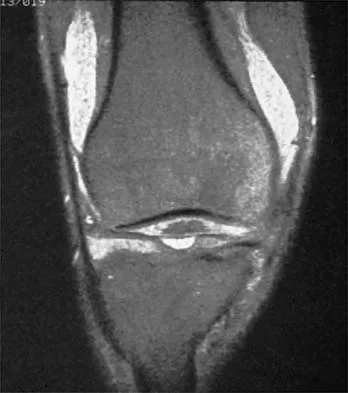
Figure for Sports Medicine 2001 MCQs - Part 2 - Question 26

Key Takeaway

We review everything you need to understand about Orthopedic Sports Medicine 2026 MCQs: Board Review Questions & Answers (Part 2). Top-rated Orthopedic Sports Medicine 2026 MCQs bank. Practice with clinical case questions, orthopedic surgery board review, and evidence-based answers updated for 2026.

Orthopedic Sports Medicine 2026 MCQs: Board Review Questions & Answers (Part 2)

Comprehensive 100-Question Exam


00:00

Start Quiz

Question 1

Figure 11 shows the radiograph of an 18-year-old soccer player who reports recurrent lateral foot pain after sustaining an inversion injury. History reveals that 6 months ago he had been treated in a non-weight-bearing cast for a fifth metatarsal fracture. Management should consist of


Explanation

Fractures in this area of the fifth metatarsal have a high incidence of delayed union, nonunion, and recurrence with nonsurgical management. In an acute fracture, prolonged casting in a non-weight-bearing cast may allow for healing; however, in the presence of prolonged symptoms, recurrent fracture, and intermedullary sclerosis, surgical treatment is preferred. Surgery most commonly consists of intermedullary fixation or medullary curettage and bone grafting, followed by application of a non-weight-bearing cast. Torg JS, Balduini FC, Zelko RR, Pavlov H, Peff TC, Das M: Fractures of the base of the fifth metatarsal distal to the tuberosity: Classification and guidelines for nonsurgical and surgical management. J Bone Joint Surg Am 1984;66:209-214.

Question 2

Which of the following types of exercise used to increase flexibility is considered most beneficial in increasing joint range of motion?


Explanation

Evidence has shown that PNF is the treatment of choice to increase joint range of motion and flexibility. PNF has the advantage of pushing the patient to stretch a little further when the muscle tendon unit is relaxed by a partner. While isokinetic and eccentric exercises can improve flexibility, and therefore increase range of motion, their main purpose is to increase strength and endurance. Ballistic stretching involves a large load applied rapidly; however, evidence has shown that static stretching, where a low load is applied for a long duration, offers a more significant benefit. Sady SP, Wortman M, Blanke D: Flexibility training: Ballistic, static or proprioceptive neuromuscular facilitation? Arch Phys Med Rehabil 1982;63:261-263. Tanigawa MC: Comparison of the hold-relax procedure and passive mobilization on increasing muscle length. Phys Ther 1972;52:725-735.

Question 3

The view from an anterosuperior portal of the right shoulder shown in Figure 12 reveals which of the following findings?


Explanation

The arthroscopic view shows a HAGL lesion. With the arthroscope directed anteroinferiorly, muscular striations of the subscapularis can be visualized through the avulsion site. In vitro strain studies indicate that glenohumeral ligament failure on the humeral side occurs in approximately 25% of patients, while clinically this lesion has been reported in approximately 9% of patients with shoulder instability. Failure to recognize and treat this lesion leads to persistent anterior instability. An ALPSA lesion, a Bankart variant, occurs on the glenoid side and is characterized by a sleeve-like medial retraction and inferior rotation. A Bankart lesion is the classic avulsion of the glenohumeral ligament from the glenoid rim. The subscapularis tendon and the rotator interval are not shown in the figure. Wolf EM, Cheng JC, Dickson K: Humeral avulsion of glenohumeral ligaments as a cause of anterior shoulder instability. Arthroscopy 1995;11:600-607. Bigliani LU, Pollack RG, Soslowsky LJ, Flatow EL, Pawluk RJ, Mow VC: Tensile properties of the inferior glenohumeral ligament. J Orthop Res 1992;10:187-197.

Question 4

An 18-year-old football player has intense pain and is unable to bear weight on the right knee after being tackled from the front. A posterior knee dislocation is reduced on the field. Because the game took place in a remote location, the patient is not examined in the emergency department until 5 hours after the injury. Examination now shows a grossly swollen knee with moderate ischemia in the lower leg. Posterior tibial and dorsalis pedis pulses are diminished. The best course of action should be to


Explanation

Vascular injuries occur in approximately 20% to 35% of knee dislocations, of which one third are posterior. Recognition of the vascular injury is essential. Normal pulses or normal capillary refill do not preclude an arterial injury, and arteriography should be considered in all knee dislocations. If the leg is ischemic, the arteriogram should be circumvented and the patient taken directly to the operating room. The risk of muscle fibrosis, contracture, or vascular insufficiency, and the need for amputation increase significantly when ischemia exceeds 6 hours. This patient has ischemia and is considered a vascular emergency. As such, delays for a thorough examination of the ligament, MRI scans, and even an arteriogram are unwarranted. Concurrent ligamentous repair and reconstruction should be deferred until vascular stability has been achieved. Kremchek TE, Welling RE, Kremchek EJ: Traumatic dislocation of the knee. Orthop Rev 1989;18:1051-1057.

Question 5

A 17-year-old football player is unable to flex the distal interphalangeal (DIP) joint of his ring finger. He states that he injured the finger 6 weeks ago while attempting to tackle another player who pulled free from his grip, but he did not inform his coach at the time of the injury. Current radiographs show an observable fleck of bone volar to the base of the proximal phalanx. Treatment should consist of


Explanation

Flexor digitorum profundus ruptures are classified into three types. In type I, the tendon retracts into the palm. In type II, the tendon retracts to the level of the proximal phalanx, the vinculum remains intact, and the blood supply is preserved to the tendon. A small fleck of bony fragment observed at the A2 pulley is pathognomonic for a type II rupture. Successful primary repair of the type II rupture has been reported as late as 2 months after the injury. Type III injuries have large fragments of the distal phalanx attached and are caught distally by the A1 pulley. Type III ruptures can be repaired up to several months after the injury. Leddy JP: Avulsions of the flexor digitorum profundus. Hand Clin 1985;1:77-83.

Question 6

A 48-year-old ski instructor dislocates his nondominant shoulder in a fall. Management consisting of application of a sling for 1 week results in improvement in his pain. Follow-up examination 6 weeks after the injury reveals that the patient continues to have difficulty with shoulder elevation. Management should now include


Explanation

Patients who are older than age 45 years and have initial dislocations are at greater risk for tearing the rotator cuff. Patients who are unable to lift the upper extremity or who have continued pain should undergo further evaluation for potential rotator cuff tears; early diagnosis is preferred. Physical therapy or continued use of a sling will be of little benefit. A corticosteroid injection might delay the diagnosis and compromise subsequent rotator cuff repair. Repairing the labrum generally is not necessary in a patient of this age who has an initial dislocation. Hawkins RJ, Bell RH, Hawkins RH, Koppert GJ: Anterior dislocation of the shoulder in the older patient. Clin Orthop 1986;206:192-195.

Question 7

Figure 13 shows the MRI scan of a 29-year-old rock climber who reports increasing shoulder pain and weakness. Based on these findings, atrophy will most likely occur in which of the following muscles?


Explanation

The MRI scan shows a cyst at the spinoglenoid notch. These cysts are often associated with a labral injury, such as a superior labrum anterior and posterior (SLAP) lesion. The suprascapular nerve passes through the suprascapular notch and sends motor branches to the supraspinatus and sensory branches to the capsule. At the spinoglenoid notch, the infraspinatus branch of the suprascapular nerve is compressed by the cyst, leading to isolated infraspinatus atrophy. The teres minor and the deltoid are innervated by the axillary nerve. Fehrman DA, Orwin JF, Jennings RM: Suprascapular nerve entrapment by ganglion cysts: A report of six cases with arthroscopic findings and review of the literature. Arthroscopy 1995;11:727-734. Ianotti JP, Ramsey ML: Arthroscopic decompression of a ganglion cyst causing suprascapular nerve compression. Arthroscopy 1996;12:739-745.

Question 8

A 46-year-old man has acute tenderness along the ulnar aspect of the wrist after falling on his outstretched hand while playing basketball. Examination reveals tenderness and mild swelling along the volar ulnar aspect of the wrist. Radiogaphs are shown in Figures 14a through 14c. Management should consist of


Explanation

14b 14c The PA view of the wrist shows a pisiform fracture. Pisiform fractures constitute 1% to 3% of all carpal bone fractures. This fracture can be further evaluated with a carpal tunnel view or a supination oblique view of the wrist. Initial management should consist of immobilization with a short arm cast. If nonsurgical measures fail, bony excision is warranted. Failla JM, Amadio PC: Recognition and treatment of uncommon carpal fractures. Hand Clin 1988;4:469-476.

Question 9

A 32-year-old powerlifter who was performing a dead lift 3 days ago noted a sharp pain in the front of his dominant right arm just after beginning to lower the weight. He now reports pain in the anterior aspect of the arm that worsens when he opens a door. Examination reveals moderate ecchymosis and swelling of the forearm and tenderness in the antecubital fossa. The MRI scans are shown in Figures 15a and 15b. If the injury is left unrepaired, the greatest functional deficit will most likely be the loss of


Explanation

15b A complete tear of the distal biceps brachii most often occurs from a large, rapid eccentric elbow extension load. A pop or tearing sensation usually occurs, and a palpable defect in the antecubital fossa is often present on examination. The treatment of choice is a direct primary repair by a two-incision technique. If left unrepaired, the most disabling consequence is the loss of forearm supination strength. It is unlikely that significant elbow or forearm motion will be lost if the rupture is left unrepaired and early motion exercises are initiated. Elbow flexion strength tends to return with time, but the loss of forearm supination strength remains problematic. D'Alessandro DF, Shields CL Jr, Tibone JE, Chandler RW: Repair of distal biceps tendon ruptures in athletes. Am J Sports Med 1993;21:114-119.

Question 10

Figure 16 shows the lateral radiograph of a patient who is scheduled to undergo an anterior cruciate ligament (ACL) reconstruction. If the graft is tensioned at 20 degrees of flexion and the femoral tunnel is created by passing a reamer over the guide wire marked "A," the resulting ligament reconstruction will excessively


Explanation

If the femoral tunnel is created using guide wire A, it will be too far anterior in the intercondylar notch. The distance between a central tibial insertion for the ACL and an anterior femoral tunnel will progressively increase as the knee is flexed. Therefore, if the graft is tensioned near extension, the ligament will excessively tighten as the knee flexes past 90 degrees. This will result in restricted knee flexion or failure of the graft as full flexion is gained. There will be little effect on the ligament as it extends from 20 degrees to 0 degrees of flexion. If the graft is tensioned in significant flexion (greater than 60 degrees), it will be excessively loose as the knee fully extends. Daniel DM, Fritschy D: Anterior cruciate ligament injuries, in DeLee JC, Drez D Jr (eds): Orthopaedic Sports Medicine: Principles and Practice. Philadelphia, PA, WB Saunders, 1994, pp 1313-1360.

Question 11

Which of the following nerves is most commonly injured during revision surgery following a Bristow procedure?


Explanation

Because of the previously transferred bone block of coracoid and short arm flexors, the musculocutaneous nerve often scars along the anteroinferior glenohumeral capsule. Mobilization of this tissue places the nerve at greatest risk. The axillary nerve is also potentially at risk, but this is nonspecific to prior surgery, particularly the Bristow procedure. Norris TR: Complications following anterior instability repairs, in Bigliani LU (ed): Complications of Shoulder Surgery. Baltimore, MD, Williams and Wilkins, 1993, pp 98-116.

Question 12

A 17-year-old high school soccer player sustains an anterior cruciate ligament (ACL) tear at the beginning of the season. An MRI scan confirms a complete ACL tear with no meniscal injuries. The patient plans an early return to play and would like to avoid surgery. Therefore, the patient and family should be advised that nonsurgical management consisting of rehabilitative exercises and the use of a functional knee brace will most likely result in


Explanation

While there are athletes who can function at a full level with an ACL tear, they are in the minority. As yet, there is no reliable way to predict the patients who will be able to compensate for the loss of the ACL. Studies have confirmed the risk of recurrent instability and meniscal injury in athletes with an ACL-deficient knee who participate in cutting sports. One study showed that only 12 of 43 patients who attempted rehabilitation and bracing were able to return successfully for the season. Another study showed that 17 of 31 athletes who were able to return to their sport sustained 23 meniscal tears because of recurrent instability. Shelton WR, Barrett GR, Dukes A: Early season anterior cruciate ligament tears: A treatment dilemma. Am J Sports Med 1997;25:656-658.

Question 13

A patient underwent anterior stabilization of the shoulder 6 months ago, and examination now reveals lack of external rotation beyond 0 degrees. The patient has a normal apprehension sign and normal strength, and the radiographs are normal. Based on these findings, the patient is at greater risk for the development of


Explanation

Because the patient's shoulders are overtensioned anteriorly, premature osteoarthritis may develop. This may create obligate translation posteriorly and increase the interarticular pressure of the humeral head against the glenoid. Patients should achieve 20 degrees to 30 degrees of external rotation with the elbow at the side. Late degenerative arthritis following a Putti-Platt procedure is associated with significant restriction of external rotation. This patient's shoulder has a reduced risk of anterior instability, rotator cuff tear, and internal impingement because of the limitation of motion. Hawkins RJ, Angelo RL: Glenohumeral osteoarthritis: A late complication of the Putti-Platt repair. J Bone Joint Surg Am 1990;72:1193-1197.

Question 14

A 13-year-old girl who competes in gymnastics reports the insidious onset of lateral left elbow pain over the past 6 months. She also notes occasional catching episodes in the elbow; however, she denies any history of trauma. Examination reveals tenderness over the lateral epicondyle and extensor muscle origin. The elbow is stable and has full flexion, but lacks 10 degrees of full extension. An AP plain radiograph and an MRI scan are shown in Figures 17a and 17b. Management of the elbow should consist of


Explanation

17b The radiograph and MRI scan show osteochondritis dissecans of the capitellum, and the patient's history suggests a loose body. The treatment of choice is arthroscopic removal of the loose body and microfracture of the crater. Excision of the radial head, a cortisone injection, or tennis elbow release does not treat the pathology in the capitellum. Nonsurgical treatment would not relieve the mechanical symptoms of the loose body or promote healing in the crater. Baumgarten TE, Andrews JR, Satterwhite YE: The arthroscopic classification and treatment of osteochondritis dissecans of the capitellum. Am J Sports Med 1998;26:520-530. Jackson DW, Silvino N, Reiman P: Osteochondritis in the female gymnast's elbow. Arthroscopy 1989;5:129-136.

Question 15

A 25-year-old man injures his shoulder while skiing. Examination reveals increased passive external rotation, pain in the cocked position, and a positive lift-off test. What is the most likely diagnosis?


Explanation

A positive lift-off test and increased passive external rotation are diagnostic of a subscapularis tear or detachment. Although a similar injury could produce anterior instability, this will test the integrity of the subscapularis. A locked dislocation has limited passive movement. A ruptured biceps tendon will most likely produce ecchymosis and findings similar to supraspinatus trauma. Internal impingement is not associated with subscapularis weakness. Gerber C, Krushell RJ: Isolated rupture of the tendon of the subscapularis muscle: Clinical features in 16 cases. J Bone Joint Surg Br 1991;73:389-394.

Question 16

A college basketball player is struck in the eye by a player's hand while driving to the basket. Fluorescein evaluation reveals the injury shown in Figure 18. Management should consist of


Explanation

The athlete has a corneal abrasion. Fluorescein staining identifies the break in the epithelium when examined with ultraviolet light. Topical antibiotics are used as prophylaxis against secondary bacterial infection, and the patch, applied with the lid closed, is used for comfort and to promote epithelial healing. The accompanying symptoms, including pain, tearing, and photophobia, are usually too intense to allow a return to play. Surgery is reserved for a corneal laceration with associated loss of the anterior chamber. While a proper fundoscopic examination may be a consideration, increased intraocular pressure is not typically associated with this injury. Traumatic hemorrhage in the anterior chamber (hyphema) necessitates strict bed rest during the early phases of healing; examination will most likely reveal the red fluid level of blood settling inferiorly in the anterior chamber. It is often associated with increased intraocular pressure. Brucker AJ, Kozart DM, Nichols CW, et al: Diagnosis and management of injuries to the eye and orbit, in Torg JS (ed): Athletic Injuries to the Head, Neck, and Face. St Louis, MO, Mosby-Year Book, 1991, pp 650-670.

Question 17

In patient selection for meniscal allograft transplantation, which of the following variables has the greatest influence on outcome?


Explanation

Many clinical studies to date show that the extent of arthritis is the most common variable that has the greatest influence on outcome. The success rate of allograft transplantation is significantly diminished in patients who have grade IV chondromalacia of the knee or notable flattening and general joint incongruity. Carter TR: Meniscal allograft transplantation. Sports Med Arthroscopy Rev 1999;7:51-63. Garrett JC: Meniscal transplantation: A review of 43 cases with two- to seven-year follow-up. Sports Med Arthroscopy Rev 1993;2:164-167.

Question 18

A 10-year-old boy sustained an injury to the left knee. The radiographic findings shown in Figure 19 are most commonly associated with injury to which of the following structures?


Explanation

The radiograph shows a bony avulsion of the ACL attachment site on the tibial spine in this skeletally immature patient. In this age group, injury often results in failure of the bony attachment site rather than the substance of the ligament. Avulsion of the patellar tendon insertion site can occur, but this structure is located at the apophysis of the tibial tubercle. The attachment site of the PCL is much more posterior. In adults, bony avulsion is more commonly associated with PCL injuries than with ACL injuries. When a small bony avulsion of the lateral capsule from the lateral tibial plateau is seen on the AP view, this finding is considered pathognomonic of an ACL injury (Segond sign) in adults. The area of the pes anserinus is anterior and distal; avulsion would be unusual. Baxter MP, Wiley JJ: Fractures of the tibial spine in children: An evaluation of knee stability. J Bone Joint Surg Br 1988;70:228-230. Meyers MH, McKeever FM: Fracture of the intercondylar eminence of the tibia. J Bone Joint Surg Am 1970;52:1677-1684.

Question 19

What is the single most important nutritional factor affecting athletic performance?


Explanation

Maintenance of adequate hydration is the single most important factor affecting athletic performance. While carbohydrate loading may be beneficial for some endurance athletes, the consumption of carbohydrates during exercise does not appear to be beneficial for athletes engaged in events that last less than 1 hour. In general, athletes consuming a balanced diet do not need electrolyte supplementation. Maughan RJ, Noakes TD: Fluid replacement and exercise stress: A brief review of studies on fluid replacement and some guidelines for the athlete. Sports Med 1991;12:16-31.

Question 20

A right-handed 20-year-old college baseball pitcher has had a 6-month history of vague right elbow pain while pitching. Examination reveals full flexion of the elbow and a loss of only a few degrees of full extension. The elbow is stable, but palpation reveals tenderness over the olecranon. Plain radiographs are inconclusive. MRI and CT scans are shown in Figures 20a and 20b. Management should consist of


Explanation

20b The patient has a stress fracture of the olecranon that occurs with repetitive throwing motions. If the fracture is not displaced, the initial treatment of choice is rest and rehabilitation to maintain elbow motion, followed by aggressive strengthening at 6 to 8 weeks. A light throwing program generally can begin at 8 to 12 weeks. Complete recovery may require 3 to 6 months. If the fracture is displaced or if nonsurgical management fails, surgery is indicated for internal fixation of the stress fracture. Azar FM, Wilk KE: Nonoperative treatment of the elbow in throwers. Oper Tech Sports Med 1996;4:91-99.

Question 21

What is the most common associated pathology in patients who have suprascapular nerve entrapment secondary to ganglion cysts?


Explanation

It is well known that suprascapular nerve entrapment can be secondary to many entities, and its association with ganglion cysts and SLAP lesions has been well documented. Because of a superior labral tear, synovial fluid will leak out of the joint underneath the labrum, causing the cyst and secondary compression of the nerve. Fehrman DA, Orwin JF, Jennings RM: Suprascapular nerve entrapment by ganglion cysts: A report of six cases with arthroscopic findings and review of the literature. Arthroscopy 1995;11:727-734. Iannotti JP, Ramesey ML: Arthroscopic decompression of a ganglion cyst causing suprascapular nerve compression. Arthroscopy 1996;12:739-745.

Question 22

A 27-year-old runner training for his first marathon reports lateral knee pain after an unusually long training run. He states that the most significant pain occurs while running downhill. Examination of the patient while he is laying on the unaffected side reveals increased pain when manual pressure is applied to the lateral femoral epicondylar area during knee range of motion of 30 degrees to 45 degrees. What is the most likely diagnosis?


Explanation

Iliotibial band friction syndrome is one of the most common causes of lateral knee pain in runners. It is caused by increased friction between the iliotibial band and the lateral femoral condyle because of increased tension on the lateral structures. It may be caused by a prominence of the lateral epicondyle or a malalignment of the lower extremity in the runner, including genu varum, tibia vara, heel varus and forefoot supination, or compensating pronation. These structural characteristics can couple with relative muscle imbalance and lead to an altered running gait, enhancing friction between the lateral femoral condyle and the iliotibial band. Management is usually nonsurgical, including stretching of the iliotibial band and strengthening of the hip abductor muscles, with occasional use of cortisone injections or iontophoresis. Noble CA: The treatment of iliotibial band friction syndrome. Br J Sports Med 1979;13:51-54. James SL: Running injuries to the knee. J Am Acad Orthop Surg 1995;3:309-318.

Question 23

A 30-year-old woman who runs approximately 30 miles a week has had right hip and groin pain for the past 3 weeks. Examination reveals an antalgic gait, limited motion of the right hip, and pain, especially with internal and external rotation. Plain radiographs are normal, and an MRI scan is shown in Figure 21. Management should consist of


Explanation

A stress fracture of the hip is a relatively common problem in endurance sports. These fractures are classified as compression-side, tension-side, and displaced femoral neck fractures. The MRI scan shows a compression-side stress fracture. Compression-side fractures usually occur in the inferior or calcar area of the proximal femur, and non-weight-bearing crutch ambulation for 6 to 7 weeks will most likely result in healing. Once the patient is walking without pain or a limp, activities can be slowly increased. Because tension-side fractures have a high risk of displacement, treatment should consist of immediate internal fixation. Griffin LY (ed): Orthopaedic Knowledge Update: Sports Medicine. Rosemont, IL, American Academy of Orthopaedic Surgeons, 1994, pp 239-253.

Question 24

Which of the following primary prognostic factors best predicts the outcome of the knee lesion shown in Figure 22?


Explanation

The patient has osteochondritis dissecans. While location, size, and knee stability are all relevant to the overall prognosis, studies have shown that younger patients with open growth plates have a better prognosis of healing when compared with patients who have closed growth plates. The degree of pain is also relevant to treatment, but it is subjective rather than objective and is not as reliable of a prognostic indicator as age. Stanitski CL: Osteochondritis dissecans of the knee, in Stanitski CL, DeLee JC, Drez D Jr (eds): Pediatric and Adolescent Sports Medicine. Philadelphia, PA, WB Saunders, 1994, vol 3, pp 387-405. Cahill B: Treatment of juvenile osteochondritis dissecans and osteochondritis dissecans of the knee. Clin Sports Med 1985;4:367-384.

Question 25

Figures 23a and 23b show the AP and lateral radiographs of the elbow of a 30-year-old professional pitcher. The pathology shown in these studies is most consistent with which of the following conditions?


Explanation

23b The radiographs show the osteophytic build-up of the posteromedial corner of the elbow that occurs with valgus extension overload in the pitching elbow. This is the result of excessive valgus forces during the acceleration and deceleration phases of throwing. These forces, coupled with medial elbow stresses, cause a wedging of the olecranon into the medial wall of the olecranon fossa. Valgus instability of the elbow may further stimulate osteophyte formation. Repetitive impact of a spur within the olecranon fossa may cause fragmentation and eventual formation of loose bodies. Azar FM, Wilk KE: Nonoperative treatment of the elbow in throwers. Oper Tech Sports Med 1996;4:91-99. Field LD, Savoie FJ: Common elbow injuries in sport. Sports Med 1988;26:193-205.

Question 26

A 19-year-old collegiate female soccer player tears her ACL and elects to undergo reconstruction using a bone-patellar tendon-bone (BTB) autograft. Which of the following is the most common postoperative complication specific to this graft choice?


Explanation

Anterior knee pain and pain with kneeling are the most frequent complications following BTB autograft ACL reconstruction. While patellar fractures can occur, they are relatively rare.

Question 27

A 50-year-old active man presents with acute medial joint line pain after a deep squat. MRI reveals a medial meniscus posterior root tear with 3 mm of extrusion. To prevent rapid joint degeneration, which of the following is the most appropriate management?


Explanation

Medial meniscus posterior root tears disrupt hoop stresses, functionally acting like a total meniscectomy and leading to rapid chondrolysis. Transtibial pull-out repair restores contact pressures and is indicated in active patients without advanced osteoarthritis.

Question 28

A 22-year-old rugby player with recurrent anterior shoulder instability and 25% glenoid bone loss undergoes a Latarjet procedure. Which nerve is at greatest risk of iatrogenic injury during the coracoid preparation and transfer?


Explanation

The musculocutaneous nerve enters the coracobrachialis 5 to 8 cm distal to the coracoid tip. It is highly susceptible to traction or direct injury during the mobilization and transfer of the conjoint tendon in a Latarjet procedure.

Question 29

A 45-year-old man falls onto his outstretched arm and subsequently demonstrates weakness in internal rotation. Physical examination reveals a positive lift-off test and increased passive external rotation compared to the contralateral shoulder. Which structure is most likely injured?


Explanation

A positive lift-off test, weakness in internal rotation, and increased passive external rotation are classic clinical indicators of a subscapularis tendon tear.

Question 30

A 28-year-old male presents with a dashboard injury and a positive posterior drawer test at 90 degrees of flexion. Radiographs reveal a displaced bony avulsion fragment from the posterior tibia. What is the recommended optimal treatment?


Explanation

A displaced PCL tibial avulsion fracture is best treated with acute open reduction and internal fixation (ORIF). This restores the native PCL footprint and normal knee biomechanics better than nonoperative treatment or reconstruction.

Question 31

A 17-year-old female undergoes medial patellofemoral ligament (MPFL) reconstruction for recurrent lateral patellar dislocations. If the femoral tunnel is placed too proximal and anterior to Schöttle's point, what is the expected clinical consequence?


Explanation

Non-anatomic placement of the MPFL femoral tunnel too proximal and anterior causes the graft to act non-isometrically, becoming overly tight as the knee moves into flexion. This can lead to stiffness, pain, and increased patellofemoral contact pressures.

Question 32

A 25-year-old hockey player undergoes hip arthroscopy with femoral neck osteochondroplasty for a cam-type femoroacetabular impingement. Resection of more than what percentage of the femoral neck diameter significantly increases the risk of an iatrogenic postoperative fracture?


Explanation

Biomechanical studies have shown that resecting more than 30% of the anterolateral femoral neck diameter during an osteochondroplasty significantly decreases load-bearing capacity, increasing the risk of a femoral neck stress fracture.

Question 33

A 21-year-old collegiate baseball pitcher elects to undergo ulnar collateral ligament (UCL) reconstruction after failing conservative management. Which nerve must be carefully protected, and potentially transposed, during this procedure?


Explanation

The ulnar nerve passes directly through the cubital tunnel posterior to the medial epicondyle. It is at significant risk during UCL reconstruction and may require transposition depending on preoperative neuropathy and intraoperative tension.

Question 34

A 24-year-old wide receiver sustains an external rotation injury to his ankle. He exhibits tenderness over the anterior inferior tibiofibular ligament (AITFL) and has a positive external rotation stress test. Which imaging modality is most sensitive for detecting subtle syndesmotic diastasis?


Explanation

Bilateral weight-bearing CT is highly sensitive and specific for evaluating the distal tibiofibular syndesmosis. It detects subtle rotational or translational malalignment that static or stress radiographs may miss.

Question 35

A 19-year-old cyclist sustains a midshaft clavicle fracture after a high-speed crash. Which of the following findings is an absolute indication for operative fixation?


Explanation

Absolute indications for open reduction and internal fixation of a clavicle fracture include open fractures, neurovascular compromise, and severe skin tenting threatening to open. Shortening and displacement are relative indications.

Question 36

A 35-year-old recreational basketball player opts for a percutaneous Achilles tendon repair following an acute rupture. Injury to which nerve is the most frequently cited complication of this specific minimally invasive technique?


Explanation

The sural nerve courses distally along the lateral border of the Achilles tendon. Its close proximity makes it particularly vulnerable to entrapment or transection during percutaneous suture passage.

Question 37

A 14-year-old male gymnast presents with lateral elbow pain and catching. MRI shows an unstable osteochondritis dissecans (OCD) lesion of the capitellum with an intra-articular loose body. What is the most appropriate definitive management?


Explanation

In adolescents with an unstable capitellar OCD lesion and mechanical symptoms, nonoperative management typically fails. Operative treatment involves loose body removal and microfracture or osteochondral grafting to promote fibrocartilage healing.

Question 38

A 22-year-old distance runner undergoes intracompartmental pressure testing for suspected chronic exertional compartment syndrome. According to the Pedowitz criteria, which of the following measurements confirms the diagnosis?


Explanation

The Pedowitz criteria for chronic exertional compartment syndrome are met if the pre-exercise pressure is >= 15 mm Hg, 1-minute post-exercise pressure is >= 30 mm Hg, or 5-minute post-exercise pressure is >= 20 mm Hg.

Question 39

A 30-year-old male sustains a spontaneously reduced knee dislocation during a football game. His pedal pulses are palpable, but his ankle-brachial index (ABI) is 0.8. What is the most appropriate next step in management?


Explanation

An Ankle-Brachial Index (ABI) less than 0.9 in the setting of a knee dislocation is highly suspicious for a popliteal artery injury. Immediate vascular imaging with CT angiography or formal arteriography is mandatory.

Question 40

A 42-year-old recreational weightlifter fails conservative treatment for a type II SLAP tear. Given his age demographic, what is the generally preferred surgical intervention to achieve reliable pain relief and return to function?


Explanation

In patients over 35 to 40 years old, primary biceps tenodesis offers more predictable pain relief and functional improvement compared to SLAP repair, which carries a higher risk of postoperative stiffness and revision in this demographic.

Question 41

A 45-year-old man undergoes a single-incision anterior approach for an acute distal biceps tendon repair. During the drilling of the posterior radial cortex for a cortical button, which nerve is at the greatest risk of injury?


Explanation

The posterior interosseous nerve (PIN) courses around the radial neck and is directly at risk when over-penetrating the posterior cortex of the radius during cortical button fixation for distal biceps repairs.

Question 42

A 19-year-old female cross-country runner with 8 months of amenorrhea sustains a femoral neck stress fracture. What is the primary underlying physiological mechanism driving her decreased bone mineral density as part of the female athlete triad?


Explanation

The female athlete triad involves low energy availability, which suppresses the hypothalamic-pituitary-ovarian axis. This leads to hypoestrogenemia (amenorrhea), removing estrogen's protective effect on bone and resulting in low bone mineral density.

Question 43

A 42-year-old male sustains a complete 3-tendon proximal hamstring avulsion retracted 4 cm. During the surgical approach for repair, which nerve located immediately lateral to the ischial tuberosity must be explicitly identified and protected?


Explanation

The sciatic nerve descends intimately close to the lateral aspect of the ischial tuberosity and the proximal hamstring origin. It must be carefully neurolysed and protected during proximal hamstring repairs.

Question 44

A 60-year-old male with an irreparable massive posterosuperior rotator cuff tear undergoes a superior capsule reconstruction (SCR) to restore glenohumeral kinematics. Which of the following is the most commonly utilized biological graft for this procedure?


Explanation

Thick human dermal allograft (typically 3 mm) or fascia lata autograft are the primary graft choices for an SCR. They are attached to the glenoid and greater tuberosity to depress the humeral head and prevent superior escape.

Question 45

A 26-year-old snowboarder falls on an extended wrist and presents with dorsal wrist pain. Radiographs demonstrate a scapholunate interval of 4 mm and a scaphoid ring sign on the AP view. What is the most likely diagnosis?


Explanation

A scapholunate interval greater than 3 mm (the 'Terry Thomas' sign) and a scaphoid ring sign (indicating volar flexion of the scaphoid) are pathognomonic radiographic findings of an acute scapholunate ligament dissociation.

Question 46

A 22-year-old male rugby player presents with recurrent anterior shoulder instability. A 3D CT scan of the shoulder reveals an anterior glenoid bone loss of 25% with an engaging Hill-Sachs lesion. What is the most appropriate surgical management?


Explanation

For anterior glenoid bone loss exceeding 20-25%, isolated soft tissue repairs (Bankart) have a high failure rate. A bony augmentation procedure, such as the Latarjet (coracoid transfer), is indicated to restore glenoid articular arc and provide a sling effect.

Question 47

A 45-year-old female experiences a sudden pop in her posterior knee while deep squatting. MRI reveals a >3 mm medial meniscus extrusion and a complete radial tear at the posterior root. Which of the following best describes the biomechanical consequence of this untreated injury?


Explanation

A posterior meniscal root tear completely disrupts the hoop stresses of the meniscus. Biomechanically, this results in peak contact pressures and contact areas identical to a total meniscectomy, leading to rapid joint degeneration if left untreated.

Question 48

A 28-year-old male sustains a dashboard injury to his right knee. Physical examination reveals a positive posterior drawer test. The dial test shows 15 degrees of increased external rotation on the injured side compared to the normal side at 30 degrees of flexion, but symmetric external rotation at 90 degrees of flexion. What is the most likely diagnosis?


Explanation

An increase in external rotation of >10 degrees at 30 degrees of flexion, with symmetric rotation at 90 degrees, is indicative of an isolated posterolateral corner (PLC) injury. Combined PLC and PCL injuries show increased external rotation at both 30 and 90 degrees.

Question 49

An 18-year-old female presents with recurrent lateral patellar dislocations. Advanced imaging reveals a normal patellar height (Caton-Deschamps index 1.0) but a tibial tubercle-trochlear groove (TT-TG) distance of 23 mm. What is the most appropriate surgical treatment?


Explanation

A TT-TG distance >20 mm is a pathologic finding indicating significant lateralization of the tibial tubercle. Optimal treatment requires addressing the bony malalignment with a tibial tubercle transfer (anteromedialization) alongside an MPFL reconstruction.

Question 50

A 20-year-old collegiate baseball pitcher reports medial elbow pain during the late cocking and early acceleration phases of throwing. Examination reveals a positive moving valgus stress test and distinct paresthesias in the ring and small fingers. MRI confirms a full-thickness ulnar collateral ligament (UCL) tear. What is the recommended surgical management?


Explanation

In a throwing athlete with a full-thickness UCL tear and concomitant ulnar neuritis, UCL reconstruction should be performed alongside an ulnar nerve transposition to address both the valgus instability and the compressive/traction neuropathy.

Question 51

A 25-year-old ice hockey player presents with chronic, deep groin pain exacerbated by hip flexion and internal rotation. An AP pelvis radiograph demonstrates a "crossover sign." This radiographic finding is indicative of which of the following pathomorphologies?


Explanation

The crossover sign on an AP pelvis radiograph occurs when the anterior wall of the acetabulum projects lateral to the posterior wall. This indicates acetabular retroversion, a common cause of focal pincer femoroacetabular impingement (FAI).

Question 52

A 30-year-old male is brought to the emergency department after sustaining a knee dislocation during a football game. The knee was reduced on the field. On examination, the foot is warm, but the ankle-brachial index (ABI) is measured at 0.85. What is the most appropriate next step in management?


Explanation

In the setting of a knee dislocation, an ABI < 0.9 is highly suspicious for a vascular injury, specifically to the popliteal artery. The gold standard next step is advanced imaging with CT angiography to identify and locate an intimal flap or occlusion.

Question 53

A 40-year-old competitive water skier sustains an acute posterior thigh injury after forceful hip flexion with the knee fully extended. MRI shows an avulsion of the conjoined tendon and semimembranosus from the ischial tuberosity with 3.5 cm of retraction. What is the most appropriate treatment?


Explanation

Acute, complete 3-tendon proximal hamstring avulsions with >2 cm of retraction in active patients are best treated with early surgical repair (within 3-4 weeks) to prevent permanent weakness, chronic pain, and sciatic nerve tethering.

Question 54

During the late cocking phase of throwing, the 'peel-back' mechanism places maximal stress on which of the following glenohumeral structures, leading to a specific pattern of labral injury?


Explanation

The peel-back mechanism occurs during maximal shoulder abduction and external rotation (late cocking phase). The torsional force of the biceps vector shifts posteriorly, peeling the superior labrum and biceps anchor from the glenoid, causing a Type II SLAP lesion.

Question 55

A 22-year-old distance runner presents with bilateral anterolateral leg pain that reliably occurs after 2 miles of running and resolves with rest. Which of the following intracompartmental pressure measurements confirms the diagnosis of chronic exertional compartment syndrome?


Explanation

According to the Pedowitz criteria, chronic exertional compartment syndrome is diagnosed if one of the following is met: pre-exercise pressure > 15 mmHg, 1-minute post-exercise pressure > 30 mmHg, or 5-minute post-exercise pressure > 20 mmHg.

Question 56

When counseling a patient on anterior cruciate ligament (ACL) reconstruction, which of the following commonly utilized graft choices possesses the highest ultimate tensile load?


Explanation

Biomechanical studies demonstrate that a quadrupled hamstring graft has an ultimate tensile load of approximately 4000 N, which is significantly higher than a 10-mm bone-patellar tendon-bone graft (~2900 N) and the native ACL (~2100 N).

Question 57

A 28-year-old construction worker falls directly onto his shoulder and sustains a Type III acromioclavicular (AC) joint separation. Which ligament acts as the primary restraint to superior translation of the distal clavicle?


Explanation

The coracoclavicular (CC) ligaments provide vertical stability to the AC joint. The conoid ligament is the primary restraint to superior translation, while the trapezoid ligament is the primary restraint to posterior translation of the distal clavicle.

Question 58

A 12-year-old Little League pitcher complains of progressively worsening medial elbow pain. Radiographs demonstrate widening of the medial epicondyle apophysis without significant displacement. What is the most appropriate initial management?


Explanation

Medial epicondyle apophysitis (Little League Elbow) in a skeletally immature throwing athlete is an overuse injury. The most critical initial treatment is complete cessation of throwing (rest) for 4 to 6 weeks, followed by a gradual return-to-throwing program.

Question 59

During hip arthroscopy, the placement of the anterolateral portal is performed first. Which of the following nerves is at the greatest risk of iatrogenic injury during the establishment of this specific portal?


Explanation

The lateral femoral cutaneous nerve is highly susceptible to injury during the placement of the anterolateral and mid-anterior portals in hip arthroscopy due to its anatomic proximity to these standard portal sites.

Question 60

An 11-year-old male soccer player presents with medial knee pain. Radiographs reveal an osteochondritis dissecans (OCD) lesion on the lateral aspect of the medial femoral condyle. The physes are widely open, and MRI shows no fluid behind the lesion. What is the most appropriate initial management?


Explanation

In a skeletally immature patient with a stable osteochondritis dissecans (OCD) lesion (no fluid behind the fragment on MRI), non-operative management consisting of activity modification and observation has a high rate of spontaneous healing.

Question 61

A post-operative lateral radiograph of a 22-year-old male following an ACL reconstruction reveals that the femoral tunnel was placed significantly anterior to the anatomic footprint. What is the expected clinical and biomechanical consequence of this tunnel malposition?


Explanation

A femoral tunnel placed too far anteriorly results in a non-anatomic graft that is excessively tight in flexion and loose in extension. This commonly leads to a loss of terminal knee flexion and gradual stretching of the graft over time.

Question 62

A 45-year-old active female presents with acute posterior medial knee pain after a deep squat. An MRI demonstrates a posterior root tear of the medial meniscus. Which of the following best describes the biomechanical consequence of this specific injury?


Explanation

A posterior medial meniscus root tear disrupts the meniscal attachments, abolishing its ability to transmit hoop stresses. The biomechanical consequences, including increased peak contact pressures, are nearly equivalent to those of a total meniscectomy.

Question 63

A 22-year-old rugby player with recurrent anterior shoulder instability is found to have 25% anterior glenoid bone loss on a 3D CT scan. A Latarjet procedure is planned. What is the primary stabilizing mechanism of this surgical procedure?


Explanation

The Latarjet procedure provides stability through three mechanisms, known as the triple effect. The most significant of these is the sling effect of the conjoined tendon reinforcing the lower subscapularis and anteroinferior capsule during abduction and external rotation.

Question 64

During a medial patellofemoral ligament (MPFL) reconstruction for recurrent patellar instability, the surgeon inadvertently places the femoral tunnel 10 mm proximal to the Schöttle point. What graft tensioning mismatch is expected during the knee arc of motion?


Explanation

If the MPFL femoral attachment is placed too proximal to the anatomic footprint (Schöttle point), the distance between the patellar and femoral attachments increases as the knee bends. This causes the graft to become excessively tight in flexion, risking medial patellar overload or graft failure.

Question 65

A 20-year-old cross-country runner complains of bilateral leg pain and dorsal foot numbness occurring after 2 miles of running and resolving with rest. Intracompartmental pressure testing is ordered to evaluate for chronic exertional compartment syndrome. Which of the following threshold measurements confirms the diagnosis?


Explanation

The Pedowitz criteria for diagnosing chronic exertional compartment syndrome include a resting (pre-exercise) pressure >= 15 mm Hg, a 1-minute post-exercise pressure >= 30 mm Hg, or a 5-minute post-exercise pressure >= 20 mm Hg.

Question 66

A 24-year-old professional baseball pitcher presents with vague posterior shoulder pain and decreased pitching velocity. Physical exam of the throwing shoulder reveals 20 degrees of internal rotation and 130 degrees of external rotation at 90 degrees of abduction. What is the most appropriate initial treatment?


Explanation

Glenohumeral internal rotation deficit (GIRD) is common in overhead athletes and is characterized by a loss of internal rotation due to posteroinferior capsular contracture. First-line treatment is nonoperative, focusing on posteroinferior capsular stretching.

Question 67

A 28-year-old male powerlifter feels a tearing sensation in his anterior chest wall while performing a heavy bench press. Examination reveals an ecchymotic defect at the anterior axillary fold. He is diagnosed with a pectoralis major rupture. Which portion of the muscle is most commonly injured in this scenario?


Explanation

Pectoralis major ruptures typically occur during maximal eccentric contraction, such as the lowering phase of a bench press. The most common injury pattern is the avulsion of the sternocostal head from its insertion on the proximal humerus.

Question 68

A 30-year-old male is evaluated for knee pain 6 months following a motor vehicle collision. With the patient supine and the knee flexed to 90 degrees, the tibia rests in a posteriorly subluxated position. When the patient is asked to actively slide his foot forward on the exam table, the tibia translates anteriorly into an anatomic position. This examination finding is diagnostic for an injury to which structure?


Explanation

The scenario describes the quadriceps active test. In a posterior cruciate ligament (PCL) deficient knee, the tibia rests in a posteriorly sagged position; active contraction of the quadriceps pulls the tibia anteriorly, confirming PCL insufficiency.

Question 69

A 29-year-old elite volleyball player complains of vague posterior shoulder pain and serving weakness. Physical examination demonstrates isolated atrophy and weakness of the infraspinatus with a normal-appearing supraspinatus. At which anatomic location is nerve compression most likely occurring?


Explanation

Compression of the suprascapular nerve at the spinoglenoid notch affects only the infraspinatus muscle. In contrast, compression more proximally at the suprascapular notch will affect both the supraspinatus and the infraspinatus.

Question 70

A 14-year-old female gymnast complains of lateral elbow pain and occasional catching. Radiographs reveal a radiolucency at the capitellum. An MRI demonstrates a 12 mm osteochondral defect with a high T2 signal line behind the fragment. What is the most appropriate management?


Explanation

In a young athlete with osteochondritis dissecans (OCD) of the capitellum, a high T2 signal (fluid) between the fragment and the underlying bone on MRI indicates an unstable lesion. Unstable lesions typically require surgical intervention such as fixation or microfracture.

Question 71

A 35-year-old male recreational basketball player sustains an acute Achilles tendon rupture and elects to undergo a percutaneous repair. During the procedure, which nerve is at the highest risk of iatrogenic injury at the level of the distal repair, and where is it located anatomically?


Explanation

The sural nerve is at significant risk during percutaneous Achilles tendon repair. It courses distally in the posterolateral leg, crossing from medial to lateral, and runs between the lateral malleolus and the Achilles tendon at the level of the ankle.

Question 72

A 22-year-old ice hockey player has chronic groin pain exacerbated by hip flexion and internal rotation. Radiographs reveal a bony prominence at the anterolateral head-neck junction. Which radiographic parameter is specifically used to quantify this cam-type impingement deformity?


Explanation

The alpha angle is measured on lateral hip radiographs or axial MRI/CT to evaluate the sphericity of the femoral head-neck junction. An alpha angle greater than 50 to 55 degrees is indicative of cam-type femoroacetabular impingement (FAI).

Question 73

A 24-year-old professional football receiver hyper-extends his great toe on artificial turf. He presents with severe pain, swelling, and gross instability at the first metatarsophalangeal (MTP) joint. MRI shows a complete tear of the plantar plate with proximal retraction. What is the recommended treatment to optimize his return to play?


Explanation

A Grade 3 turf toe injury involves a complete tear of the plantar plate complex leading to gross joint instability. In elite athletes, surgical repair of the plantar plate is typically recommended to restore push-off strength and joint stability.

Question 74

A 21-year-old collegiate soccer player sustains a direct blow to the lateral aspect of her right knee. Exam shows grade II medial joint line opening with a firm endpoint at 30 degrees of flexion, but no opening at 0 degrees. MRI confirms an isolated proximal medial collateral ligament (MCL) tear. What is the most appropriate management?


Explanation

Isolated grade I and II MCL tears, particularly those involving the proximal (femoral) attachment, have excellent healing potential. Nonoperative management with functional bracing and early range of motion is the gold standard of care.

Question 75

A 20-year-old collegiate baseball pitcher reports a sudden snap and sharp medial elbow pain during a curveball pitch. Examination reveals marked pain and subjective instability with a moving valgus stress test. Which anatomical structure is most likely acutely injured?


Explanation

The anterior bundle of the ulnar collateral ligament (UCL) is the primary restraint to valgus stress at the elbow between 30 and 120 degrees of flexion. It is the structure most commonly injured during the late cocking and early acceleration phases of throwing.

Question 76

A 22-year-old female soccer player undergoes anterior cruciate ligament (ACL) reconstruction using a bone-patellar tendon-bone autograft. Which of the following is the most commonly reported long-term complication specifically associated with this graft choice compared to a hamstring autograft?


Explanation

Bone-patellar tendon-bone (BPTB) autografts have excellent survival rates but are associated with a higher incidence of donor site morbidity, specifically anterior knee pain and pain while kneeling, compared to hamstring autografts.

Question 77

A 25-year-old football player sustains a knee injury. On examination, the dial test reveals 15 degrees of increased external rotation at 30 degrees of knee flexion compared to the uninjured side. However, at 90 degrees of knee flexion, the external rotation is equal bilaterally. What is the most likely injured structure?


Explanation

Increased external rotation on the dial test at 30 degrees of flexion but normal at 90 degrees indicates an isolated posterolateral corner (PLC) injury. Combined PCL/PLC injuries show increased external rotation at both 30 and 90 degrees.

Question 78

A 55-year-old active female feels a pop in her posterior knee while squatting. MRI reveals a complete posterior root tear of the medial meniscus. If left untreated, the biomechanical consequences of this injury most closely resemble which of the following?


Explanation

A meniscal root tear disrupts the circumferential hoop stresses of the meniscus, causing it to extrude under load. This results in altered contact mechanics functionally equivalent to a total meniscectomy, leading to rapid joint degeneration.

Question 79

A 10-year-old male (Tanner stage 1) sustains a complete anterior cruciate ligament (ACL) tear. He experiences recurrent instability despite bracing and physical therapy. What is the most appropriate surgical management to minimize the risk of growth arrest?


Explanation

In prepubescent patients (Tanner stage 1 or 2) with open physes, physeal-sparing techniques such as the iliotibial band extra-articular reconstruction are recommended. Transphyseal techniques carry a higher risk of physeal arrest, angular deformity, and leg-length discrepancy in this age group.

Question 80

A 24-year-old professional female soccer player undergoes an anterior cruciate ligament (ACL) reconstruction using a bone-patellar tendon-bone autograft. Six months postoperatively, she complains of a persistent loss of terminal extension and a noticeable anterior 'clunk' in the knee. Magnetic resonance imaging demonstrates a localized mass of fibrous tissue anterior to the ACL graft in the intercondylar notch. What is the most likely technical error that led to this complication?


Explanation

The scenario describes a 'Cyclops lesion' (localized anterior arthrofibrosis), which presents with loss of terminal extension and a palpable clunk. Anterior placement of the tibial tunnel causes graft impingement against the intercondylar roof during extension, which is the primary biomechanical trigger for this fibrous nodule formation.

Question 81

A 45-year-old recreational weightlifter presents with deep-seated shoulder pain exacerbated by bench press and overhead activities. Examination reveals a positive O'Brien test and tenderness in the bicipital groove. MRI arthrography demonstrates a type II SLAP tear. After failing 6 months of targeted physical therapy, which surgical intervention provides the most reliable return to sport while minimizing postoperative stiffness in this patient?


Explanation

In active patients older than 35 to 40 years, primary biceps tenodesis for symptomatic type II SLAP tears provides superior clinical outcomes, higher return-to-sport rates, and fewer complications than primary repair. SLAP repair in this older demographic is associated with a significantly higher risk of persistent postoperative stiffness and the need for revision surgery.

None

Clinic OS
Medically Verified Content by
Prof. Clinic OS
Consultant Orthopedic & Spine Surgeon
Chapter Index
