Orthopedic Basic 2026 MCQs: Board Review Questions & Answers (Part 1)

Key Takeaway
Looking for accurate information on Orthopedic Basic 2026 MCQs: Board Review Questions & Answers (Part 1)? Top-rated Orthopedic Basic 2026 MCQs bank. Practice with clinical case questions, orthopedic surgery board review, and evidence-based answers updated for 2026.
Orthopedic Basic 2026 MCQs: Board Review Questions & Answers (Part 1)
Comprehensive 100-Question Exam
00:00
Start Quiz
Question 1
A 16-year-old boy has had thigh pain for the past several months. He denies any history of trauma. Examination reveals a large, deeply fixed, soft-tissue mass in the thigh. Laboratory results show an elevated erythrocyte sedimentation rate (ESR) and leukocytosis. A plain radiograph and MRI scan are shown in Figures 1a and 1b. Biopsy specimens are shown in Figures 1c and 1d. What is the most likely diagnosis?
Explanation
Question 2
A 14-year-old boy who is right handed reports right shoulder pain. Radiographs show a lucent lesion of the proximal humeral epiphysis with a narrow zone of transition. Results of an open biopsy confirm the presence of a chondroblastoma. Based on these findings, the next most appropriate step in management should consist of
Explanation
Question 3
A 25-year-old man has had an insidious onset of left hip pain over the past 11 months. A radiograph, coronal MRI scan, and histopathologic specimens are seen in Figures 2a through 2d. What is the most likely diagnosis?
Explanation
Question 4
What is the most common anatomic location for chondrosarcoma?
Explanation
Question 5
In the spine, osteoblastomas usually originate in the
Explanation
Question 6
A 64-year-old man with a history of metastatic lung cancer reports increasing right hip pain over the period of several months. Radiographs are shown in Figures 3a and 3b. Initial management should consist of
Explanation
Question 7
A 58-year-old woman has had a painless periscapular mass for the past year. An MRI scan and biopsy specimen are shown in Figures 4a and 4b. What is the most likely diagnosis?
Explanation
Question 8
A characteristic genetic translocation has been noted in which of the following tumors?
Explanation
Question 9
A 44-year-old man has right hip pain. Radiographs reveal a radiolucent lesion of the femoral head and neck. An MRI scan shows no extraosseous tumor extension. A histopathologic photomicrograph of the biopsy specimen is shown in Figure 5. The chance of metastatic disease developing from this lesion is approximately what percent?
Explanation
Question 10
Figures 6a through 6d show the radiographs and biopsy specimens of an 8-year-old girl with leg pain. Management of the lesion should consist of
Explanation
Question 11
Which of the following is considered the treatment of choice for a chondroblastoma of the proximal tibial epiphysis without intra-articular extension?
Explanation
Question 12
An otherwise healthy 78-year-old woman has low back and buttock pain. Rectal examination reveals a large sacral mass. Figures 7a and 7b show a CT scan and a sagittal MRI scan of the lumbosacral spine. A biopsy specimen is shown in Figure 7c. What is the most likely diagnosis?
Explanation
Question 13
Figures 8a through 8c show the lateral radiograph and T1- and T2-weighted MRI scans of a 14-year-old soccer player who reports aching thigh pain. The next most appropriate step in management should consist of
Explanation
Question 14
A 51-year-old male truck driver has had progressive left hip pain for more than 2 years, and he reports that the pain has become severe in the past 9 months. He is now unable to work because of the pain. Examination reveals that range of motion of the hip is limited to 95 degrees of flexion, 0 degrees of internal rotation, and 20 degrees of external rotation. The plain radiograph, MRI scan, and intraoperative gross photographs are shown in Figures 9a through 9d. Management should consist of
Explanation
Question 15
Using methylmethacrylate to fill a biopsy hole in the diaphysis of a femur theoretically achieves what purpose?
Explanation
Question 16
Gaucher's disease is manifested by reticuloendothelial system macrophage accumulation of
Explanation
Question 17
A 14-year-old boy reports pain in the distal thigh. He denies any history of trauma. Examination reveals tenderness and swelling of the distal thigh without effusion. A radiograph and CT scan are shown in Figures 10a and 10b. A biopsy specimen is shown in Figure 10c. Management should consist of
Explanation
Question 18
The dose of the chemotherapeutic agent doxorubicin (Adriamycin) is limited by which of the following factors?
Explanation
Question 19
A previously asymptomatic 12-year-old girl sustained a direct blow to the right lateral knee from a baseball bat. Examination reveals an area of ecchymosis and tenderness over the lateral thigh. The patient can walk without pain, but range of motion of the knee causes discomfort. Plain radiographs of the knee are shown in Figures 11a and 11b. To address the bone lesion, management should consist of
Explanation
Question 20
What is the most common pediatric soft-tissue sarcoma?
Explanation
Question 21
A 53-year-old man has a 4- x 5-cm high-grade soft-tissue sarcoma in the midthigh. As part of the staging evaluation, regional nodes should be assessed by
Explanation
Question 22
The risk of local recurrence after surgical resection of a soft-tissue sarcoma is most closely related to
Explanation
Question 23
In a patient with a soft-tissue sarcoma treated by wide excision and radiation therapy, the risk of subsequent fracture is probably most influenced by
Explanation
Question 24
Figures 12a and 12b show the radiographs of a 50-year-old patient who reports acute knee pain after sustaining a twisting injury while playing tennis. Examination is unremarkable. The next most appropriate step in management should consist of
Explanation
Question 25
An adult patient has an 8- x 4- x 10-cm soft-tissue mass located within the adductor compartment of the thigh. Staging studies should consist of
Explanation
Question 26
A 12-year-old boy presents with a painful mass in his distal femur. Biopsy confirms conventional high-grade osteosarcoma. Which of the following genetic syndromes is associated with a germline mutation in the RECQL4 helicase gene and a significantly increased risk of developing this malignancy?
Explanation
Question 27
During fracture fixation, the mechanical properties of the implants must be considered. The torsional strength (resistance to breaking upon insertion) of a cortical bone screw is most closely proportional to the cube of which of the following screw parameters?
Explanation
Question 28
In normal mature articular cartilage, which zone is characterized by the highest concentration of proteoglycans and the presence of the largest diameter collagen fibrils oriented perpendicular to the joint surface?
Explanation
Question 29
If a stainless steel screw is placed through a titanium alloy plate in a saline physiological environment, galvanic corrosion may occur. Which of the following best describes the resulting electrochemical process?

Explanation
Question 30
Osteolysis following total hip arthroplasty is primarily driven by macrophage activation due to wear debris. What is the most biologically active size range of polyethylene particles that stimulates this aggressive inflammatory osteolytic response?
Explanation
Question 31
According to Perren's strain theory, absolute stability constructs (such as a properly applied lag screw and neutralization plate) promote primary bone healing. What is the maximum interfragmentary strain threshold compatible with primary bone healing?
Explanation
Question 32
Low molecular weight heparin (LMWH) is frequently utilized for deep vein thrombosis prophylaxis following major orthopedic surgery. Its primary mechanism of action involves binding to antithrombin III, which then predominantly inactivates which of the following coagulation factors?
Explanation
Question 33
Biofilm formation is a critical and devastating step in the pathogenesis of periprosthetic joint infection. Which extracellular component makes up the vast majority of the biofilm's volume and protects the sessile bacteria from host defenses?
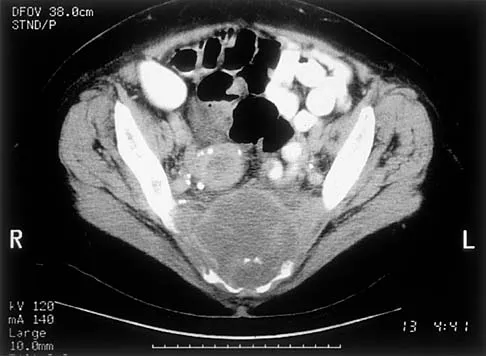
Explanation
Question 34
A patient suffers a severe stretch injury to the brachial plexus, and a specific nerve lesion is categorized histologically as a Sunderland Grade III injury. Which of the following best describes the anatomical extent of this injury?
Explanation
Question 35
A 13-year-old boy with a BMI in the 99th percentile presents with hip pain and a diagnosis of a slipped capital femoral epiphysis (SCFE). The pathological mechanical failure in this condition occurs primarily through which specific histologic zone of the proximal femoral physis?

Explanation
Question 36
A 65-year-old woman presents with severe back pain and is found to have multiple osteolytic bone lesions. Biopsy reveals sheets of monoclonal plasma cells. Which of the following cell-signaling molecules is most directly responsible for the massive osteoclast activation seen in this disease process?
Explanation
Question 37
A 60-year-old man with increasing hat size and bowing of his tibiae is diagnosed with Paget's disease of bone. During the active mixed phase of this metabolic disease, which of the following is the pathognomonic histological finding?

Explanation
Question 38
Denosumab is utilized effectively for treating severe osteoporosis and preventing skeletal-related events in metastatic bone disease. What is the specific molecular mechanism of action of this pharmacological agent?
Explanation
Question 39
A thorough understanding of normal gait biomechanics is essential. During the normal human gait cycle, which muscle undergoes an eccentric contraction during the initial contact (heel strike) to loading response phase to safely lower the foot to the ground?
Explanation
Question 40
When preparing a diaphyseal femur fracture for intramedullary nailing, the surgeon reams the canal, allowing insertion of a larger diameter nail. If the radius of the chosen solid cylindrical nail is doubled, its bending rigidity (area moment of inertia) increases by what factor?
Explanation
Question 41
Fibrous dysplasia is a benign fibro-osseous bone lesion that can present as a solitary lesion or as part of a more complex syndrome. This condition is fundamentally caused by a somatic activating mutation in which of the following genes?

Explanation
Question 42
Which of the following bone graft substitutes possesses osteoconductive, osteoinductive, and osteogenic properties?
Explanation
Question 43
During the toe region of a tendon's stress-strain curve, which of the following events is primarily occurring?
Explanation
Question 44
Titanium alloy (Ti-6Al-4V) is frequently used in orthopedic implants due to its biocompatibility. Compared to cobalt-chromium alloys, titanium has which of the following biomechanical properties?
Explanation
Question 45
In which zone of articular cartilage are the collagen fibers oriented parallel to the joint surface and contain the highest concentration of water?
Explanation
Question 46
A 4-year-old boy presents with disproportionate short stature, rhizomelic shortening of the limbs, and frontal bossing. A mutation in which of the following genes is most likely responsible for his condition?
Explanation
Question 47
A patient with osteopetrosis is scheduled for an elective orthopedic procedure. The pathogenesis of this disease is primarily linked to a defect in which of the following cellular mechanisms?
Explanation
Question 48
In aseptic loosening of a total hip arthroplasty, ultra-high molecular weight polyethylene (UHMWPE) wear debris primarily activates which of the following cell types to initiate the cascade of osteolysis?
Explanation
Question 49
During a maximum voluntary muscle contraction, the theoretical maximum force generated by skeletal muscle is directly proportional to which of the following?
Explanation
Question 50
Secondary fracture healing occurs with the formation of a callus. Which of the following mechanical conditions is required for secondary fracture healing to occur rather than primary healing?
Explanation
Question 51
A 2-year-old child presents with bowing of the lower extremities and widening of the wrists. Laboratory testing shows normal serum calcium, significantly decreased serum phosphate, and elevated alkaline phosphatase. Which zone of the physis is most significantly expanded in this condition?
Explanation
Question 52
A 15-year-old boy presents with a permeative lytic lesion in the diaphysis of the femur with a periosteal "onion-skin" reaction. Biopsy reveals uniform small round blue cells. Which chromosomal translocation is most characteristic of this tumor?
Explanation
Question 53
Following a crush injury to the forearm, a patient suffers a nerve injury where the axon and myelin sheath are disrupted, but the endoneurium, perineurium, and epineurium remain completely intact. According to the Sunderland classification, what grade of injury is this?
Explanation
Question 54
A patient presents with acute monoarticular knee swelling. A joint aspirate reveals 65,000 white blood cells/hpf, predominantly polymorphonuclear leukocytes, and negatively birefringent needle-shaped crystals. Which of the following crystals is present?
Explanation
Question 55
The pullout strength of a solid cortical bone screw is most significantly increased by maximizing which of the following geometric parameters?
Explanation
Question 56
Bisphosphonates are frequently used in the management of osteoporosis and metastatic bone disease. What is the primary cellular mechanism of action for nitrogen-containing bisphosphonates such as alendronate?
Explanation
Question 57
Rivaroxaban is commonly prescribed for deep vein thrombosis prophylaxis following total joint arthroplasty. Which step in the coagulation cascade is directly inhibited by this medication?
Explanation
Question 58
A 14-year-old girl is diagnosed with conventional osteosarcoma of the distal femur. A mutation in which of the following tumor suppressor genes is most commonly implicated in the pathogenesis of this disease?
Explanation
Question 59
In the pathogenesis of periprosthetic joint infection, bacteria commonly form a biofilm on the implant surface. Which phase of biofilm development involves the irreversible attachment of bacteria and synthesis of an extracellular polymeric substance (EPS) matrix?
Explanation
Question 60
In adult articular cartilage, what is the primary physiological mechanism by which deep chondrocytes receive oxygen and essential nutrients?
Explanation
Question 61
In a growing child, a slipped capital femoral epiphysis (SCFE) occurs predominantly through a mechanical failure in which distinct cellular zone of the growth plate?
Explanation
Question 62
Viscoelastic materials such as ligaments and tendons exhibit which of the following properties when subjected to a constant physiological load over an extended period of time?
Explanation
Question 63
A 30-year-old man presents with a slowly enlarging, deep soft-tissue mass near his knee. A core needle biopsy reveals a biphasic tumor consisting of epithelial and spindle cell components. Which of the following chromosomal translocations is highly specific for this diagnosis?
Explanation
Question 64
In normal mature articular cartilage, which structural zone has the highest concentration of water, the lowest concentration of proteoglycans, and collagen fibers oriented parallel to the joint surface?
Explanation
Question 65
Which of the following bone morphogenetic proteins (BMPs) is an FDA-approved osteoinductive agent for use as an adjunct in acute, open tibial shaft fractures treated with intramedullary nailing?
Explanation
Question 66
A 24-year-old man complains of a dull ache in his lower back that is minimally relieved by NSAIDs. Radiographs show a 2.5-cm radiolucent lesion with surrounding sclerosis in the posterior elements of L4. Histology reveals disorganized osteoid surrounded by osteoblasts without malignant features. What is the most likely diagnosis?
Explanation
Question 67
Which of the following fracture fixation methods most heavily relies on primary bone healing (intramembranous ossification) without an intermediate cartilaginous phase?
Explanation
Question 68
A 45-year-old patient with chronic kidney disease presents with diffuse bone pain and proximal muscle weakness. Laboratory studies show low serum calcium, high parathyroid hormone (PTH), and elevated alkaline phosphatase. Histologic evaluation of this patient's bone would most likely show:
Explanation
Question 69
A 35-year-old woman presents with knee pain. Radiographs reveal an eccentric, lytic lesion in the distal femur extending to the subchondral bone. Biopsy shows multinucleated giant cells and mononuclear stromal cells. The neoplastic cells in this tumor strongly express:
Explanation
Question 70
In a randomized controlled trial comparing two surgical techniques, the authors find no statistically significant difference in clinical outcomes. However, they conclude that a difference truly exists but their study failed to detect it. This scenario represents:
Explanation
Question 71
Parathyroid hormone (PTH) plays a crucial role in calcium homeostasis. Which of the following describes its direct physiologic action on the kidneys?
Explanation
Question 72
A 9-year-old boy presents with a painful diaphyseal femur lesion showing an "onion skin" periosteal reaction. Biopsy reveals sheets of uniform small round blue cells. Immunohistochemical staining is typically positive for which of the following markers?
Explanation
Question 73
Which of the following biomaterial combinations poses the highest risk for galvanic corrosion when used together in orthopedic internal fixation?
Explanation
Question 74
During the pathogenesis of periprosthetic joint infection, Staphylococcus aureus produces a robust biofilm. What is the primary structural component of the extracellular polymeric substance in this biofilm?
Explanation
Question 75
During skeletal muscle contraction, calcium ions released from the sarcoplasmic reticulum initiate cross-bridge cycling by binding directly to which of the following proteins?
Explanation
Question 76
A 65-year-old man presents with progressive hearing loss and an increasing hat size. Radiographs show mixed lytic and sclerotic changes in his skull and pelvis. Which of the following is the primary cellular abnormality initiating this condition?
Explanation
Question 77
Highly cross-linked ultra-high-molecular-weight polyethylene (UHMWPE) is widely used in total joint arthroplasty to reduce wear rates. However, the cross-linking process results in which of the following mechanical trade-offs?
Explanation
Question 78
According to the Sunderland classification of nerve injury, a fourth-degree injury involves disruption of all neural and supporting elements EXCEPT the:
Explanation
Question 79
A 55-year-old man presents with worsening shoulder pain. Radiographs reveal a large destructive lesion in the proximal humerus with intralesional "popcorn" calcifications and endosteal scalloping greater than two-thirds of the cortical thickness. The most appropriate initial definitive treatment is:
Explanation
Question 80
Which of the following enzymes is primarily responsible for the degradation of type II collagen in the pathogenesis of osteoarthritis?
Explanation
Question 81
A 65-year-old woman presents with diffuse skeletal pain and a pathological fracture of the proximal femur. Laboratories reveal anemia, hypercalcemia, and an elevated M-spike on serum protein electrophoresis. Which of the following radiographic findings is most characteristic of her condition?
Explanation
Question 82
A 62-year-old man presents with chronic lower back pain and bowel incontinence. Radiographs demonstrate a destructive lesion involving the sacrum. Biopsy reveals physaliferous cells in a myxoid background. Which of the following immunohistochemical markers is most specific for confirming this diagnosis?
Explanation
Question 83
A 32-year-old woman undergoes biopsy of a lytic epiphyseal lesion in the proximal tibia. Pathology demonstrates multinucleated giant cells interspersed among mononuclear stromal cells. If systemic therapy is considered, which of the following is the primary cellular target of the most commonly used pharmacologic agent?
Explanation
Question 84
A 12-year-old girl presents with a pathologic fracture of her proximal femur. Radiographs reveal a "ground-glass" appearance of the lesion with coxa vara deformity. A biopsy confirms fibrous dysplasia. Which of the following best describes the underlying pathophysiology of this condition?
Explanation
Question 85
A 15-year-old boy develops a highly malignant bone forming tumor in the distal femur. His medical history is significant for bilateral retinoblastoma treated during infancy. Loss of heterozygosity or mutation in which of the following genes most directly predisposes him to this skeletal malignancy?
Explanation
Question 86
A 28-year-old man presents with a slow-growing, painful mass near his knee joint. MRI shows a soft-tissue mass adjacent to but not within the joint space. Core needle biopsy reveals a biphasic tumor with both epithelial and spindle cell components. Which of the following chromosomal translocations is characteristic of this lesion?
Explanation
Question 87
A 68-year-old woman presents with severe back pain and fatigue. Laboratory investigations reveal hypercalcemia, normocytic anemia, and an elevated serum creatinine. Radiographs of the skull demonstrate multiple "punched-out" radiolucent lesions without sclerotic borders. Which of the following tests is most appropriate to confirm the underlying diagnosis?
Explanation
Question 88
A 10-year-old girl presents with a rapidly expanding, painful lesion of the proximal humerus. Radiographs show an eccentrically located, expansile, lytic lesion. Biopsy reveals blood-filled spaces lacking an endothelial lining and interspersed with multinucleated giant cells. Which of the following genetic abnormalities is considered the primary driver of this lesion?
Explanation
Question 89
A 15-year-old boy presents with right knee pain. Imaging reveals a destructive, mixed lytic and sclerotic lesion in the distal femoral metaphysis with a periosteal sunburst reaction. Biopsy confirms high-grade intramedullary osteosarcoma. Which of the following genetic syndromes is most strongly associated with an increased risk of developing this specific malignancy?
Explanation
Question 90
During the endochondral ossification process of fracture healing, mesenchymal stem cells must differentiate into chondrocytes to form the soft callus. Which of the following transcription factors is the essential master regulator for this specific chondrocytic differentiation?
Explanation
Question 91
A 65-year-old man undergoes a total hip arthroplasty using a highly cross-linked polyethylene liner. Which of the following represents the primary biomechanical advantage of highly cross-linked polyethylene compared to conventional ultra-high molecular weight polyethylene (UHMWPE)?
Explanation
Question 92
A 32-year-old woman presents with knee pain. Radiographs reveal an eccentric, lytic lesion in the proximal tibial epiphysis extending to the subchondral bone.
Histology shows multinucleated giant cells in a stroma of mononuclear cells. The neoplastic cells in this lesion primarily express which of the following?
Explanation
Question 93
A 28-year-old athlete undergoes surgical repair of an Achilles tendon rupture. During the remodeling phase of tendon healing, the biomechanical strength of the tendon significantly increases. This is primarily driven by the replacement of which collagen type with another?
Explanation
Question 94
Articular cartilage relies on a unique extracellular matrix to withstand physiological joint loads. Which of the following molecular components is primarily responsible for providing the compressive stiffness of articular cartilage?
Explanation
Question 95
A 45-year-old man develops a chronic prosthetic joint infection one year after a total knee arthroplasty. Intraoperative cultures yield Staphylococcus epidermidis. The organism's ability to persistently colonize the implant surface and evade the host immune system is primarily mediated by the production of which of the following?
Explanation
Question 96
A 70-year-old man presents with progressive hearing loss and an increasing hat size. Radiographs show profound cortical thickening and coarsened trabeculae of the skull.
The primary cellular defect initiating this condition involves which of the following?
Explanation
Question 97
A 65-year-old woman is prescribed alendronate for the management of severe osteoporosis. At the cellular and molecular level, nitrogen-containing bisphosphonates inhibit osteoclast function primarily by disrupting which of the following metabolic pathways?
Explanation
Question 98
A 19-year-old man complains of localized right tibial pain that is worse at night and dramatically relieved by NSAIDs.
Imaging reveals a small radiolucent nidus surrounded by dense reactive sclerosis. The dramatic pain relief provided by NSAIDs in this condition is due to the local inhibition of which of the following?
Explanation
Question 99
A biomechanical engineer is attempting to redesign a cortical bone screw to maximize its pull-out strength in osteoporotic bone. Which of the following specific design modifications will most effectively increase the screw's pull-out strength?
Explanation
Question 100
A 2-year-old boy presents with progressive lower extremity bowing and widened wrists. Laboratory tests show normal serum calcium, significantly low serum phosphate, and elevated alkaline phosphatase. Genetic testing reveals a mutation in the PHEX gene. This specific genetic defect leads to excessive production of which of the following?
Explanation
None
