العربية
Part of the Master Guide

Orthopedic Board Review Mock Exam #603: 100 High-Yield MCQs

Orthopedic Basic 2026 MCQs: Board Review Questions & Answers (Part 3)

23 Apr 2026 49 min read 89 Views
Figure for Mtd 2000 MCQs - Part 3 - Question 51

Key Takeaway

Your ultimate guide to Orthopedic Basic 2026 MCQs: Board Review Questions & Answers (Part 3) starts here. Top-rated Orthopedic Basic 2026 MCQs bank. Practice with clinical case questions, orthopedic surgery board review, and evidence-based answers updated for 2026.

Orthopedic Basic 2026 MCQs: Board Review Questions & Answers (Part 3)

Comprehensive 100-Question Exam


00:00

Start Quiz

Question 1

Figure 26a shows the radiograph of a 55-year-old woman who has pain in her right leg after falling. Laboratory studies reveal an elevated alkaline phosphatase level. A biopsy specimen from the proximal tibia is shown in Figure 26b. What is the most likely diagnosis?


Explanation

26b Paget's disease of bone is a metabolic disorder of bone remodeling. The normally coupled process of bone resorption and deposition is lost, resulting in excessive localized bone resorption and compensatory increased bone formation. Pagetic bone tends to be more brittle; therefore, it is susceptible to pathologic fractures and subsequent deformities. Lander PH, Hadjipavlou AG: A dynamic classification of Paget's disease. J Bone Joint Surg Br 1986;68:431-438.

Question 2

Radiographs of a pediatric patient reveal a suspected osteosarcoma of the distal femur. Additional staging studies should consist of


Explanation

CT of the abdomen and pelvis is not part of the staging of osteosarcoma. Staging studies should consist of CT of the chest, radiographs of the chest and primary tumor, MRI of the primary tumor, and a bone scan. The MRI should be obtained prior to the biopsy.

Question 3

Which of the following factors are considered prognostic of survival in patients with soft-tissue sarcomas?


Explanation

The factors that are independently prognostic of patient survival are tumor size, tumor grade, and tumor depth (ie, subfascial versus superficial). These factors are the basis for the American Joint Committee on Cancer staging criteria. Patient age and neurovascular invasion are not prognostic. Surgical margin is prognostic for local recurrence but not conclusively for patient survival or metastasis. Metastatic disease is also predictive of survival. Cheng EY, Thompson RC Jr: New developments in the staging and imaging of soft-tissue sarcomas. Instr Course Lect 2000;49:443-451.

Question 4

Figures 27a through 27c show the AP radiograph, MRI scan, and biopsy specimen of an otherwise healthy man who has a painful wrist. Serum chemistry studies are normal. What is the most likely diagnosis?


Explanation

27b 27c The osseous sites most frequently involved by giant cell tumor of bone are the distal femur, proximal tibia, and distal radius with approximately 10% of giant cell tumors involving the distal radius. The goals of treatment are to remove the tumor completely and to preserve maximum function of the extremity.

Question 5

What is the most common primary malignant tumor of bone in childhood?


Explanation

Osteosarcoma is the most common primary malignant tumor of bone in childhood, followed by Ewing's sarcoma. Rhabdomyosarcoma is a soft-tissue sarcoma of childhood. Chondrosarcoma rarely occurs in childhood. Osteochondroma is a benign tumor of bone. Simon MA, Springfield DS, et al: Osteogenic Sarcoma: Surgery for Bone and Soft Tissue Tumors. Philadelphia, PA, Lippincott Raven, 1998, p 266.

Question 6

A 44-year-old woman has bilateral knee pain, and history reveals bilateral hip replacements. Radiographs are seen in Figure 28a, and histopathologic specimens from the total hip replacement are shown in Figures 28b and 28c. Laboratory studies reveal anemia. What is the most likely diagnosis?


Explanation

28b 28c Rheumatoid arthritis is an inflammatory arthritis that usually involves multiple joints. Radiologic findings of periarticular erosion, osteopenia, and minimal osteophyte formation favor rheumatoid arthritis over osteoarthritis. Pigmented villonodular synovitis and Charcot arthropathy are more often considered monoarticular diseases. There are no radiographic findings of Paget's disease.

Question 7

In addition to pain, which of the following factors are considered most predictive of the risk of pathologic fracture?


Explanation

While guidelines for predicting fracture risk are at best imprecise, the scoring system by Mirels (pain, anatomic location, and pattern of bony destruction) has been shown to be most predictive of fracture risk. Functional pain, peritrochanteric location, and lytic bone destruction are the greatest risk factors for pathologic fracture. The factors of patient weight, age, soft-tissue mass, and location within bone are all of lesser importance. Frassica FJ, Frassica DA, McCarthy EF, Riley LH III: Metastatic bone disease: Evaluation, clinicopathologic features, biopsy, fracture risk, nonsurgical treatment, and supportive management. Instr Course Lect 2000;49:453-459.

Question 8

Patients with which of the following primary carcinomas have the shortest overall survival rate after a solitary metastasis to bone?


Explanation

The median survival of patients after discovery of bone metastasis from primary lung carcinoma is shorter compared with other primary sites.

Question 9

A 63-year-old woman has a femoral neck fracture. A biopsy specimen obtained from the fracture site at the time of her hemiarthroplasty reveals metastatic carcinoma. Seven days after surgery, she becomes confused and lethargic. Which of the following laboratory values is most likely implicated in the patient's symptoms at this time?


Explanation

Although many hematologic and electrolyte abnormalities may be present in a patient with advanced metastatic cancer, an elevated serum calcium level is most commonly associated with confusion. Treatment with hydration, diuretics, and bisphosphonates is recommended. Clohishy D: Management of skeletal metastasis in clinical orthopaedics, in Craig E (ed): Operative Orthopaedics. Philadelphia, PA, Lippincott Williams & Wilkins, 1999, pp 994-997.

Question 10

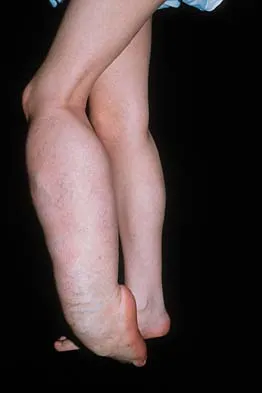
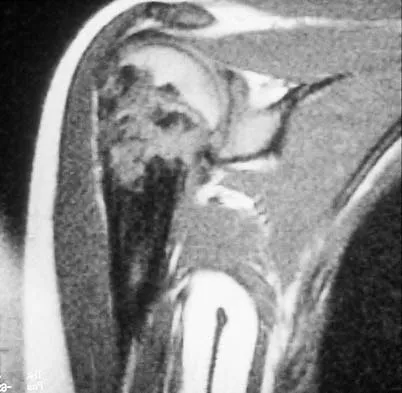
Figure 29a shows the clinical photograph of a 26-year-old woman who has had the leg deformity since birth. She reports difficulty with walking and weight bearing and notes increased discomfort and swelling when the leg is dependent. She denies any history of trauma or family history of a similar disorder. Examination reveals a fixed equinovarus deformity of the foot but no evidence of a limb-length discrepancy. No other cutaneous findings or soft-tissue masses are noted. Sagittal and axial T1- and T2-weighted MRI scans are shown in Figures 29b and 29c. What is the most likely diagnosis?


Explanation

29b 29c Because the MRI scans show marked dilation and proliferation of lymphatic channels that completely involve all the leg muscles and the clinical photograph shows the severe swelling associated with this disease, the most likely diagnosis is lymphangiomatosis. Poliomyelitis affects the anterior horn cells and manifests as muscle atrophy. Neurofibromatosis can have a similar clinical appearance but usually is associated with other systemic and cutaneous findings. Congenital band syndrome results in amputated or shortened extremities. Chronic venous stasis disease usually is not associated with joint contractures, and typically it affects older individuals. Surgical excision is the only known treatment; this patient underwent an above-knee amputation. Berquist TH (ed): MRI of the Musculoskeletal System, ed 3. Philadelphia, PA, Lippincott Raven, 1997, p 771.

Question 11

Figures 30a and 30b show the MRI scans of a 51-year-old woman who has had an enlarging soft-tissue mass in her right thigh for the past 18 months. Examination reveals no inguinal adenopathy. Results of a biopsy show a high-grade sarcoma. A bone scan is unremarkable, and a CT scan of the chest shows no evidence of pulmonary metastasis. According to the Musculoskeletal Tumor Society (MSTS) staging system, the tumor should be classified as what stage?


Explanation

30b According to the MSTS staging system, soft-tissue sarcomas are staged according to the following factors: grade, site, and metastasis. Roman numerals are used to designate malignant tumors, and Arabic numerals are used for benign tumors. Low-grade malignant tumors are staged as I while intermediate- and high-grade tumors are staged as II. Site is defined as intracompartmental (A) or extracompartmental (B). Any metastasis is staged as III. This patient has a high-grade tumor (II), and the MRI scans show that it is confined to a single compartment; therefore, it is staged as IIA. There is no evidence of metastatic disease. Enneking WF, Spanier SS, Goodman MA: A system for the surgical staging of musculoskeletal sarcoma. Clin Orthop 1980;153:106-120. Peabody TD, Monson D, Montag A, Schell MJ, Finn H, Simon MA: A comparison of the prognoses for deep and subcutaneous sarcomas of the extremities. J Bone Joint Surg Am 1994;76:1167-1173. Pisters PW, Leung DH, Woodruff J, Shi W, Brennan MF: Analysis of prognostic factors in 1,041 patients with localized soft tissue sarcomas of the extremities. J Clin Oncol 1996;14:1679-1689.

Question 12

An otherwise healthy 45-year-old man has a 3-cm subcutaneous mass on his anterior thigh that is presumed to be a lipoma. Removal of the mass is performed in the office of his primary care physician. Pathologic evaluation shows a high-grade malignant fibrous histiocytoma. Staging reveals no evidence of metastatic disease. Management at this time should consist of


Explanation

Resection of a previously excised soft-tissue sarcoma is recommended. Reoperation is recommended after removal of malignant tumors previously believed to be benign, as approximately one half of the patients will have residual tumor in the re-excised specimen. Observation is not indicated in most patients because local recurrence is likely. Radiation therapy alone may result in long-term local control but is felt to be less effective than reoperation. Chemotherapy and radiation therapy alone are not recommended. Wide excision is the most important factor for local disease control. Radiation therapy after surgical re-excision may also decrease the risk of local recurrence. Peabody TD, Monson D, Montag A, Schell MJ, Finn H, Simon MA: A comparison of the prognoses for deep and subcutaneous sarcomas of the extremities. J Bone Joint Surg Am 1994;76:1167-1173. Giuliano AE, Eilber FR: The rationale for planned reoperation after unplanned total excision of soft-tissue sarcomas. J Clin Oncol 1985;3:1344-1348. Lewis JJ, Leung D, Espat J, Woodruff JM, Brennan MF: Effect of resection in extremity soft tissue sarcoma. Ann Surg 2000;231:655-663.

Question 13

A 13-year-old girl has had a firm mass and pain in her right shoulder for the past several weeks. She denies any history of trauma. A radiograph and MRI scan are shown in Figures 31a and 31b. Biopsy specimens are shown in Figures 31c and 31d. What is the most likely diagnosis?


Explanation

31b 31c 31d The patient has osteosarcoma. The radiograph suggests an aggressive primary tumor of bone, and the histology shows malignant cells surrounded by osteoid, classic for osteosarcoma. Ewing's sarcoma histologically consists of small round blue cells. Osteochondroma and periosteal chondroma occur in the shoulder but have a different histologic pattern and a less aggressive radiographic appearance. Chondrosarcomas rarely occur in children. Simon MA, Springfield DS, et al: Osteogenic Sarcoma: Surgery for Bone and Soft Tissue Tumors. Philadelphia, PA, Lippincott Raven, 1998, p 266.

Question 14

The use of radiation therapy is most effective in metastatic bone disease from which of the following tumors?


Explanation

Both myeloma and lymphoma are more responsive to radiation therapy. The other types of tumors are relatively more resistant to radiation. Doses of 25 to 50 Gy (2,500 to 5,000 cGy) are usually sufficient for myeloma and lymphoma, while carcinomas frequently require a higher dosage. Large cell lymphoma of bone is usually of B-cell origin and is treated with chemotherapy and radiation therapy. Simon MA, Springfield DS, et al: Surgery for Bone and Soft Tissue Tumors. Philadelphia, PA, Lippincott Raven, 1998, p 683.

Question 15

Figures 32a and 32b show the radiographs of an active 13-year-old boy who has persistent left thigh pain and a limp despite a trial of protected weight bearing. Management should consist of


Explanation

32b The plain radiographs show an eccentric metaphyseal lesion involving a long bone in a skeletally immature patient. The lesion is longer than it is wide, with distinctly lobular outer edges that are sclerotic. These findings are characteristic of a nonossifying fibroma. Small asymptomatic lesions may be followed clinically. Larger lesions that occupy greater than two thirds of the width of the shaft and are located in areas of high mechanical stress such as the femur are more prone to fracture than smaller lesions. Pain is often a sign of impending fracture or the presence of a small fracture that may not be apparent on radiographs. The natural history of the lesion is to resolve over a period of years. The procedure that would allow the patient to return to contact sports is curettage and bone grafting. Intralesional steroid injection has been advocated in the treatment of unicameral bone cysts and eosinophilic granuloma but not nonossifying fibromas. En block resection is not indicated for a benign lesion. Low-dose radiation therapy has been used for eosinophilic granuloma but not for nonossifying fibromas. Walker RN, Green NE, Spindler KP: Stress fractures in skeletally immature patients. J Pediatr Orthop 1996;16:578-584.

Question 16

The spread of malignant cells to the vertebrae is often through


Explanation

In 1940, Batson described a valveless plexus of veins that extend from the dural venous sinuses of the skull to the sacrum. This system permits retrograde blood flow and enables tumor cells to enter vertebral bodies at multiple levels. Increased intra-abdominal pressure will enhance this retrograde blood flow.

Question 17

A 10-year-boy has had thigh pain for the past several months. He denies any history of trauma. Examination reveals no soft-tissue mass, and mild tenderness. Figures 33a and 33b show the plain radiograph and MRI scan, and the biopsy specimens are shown in Figures 33c and 33d. What is the most likely diagnosis?


Explanation

33b 33c 33d The diagnosis is eosinophilic granuloma. The plain radiograph and MRI scan show a lesion in the midshaft of the femur. There is no soft-tissue mass. There is reactive bone about the lesion that suggests a less aggressive tumor. The histology reveals eosinophils in an otherwise bland cellular background with no evidence of mitotic figures or malignant cells to suggest sarcoma. The diagnostic elements are the amphophilic (ie, pale purple) histiocytes with cigar-shaped nuclei, some of which have linear longitudinal grooves. There is no histologic evidence of infection. Lymphoma of bone would be an unusual occurrence in this age group, and the histology is not consistent with that diagnosis.

Question 18

A 35-year-old patient has right hip pain. Figures 34a and 34b show the coronal MRI scan and the biopsy specimen. What is the most likely diagnosis?


Explanation

34b Alcohol abuse, steroids, Caisson disease, sickle cell disease, and radiation therapy are the leading causes of nontraumatic osteonecrosis of the femoral head. Arlet J: Nontraumatic avascular necrosis of the femoral head: Past, present, and future. Clin Orthop 1992;277:12-21.

Question 19

A 16-year-old girl has a painful foot mass. A radiograph, MRI scan, and biopsy specimens are shown in Figures 35a through 35d. What is the most likely diagnosis?


Explanation

35b 35c 35d Synovial sarcoma should always be considered in the differential diagnosis of a foot mass; however, the histopathology shows a typical example of PVNS, with hemosiderin, giant cells, and synovium. Synovial chondromatosis would have metaplastic cartilage in the synovium. The radiograph shows subtle erosion of the lateral cortex of the cuboid, and the MRI scan shows a soft-tissue mass. Ghert MA, Scully SP, Harrelson JM: Pigmented villonodular synovitis of the foot and ankle: A review of six cases. Foot Ankle Int 1999;20:326-330. Jones BC, Sundaram M, Kransdorf MJ: Synovial sarcoma: MR imaging findings in 34 patients. Am J Roentgenol 1993;161:827-830. Sartoris DJ, Resnick D: Magnetic resonance imaging of pediatric foot and ankle disorders. J Foot Surg 1990;29:489-494.

Question 20

What is the most common diagnosis in a patient older than age 40 years with a destructive bony lesion?


Explanation

The most common destructive lesions in a patient older than age 40 years are, in decreasing incidence, metastatic carcinoma, multiple myeloma, lymphoma, and chondrosarcoma. Osteosarcoma is found primarily in younger patients.

Question 21

A 78-year-old man being seen for routine follow-up studies reports mild to moderate pain in his left arm. The patient has a history of lung cancer and severe heart disease. A radiograph and a bone scan are shown in Figures 36a and 36b. Treatment should consist of


Explanation

36b The patient has lung cancer metastatic to the left humerus that is mildly to moderately symptomatic. Radiographically, the lesion is small and is not associated with significant cortical destruction. Metastatic lesions in the upper extremity have a lower incidence of pathologic fracture than lesions in the lower extremity.

Question 22

Which of the following benign bone lesions can develop lung metastases?


Explanation

Although considered benign bone lesions, lung metastases can develop in giant cell tumors and chondroblastomas. These often can be treated with multiple thoracotomies, resulting in long-term survival. Roberts PF, Taylor JG: Multifocal benign chondroblastomas: Report of a case. Hum Pathol 1980;11:296-298.

Question 23

The radiographic feature seen in Figure 37 that best indicates a slow-growing process is the


Explanation

For the fibula (or any bone) to bow, a long-standing process needs to be present. Pressure from a rapid process would cause erosion, not allowing the bone to remodel. The other features are helpful confirmatory findings but also may be associated with aggressive processes. In this patient, the fibular deformity is caused by a sessile osteochondroma of the tibia. Lodwick GS, Wilson AJ, Farrell C, Virtama P, Dittrich F: Determining growth rates of focal lesions of bone from radiographs. Radiology 1980;134:577-583.

Question 24

A 52-year-old man has a stage IIB malignant fibrous histiocytoma of the distal femur. Local treatment should consist of


Explanation

Local control of malignant fibrous histiocytoma of bone typically consists of wide excision. Curettage and bone grafting is a procedure with an intralesional surgical margin, with an unacceptable rate of local recurrence. Prophylactic fixation is considered for patients with metastatic disease. Radiation therapy alone is not adequate for local control of this tumor. Neoadjuvant chemotherapy is often used primarily for systemic tumor control.

Question 25

A patient undergoes excision of a 3- x 3-cm soft-tissue sarcoma. The final histology results show tumor at the surgical margin. The surgical procedure performed is classified as


Explanation

Surgical margins are classified according to the plane of dissection in relation to the tumor. An intralesional procedure is where the plane of dissection passes through the tumor. A marginal resection involves a resection where the plane of dissection is through the reactive zone of the tumor. A wide resection is through completely normal tissue outside of the reactive zone. A radical resection removes all of the muscles and/or bone of the compartment that are involved by the tumor.

Question 26

A 14-year-old boy presents with severe thigh pain and a low-grade fever. Radiographs show a permeative diaphyseal lesion in the femur with an "onion skin" periosteal reaction. Biopsy reveals sheets of uniform, small, round, blue cells. Which chromosomal translocation is most definitively associated with this patient's diagnosis?


Explanation

Ewing sarcoma classically presents with a permeative diaphyseal lesion and is genetically characterized by the t(11;22) translocation. This results in the EWS-FLI1 fusion protein, which acts as an aberrant transcription factor.

Question 27

When designing an orthopedic implant for diaphyseal fracture fixation, minimizing stress shielding is a primary goal. Which of the following implant materials possesses a Young's modulus most closely approximating that of human cortical bone?


Explanation

Titanium alloy has a Young's modulus (approx. 110 GPa) that is closer to cortical bone (15-20 GPa) than stiffer metals like cobalt-chromium (210 GPa) or stainless steel (200 GPa). This relative flexibility helps reduce stress shielding and subsequent osteopenia.

Question 28

Normal articular cartilage is structurally divided into four distinct zones. Which zone is characterized by having the highest concentration of proteoglycans, the lowest water content, and collagen fibrils oriented perpendicular to the articular surface?


Explanation

The deep (radial) zone contains the largest diameter type II collagen fibrils arranged vertically, highest proteoglycan concentration, and lowest water content. This arrangement allows the cartilage to optimally resist compressive forces.

Question 29

The historical sterilization method of ultra-high-molecular-weight polyethylene (UHMWPE) components using gamma irradiation in air resulted in which of the following detrimental long-term material property changes?


Explanation

Gamma irradiation in an oxygen-rich environment (air) breaks polymer chains, creating free radicals that react with oxygen over time. This oxidative degradation leads to embrittlement, delamination, and accelerated wear of the UHMWPE bearing.

Question 30

A diaphyseal radius fracture is treated with rigid internal fixation using a dynamic compression plate, achieving absolute stability and anatomic reduction. This construct primarily dictates which pathway of bone healing?


Explanation

Rigid internal fixation with absolute stability minimizes interfragmentary strain, bypassing callus formation. It induces primary (direct) bone healing, characterized by osteoclast-led cutting cones crossing the fracture site followed by osteoblast bone deposition.

Question 31

A 22-year-old male presents with severe nocturnal anterior thigh pain that is reliably relieved by oral ibuprofen. Radiographs demonstrate a 1-cm radiolucent nidus surrounded by thick cortical sclerosis in the proximal femoral diaphysis. What is the most appropriate definitive management for this lesion?


Explanation

The clinical history and radiographic appearance are classic for an osteoid osteoma. Percutaneous radiofrequency ablation (RFA) is currently the standard of care, offering a minimally invasive, definitive cure with low morbidity.

Question 32

A 30-year-old female presents with knee pain. Radiographs reveal an eccentric, lytic, epiphyseal lesion in the distal femur that extends to the subchondral bone. Histopathologic analysis shows multinucleated giant cells in a background of mononuclear cells. The targeted biologic therapy denosumab acts by inhibiting which of the following factors expressed by the neoplastic cells in this lesion?


Explanation

In a giant cell tumor of bone, the true neoplastic cells are the mononuclear stromal cells, which highly express RANKL. Denosumab is a monoclonal antibody that binds and inhibits RANKL, preventing the recruitment and activation of the destructive multinucleated giant cells.

Question 33

Bone morphogenetic proteins (BMPs) are utilized in spine surgery for their potent osteoinductive properties. They primarily exert their effect by binding to cell membrane receptors, which subsequently phosphorylates which family of intracellular signaling proteins to transcribe osteogenic genes?


Explanation

BMPs are members of the TGF-beta superfamily and signal primarily through the Smad pathway. Upon receptor binding, intracellular Smad proteins (1, 5, and 8) are phosphorylated, complex with Smad 4, and enter the nucleus to regulate gene transcription.

Question 34

When optimizing the fixation of a pedicle screw in osteoporotic bone, the pullout strength of the screw is most significantly increased by maximizing which of the following screw design parameters?


Explanation

Screw pullout strength is directly proportional to the volume of bone captured between the screw threads. Increasing the outer (major) diameter is the single most effective design modification to increase pullout strength.

Question 35

A 55-year-old male incidentally presents with an expansile, radiolucent lesion featuring central "rings and arcs" calcifications in the proximal humerus. Biopsy confirms a grade 1 (low-grade) conventional central chondrosarcoma. Which of the following is the standard recommended surgical treatment for this appendicular lesion?


Explanation

Low-grade (Grade 1) central chondrosarcomas in the appendicular skeleton can often be safely managed with joint-sparing extended intralesional curettage, high-speed burring, and chemical adjuvants (like phenol or cryotherapy). High-grade or pelvic lesions require wide en bloc resection.

Question 36

In fracture fixation, utilizing a stainless steel screw through a titanium plate in a saline-rich environment can lead to accelerated degradation of the implant. This process is best described as which type of corrosion?


Explanation

Galvanic corrosion occurs when two dissimilar metals with different electrochemical potentials are placed in contact within an electrolytic solution, such as body fluid. The less noble metal (anode) undergoes accelerated corrosive degradation.

Question 37

A 10-year-old girl is evaluated for a leg length discrepancy and a "shepherd's crook" deformity of her proximal femur. Radiographs reveal an intramedullary lesion with a hazy, "ground-glass" matrix. This disorder is driven by a somatic postzygotic mutation in which of the following genes?


Explanation

Fibrous dysplasia is caused by an activating missense mutation in the GNAS gene, which encodes the alpha subunit of the stimulatory G protein (Gs-alpha). This leads to increased intracellular cAMP and abnormal osteoblast differentiation.

Question 38

During the bone remodeling cycle, osteoclasts attach to the bone surface via integrins, creating an isolated resorption pit (Howship's lacuna). Which intracellular enzyme is critical for generating the protons needed to acidify this microenvironment and dissolve the inorganic bone mineral?


Explanation

Carbonic anhydrase II catalyzes the conversion of carbon dioxide and water into protons and bicarbonate. The protons are then actively pumped by vacuolar H+-ATPases into the sealed zone to drop the pH and dissolve hydroxyapatite.

Question 39

A surgeon applies a constant, continuous distraction force to a contracted joint capsule using a hinged external fixator. Over several days, the capsule gradually elongates without any increase in the applied force. What is the biomechanical term for this viscoelastic phenomenon?


Explanation

Creep is defined as the progressive, time-dependent deformation (elongation) of a viscoelastic material when subjected to a constant load or stress. Stress relaxation, conversely, is the decrease in stress over time when held at a constant strain.

Question 40

Polymethylmethacrylate (PMMA) is widely used for implant fixation in joint arthroplasty. Which of the following statements accurately describes its biomechanical properties?


Explanation

PMMA is a brittle grout, not a true adhesive; it provides fixation through micromodular mechanical interlock with cancellous bone. It is significantly stronger in compression than in tension or shear, and its setting reaction is highly exothermic.

Question 41

A 32-year-old male presents with a slowly growing, painful soft tissue mass near the knee joint. Biopsy demonstrates a biphasic tumor with both epithelial and spindle cell components. Molecular testing reveals a t(X;18) chromosomal translocation. This specific genetic alteration results in which oncogenic fusion protein?


Explanation

Synovial sarcoma is characterized by the pathognomonic t(X;18) translocation. This fuses the SYT gene on chromosome 18 with an SSX gene on the X chromosome, creating the SYT-SSX fusion protein that drives tumor proliferation.

Question 42

The menisci of the knee play a crucial role in load distribution and shock absorption. The predominantly circumferential orientation of type I collagen bundles within the meniscus is specifically adapted to resist which biomechanical force during axial loading?


Explanation

As the femur compresses the wedge-shaped meniscus, axial loads are converted into outward radial forces. The circumferentially arranged type I collagen fibers resist these forces by generating tension, commonly referred to as hoop stresses.

Question 43

A 65-year-old man sustains a pathologic fracture of the humerus. Radiographs show multiple "punched-out" lytic lesions. Laboratory work reveals hypercalcemia, anemia, and an IgG kappa monoclonal spike. The severe osteolysis seen in this condition is primarily mediated by the neoplastic cells secreting factors that heavily upregulate which pathway?


Explanation

In multiple myeloma, malignant plasma cells secrete cytokines, most notably IL-6, and heavily upregulate RANKL while suppressing OPG. This profoundly stimulates osteoclastogenesis, leading to aggressive bone resorption and lytic lesions.

Question 44

A 45-year-old highly active patient requires a total hip arthroplasty. A ceramic-on-ceramic bearing couple is selected. Compared to a traditional metal-on-polyethylene bearing, what is the primary tribological advantage of the ceramic-on-ceramic articulation?


Explanation

Ceramic-on-ceramic bearings exhibit the lowest volumetric wear rate due to their extreme hardness, high scratch resistance, and excellent fluid film lubrication. However, they are sensitive to malposition (edge-loading), squeaking, and have a risk of brittle fracture.

Question 45

Following a severe crush injury to the forearm, a patient exhibits a complete median nerve palsy. According to the Sunderland classification, a third-degree peripheral nerve injury is characterized by the disruption of the axon and which other structural layer, while the perineurium remains intact?


Explanation

A Sunderland third-degree injury involves transection of the axon and the endoneurium, with an intact perineurium and epineurium. The loss of the endoneurial tube disrupts the path for regenerating axons, leading to unpredictable intrafascicular scarring and variable recovery.

Question 46

A trauma surgeon uses a stainless steel dynamic compression plate but places titanium alloy screws for fixation of a diaphyseal femur fracture due to lack of inventory. Which type of corrosion is most likely to occur at the screw-plate interface?


Explanation

Galvanic corrosion occurs when two dissimilar metals (e.g., stainless steel and titanium) are placed in direct physical contact within a conductive electrolytic medium, such as human body fluid. This leads to accelerated corrosion of the less noble metal.

Question 47

A 70-year-old female with osteoporosis is prescribed a nitrogen-containing bisphosphonate. This medication inhibits bone resorption primarily by inhibiting which of the following intracellular targets within the osteoclast?


Explanation

Nitrogen-containing bisphosphonates (e.g., alendronate) inhibit farnesyl pyrophosphate synthase in the mevalonate pathway. This prevents protein prenylation, critically disrupting the ruffled border formation and ultimately leading to osteoclast apoptosis.

Question 48

A 12-year-old boy presents with a painful, diaphyseal lesion of the femur. Biopsy reveals sheets of small, round, blue cells that strongly express CD99.

Which of the following chromosomal translocations is most characteristic of this diagnosis?


Explanation

The clinical and histologic picture describes Ewing sarcoma. It is classically associated with the t(11;22) translocation, resulting in the EWS-FLI1 fusion protein in approximately 85-90% of cases.

Question 49

During the excitation-contraction coupling of skeletal muscle, the unmasking of the myosin-binding sites on the actin filament is directly triggered by the binding of calcium to which of the following proteins?


Explanation

Calcium binds specifically to Troponin C. This interaction induces a conformational change that shifts the tropomyosin molecule, exposing the active myosin-binding sites on the actin filament and allowing cross-bridge cycling.

Question 50

A 60-year-old man presents with a painful, enlarging mass in his proximal humerus. Radiographs demonstrate a lytic lesion with intralesional "popcorn" calcifications and endosteal scalloping. Core biopsy confirms a Grade II conventional chondrosarcoma. What is the most appropriate management?


Explanation

Conventional intermediate- to high-grade chondrosarcomas are generally resistant to both chemotherapy and radiation. The mainstay of potentially curative treatment is wide surgical excision to obtain negative margins.

Question 51

When a constant tensile force is applied to a ligament over a prolonged period, the ligament gradually continues to elongate. Which biomechanical term best describes this time-dependent property?


Explanation

Creep refers to the progressive deformation (elongation) of a viscoelastic material when subjected to a constant load over time. Stress relaxation, conversely, is the decrease in stress over time when the material is held at a constant length.

Question 52

A 35-year-old sustains a transverse radius shaft fracture that is treated with open reduction and internal fixation using a dynamic compression plate to achieve absolute stability. What is the primary mechanism of bone healing expected in this scenario?


Explanation

Absolute stability constructs bypass the intermediate callus formation stage. Healing occurs via primary (direct) bone healing, driven by osteoclast cutting cones and trailing osteoblasts forming new Haversian systems across the fracture gap.

Question 53

A 55-year-old patient presents with diffuse bone pain and proximal muscle weakness. Laboratory evaluation reveals hypocalcemia, hypophosphatemia, elevated alkaline phosphatase, and elevated parathyroid hormone. Radiographs show Looser zones in the femoral neck. What is the primary histopathologic defect?


Explanation

The clinical presentation and labs indicate osteomalacia, often due to severe Vitamin D deficiency. The fundamental histological defect is the accumulation of unmineralized osteoid due to defective bone mineralization.

Question 54

Which of the following sterilization methods for ultra-high-molecular-weight polyethylene (UHMWPE) acetabular liners is most strongly associated with increased free radical formation and subsequent in vivo oxidative degradation?


Explanation

Gamma irradiation of UHMWPE in an oxygen-rich environment (air) generates free radicals that react with oxygen. This leads to chain scission, oxidative degradation, and ultimately increases the risk of catastrophic wear and delamination.

Question 55

Articular cartilage is highly specialized to withstand distinct mechanical forces. In which histologic layer of articular cartilage are the type II collagen fibers oriented perpendicular to the joint surface to resist significant compressive loads?


Explanation

In the deep (radial) zone, chondrocytes are arranged in vertical columns, and collagen fibers run perpendicular to the articular surface. This architecture provides maximum resistance to compressive forces.

Question 56

A patient develops a chronic periprosthetic joint infection (PJI) three years after total knee arthroplasty. Cultures yield a coagulase-negative organism. Which of the following bacteria is most notorious for evading host defenses by producing a robust polysaccharide glycocalyx biofilm on the implant?


Explanation

Staphylococcus epidermidis is a ubiquitous skin commensal that is highly adept at colonizing foreign bodies. Its primary virulence factor in orthopedic infections is the production of a thick exopolysaccharide biofilm that severely limits antibiotic penetration.

Question 57

A 28-year-old man presents with a slow-growing, painful mass adjacent to his knee joint. Histology reveals a biphasic pattern consisting of spindle cells and epithelial cells.

Which cytogenetic abnormality is pathognomonic for this tumor?


Explanation

The mass is a synovial sarcoma, characterized histologically by biphasic or monophasic cellular patterns. It is cytogenetically defined by the t(X;18) chromosomal translocation, which results in the SYT-SSX fusion gene.

Question 58

Parathyroid hormone (PTH) plays a critical role in calcium homeostasis by modulating bone turnover. By what mechanism does PTH indirectly stimulate osteoclastic bone resorption?


Explanation

Osteoclasts do not possess PTH receptors. PTH binds to receptors on osteoblasts, stimulating them to increase the expression of RANKL and decrease OPG, which subsequently binds to RANK on osteoclast precursors to drive maturation and activation.

Question 59

A patient presents with a radial nerve palsy immediately following a closed midshaft humerus fracture. Electromyography at 4 weeks is consistent with a Sunderland Class II injury (axonotmesis). Which of the following best describes the microscopic pathology of the nerve at the injury site?


Explanation

In a Sunderland Class II nerve injury (axonotmesis), the axon and surrounding myelin sheath are disrupted, causing distal Wallerian degeneration. However, the endoneurial tube remains intact, providing an excellent scaffold for axonal regeneration.

Question 60

A patient is prescribed rivaroxaban for deep vein thrombosis (DVT) prophylaxis following a total hip arthroplasty. What is the specific molecular target of this pharmacological agent?


Explanation

Rivaroxaban and apixaban are direct oral anticoagulants (DOACs) that function as direct, reversible inhibitors of Factor Xa. This interrupts the common pathway of the coagulation cascade, inhibiting the conversion of prothrombin to thrombin.

Question 61

During the biomechanical loading of a normal human synovial joint, different lubrication mechanisms dominate depending on the applied load and velocity. During the initial high-load impact phase, such as heel strike during gait, which primary mechanism prevents immediate cartilage-to-cartilage contact?


Explanation

Squeeze-film lubrication occurs under high-magnitude, short-duration loads. As the opposing articular surfaces are pressed together rapidly, the synovial fluid is forced out of the narrow gap, generating high fluid pressure that bears the load momentarily.

Question 62

A 65-year-old male with a history of advanced prostate carcinoma presents with severe back pain. Radiographs demonstrate multiple dense, osteoblastic lesions in the lumbar vertebrae. Prostate cancer cells predominantly stimulate this osteoblastic response by secreting which of the following factors?


Explanation

Unlike most carcinomas which cause purely lytic metastases via PTHrP (e.g., breast, lung), prostate cancer characteristically secretes Endothelin-1 (ET-1). ET-1 strongly stimulates osteoblast proliferation and differentiation, resulting in osteoblastic (sclerotic) metastases.

Question 63

A 4-year-old child presents with a history of multiple low-energy long bone fractures, blue sclerae, and dentinogenesis imperfecta. This clinical syndrome is most commonly caused by an autosomal dominant mutation affecting which of the following?


Explanation

Osteogenesis imperfecta is primarily a disorder of Type I collagen synthesis or processing, most frequently caused by mutations in the COL1A1 or COL1A2 genes. This defect leads to brittle bones and distinctive extraskeletal manifestations.

Question 64

A surgeon plans to utilize recombinant human bone morphogenetic protein-2 (rhBMP-2) on a collagen sponge carrier to augment healing in a tibial nonunion. At the cellular level, BMP-2 promotes osteoinduction primarily by initiating an intracellular signaling cascade mediated by which proteins?


Explanation

BMPs belong to the TGF-beta superfamily and exert their osteoinductive effects by binding to specific serine/threonine kinase transmembrane receptors. This binding directly phosphorylates and activates intracellular SMAD proteins (specifically SMAD 1, 5, and 8), which then translocate to the nucleus to regulate target gene transcription.

Question 65

A 22-year-old athlete sustains a grade II medial collateral ligament (MCL) tear of the knee, which is managed conservatively. During the early proliferative phase of ligament healing (days to weeks), fibroblasts synthesize a disorganized extracellular matrix predominantly composed of which collagen type?


Explanation

In the initial proliferative phase of ligament and tendon healing, the newly synthesized scar tissue is largely composed of weak, disorganized Type III collagen. Over months of remodeling, this is gradually replaced by stronger, longitudinally aligned Type I collagen.

Question 66

What is the primary mechanical disadvantage of increasing the radiation dose to produce highly cross-linked ultra-high-molecular-weight polyethylene (UHMWPE) for total joint arthroplasty?


Explanation

Increasing the radiation dose to cross-link UHMWPE significantly reduces wear, but it concomitantly decreases its mechanical properties, including fracture toughness, fatigue strength, and ultimate tensile strength. Post-irradiation melting is used to eliminate free radicals and reduce oxidative degradation.

Question 67

A 14-year-old boy presents with a diaphyseal lesion of the femur and an 'onion-skin' periosteal reaction. Biopsy reveals sheets of small round blue cells.

Which chromosomal translocation is most characteristically associated with this diagnosis?


Explanation

Ewing sarcoma is characterized by the t(11;22) translocation, which results in the EWS-FLI1 fusion protein in approximately 85% of cases. t(X;18) is associated with synovial sarcoma, and t(12;16) is associated with myxoid liposarcoma.

Question 68

A pediatric patient with frequent fractures and cranial nerve palsies is evaluated. Radiographs demonstrate a diffuse 'bone-within-bone' appearance. The primary pathophysiologic defect in this condition is characterized by a failure of which of the following?


Explanation

Osteopetrosis is caused by defective osteoclast function, most commonly due to failure of ruffled border formation (often from carbonic anhydrase II or TCIRG1 gene mutations). This prevents the creation of the acidic microenvironment necessary for the dissolution of bone mineral.

Question 69

When evaluating normal adult articular cartilage histology, in which zone are the collagen fibers oriented perpendicular to the joint surface and the highest concentration of proteoglycans found?


Explanation

The deep (radial) zone of articular cartilage contains vertically aligned collagen fibers, the lowest water content, and the highest concentration of proteoglycans. The superficial zone has horizontally aligned collagen and the highest water content.

Question 70

A 68-year-old woman sustains an atypical subtrochanteric femur fracture after taking alendronate for 10 years. What is the primary cellular mechanism of action of this class of medication?


Explanation

Nitrogen-containing bisphosphonates (like alendronate) inhibit farnesyl pyrophosphate (FPP) synthase in the mevalonate pathway. This prevents the prenylation of small GTPases (e.g., Ras, Rho), leading to impaired osteoclast function and premature apoptosis.

Question 71

An 18-year-old male presents with dull back pain that is worse at night and relieved by NSAIDs. Radiographs show a distinct lesion in the posterior elements of L4. Which of the following features most reliably differentiates osteoblastoma from osteoid osteoma?


Explanation

Osteoblastoma and osteoid osteoma are histologically identical benign bone-forming tumors. They are primarily distinguished by size, with osteoblastomas being larger than 2 cm and often demonstrating more progressive, aggressive local growth.

Question 72

During the pathogenesis of periprosthetic joint infection, which phase of biofilm formation is characterized by the secretion of extracellular polymeric substances (EPS) leading to irreversible bacterial attachment?


Explanation

Maturation phase 1 (irreversible attachment) occurs when bacteria begin to secrete the extracellular polymeric substance (EPS) matrix. This slimy matrix embeds the bacteria, rendering them highly resistant to host immune defenses and antibiotics.

Question 73

In understanding the biomechanics of the native anterior cruciate ligament (ACL), the anteromedial (AM) bundle is most taut in which of the following knee positions?


Explanation

The anteromedial (AM) bundle of the ACL is most taut in flexion (approximately 90 degrees) and is the primary restraint to anterior tibial translation in this position. The posterolateral (PL) bundle is taut in extension and provides rotatory stability.

Question 74

Recombinant human bone morphogenetic protein-2 (rhBMP-2) is utilized to augment spinal fusion. BMPs primarily induce bone formation by binding to cell surface receptors and stimulating which of the following intracellular signaling pathways?


Explanation

BMPs bind to serine/threonine kinase receptors on mesenchymal stem cells, leading to the intracellular phosphorylation of Smad 1, 5, and 8. These complex with Smad 4 to translocate into the nucleus, directly upregulating osteogenic gene transcription.

Question 75

A 65-year-old male presents with bone pain and hypercalcemia. Radiographs demonstrate multiple 'punched-out' lytic lesions in the skull and long bones.

The profound lack of bone formation in the lytic lesions of this disease is primarily mediated by tumor cell secretion of which factor?


Explanation

In multiple myeloma, malignant plasma cells secrete DKK-1 (Dickkopf-1), which inhibits the Wnt signaling pathway, severely suppressing osteoblast activity. Concurrently, they secrete factors like MIP-1 alpha that stimulate osteoclasts, resulting in purely lytic lesions without reactive sclerosis.

Question 76

A patient undergoes total hip arthroplasty and is prescribed rivaroxaban for deep vein thrombosis prophylaxis. This medication achieves its antithrombotic effect through the direct inhibition of which component of the coagulation cascade?


Explanation

Rivaroxaban and apixaban are direct oral anticoagulants that specifically inhibit Factor Xa, preventing the conversion of prothrombin to thrombin. Dabigatran is a direct inhibitor of thrombin (Factor IIa).

Question 77

A midshaft tibia fracture is treated with a reamed, statically locked intramedullary nail. Which type of bone healing predominates in this biomechanical environment?


Explanation

Intramedullary nailing provides relative stability, which promotes secondary bone healing through callus formation. This process predominantly relies on endochondral ossification, where a cartilage intermediate is formed and subsequently replaced by bone.

Question 78

A patient sustains a closed midshaft humerus fracture and presents with an immediate complete radial nerve palsy. If an electromyogram (EMG) is obtained, at what time point after injury are fibrillation potentials most likely to first appear?


Explanation

Fibrillation potentials and positive sharp waves are hallmark EMG signs of muscle denervation. They typically take 2 to 3 weeks to appear following the nerve injury as Wallerian degeneration progresses.

Question 79

When evaluating a new diagnostic test for periprosthetic joint infection, the positive predictive value (PPV) of the test is most heavily influenced by which of the following statistical parameters?


Explanation

The positive predictive value (PPV) is highly dependent on the prevalence of the disease in the tested population. Even a test with high sensitivity and specificity will have a low PPV if the disease prevalence is very low.

Question 80

Acollegial review of a pediatric patient with rhizomelic short stature and frontal bossing is conducted. Achondroplasia is caused by a gain-of-function mutation in the FGFR3 gene. This mutation primarily causes the phenotype by which mechanism?


Explanation

The gain-of-function mutation in the FGFR3 gene causes constitutive activation of the receptor. This inappropriately inhibits chondrocyte proliferation in the proliferative zone of the physis, dramatically slowing down endochondral ossification.

Question 81

A 50-year-old male undergoes a biopsy of a 6 cm deep soft tissue mass in his thigh, which confirms high-grade pleomorphic sarcoma. Staging workup shows no metastases. According to the AJCC staging system, what is the most important prognostic factor for determining the stage of this localized tumor?


Explanation

Histologic grade is the single most important prognostic factor for soft tissue sarcomas. In the AJCC staging system for non-metastatic soft tissue sarcomas, histologic grade is a primary determinant of the overall stage.

Question 82

A patient undergoes revision total hip arthroplasty for unexplained pain and a pseudo-tumor associated with a modular neck prosthesis. Black particulate debris is noted at the head-neck junction. What type of corrosion primarily initiates this specific failure cascade?


Explanation

Fretting corrosion occurs at modular interfaces (like the trunnion-head junction) due to micromotion under cyclical loading. This mechanical disruption destroys the passivating oxide layer, leading to mechanically assisted crevice corrosion (trunnionosis).

Question 83

A 30-year-old female is diagnosed with an advanced giant cell tumor of bone in the distal femur. Denosumab is recommended for neoadjuvant treatment. What is the exact mechanism of action of this medication?


Explanation

Denosumab is a human monoclonal antibody that binds to RANK Ligand (RANKL). By preventing RANKL from binding to the RANK receptor on osteoclast precursors, it severely inhibits the formation and function of the reactive osteoclast-like giant cells that destroy bone.

Question 84

During the evaluation of a patient with suspected osteomalacia, vitamin D metabolism is reviewed. Which enzyme is directly responsible for the conversion of 25-hydroxyvitamin D to its most active hormonal form, 1,25-dihydroxyvitamin D?


Explanation

1-alpha-hydroxylase, located primarily in the proximal tubules of the kidney, converts 25(OH)D to 1,25(OH)2D, the fully active form of vitamin D. This enzyme is stimulated by parathyroid hormone (PTH) and hypophosphatemia.

Question 85

A surgeon plans to use demineralized bone matrix (DBM) to augment a tibial nonunion repair. Compared to an autologous iliac crest bone graft, DBM inherently possesses which of the following biologic properties for bone healing?


Explanation

Demineralized bone matrix (DBM) provides a structural collagen scaffold (osteoconduction) and retains exposed growth factors such as BMPs (osteoinduction). Unlike fresh autograft, it lacks viable cells and is therefore not osteogenic.

Question 86

In the basic science of skeletal muscle contraction, which of the following events directly initiates the release of calcium ions from the sarcoplasmic reticulum?


Explanation

Skeletal muscle contraction is initiated when an action potential travels down the T-tubules, activating dihydropyridine receptors. These receptors interact with ryanodine receptors on the sarcoplasmic reticulum, triggering massive calcium release.

Question 87

A 50-year-old man presents with progressive weakness in right foot dorsiflexion following a traumatic knee dislocation. An EMG reveals a lesion localized to the common peroneal nerve. During its course, this nerve is most vulnerable to compression or tethering at which anatomical landmark?


Explanation

The common peroneal nerve is uniquely superficial and relatively tethered as it wraps around the fibular neck. This anatomical feature makes it highly susceptible to traction injuries, knee dislocations, and external compression.

Question 88

A 40-year-old man sustains a fracture of the tibial shaft and undergoes reamed intramedullary nailing. Which of the following phases of fracture healing is most directly enhanced by the mechanical stability provided by the nail while still allowing controlled micromotion?


Explanation

Intramedullary nailing provides relative stability, which promotes secondary bone healing through callus formation. Controlled micromotion specifically stimulates endochondral ossification, where cartilage is progressively replaced by bone.

Question 89

A 55-year-old woman with breast cancer presents with a destructive lesion in her proximal femur. According to Mirels' criteria, which of the following findings contributes the maximum points (3 points) toward indicating the need for prophylactic internal fixation?


Explanation

Mirels' scoring system evaluates the risk of pathologic fracture based on site, pain, lesion type, and size. Severe pain, peritrochanteric location, lytic nature, and a lesion size greater than 2/3 of the cortex each score the maximum of 3 points.

Question 90

A researcher is evaluating the mechanical properties of a newly developed orthopaedic alloy. On the generated stress-strain curve, the point at which the material ceases to deform elastically and begins to deform permanently is known as the:


Explanation

The yield point, or proportional limit, represents the transition from elastic (reversible) deformation to plastic (permanent) deformation on a stress-strain curve. The modulus of elasticity represents the slope of the elastic region.

None

Clinic OS
Medically Verified Content by
Prof. Clinic OS
Consultant Orthopedic & Spine Surgeon
Chapter Index
