Orthopedic Basic 2026 MCQs: Board Review Questions & Answers (Part 4)
Key Takeaway
This topic focuses on Orthopedic Basic 2026 MCQs: Board Review Questions & Answers (Part 4), Top-rated Orthopedic Basic 2026 MCQs bank. Practice with clinical case questions, orthopedic surgery board review, and evidence-based answers updated for 2026.
Orthopedic Basic 2026 MCQs: Board Review Questions & Answers (Part 4)
Comprehensive 100-Question Exam
00:00
Start Quiz
Question 1
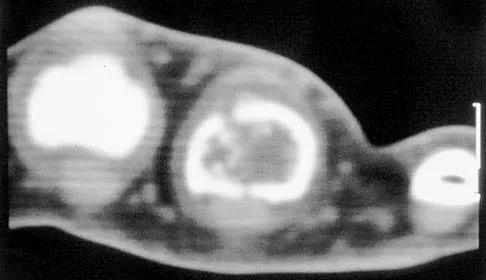
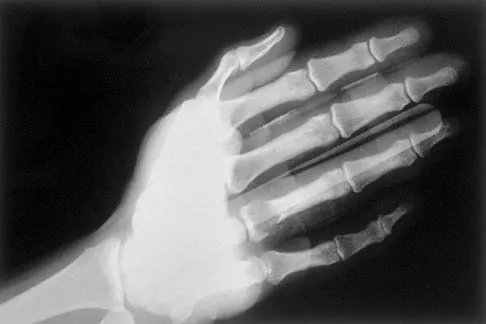
A 30-year-old woman has pain in her right hand. The radiograph, CT scan, and biopsy specimen are seen in Figures 38a through 38c. What is the most likely diagnosis?
Explanation
Question 2
Which of the following agents have been shown to reduce the incidence of skeletal events in patients with multiple myeloma?
Explanation
Question 3
A 12-year-old girl has had progressive left knee pain for the past 4 months. She reports that the pain is unrelated to activity, and she has no history of fever or recent infections. Examination reveals full range of motion of the knee but tenderness along the medial joint line. Plain radiographs and MRI scans are shown in Figures 39a through 39d. A biopsy specimen of the lesion is shown in Figure 39e. Treatment should include
Explanation
Question 4
An open biopsy specimen of a radiodense distal clavicle lesion in a 12-year-old girl shows chronic polyclonal inflammatory cells without granuloma formation. Laboratory studies show that bacterial, fungal, and acid-fast bacillus cultures are negative. Subsequently, a similar lesion is noted in the fibula. The next most appropriate step in management should consist of
Explanation
Question 5
Figure 40 shows the radiograph of a 30-year-old woman who has a painful elbow. Examination reveals a deformed skull, multiple cafe-au-lait spots, and bone deformities. What is the most likely diagnosis?
Explanation
Question 6
Figure 41a shows the AP radiograph of a 15-year-old boy who reports lateral knee pain. Figures 41b and 41c show a radiograph of the distal femur that was obtained 5 years ago and a current CT scan. The indication for surgery in this patient would be
Explanation
Question 7
In what decade does the peak incidence of conventional osteosarcoma occur?
Explanation
Question 8
A 10-year-old boy has a painful thigh mass. A radiograph, MRI scan, and biopsy specimen are shown in Figures 42a through 42c. What is the most likely diagnosis?
Explanation
Question 9
A 21-year-old man with neurofibromatosis and multiple cutaneous neurofibromas has a rapidly enlarging painless mass on his buttock. Examination reveals a nontender, well-defined 6- x 6-cm soft-tissue mass that is deep to the fascia. The best course of action should be to order
Explanation
Question 10
A 21-year-old man has had progressive right knee pain for the past 2 months that is exacerbated with weight-bearing activities. A plain radiograph and an MRI scan are shown in Figures 43a and 43b. A biopsy specimen is shown in Figure 43c. According to the Enneking staging system of tumor classification, the lesion should be classified as what stage?
Explanation
Question 11
What is a common clinical finding in patients with severe hypercalcemia secondary to bony metastasis?
Explanation
Question 12
What cell type causes the bone destruction in metastatic lesions?
Explanation
Question 13
What is the most common malignant bone tumor seen in patients with multiple hereditary exostosis?
Explanation
Question 14
An athletic 55-year-old man reports a painless mass in the anterior aspect of the thigh that appeared 3 weeks ago and has not changed in size. The patient denies any history of trauma. Examination reveals a firm, well-defined nontender mass in the anterior thigh and no inguinal adenopathy or cutaneous changes. Plain radiographs are unremarkable. T1- and T2-weighted MRI scans are shown in Figures 44a and 44b. What is the most likely diagnosis?
Explanation
Question 15
Epithelioid sarcoma most commonly occurs in which of the following anatomic locations?
Explanation
Question 16
What common cytologic abnormality is associated with Ewing's sarcoma?
Explanation
Question 17
Figures 45a and 45b show the radiographs of a 46-year-old man who reports the acute onset of right knee pain and is unable to bear weight on the extremity. His medical history is unremarkable. The next most appropriate step in management should consist of
Explanation
Question 18
Figure 46 shows the MRI scan of a patient who has a mass in the calf that has been fluctuating in size. Radiographs are negative. Which of the following procedures will most quickly aid in confirming the diagnosis?
Explanation
Question 19
What are the five most common tumors that metastasize to bone?
Explanation
Question 20
Pain associated with a proximal medial tibial osteochondroma in a 10-year-old patient is most commonly the result of
Explanation
Question 21
Figures 47a through 47f show the AP radiograph, bone scan, CT scan, MRI scan, and biopsy specimens of a 30-year-old woman who has had vague left shoulder pain for 1 year. Management should consist of
Explanation
Question 22
What is the 5-year overall survival rate for adults with high-grade soft-tissue sarcomas?
Explanation
Question 23
Figures 48a through 48c show the lateral radiograph and MRI scans of a 60-year-old man who has had pain in his thigh for 1 month. The next most appropriate step in management should consist of
Explanation
Question 24
A 17-year-old boy has had a mass in his right thigh for the past 6 months. He denies any history of trauma. Examination reveals that the mass is painless and firm. A radiograph and axial MRI scan are shown in Figures 49a and 49b. What is the most likely diagnosis?
Explanation
Question 25
Evaluation of the percent of necrosis in the resected specimen after preoperative chemotherapy is of prognostic value for what type of sarcoma?
Explanation
Question 26
Which of the following best describes the intracellular signaling pathway activated by Bone Morphogenetic Protein (BMP) to promote osteoblast differentiation?
Explanation
Question 27
A 14-year-old boy with multiple palpable bone masses presents for evaluation. Radiographs reveal multiple pedunculated and sessile osteochondromas. A mutation in the EXT1 gene is suspected. This gene mutation primarily affects which of the following processes?
Explanation
Question 28
A 65-year-old woman with metastatic breast cancer is treated with an agent to prevent skeletal-related events. The agent is a monoclonal antibody that targets RANKL. Which of the following is the primary cellular effect of this medication?
Explanation
Question 29
An infant presents with multiple fractures, cranial nerve palsies, and diffuse osteosclerosis on radiographs. A diagnosis of malignant infantile osteopetrosis is made. The most common genetic mutation associated with this condition affects which of the following osteoclast functions?
Explanation
Question 30
A 32-year-old man presents with a slow-growing, painful mass in his left thigh. MRI shows a well-circumscribed soft tissue mass adjacent to the knee joint. Biopsy reveals a biphasic tumor with both epithelial and spindle cell components. Which of the following chromosomal translocations is diagnostic for this lesion?
Explanation
Question 31
A 40-year-old man presents with chronic shoulder pain. Radiographs reveal a lytic lesion with intralesional calcifications in the proximal humeral epiphysis. Biopsy shows malignant cells with abundant clear cytoplasm. Which of the following is true regarding this diagnosis?
Explanation
Question 32
A 6-year-old boy presents with refusal to walk, gingival bleeding, and petechiae. Radiographs of the lower extremities show osteopenia, a dense zone of provisional calcification, and an adjacent radiolucent band. The underlying nutritional deficiency impairs which of the following steps in collagen synthesis?
Explanation
Question 33
In normal articular cartilage, which of the following zones contains the highest concentration of water and has collagen fibers oriented parallel to the joint surface?
Explanation
Question 34
A 15-year-old boy presents with a permeative lytic lesion in the diaphysis of the femur with an associated "onion skin" periosteal reaction. Biopsy confirms Ewing sarcoma. Which of the following fusion proteins is most commonly associated with this tumor?
Explanation
Question 35
A 30-year-old woman presents with knee pain. Radiographs show an eccentric, lytic, epiphyseal lesion in the distal femur extending to the subchondral bone. Biopsy reveals multinucleated giant cells interspersed with mononuclear stromal cells. Which of the following cells expresses RANKL in this tumor?
Explanation
Question 36
Continuous administration of Parathyroid Hormone (PTH), as seen in primary hyperparathyroidism, leads to net bone resorption. Which of the following best describes the direct action of PTH on bone cells to induce this effect?
Explanation
Question 37
A diaphyseal fracture is treated with rigid plate fixation and absolute stability, achieving a gap of less than 0.1 mm. Which of the following best describes the mechanism of bone healing expected in this scenario?
Explanation
Question 38
In orthopedic implant metallurgy, mixing components made of 316L stainless steel and titanium alloys is generally avoided. Which of the following best explains the risk of combining these two different metals in vivo?
Explanation
Question 39
A 2-year-old child presents with bowing of the legs, alopecia, and hypocalcemia. Laboratory tests show elevated levels of 1,25-dihydroxyvitamin D and elevated parathyroid hormone. Which of the following is the most likely underlying defect?
Explanation
Question 40
A patient presents with acute monoarticular knee swelling. A joint aspiration is performed. The synovial fluid has a leukocyte count of 75,000 cells/mm^3 with 90% polymorphonuclear cells. Which of the following is the most appropriate next step in management?
Explanation
Question 41
Which of the following enzymes is considered a primary driver of articular cartilage matrix degradation in the pathogenesis of osteoarthritis?
Explanation
Question 42
Which of the following is the most significant prognostic factor for survival in a patient with localized high-grade osteosarcoma following neoadjuvant chemotherapy?
Explanation
Question 43
A 14-year-old boy presents with a painful mass in the diaphysis of his femur. Biopsy reveals uniform small round blue cells. Cytogenetic analysis of this tumor is most likely to show which of the following translocations?
Explanation
Question 44
In the medical management of an unresectable or recurrent giant cell tumor of bone, denosumab is frequently utilized. Which of the following best describes its primary mechanism of action?
Explanation
Question 45
A 4-year-old child presents with multiple fractures and is found to have diffuse osteosclerosis and 'bone-in-bone' appearance on radiographs. Genetic testing reveals a mutation in the carbonic anhydrase II gene. This condition is primarily caused by a defect in which cellular process?
Explanation
Question 46
A 28-year-old man presents with a slow-growing, deep-seated soft tissue mass near the knee joint. Biopsy shows a biphasic pattern of spindle and epithelial cells. Which molecular abnormality is diagnostic for this lesion?
Explanation
Question 47
A 10-year-old girl is evaluated for a Shepherd's crook deformity of the proximal femur. Radiographs show a ground-glass appearance of the medullary canal. This condition is associated with a postzygotic somatic mutation in which of the following genes?
Explanation
Question 48
A 6-year-old boy presents with progressive bowing of his lower extremities. Laboratory evaluation demonstrates a normal serum calcium, extremely low phosphorus, and elevated alkaline phosphatase. Which of the following is the most likely diagnosis?
Explanation
Question 49
A 12-year-old girl has an expansile, eccentric lytic lesion in the proximal tibia. MRI reveals multiple fluid-fluid levels. Primary aneurysmal bone cysts are genetically characterized by a rearrangement involving which of the following genes?
Explanation
Question 50
A 19-year-old man complains of severe right thigh pain that is worse at night and dramatically relieved by ibuprofen. Radiographs show dense cortical thickening with a small radiolucent nidus. The intense pain associated with this lesion is mediated by high local concentrations of which substance?
Explanation
Question 51
During the early stages of primary osteoarthritis, which of the following biochemical changes initially occurs in the articular cartilage matrix?
Explanation
Question 52
A patient with severe dietary restrictions presents with bleeding gums, petechiae, and joint pain. Radiographs show osteopenia and a dense provisional zone of calcification. The underlying cellular defect involves failure of which step in collagen synthesis?
Explanation
Question 53
Parathyroid hormone (PTH) regulates serum calcium levels by eventually stimulating bone resorption. Which of the following cells does PTH directly bind to in order to initiate this resorptive cascade?
Explanation
Question 54
In the pathogenesis of rheumatoid arthritis, joint destruction is primarily mediated by the hyperplastic synovium (pannus). Which of the following cells within the pannus is the major source of the destructive matrix metalloproteinases?
Explanation
Question 55
Romosozumab, an agent used for the treatment of severe osteoporosis, exerts its anabolic effect on bone by directly binding and inhibiting which of the following molecules?
Explanation
Question 56
A 55-year-old man presents with a painful mass in the proximal humerus. Radiographs show a large lytic lesion with intralesional "popcorn" calcifications and endosteal scalloping. Which of the following is the most critical factor in determining the surgical management and prognosis of this primary bone tumor?
Explanation
Question 57
A 65-year-old man presents with progressive bowing of his tibiae and an increasing hat size. Laboratory tests show markedly elevated serum alkaline phosphatase with normal calcium and phosphorus. A bone biopsy would most likely demonstrate which microscopic finding?
Explanation
Question 58
During the incorporation of a cortical structural allograft, the process by which host osteoclasts resorb the graft and osteoblasts lay down new bone in its place is known as:
Explanation
Question 59
A 20-year-old man with multiple hereditary exostoses (MHE) notes rapid growth and increasing pain in a previously asymptomatic mass on his distal femur. What is the most reliable MRI finding suggesting malignant transformation to secondary chondrosarcoma?
Explanation
Question 60
According to Perren's strain theory of fracture healing, which type of tissue is capable of tolerating the highest amount of interfragmentary strain before rupturing?
Explanation
Question 61
During skeletal muscle contraction, the release of calcium ions from the sarcoplasmic reticulum initiates cross-bridge cycling. Calcium directly binds to which of the following proteins to expose the myosin-binding sites on actin?
Explanation
Question 62
What factor has the greatest influence on the pullout strength of a cortical screw in diaphyseal bone?
Explanation
Question 63
A 35-year-old man presents with a deep, slow-growing soft tissue mass near his knee joint. Biopsy reveals a biphasic tumor with spindle and epithelial cells. Which of the following chromosomal translocations is most likely associated with this diagnosis?
Explanation
Question 64
In which specific zone of normal articular cartilage are the collagen fibers oriented perpendicular to the joint surface and the chondrocytes arranged in vertical columns?
Explanation
Question 65
When analyzing the stress-strain curve of an orthopedic implant material, the area under the curve strictly within the elastic region represents which mechanical property?
Explanation
Question 66
Which of the following bacterial organisms is most highly associated with early implant-related infections mediated by excessive glycocalyx (biofilm) production?
Explanation
Question 67
Denosumab is used in the treatment of postmenopausal osteoporosis and giant cell tumor of bone. What is its precise mechanism of action?
Explanation
Question 68
Following a peripheral nerve transection, Wallerian degeneration occurs distal to the injury site. Which cells are primarily responsible for clearing myelin debris in the peripheral nervous system to facilitate eventual axonal regeneration?
Explanation
Question 69
Which of the following bone graft options definitively possesses osteoconductive, osteoinductive, and osteogenic properties?
Explanation
Question 70
Tranexamic acid (TXA) is widely utilized in major orthopedic procedures to reduce perioperative blood loss. What is the specific molecular mechanism of action of TXA?
Explanation
Question 71
A 65-year-old man presents with back pain and hypercalcemia. Radiographs demonstrate "punched-out" lytic lesions in the skull and vertebral bodies. Which cytokine is primarily responsible for the aggressive osteoclastic bone resorption seen in this malignant condition?
Explanation
Question 72
An orthopedic surgeon decides to increase the diameter of a solid titanium intramedullary nail from 10 mm to 12 mm for a femoral shaft fracture. How does this diameter change affect the nail's theoretical bending rigidity?
Explanation
Question 73
During normal secondary fracture healing, which phase is distinctly characterized by the highest peak of cellular proliferation and the critical transition of soft cartilaginous callus to hard woven bone callus?
Explanation
Question 74
When comparing different skeletal muscle fiber types, which of the following physiological characteristics is accurately associated with Type I (slow-twitch) fibers compared to Type II (fast-twitch) fibers?
Explanation
Question 75
A 60-year-old man presents with an acutely swollen knee. Aspiration yields cloudy synovial fluid that demonstrates positively birefringent, rhomboid-shaped crystals under compensated polarized light microscopy. What specific material constitutes these crystals?
Explanation
Question 76
Which of the following modern manufacturing modifications to ultra-high-molecular-weight polyethylene (UHMWPE) most significantly decreases its adhesive and abrasive wear rates in total joint arthroplasty?
Explanation
Question 77
Which of the following signaling molecules, produced primarily by mature osteocytes, acts as a potent negative regulator of bone formation by inhibiting the Wnt/beta-catenin pathway in osteoblasts?
Explanation
Question 78
What is widely considered the most significant prognostic factor for overall disease-free survival in a pediatric patient with localized high-grade intramedullary osteosarcoma following neoadjuvant chemotherapy?
Explanation
Question 79
Bupivacaine is an amide local anesthetic known for its relatively long duration of action. What is the primary mechanism by which it halts nerve action potential conduction?
Explanation
Question 80
When applying a dynamic compression plate (DCP) to stabilize a transverse diaphyseal fracture, placing the plate specifically on the tension side of the bone achieves which distinct biomechanical advantage?
Explanation
Question 81
A 30-year-old woman presents with knee pain. Radiographs reveal an eccentric, lytic lesion in the distal femur extending to the subchondral bone. Biopsy shows multinucleated giant cells in a background of mononuclear stromal cells. Which specific cell type in this tumor harbors the neoplastic genetic alteration (e.g., H3F3A mutation)?
Explanation
Question 82
Which of the following modifications to ultra-high-molecular-weight polyethylene (UHMWPE) most effectively reduces adhesive and abrasive wear in total joint arthroplasty?
Explanation
Question 83
A novel therapeutic agent targets the RANK receptor to inhibit osteoclastogenesis. Which of the following cells primarily expresses the RANK receptor?
Explanation
Question 84
In the treatment of a tibial shaft fracture, reaming the medullary canal and inserting a larger diameter intramedullary nail increases the bending stiffness of the construct. Bending stiffness of a solid cylindrical rod is proportional to the radius raised to which power?
Explanation
Question 85
A 45-year-old woman with chronic kidney disease presents with diffuse bone pain. Laboratory studies reveal hypocalcemia, hyperphosphatemia, and elevated parathyroid hormone (PTH). What is the primary underlying pathophysiology of her bone disease?
Explanation
Question 86
A 14-year-old boy presents with a permeative lytic lesion in the diaphysis of his femur.
Biopsy demonstrates small round blue cells. Cytogenetic analysis is most likely to reveal which of the following translocations?
Explanation
Question 87
Articular cartilage relies on its structural organization for biomechanical competence. Which zone of articular cartilage contains the highest concentration of water and collagen, but the lowest concentration of proteoglycans?
Explanation
Question 88
A patient is prescribed rivaroxaban for deep vein thrombosis prophylaxis following a total hip arthroplasty. What is the specific mechanism of action of this medication?
Explanation
Question 89
Bone morphogenetic protein-2 (BMP-2) promotes osteoinduction primarily by signaling through which of the following intracellular pathways?
Explanation
Question 90
A 40-year-old man presents with a painless, slow-growing mass in his thigh.
MRI reveals a well-circumscribed lesion that is hyperintense on T1-weighted images and loses signal on fat-suppressed sequences. What is the most likely diagnosis?

Explanation
Question 91
Which of the following organisms is a gram-positive, anaerobic rod that is a frequent cause of delayed periprosthetic joint infection in shoulder arthroplasty?
Explanation
Question 92
The pullout strength of a cortical bone screw is most significantly increased by which of the following design alterations?
Explanation
Question 93
During Wallerian degeneration following a peripheral nerve transection, which cells are primarily responsible for clearing myelin debris to allow for axonal regeneration?
Explanation
Question 94
A 5-year-old boy presents with multiple fractures, blue sclerae, and hearing loss. This condition is most commonly caused by a mutation affecting which of the following proteins?
Explanation
Question 95
Which structure in the muscle sarcomere contains ONLY thin (actin) filaments and shortens during muscle contraction?
Explanation
Question 96
A 35-year-old pregnant woman presents with an expansile, lytic lesion in the distal femur.
Histology reveals multinucleated giant cells distributed uniformly among mononuclear stromal cells. Denosumab therapy is considered. What is the mechanism of action of denosumab in this disease?
Explanation
None
