العربية
Part of the Master Guide

Orthopedic Board Review Mock Exam #603: 100 High-Yield MCQs

Orthopedic Basic 2026 MCQs: Board Review Questions & Answers (Part 2)

23 Apr 2026 69 min read 98 Views
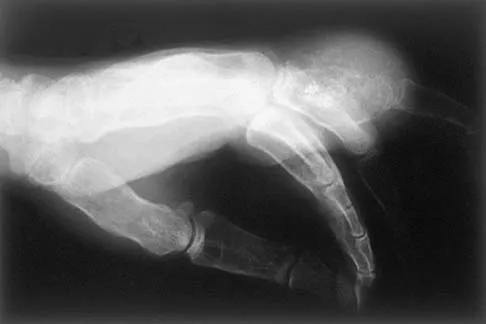
Figure for Mtd 2002 MCQs - Part 2 - Question 26

Key Takeaway

This topic focuses on Orthopedic Basic 2026 MCQs: Board Review Questions & Answers (Part 2), Top-rated Orthopedic Basic 2026 MCQs bank. Practice with clinical case questions, orthopedic surgery board review, and evidence-based answers updated for 2026.

Orthopedic Basic 2026 MCQs: Board Review Questions & Answers (Part 2)

Comprehensive 100-Question Exam


00:00

Start Quiz

Question 1

An otherwise healthy 75-year-old man has a painful mass in the popliteal fossa of his right knee. A lateral radiograph of the knee, a CT scan of the distal femur, and a histopathologic specimen are shown in Figures 13a through 13c. Management should consist of


Explanation

13b 13c The patient has a parosteal osteosarcoma of the distal femur. The findings of mild knee pain, radiographic evidence of a radiodense mass involving the parosseous space or surface of the distal femur, and histologic findings of a spindle cell lesion forming immature osteoid with little to no necrosis most likely suggest a parosteal osteosarcoma. The treatment of choice is surgical resection. Okada K, Frassica FJ, Sim FH, Beabout JW, Bond JR, Unni KK: Parosteal osteosarcoma: A clinicopathological study. J Bone Joint Surg Am 1994;76:366-378.

Question 2

What type of metastatic tumor most often has a lytic radiographic appearance?


Explanation

Lung carcinoma most often has a lytic radiographic appearance. Bladder and prostate carcinoma are usually blastic. Breast carcinoma can be both blastic and lytic. Thyroid carcinoma may be difficult to visualize radiographically and may be seen only on MRI scans. Metastatic osteosarcomas typically produce bone. Frassica FJ, Frassica DA, McCarthy EF, Riley LH III: Metastatic bone disease: Evaluation, clinicopathologic features, biopsy, fracture risk, nonsurgical treatment, and supportive management. Instr Course Lect 2000;49:453-459.

Question 3

A 6-year-old boy has leg pain. A radiograph, MRI, CT, and bone scans, and a biopsy specimen are shown in Figures 14a through 14e. What is the most likely diagnosis?


Explanation

14b 14c 14d 14e From an imaging point of view, all of the diagnoses are possible. Biopsy results and cultures are necessary to make the diagnosis. The biopsy specimen shows inflammatory cells and necrotic bone, consistent with osteomyelitis. Fletcher BD, Hanna SL: Pediatric musculoskeletal lesions simulating neoplasms. Magn Reson Imaging Clin N Am 1996;4:721-747.

Question 4

A 13-year-old girl has had right groin pain for the past 3 weeks. She denies any history of trauma. Examination of the hip reveals no palpable soft-tissue mass or lymphadenopathy, and there is full range of motion. A plain radiograph and MRI scan are shown in Figures 15a and 15b. Biopsy specimens are shown in Figures 15c and 15d. What is the most likely diagnosis?


Explanation

15b 15c 15d Fibrous dysplasia frequently occurs in the proximal femur. Microfractures and remodeling can lead to the classic "Shepherd's crook deformity." The lesion has a ground-glass appearance on plain radiographs. The histologic appearance shows proliferating fibroblasts in a loose spindle cell background. Dysplastic metaplastic trabeculae are arranged in an irregular or "Chinese letter" appearance. Enneking WF, Gearen PF: Fibrous dysplasia of the femoral neck: Treatment by cortical bone grafting. J Bone Joint Surg Am 1986;68:1415-1422.

Question 5

What process is often found associated with other neoplasms?


Explanation

Aneurysmal bone cyst may be either a "pattern" or a "diagnosis." Therefore, aneurysmal bone cyst should be viewed as a diagnosis of exclusion. Hemorrhage into a variety of primary bone lesions (eg, giant cell tumor of bone, chondroblastoma, osteoblastoma, fibrous dysplasia, osteosarcoma, or vascular neoplasms) may result in intralesional, membrane-bone blood-filled cysts. Such secondary changes may be confused with aneurysmal bone cyst, resulting in inappropriate therapy because assessment should be focused on identifying the underlying primary process. The entire specimen should be examined histologically in an effort to locate an underlying primary bone tumor. Bonakdarpour A, Levy WM, Aegerter E: Primary and secondary aneurysmal bone cyst: A radiological study of 75 cases. Radiology 1978;126:75-83. Levy WM, Miller AS, Bonakdarpour A, Aegerter E: Aneurysmal bone cyst secondary to other osseous lesions: Report of 57 cases. Am J Clin Pathol 1975;63:1-8.

Question 6

A 14-year-old girl reports hip pain that is exacerbated by weight bearing. A radiograph and biopsy specimen are shown in Figures 16a and 16b. The best course of management should be


Explanation

16b The patient has a unicameral bone cyst. Because the subtrochanteric part of the femur is a high-stress region, the treatment of choice is bone curettage and grafting. Azouz EM, Karamitsos C, Reed MH, Baker L, Kozlowski K, Hoeffel JC: Types and complications of femoral neck fractures in children. Pediatr Radiol 1993;23:415-420.

Question 7

A 37-year-old man has left shoulder pain and weakness. Coronal T1- and axial T2-weighted MRI scans are shown in Figures 17a and 17b. The biopsy specimen is shown in Figure 17c. What is the most likely diagnosis?


Explanation

17b 17c A ganglion cyst arising from the posterior labrum of the shoulder is a known cause of suprascapular nerve impingement. The MRI characteristics of low-signal intensity on T1 and high-signal intensity on T2 are seen in lesions with a high fluid content. The histology shows a cavity with a thin fibrous lining. Ferrick MR, Marzo JM: Suprascapular entrapment neuropathy and ganglion cysts about the shoulder. Orthopedics 1999;22:430-434.

Question 8

Of the following factors, which is considered the most important prognostic indicator in soft-tissue sarcomas?


Explanation

Histologic grade, the presence or absence of metastatic disease, and tumor size are important prognostic factors. Of the available choices, however, the size of the sarcoma is the most important prognostic indicator. A tumor size of greater than 5 cm is a more important prognostic factor than tumor location. Patients with sarcomas that measure 5 cm or less have nearly identical 3-year survival rates regardless of whether the tumor is subcutaneous or deep. Histologic grade (high versus low) is an important factor. However, histologic subtype frequently is not as important a factor as tumor size.

Question 9

Radiographs of a 15-year-old girl with knee pain reveal a radiopaque lesion of the distal femoral metaphysis and epiphysis with a small associated soft-tissue mass. A biopsy specimen shows osteoid and pleomorphic cells with multiple mitotic figures. Staging studies show no other sites of disease. Treatment should consist of


Explanation

Based on the location and extent of the tumor, most patients are candidates for limb salvage surgery. The patient has an osteosarcoma; therefore, the treatment of choice is preoperative chemotherapy, wide resection, and reconstruction. There is no difference in survival rates between patients who undergo limb salvage surgery and those who undergo amputation. Curettage and placement of methylmethacrylate is used to treat benign lesions of bone and would not be appropriate in this patient.

Question 10

What form of fixation is associated with the highest incidence of osseous union when using segmental allograft reconstruction following tumor resection?


Explanation

Plate and screw fixation of allograft is associated with the highest incidence of union but also the highest prevalence of allograft fracture. Conversely, intramedullary fixation is associated with a higher incidence of nonunion but fewer fractures. Step-cut osteotomies are not associated with a higher incidence of union.

Question 11

A 51-year-old woman has had progressively increasing right knee pain for the past 6 months. She has a history of metastatic renal cell carcinoma to the lung and the skeletal system. Radiographs are seen in Figures 18a and 18b. The next step in management of the right distal femur lesion should consist of


Explanation

18b In a patient with known metastatic disease, the surgeon must rule out additional lesions throughout the femur prior to surgical management. Lesions located in the diaphysis or in the peritrochanteric region may influence the surgical procedure. Frassica FJ, Gitelis S, Sim FH: Metastatic bone disease: General principles, pathophysiology, evaluation, and biopsy. Instr Course Lect 1992;41:293-300.

Question 12

Following resection of malignant tumors, complications related to endoprosthetic reconstruction are most common in what anatomic location?


Explanation

It is generally accepted that reconstructions of the proximal tibia are associated with the highest incidence of failure, probably because of poor soft-tissue coverage, the need for extensor mechanism reconstruction, and other anatomic issues. It also may be related to the fact that patients with tumors of the proximal tibia, in general, have a better prognosis and better survival rates than patients with tumors located elsewhere in the body. Reconstructions of the proximal humerus may be more durable because they are not involved in weight-bearing activities.

Question 13

Figures 19a and 19b show the AP and lateral radiographs of an 18-year-old man who has had knee pain for 3 months. Figure 19c shows a histopathologic photomicrograph of the biopsy specimen. Which of the following factors is most likely to affect his survival?


Explanation

19b 19c The presence of metastatic disease at diagnosis is the most significant prognostic factor in a patient with osteosarcoma. Limb-sparing surgery, when compared with amputation, is not noted to be associated with any difference in the rate of survival. The presence of a mutated p53 gene has been noted in a minority of patients with osteosarcoma; however, the prognostic importance on an individual basis is unclear. Tumor location and a relative poor response to chemotherapy would be secondary to the presence of metastatic disease in estimating a patient's prognosis. Weis L: Common malignant bone tumors: Osteosarcoma, in Simon MA, Springfield DS (eds): Surgery for Bone and Soft Tissue Tumors. Philadelphia, PA, Lippincott-Raven, 1998, pp 265-274.

Question 14

What anatomic site is considered at highest risk for pathologic fracture?


Explanation

The subtrochanteric femur has been identified as an anatomic site that is particularly prone to pathologic fracture. An avulsion fracture of the lesser trochanter is a sign of impending femoral fracture. While the other anatomic locations are also frequently involved in metastatic bone disease, pathologic fractures occur less commonly. Simon MA, Springfield DS, et al: Surgery for Bone and Soft Tissue Tumors. Philadelphia, PA, Lippincott Raven, 1998, p 683.

Question 15

What clinical finding is associated with the least favorable prognosis in an adolescent patient who has been diagnosed with a high-grade osteosarcoma of the distal femur?


Explanation

The presence of synchronous bone disease in young patients carries a dismal prognosis, one that is even worse than the presence of resectable pulmonary metastasis. Many osteosarcomas cross the physis; therefore, this has not been shown to be of prognostic importance. Similarly, the presence of the soft-tissue mass has less prognostic significance.

Question 16

A 65-year-old man has a painful mass of the middle finger. A clinical photograph, lateral radiograph, coronal MRI scan, and biopsy specimen are seen in Figures 20a through 20d. What is the most likely diagnosis?


Explanation

20b 20c 20d Although the degeneration of an isolated benign cartilaginous lesion into a chondrosarcoma is rare, it occurs in roughly 10% of patients with Ollier's disease. Pain is the most common symptom of chondrosarcoma. The treatment of low-grade chondrosarcoma ranges from intralesional excision to wide amputation. The intent of the surgery is to remove all the disease to decrease the chance of local recurrence. Lee FY, Mankin HJ, Fondren G, et al: Chondrosarcoma of bone: An assessment of outcome. J Bone Joint Surg Am 1999;81:326-338.

Question 17

Figures 21a and 21b show the radiograph and CT scan of a 14-year-old patient with thigh pain. The next most appropriate step in management should consist of


Explanation

21b The radiographs show increased density and reactive bone formation. A faint nidus can be seen on the radiograph but is obvious on the CT scan. The initial therapy for an osteoid osteoma should be oral anti-inflammatory drugs. A biopsy or SPECT bone scan is not indicated because the osteoid osteoma is clearly seen on the CT scan. If the patient fails to respond to nonsurgical therapy, CT-guided radiofrequency ablation or surgical excision is indicated depending on the anatomic location. Frassica FJ, Waltrip RL, Sponseller PD, Ma LD, McCarthy EF Jr: Clinicopathologic features and treatment of osteoid osteoma and osteoblastoma in children and adolescents. Orthop Clin North Am 1996;27:559-574. Kneisl JS, Simon MA: Medical management compared with operative treatment for osteoid osteoma. J Bone Joint Surg Am 1992;74:179-185.

Question 18

A 14-year-old boy has a midshaft fibular lesion. Biopsy results are consistent with Ewing's sarcoma. Following induction chemotherapy, local control typically consists of


Explanation

Current treatment regimens for Ewing's sarcoma typically involve induction chemotherapy followed by local control and further chemotherapy. Local control consists of surgery alone, radiation therapy alone, or a combination of the two. In bones that are easily resectable (or expendable) with wide margins, surgery alone is usually recommended. For areas that are unresectable (ie, large, bulky pelvic tumors), radiation therapy alone is sometimes the preferred method of local control. If surgery is chosen and margins are close, radiation therapy can be used as an adjuvant. Amputation rarely is required for an isolated fibular lesion. Observation without adequate local therapy results in local recurrence. Nesbit ME Jr, Gehan EA, Burgert EO Jr, et al: Multimodal therapy for the management of primary, nonmetastatic Ewing's sarcoma of bone: A long-term follow-up of the First Intergroup study. J Clin Oncol 1990;8:1664-1674.

Question 19

An otherwise healthy 65-year-old man reports thigh pain of insidious onset. He states that the pain is increased with weight bearing and also occurs at night. He denies any history of cancer. Radiographs are shown in Figures 22a and 22b. A bone scan shows an isolated lesion. CT scans of the chest and abdominal are negative for any other lesions. Initial management should consist of


Explanation

22b The patient has a solitary lesion that is at high risk for fracture. While metastatic lesions are most common in this age group, a stabilization procedure is contraindicated until results of a biopsy confirm the presence of a metastasis. Because of the lytic lesion and the associated calcification shown on the radiograph, the most likely diagnosis is a chondrosarcoma. Therefore, any type of stabilization procedure with a rod or plate would compromise a wide surgical excision to remove the entire proximal femur. Radiation therapy and chemotherapy are also contraindicated until biopsy results are obtained. Because of these factors, obtaining a frozen section biopsy specimen is considered the next most appropriate step in management. If a metastatic lesion is confirmed on the frozen section, a stabilization procedure could then be performed under the same anesthetic. Therefore, it is important to have a pathologist available at the time of a biopsy. Frassica FJ, Frassica DA, McCarthy EF, Riley LH III: Metastatic bone disease: Evaluation, clinicopathologic features, biopsy, fracture risk, nonsurgical treatment, and supportive management. Instr Course Lect 2000;49:453-459.

Question 20

What is the most appropriate next step in the work-up of a patient with the asymptomatic lesion shown in Figure 23?


Explanation

The eccentric metaphyseal location, skeletal maturity, narrow zone of transition, and lack of symptoms suggest a benign process and are consistent with a healed nonossifying fibroma. These lesions typically fill in (ossify) with skeletal maturity, eventually remodeling and disappearing. Radiographic monitoring is indicated. Biopsy is not recommended unless the lesion changes radiographically. Marks KE, Bauer TW: Fibrous tumors of bone. Orthop Clin North Am 1989;20:377-393. Bullough PG, Walley J: Fibrous cortical defect and non-ossifying fibroma. Postgrad Med J 1965;41:672-676.

Question 21

A 63-year-woman has an elbow flexion contracture. History reveals that she underwent three previous surgeries to remove a malignant fibrous histiocytoma of the forearm. An MRI scan reveals a locally recurrent tumor at the site of the previous surgery. Which of the following is considered the most predictive factor for local recurrence?


Explanation

The greatest risk factor for local recurrence is an inadequate surgical margin. The tumor grade, histologic subtype, and size are predictive of systemic relapse. Sarcomas that arise in some anatomic sites, such as the forearm or retroperitoneum, may be more difficult to completely resect compared with other sites. The optimum margin is generally considered to be a cuff of normal tissue beyond the tumor. Bell RS, O'Sullivan B, Liu FF, et al: The surgical margin in soft-tissue sarcoma. J Bone Joint Surg Am 1989;71:370-375. Sadoski C, Suit HD, Rosenberg A, Mankin H, Efird J: Preoperative radiation, surgical margins, and local control of extremity sarcomas of soft tissues. J Surg Oncol 1993;52:223-230.

Question 22

A 19-year-old woman has a painful right knee. A radiograph, MRI scan, CT scan, and histopathologic specimen are shown in Figures 24a through 24d. What is the most likely oncologic stage of the lesion?


Explanation

24b 24c 24d The patient has a high-grade osteosarcoma of the distal femur with a skip lesion, and pulmonary metastasis is seen on the CT scan. This corresponds to a stage III lesion according to the Musculoskeletal Tumor Society System as adopted from Enneking.

Question 23

Calcitonin acts as an antiresorptive agent by


Explanation

Calcitonin is a hormone that binds to osteoclasts and acts to decrease both osteoclast activity and number. Calcitonin is most effective in reducing vertebral compression fractures in high-turnover osteoporosis. It is also effective in treating regional osteoporosis. Because of its analgesic effect, it is helpful in treating painful acute compression fractures associated with osteoporosis.

Question 24

An 8-year-old girl has had a painless enlarging mass of insidious onset in the left thigh for the past 3 weeks. Her mother denies any history of trauma, fever, or disease. Examination reveals a nontender, mobile mass in the left medial thigh. Her gait is normal. Figures 25a through 25d show the frog-lateral radiograph, the axial and coronal T1-weighted MRI scans, and the axial T2-weighted MRI scan. Biopsy results reveal a nonrhabdomyosarcoma soft-tissue sarcoma. The most appropriate treatment should consist of


Explanation

25b 25c 25d In childhood, the more common soft-tissue sarcomas are rhabdomyosarcoma, synovial sarcoma, and fibrosarcoma. Rhabdomyosarcoma, treated with radiation therapy and chemotherapy, is a round cell tumor and is inconsistent with this patient's histologic findings. Synovial sarcoma can be monophasic or biphasic with both spindle and epithelial-like cells and is associated with the characteristic reciprocal chromosomal translocation of t(x:18)(p11;q11) which is not found in fibrosarcoma. Synovial sarcoma also can be associated with cystic loculated areas best seen in a T2-weighted MRI scan. Nonrhabdomyosarcoma childhood soft-tissue sarcomas are treated with surgical excision in conjunction with chemotherapy and/or radiation therapy. The histology reveals no inflammatory cells to suggest an abscess; therefore, antibiotics and drainage are unnecessary. The MRI scans clearly show a mass of soft tissue and no bone involvement; therefore, proximal femoral resection is not appropriate. Serial observation is not appropriate because of the history of enlargement and insidious onset. Enzinger FM, Weiss SW: Soft Tissue Tumors, ed 3. St Louis, MO, Mosby Year Book, 1995, p 757.

Question 25

Histologically, synovial chondromatosis is characterized by


Explanation

Histologically, there is metaplastic cartilage arising from the synovium. These lobules of zonates hyaline cartilage are of variable size, are embedded within edematous synovium, and protrude into the joint. The lobules calcify and ossify, leading to the characteristic radiographic appearance. Inflammatory synovitis is not characteristic of synovial chondromatosis. The fluid is clear and serosanguin, not blood tinged. Milgram JM: Synovial osteochondromatosis: A histopathological study of thirty cases. J Bone Joint Surg Am 1977;l59:792-801.

Question 26

A 12-year-old boy presents with progressive knee pain and a lytic diaphyseal lesion with a periosteal "onion-skin" reaction. A biopsy is performed, revealing sheets of small round blue cells. Cytogenetic analysis identifies a t(11;22) chromosomal translocation. This translocation results in the fusion of the EWS gene with which of the following genes?


Explanation

Ewing sarcoma is a small round blue cell tumor. The most common chromosomal translocation is t(11;22)(q24;q12), which occurs in approximately 85-90% of cases and results in the fusion of the EWSR1 (EWS) gene on chromosome 22 with the FLI1 gene on chromosome 11. A less common translocation, t(21;22), involves the ERG gene. The CHOP gene is associated with myxoid liposarcoma, SYT with synovial sarcoma, and FOXO1 (FKHR) with alveolar rhabdomyosarcoma.

Question 27

In the process of creeping substitution during the incorporation of a massive structural cortical bone allograft, what is the primary mechanism of graft failure in the first few years?


Explanation

Structural cortical allografts undergo creeping substitution, which starts at the graft-host junction and slowly progresses. Because only the outer few millimeters typically become revascularized and remodeled, the bulk of the graft remains necrotic and acts primarily as a mechanical spacer. The remodeling process transiently weakens the graft because osteoclastic resorption precedes osteoblastic formation. This leaves the graft highly susceptible to fatigue microdamage, which can accumulate and result in structural failure (fracture) during the first few years.

Question 28

A 32-year-old woman presents with a painful, radiolucent, eccentrically located lesion in the distal femoral epiphysis extending to the subchondral bone. Biopsy reveals multinucleated giant cells interspersed within a stroma of mononuclear cells. Which of the following best describes the mechanism of action of the targeted medical therapy typically used for advanced or unresectable cases of this condition?


Explanation

The clinical and histologic presentation is classic for a giant cell tumor of bone (GCT). The mononuclear stromal cells are the true neoplastic cells, and they overexpress RANK ligand (RANKL). This recruits and activates normal multinucleated osteoclast-like giant cells, causing extensive bone resorption. Denosumab, a monoclonal antibody that binds to RANKL, prevents the RANK-RANKL interaction, effectively inhibiting osteoclast formation and reducing osteolysis.

Question 29

Which of the following alterations in screw design or insertion technique would most significantly increase the pullout strength of a cortical screw in diaphyseal bone?


Explanation

Screw pullout strength is directly proportional to the outer (thread) diameter, the length of thread engagement, and the shear strength of the bone, and inversely proportional to the thread pitch. Decreasing the thread pitch (meaning more threads per unit length) increases the volume of bone caught between the threads, thereby increasing the pullout strength. Increasing the inner (root) diameter increases the screw's resistance to bending and fatigue failure but does not increase pullout strength.

Question 30

In normal articular cartilage, which zone is characterized by the highest concentration of water, the lowest concentration of proteoglycans, and collagen fibers oriented parallel to the joint surface?


Explanation

The superficial (tangential) zone of articular cartilage makes up about 10-20% of articular cartilage thickness. It contains the highest water content, the lowest proteoglycan concentration, and collagen fibers (primarily Type II) oriented parallel to the articular surface. This specific orientation helps the cartilage resist shear forces. Conversely, the deep zone has the highest proteoglycan content and collagen fibers perpendicular to the surface to resist compressive loads.

Question 31

A 65-year-old man with a history of renal cell carcinoma presents with right thigh pain. Radiographs reveal a large destructive lytic lesion in the proximal femur with an impending pathologic fracture. If prophylactic internal fixation is planned, which of the following perioperative measures is highly critical specific to this tumor type?


Explanation

Renal cell carcinoma and thyroid carcinoma metastases to bone are classically extremely hypervascular. Surgical intervention, such as curettage or intramedullary nailing, can be associated with massive, life-threatening intraoperative hemorrhage. Preoperative selective arterial embolization (usually performed 24-48 hours before surgery) is a highly critical step to reduce tumor vascularity and minimize intraoperative blood loss.

Question 32

Osteoclasts resorb bone by sealing off a localized area (Howship's lacuna) and secreting various substances. Which of the following enzymes is directly responsible for generating the intracellular hydrogen ions needed to create the acidic environment that dissolves inorganic bone mineral (hydroxyapatite)?


Explanation

Osteoclasts resorb bone by secreting hydrogen ions to dissolve the inorganic matrix (hydroxyapatite) and proteolytic enzymes (like Cathepsin K) to degrade the organic matrix (type I collagen). The acidic environment is generated by hydrogen ions, which are produced intracellularly by the enzyme carbonic anhydrase II. This enzyme catalyzes the hydration of CO2 to form carbonic acid, which dissociates into H+ and HCO3-. The H+ is then actively pumped into the resorption pit via a vacuolar H+-ATPase.

Question 33

Nitrogen-containing bisphosphonates, such as alendronate and zoledronic acid, inhibit osteoclast-mediated bone resorption primarily by interfering with which of the following intracellular pathways?


Explanation

Nitrogen-containing bisphosphonates (e.g., alendronate, risedronate, zoledronate) act by inhibiting the enzyme farnesyl pyrophosphate synthase within the mevalonate pathway. This prevents the prenylation of small GTPase proteins (such as Ras, Rho, and Rab), which are essential for normal osteoclast function, ruffled border formation, and cell survival, ultimately leading to osteoclast apoptosis. Non-nitrogen-containing bisphosphonates (e.g., etidronate) act differently, by forming toxic ATP analogues.

Question 34

A 28-year-old woman presents with a slowly enlarging, painless mass on the posterior aspect of her distal femur. Radiographs demonstrate a heavily ossified, lobulated mass arising from the posterior cortex with a broad base and no medullary involvement. Histology reveals mature bone trabeculae in a bland fibrous stroma. Which of the following represents the most likely diagnosis and its characteristic molecular profile?


Explanation

The clinical and radiographic presentation is classic for a parosteal osteosarcoma, a low-grade surface osteosarcoma that typically presents as a densely ossified mass on the posterior aspect of the distal femur. Histologically, it shows bland spindle cells and woven or lamellar bone. Parosteal osteosarcoma is characterized molecularly by ring chromosomes containing amplified sequences of 12q13-15, which includes the MDM2 and CDK4 genes. Periosteal osteosarcoma is typically intermediate grade, more chondroblastic, and often arises on the anterior tibia.

Question 35

During the initial inflammatory phase of fracture healing, which of the following cytokines is considered the primary early initiator of the cascade, promoting angiogenesis and the recruitment of mesenchymal stem cells, and peaks within the first 24 hours?


Explanation

Tumor Necrosis Factor-alpha (TNF-alpha) and Interleukin-1 (IL-1) are key pro-inflammatory cytokines that peak within the first 24 hours after a fracture. They are secreted by macrophages and inflammatory cells in the fracture hematoma. TNF-alpha is essential for initiating the repair cascade, recruiting mesenchymal stem cells, and promoting angiogenesis. The absence of TNF-alpha signaling has been shown to significantly delay fracture healing. BMP-2 and TGF-beta are critical later in the process for driving chondrogenesis and osteogenesis.

Question 36

A 55-year-old man presents with a painful mass in his proximal thigh. Imaging shows a lytic lesion with intralesional popcorn-like calcifications in the proximal femur, accompanied by cortical destruction. A core needle biopsy confirms a grade II chondrosarcoma. What is the most appropriate definitive management?


Explanation

Chondrosarcomas are largely resistant to conventional chemotherapy and radiation therapy due to their poor vascularity and slow growth rate. Therefore, wide surgical resection is the standard of care for intermediate (grade II) to high-grade chondrosarcomas. Intralesional curettage is only appropriate for latent, benign cartilaginous lesions like enchondromas or selected grade I atypical cartilaginous tumors in the appendicular skeleton.

Question 37

A 14-year-old boy presents with progressive leg pain and swelling. Radiographs show a permeative diaphyseal lesion of the femur with an 'onion-skin' periosteal reaction. A core needle biopsy reveals sheets of small, round, blue cells. Which of the following cytogenetic abnormalities is most characteristic of this diagnosis?


Explanation

This patient has Ewing sarcoma, characterized clinically by its diaphyseal location, permeative appearance, and 'onion-skin' periosteal reaction. Histologically, it presents as a small round blue cell tumor. The classic genetic abnormality is the t(11;22)(q24;q12) translocation, resulting in the EWS-FLI1 fusion protein. t(X;18) is seen in synovial sarcoma; MDM2 amplification in parosteal osteosarcoma/atypical lipomatous tumors; USP6 in aneurysmal bone cysts; and GNAS mutations in fibrous dysplasia.

Question 38

A 32-year-old woman presents with knee pain. Radiographs demonstrate an eccentric, lytic epiphyseal lesion in the distal femur extending to the subchondral bone. Biopsy confirms a giant cell tumor of bone. In cases of unresectable disease, medical therapy can be utilized to downstage the tumor. Which of the following describes the mechanism of action of the most commonly used targeted medication for this condition?


Explanation

Denosumab is the targeted medical therapy for advanced or unresectable giant cell tumors of bone (GCT). It is a monoclonal antibody that binds to RANKL. In GCT, the neoplastic cells are the mononuclear stromal cells, which express high levels of RANKL. This RANKL normally recruits and activates the reactive, multinucleated osteoclast-like giant cells that cause bone destruction. Denosumab disrupts this pathway, halting bone resorption and tumor progression.

Question 39

A 19-year-old male presents with dull, aching thigh pain that worsens at night and is completely relieved by ibuprofen. Radiographs and a CT scan reveal a 1 cm radiolucent nidus surrounded by dense sclerotic bone in the femoral diaphysis. What is the primary underlying biochemical mechanism for the characteristic pain pattern associated with this lesion?


Explanation

The clinical presentation is classic for an osteoid osteoma. The intense night pain, which is exquisitely sensitive to nonsteroidal anti-inflammatory drugs (NSAIDs) or aspirin, is caused by the production of high levels of prostaglandins (specifically PGE2) by the osteoblasts within the central nidus. This local prostaglandin storm causes vasodilation and nerve irritation.

Question 40

A 28-year-old man presents with a slow-growing, deep-seated soft tissue mass near the plantar aspect of his foot. MRI shows a heterogenous mass adjacent to the plantar fascia. Biopsy reveals a biphasic tumor with both epithelial (glandular) and spindle cell components. Which of the following gene fusions is diagnostic for this tumor?


Explanation

Synovial sarcoma is characterized by the t(X;18)(p11;q11) translocation, which leads to the formation of the SYT-SSX fusion gene. It often presents in young adults as a slow-growing mass in the extremities, especially around the knee or foot/ankle. Despite its name, it rarely arises within the joint space. EWS-FLI1 is associated with Ewing sarcoma. FUS-CHOP is associated with myxoid liposarcoma. COL1A1-PDGFB is associated with dermatofibrosarcoma protuberans (DFSP). PAX3-FOXO1 is associated with alveolar rhabdomyosarcoma.

Question 41

A 68-year-old woman presents with generalized back pain and fatigue. Radiographs show multiple punched-out lytic lesions in her skull and spine. Laboratory studies reveal hypercalcemia and elevated serum creatinine. A technetium-99m bone scan is ordered but shows no areas of increased radiotracer uptake in the skeleton. What is the most likely explanation for the false-negative bone scan?


Explanation

This patient has multiple myeloma, characterized by 'punched-out' lytic lesions, hypercalcemia, and renal failure. Technetium-99m bone scans detect areas of active osteoblastic bone formation (woven bone). Multiple myeloma cells secrete factors that potently activate osteoclasts (e.g., RANKL) while simultaneously suppressing osteoblast activity (e.g., DKK1). Because there is little to no reactive bone formation, the lesions are purely osteolytic and often do not 'light up' on a standard bone scan.

Question 42

A 25-year-old woman presents with a painless, hard mass behind her knee. Radiographs reveal a densely ossified mass arising from the posterior cortex of the distal femur, with a thin radiolucent cleft (the 'string sign') separating part of the tumor from the underlying bone cortex. Histology reveals well-differentiated bone trabeculae in a bland fibrous stroma. Which of the following is true regarding this condition?


Explanation

The clinical and radiographic presentation ('string sign', posterior distal femur) describes a parosteal osteosarcoma, a low-grade surface osteosarcoma. Molecularly, it is characterized by ring chromosomes containing amplifications of the MDM2 and CDK4 genes on chromosome 12q13-15. Because it is a low-grade lesion, it has a lower risk of metastasis than conventional intramedullary osteosarcoma. First-line treatment is wide surgical resection; chemotherapy is generally not required unless there is dedifferentiation.

Question 43

A 10-year-old girl is evaluated for a leg deformity and a limp. Radiographs of the proximal femur show an expansile, medullary lesion with a 'ground-glass' appearance and a Shepherd's crook deformity. Physical examination reveals a large café-au-lait spot on her back with irregular 'Coast of Maine' borders. Which of the following gene mutations is the primary cause of her condition?


Explanation

This patient has McCune-Albright syndrome, which consists of polyostotic fibrous dysplasia, café-au-lait spots with irregular borders, and endocrine hyperfunction (e.g., precocious puberty). The underlying cause is an activating post-zygotic somatic mutation in the GNAS1 gene, which encodes the alpha subunit of the Gs protein. This leads to constitutive activation of adenylate cyclase and increased intracellular cAMP, disrupting normal bone remodeling and melanocyte function.

Question 44

A 70-year-old man presents with increasing hat size, progressive hearing loss, and thigh pain. Radiographs of his femur show cortical thickening and coarse trabeculae. Laboratory tests show normal serum calcium, normal phosphate, and markedly elevated serum alkaline phosphatase. Which of the following describes the primary pathological event initiating this disease process?


Explanation

Paget's disease of bone (osteitis deformans) is initiated by an intense, overactive osteoclastic resorptive phase. These osteoclasts are abnormally large and have an increased number of nuclei. This initial lytic phase is followed by a mixed phase where chaotic osteoblastic bone formation attempts to compensate, leading to the deposition of structurally weak woven bone. This ultimately results in the sclerotic phase characterized by thickened cortices and a 'mosaic' cement line pattern on histology.

Question 45

A 65-year-old man presents with severe, atraumatic mid-back pain. Plain radiographs of the lumbar spine show a densely sclerotic, ivory-like vertebral body at L3 without significant loss of height or collapse. Which of the following primary malignancies is the most likely cause of this specific radiographic appearance?


Explanation

Metastatic prostate carcinoma is the most common cause of purely osteoblastic (sclerotic) bony metastases in adult males. The resulting dense, sclerotic vertebra is classic for an 'ivory vertebra'. In contrast, metastases from renal cell carcinoma, thyroid carcinoma, multiple myeloma, and melanoma are classically osteolytic (bone-destroying). Breast and lung carcinomas can produce mixed osteolytic and osteoblastic lesions.

Question 46

Recombinant human bone morphogenetic protein-2 (rhBMP-2) signals through serine/threonine kinase receptors. Which of the following intracellular signaling molecules is directly phosphorylated following the binding of rhBMP-2 to its receptor?


Explanation

BMPs signal primarily through the Smad pathway. BMPs (such as BMP-2 and BMP-7) bind to transmembrane serine/threonine kinase receptors, which then phosphorylate Smad 1, 5, and 8. These phosphorylated molecules complex with Smad 4 and enter the nucleus to upregulate transcription factors such as Runx2. TGF-beta, on the other hand, primarily phosphorylates Smad 2 and 3. The Wnt pathway signals via beta-catenin stabilization.

Question 47

During the normal gait cycle, at what point does maximum ankle dorsiflexion occur?


Explanation

Maximum ankle dorsiflexion occurs at the end of terminal stance (just prior to pre-swing/toe-off), as the body's center of mass progresses and the tibia advances over the planted foot, reaching approximately 10 degrees of dorsiflexion. During this phase, the triceps surae (gastrocnemius and soleus) contracts eccentrically to control the forward progression of the tibia.

Question 48

In articular cartilage, which zone is characterized by the highest concentration of proteoglycans and collagen fibrils oriented perpendicular to the joint surface?


Explanation

The deep (radial) zone of articular cartilage contains the largest collagen fibrils, which are oriented perpendicular to the joint surface to resist compressive forces. It also possesses the highest concentration of proteoglycans and the lowest concentration of water. The superficial zone has collagen parallel to the surface, the highest water content, and the lowest proteoglycan content.

Question 49

A 14-year-old boy presents with a painful, enlarging mass in the diaphysis of his left femur. Radiographs reveal a permeative lytic lesion with an 'onion-skin' periosteal reaction. Biopsy demonstrates sheets of small round blue cells. Which of the following genetic translocations is most characteristic of this diagnosis?


Explanation

The clinical presentation and histopathology are classic for Ewing sarcoma. Ewing sarcoma is characterized by a t(11;22) chromosomal translocation in approximately 85-90% of cases, leading to the EWS-FLI1 fusion protein. t(X;18) is associated with synovial sarcoma; t(9;22) with extraskeletal myxoid chondrosarcoma; t(2;13) with alveolar rhabdomyosarcoma; and t(12;16) with myxoid liposarcoma.

Question 50

Which of the following terms best describes a material's property to exhibit a time-dependent increase in strain when subjected to a constant applied stress?


Explanation

Creep is defined as the progressive, time-dependent deformation (increase in strain) of a material under a constant stress or load. Stress relaxation is the time-dependent decrease in stress under a constant strain. Hysteresis refers to the energy lost (as heat) during cyclic loading and unloading. Viscoelasticity is the overarching term for materials exhibiting both viscous and elastic characteristics.

Question 51

During a surgical approach to the humerus, the radial nerve is identified in the spiral groove. A traction injury occurs, resulting in axonal disruption but preservation of the endoneurium, perineurium, and epineurium. According to Seddon's classification, this type of injury is termed:


Explanation

Seddon classified nerve injuries into three categories. Axonotmesis involves disruption of the axon and myelin sheath, but the surrounding connective tissue frameworks (endoneurium, perineurium, and epineurium) remain intact. This allows for Wallerian degeneration distally followed by potential guided regeneration. This corresponds to a Sunderland Grade II injury. Neuropraxia is a local conduction block without axonal disruption.

Question 52

During secondary fracture healing, the cartilaginous soft callus is replaced by a hard bony callus. This specific phase of tissue differentiation and replacement is driven primarily by which of the following mechanisms?


Explanation

Secondary fracture healing progresses through inflammation, soft callus formation, hard callus formation, and remodeling. The transition from a cartilaginous soft callus to a woven bone hard callus occurs via endochondral ossification. Intramembranous ossification occurs directly from mesenchymal cells without a cartilaginous intermediate, which is seen in flat bone development and the immediate periosteal response at the fracture edges.

Question 53

Which of the following pharmacologic agents used for venous thromboembolism (VTE) prophylaxis acts by directly and reversibly inhibiting Factor Xa?


Explanation

Rivaroxaban and apixaban are direct Factor Xa inhibitors. Enoxaparin (a low-molecular-weight heparin) binds antithrombin III, which then indirectly inhibits Factor Xa and IIa. Fondaparinux also binds antithrombin III to indirectly but selectively inhibit Factor Xa. Dabigatran is a direct thrombin (Factor IIa) inhibitor. Warfarin inhibits vitamin K-dependent factors (II, VII, IX, X).

Question 54

A 16-year-old girl is diagnosed with a high-grade intramedullary osteosarcoma of the distal femur. She completes a course of neoadjuvant chemotherapy prior to surgical resection. What is the most significant prognostic factor for her long-term survival?


Explanation

In patients with localized high-grade osteosarcoma, the histologic response of the tumor to neoadjuvant chemotherapy is the single most important prognostic factor for long-term survival. A 'good response' is typically defined as 90% or greater tumor necrosis (Huvos grade III or IV) at the time of definitive surgical resection.

Question 55

Delayed onset muscle soreness (DOMS) typically peaks 24 to 72 hours after unaccustomed or vigorous exercise. Which type of muscle contraction is most strongly associated with the pathogenesis of DOMS?


Explanation

Eccentric muscle contractions occur when a muscle lengthens while generating tension. This type of contraction generates the highest forces per cross-sectional area of muscle and causes the greatest microtrauma to muscle fibers and their connective tissue envelopes. This microtrauma triggers an inflammatory cascade, which is the primary mechanism behind delayed onset muscle soreness (DOMS).

Question 56

A researcher is studying articular cartilage biomechanics. Which zone of articular cartilage possesses the highest concentration of water and has collagen fibers oriented parallel to the joint surface?


Explanation

The superficial (tangential) zone of articular cartilage has the highest water content (up to 80%), the lowest proteoglycan content, and features collagen fibers (primarily type II) arranged parallel to the articular surface. This specialized structure allows the cartilage to resist shear stresses associated with joint motion.

Question 57

In comparing the mechanical properties of cortical bone to cancellous bone on a stress-strain curve, cortical bone demonstrates which of the following characteristics?


Explanation

Cortical bone is much stiffer than cancellous bone, meaning it has a steeper slope in the elastic region of the stress-strain curve, which translates to a higher Young's modulus. However, it is more brittle and fails at a lower percentage of deformation (lower ultimate strain, typically ~2%), whereas cancellous bone is highly porous and can undergo significant deformation before ultimate failure.

Question 58

A 65-year-old smoker presents with a pathologic fracture of the proximal humerus. Biopsy reveals an adenocarcinoma. Immunohistochemistry is expected to show positivity for which of the following markers if the primary tumor is pulmonary in origin?


Explanation

Metastatic adenocarcinoma of the lung typically stains positive for CK7 and TTF-1. CK20 and CDX2 are commonly positive in colorectal carcinomas. PSA and NKX3.1 are specific for prostate cancer. Squamous cell carcinoma of the lung is typically p63 and CK5/6 positive. Vimentin and CD99 are markers often utilized in the workup of mesenchymal tumors such as Ewing sarcoma.

Question 59

A 55-year-old man undergoes a revision total hip arthroplasty. The surgeon plans to use a titanium alloy (Ti-6Al-4V) femoral stem with a cobalt-chromium (CoCr) head. Which of the following is the primary mechanism that mitigates severe galvanic corrosion between these two dissimilar metals in vivo?


Explanation

When combining titanium and cobalt-chromium in vivo, galvanic corrosion is minimized primarily by the spontaneous formation of dense, passivating oxide layers on both metals (such as TiO2 for titanium). This passivating layer electrically isolates the bulk metal from the physiological fluid (electrolyte), drastically increasing the resistance and minimizing the corrosion current.

Question 60

Which of the following bone morphogenetic proteins (BMPs) has been approved by the FDA as an alternative to autogenous bone graft for acute, open tibial shaft fractures treated with an intramedullary nail?


Explanation

Recombinant human BMP-2 (rhBMP-2) is FDA-approved for acute, open tibial shaft fractures stabilized with an intramedullary nail, as well as for certain anterior lumbar interbody fusions. It induces bone formation via the SMAD signaling pathway. BMP-7 (OP-1) previously held a humanitarian device exemption for recalcitrant tibial nonunions but is not approved for acute open tibial fractures.

Question 61

A 5-year-old child presents with disproportionate short stature, rhizomelic shortening of the limbs, and frontal bossing. Radiographs show narrowing of the interpedicular distances in the lumbar spine. Which of the following genetic mutations is primarily responsible for this condition?


Explanation

Achondroplasia is caused by a gain-of-function mutation in the Fibroblast Growth Factor Receptor 3 (FGFR3) gene. This mutation leads to constitutional activation of the receptor, which subsequently inhibits chondrocyte proliferation and differentiation in the growth plate, primarily affecting endochondral ossification. COL1A1 mutations cause Osteogenesis Imperfecta; RUNX2 mutations cause Cleidocranial Dysplasia; COMP mutations are associated with Pseudoachondroplasia.

Question 62

A patient sustains a mid-shaft humerus fracture and presents with a dense radial nerve palsy. Electromyography (EMG) performed at 3 weeks shows fibrillation potentials and positive sharp waves in the brachioradialis. This finding is indicative of which of the following?


Explanation

Fibrillation potentials and positive sharp waves on an EMG typically appear 2-3 weeks after a nerve injury and indicate denervation of the muscle fibers. This means the axon has been physically disrupted (as seen in axonotmesis or neurotmesis) and has undergone Wallerian degeneration distal to the site of injury. A neuropraxia (conduction block) leaves the axon intact and does not produce fibrillation potentials.

Question 63

In total hip arthroplasty, the biological response to ultra-high-molecular-weight polyethylene (UHMWPE) wear debris is a key driver of aseptic loosening. Which cell type is primarily responsible for phagocytosing these wear particles and subsequently releasing pro-inflammatory cytokines such as TNF-alpha and IL-1?


Explanation

Macrophages are the primary effector cells in particle-induced osteolysis. They phagocytose submicron-sized polyethylene wear particles (optimally 0.1-1.0 micrometers) and release pro-inflammatory cytokines such as TNF-alpha, IL-1, and IL-6. These cytokines stimulate osteoclastogenesis via the RANK/RANKL pathway, ultimately leading to periprosthetic bone resorption and aseptic loosening.

Question 64

During a marathon, an athlete primarily relies on slow-twitch (Type I) muscle fibers. Compared to fast-twitch (Type IIb) muscle fibers, Type I fibers are characterized by which of the following profiles?


Explanation

Type I (slow-twitch) muscle fibers are specialized for endurance activities. They are characterized by a high density of mitochondria, high myoglobin content (giving them a characteristic red appearance), dense capillary networks, and high oxidative capacity, which makes them highly resistant to fatigue. Type IIb fibers are fast-twitch, have low myoglobin, rely heavily on anaerobic glycolysis, and fatigue rapidly.

Question 65

A new rapid diagnostic biomarker for periprosthetic joint infection (PJI) is evaluated in a population where the prevalence of PJI is 10%. The test has a sensitivity of 90% and a specificity of 90%. What is the approximate positive predictive value (PPV) of this new test in this population?


Explanation

PPV depends on the prevalence of the disease. Using a hypothetical cohort of 1,000 patients: a 10% prevalence means 100 patients are truly infected and 900 are not. A sensitivity of 90% identifies 90 true positives out of the 100 infected. A specificity of 90% correctly identifies 810 true negatives out of the 900 uninfected, leaving 90 false positives. PPV is True Positives / (True Positives + False Positives), which equals 90 / (90 + 90) = 50%.

Question 66

A 15-year-old boy undergoes neoadjuvant chemotherapy followed by wide resection for conventional high-grade osteosarcoma of the distal femur. Histological analysis of the resected specimen shows 95% tumor necrosis. What is the most significant prognostic factor associated with this patient's long-term survival?


Explanation

The degree of tumor necrosis after neoadjuvant chemotherapy is the most reliable prognostic indicator for overall survival in high-grade osteosarcoma. Greater than 90% necrosis (Huvos Grade III or IV) represents a good response and is strongly correlated with improved long-term disease-free survival.

Question 67

In total joint arthroplasty, the use of highly cross-linked polyethylene (HXLPE) has significantly reduced volumetric wear rates compared to conventional UHMWPE. However, the process of cross-linking has a known adverse effect on which of the following mechanical properties?


Explanation

Highly cross-linking polyethylene drastically reduces adhesive and abrasive wear. However, it decreases both its ultimate tensile strength and fatigue strength (resistance to crack propagation). To mitigate the reduction in fatigue strength, modern HXLPE is cross-linked with optimal radiation doses and often thermally treated (remelted or annealed) to eliminate free radicals.

Question 68

A 65-year-old woman presents with an acutely infected total knee arthroplasty. Cultures from the joint aspiration grow Methicillin-resistant Staphylococcus aureus (MRSA). Which of the following mechanisms is primarily responsible for this organism's methicillin resistance?


Explanation

MRSA resistance to beta-lactam antibiotics is primarily mediated by the acquisition of the staphylococcal cassette chromosome mec (SCCmec) containing the mecA gene. This gene encodes for a novel penicillin-binding protein, PBP2a, which has a significantly lower binding affinity for beta-lactam antibiotics, allowing cell wall synthesis to continue even in the presence of these drugs.

Question 69


When evaluating the mechanical properties of a metallic implant on a stress-strain curve, the point at which the material undergoes non-reversible deformation but continues to bear increasing loads before reaching its ultimate failure is best described as occurring within which of the following regions?


Explanation

The plastic region on a stress-strain curve represents the phase where the material undergoes irreversible (plastic) deformation but can still accept higher stress before reaching its ultimate tensile strength and eventually failing. The yield point is the specific transition locus between the elastic (reversible) and plastic deformation phases.

Question 70

Sclerostin is a critical regulatory glycoprotein in bone metabolism and is therapeutically targeted by the monoclonal antibody romosozumab. What is the precise cellular mechanism of action by which sclerostin inhibition leads to an increase in bone mass?


Explanation

Sclerostin (produced by osteocytes) normally inhibits the Wnt/beta-catenin pathway by binding to the LRP5/6 co-receptors on osteoblasts, leading to decreased bone formation. Inhibiting sclerostin prevents this binding, allowing Wnt signaling to proceed unhindered, which drastically increases osteoblast activity and bone formation.

Question 71

Articular cartilage is a highly specialized connective tissue designed to withstand repetitive compressive forces. In the deep (basal) zone of articular cartilage, the arrangement of type II collagen fibers and the morphology of chondrocytes are best described by which of the following statements?


Explanation

In the deep (basal) zone of articular cartilage, collagen type II fibers are arranged perpendicular (vertical) to the joint surface to provide resistance to high compressive loads. The chondrocytes in this zone are typically spherical and arranged in columns parallel to these collagen fibers. The superficial zone, by contrast, contains flattened chondrocytes with fibers running parallel to the articular surface to resist shear forces.

Question 72

A 25-year-old male presents with a large, destructive, permeative lytic lesion in the diaphysis of the distal femur. Biopsy reveals uniform sheets of small round blue cells. Cytogenetic analysis demonstrates a t(11;22)(q24;q12) chromosomal translocation. Which of the following fusion genes is diagnostic for this condition?


Explanation

The clinical and histological scenario describes Ewing sarcoma, characterized by small round blue cells and the classic t(11;22)(q24;q12) translocation. This specific translocation results in the EWS-FLI1 fusion gene. For comparison: SYT-SSX is seen in synovial sarcoma t(X;18); TLS-CHOP is seen in myxoid liposarcoma t(12;16); COL1A1-PDGFB is associated with dermatofibrosarcoma protuberans; and PAX3-FKHR is seen in alveolar rhabdomyosarcoma t(2;13).

Question 73


During secondary fracture healing in a long bone treated with a cast, the progression from a soft cartilaginous callus to a hard bony callus occurs primarily via which of the following physiological processes?


Explanation

Secondary fracture healing occurs under conditions of relative stability (e.g., casting, intramedullary nailing) and involves callus formation. The critical transition from a soft (cartilage) callus to a hard (woven bone) callus takes place primarily through endochondral ossification. While intramembranous ossification (bone forming directly from mesenchymal cells without a cartilage model) can occur subperiosteally at the periphery of the fracture site, the central bridging of the gap relies on endochondral ossification.

Question 74

Following a severe crush injury to the forearm, a patient suffers a Sunderland fourth-degree nerve injury to the median nerve. Which of the following accurately describes the precise histological status of the nerve architecture?


Explanation

In Sunderland's classification: 1st-degree (Neuropraxia) = local myelin injury, intact axon; 2nd-degree (Axonotmesis) = axon disrupted, endoneurium intact; 3rd-degree = axon and endoneurium disrupted, perineurium intact; 4th-degree = axon, endoneurium, and perineurium disrupted, but the epineurium remains intact (often forming a neuroma-in-continuity); 5th-degree (Neurotmesis) = complete physical transection.

Question 75

A 70-year-old patient is scheduled for a primary total hip arthroplasty and will be placed on oral Apixaban for deep vein thrombosis prophylaxis postoperatively. Which of the following best describes the specific pharmacological mechanism of action of this medication?


Explanation

Apixaban and Rivaroxaban are direct, oral Factor Xa inhibitors. Dabigatran is a direct thrombin (Factor IIa) inhibitor. Warfarin acts by inhibiting Vitamin K epoxide reductase. Aspirin irreversibly inhibits COX-1. Low molecular weight heparins (like enoxaparin) work by binding to and activating antithrombin III, which subsequently inactivates Factor Xa and, to a lesser extent, Factor IIa.

Question 76

A 28-year-old male sustains a closed tibia fracture and undergoes intramedullary nailing. He has delayed union and receives recombinant human bone morphogenetic protein-2 (rhBMP-2). BMPs stimulate bone formation primarily by acting through which of the following intracellular signaling pathways?


Explanation

Bone morphogenetic proteins (BMPs) belong to the TGF-beta superfamily. They bind to cell-surface transmembrane serine/threonine kinase receptors. Upon binding, the receptor complex phosphorylates intracellular Smad proteins (Smad 1, 5, 8), which then complex with Smad 4, translocate to the nucleus, and regulate the transcription of target genes necessary for osteoblastic differentiation.

Question 77

Which of the following genetic abnormalities is most characteristic of a primary aneurysmal bone cyst (ABC)?


Explanation

Primary aneurysmal bone cysts are now recognized as true neoplasms driven by rearrangement of the USP6 gene on chromosome 17p13, most commonly resulting from a t(16;17)(q22;p13) translocation. In contrast, t(11;22) is seen in Ewing sarcoma, t(X;18) is seen in synovial sarcoma, MDM2/CDK4 amplification is characteristic of atypical lipomatous tumors and parosteal osteosarcoma, and GNAS1 mutations are seen in fibrous dysplasia.

Question 78

A 45-year-old woman presents with knee pain. Radiographs reveal an eccentric, lytic lesion in the distal femoral epiphysis extending to the articular surface. Biopsy demonstrates mononuclear cells intermixed with multinucleated giant cells. Which of the following best describes the molecular mechanism of the targeted medical therapy for this condition?


Explanation

The clinical presentation and histology describe a giant cell tumor (GCT) of bone. The neoplastic mononuclear cells in GCT express RANKL, which recruits and activates the reactive multinucleated osteoclast-like giant cells that cause bone resorption. Denosumab, a human monoclonal antibody, specifically targets and binds to RANKL, thereby preventing the activation of the RANK receptor on osteoclasts and osteoclast precursors. This leads to reduced bone resorption and tumor stabilization.

Question 79

Which of the following zones of articular cartilage has the highest concentration of water, the lowest concentration of proteoglycans, and collagen fibers oriented parallel to the joint surface?


Explanation

Articular cartilage is divided into four main zones: superficial, middle (transitional), deep, and calcified. The superficial zone represents the top 10-20% of the articular cartilage. It contains the highest concentration of water, the highest density of collagen (oriented parallel to the joint surface to resist shear forces), and the lowest concentration of proteoglycans. The deep zone has the highest concentration of proteoglycans and the lowest water content, with collagen oriented perpendicularly.

Question 80

A 60-year-old man presents with chronic, dull, aching thigh pain. Radiographs show a large, purely lytic lesion in the diaphysis of the femur with endosteal scalloping and no periosteal reaction. Laboratory tests reveal anemia, hypercalcemia, and elevated creatinine. Serum protein electrophoresis shows a monoclonal spike. Which of the following is true regarding the surgical management of a pending pathologic fracture in this patient?


Explanation

The patient's presentation is highly suggestive of multiple myeloma (lytic bone lesion, anemia, hypercalcemia, renal insufficiency, M-spike). For impending or actual pathologic fractures in multiple myeloma, surgical stabilization is typically performed first, followed by postoperative radiation therapy. Multiple myeloma is highly radiosensitive, but radiation prior to surgery can impair wound healing and bone consolidation. Preoperative embolization is typically reserved for highly vascular metastases like renal cell or thyroid carcinoma.

Question 81

A 35-year-old woman is evaluated for a slowly enlarging, painless mass on the posterior aspect of her distal thigh. Radiographs demonstrate a heavily ossified, lobulated mass attached to the posterior cortex of the distal femur with a broad base, but lacking involvement of the medullary canal. Molecular testing of the biopsy specimen is most likely to show which of the following abnormalities?


Explanation

The clinical and radiographic description is classic for parosteal osteosarcoma, a low-grade surface osteosarcoma that typically arises on the posterior aspect of the distal femur. Molecularly, parosteal osteosarcomas are characterized by supernumerary ring chromosomes leading to the amplification of the 12q13-15 region, which contains the MDM2 and CDK4 genes. IDH1/IDH2 mutations are common in enchondromas and chondrosarcomas.

Question 82

A 12-year-old boy presents with progressive knee pain and a palpable mass in the distal femur. Radiographs reveal a metaphyseal ill-defined sclerotic lesion with aggressive periosteal reaction ('sunburst' pattern) and a Codman triangle. A biopsy confirms conventional high-grade intramedullary osteosarcoma. Which of the following statements regarding the expected treatment protocol is correct?


Explanation

The standard of care for conventional high-grade intramedullary osteosarcoma consists of neoadjuvant (preoperative) chemotherapy, followed by wide surgical resection (limb salvage or amputation depending on neurovascular involvement), and then adjuvant (postoperative) chemotherapy. The histologic response to neoadjuvant chemotherapy (percentage of tumor necrosis) is a critical prognostic factor. Osteosarcoma is highly radioresistant, so radiation therapy is typically not used for local control unless the tumor is unresectable.

Question 83

Which of the following cellular components is essential for the sealing zone formation and subsequent osteoclast attachment to the bone matrix during bone resorption?


Explanation

Osteoclasts attach to the bone matrix to create an isolated extracellular microenvironment for resorption. This attachment is mediated primarily by integrin alpha-v beta-3 (αvβ3), which binds to bone matrix proteins containing an RGD (Arg-Gly-Asp) sequence, such as osteopontin and bone sialoprotein. This interaction forms the 'sealing zone' and leads to the polarization of the osteoclast and formation of the ruffled border.

Question 84

During the repair of a peripheral nerve injury, wallerian degeneration must occur distal to the injury site before axonal regeneration can begin. Which of the following cells are primarily responsible for clearing myelin debris during the early phases of wallerian degeneration in the peripheral nervous system?


Explanation

In the peripheral nervous system (PNS), wallerian degeneration involves the breakdown of the axon and its myelin sheath distal to the site of injury. Schwann cells initially dedifferentiate and begin phagocytosing the myelin debris. Soon after, blood-borne macrophages are recruited to the site and take over the bulk of the phagocytosis, clearing the path for axonal regeneration. Astrocytes, oligodendrocytes, and microglia are cells of the central nervous system (CNS).

Question 85

A 55-year-old man undergoes cementless total hip arthroplasty. During preparation of the femur, a longitudinal crack is propagated in the proximal femur. A cerclage wire is placed to treat the fracture. Which of the following best describes the biomechanical principle of cerclage wire fixation in this scenario?


Explanation

Cerclage wires are used around long bones, such as the proximal femur during arthroplasty, to treat or prevent longitudinal splits. They function by creating hoop stresses that provide radial compression to close longitudinal cracks and neutralize hoop strains generated by the insertion of a wedge-shaped stem. Cerclage wires are mechanically ineffective for transverse or short oblique fractures and do not significantly increase bending stiffness.

Question 86

Which of the following factors has the greatest influence on increasing volumetric wear in ultra-high molecular weight polyethylene (UHMWPE) acetabular components in total hip arthroplasty?


Explanation

Volumetric wear in conventional UHMWPE is directly proportional to the sliding distance, which increases with a larger femoral head diameter. While larger heads increase volumetric wear, linear wear may remain unchanged or slightly decrease. Utilizing highly cross-linked polyethylene significantly decreases wear rates.

Question 87

During the process of secondary fracture healing, which type of collagen is predominantly synthesized first by chondrocytes during the soft callus phase?


Explanation

Secondary fracture healing proceeds through hematoma, soft callus, hard callus, and remodeling phases. The soft callus is primarily cartilaginous and is rich in Type II collagen, which is produced by proliferating chondrocytes. Type X collagen appears later during chondrocyte hypertrophy, and Type I collagen replaces the cartilage matrix during the hard callus and remodeling phases.

Question 88

A 14-year-old boy presents with severe thigh pain and a low-grade fever. Radiographs display a permeative lytic lesion in the diaphysis of the femur with a classic 'onion-skin' periosteal reaction. Histology reveals small, uniform, round blue cells. Which of the following chromosomal translocations is the pathognomonic hallmark of this disease?


Explanation

The clinical and histological presentation is highly characteristic of Ewing sarcoma. The t(11;22)(q24;q12) translocation, resulting in the EWSR1-FLI1 fusion gene, is present in about 85% of Ewing sarcoma cases. The t(X;18) translocation is seen in synovial sarcoma, t(12;16) in myxoid liposarcoma, and t(2;13) in alveolar rhabdomyosarcoma.

Question 89

In the multidisciplinary management of conventional high-grade osteosarcoma, which of the following factors is considered the most significant predictor of long-term patient survival?


Explanation

The degree of tumor necrosis following neoadjuvant chemotherapy is the most reliable prognostic indicator for long-term survival in high-grade osteosarcoma. According to the Huvos grading system, a 'good response' is defined as greater than 90% tumor necrosis, which strongly correlates with a significantly better prognosis and lower risk of metastasis.

Question 90

Galvanic corrosion in orthopaedic implants occurs when dissimilar metals are in physical contact within a conductive physiological fluid. Which of the following combinations of implant materials is most strongly contraindicated due to the high risk of severe galvanic corrosion?


Explanation

Mixing 316L stainless steel and titanium alloy in direct contact is contraindicated due to a significant difference in their electrochemical potentials on the anodic index. This leads to severe galvanic corrosion of the less noble metal (stainless steel). Conversely, cobalt-chromium and titanium alloys are closer in the galvanic series and are frequently combined safely, such as in modular total hip arthroplasty.

Question 91

Eccentric muscle contractions occur when a muscle lengthens while under tension. Compared to concentric contractions, which of the following is a characteristic feature of eccentric contractions?


Explanation

Eccentric contractions can generate up to twice the force of isometric or concentric contractions while utilizing less ATP, reflecting a higher mechanical efficiency. However, this high force generation induces greater mechanical stress on the muscle fibers and surrounding connective tissue, leading to microtrauma and a significantly higher incidence of delayed onset muscle soreness (DOMS).

Question 92

A 58-year-old man presents with deep, progressive thigh pain. Radiographs reveal a heavily calcified medullary lesion in the proximal femur with endosteal scalloping involving 80% of the cortical thickness. Biopsy indicates atypical chondrocytes with binucleation and mucoid stroma. What is the most appropriate definitive management?


Explanation

The clinical presentation, significant endosteal scalloping (greater than two-thirds of cortical thickness), and histological findings of binucleation and mucoid stroma indicate a high-grade (Grade II or III) conventional chondrosarcoma. Conventional chondrosarcomas are highly resistant to both chemotherapy and radiotherapy. The gold standard of care is wide surgical resection to achieve negative margins, followed by appropriate structural reconstruction.

Question 93

During activities characterized by high articular loads and extremely low sliding velocities, such as initiating movement from a prolonged standing position, which type of lubrication mechanism primarily protects the articular cartilage surfaces?


Explanation

Under conditions of high load and low sliding velocity, fluid-film lubrication mechanisms (like elastohydrodynamic or squeeze-film) break down. In these situations, boundary lubrication predominates. This mechanism relies on a protective monolayer of specific molecules, primarily lubricin (PRG4) and surface-active phospholipids, chemically bound to the articular surface to prevent direct cartilage-on-cartilage contact.

Question 94

Osteoclastogenesis and the resorptive activity of osteoclasts are heavily regulated by the osteoblast lineage. Which of the following systemic hormones exerts its catabolic bone effect by directly binding to osteoblasts, subsequently upregulating RANKL expression and downregulating osteoprotegerin (OPG)?


Explanation

Parathyroid hormone (PTH) regulates serum calcium by stimulating bone resorption. Because osteoclasts lack PTH receptors, PTH binds to PTH1R receptors on osteoblasts. This stimulates the osteoblasts to increase their expression of RANKL and decrease the secretion of OPG. The elevated RANKL/OPG ratio promotes osteoclast differentiation, maturation, and survival, leading to increased bone resorption.

Question 95

A 30-year-old woman presents with chronic knee pain. Imaging demonstrates an eccentric, purely lytic lesion in the distal femoral epiphysis, extending precisely to the subchondral bone plate. Biopsy reveals numerous multinucleated giant cells within a background of mononuclear stromal cells. Which of the following molecular targets is primarily expressed by the true neoplastic cells in this condition?


Explanation

The clinical and histological presentation defines a Giant Cell Tumor (GCT) of bone. In GCT, the actual neoplastic elements are the mononuclear spindle-shaped stromal cells, not the giant cells themselves. These neoplastic stromal cells aberrantly express high levels of RANKL, which subsequently recruits normal monocyte-macrophage precursors and induces them to fuse into reactive, multinucleated giant cells expressing RANK. This pathway is the pharmacological target for Denosumab in unresectable GCT cases.

Question 96

A 35-year-old male presents with a slowly enlarging, painful mass around his right ankle. MRI demonstrates a deep, well-circumscribed soft tissue mass adjacent to the joint capsule but not extending into the joint space. Histopathologic examination of a core needle biopsy reveals a biphasic pattern consisting of both uniform spindle cells and epithelial cells forming glandular structures. Which of the following is the characteristic chromosomal translocation associated with this diagnosis?


Explanation

The clinical presentation and biphasic histologic pattern (spindle and epithelial cells) are classic for synovial sarcoma. Despite its name, synovial sarcoma rarely originates from the intra-articular synovium, typically arising in soft tissues near large joints. It is molecularly characterized by the t(X;18)(p11;q11) translocation, which results in the SYT-SSX fusion gene. This translocation is present in over 90% of cases and serves as a diagnostic hallmark. t(11;22) is associated with Ewing sarcoma, t(12;16) with myxoid liposarcoma, t(2;13) with alveolar rhabdomyosarcoma, and t(9;22) with extraskeletal myxoid chondrosarcoma.

Question 97

A 15-year-old boy presents with severe progressive knee pain and localized swelling over the past two months. Radiographs reveal a destructive, mixed lytic and sclerotic lesion in the distal femoral metaphysis with an associated 'Codman triangle' periosteal reaction. Core needle biopsy confirms high-grade intramedullary osteosarcoma. Following staging, the patient undergoes 10 weeks of neoadjuvant chemotherapy followed by surgical resection. Which of the following factors is considered the most reliable independent prognostic indicator of overall long-term survival in this patient?


Explanation

In patients with high-grade conventional osteosarcoma, the histologic response to neoadjuvant chemotherapy—measured by the percentage of tumor necrosis in the surgically resected specimen—is the most powerful and reliable predictor of overall survival. A 'good response' is typically defined as ≥ 90% tumor necrosis and is associated with significantly improved long-term survival rates compared to a 'poor response' (< 90% necrosis). While tumor size, skip metastases, and elevated alkaline phosphatase levels do carry prognostic significance, the degree of chemotherapy-induced necrosis remains the most validated prognostic indicator.

Question 98

A 32-year-old woman is evaluated for persistent right knee pain. Radiographs demonstrate an eccentrically located, purely lytic lesion in the proximal tibial epiphysis extending to the subchondral bone, with cortical thinning but no matrix calcification. Biopsy confirms a giant cell tumor of bone. Due to the proximity to the joint space and the size of the defect, she is treated preoperatively with denosumab to downstage the tumor and reconstitute the cortical rim. What is the primary mechanism of action of this pharmacological agent?


Explanation

Giant cell tumor of bone (GCTB) is characterized by neoplastic mononuclear stromal cells that express high levels of RANK ligand (RANKL). RANKL recruits and activates non-neoplastic, multinucleated giant cells (osteoclast-like cells) which are responsible for the aggressive local bone destruction. Denosumab is a fully human monoclonal antibody that binds directly to RANKL, preventing it from interacting with the RANK receptor on the surface of osteoclast precursors. This effectively halts osteoclastogenesis and subsequent bone resorption, leading to stabilization and calcification of the tumor margin, which can facilitate surgical curettage.

Question 99

A 10-year-old girl is brought to the clinic with persistent thigh pain and a low-grade fever. Radiographs of the femur demonstrate a permeative lytic lesion in the diaphysis with an 'onion skin' periosteal reaction. A core biopsy reveals sheets of uniform, small round blue cells with scant cytoplasm. Immunohistochemical staining of the biopsy specimen will most likely show strong, diffuse membranous positivity for which of the following markers?


Explanation

The clinical presentation, diaphyseal location, 'onion skin' (lamellated) periosteal reaction, and small round blue cell histology are highly characteristic of Ewing sarcoma. Immunohistochemically, Ewing sarcoma classically exhibits strong, diffuse membranous staining for CD99 (also known as MIC2). This tumor is genetically defined by the t(11;22) translocation yielding the EWSR1-FLI1 fusion. S-100 is typically positive in neural crest tumors (e.g., schwannoma, melanoma) and cartilaginous tumors. Desmin and MyoD1 are markers for skeletal muscle differentiation (e.g., rhabdomyosarcoma). Cytokeratin is a marker for epithelial differentiation (carcinomas) and synovial sarcoma.

Question 100

A 65-year-old man presents with generalized bone pain, profound fatigue, and a recent pathological fracture of the left humerus. Laboratory tests reveal normocytic anemia, hypercalcemia, and an elevated serum monoclonal paraprotein spike. Skeletal survey shows multiple 'punched-out' lytic lesions in the skull, spine, and pelvis. Which of the following best explains the specific mechanism driving the uncoupled bone remodeling and severe lack of osteoblastic bone formation seen in this disease process?


Explanation

Multiple myeloma is characterized by purely osteolytic bone lesions due to severely uncoupled bone remodeling: there is robust osteoclast activation alongside profound suppression of osteoblast activity. Myeloma cells secrete factors such as Dickkopf-1 (Dkk-1) and sclerostin, which potently inhibit the Wnt/beta-catenin signaling pathway. The Wnt pathway is essential for osteoblast differentiation and function; its inhibition results in the failure of bone formation. Additionally, myeloma cells upregulate RANKL and downregulate osteoprotegerin (OPG), further driving osteoclast-mediated bone destruction. IL-6 is actually increased in myeloma and serves as a major growth and survival factor for the malignant plasma cells.

None

Clinic OS
Medically Verified Content by
Prof. Clinic OS
Consultant Orthopedic & Spine Surgeon
Chapter Index
