العربية
Part of the Master Guide

Orthopedic Board Review Mock Exam #603: 100 High-Yield MCQs

Orthopedic Basic 2026 MCQs: Board Review Questions & Answers (Part 1)

23 Apr 2026 50 min read 85 Views
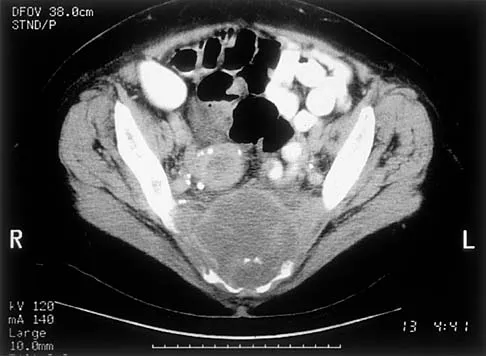
Figure for Mtd 2000 MCQs - Part 1 - Question 1

Key Takeaway

Learn more about Orthopedic Basic 2026 MCQs: Board Review Questions & Answers (Part 1) and how to manage it. Top-rated Orthopedic Basic 2026 MCQs bank. Practice with clinical case questions, orthopedic surgery board review, and evidence-based answers updated for 2026.

Orthopedic Basic 2026 MCQs: Board Review Questions & Answers (Part 1)

Comprehensive 100-Question Exam


00:00

Start Quiz

Question 1

A 16-year-old boy has had thigh pain for the past several months. He denies any history of trauma. Examination reveals a large, deeply fixed, soft-tissue mass in the thigh. Laboratory results show an elevated erythrocyte sedimentation rate (ESR) and leukocytosis. A plain radiograph and MRI scan are shown in Figures 1a and 1b. Biopsy specimens are shown in Figures 1c and 1d. What is the most likely diagnosis?


Explanation

1b 1c 1d Ewing's sarcoma typically can occur in the diaphysis of the long bones (50% to 55%). It is often accompanied by a large soft-tissue mass. Abnormal findings are common, including a low-grade fever, an elevated ESR, and leukocytosis. The histology is consistent with a small round blue cell tumor. The unique pathology and other findings exclude osteosarcoma. Giant cell tumor and chondrosarcoma have a different histologic appearance and typically are more metaphyseal in location. Chondrosarcoma typically is found in older age groups, has a different histologic pattern, and rarely occurs in the midshaft of the femur.

Question 2

A 14-year-old boy who is right handed reports right shoulder pain. Radiographs show a lucent lesion of the proximal humeral epiphysis with a narrow zone of transition. Results of an open biopsy confirm the presence of a chondroblastoma. Based on these findings, the next most appropriate step in management should consist of


Explanation

The patient has a chondroblastoma of the proximal humerus; therefore, the treatment of choice is curettage and bone grafting. Surgical resection of the proximal humerus is not indicated in the initial treatment of an intraosseous chondroblastoma. Mirra JM: Bone Tumors: Clinical, Radiologic, and Pathologic Correlations. Philadelphia, PA, Lea and Febiger, 1989, pp 589-623.

Question 3

A 25-year-old man has had an insidious onset of left hip pain over the past 11 months. A radiograph, coronal MRI scan, and histopathologic specimens are seen in Figures 2a through 2d. What is the most likely diagnosis?


Explanation

2b 2c 2d Ewing's sarcoma is the second most common primary sarcoma of bone in children and young adults. It is a malignant round cell tumor with uncertain histogenesis. Sheets of uniform small round blue cells with a high nuclear-to-cytoplasm ratio and the absence of osteoid formation differentiate this histologic diagnosis from the other conditions. Immunohistochemical staining and molecular diagnostic studies are useful to verify the diagnosis.

Question 4

What is the most common anatomic location for chondrosarcoma?


Explanation

The most common anatomic location of chondrosarcoma is the pelvis (30%), followed by the proximal femur (20%). Chondrosarcomas appear in the shoulder girdle in 15% of patients but rarely affect the spine or hands. Marcove RC, Mike V, Hutter RV, et al: Chondrosarcoma of the pelvis and upper end of the femur: An analysis of factors influencing survival time in one hundred and thirteen cases. J Bone Joint Surg Am 1972;54:561-572.

Question 5

In the spine, osteoblastomas usually originate in the


Explanation

Osteoblastomas are benign lesions that represent less than 5% of benign bone tumors. Most lesions are located in the spine, followed by the femur, tibia, and skull. Patients with spinal lesions usually have pain that may be associated with scoliosis. The most common location in the spine is within the posterior elements.

Question 6

A 64-year-old man with a history of metastatic lung cancer reports increasing right hip pain over the period of several months. Radiographs are shown in Figures 3a and 3b. Initial management should consist of


Explanation

3b The patient has lung cancer metastatic to the right proximal femur. The lesion is large, has destroyed a portion of the cortex, and involves the peritrochanteric region. All of these findings put the patient at high risk for pathologic fracture. The lesion is amenable to intramedullary fixation in the form of some type of reconstruction nail. Chemotherapy alone will not restore the bone stock. Given the extent of the lesion, radiation therapy, chemotherapy, or embolization will not prevent fracture. A proximal femoral replacement would be indicated in patients with bone destruction extending into the femoral head and neck. Bisphosphonates may diminish the risk of subsequent lesions but are not sufficient to treat this high-risk lesion. Radiation therapy should be given postoperatively to prevent further bone destruction.

Question 7

A 58-year-old woman has had a painless periscapular mass for the past year. An MRI scan and biopsy specimen are shown in Figures 4a and 4b. What is the most likely diagnosis?


Explanation

4b Elastofibroma is a rare tumor that most commonly occurs in adults who are older than age 55 years. The lesions usually grow between the chest wall and the scapula, and 10% are bilateral. Histologic analysis shows that they are composed of equal amounts of elastin and collagen with occasional fibroblasts. Briccoli A, Casadei R, Di Renzo M, Favale L, Bacchini P, Bertoni F: Elastofibroma dorsi. Surg Today 2000;30:147-152.

Question 8

A characteristic genetic translocation has been noted in which of the following tumors?


Explanation

There have been no characteristic gene translocations or rearrangements noted in osteosarcoma, chondrosarcoma, neurofibrosarcoma, or epithelioid sarcoma. In contrast, Ewing's sarcoma has been noted to have a consistent genetic translocation t(11:22). Brockstein BE, Peabody TD, Simon MA: Soft tissue sarcomas, in Vokes EE Golomb HM (eds): Oncologic Therapies. New York, NY, Springer-Verlag, 1999, pp 925-952.

Question 9

A 44-year-old man has right hip pain. Radiographs reveal a radiolucent lesion of the femoral head and neck. An MRI scan shows no extraosseous tumor extension. A histopathologic photomicrograph of the biopsy specimen is shown in Figure 5. The chance of metastatic disease developing from this lesion is approximately what percent?


Explanation

The risk of pulmonary metastasis from a benign giant cell tumor is estimated to be 5%.

Question 10

Figures 6a through 6d show the radiographs and biopsy specimens of an 8-year-old girl with leg pain. Management of the lesion should consist of


Explanation

6b 6c 6d The biopsy specimens show a chondromyxoid fibroma with varying amounts of cartilage, benign fibrous tissue, giant cells, and loose myxoid areas. Chondromyxoid fibroma is a benign active bone lesion that is best treated with aggressive curettage and bone grafting. Although recurrences are common, more aggressive treatment is not warranted initially. Wilson AJ, Kyriakos M, Ackerman LV: Chondromyxoid fibroma: Radiographic appearance in 38 cases and in a review of the literature. Radiology 1991;179:513-518.

Question 11

Which of the following is considered the treatment of choice for a chondroblastoma of the proximal tibial epiphysis without intra-articular extension?


Explanation

Curettage and bone grafting typically is the preferred method of treatment for chondroblastoma, with local recurrence rates of approximately 10%. Some clinicians advocate the addition of adjuvants such as phenol. Left alone, these lesions can destroy bone and invade the joint. Large intra-articular lesions may require major joint reconstruction. Wide local excision rarely is required to eradicate the tumor. Radiation therapy rarely is indicated and only for unresectable or multiply recurrent lesions. Springfield DS, Capanna R, Gherlinzoni F, Picci P, Campanacci M: Chondroblastoma: A review of seventy cases. J Bone Joint Surg Am 1985;67:748-755.

Question 12

An otherwise healthy 78-year-old woman has low back and buttock pain. Rectal examination reveals a large sacral mass. Figures 7a and 7b show a CT scan and a sagittal MRI scan of the lumbosacral spine. A biopsy specimen is shown in Figure 7c. What is the most likely diagnosis?


Explanation

7b 7c A chordoma is a malignant neoplasm originating from remnants of the notochord. It is usually localized to the midline with 50% at the sacrococcygeal area, 35% at the skull base, and 15% at the mobile portion of the spine. Large vacuolated cells (physaliferous cells) are a characteristic of the tumor. Mindell ER: Chordoma. J Bone Joint Surg Am 1981;63:501-505.

Question 13

Figures 8a through 8c show the lateral radiograph and T1- and T2-weighted MRI scans of a 14-year-old soccer player who reports aching thigh pain. The next most appropriate step in management should consist of


Explanation

8b 8c Although the MRI findings could be misinterpreted as an aggressive soft-tissue process, the periosteal-based ossification on the radiograph in an athlete most likely suggests myositis ossificans. The radiograph should be repeated to see further maturation of the ossification with a typical "zoning" pattern. The zoning pattern is one of peripheral ossification. This is often best seen on a CT scan. King JB: Post-traumatic ectopic calcification in the muscles of athletes: A review. Br J Sports Med 1998;32:287-290.

Question 14

A 51-year-old male truck driver has had progressive left hip pain for more than 2 years, and he reports that the pain has become severe in the past 9 months. He is now unable to work because of the pain. Examination reveals that range of motion of the hip is limited to 95 degrees of flexion, 0 degrees of internal rotation, and 20 degrees of external rotation. The plain radiograph, MRI scan, and intraoperative gross photographs are shown in Figures 9a through 9d. Management should consist of


Explanation

9b 9c 9d The diagnosis is synovial chondromatosis. While the plain radiograph fails to show any calcifications, the MRI scan shows an intra-articular mass that involves the capsule. Grossly multiple granular cartilage nodules are seen. Management should consist of removing all loose bodies along with the synovial membrane.

Question 15

Using methylmethacrylate to fill a biopsy hole in the diaphysis of a femur theoretically achieves what purpose?


Explanation

Placing cement over a bone biopsy site prevents tumor contamination by controlling hematoma. Even though the use of cement may impart some strength, the femur is still at significant risk for fracture. The use of bone cement in this manner has not been cleared by the FDA, but many physicians feel that it is appropriate when the patient's health status has been given careful consideration, and the physician has the necessary knowledge and training. The other options are not important reasons to use methylmethacrylate in biopsies. Simon MA, Springfield DS, et al: Biopsy: Surgery for Bone and Soft Tissue Tumors. Philadelphia, PA, Lippincott Raven, 1998, pp 55-65.

Question 16

Gaucher's disease is manifested by reticuloendothelial system macrophage accumulation of


Explanation

Gaucher's disease is characterized by macrophage accumulation of glucocerebroside that is caused by a deficiency of lysosomal enzyme glucocerebrosidase. It is an autosomal-recessive trait and is most commonly found in Ashkenazi Jews. Orthopaedic surgeons see patients with Gaucher's disease usually because of osteonecrosis of the hip. Calcium pyrophosphate is associated with pseudogout. Hydroxyproline is a breakdown product of collagen and is found in high levels in patients with Paget's disease. Homogentisic acid is associated with ochronosis (alkaptonuria). Beatty JH: Orthopaedic Knowledge Update 6. Rosemont, IL, American Academy of Orthopaedic Surgeons, 1999, pp 247-252. Goldblatt J, Sacks S, Beighton P: The orthopedic aspects of Gaucher disease. Clin Orthop 1978;137:208-214.

Question 17

A 14-year-old boy reports pain in the distal thigh. He denies any history of trauma. Examination reveals tenderness and swelling of the distal thigh without effusion. A radiograph and CT scan are shown in Figures 10a and 10b. A biopsy specimen is shown in Figure 10c. Management should consist of


Explanation

10b 10c Based on these findings, the patient has an aneurysmal bone cyst. Frequently, fluid-fluid levels can be detected on MRI or CT images. The histologic results show a lesion that consists of cavernous spaces filled with blood. The lining of the cavity contains spindle cells, multinucleated giant cells, and reactive bone. Curettage and bone grafting is the preferred treatment method. Without treatment, these lesions can become quite large and destructive. Radiation therapy is not recommended for resectable lesions. Chemotherapy is not required for these benign lesions. Simon MA, Springfield DS, et al: Common Benign Bone Tumors: Surgery for Bone and Soft Tissue Tumors. Philadelphia, PA, Lippincott Raven, 1998, pp 194-200.

Question 18

The dose of the chemotherapeutic agent doxorubicin (Adriamycin) is limited by which of the following factors?


Explanation

Doxorubicin is a chemotherapeutic agent that is best known for dose-limiting cardiotoxicity. This is related not only to the cumulative dose, but also the rate of infusion.

Question 19

A previously asymptomatic 12-year-old girl sustained a direct blow to the right lateral knee from a baseball bat. Examination reveals an area of ecchymosis and tenderness over the lateral thigh. The patient can walk without pain, but range of motion of the knee causes discomfort. Plain radiographs of the knee are shown in Figures 11a and 11b. To address the bone lesion, management should consist of


Explanation

11b The plain radiographs reveal a pedunculated osteochondroma with a fracture. There is a bony growth in the metaphysis of a long bone, on a stalk that is directed away from the nearby epiphysis. On the AP view, the host cortical and medullary bone are shown as "blending" with lesional bone. There is also a fracture through the lesion. Based on these radiographic findings, the diagnosis is an osteochondroma; therefore, initial management of an acute fracture of an osteochondroma is symptomatic treatment alone. Additional imaging studies are not indicated in this patient. At times it may be difficult to distinguish a sessile osteochondroma from a parosteal osteosarcoma. In the latter case, the host medullary bone and lesion bone are not confluent. A CT scan may be helpful to distinguish if the host medullary and cortical bone are confluent with the lesion.

Question 20

What is the most common pediatric soft-tissue sarcoma?


Explanation

Soft-tissue sarcomas are the sixth most common cancer in children. Rhabdomyosarcoma is the most common type of pediatric soft-tissue sarcoma. Nearly 50% of rhabdomyosarcomas are diagnosed in children who are age 5 years or younger. Unfortunately, there has not been a significant increase in survival in children with metastatic rhabdomyosarcoma despite aggressive therapy including multiple-drug chemotherapy regimens.

Question 21

A 53-year-old man has a 4- x 5-cm high-grade soft-tissue sarcoma in the midthigh. As part of the staging evaluation, regional nodes should be assessed by


Explanation

In general, soft-tissue metastases to regional nodes are a relatively rare occurrence (less than 5% overall). The incidence of lymphatic metastasis is highest for synovial sarcoma, rhabdomyosarcoma, clear cell sarcoma, and epithelioid sarcoma. Regional nodes should be assessed clinically. CT is not used to routinely assess regional nodes. Evaluation of a sentinal node is not indicated because of the low incidence of regional nodal involvement. Fine needle aspiration may be indicated to assess clinically suspicious nodes. Prophylactic inguinal node dissection is contraindicated because it may lead to unnecessary complications such as lymphedema.

Question 22

The risk of local recurrence after surgical resection of a soft-tissue sarcoma is most closely related to


Explanation

A positive margin is most closely related to subsequent local recurrence. The other factors cited, including the size and site of the tumor, may be related to local recurrence; however, they are more commonly prognostic because of the difficulty in obtaining wide surgical margins about large or proximal tumors. Radiation therapy has been noted to decrease the incidence of recurrence but is not felt to be as important as the surgical margin. The grade of the tumor has more influence on the prevalence of metastatic disease than the incidence of local recurrence. Lewis JJ, Leung D, Heslin M, Woodruff JM, Brennan MF: Association of local recurrence with subsequent survival in extremity soft tissue sarcoma. J Clin Oncol 1997;15:646-652.

Question 23

In a patient with a soft-tissue sarcoma treated by wide excision and radiation therapy, the risk of subsequent fracture is probably most influenced by


Explanation

While most pathologic fractures are in the lower extremity in patients treated for soft-tissue sarcomas by wide excision and adjuvant radiation therapy, risk factors for such fractures are bone resection associated with excision of the tumor and soft-tissue sarcomas of the thigh that require periosteal stripping at the time of resection. Such fractures can occur late, often more than 6 months after surgery, are difficult to treat, and often result in nonunion. Bell RS, O'Sullivan B, Nguyen C, et al: Fractures following limb-salvage surgery and adjuvant irradation for soft-tissue sarcoma. Clin Orthop 1991;271:265-271.

Question 24

Figures 12a and 12b show the radiographs of a 50-year-old patient who reports acute knee pain after sustaining a twisting injury while playing tennis. Examination is unremarkable. The next most appropriate step in management should consist of


Explanation

12b The radiographs show localized diffuse cortical thickening that is characteristic of melorheostosis. The condition may be monostotic or it may involve many bones in one extremity (monomelic) in the distribution of a sclerotome. Bone scans will show increased uptake at the site or sites of skeletal involvement. Long tubular bones are most commonly involved. Melorheostosis is usually asymptomatic and requires no treatment. On rare occasions, there may be associated soft-tissue contractures. Dorfman H, Czerniak B: Bone Tumors. St Louis, MO, Mosby Inc, 1998, pp 1105-1107. Campbell CJ, Papademetriou T, Bonfiglio M: Melorheostosis: A report of the clinical, roentgenographic, and pathological findings in fourteen cases. J Bone Joint Surg Am 1968;50:1281-1304.

Question 25

An adult patient has an 8- x 4- x 10-cm soft-tissue mass located within the adductor compartment of the thigh. Staging studies should consist of


Explanation

The appropriate staging studies should consist of MRI and a radiograph of the primary lesion and CT of the chest. MRI is superior to CT for soft-tissue imaging. CT may be useful for evaluating the cortex of bone for invasion by tumor. Bone scans are not commonly used because soft-tissue sarcomas rarely metastasize to bone. CT of the abdomen and pelvis is not typically ordered except for possible liposarcoma. With liposarcoma, there may be a synchronous or metastatic retroperitoneal liposarcoma. Demetri GD, Pollock R, Baker L, et al: NCCN sarcoma practice guidelines: National Comprehensive Cancer Network. Oncology (Huntingt) 1998;12:183-218.

Question 26

A 15-year-old boy presents with worsening knee pain over 2 months. Radiographs show a sunburst periosteal reaction in the distal femur. Biopsy reveals malignant mesenchymal cells producing osteoid matrix. Mutations in which of the following tumor suppressor genes are most commonly associated with this pathology?


Explanation

Osteosarcoma is frequently associated with mutations in the Rb (retinoblastoma) and p53 tumor suppressor genes, as seen in hereditary syndromes like Li-Fraumeni. EXT genes are associated with multiple hereditary exostoses.

Question 27

In orthopedic biomechanics, which of the following terms best describes the time-dependent increase in strain of a viscoelastic material under a constant applied stress?


Explanation

Creep is the continuous deformation (strain) of a material over time when subjected to a constant load (stress). Stress relaxation is the decrease in stress over time under a constant strain.

Question 28

Articular cartilage is a complex tissue uniquely suited for joint loading. What is the primary functional role of aggrecan in the extracellular matrix of cartilage?


Explanation

Aggrecan is a heavily glycosylated proteoglycan providing fixed negative charges (via chondroitin and keratan sulfate). This creates an osmotic swelling pressure that attracts water, enabling cartilage to resist compressive loads.

Question 29

Rigid plate fixation of a transverse diaphyseal fracture using absolute stability principles primarily results in which type of bone healing?


Explanation

Rigid internal fixation with absolute stability minimizes strain and leads to primary bone healing. This occurs via direct osteoclastic cutting cones and osteoblastic Haversian remodeling without a cartilage intermediate or visible callus.

Question 30

Which of the following cell types primarily expresses RANKL, a crucial cytokine for the regulation of osteoclast differentiation and activation?


Explanation

Osteoblasts and osteocytes secrete RANKL, which binds to the RANK receptor on osteoclast precursors to stimulate their differentiation. Osteoprotegerin (OPG) acts as a decoy receptor for RANKL to inhibit this process.

Question 31

During rehabilitation, a patient slowly lowers a weight from a flexed elbow position, lengthening the active biceps brachii muscle. This is an example of which type of muscle contraction?


Explanation

An eccentric contraction occurs when a muscle lengthens while under tension. Eccentric contractions typically generate higher forces than concentric contractions and are known to cause more delayed-onset muscle soreness.

Question 32

A 55-year-old man presents with an acutely swollen, red, and painful knee. Arthrocentesis yields cloudy fluid with a white blood cell count of 85,000 cells/mm3 and 90% polymorphonuclear leukocytes. What is the most appropriate next step in management?


Explanation

A synovial fluid WBC count greater than 50,000 cells/mm3 with a high PMN percentage is highly indicative of septic arthritis. Prompt surgical irrigation and debridement alongside intravenous antibiotics are required to prevent cartilage destruction.

Question 33

A 30-year-old woman presents with knee pain. Radiographs show an eccentric, lytic epiphyseal-metaphyseal lesion of the proximal tibia. Biopsy shows multinucleated giant cells in a mononuclear stroma. Denosumab therapy, used for un-resectable cases, targets which molecule?


Explanation

Denosumab is a monoclonal antibody that binds to RANKL. By neutralizing RANKL, it inhibits the recruitment and activation of the destructive osteoclast-like giant cells characteristic of Giant Cell Tumor of bone.

Question 34

A 65-year-old man presents with severe back pain, anemia, hypercalcemia, and elevated creatinine. Radiographs show multiple punched-out lytic lesions in his skull and pelvis. Which of the following diagnostic studies is most definitive for confirming his underlying condition?


Explanation

The clinical picture describes multiple myeloma (CRAB criteria: hyperCalcemia, Renal failure, Anemia, Bone lesions). Diagnosis is confirmed by a monoclonal spike on SPEP/UPEP and >10% clonal plasma cells on bone marrow biopsy.

Question 35

A 10-month-old infant presents with irritability, bleeding gums, and pseudoparalysis. Radiographs show an epiphyseal separation, a white line of Frankel, and a Wimberger ring sign. This condition is caused by a deficiency in which of the following?


Explanation

Scurvy is caused by Vitamin C deficiency, which impairs collagen cross-linking by preventing the hydroxylation of proline and lysine. Radiographic signs include the white line of Frankel, Pelkan spurs, and the Wimberger ring sign.

Question 36

A 12-year-old girl has a painful, rapidly expanding mass in her distal humerus. MRI demonstrates a multiloculated, expansile lesion with fluid-fluid levels. Biopsy reveals blood-filled spaces lacking an endothelial lining. Which genetic abnormality is characteristic of the primary form of this lesion?


Explanation

Primary Aneurysmal Bone Cysts (ABCs) are driven by a USP6 gene translocation, most commonly t(16;17). They present as expansile lytic lesions with classic fluid-fluid levels on MRI.

Question 37

A 7-year-old boy from an endemic region develops a large, painless knee effusion without fever. Joint fluid analysis shows 35,000 WBC/mm3. Serology confirms Borrelia burgdorferi infection. What is the recommended initial management?


Explanation

Lyme arthritis classically presents with a large, minimally painful effusion and is treated initially with a 28-day course of oral antibiotics. Surgical drainage is reserved for cases that fail antibiotic therapy or if concomitant bacterial septic arthritis is suspected.

Question 38

A 10-year-old boy presents with a diaphyseal mass in his fibula. Radiographs reveal a permeative lesion with an onion-skin periosteal reaction. Histology demonstrates small round blue cells. The pathogenesis of this tumor is most commonly driven by which fusion protein?


Explanation

Ewing sarcoma is a malignant small round blue cell tumor characterized by the t(11;22) translocation, which produces the EWS-FLI1 fusion protein. The onion-skin periosteal reaction is a classic radiographic hallmark.

Question 39

Intermittent administration of recombinant human parathyroid hormone (Teriparatide) is used for the treatment of osteoporosis. By which primary mechanism does it achieve its therapeutic effect?


Explanation

While continuous exposure to PTH causes net bone resorption, intermittent administration (e.g., daily Teriparatide injections) provides an anabolic effect. It directly stimulates osteoblast proliferation and action, significantly increasing bone mineral density.

Question 40

Rivaroxaban and apixaban are frequently prescribed for venous thromboembolism (VTE) prophylaxis following total joint arthroplasty. What is their specific pharmacologic mechanism of action?


Explanation

Rivaroxaban and apixaban are direct oral anticoagulants (DOACs) that work by directly inhibiting Factor Xa in the coagulation cascade. Dabigatran, by contrast, is a direct thrombin inhibitor.

Question 41

A 45-year-old woman with a history of gastric bypass presents with severe bone pain and recurrent stress fractures. Labs reveal low serum calcium, low phosphorus, and elevated alkaline phosphatase. A bone biopsy would most likely demonstrate which histological finding?


Explanation

This patient has osteomalacia due to malabsorption and Vitamin D deficiency. Osteomalacia is characterized histologically by defective mineralization of the newly formed bone matrix, resulting in thick, unmineralized osteoid seams.

Question 42

Aseptic loosening is a major cause of failure in total hip arthroplasty. This process is most commonly driven by macrophage phagocytosis of which specific type of wear debris?


Explanation

UHMWPE wear debris generated at the articulating bearing surface is phagocytosed by macrophages. This triggers an inflammatory cascade releasing TNF-alpha and IL-6, which activates osteoclasts via RANKL to cause periprosthetic osteolysis.

Question 43

Which of the following implant combinations poses the highest risk for galvanic corrosion in orthopedic surgery?


Explanation

Galvanic corrosion occurs when two dissimilar metals are placed in direct contact within an electrolytic environment, such as bodily fluids. Combining stainless steel and titanium implants creates a strong galvanic cell that accelerates corrosion.

Question 44

Romosozumab is an advanced pharmacological agent used in the treatment of severe osteoporosis. What is its primary mechanism of action?


Explanation

Romosozumab is a monoclonal antibody that binds to and inhibits sclerostin. Since sclerostin normally downregulates bone formation, its inhibition leads to increased Wnt signaling and enhanced osteoblastic bone formation.

Question 45

Which class of antibiotics is strongly associated with an increased risk of Achilles tendon rupture, particularly in elderly patients or those concurrently taking corticosteroids?


Explanation

Fluoroquinolones (such as ciprofloxacin and levofloxacin) are associated with tendinopathy and tendon rupture. They are believed to upregulate matrix metalloproteinases (MMPs) and alter collagen synthesis, weakening the tendon structure.

Question 46

A 15-year-old boy presents with a painful mass around his distal femur. Biopsy reveals malignant spindle cells producing unmineralized osteoid. Which of the following genetic abnormalities is most commonly associated with the pathogenesis of this disease?


Explanation

Osteosarcoma is frequently associated with mutations in tumor suppressor genes such as Retinoblastoma (Rb) and p53 (Li-Fraumeni syndrome).

Question 47

A 9-year-old girl complains of progressive left leg pain and fever. Radiographs show a permeative diaphyseal lesion in the fibula with an "onion-skin" periosteal reaction. Immunohistochemistry of the biopsy specimen is positive for CD99. What is the most expected cytogenetic abnormality?


Explanation

Ewing sarcoma is characterized by the t(11;22) translocation resulting in the EWS-FLI1 fusion protein, and typically shows strong membranous CD99 staining.

Question 48

A 15-year-old boy presents with progressive knee pain over 2 months. Radiographs demonstrate a destructive metaphyseal lesion of the distal femur with a 'sunburst' periosteal reaction.

Biopsy confirms the diagnosis. What is the most appropriate definitive management for this condition?


Explanation

Osteosarcoma is a high-grade spindle cell tumor that produces malignant osteoid. The standard of care includes neoadjuvant chemotherapy, wide surgical resection with negative margins, and adjuvant chemotherapy to address systemic micrometastases.

Question 49

A 32-year-old woman presents with persistent right knee pain. Radiographs reveal an eccentric, lytic lesion in the proximal tibial epiphysis extending to the subchondral bone without a sclerotic rim.

Histology shows mononuclear cells and multinucleated giant cells. Which of the following targeted therapies acts directly on the primary pathogenic mechanism of this tumor?


Explanation

Giant cell tumor of bone is driven by neoplastic mononuclear cells that overexpress RANKL, which recruits reactive osteoclast-like giant cells. Denosumab, a monoclonal antibody against RANKL, directly inhibits this recruitment and is used for advanced or unresectable cases.

Question 50

Articular cartilage exhibits depth-dependent variations in its structural composition. Which zone of articular cartilage has the highest water content and contains collagen fibrils oriented parallel to the articular surface?


Explanation

The superficial zone of articular cartilage contains the highest concentration of water and predominantly Type II collagen. The collagen fibers are oriented parallel to the joint surface to effectively resist shear forces during motion.

Question 51

In fracture fixation, the pullout strength of a cortical bone screw is mathematically proportional to several design parameters. Which of the following alterations will most significantly increase the screw's pullout strength?


Explanation

The pullout strength of a screw is most significantly determined by its outer (thread) diameter. Increasing the outer diameter maximizes the thread depth and volume of bone captured between threads, thereby increasing resistance to pullout.

Question 52

A 9-year-old boy presents with mid-thigh pain and fevers. Radiographs show a diaphyseal permeative lytic lesion with an 'onion-skin' periosteal reaction.

Histological evaluation demonstrates uniform, small blue cells. Which chromosomal translocation is most characteristically associated with this tumor?


Explanation

Ewing sarcoma is a highly aggressive small round blue cell tumor. It is genetically defined by the t(11;22) chromosomal translocation in approximately 85% of cases, which fuses the EWS gene to the FLI1 gene.

Question 53

To decrease the rate of adhesive and abrasive wear in total joint arthroplasty, ultra-high-molecular-weight polyethylene (UHMWPE) can be highly cross-linked via irradiation. Which of the following processes is required to eliminate the resulting free radicals and prevent subsequent oxidative degradation?


Explanation

Irradiating polyethylene creates cross-links but also generates free radicals that can lead to oxidation and structural degradation over time. Thermal processing, either by remelting or annealing, extinguishes these free radicals and improves long-term oxidation resistance.

Question 54

A 24-year-old man undergoes open reduction and internal fixation of a transverse radial shaft fracture with absolute stability using a dynamic compression plate. This construct promotes primary bone healing. Which of the following is an essential characteristic of this healing process?


Explanation

Primary bone healing occurs under conditions of absolute stability and minimal interfragmentary strain. It bypasses callus formation entirely, healing via direct Haversian remodeling where osteoclastic cutting cones cross the fracture site followed by osteoblastic bone deposition.

Question 55

An 18-year-old male complains of dull, aching pain in his right tibia that is worse at night and completely relieved by ibuprofen. A CT scan reveals a 1 cm cortical radiolucent nidus surrounded by dense reactive sclerosis.

The profound pain relief from NSAIDs is due to the inhibition of which molecule highly expressed by the nidus?


Explanation

The nidus of an osteoid osteoma produces excessively high levels of prostaglandins due to the upregulation of COX-2. NSAIDs inhibit COX-2, reducing prostaglandin E2 levels and providing rapid, characteristic pain relief.

Question 56

Parathyroid hormone (PTH) plays a critical role in calcium homeostasis by ultimately promoting bone resorption. Which of the following describes the primary cellular mechanism by which PTH stimulates osteoclast activity?


Explanation

Osteoclasts do not possess PTH receptors. PTH binds to its receptors on osteoblasts, which subsequently upregulate the expression of RANK ligand (RANKL) to stimulate osteoclast differentiation and activation.

Question 57

A 55-year-old woman with metastatic breast cancer is treated with a monoclonal antibody to prevent skeletal-related events. This medication primarily binds to which of the following targets to inhibit osteoclastogenesis?


Explanation

Denosumab is a human monoclonal antibody that directly binds to RANK ligand (RANKL). This prevents RANKL from interacting with the RANK receptor on osteoclasts, profoundly inhibiting osteoclast formation, function, and survival.

Question 58

Which of the following modifications to a standard cortical screw design will most significantly increase its pullout strength when utilized in osteoporotic bone?


Explanation

Screw pullout strength is most significantly influenced by the outer thread diameter. Pullout strength can also be improved by decreasing the inner root diameter (increasing thread depth), decreasing thread pitch (increasing threads engaged), and maximizing engagement length.

Question 59

In the manufacturing of ultra-high-molecular-weight polyethylene (UHMWPE) for total joint arthroplasty, the addition of Vitamin E (alpha-tocopherol) primarily serves to:


Explanation

Vitamin E is blended into highly cross-linked UHMWPE to act as a potent antioxidant. It actively scavenges residual free radicals produced during gamma irradiation, thereby preventing long-term oxidative degradation without the mechanical compromises of post-irradiation melting.

Question 60

A 15-year-old boy presents with a high-grade intramedullary osteosarcoma of the distal femur. A representative histological sample is shown.

Which of the following genetic alterations is most frequently associated with the pathogenesis of this specific bone tumor?


Explanation

Mutations in the p53 tumor suppressor gene and the retinoblastoma (Rb) gene are the most common genetic abnormalities found in conventional osteosarcoma. In contrast, t(11;22) is characteristic of Ewing sarcoma, and t(X;18) is pathognomonic for synovial sarcoma.

Question 61

Within normal articular cartilage, which zone possesses the highest concentration of water and the lowest concentration of proteoglycans?


Explanation

The superficial zone of articular cartilage contains the highest concentration of water and the lowest concentration of proteoglycans. It is characterized by densely packed collagen fibers oriented parallel to the joint surface to effectively resist shear forces.

Question 62

Following total knee arthroplasty, a patient develops a periprosthetic joint infection caused by Staphylococcus epidermidis. The resistance of these bacteria to systemic antibiotics is primarily mediated by their ability to form a biofilm. What is the principal structural component of this biofilm matrix?


Explanation

The biofilm matrix is primarily composed of extracellular polymeric substances (EPS), specifically a highly hydrated polysaccharide glycocalyx. This dense slime layer protects sessile bacteria from both the host immune system and systemic antimicrobial agents.

Question 63

Teriparatide is utilized in the management of severe, high-risk osteoporosis. Its profound anabolic effect on bone is primarily mediated through which of the following mechanisms?


Explanation

Teriparatide is a recombinant human parathyroid hormone (PTH 1-34) analog. When administered via intermittent daily injections, it acts as an anabolic agent by directly stimulating osteoblast activity and extending their lifespan, leading to net bone formation.

Question 64

According to fundamental biomechanical principles, if the diameter of a solid titanium intramedullary nail is doubled, its overall torsional rigidity will theoretically increase by a factor of:


Explanation

The torsional rigidity of a solid cylindrical implant is directly proportional to its polar moment of inertia. Because the polar moment of inertia scales with the radius to the fourth power (r^4), doubling the diameter increases the rigidity by a factor of 16.

Question 65

A 65-year-old man presents with generalized bone pain, hypercalcemia, and renal insufficiency. Radiographs show multiple "punched-out" lytic lesions in the skull. Which of the following cytokines plays a central role as an osteoclast-activating factor in this condition?


Explanation

Interleukin-6 (IL-6) acts as a potent osteoclast-activating factor in multiple myeloma, driving extensive localized bone resorption. Myeloma cells also secrete factors like MIP-1alpha that further upregulate RANKL expression while actively inhibiting OPG.

Question 66

Perren's strain theory postulates that the specific type of tissue forming within a fracture gap is dependent on local mechanical strain. According to this theory, which of the following tissues tolerates the highest percentage of strain before failure?


Explanation

Granulation tissue can tolerate up to 100% strain without failure, making it the critical first tissue to form in a mobile fracture gap. In stark contrast, lamellar bone is highly rigid and can only tolerate approximately 2% strain before failing.

Question 67

Tranexamic acid (TXA) is frequently utilized in orthopedic surgery to minimize perioperative blood loss. Which of the following accurately describes its primary mechanism of action?


Explanation

Tranexamic acid is a synthetic analog of the amino acid lysine. It reversibly and competitively binds to the lysine-binding sites on plasminogen, preventing its activation into plasmin and thereby potently inhibiting fibrinolysis.

Question 68

Tumor-induced osteomalacia (oncogenic osteomalacia) is a rare paraneoplastic syndrome most commonly caused by benign phosphaturic mesenchymal tumors. It is characterized by renal phosphate wasting due to the overproduction of:


Explanation

Tumor-induced osteomalacia is driven by the ectopic overproduction of FGF-23 by the tumor cells. High levels of FGF-23 inhibit sodium-phosphate cotransporters in the proximal renal tubule, leading to profound phosphaturia and subsequent osteomalacia.

Question 69

Following a closed humerus fracture, a patient demonstrates a complete radial nerve palsy. An electromyogram (EMG) at 4 weeks shows fibrillation potentials in the brachioradialis, but imaging confirms preserved continuity of the endoneurial tubes. According to the Seddon classification, this is best classified as:


Explanation

Axonotmesis involves disruption of the axon and myelin sheath but preservation of the supporting connective tissue framework (endoneurium, perineurium, epineurium). This preservation guides regenerating axons, allowing for potential spontaneous recovery following Wallerian degeneration.

Question 70

During an eccentric muscle contraction, the muscle length actively increases while generating tension. Compared to concentric contractions, eccentric contractions are biomechanically characterized by:


Explanation

Eccentric contractions are capable of generating significantly higher peak forces than either concentric or isometric contractions. Furthermore, they are more mechanically efficient, requiring less metabolic energy (ATP) for a given amount of generated force.

Question 71

The diaphyseal blood supply of an adult long bone is primarily provided by the nutrient artery system. In a normal, uninjured adult long bone, the physiologic flow of blood through the diaphyseal cortex is typically:


Explanation

In a normal adult long bone, diaphyseal cortical blood flow is predominantly centrifugal, moving outward from the high-pressure intramedullary system (nutrient artery) to the periosteum. Disruption of this intramedullary system reverses the flow to a centripetal direction.

Question 72

A 32-year-old woman presents with a slow-growing mass in her foot. Biopsy reveals a biphasic spindle cell neoplasm. Which of the following chromosomal translocations is most characteristic of this tumor?


Explanation

Synovial sarcoma is characterized by the t(X;18) translocation, resulting in the SYT-SSX fusion gene. It often presents in young adults as an indolent mass in the extremities, frequently near joints but rarely intra-articular.

Question 73

A 9-year-old girl presents with a pathologic fracture of her proximal femur. Radiographs demonstrate a "ground-glass" appearance and a Shepherd's crook deformity. She also has irregular café-au-lait spots and precocious puberty. What is the underlying genetic mutation?


Explanation

This clinical picture describes McCune-Albright syndrome, which features polyostotic fibrous dysplasia, endocrine abnormalities, and café-au-lait spots. It is caused by an activating mutation in the GNAS gene, leading to increased intracellular cAMP.

Question 74

A 14-year-old boy presents with progressive knee pain and swelling. Radiographs show a permeative diaphyseal lesion with "onion-skin" periosteal reaction.

Biopsy shows small round blue cells. The most common chromosomal abnormality associated with this condition is a translocation between which two chromosomes?


Explanation

Ewing sarcoma typically presents in the diaphysis of long bones in children and young adults. It is strongly associated with the t(11;22) translocation, creating the EWS-FLI1 fusion protein.

Question 75

A 30-year-old woman has an expansile, eccentric lytic lesion in the distal femur extending to the subchondral bone. Histology confirms a giant cell tumor of bone. If medical therapy is considered for an unresectable lesion, what is the exact molecular target of the preferred pharmacological agent?


Explanation

Giant cell tumor of bone relies on RANKL expressed by the neoplastic stromal cells to recruit reactive osteoclast-like giant cells. Denosumab is a monoclonal antibody that binds and inhibits RANKL, effectively halting bone destruction.

Question 76

A 15-year-old boy presents with worsening knee pain. Plain radiographs show a metaphyseal lesion with a sunburst periosteal reaction and Codman's triangle. To definitively diagnose conventional osteosarcoma, what essential histopathologic feature must be identified?


Explanation

The hallmark of conventional osteosarcoma is the production of osteoid (immature bone matrix) directly by malignant mesenchymal cells. Woven bone without osteoblastic rimming is characteristic of fibrous dysplasia.

Question 77

A 12-year-old girl complains of mild localized pain in her proximal humerus. Radiographs demonstrate an expansile, eccentric, multiloculated lucent lesion in the metaphysis. MRI shows multiple fluid-fluid levels. Primary aneurysmal bone cysts are most commonly associated with a rearrangement of which gene?


Explanation

Primary aneurysmal bone cysts (ABCs) are now recognized as genuine neoplasms driven by USP6 gene rearrangements (typically t(16;17)). This distinguishes primary ABCs from secondary ABCs that arise in preexisting tumors.

Question 78

You are reviewing the basic science of articular cartilage.

In which zone of articular cartilage are the collagen fibers oriented parallel to the joint surface, providing the greatest tensile strength?


Explanation

The superficial zone of articular cartilage features collagen type II fibers oriented parallel to the joint surface to resist sheer forces. It also has the highest concentration of water and lowest concentration of proteoglycans.

Question 79

A 65-year-old man presents with a destructive, purely lytic lesion in the proximal humerus and a history of nephrectomy for renal cell carcinoma. He is scheduled for wide excision and prosthetic reconstruction. What is the most critical preoperative step to minimize intraoperative complications?


Explanation

Renal cell and thyroid carcinoma bone metastases are notoriously hypervascular. Preoperative selective arterial embolization is critical to minimize massive, potentially life-threatening intraoperative hemorrhage.

Question 80

During skeletal muscle contraction, calcium ions are released from the sarcoplasmic reticulum. To initiate the cross-bridge cycle and expose the myosin-binding sites on actin, calcium must directly bind to which of the following proteins?


Explanation

In skeletal muscle, calcium binds to Troponin C, which causes a conformational change that shifts tropomyosin away from the myosin-binding sites on the actin filament. This allows myosin heads to attach and initiate muscle contraction.

Question 81

A patient who underwent a revision total hip arthroplasty using a cobalt-chromium femoral head and a titanium alloy stem presents with groin pain. Radiographs are unremarkable, but blood tests show elevated metal ions. What is the primary mechanism of corrosion expected at the modular head-neck junction?


Explanation

Galvanic corrosion occurs when two dissimilar metals (such as cobalt-chromium and titanium) are in contact within a conductive fluid (body fluids), creating an electrochemical cell. Fretting corrosion is also common at modular junctions due to micromotion.

Question 82

A 70-year-old man presents with increasing hat size and dull, aching pain in his right thigh.

Radiographs show cortical thickening and trabecular coarsening of the femur. Laboratory tests reveal markedly elevated alkaline phosphatase but normal calcium and phosphorus. The primary cellular defect in this condition involves an abnormality in which cell type?


Explanation

Paget disease of bone is driven by a primary abnormality in osteoclasts, which are increased in number, size, and activity (often containing viral-like inclusion bodies). The intense osteoclastic resorption is followed by disorganized, chaotic osteoblastic bone formation.

Question 83

A 19-year-old man presents with severe night pain in his tibia that is dramatically relieved by ibuprofen. Imaging reveals a small (<1.5 cm) radiolucent nidus surrounded by dense reactive sclerosis. The pain associated with this lesion is mediated by high local concentrations of which substance?


Explanation

Osteoid osteomas produce extremely high levels of Prostaglandin E2 (PGE2) and express high levels of COX-2 enzymes. This mechanism explains the classic symptom of nocturnal pain that is rapidly and thoroughly relieved by NSAIDs.

Question 84

A transverse radial shaft fracture is treated with absolute stability using open reduction and rigid internal fixation with a dynamic compression plate. How will this fracture primarily heal?


Explanation

Absolute stability with anatomic reduction results in primary (direct) bone healing without callus formation. This process is driven by osteoclasts forming cutting cones that cross the fracture line, followed immediately by osteoblasts laying down new lamellar bone.

Question 85

An infant presents with multiple fractures and is found to have uniformly dense "marble-like" bones on radiographs. A bone marrow biopsy reveals a lack of marrow space. This condition is most commonly caused by a defect in which osteoclast enzyme?


Explanation

Osteopetrosis is characterized by failed osteoclast function, preventing normal bone resorption and remodeling. A common mutation involves Carbonic anhydrase II, which is essential for creating the acidic environment needed by osteoclasts to dissolve bone minerals.

Question 86

A 14-year-old girl is diagnosed with conventional osteosarcoma of the distal femur. Her family history is significant for a mother who had early-onset breast cancer and a brother with a soft tissue sarcoma. A mutation in which of the following tumor suppressor genes is most likely responsible for this familial presentation?


Explanation

Li-Fraumeni syndrome is an autosomal dominant condition caused by a mutation in the p53 tumor suppressor gene. It places patients at a high risk of developing osteosarcoma, breast cancer, and soft tissue sarcomas.

Question 87

A 19-year-old man presents with nocturnal leg pain that is dramatically relieved by NSAIDs. A radiograph and CT scan demonstrate a small intracortical lucency with surrounding sclerosis in the tibial diaphysis.

What is the mechanism of action of the most appropriate minimally invasive treatment for this condition?


Explanation

The clinical and radiographic presentation is classic for an osteoid osteoma. Radiofrequency ablation (RFA), which uses alternating current to cause focal thermal coagulation and necrosis, is the minimally invasive treatment of choice.

Question 88

A 32-year-old woman presents with knee pain. Radiographs reveal an eccentric, lytic lesion in the distal femoral epiphysis extending to the subchondral bone. Biopsy shows mononuclear cells and multinucleated giant cells. If she is treated with denosumab prior to surgery, what is the specific target of this medication?


Explanation

Denosumab is a monoclonal antibody that binds to RANKL, inhibiting the maturation and function of osteoclasts and reactive giant cells. It is commonly used as a neoadjuvant treatment to downstage giant cell tumors of bone.

Question 89

A 28-year-old man presents with a slow-growing, deep soft-tissue mass near his ankle joint. A biopsy reveals a biphasic pattern of spindle cells and epithelial cells. Which of the following chromosomal translocations is most characteristic of this diagnosis?


Explanation

Synovial sarcoma is characterized by the t(X;18) translocation, which results in the SYT-SSX fusion gene. It commonly presents as a deep soft-tissue mass near a joint in young adults and often exhibits a biphasic histologic pattern.

Question 90

Which of the following Bone Morphogenetic Proteins (BMPs) is most strongly osteoinductive and has been FDA-approved for use in acute, open tibial shaft fractures?


Explanation

BMP-2 (rhBMP-2) is highly osteoinductive and is FDA-approved for acute, open tibial shaft fractures treated with an intramedullary nail. BMP-7 (OP-1) is approved for use under humanitarian device exemption for recalcitrant tibial nonunions.

Question 91

A 12-year-old girl presents with a rapidly expanding, painful mass in her proximal humerus. Radiographs show an expansile, multiloculated radiolucent lesion.

Genetic analysis of the tissue would most likely reveal an upregulation of which of the following?


Explanation

The presentation and imaging are consistent with a primary aneurysmal bone cyst (ABC). Primary ABCs are true neoplasms characterized by a t(16;17) translocation leading to USP6 gene upregulation.

Question 92

In normal adult articular cartilage, which structural zone possesses the highest concentration of water and collagen, but the lowest concentration of proteoglycans?


Explanation

The superficial zone of articular cartilage contains the highest water and collagen content (aligned parallel to the surface) to resist shear stress. It also possesses the lowest concentration of proteoglycans compared to the deeper zones.

Question 93

A 65-year-old man undergoes a total hip arthroplasty utilizing a highly cross-linked polyethylene liner.

Which of the following manufacturing steps is most responsible for enhancing the wear resistance of this bearing surface?


Explanation

Highly cross-linked polyethylene is manufactured by exposing the material to gamma or electron beam irradiation, which creates cross-links that drastically reduce adhesive and abrasive wear. Subsequent thermal treatment (melting or annealing) eliminates residual free radicals to prevent oxidation.

Question 94

A 68-year-old man presents with diffuse back pain and fatigue. Laboratory tests show hypercalcemia, normocytic anemia, and an elevated creatinine. A skeletal survey reveals multiple punched-out lytic lesions in the skull and vertebrae. Which of the following is the most appropriate next step to confirm the diagnosis?


Explanation

The clinical picture of CRAB symptoms (hyperCalcemia, Renal failure, Anemia, Bone lesions) is classic for multiple myeloma. SPEP, urine protein electrophoresis (UPEP), and a bone marrow biopsy are essential to detect the monoclonal protein spike and confirm the diagnosis.

None

Clinic OS
Medically Verified Content by
Prof. Clinic OS
Consultant Orthopedic & Spine Surgeon
Chapter Index
