Master ABOS Orthopedic Board Review: Musculoskeletal Pathology & Dysplasias | Part 16
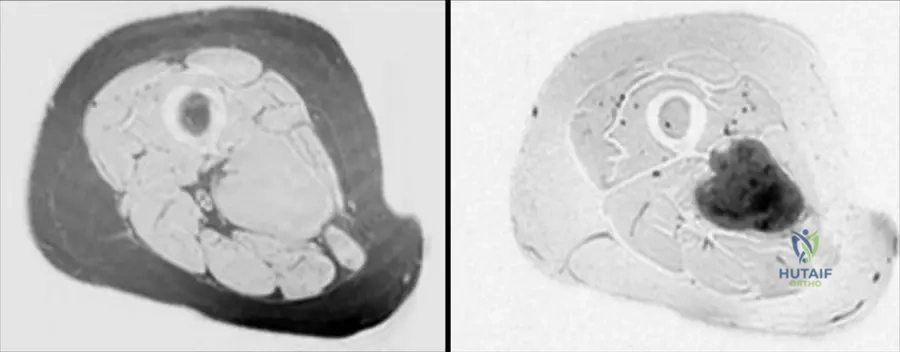
Key Takeaway
This ABOS review covers key musculoskeletal pathologies including synovial chondromatosis, lipoma arborescens, and soft tissue sarcomas. It also provides a detailed examination of various skeletal dysplasias like osteopetrosis, osteogenesis imperfecta, and achondroplasia, focusing on their clinical presentation, imaging, and management for board exam preparation.
Master ABOS Orthopedic Board Review: Musculoskeletal Pathology & Dysplasias | Part 16
Comprehensive 100-Question Exam
00:00
Start Quiz
Question 1
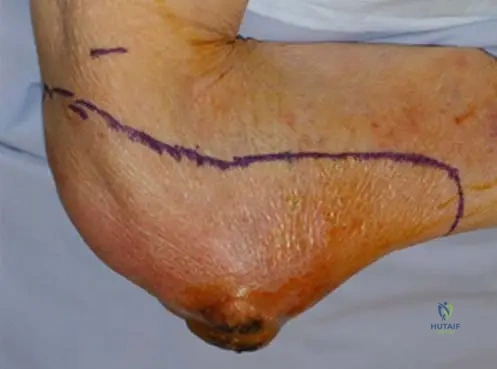
A 25-year-old male presents with a slow-growing, deep mass near his knee. Biopsy reveals a biphasic pattern of epithelial and spindle cells. Which of the following cytogenetic abnormalities is pathognomonic for this tumor?
Explanation
Question 2
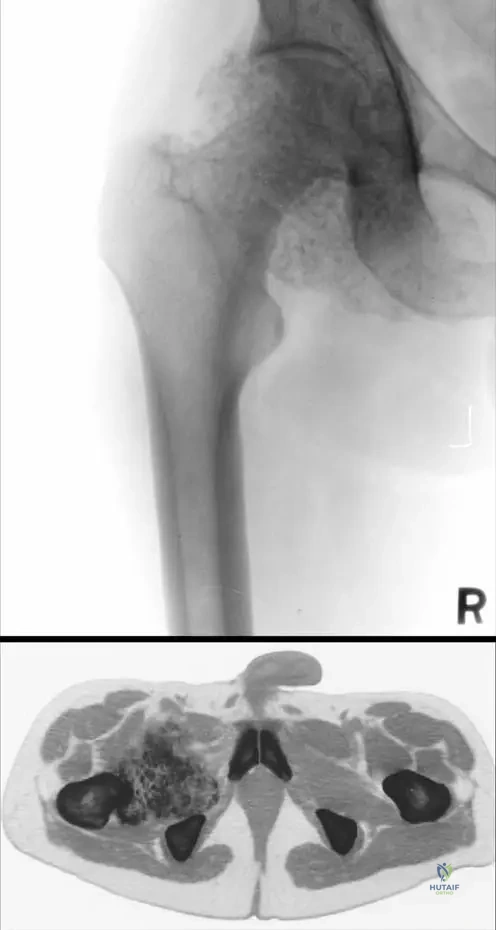
A 45-year-old male complains of knee pain, swelling, and mechanical locking. Radiographs show multiple intra-articular radiopaque bodies of uniform size.
What is the primary underlying pathophysiology of this condition?
Explanation
Question 3
A 35-year-old female undergoes marginal excision of a large intramuscular mass in her anterior thigh. Pathology reveals myxoid stroma, a prominent capillary network, and lipoblasts. Which genetic abnormality is most likely present in this tumor?
Explanation
Question 4
A 22-year-old male presents with a painless, ulcerating nodule on his volar forearm that has been enlarging over several months. It was initially excised under the presumed diagnosis of a ganglion cyst but rapidly recurred. Immunohistochemistry of the lesion is expected to show loss of expression of which of the following markers?
Explanation
Question 5
While most soft tissue sarcomas metastasize hematogenously to the lungs, a specific subset has a higher propensity for regional lymph node metastasis. Which of the following soft tissue tumors requires the most vigilant clinical examination of regional lymph nodes?
Explanation
Question 6
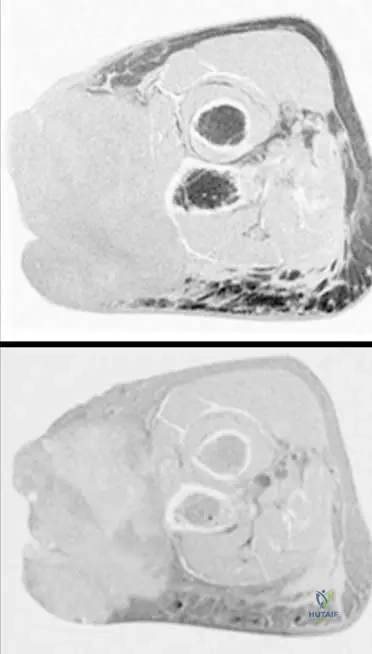
In the multidisciplinary management of a high-grade soft tissue sarcoma of the extremity, a decision is made to utilize preoperative rather than postoperative radiation therapy.
What is the primary disadvantage of this specific approach?
Explanation
Question 7
A 28-year-old female presents with a slow-growing right thigh mass and new-onset focal seizures. Brain MRI demonstrates multiple contrast-enhancing lesions. Which soft tissue sarcoma is notoriously associated with early brain metastases despite a relatively small primary tumor?
Explanation
Question 8
A 32-year-old female notes a deep palpable mass in her abdominal wall. Biopsy reveals uniform spindle cells in a collagenous stroma without nuclear atypia, and immunohistochemistry is strongly positive for nuclear beta-catenin. What is the most appropriate initial systemic therapy if the mass is symptomatic and progressively enlarging?
Explanation
Question 9
A 30-year-old male presents with a mass intimately attached to the Achilles tendon. Pathology shows nests of pale cells with prominent nucleoli that stain positive for HMB-45 and S-100. What cytogenetic translocation defines this 'melanoma of soft parts'?
Explanation
Question 10
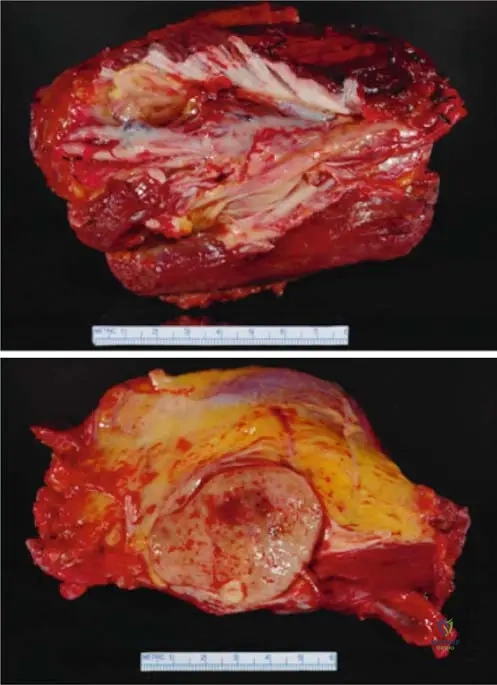
A 50-year-old patient undergoes a diagnostic core needle biopsy for a suspicious 8 cm deep mass in the vastus lateralis.
Which of the following principles MUST be adhered to during the biopsy?
Explanation
Question 11
A 60-year-old male undergoes excision of a large, deep fatty mass in his thigh. The pathologist must differentiate between a deep lipoma and an atypical lipomatous tumor. Amplification of which of the following genes confirms the diagnosis of an atypical lipomatous tumor?
Explanation
Question 12
A 6-year-old boy presents with a rapidly expanding mass in his forearm. Biopsy confirms an alveolar rhabdomyosarcoma. Which of the following best describes the typical fusion gene associated with this specific histologic subtype?
Explanation
Question 13
A patient with a 10-year history of known stable primary synovial chondromatosis of the hip presents with rapid onset of severe resting pain and cortical bone erosion on radiographs. What is the most likely complication driving these new symptoms?
Explanation
Question 14
A 65-year-old woman presents with a rapidly growing mass in her left axilla. She had breast-conserving surgery and localized radiation therapy for breast cancer 12 years ago. Biopsy reveals a high-grade undifferentiated pleomorphic sarcoma. According to Cahan's criteria, which of the following is essential for diagnosing a radiation-induced sarcoma?
Explanation
Question 15
A 45-year-old male presents with chronic knee pain, mechanical catching, and swelling. Radiographs show multiple, uniform-sized calcified loose bodies within the joint space.
What is the primary pathological mechanism underlying this condition?
Explanation
Question 16
A 50-year-old male discovers a painless, deep-seated 8 cm mass in his anterior thigh. Plain radiographs are unremarkable except for a soft tissue shadow.
What is the most appropriate next step in management?
Explanation
Question 17
A 30-year-old female undergoes resection of a slow-growing, calcified mass near her knee joint. Histology reveals a biphasic pattern of spindle cells and epithelial cells. Which of the following translocations is diagnostic for this tumor?
Explanation
Question 18
An 8-year-old girl is evaluated for precocious puberty, irregular cafe-au-lait macules, and recurrent fractures. Radiographs reveal polyostotic expansile, radiolucent bone lesions with a ground-glass appearance. What is the underlying genetic mutation?
Explanation
Question 19
A 14-year-old boy presents with fever, focal mid-thigh pain, and an elevated ESR. Radiographs show a diaphyseal destructive lesion with an "onion-skin" periosteal reaction. Biopsy shows small round blue cells strongly expressing CD99. What translocation is characteristic of this tumor?
Explanation
Question 20
An 18-year-old male with conventional osteosarcoma of the distal femur completes neoadjuvant chemotherapy followed by limb-salvage surgery. Which of the following pathological findings from the resected specimen is the most important prognostic factor for overall survival?
Explanation
Question 21
A 65-year-old male presents with a 10 cm destructive lesion in the ilium exhibiting "rings and arcs" calcification and cortical breakthrough. A biopsy confirms grade II chondrosarcoma. What is the most appropriate definitive management?
Explanation
Question 22
A 45-year-old male undergoes excision of a deep thigh mass. Pathology demonstrates a myxoid stroma, a prominent plexiform ("chicken-wire") capillary network, and scattered lipoblasts. Which genetic alteration is most likely present?
Explanation
Question 23
When performing a core needle biopsy for a suspected soft tissue sarcoma of the extremity, which of the following is a critical technical principle?
Explanation
Question 24
A 10-year-old boy presents with a rapidly enlarging calf mass. Biopsy reveals small round blue cells with skeletal muscle differentiation. Cytogenetic analysis identifies a t(2;13) translocation. What is the most likely diagnosis?
Explanation
Question 25
A 15-year-old boy has multiple painless, bony bumps around his knees and shoulders that have been growing slowly since childhood. His father has a similar condition. What is the primary function of the genes most commonly mutated in this disorder?
Explanation
Question 26
A 3-month-old infant is evaluated for short limbs, frontal bossing, and midface hypoplasia. Radiographs demonstrate rhizomelic shortening of the long bones. What is the mechanism of the primary gene mutation responsible for this condition?
Explanation
Question 27
A 4-year-old girl is evaluated for recurrent long bone fractures after minimal trauma, blue sclerae, and early hearing loss. Which of the following best describes the underlying biochemical defect?
Explanation
Question 28
A 25-year-old male presents for a routine orthopedic evaluation following a minor injury. On examination, he is noted to have a highly unusual ability to appose his shoulders anteriorly in the midline. He also has delayed secondary tooth eruption. A mutation in which gene is most likely responsible?
Explanation
Question 29
A 70-year-old man presents with dull aching pain in his right leg, increasing hat size, and hearing loss. Radiographs show bowing of the tibia with cortical thickening and coarsened trabeculae. Blood tests reveal isolated significant elevation of alkaline phosphatase. What is the primary cellular pathogenesis?
Explanation
Question 30
A 22-year-old man undergoes biopsy of a painless, deep, 3 cm mass on the plantar aspect of his foot. Histology reveals nests of polygonal cells with prominent nucleoli. Immunohistochemistry is positive for HMB-45 and S-100. Which translocation is characteristic of this "melanoma of soft parts"?
Explanation
Question 31
A 35-year-old female presents with a slow-growing, multi-nodular indurated plaque on her trunk. Biopsy reveals a spindle cell tumor arranged in a "storiform" pattern that stains strongly positive for CD34. The translocation t(17;22) is identified. What is the most appropriate surgical management?
Explanation
Question 32
A 68-year-old male presents with a rapidly enlarging, deep-seated 12 cm soft tissue mass in the posterior thigh.
Core biopsy shows highly pleomorphic spindle cells with frequent, atypical mitoses, severe nuclear atypia, and no specific line of cellular differentiation. What is the most likely diagnosis?
Explanation
Question 33
A 42-year-old male presents with knee pain and catching. Radiographs are shown.
What is the primary pathophysiologic mechanism for this condition?
Explanation
Question 34
A 28-year-old female presents with a slowly enlarging, painless mass near her ankle. Radiographs show punctate calcifications in the soft tissues.
A biopsy reveals a biphasic spindle and epithelial cell pattern. Which cytogenetic abnormality is diagnostic?
Explanation
Question 35
A 45-year-old man undergoes resection of a large intramuscular thigh mass. Histology demonstrates a plexiform capillary network and lipoblasts in a myxoid stroma. Which of the following is essential in the staging of this specific tumor?
Explanation
Question 36
A 24-year-old male presents with a firm, ulcerated nodule on the volar aspect of his right index finger, initially misdiagnosed as a wart. Biopsy reveals a nodular proliferation of atypical epithelioid cells with central necrosis. Which of the following characteristics is true regarding this malignancy?
Explanation
Question 37
A 30-year-old female presents with a deep-seated, painful mass associated with her Achilles tendon. Histology shows nested cells with clear cytoplasm separated by fibrous septa. Immunohistochemistry is strongly positive for HMB-45 and Melan-A. What is the characteristic translocation?
Explanation
Question 38
A newborn is diagnosed with achondroplasia. This condition is caused by a gain-of-function mutation in FGFR3. Which specific region of the physis is primarily affected by this mutation?
Explanation
Question 39
A 7-year-old boy presents with bilateral hip pain, a waddling gait, and short stature. Radiographs demonstrate delayed ossification of the capital femoral epiphyses and a double-layer patella on the lateral knee view. A mutation in which of the following is most likely responsible?
Explanation
Question 40
A 4-year-old child with short-trunk dwarfism presents for evaluation. Radiographs show coxa vara, platyspondyly, and hypoplasia of the odontoid. What ocular complication must be carefully screened for in this patient?
Explanation
Question 41
A newborn presents with micromelic short stature, severe clubfeet, hitchhiker thumbs, and cystic swelling of the external ears. Which of the following genes is mutated in this condition?
Explanation
Question 42
A 65-year-old man notes a rapidly growing mass in his proximal thigh. MRI shows a large, heterogeneous, deep intramuscular mass.
Core needle biopsy shows highly pleomorphic spindle cells with abundant atypical mitoses and no distinct line of differentiation. What is the most appropriate next step in local management for this presumed Undifferentiated Pleomorphic Sarcoma (UPS)?
Explanation
Question 43
A 45-year-old male presents with progressive right knee pain, locking, and mechanical symptoms. Radiographs show multiple intra-articular calcified loose bodies of relatively uniform size. What is the underlying pathophysiology of this specific primary condition?
Explanation
Question 44
A 55-year-old female presents with a painless, rapidly growing 8 cm mass in her anterior thigh. MRI demonstrates a deep, heterogenous soft tissue mass. Core biopsy confirms a high-grade pleomorphic sarcoma. According to the AJCC staging system for soft tissue sarcomas, what is the most critical prognostic factor for overall survival?
Explanation
Question 45
A 30-year-old male presents with a deep-seated, slow-growing mass near the popliteal fossa. Histology demonstrates a biphasic pattern consisting of spindle cells and epithelial cells. Which specific chromosomal translocation is pathognomonic for this tumor?
Explanation
Question 46
You are planning a biopsy for a suspected soft tissue sarcoma located in the anterior compartment of the thigh. Which of the following is an essential surgical principle to avoid compromising the future definitive limb-salvage resection?
Explanation
Question 47
A 45-year-old patient presents with a large, deep thigh mass. Histopathology reveals a plexiform capillary network with lipoblasts and a prominent myxoid stroma. Cytogenetics show t(12;16). Which of the following statements is uniquely true regarding the management of this specific sarcoma?
Explanation
Question 48
A 25-year-old female presents with a slow-growing mass in her right thigh. MRI reveals a highly vascular mass. She reports recent onset of severe headaches, and an MRI of the brain demonstrates a solitary metastatic lesion. What is the most likely diagnosis?
Explanation
Question 49
A patient is undergoing neoadjuvant radiation therapy for a large high-grade soft tissue sarcoma of the distal thigh, which will be followed by wide surgical resection. Compared to adjuvant (postoperative) radiation, what is the primary clinical disadvantage of the neoadjuvant approach?
Explanation
Question 50
A 6-year-old child presents with a waddling gait, joint pain, and short stature. Radiographs demonstrate delayed ossification and irregular, fragmented epiphyses in multiple joints (hips, knees, ankles), but the spine appears radiographically normal. What is the most likely diagnosis?
Explanation
Question 51
A 28-year-old male presents with a painless mass in the deep soft tissues of his foot, intimately associated with the plantar aponeurosis. Histology shows nested cells separated by fibrous septa that stain positive for HMB-45 and S-100. Cytogenetics reveal t(12;22)(q13;q12). What is the diagnosis?
Explanation
Question 52
A 45-year-old male presents with a painless, deep thigh mass measuring 8 cm. Core needle biopsy confirms a high-grade soft tissue sarcoma.
What is the most critical prognostic factor for his overall survival?
Explanation
Question 53
A 28-year-old female presents with a progressive, firm mass in her right foot. Biopsy reveals a spindle cell neoplasm. Molecular testing shows a t(12;22) translocation resulting in an EWS-ATF1 fusion. What is the most likely diagnosis?
Explanation
Question 54
A 35-year-old man presents with chronic knee pain, swelling, and mechanical locking. Imaging demonstrates multiple calcified loose bodies of relatively uniform size within the joint space.
Which of the following is the most appropriate definitive management?
Explanation
Question 55
A 20-year-old male is diagnosed with a soft tissue sarcoma of the distal thigh. The pathology report demonstrates a biphasic tumor with both epithelial and spindle cell components. Which chromosomal translocation is highly specific for this diagnosis?
Explanation
Question 56
A 22-year-old male with a history of recurrent wrist nodules presents with an ulcerating mass on the volar aspect of his hand. Lymph node biopsy is positive for metastasis. Which of the following soft tissue sarcomas has the highest propensity for lymphatic spread?
Explanation
Question 57
A 60-year-old male presents with a large, deep intramuscular mass in the posterior thigh. Biopsy shows an undifferentiated pleomorphic sarcoma. The multidisciplinary team recommends pre-operative radiation therapy. Which of the following is a known disadvantage of pre-operative radiation compared to post-operative radiation?
Explanation
Question 58
A 6-month-old infant is evaluated for short stature, a prominent forehead, and a waddling gait. Radiographs reveal rhizomelic shortening of the limbs and narrowing of the interpedicular distances in the lumbar spine. A mutation in which gene is responsible for this condition?
Explanation
Question 59
An 8-year-old girl with a history of multiple fractures, blue sclerae, and hearing loss is started on pamidronate therapy. What is the primary mechanism of action of this medication in her condition?
Explanation
Question 60
A 45-year-old female presents with a painless 10 cm soft tissue mass in her retroperitoneum, discovered incidentally. Biopsy reveals atypical lipoblasts with an amplified MDM2 gene. What is the most likely diagnosis?
Explanation
Question 61
A 30-year-old woman is diagnosed with Alveolar Soft Part Sarcoma (ASPS) of the thigh. Due to the specific clinical behavior of this tumor, which additional staging study is strictly indicated?
Explanation
Question 62
Which soft tissue sarcoma is notoriously characterized by a "myxoid" background with a rich, delicate "chicken-wire" capillary network, and responds exceptionally well to pre-operative radiation therapy?
Explanation
Question 63
A 12-year-old child presents with a waddling gait and joint pain. Radiographs reveal delayed epiphyseal ossification and a "double-layered" appearance of the patella. What is the most likely diagnosis?
Explanation
Question 64
A 50-year-old male is undergoing surgical excision of a large, high-grade soft tissue sarcoma of the anterior thigh.
According to standard oncologic principles, what defines an adequate surgical margin in this setting?
Explanation
Question 65
A patient with multiple café-au-lait spots, precocious puberty, and polyostotic fibrous dysplasia presents with a progressively painful bowing deformity of the femur. Which genetic mechanism is responsible for this syndrome?
Explanation
Question 66
A newborn is examined in the nursery and noted to have a "hitchhiker" thumb, severe rigid clubfeet, and swelling of the external ears (cauliflower ears). Which of the following is the most likely diagnosis?
Explanation
Question 67
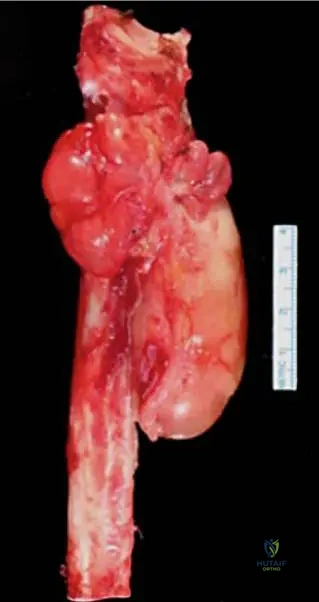
A 25-year-old male presents with a slowly enlarging, firm, multi-nodular mass over the anterior aspect of the distal thigh. A biopsy shows a high-grade soft tissue sarcoma.
What is the most common route of metastasis for this group of tumors?
Explanation
Question 68
A 24-year-old male presents with a painless, firm nodule on the palmar aspect of his hand. It was previously excised as a 'ganglion cyst' but rapidly recurred. Biopsy reveals a nodular proliferation of polygonal cells with central necrosis, mimicking a granuloma. Immunohistochemistry is positive for cytokeratin and EMA, but negative for INI1. Which of the following is a classic characteristic of this tumor?
Explanation
Question 69
A 30-year-old female presents with a deep soft tissue mass in her foot. Biopsy shows uniform plump spindle cells in nests separated by fibrous septa. Immunohistochemistry is positive for S100 and HMB45. Which of the following translocations is characteristic of this diagnosis?
Explanation
Question 70
A 4-year-old child presents with painful, progressive swelling of the neck and back after a minor fall. Physical examination reveals bilateral congenital shortening and valgus deviation of the great toes. Radiographs show early soft tissue ossification. Which of the following is the primary genetic mechanism for this disease?
Explanation
Question 71
A 40-year-old male complains of progressive hip stiffness and mechanical catching. A radiograph reveals multiple calcified bodies of uniform size within the joint space.
What is the primary underlying pathophysiology of this condition?
Explanation
Question 72
A 35-year-old female presents with a recurrent, painless, monoarticular knee effusion. MRI demonstrates a large joint effusion and nodular synovial proliferation with prominent 'blooming artifact' on gradient-echo sequences. What genetic alteration primarily drives this condition?
Explanation
Question 73
A 22-year-old female presents with a slow-growing, painless mass in her deep anterior thigh. Staging CT reveals multiple asymptomatic pulmonary nodules, and a brain MRI reveals a solitary metastasis. Histology shows large polygonal cells in a pseudoalveolar pattern with PAS-positive, diastase-resistant crystalline inclusions. Which molecular finding is expected?
Explanation
Question 74
A 3-month-old infant is diagnosed with achondroplasia. Which of the following spinal abnormalities is most critical to screen for during the first year of life to prevent sudden mortality?
Explanation
Question 75
A 6-year-old child presents with a history of multiple low-energy fractures, progressive vision loss, and pancytopenia. Radiographs show diffusely dense bones with a 'bone-within-a-bone' appearance and Erlenmeyer flask deformity of the femurs. The underlying defect primarily involves impaired function of which cell type?
Explanation
Question 76
A 60-year-old male undergoes a core biopsy of a deep 12 cm painless thigh mass. Pathology reveals mature adipose tissue with scattered atypical hyperchromatic stromal cells. What molecular test is most specific to differentiate this atypical lipomatous tumor from a benign lipoma?
Explanation
Question 77
A 45-year-old female presents with right thigh pain. Radiographs demonstrate a 'ground-glass' lytic lesion in the proximal femur with varus bowing. MRI of the thigh incidentally reveals multiple well-circumscribed intramuscular masses showing bright T2 hyperintensity. The intramuscular masses most likely represent:
Explanation
Question 78
A 12-year-old boy with multiple bony prominences around his knees and wrists is diagnosed with multiple hereditary exostoses. Which of the following best describes the underlying molecular pathophysiology?
Explanation
Question 79
A 40-year-old male undergoes marginal excision of a nodular, plaque-like cutaneous mass on the trunk. Pathology returns as dermatofibrosarcoma protuberans (DFSP), demonstrating a t(17;22) translocation. Which targeted therapy is FDA-approved for unresectable or metastatic DFSP?
Explanation
Question 80
A 5-year-old child with blue sclerae, dentinogenesis imperfecta, and multiple prior fractures is started on intravenous pamidronate for osteogenesis imperfecta. What is the primary mechanism of action of this medication in this patient?
Explanation
Question 81
A 10-year-old patient presents with a prominent forehead, hypertelorism, and the ability to touch their shoulders together anteriorly. Radiographs reveal delayed cranial suture closure and aplastic clavicles. A mutation in which gene is the primary cause of this condition?
Explanation
Question 82
A 14-year-old male presents with a rapidly enlarging soft tissue mass in his forearm. Biopsy reveals small round blue cells. Cytogenetic testing confirms a t(2;13) translocation. Which fusion protein is pathognomonic for this diagnosis?
Explanation
Question 83
A 7-year-old female presents with precocious puberty, cafe-au-lait spots with irregular 'coast of Maine' borders, and an antalgic gait. Radiographs show a large, expansile lytic lesion in the proximal femur. This syndrome is caused by a somatic, post-zygotic activating mutation in which gene?
Explanation
Question 84
A 65-year-old female presents with a rapidly enlarging, painless 10 cm mass in her proximal thigh. Core needle biopsy reveals highly pleomorphic spindle cells in a storiform pattern with numerous atypical mitoses. Immunohistochemistry is completely negative for cytokeratin, S100, desmin, and SMA. What is the most likely diagnosis?
Explanation
Question 85
A 24-year-old male presents with a painless, slow-growing nodule on his right palm. Excisional biopsy demonstrates a granuloma-like architecture with central necrosis surrounded by atypical epithelioid cells. Immunohistochemistry reveals loss of SMARCB1 (INI1) expression. What is the most common pattern of metastasis for this lesion?
Explanation
Question 86
A 28-year-old female presents with a deep, highly vascular mass in her right thigh. Staging workup reveals asymptomatic brain metastases. Cytogenetic testing identifies a t(X;17)(p11;q25) translocation. What is the diagnosis?
Explanation
Question 87
A 32-year-old male presents with a mass intimately associated with his Achilles tendon. Histology shows nested cells with prominent nucleoli. The tumor cells stain strongly positive for S100 and HMB-45. Which of the following translocations is most characteristic?
Explanation
Question 88
A 40-year-old male presents with chronic hip pain and decreased range of motion. Radiographs show numerous calcified loose bodies of similar size within the hip joint capsule.
What is the best initial surgical management if conservative treatment fails?
Explanation
Question 89
A 29-year-old pregnant female presents with a rapidly enlarging, firm mass in her anterior abdominal wall. Biopsy shows spindle cells arranged in broad, sweeping fascicles without malignant nuclear features. Nuclear beta-catenin staining is positive. What is the most appropriate initial management?
Explanation
Question 90
A 65-year-old man presents with a large retroperitoneal mass. Biopsy demonstrates areas of well-differentiated adipocytic proliferation transitioning abruptly into a high-grade, non-lipogenic sarcoma. Amplification of which of the following genes on chromosome 12q13-15 is a hallmark of this disease?
Explanation
Question 91
An 80-year-old female presents with a rapidly growing, deep soft tissue mass in her proximal thigh.
Histology reveals a storiform pattern of highly pleomorphic, bizarre, multinucleated giant cells with frequent mitoses and areas of necrosis. Extensive immunohistochemical staining is negative for specific lineage markers. What is the most likely diagnosis?
Explanation
Question 92
A 6-year-old boy presents with a rapidly enlarging mass in his forearm. Histologic examination demonstrates small round blue cells with interspersed rhabdomyoblasts. Molecular testing is positive for a t(2;13) translocation. Which fusion gene product is responsible for this condition?
Explanation
Question 93
A 35-year-old male presents with a multi-nodular, firm cutaneous plaque on his trunk. Biopsy reveals a uniform spindle cell proliferation arranged in a prominent storiform ("cartwheel") pattern that infiltrates subcutaneous fat in a honeycomb appearance. Tumor cells strongly express CD34. What targeted systemic therapy can be utilized for unresectable or metastatic disease?
Explanation
Question 94
A 42-year-old female with numerous cafe-au-lait spots and cutaneous neurofibromas presents with sudden, rapid enlargement and severe pain in a long-standing thigh mass.
A biopsy confirms malignant transformation. What underlying genetic syndrome is the primary risk factor for this transformation?
Explanation
Question 95
A 30-year-old female presents with chronic knee swelling, catching, and brown synovial fluid on aspiration. MRI shows a joint effusion and nodular synovial thickening with "blooming artifact" on gradient-echo sequences. What specific molecular target is implicated in the pathogenesis of this disease?
Explanation
Question 96
A 16-year-old male complains of dull, aching pain in his vastus medialis that worsens after exercise. Radiographs reveal multiple small, smooth, rounded radiopacities with radiolucent centers. MRI shows a lobulated mass with high signal on T2-weighted images and a "bag of worms" appearance. What is the most appropriate initial management?
Explanation
Question 97
A 68-year-old female presents with a new, rapidly growing purple-red nodule on her right arm. She has a history of right mastectomy and axillary lymph node dissection for breast cancer 10 years ago, complicated by chronic severe lymphedema of the arm. What is the most likely diagnosis?
Explanation
None
