
Master ABOS Orthopedic Board Review: Dysplasias, Tumors, Hemophilia, Fractures | Part 13
Comprehensive 100-Question Exam
00:00
Start Quiz
Question 1
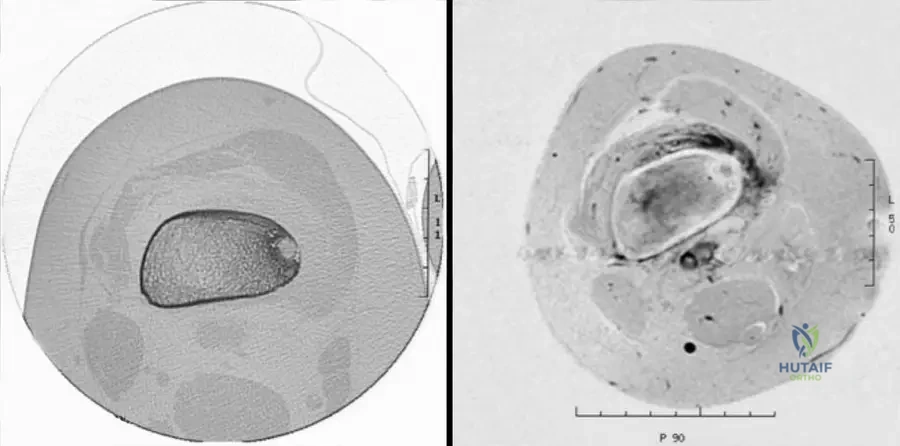
A 16-year-old boy presents with severe right anterior thigh pain that is predictably worse at night and dramatically relieved by NSAIDs. Imaging reveals the following characteristic finding.
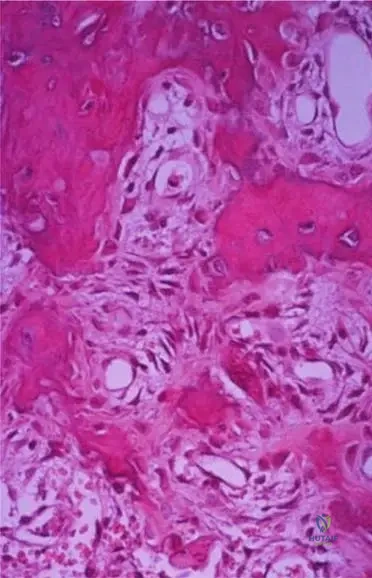
What is the most characteristic biochemical feature of the central nidus in this lesion?
Explanation
Question 2
A 55-year-old woman is evaluated for severe burning pain, stiffness, and skin color changes in her right hand following a distal radius fracture treated with a cast 8 weeks ago. Which of the following prophylactic measures has been shown to reduce the incidence of this condition following conservative or surgical management of distal radius fractures?
Explanation
Question 3
A 10-year-old boy with severe hemophilia A is scheduled for an elective total knee arthroplasty due to advanced hemophilic arthropathy. To prevent catastrophic bleeding, what is the optimal management of his Factor VIII levels during the perioperative period?
Explanation
Question 4
A 6-year-old child presents with a waddling gait, short stature, and joint pain. Radiographs demonstrate delayed, irregular ossification of multiple epiphyses and a 'double-layer' patella. A mutation in which of the following genes is most strongly associated with this phenotype?
Explanation
Question 5
A 14-year-old girl is diagnosed with osteosarcoma of the distal femur. Histological examination shows anaplastic spindle cells producing osteoid matrix. Which of the following genetic alterations is most commonly implicated in the pathogenesis of conventional osteosarcoma?
Explanation
Question 6
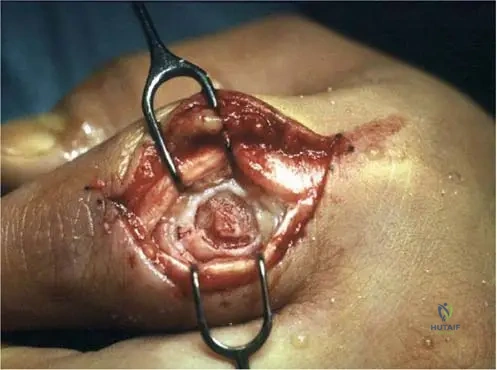
A 13-year-old adolescent presents with a painful, rigid scoliotic curve. Imaging identifies a lesion with a radiolucent nidus on the concavity of the curve.
If surgical management is planned, what is the primary goal of the intervention?
Explanation
Question 7
A 40-year-old female presents with an atypical subtrochanteric femur fracture characterized by transverse orientation, lateral cortical thickening, and a medial spike. Which of the following medications is most directly associated with the pathogenesis of this fracture pattern?
Explanation
Question 8
A 3-month-old infant is evaluated for short limbs, a normal-sized trunk, frontal bossing, and midface hypoplasia. What is the primary pathophysiologic mechanism resulting from the mutated gene responsible for this condition?
Explanation
Question 9
A 22-year-old male with a history of Multiple Hereditary Exostoses (MHE) reports rapid enlargement and pain in a previously asymptomatic lesion on his proximal tibia. An MRI shows a cartilage cap measuring 2.5 cm in thickness. What is the most likely diagnosis?
Explanation
Question 10
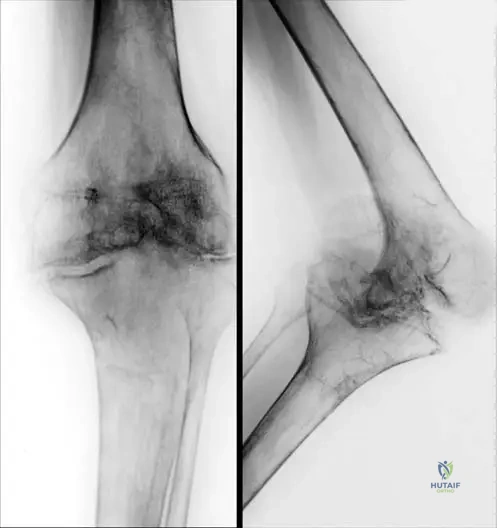
A 45-year-old man exhibits extreme hyperalgesia, allodynia, and trophic changes in his foot following a crush injury 4 months prior. A triple-phase bone scan is performed to support the diagnosis of CRPS.
What is the classic finding on phase III (delayed phase) of a bone scan in patients with early/active Complex Regional Pain Syndrome?
Explanation
Question 11
A newborn is noted to have severe micromelic dwarfism, 'hitchhiker' thumbs, clubfeet, and cystic swelling of the external ears (cauliflower ears). Which of the following inheritance patterns and gene mutations corresponds to this clinical picture?
Explanation
Question 12
A 12-year-old boy presents with fever, weight loss, and localized thigh pain. Radiographs demonstrate a permeative destructive lesion in the femoral diaphysis with an 'onion-skin' periosteal reaction. A biopsy reveals small round blue cells. Which chromosomal translocation is pathognomonic for this tumor?
Explanation
Question 13
A 35-year-old male with severe Hemophilia B presents with an expanding, painless, expansile lytic mass in his ilium. Imaging suggests complete cortical destruction with a well-encapsulated soft-tissue component. What is the most appropriate initial management for this hemophilic pseudotumor?
Explanation
Question 14
A 30-year-old patient presents with a 9-month-old tibial shaft fracture that has not healed. Radiographs show abundant callus formation with a persistent radiolucent fracture line and implant failure (broken intramedullary nail). Which of the following accurately describes the pathology and ideal treatment?
Explanation
Question 15
A 28-year-old woman presents with knee pain. Radiographs show an eccentric, expansile, purely lytic lesion in the distal femoral epiphysis extending to the subchondral bone. Histology reveals mononuclear cells and multinucleated osteoclast-like giant cells. What targeted medical therapy has been FDA-approved for unresectable cases of this tumor?
Explanation
Question 16
A 22-year-old male with Hemophilia A has developed high-titer inhibitors (>5 Bethesda Units) to Factor VIII. He sustains a closed, displaced femur fracture requiring operative fixation. What is the agent of choice to provide hemostasis for surgery?
Explanation
Question 17
A 5-year-old boy presents with an ability to touch his shoulders together anteriorly. He has a wide, flat skull, delayed fontanelle closure, and a wide pubic symphysis on radiographs. This condition is caused by a mutation in a gene crucial for the differentiation of which cell type?
Explanation
Question 18
A 45-year-old farm worker sustains an open tibia fracture highly contaminated with soil and manure. According to the current trauma guidelines, which antibiotic regimen provides the most appropriate coverage for this Type IIIA open fracture?
Explanation
Question 19
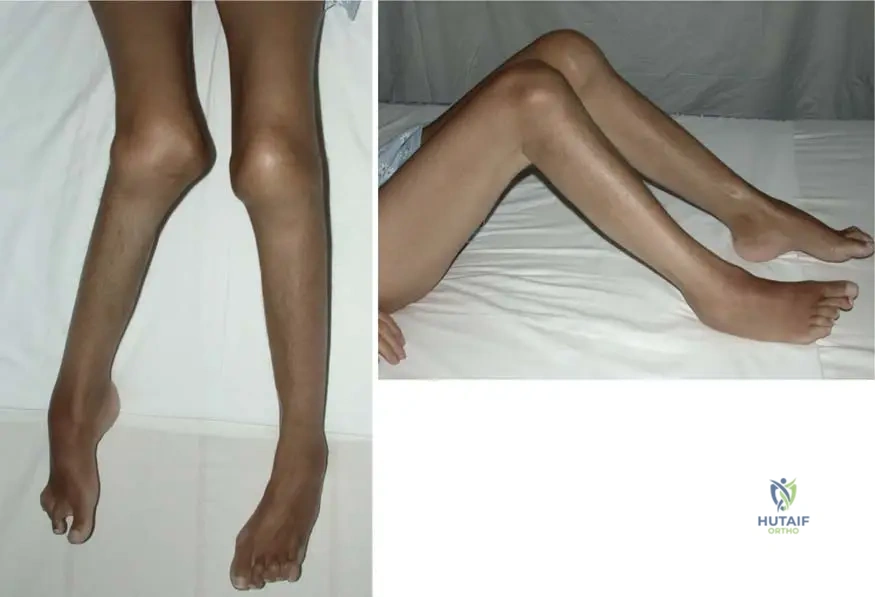
A 17-year-old female presents with diffuse, severe burning pain in her hand and hypersensitivity to light touch 3 months after a wrist sprain.
According to the Budapest Criteria, which of the following symptom categories is NOT strictly required to make the clinical diagnosis of Complex Regional Pain Syndrome?
Explanation
Question 20
A 10-year-old boy presents with progressive knee pain. Imaging reveals a subchondral lucency in the proximal tibial epiphysis. A biopsy demonstrates sheets of mononuclear cells with a 'coffee bean' nucleus and longitudinal grooving, alongside eosinophils. Which immunohistochemical marker is characteristically positive in this lesion?
Explanation
Question 21
A 15-year-old boy presents with progressive right thigh pain that is notably worse at night and rapidly relieved by ibuprofen. Imaging shows a cortical lesion with a central lucent nidus and surrounding sclerosis. What is the most appropriate definitive, minimally invasive treatment for this condition?
Explanation
Question 22
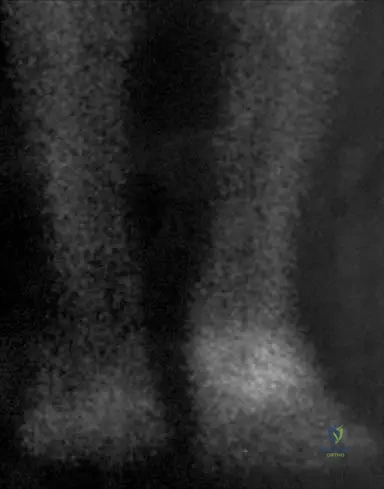
A 65-year-old woman sustains a displaced distal radius fracture. To reduce the risk of developing the painful condition shown in the radiograph, which is characterized by periarticular patchy osteopenia, which of the following prophylactic measures is recommended?
Explanation
Question 23
A 14-year-old boy with severe Hemophilia A requires an elective orthopedic procedure. Preoperative laboratory testing reveals a high-titer Factor VIII inhibitor (>5 Bethesda Units). Which of the following is the most appropriate management to ensure perioperative hemostasis?
Explanation
Question 24
A 6-year-old boy presents with short stature, a waddling gait, and bilateral knee pain. Radiographs reveal delayed ossification and fragmentation of multiple epiphyses, but the spine demonstrates normal vertebral body height and morphology. A mutation in which of the following genes is most likely responsible?
Explanation
Question 25
The lesion shown in the radiograph typically produces severe nocturnal pain. The central nidus of this tumor is known to produce highly elevated levels of which of the following inflammatory mediators?
Explanation
Question 26
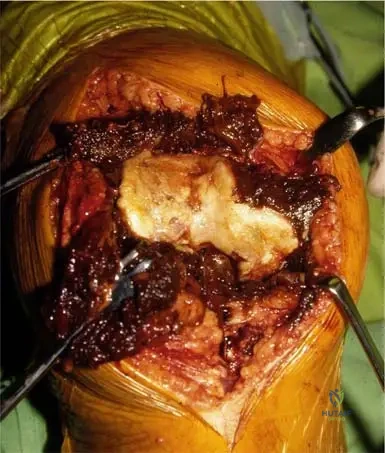
A 45-year-old man develops severe, burning left hand pain 6 weeks after a crush injury. He exhibits skin color asymmetry, hyperhidrosis, and allodynia. According to the Budapest criteria for diagnosing Complex Regional Pain Syndrome (CRPS), which of the following conditions must be met?
Explanation
Question 27
A 9-year-old girl is evaluated for precocious puberty and a recent pathologic proximal femur fracture. Radiographs show a 'ground-glass' expansile lesion with a 'shepherd's crook' deformity. A post-zygotic somatic mutation in which of the following genes is responsible for this condition?
Explanation
Question 28
In a patient with severe hemophilia, recurrent hemarthroses inevitably lead to end-stage hemophilic arthropathy. What is the primary mediator of the initial synovial hypertrophy and subsequent cartilage destruction in this disease process?
Explanation
Question 29
A 16-year-old boy undergoes neoadjuvant chemotherapy followed by wide surgical resection for a conventional osteosarcoma of the distal femur. Which of the following histologic findings in the resected specimen is the single most important prognostic factor for long-term survival?
Explanation
Question 30
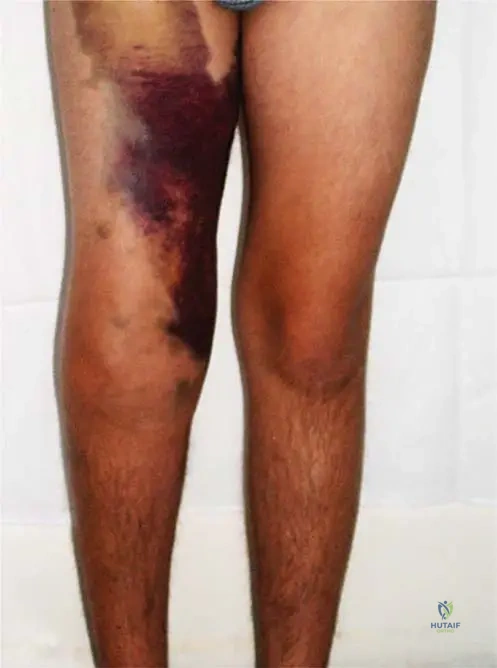
A patient develops early-stage CRPS of the upper extremity following a distal radius fracture, presenting with severe sympathetically maintained pain. If conservative management fails, what is the primary sympathetic ganglion targeted for diagnostic and therapeutic nerve blocks?
Explanation
Question 31
A 12-year-old boy presents with a diaphyseal femur lesion exhibiting a 'moth-eaten' appearance and periosteal 'onion-skinning'. Biopsy reveals sheets of uniform small round blue cells. Which of the following chromosomal translocations is diagnostic for this malignancy?
Explanation
Question 32
A 72-year-old woman who has taken alendronate for 8 years sustains a low-energy transverse subtrochanteric femur fracture. Radiographs show lateral cortical thickening and a medial spike. Along with surgical fixation, what is the most appropriate long-term management of her bone health?
Explanation
Question 33
A 3-year-old boy with blue sclerae and a history of multiple low-energy fractures is diagnosed with Osteogenesis Imperfecta (OI) Type I. The pathogenesis of this condition is primarily related to a defect involving which of the following?
Explanation
Question 34
A 35-year-old man with severe Hemophilia A is scheduled for a total knee arthroplasty for end-stage arthropathy. To prevent catastrophic perioperative bleeding complications, what is the required target factor VIII activity level immediately prior to surgical incision?
Explanation
Question 35
A 30-year-old woman presents with an expansile, lytic, epiphyseal lesion of the proximal tibia. Biopsy confirms Giant Cell Tumor (GCT) of bone. Denosumab is planned to aid in joint preservation. Denosumab acts primarily by inhibiting which of the following?
Explanation
Question 36
The radiograph demonstrates a typical osteoid osteoma. If a histopathologically identical lesion presented in the posterior elements of the spine, measured 3.0 cm in diameter, and caused progressive non-structural scoliosis without classic nocturnal pain, what would be the most likely diagnosis?
Explanation
Question 37
A 10-year-old boy with severe hemophilia A experiences recurrent hemarthrosis of the right knee despite being on a strict prophylactic factor replacement regimen. Radiographs show early but mild joint space narrowing. Which of the following is the most appropriate next step in management to preserve joint function?
Explanation
Question 38
A 15-year-old male presents with dull, aching thigh pain that is predictably worse at night and dramatically relieved by NSAIDs.
Based on the typical clinical and radiographic presentation shown, what is the most likely diagnosis?
Explanation
Question 39
A 12-year-old boy presents with short stature, waddling gait, and early-onset osteoarthritis of the hips. Radiographs demonstrate irregular, delayed ossification of the capital femoral epiphyses and a double-layered patella. A mutation in which of the following genes is most likely responsible?
Explanation
Question 40
A 14-year-old male is diagnosed with high-grade conventional osteosarcoma of the distal femur. After completing neoadjuvant chemotherapy, he undergoes wide surgical resection. Which of the following histological findings in the resected specimen is the most critical prognostic factor for his overall survival?
Explanation
Question 41
A 45-year-old female sustains a minimally displaced distal radius fracture treated in a cast. Six weeks later, she presents with severe, burning pain out of proportion to her injury, alongside swelling, stiffness, and shiny skin.
Which of the following interventions at the time of injury has been shown to reduce the risk of developing this condition?
Explanation
Question 42
A patient with severe hemophilia A requires urgent orthopedic surgery for an open fracture. Preoperative testing reveals the presence of high-titer factor VIII inhibitors (>5 Bethesda units). Which of the following is the most appropriate hemostatic agent to administer before surgery?
Explanation
Question 43
An infant is diagnosed with achondroplasia, exhibiting rhizomelic short stature, frontal bossing, and midface hypoplasia. During the first two years of life, which of the following spinal complications warrants the most vigilant screening due to its potential for sudden mortality?
Explanation
Question 44
A 30-year-old female presents with knee pain. Radiographs reveal an eccentric, lytic epiphyseal lesion in the proximal tibia extending to the subchondral bone. Biopsy confirms Giant Cell Tumor of Bone (GCTB). Prior to planned intralesional curettage, the multidisciplinary tumor board recommends medical therapy to consolidate the tumor margins. Which agent is most appropriate?
Explanation
Question 45
A 60-year-old male with a history of renal cell carcinoma presents with impending pathologic fracture of the subtrochanteric femur (Mirels score 10). Surgical stabilization with an intramedullary nail is planned. What critical preoperative intervention must be performed to minimize catastrophic intraoperative complications?
Explanation
Question 46
A 6-year-old girl is evaluated for delayed dental eruption and abnormal shoulder mobility. Physical examination reveals the ability to approximate her shoulders anteriorly to the midline. Cranial sutures are widened. A defect in which of the following transcription factors is responsible for this condition?
Explanation
Question 47
A 55-year-old male presents with deep pelvic pain. Imaging reveals a large, lobulated soft tissue mass arising from the ilium with internal "ring and arc" calcifications and cortical breakthrough. Biopsy confirms Grade II conventional chondrosarcoma. What is the treatment of choice?
Explanation
Question 48
A 40-year-old male with severe hemophilia B presents with an enlarging, painless mass in his right ilium. Radiographs show a large, expansile lytic lesion destroying the cortex, with an associated soft-tissue mass. Biopsy is contraindicated. What is the most likely diagnosis?
Explanation
Question 49
An 18-year-old male presents with a painful scoliosis. Imaging reveals a small sclerotic lesion in the pedicle of a lumbar vertebra.
In patients with an osteoid osteoma of the spine causing scoliosis, where is the lesion typically located relative to the scoliotic curve?
Explanation
Question 50
A 25-year-old healthy male sustains a high-energy Pauwels Type III (vertical) femoral neck fracture. Closed reduction and internal fixation are planned. Which of the following factors is the strongest predictor of fracture nonunion in this scenario?
Explanation
Question 51
A 4-year-old child with blue sclerae, dentinogenesis imperfecta, and multiple long bone fractures is diagnosed with Osteogenesis Imperfecta (OI). Intravenous bisphosphonate therapy is initiated to reduce fracture burden. What is the primary cellular mechanism of action of this medication?
Explanation
Question 52
An 11-year-old girl presents with fever, elevated ESR, and a painful thigh. Radiographs demonstrate a permeative, diaphyseal lytic lesion in the femur with a multilamellated ("onion skin") periosteal reaction. Cytogenetic testing reveals a t(11;22) translocation. Which fusion protein is produced by this translocation?
Explanation
Question 53
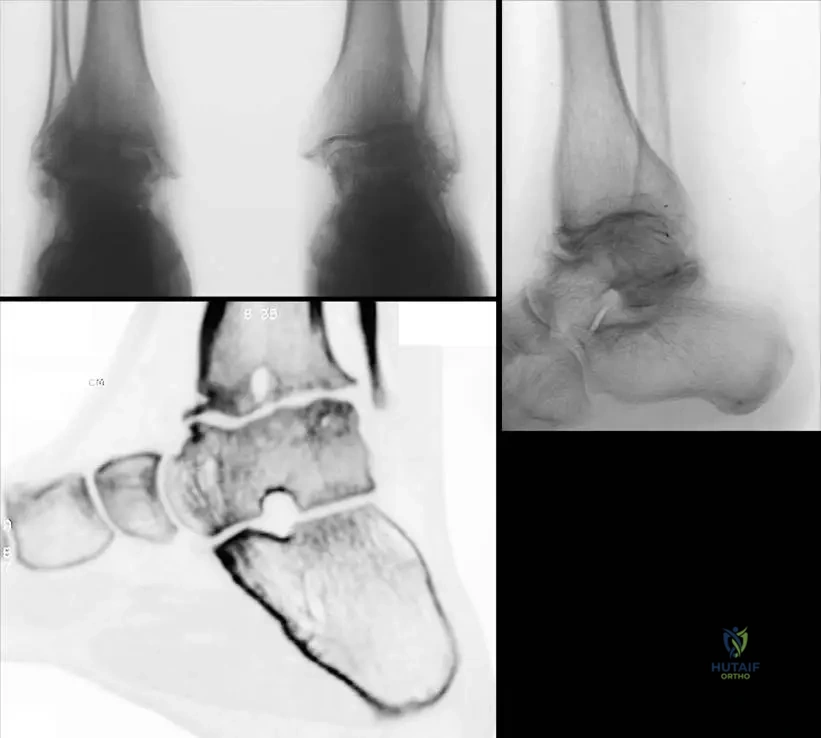
A 35-year-old male sustains a gunshot wound to the posterolateral leg resulting in a partial transection of the common peroneal nerve. Weeks later, he develops severe, burning pain in the foot, hyperalgesia, and trophic skin changes.
Which of the following features specifically distinguishes his condition as Complex Regional Pain Syndrome (CRPS) Type II rather than Type I?
Explanation
Question 54
A 50-year-old male with severe hemophilia A and end-stage hemophilic arthropathy of the knee is scheduled for a total knee arthroplasty (TKA). To minimize perioperative bleeding, what should the target peak level of Factor VIII be maintained at for the first 1-3 days postoperatively?
Explanation
Question 55
A neonate is born with disproportionate short-trunk dwarfism, a barrel chest, and cleft palate. Radiographs show severe coxa vara and delayed ossification of the epiphyses. An ophthalmologic exam reveals severe myopia. This clinical picture is most consistent with Spondyloepiphyseal Dysplasia Congenita (SEDC). Which structural protein is primarily defective?
Explanation
Question 56
A 22-year-old male presents with progressive, dull back pain that is not completely relieved by NSAIDs. Imaging reveals an expansile, 2.5 cm lytic lesion involving the posterior elements of the L4 vertebra with cortical thinning. Biopsy shows interconnected woven bone trabeculae lined by prominent osteoblasts in a vascular stroma. What distinguishes this lesion from an osteoid osteoma?
Explanation
Question 57
An 18-year-old male presents with persistent mid-thigh night pain that is reliably relieved by ibuprofen. Imaging shows a radiolucent nidus surrounded by reactive sclerosis.
If conservative management fails, what is the best next step in management?
Explanation
Question 58
A 55-year-old female presents with severe pain, swelling, and stiffness of the hand 6 weeks after a distal radius fracture.
Which of the following prophylactic treatments has been shown to reduce the incidence of this complication if initiated acutely following the fracture?
Explanation
Question 59
A 28-year-old male with severe Hemophilia A (Factor VIII level <1%) requires a total knee arthroplasty for end-stage hemophilic arthropathy. What is the target Factor VIII level recommended immediately prior to the surgical incision?
Explanation
Question 60
A 4-year-old boy presents with disproportionate short stature, rhizomelic shortening, and frontal bossing. Which of the following genetic mutations is responsible for his condition?
Explanation
Question 61
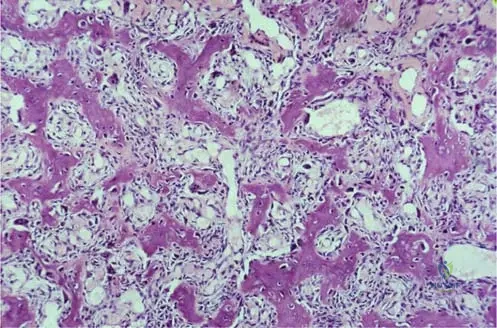
A 22-year-old male undergoes excision of a cortical bone lesion in his proximal femur. Histology reveals a highly vascularized nidus of woven bone surrounded by sclerotic cortical bone.
The central nidus typically produces high levels of which substance?
Explanation
Question 62
A patient with suspected Type 1 CRPS following a tibial shaft fracture fails conservative management, including physical therapy and neuropathic pain modulators. What is the next most appropriate diagnostic and potentially therapeutic intervention?
Explanation
Question 63
A 15-year-old boy with Hemophilia B presents with recurrent hemarthroses of the right knee despite adequate factor prophylaxis. Radiographs show early joint space narrowing without significant subchondral collapse. Which of the following is the most appropriate next step?
Explanation
Question 64
A 10-year-old girl is able to bring her shoulders together anteriorly in the midline and exhibits delayed eruption of secondary teeth. What is the expected inheritance pattern and affected gene for this condition?
Explanation
Question 65
A 14-year-old boy presents with a permeative lytic lesion in the femoral diaphysis with an associated onion-skin periosteal reaction. Biopsy shows uniform small round blue cells. Which chromosomal translocation is most characteristic of this diagnosis?
Explanation
Question 66
Which of the following is the single most important prognostic factor for overall survival in a patient presenting with a high-grade intramedullary osteosarcoma?
Explanation
Question 67
A 25-year-old female sustains a subtrochanteric femur fracture through a benign-appearing ground-glass cystic lesion. She has a history of precocious puberty and large café-au-lait spots. Which of the following best describes the underlying pathophysiology?
Explanation
Question 68
A 40-year-old male with severe Hemophilia A presents with an expanding, painless mass in the pelvis accompanied by osteolytic destruction of the ilium. What is the most appropriate initial management of this lesion?
Explanation
Question 69
A 65-year-old male presents with deep thigh pain. Radiographs reveal a lytic lesion in the proximal femur with endosteal scalloping >2/3 of cortical thickness and intralesional popcorn calcifications. What is the most appropriate definitive treatment for a conventional grade II lesion?
Explanation
Question 70
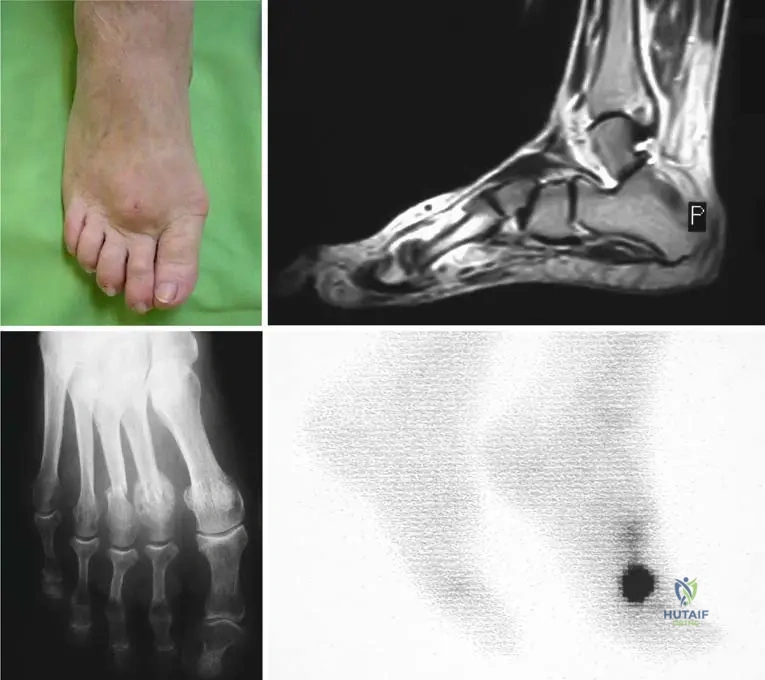
A 60-year-old female presents with glossy skin, joint stiffness, and severe allodynia in her foot 3 months after a treated ankle fracture.
Which of the following findings is most likely to be seen on a triple-phase bone scan in the late stages (Stage 3) of this condition?
Explanation
Question 71
A child presents with frequent fractures, cranial nerve palsies, and hepatosplenomegaly. Radiographs show a generalized bone-in-bone appearance. The pathophysiology of this disease is primarily related to a defect in which of the following?
Explanation
Question 72
A 30-year-old female presents with knee pain. Radiographs show an eccentric, purely lytic epiphyseal lesion extending to the subchondral bone without a sclerotic rim. Biopsy confirms Giant Cell Tumor. Which medication targets the underlying molecular driver of the neoplastic cells?
Explanation
Question 73
A 14-year-old boy presents with worsening right thigh pain, typically at night, relieved by NSAIDs. An image is shown.
What is the classic radiolucent nidus size limit for this diagnosis?
Explanation
Question 74
A 9-year-old boy with severe Hemophilia A presents with a warm, swollen knee after minimal trauma. He has had 4 similar episodes this year. What is the primary pathophysiologic mechanism for the progressive joint destruction seen in this condition?
Explanation
Question 75
A 12-year-old girl is evaluated for multiple bony prominences around her knees and wrists. Genetic testing reveals a mutation in the EXT1 gene. She is at highest risk for developing which of the following malignant tumors?
Explanation
Question 76
A 45-year-old woman presents with severe burning pain, swelling, and altered skin color in her right hand 6 weeks following a distal radius fracture. An image is provided.
According to the Budapest criteria, which of the following must be present for a clinical diagnosis of Complex Regional Pain Syndrome (CRPS)?
Explanation
Question 77
A 32-year-old woman presents with knee pain. Radiographs reveal an eccentric, lytic lesion in the distal femur extending to the subchondral bone without a sclerotic margin. A biopsy confirms multinucleated giant cells. Which medication is an FDA-approved targeted therapy for unresectable or recurrent cases of this tumor?
Explanation
Question 78
A 65-year-old man with a known history of Paget's disease of bone sustains a subtrochanteric femur fracture after a minor fall. What is the most common underlying cause of increased bone turnover in this disease?
Explanation
Question 79
A 28-year-old man with Hemophilia B requires a total knee arthroplasty for end-stage hemophilic arthropathy. To safely perform this surgery, what is the target factor IX activity level for the perioperative period (surgery day to post-op day 3)?
Explanation
Question 80
A 9-year-old girl is found to have a "shepherd's crook" deformity of her proximal femur, café-au-lait spots with irregular "coast of Maine" borders, and precocious puberty. What is the underlying genetic mutation responsible for this triad?
Explanation
Question 81
A 16-year-old boy has an osteoid osteoma of the proximal tibia confirmed by imaging.
He has failed conservative management with NSAIDs. What is the current gold standard minimally invasive treatment for this lesion?
Explanation
Question 82
A 55-year-old woman is scheduled for closed reduction and casting of a Colles fracture.
What pharmacological agent, when given daily for 50 days post-injury, has been shown in some trials to reduce the incidence of CRPS in distal radius fractures?
Explanation
Question 83
A 15-year-old boy presents with knee pain and a palpable mass. Radiographs show a "sunburst" periosteal reaction in the distal femur. Biopsy reveals malignant spindle cells producing osteoid. What is the most important prognostic factor for his long-term survival?
Explanation
Question 84
A 72-year-old woman on long-term alendronate therapy for osteoporosis presents with atraumatic thigh pain. Radiographs reveal focal cortical thickening and a transverse radiolucent line on the lateral cortex of the subtrochanteric femur. What is the recommended management?
Explanation
Question 85
A 60-year-old man presents with dull pelvic pain. Pelvic radiograph reveals a large, ill-defined lytic lesion in the ilium with "popcorn" calcifications. Biopsy shows atypical chondrocytes in a hyaline cartilage matrix. What is the primary treatment for this condition?
Explanation
Question 86
A 35-year-old man with severe Hemophilia A presents with a slowly enlarging, painless mass in his right thigh over the past two years. Imaging reveals an encapsulated cystic mass with intramural calcification eroding into the femur. What is the most likely diagnosis?
Explanation
Question 87
A 3-year-old boy presents with his third fracture of the year, blue sclerae, and early hearing loss. A defect in which of the following is most likely responsible for his condition?
Explanation
Question 88
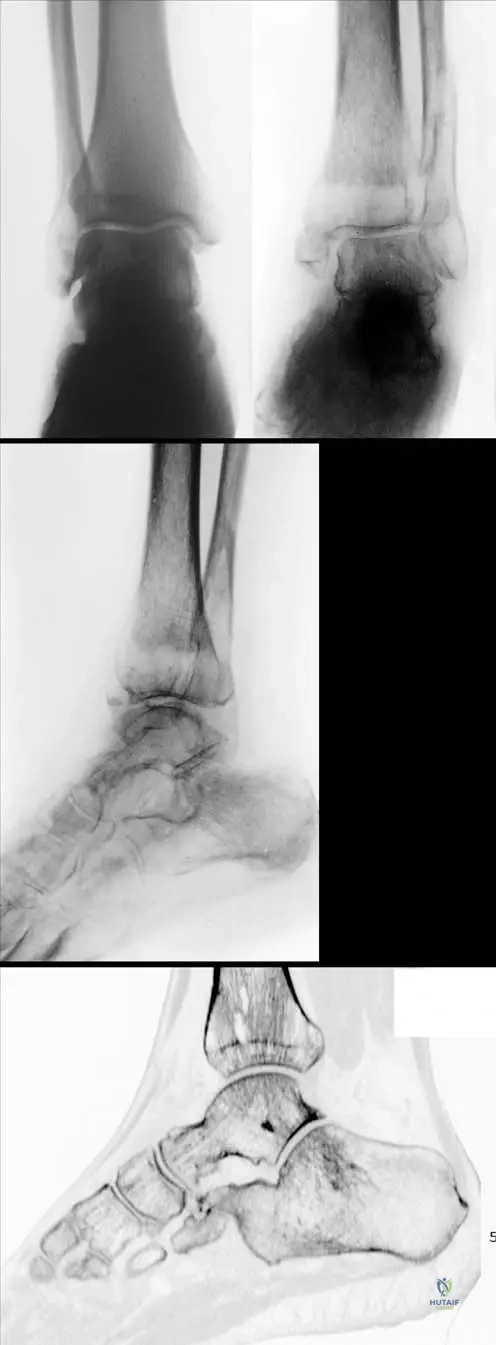
A 40-year-old man with refractory CRPS type 1 of the right upper extremity continues to have severe pain despite aggressive physical therapy.
What is the most appropriate next step in interventional management?
Explanation
Question 89
A 10-year-old boy presents with fever, weight loss, and mid-shaft femur pain. Radiographs show an "onion-skin" periosteal reaction. Molecular testing of the biopsy specimen is expected to reveal which of the following chromosomal translocations?
Explanation
Question 90
A 16-year-old boy has a painless, firm mass at the proximal medial tibia. Radiographs reveal a sessile bony outgrowth that is continuous with the medullary cavity of the underlying bone. When would surgical excision be definitively indicated?
Explanation
Question 91
A 12-year-old boy is brought in after twisting his ankle. Radiographs show a 2-cm eccentrically located, radiolucent, multi-loculated lesion with a sclerotic margin in the distal tibial metaphysis. There is no fracture. What is the recommended management for this lesion?
Explanation
Question 92
A 20-year-old man underwent excision of a small bone lesion causing severe night pain.
Which of the following substances is produced in excess by the nidus, explaining the dramatic response to aspirin?
Explanation
None
Detailed Chapters & Topics
Dive deeper into specialized chapters regarding master-abos-board-review-part-13