Fracture Healing and Bone Regeneration: A Comprehensive Surgical Guide
Key Takeaway
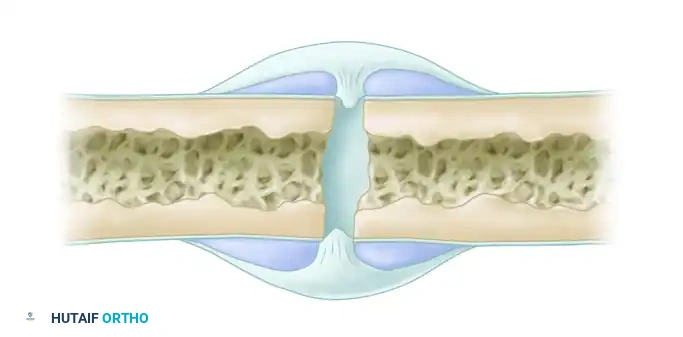
Fracture healing is a highly regulated biological cascade comprising inflammatory, reparative, and remodeling phases. Successful bone regeneration depends on the precise interplay of cellular recruitment, molecular signaling, and mechanobiology. This guide details the physiological pathways of osteogenesis, the management of open fractures, stabilization biomechanics, and advanced bone grafting techniques essential for optimizing clinical and radiographic union in orthopedic trauma.
Comprehensive Introduction and Patho-Epidemiology
Fracture healing, or bone regeneration, represents a highly complex, postnatal recapitulation of embryonic bone development. Unlike the vast majority of human tissues that heal through the formation of structurally inferior fibrotic scar tissue, osseous tissue possesses the unique and remarkable capacity to regenerate completely. This biological marvel restores the bone to its original mechanical, structural, and morphological properties. The successful execution of this process requires the precise spatial and temporal recruitment of specific cellular lineages—including pluripotential mesenchymal stem cells (MSCs), fibroblasts, macrophages, chondroblasts, osteoblasts, and osteoclasts. This cellular orchestration occurs alongside the meticulously regulated expression of genes controlling extracellular matrix production, growth factor synthesis, and transcription factor activation. The ultimate goal of any orthopedic surgical intervention is to facilitate this biological cascade, achieving both clinical and radiographic union while minimizing iatrogenic disruption.
Clinical union is defined as the critical point at which the progressively increasing stiffness and strength, provided by the mineralization of the fracture callus, renders the fracture site stable and completely pain-free upon physiological loading. Radiographic union is confirmed when plain orthogonal radiographs demonstrate continuous bone trabeculae or mature cortical bone crossing the fracture site on at least three out of four cortices. However, it is imperative to understand that clinical and radiographic union do not mark the cessation of biological activity. Radioisotope studies and advanced metabolic imaging demonstrate increased metabolic activity at fracture sites long after painless function has been restored. This indicates that the microscopic remodeling process, governed by mechanotransduction, continues for months or even years post-injury to optimize the trabecular architecture.
From an epidemiological perspective, while the majority of fractures heal uneventfully, approximately 5% to 10% of all fractures are complicated by delayed union or nonunion. This incidence skyrockets in the presence of severe high-energy trauma, open fractures, and compromised host biology. The patho-epidemiology of impaired fracture healing is multifactorial, driven by an aging population with increasing medical comorbidities (such as diabetes mellitus and osteoporosis), the rising incidence of high-velocity motor vehicle collisions, and the growing prevalence of systemic risk factors like nicotine dependence and profound metabolic deficiencies. Understanding the intricate biological cascade—spanning the inflammatory, reparative, and remodeling phases—is paramount for the orthopedic surgeon to anticipate complications and tailor surgical interventions that respect the delicate osteogenic environment.
Detailed Surgical Anatomy and Biomechanics
The successful regeneration of bone is inextricably linked to its vascular anatomy and the mechanical environment imposed upon it. The blood supply to a long bone is classically described as a dual system comprising the intramedullary nutrient artery system and the periosteal plexus. In a healthy, intact diaphyseal segment, the nutrient artery supplies the inner two-thirds of the cortex, with blood flowing in a centrifugal direction (from the endosteum outward). The outer one-third of the cortex is supplied by the periosteal vessels. However, following a fracture, this physiological flow is violently disrupted. The intramedullary supply is often severed, rendering the cortical ends avascular. In response, the body initiates a transient reversal of blood flow; the periosteal vascular system hypertrophies and becomes the primary source of vascularity, driving centripetal blood flow to the fracture site. Consequently, the preservation of the periosteum and its delicate vascular network during surgical exposure is the most critical anatomical consideration in fracture surgery.
Mechanobiology, the study of how mechanical forces influence cellular behavior and tissue differentiation, dictates the pathway of fracture healing. Perren’s Strain Theory is the fundamental biomechanical principle guiding orthopedic traumatology. Interfragmentary strain (IFS) is defined as the relative change in the fracture gap divided by the original gap width. Different tissues can tolerate different levels of strain before rupturing: granulation tissue can tolerate 100% strain, cartilage 10%, and mature bone only 2%. Therefore, the rigidity of the surgical fixation dictates the type of healing. Under conditions of absolute stability (interfragmentary strain < 2%), such as that achieved with anatomic reduction and dynamic compression plating, primary bone healing occurs via cutting cones crossing the fracture gap without the formation of a visible callus. Conversely, under conditions of relative stability (interfragmentary strain between 2% and 10%), such as with intramedullary nailing or bridge plating, secondary bone healing occurs via endochondral ossification and the formation of a robust stabilizing callus.
Einhorn elegantly described four distinct tissue-specific healing responses based on anatomical location: the bone marrow, cortex, periosteum, and external soft tissues. The periosteal response is arguably the most critical component of secondary fracture healing. The cambium layer of the periosteum contains highly osteogenic committed osteoprogenitor cells, while the outer fibrous layer provides structural support and angiogenesis. This periosteal response is enhanced by controlled micromotion and profoundly inhibited by absolute rigid fixation. Furthermore, Carter et al. proposed a mechanobiological model demonstrating how stress dictates cellular differentiation: compression combined with low oxygen tension drives differentiation into chondroblasts (cartilage formation), whereas tension and high oxygen tension drive differentiation into fibroblasts (fibrous tissue). High shear stress promotes fibrous tissue formation and heterotopic ossification, often leading to hypertrophic nonunion if the shear forces are not neutralized surgically.
Exhaustive Indications and Contraindications
The selection of a surgical fixation strategy must be meticulously tailored to the fracture pattern, the anatomical location, the physiological status of the soft tissue envelope, and the overall biological capacity of the host. The decision between absolute stability (rigid fixation) and relative stability (flexible fixation) is the cornerstone of operative planning. Absolute stability is strictly indicated for intra-articular fractures, where even a millimeter of step-off can lead to devastating post-traumatic osteoarthritis, and for simple diaphyseal fractures of the forearm (radius and ulna) where length and rotational alignment are critical for pronation and supination. Relative stability is indicated for highly comminuted diaphyseal fractures of the lower extremity, where attempting to anatomically reduce every butterfly fragment would result in catastrophic stripping of the periosteal blood supply, leading to a biologically dead segment of bone.
Contraindications in fracture surgery are often relative but can become absolute in the setting of severe polytrauma or compromised local biology. For instance, the use of extensive, rigid plate osteosynthesis is strongly contraindicated in the presence of severe soft tissue crushing injuries or highly contaminated open fractures (Gustilo-Anderson Type IIIB or IIIC), as the surgical dissection required for plate application will further devascularize the bone and virtually guarantee deep infection and subsequent nonunion. Similarly, reamed intramedullary nailing, while the gold standard for isolated closed femoral shaft fractures, may be contraindicated in a polytraumatized patient with severe pulmonary contusions or acute respiratory distress syndrome (ARDS). In such cases, the "second hit" phenomenon caused by the embolization of marrow fat and inflammatory mediators during reaming can be fatal, necessitating Damage Control Orthopedics (DCO) with rapid temporary external fixation.
| Intervention / Modality | Primary Indications | Absolute Contraindications | Relative Contraindications |
|---|---|---|---|
| Absolute Stability (Compression Plating / Lag Screws) | Intra-articular fractures; Simple forearm diaphyseal fractures; Certain simple lower extremity diaphyseal fractures. | Active deep infection; Severe soft tissue compromise (e.g., degloving, massive blistering) over the surgical approach. | Osteopenic/osteoporotic bone (poor screw purchase); Highly comminuted fracture patterns. |
| Relative Stability (Intramedullary Nailing - Reamed) | Closed diaphyseal fractures of the femur and tibia; Pathological fractures; Gustilo Type I/II open diaphyseal fractures. | Active intramedullary infection (osteomyelitis); Open growth plates in pediatric patients (risk of physeal arrest). | Severe pulmonary compromise (ARDS, bilateral contusions); Extreme narrow medullary canal. |
| External Fixation (Temporary or Definitive) | Damage Control Orthopedics in polytrauma; Severe open fractures (Gustilo IIIB/IIIC); Gross contamination; Peri-articular comminution. | Lack of safe corridors for pin placement; Inability of patient to care for pin sites. | Definitive treatment in non-compliant patients; Severe osteoporosis (pin loosening). |
| Reamer-Irrigator-Aspirator (RIA) Bone Grafting | Massive segmental bone defects; Recalcitrant atrophic nonunions; Arthrodesis requiring large volume autograft. | Active infection in the donor femur; Pre-existing pathological lesions in the donor bone. | Cortical thickness < 3mm in donor femur (high risk of iatrogenic fracture); Hemodynamic instability. |
Pre-Operative Planning, Templating, and Patient Positioning
Pre-operative planning is the intellectual foundation of successful fracture surgery; a procedure is often won or lost before the first incision is made. The initial phase of planning involves a comprehensive assessment of the host's biological capacity. Uthoff and Cierny-Mader classifications highlight that a patient’s general health, socioeconomic situation, and neuropsychiatric history are powerful predictors of complications. A Type A host is a normal, healthy patient with excellent healing potential. A Type B host is biologically compromised by factors such as controlled diabetes mellitus, chronic nicotine use, or mild malnutrition. A Type C host is severely compromised, suffering from conditions like profound immune deficiency, uncontrolled diabetes, or severe peripheral vascular disease. Retrospective data on open tibial fractures reveals that complications develop in 48% of Type C hosts, compared to only 19% of Type A hosts. Recognizing the host type dictates the aggressiveness of the surgical intervention, the choice of implants, and the threshold for utilizing orthobiologics.
Radiographic evaluation must be exhaustive. Standard orthogonal plain radiographs (anteroposterior and lateral views) of the injured segment, including the joints above and below, are mandatory. For peri-articular fractures, high-resolution computed tomography (CT) with 2D and 3D reconstructions is essential to understand the articular fracture map, identify impacted osteochondral fragments, and plan the trajectory of subchondral lag screws. Digital templating software is then utilized to estimate implant size, determine the required length of intramedullary nails or plates, and anticipate the placement of locking versus non-locking screws. Templating also forces the surgeon to mentally rehearse the sequence of reduction maneuvers and identify potential pitfalls, such as the need for specific reduction clamps, blocking screws (Poller screws), or specialized retractors.
Patient positioning is a critical logistical step that dictates intra-operative fluoroscopic access and the ease of surgical approach. The choice between a radiolucent flat table and a specialized fracture traction table depends on the fracture pattern and the surgeon's familiarity. For femoral shaft fractures treated with intramedullary nailing, the patient may be positioned supine on a fracture table with traction applied via a skeletal pin or boot, or lateral decubitus on a flat table ("sloppy lateral" position) to facilitate a trochanteric entry point in obese patients. Regardless of the table used, the C-arm fluoroscopy unit must be positioned and tested prior to draping to ensure unimpeded orthogonal views of the entire bone, from the proximal articular surface to the distal joint line. Meticulous padding of all bony prominences is mandatory to prevent iatrogenic peripheral nerve palsies during prolonged procedures.
Step-by-Step Surgical Approach and Fixation Technique
The surgical management of fractures, particularly open injuries, requires a delicate, calculated balance between achieving mechanical stability and preserving the fragile biological environment. Disruption of the periosteum reduces bone vascularity, while severe soft tissue injury exacerbates fracture instability. The cornerstone of open fracture management is meticulous, radical surgical debridement. The zone of injury extends far beyond the visible wound, encompassing crushed muscle, stripped periosteum, and contaminated fascial planes. All necrotic and devitalized soft tissue must be excised until healthy, bleeding tissue is encountered. The management of bone fragments requires precise judgment: small, avascular fragments completely devoid of soft tissue attachment and grossly contaminated must be excised, as adequate cleansing is impossible and they will serve as a nidus for bacterial biofilm. Conversely, retained fragments with intact periosteum and soft tissue attachments must be meticulously preserved, as they act as vascularized autografts and stimulate the healing cascade.
Following debridement, the chosen method of stabilization must provide adequate mechanical stability while minimizing further iatrogenic damage. For Type I and select Type II open diaphyseal fractures of the lower extremity, intramedullary nailing has become the gold standard. Data from the Elvis Presley Regional Trauma Center strongly supports unreamed or carefully reamed IM fixation for open femoral and tibial fractures. In a landmark series of 125 open femoral fractures treated with IM nailing, a 100% union rate was achieved with only a 4% infection rate. The surgical technique for IM nailing involves establishing a precise entry portal (e.g., piriformis fossa or greater trochanter for the femur), passing a ball-tipped guide wire across the reduced fracture under fluoroscopic guidance, and sequentially reaming the canal to generate autogenous bone graft and accommodate the largest possible nail. The nail is then statically locked proximally and distally to control length and rotation.
In scenarios involving massive bone loss or recalcitrant nonunions, advanced bone grafting techniques are employed. The Reamer-Irrigator-Aspirator (RIA) technique represents a major advancement in orthobiologics. Originally developed to decrease intramedullary pressure and mitigate the risk of fat embolism during femoral reaming, the RIA system simultaneously captures massive volumes of highly osteogenic material. The surgical step-by-step involves inserting a specialized reamer head over a guide wire into the donor femur. As the reamer advances, it simultaneously irrigates the canal with saline and aspirates the morselized bone and marrow into a sterile collection filter. Depending on the patient's anatomy, 25 to 90 mL of graft can be harvested. This graft is exceptionally rich in mesenchymal stem cells (MSCs) and growth factors, including Fibroblast Growth Factor-2 (FGF-2) and Transforming Growth Factor-beta 1 (TGF-β1). A critical surgical pitfall, however, is the risk of over-reaming the donor femur, which can lead to iatrogenic cortical perforation or postoperative pathological fracture; pre-operative CT evaluation of donor cortical thickness is therefore highly recommended.
Complications, Incidence Rates, and Salvage Management
Despite optimal surgical execution, fracture healing can be derailed by a multitude of mechanical and biological failures, leading to significant complications. Nonunion, defined as the cessation of all osteogenic activity at the fracture site without achieving union, is the most profound complication. Nonunions are broadly classified based on their biological viability. Hypertrophic nonunions exhibit abundant, "elephant shoe" callus formation on radiographs, indicating excellent biological potential but a failure of mechanical stability; these are typically salvaged by increasing the rigidity of fixation (e.g., exchanging a small IM nail for a larger, reamed nail). Atrophic nonunions, conversely, show no callus formation and sclerotic bone ends, indicating a complete failure of biology. Salvage of an atrophic nonunion requires both mechanical stabilization and aggressive biological augmentation, typically via decortication and massive autogenous bone grafting (e.g., RIA or Iliac Crest Bone Graft).
Infection, particularly chronic osteomyelitis, is a devastating complication, especially prevalent in high-energy open fractures. Infection rates are nearly eight times higher in Type C hosts with three or more compromising comorbidities. The presence of a bacterial biofilm on orthopedic implants shields the pathogens from systemic antibiotics and the host immune system. Salvage management in the setting of an infected nonunion follows a strict, staged protocol. The first stage involves radical debridement of all infected and dead bone, removal of all hardware, and placement of an antibiotic-impregnated polymethylmethacrylate (PMMA) spacer. This is often combined with temporary external fixation. The PMMA spacer not only delivers high local concentrations of antibiotics but also induces the formation of a highly vascularized pseudosynovial membrane (the Masquelet technique). After 6 to 8 weeks, the second stage is performed, involving removal of the spacer and packing the resultant void with abundant autogenous bone graft, followed by definitive internal fixation.
| Complication | Estimated Incidence | Primary Risk Factors | Salvage / Management Strategy |
|---|---|---|---|
| Hypertrophic Nonunion | 2% - 5% of diaphyseal fractures | Inadequate mechanical stability; Excessive interfragmentary strain; Premature weight-bearing. | Improve mechanical stability (e.g., exchange nailing, compression plating). Biology is already intact; bone grafting is rarely needed. |
| Atrophic Nonunion | 3% - 7% (higher in open fractures) | Severe periosteal stripping; Smoking/Nicotine use; Malnutrition; NSAID abuse; Excessive rigid distraction. | Biological augmentation is mandatory. Decortication, opening of the medullary canal, and massive autologous bone grafting (RIA/ICBG) with stable fixation. |
| Deep Infection / Osteomyelitis | 1% - 2% (Closed); 5% - 30% (Severe Open Type III) | High-energy open injury; Type C host biology; Inadequate initial surgical debridement; Retained avascular bone. | Radical debridement, hardware removal, staged reconstruction (Masquelet technique or Ilizarov bone transport), culture-directed IV antibiotics. |
| Hardware Failure (Fatigue Breakage) | 1% - 3% | Delayed union/nonunion leading to cyclical loading of the implant; Undersized implants; Patient non-compliance. | Revision osteosynthesis with larger, stronger implants; Address the underlying cause of delayed union (usually requiring bone grafting). |
Phased Post-Operative Rehabilitation Protocols
The postoperative management of fractures is as critical as the surgical intervention itself; a perfectly executed surgery can be easily undone by an inappropriate rehabilitation protocol. Postoperative protocols must be highly individualized, tailored specifically to the method of fixation (absolute versus relative stability), the anatomical location of the injury, and the biological and cognitive status of the patient. For diaphyseal fractures treated with intramedullary nails (providing relative stability), early, progressive, and often immediate weight-bearing is encouraged. Axial loading stimulates the mechanotransduction pathways, capitalizing on micromotion to promote robust periosteal callus formation via endochondral ossification. Conversely, fractures treated with rigid plate fixation (providing absolute stability) rely on primary bone healing. Because there is no stabilizing callus formed, the implant must bear the entirety of the physiological load until cutting cones cross the fracture site. Therefore, these patients require strictly protected, non-weight-bearing protocols for 6 to 12 weeks to prevent catastrophic implant fatigue failure.
Dynamization is a critical interventional rehabilitation strategy utilized in cases of delayed union following statically locked intramedullary nailing. If serial radiographs at 10 to 12 weeks reveal inadequate callus formation in an axially stable fracture pattern, dynamization may be performed. This involves the minor surgical removal of the interlocking screws at the longer end of the nail (usually the segment furthest from the fracture). This modification converts the static construct into a dynamic one, allowing controlled axial compression across the fracture site during weight-bearing. This compression stimulates the mechanobiological pathways described by Carter et al., driving chondrocyte proliferation and subsequent mineralization. However, dynamization is strictly contraindicated in length-unstable or rotationally unstable fracture patterns, as it will lead to immediate shortening and malrotation.
Comprehensive clinical and radiographic monitoring is the backbone of the rehabilitation phase. Serial orthogonal radiographs should be obtained at standard intervals—typically 2, 6, 12, and 24 weeks postoperatively. The surgeon must meticulously evaluate these images for signs of progressive callus formation, maintenance of alignment, and any subtle indications of implant loosening or failure (such as screw back-out or radiolucent lines around the hardware). Concurrently, nutritional and medical optimization must be aggressively managed. Postoperative protocols must include strict, biochemically verified smoking cessation, as nicotine causes profound peripheral vasoconstriction and cellular toxicity, effectively halting angiogenesis. Furthermore, optimization of glycemic control (targeting an HbA1c < 7.0%) and ensuring adequate Vitamin D and calcium supplementation are non-negotiable requirements to support the immense metabolic demands of the prolonged remodeling phase.
Summary of Landmark Literature and Clinical Guidelines
The modern surgical management of fractures is heavily dictated by decades of rigorous biomechanical research and large-scale, prospective clinical trials. Understanding this landmark literature is essential for the evidence-based orthopedic surgeon. The foundational principles of fracture biomechanics were established by Stephan Perren in his formulation of the Strain Theory. Perren’s work conclusively demonstrated that tissue differentiation at the fracture site is governed by interfragmentary strain, fundamentally shifting the orthopedic paradigm from a singular focus on absolute rigid fixation to an appreciation for relative stability and biological, callus-driven healing in comminuted fractures. This biological approach was further elucidated by Thomas Einhorn, whose extensive research defined the distinct cellular and molecular phases of bone regeneration, highlighting the indispensable role of the periosteum and the detrimental effects of excessive surgical stripping.
In the realm of clinical management, the Gustilo-Anderson classification system remains the most universally utilized guideline for the assessment and initial treatment of open fractures. Their seminal papers established the direct correlation between the severity of soft tissue injury, the rate of infection, and the probability of nonunion, laying the groundwork for protocolized prophylactic antibiotic administration and aggressive, repeated surgical debridements. For severe lower extremity trauma, the Lower Extremity Assessment Project (LEAP) study provided paradigm-shifting data. The LEAP trial demonstrated that in severe, limb-threatening injuries, the long-term functional outcomes of limb salvage versus early amputation were remarkably similar, heavily influenced by the patient's socioeconomic status and psychological resilience rather than the initial injury severity score. This data is critical when counseling patients with devastating Type IIIC open fractures.
Finally, the debate regarding the optimal method of intramedullary nailing was largely resolved by the Study to Prospectively Evaluate Reamed Intramedullary Nails in Patients with Tibial Fractures (SPRINT) trial. This massive, multicenter randomized controlled trial compared reamed versus unreamed intramedullary nailing for tibial shaft fractures. The SPRINT trial concluded that for closed tibial fractures, reamed nailing significantly reduced the risk of nonunion and the need for secondary bone grafting procedures compared to unreamed nailing. For open fractures, the outcomes were statistically similar, though a trend favored unreamed nails in severe open injuries to preserve endosteal blood supply. These landmark studies, combined with evolving orthobiologic technologies like the RIA system, form the evidence-based foundation upon which contemporary fracture surgery relies, ensuring that interventions are both mechanically sound and biologically respectful.
