Comprehensive Introduction and Patho-Epidemiology
The foundation of any successful arthroscopic shoulder procedure lies in the precise, reproducible establishment of surgical portals. As shoulder arthroscopy has evolved from a purely diagnostic modality into a highly sophisticated field capable of addressing complex reconstructive challenges—ranging from massive, chronically retracted rotator cuff tears to multidirectional instability, complex superior labral anterior-posterior (SLAP) lesions, and arthroscopic nerve decompressions—the absolute necessity for exact portal placement has become paramount. A poorly placed portal not only compromises intra-articular visualization and severely limits instrument maneuverability, but it also exponentially increases the risk of iatrogenic injury to the dense, unforgiving neurovascular network surrounding the shoulder girdle.
The patho-epidemiology of shoulder disorders dictates a tailored approach to portal utilization. For instance, the rising incidence of overhead athletic injuries has necessitated the development of specialized accessory portals to achieve optimal biomechanical trajectories for labral repair. Similarly, the aging demographic presents with a higher prevalence of massive rotator cuff arthropathy and associated suprascapular neuropathy, driving the innovation of advanced endoscopic nerve release techniques. The surgeon must recognize that portal placement is not a generic, one-size-fits-all preliminary step, but rather the initial, definitive therapeutic maneuver that dictates the biomechanical success or failure of the subsequent repair.
Furthermore, the three-dimensional spatial constraints of the glenohumeral joint and subacromial space demand an orthogonal approach to pathology. The inability to achieve an orthogonal trajectory to the glenoid face during a Bankart repair, or to the greater tuberosity footprint during a rotator cuff repair, inevitably leads to suboptimal anchor placement, suture cutout, and ultimate construct failure. Consequently, mastering advanced portal placement requires a profound, visceral understanding of regional anatomy, the biomechanical principles of anchor insertion, and strict adherence to evidence-based protocols designed to mitigate catastrophic neurovascular complications.
Detailed Surgical Anatomy and Biomechanics
The Anterior Compartment and Coracoid Safe Zones
The anterior portal serves as the primary working portal for glenohumeral joint procedures, traversing the clavicular portion of the deltoid muscle to enter the rotator cuff interval. This interval is a complex, triangular anatomical space bounded superiorly by the anterior margin of the supraspinatus tendon, inferiorly by the superior border of the subscapularis tendon, and medially by the base of the coracoid process. The primary biomechanical advantage of accessing the joint through this interval is the avoidance of structural damage to the primary dynamic stabilizers of the shoulder. However, the interval is intimately associated with critical neurovascular structures.
Mastery of the anterior anatomy is non-negotiable. The cephalic vein, located laterally within the deltopectoral groove, is at risk during medial deviation of instruments. More critically, the musculocutaneous nerve (MCN) and the brachial plexus lie in perilous proximity. The MCN typically penetrates the coracobrachialis muscle 3 to 5 centimeters inferior to the tip of the coracoid process. However, profound anatomical variations exist, and plunging instruments too far inferiorly or medially places this nerve at extreme risk of irreversible traction or transection injury. To avoid catastrophic injury to the brachial plexus and axillary vascular bundle, the surgeon must adhere strictly to the "Coracoid Safe Zone" rules: instruments must always remain lateral to the coracoid process and superior to the leading edge of the subscapularis tendon.
The Lateral Compartment and Axillary Nerve Dynamics
Accessing the subacromial space is mandatory for procedures such as subacromial decompression, acromioclavicular (AC) joint resection, and rotator cuff repair. The lateral portal is the workhorse of subacromial surgery, providing an unparalleled orthogonal view of the rotator cuff footprint and the undersurface of the acromion. This portal passes directly through the deltoid muscle, typically 3 centimeters lateral to the lateral border of the acromion. The biomechanical imperative here is to achieve a trajectory that allows instruments to slip smoothly beneath the acromion without impinging on the lateral acromial edge, which restricts mobility and damages the osseous architecture.
The primary anatomical constraint in the lateral compartment is the axillary nerve. This critical structure courses circumferentially around the surgical neck of the humerus, innervating the deltoid and teres minor. Anatomical cadaveric studies consistently demonstrate that the axillary nerve lies approximately 5 centimeters (50 millimeters) distal to the lateral border of the acromion. To prevent iatrogenic denervation of the deltoid—a devastating complication that compromises active shoulder elevation—lateral portal incisions must never extend beyond 3 to 4 centimeters distal to the acromion. Furthermore, deltoid-splitting incisions must be made longitudinally, strictly parallel to the muscle fibers, to prevent transection of the terminal axillary nerve branches.
The Posterior and Superior Compartments
The posterior portal is the universal starting point for diagnostic shoulder arthroscopy, typically established 2 centimeters inferior and 1 centimeter medial to the posterolateral corner of the acromion. This location exploits the relatively avascular "soft spot" between the infraspinatus and teres minor, minimizing muscular trauma while providing a panoramic view of the glenohumeral articulation. Biomechanically, its placement dictates the viewing angle for the entire procedure; a portal placed too superiorly will fight the acromion, while one placed too laterally will penetrate the rotator cuff tendon rather than the muscle belly.
Superiorly, specialized portals such as the Neviaser portal and the suprascapular nerve portal demand exquisite anatomical precision. The suprascapular nerve passes under the superior transverse scapular ligament, while the suprascapular artery and vein pass over it (dictated by the classic mnemonic: "Army goes over the bridge, Navy goes under"). When establishing the suprascapular portal for endoscopic nerve decompression, the surgeon must navigate the superior fossa between the posterior clavicle and the scapular spine, maintaining a trajectory parallel to the nerve to avoid lacerating the overlying vascular bundle or plunging into the supraspinatus muscle belly.
Exhaustive Indications and Contraindications
The selection of specific arthroscopic portals is a highly nuanced decision driven by the precise location of the pathology, the patient's unique anatomical habitus, and the planned reconstructive technique. The surgeon must balance the need for optimal visualization and instrument trajectory against the inherent morbidity of traversing specific muscular and capsular planes.
While the standard posterior and anterior portals are ubiquitous in fundamental shoulder arthroscopy, the deployment of specialized accessory portals requires strict adherence to specific indications. For example, the Portals of Wilmington are absolutely indicated for posterior Type II SLAP lesions to achieve the necessary "deadman's angle" for anchor insertion, but they are contraindicated in patients with profound supraspinatus atrophy where trans-tendinous instrumentation may further compromise the remaining cuff tissue.
Relative contraindications often revolve around altered anatomy due to previous open surgery, massive trauma, or severe degenerative changes that distort standard bony landmarks. In such cases, the surgeon must rely heavily on advanced preoperative imaging and intraoperative fluoroscopy, or consider converting to an open approach if safe percutaneous access cannot be guaranteed.
| Portal Designation | Primary Indications | Contraindications (Absolute and Relative) |
|---|---|---|
| Standard Posterior Portal | Universal primary viewing portal; diagnostic sweep; posterior capsulorrhaphy; posterior labral repair. | Absolute: Localized active infection over the posterior shoulder. Relative: Severe posterior glenoid bone loss altering the joint line. |
| Standard Anterior Portal (Rotator Interval) | Bankart repair; anterior capsular plication; biceps tenodesis; subscapularis repair. | Absolute: Obliterated rotator interval from severe adhesive capsulitis (requires modified approach). Relative: Coracoid fractures or tumors distorting anterior anatomy. |
| Lateral Subacromial Portal | Rotator cuff repair (viewing and working); subacromial decompression; distal clavicle excision. | Absolute: Axillary nerve palsy (avoid further deltoid trauma). Relative: Extremely lateral acromial morphology predisposing to instrument impingement. |
| Neviaser Portal (Superior) | Superior labral repair; passage of traction sutures for massive cuff tears; SLAP lesions. | Absolute: AC joint arthritis with massive osteophytes blocking the trajectory. Relative: Small, tight shoulders where the portal may damage the supraspinatus musculotendinous junction. |
| Portals of Wilmington (Accessory) | Achieving the "deadman's angle" (≤45 degrees) for superior labral (SLAP) anchor insertion. | Absolute: Massive, retracted supraspinatus tears (loss of tissue for trans-cuff passage). Relative: Significant underlying glenoid cysts. |
| Suprascapular Nerve Portal (Lafosse) | Endoscopic release of the superior transverse scapular ligament; paralabral cyst excision. | Absolute: Vascular malformations at the suprascapular notch. Relative: Previous open posterior cervical/shoulder surgery with extensive scarring. |
Pre-Operative Planning, Templating, and Patient Positioning
Diagnostic Imaging and Pre-Surgical Templating
Meticulous pre-operative planning begins with an exhaustive review of advanced imaging modalities. Magnetic Resonance Imaging (MRI) or MR Arthrography is critical not only for defining the primary pathology but also for anticipating portal requirements. The orthopedic surgeon must evaluate the morphology of the acromion, the degree of rotator cuff fatty infiltration (Goutallier classification), and the precise location of labral tears. For instance, a posterior labral extension of a SLAP tear identified on axial MRI sequences mandates the pre-operative planning of an accessory posterolateral portal (Portal of Wilmington) to ensure an orthogonal approach to the posterior glenoid rim.
Furthermore, three-dimensional computed tomography (3D-CT) is highly recommended in cases of recurrent instability to quantify glenoid bone loss. The degree of bone loss directly influences the trajectory required for anchor insertion; severe anterior bone loss may require a more medialized anterior portal to achieve the appropriate angle for a Latarjet procedure or complex capsulolabral reconstruction. Pre-surgical templating ensures that the surgeon is not forced into suboptimal, reactionary portal placement during the procedure.
Patient Positioning: Lateral Decubitus versus Beach Chair
The choice between the lateral decubitus and beach chair positions is often dictated by surgeon preference, but each offers distinct biomechanical advantages and specific risks regarding portal placement. The lateral decubitus position, utilizing longitudinal and lateral traction (typically 10-15 lbs), excels in distracting the glenohumeral joint. This expansive joint space facilitates easier establishment of the standard posterior and anterior portals and provides superior visualization for inferior capsular work and Bankart repairs. However, the orientation can distort the subacromial space, making lateral portal placement slightly less intuitive for the novice surgeon.
Conversely, the beach chair position mimics the anatomical upright posture, making surface anatomy mapping highly intuitive and facilitating an easy transition to an open approach if necessary. It is particularly advantageous for complex rotator cuff repairs and superior capsular reconstructions. The primary drawback of the beach chair position is the lack of inherent joint distraction, which can make accessing the tight glenohumeral joint challenging in muscular patients. Furthermore, meticulous attention must be paid to head and neck positioning to avoid devastating hypoglossal or cervical nerve root traction neurapraxias.
Surface Anatomy Mapping and Anesthesia Considerations
Regardless of the chosen position, exhaustive surface anatomy mapping must be performed prior to sterile draping. The surgeon must palpate and mark the anterior, lateral, and posterior borders of the acromion, the AC joint, the clavicle, and the coracoid process. Drawing the anticipated portal sites and the "axillary nerve danger zone" (5 cm distal to the lateral acromion) provides a critical visual reference once the shoulder capsule is distended with irrigation fluid, which inevitably obscures palpable landmarks.
Anesthesia considerations play a vital role in portal placement. Regional anesthesia, specifically interscalene nerve blocks, provides profound intraoperative muscle relaxation and postoperative analgesia. This paralysis of the shoulder girdle musculature significantly reduces the force required to traverse the deltoid and rotator interval, allowing for smoother, less traumatic introduction of trocars and cannulas, thereby minimizing the risk of iatrogenic cartilage scoring during initial joint entry.
Step-by-Step Surgical Approach and Fixation Technique
The Standard Posterior Viewing Portal and Diagnostic Sweep
The establishment of the posterior portal is the critical first maneuver. Using the pre-marked landmarks, an incision is made 2 cm inferior and 1 cm medial to the posterolateral corner of the acromion. The surgeon stabilizes the shoulder girdle by placing the index finger on the coracoid process and the thumb on the posterior portal site. A blunt trocar and cannula are advanced through the skin and deltoid, directed precisely toward the coracoid process. This trajectory ensures passage through the muscular "soft spot" between the infraspinatus and teres minor.
Upon penetrating the posterior capsule—felt as a distinct "pop"—the arthroscope is introduced, and a systematic, 15-point diagnostic sweep of the glenohumeral joint is executed. This sweep evaluates the biceps root, superior labrum, anterior labrum and capsule, subscapularis recess, inferior glenohumeral ligament, posterior labrum, bare area of the glenoid, and the articular surfaces of the humeral head and glenoid. Only after this comprehensive evaluation is the anterior working portal established.
The Retrograde Method for Anterior Portal Placement
While an "outside-in" technique utilizing a spinal needle is common, the retrograde method (or "inside-out" technique) remains a highly reliable alternative, particularly in larger, muscular, or obese patients where external palpation of the coracoid is obscured. This method ensures that the anterior portal perfectly traverses the rotator cuff interval without damaging the surrounding tendinous structures.
- Targeting the Soft Spot: With the arthroscope in the posterior portal, "drive" the scope and its protective sheath directly across the joint space toward the anterior rotator cuff interval.
- Sheath Positioning: Press the tip of the arthroscope firmly against the anterior capsule within the interval. Remove the optic from its sheath, maintaining strict, unyielding pressure on the sheath to keep it docked against the capsular structures, ensuring it does not slip medially toward the conjoint tendon.
- Advancing the Wissinger Rod: Pass a Wissinger rod (or a large, blunted Steinmann pin) through the posterior cannula. Advance it smoothly through the anterior capsule, traversing the deltopectoral interval, until the anterior skin is visibly tented.
- Establishing the Portal: Make a precise, controlled skin incision (typically using a #11 blade) directly over the tented tip of the rod. Advance the rod completely past the skin.
- Cannula Insertion: Pass a clear, threaded working cannula over the protruding anterior aspect of the Wissinger rod. Advance the cannula retrograde (from outside to inside) along the rod until it enters the glenohumeral joint. Finally, remove the Wissinger rod.
Surgical Pearl: While the retrograde method guarantees intra-articular entry through the rotator interval, it affords less flexibility in final portal positioning compared to the outside-in spinal needle technique. If a precise trajectory is required for inferior anchor placement (e.g., at the 5:30 position on the glenoid face for a Bankart repair), the outside-in method utilizing a spinal needle to confirm the "deadman's angle" prior to incision is highly preferred.
Establishing the Lateral and Accessory Subacromial Portals
Transitioning to the subacromial space requires repurposing the initial portals and establishing the primary lateral working portal. The arthroscope is withdrawn from the glenohumeral joint and redirected superiorly into the subacromial bursa. A sweeping motion with the blunt trocar clears the delicate bursal adhesions, allowing visualization of the coracoacromial (CA) ligament and the undersurface of the acromion.
The lateral portal is established strictly under direct intra-bursal visualization. A spinal needle is introduced 3 cm lateral to the acromial edge, in line with the posterior aspect of the clavicle. The trajectory must be directed inferiorly and medially. Once the optimal angle is confirmed—ensuring the needle easily accesses the entire rotator cuff footprint without impinging on the acromion—a longitudinal incision is made. A blunt trocar is utilized to split the deltoid fibers, strictly adhering to the 50 mm axillary nerve rule, and a large working cannula is introduced.
Specialized Trajectories: Portals of Wilmington and Suprascapular Access
For advanced pathology, standard portals fail to provide the correct angle of approach. Stephen Burkhart, MD, elegantly described the necessity of specialized lateral portals to achieve the "deadman's angle" (an insertion angle of 45 degrees or less to the articular surface) for superior labral repair. The Portals of Wilmington are established just off the anterolateral or posterolateral corners of the acromion. Utilizing a percutaneous trans-cuff approach, a spinal needle is passed directly through the muscular portion of the supraspinatus. This perfect 45-degree angle to the superior glenoid rim ensures maximum anchor pull-out strength and anatomical labral reduction.
For suprascapular nerve decompressions, the Lafosse method is utilized. The portal is positioned in the superior fossa, approximately 7 cm medial to the lateral border of the acromion. Under direct visualization, a spinal needle is introduced vertically, carefully monitored to avoid plunging into the supraspinatus muscle belly. A blunt trocar spreads the trapezius muscle fibers, granting inline access to the suprascapular notch. Using arthroscopic scissors, the superior transverse scapular ligament is released, keeping the inferior blade directly against the ligament to protect the underlying nerve.
Complications, Incidence Rates, and Salvage Management
Even with meticulous adherence to anatomical landmarks and pristine surgical technique, portal-related complications can and do occur. The surgeon must be intimately familiar with the pathophysiology of these complications, their estimated incidence, and the immediate salvage protocols required to prevent permanent patient morbidity.
The most insidious and common complication is massive fluid extravasation. Prolonged surgical times, combined with high pump pressures and multiple portal exchanges, can force irrigation fluid out of the joint capsule and into the deltoid, pectoral, and even the deep fascial planes of the neck. This can lead to impending compartment syndrome of the upper extremity or devastating airway compromise.
Neurologic injuries, while less common, carry profound medicolegal and functional consequences. The axillary nerve is the most frequently injured nerve in shoulder arthroscopy, typically due to lateral portals extending beyond the 5 cm safe zone. The musculocutaneous nerve is at risk during anterior portal placement if the trajectory strays medial to the coracoid.
| Complication | Estimated Incidence | Pathophysiology & Prevention | Salvage Management & Treatment |
|---|---|---|---|
| Fluid Extravasation / Compartment Syndrome | 2.0% - 5.0% | Pathophysiology: High pump pressures (>50 mmHg); unseated cannulas. Prevention: Maintain pump at 30-40 mmHg; ensure cannulas remain intra-articular; limit surgical time. | Salvage: Immediately abort procedure if airway compromise is suspected. For arm compartment syndrome, discontinue fluid, apply compressive wrapping, and observe. Rarely requires emergent fasciotomy. |
| Axillary Nerve Neurapraxia/Transection | 0.5% - 1.0% | Pathophysiology: Lateral portal extending >5 cm distal to acromion; transverse deltoid splitting. Prevention: Strict longitudinal incisions; mapping the 50mm safe zone preoperatively. | Salvage: If recognized intraoperatively, immediate open exploration and primary repair. If postoperative neurapraxia, observe with EMG at 6 weeks. Nerve grafting if no recovery by 3-6 months. |
| Musculocutaneous Nerve Injury | < 0.5% | Pathophysiology: Anterior portal placed medial to coracoid or inferior to subscapularis. Prevention: Strict adherence to the Coracoid Safe Zone; utilize outside-in spinal needle localization. | Salvage: Observation for neurapraxia. Physical therapy to maintain elbow ROM. EMG at 6 weeks. Late reconstruction (nerve transfer) if profound deficit persists. |
| Iatrogenic Chondral Damage | 1.0% - 3.0% | Pathophysiology: Blind insertion of sharp trocars; tight joint space in beach chair position. Prevention: Always use blunt trocars for joint entry; utilize adequate traction or regional block for relaxation. | Salvage: Document the injury. Chondroplasty of loose flaps. If full-thickness, consider microfracture depending on patient age and lesion size. |
| Cephalic Vein Laceration | < 1.0% | Pathophysiology: Anterior portal placed too laterally into the deltopectoral groove. Prevention: Palpate the interval carefully; direct instruments strictly toward the coracoid. | Salvage: Increase pump pressure temporarily to visualize bleeder. Use arthroscopic electrocautery to coagulate. If massive, extend portal to a mini-open incision and ligate. |
Phased Post-Operative Rehabilitation Protocols
Immediate Post-Operative Phase and Portal Site Management
Portal placement rarely dictates the entirety of the postoperative rehabilitation protocol, which is fundamentally driven by the underlying pathology repaired (e.g., massive rotator cuff repair versus an isolated Bankart stabilization). However, the morbidity associated with traversing the muscular envelope must be respected during the immediate postoperative phase (Weeks 0-2). Patients must be educated on meticulous portal site care to prevent superficial surgical site infections, which can rapidly track down the cannula path into the joint space. Sutures or non-absorbable skin closures are typically removed at 10 to 14 days.
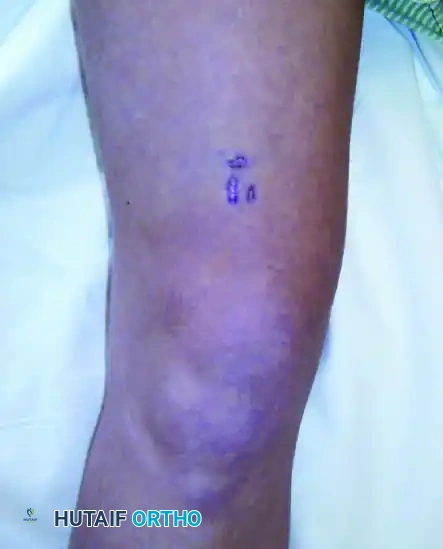
Patients frequently experience localized tenderness and ecchymosis at the lateral portal site due to the deltoid muscle split. This is a self-limiting phenomenon but requires reassurance. Standard cryotherapy protocols (application for 20 minutes every 2 hours) are essential to manage localized edema and hematoma formation within the deltoid fibers. During this phase, strict adherence to the primary repair protocol is maintained, typically involving absolute immobilization in a specialized sling or abduction orthosis, with only passive range of motion (PROM) permitted to prevent capsular adhesions without stressing the repaired tissues or the healing portal tracts.
Intermediate Phase: Restoring Kinematics and Protecting the Deltoid
As the patient transitions into the intermediate phase (Weeks 3-6), the focus shifts toward restoring normal glenohumeral kinematics while continuing to protect the healing soft tissues. The deltoid split utilized for the lateral and accessory subacromial portals begins to form mature scar tissue. It is critical during this phase to avoid premature, aggressive active elevation or abduction, which can provoke inflammation at the lateral portal site and lead to deltoid inhibition.
Therapy progresses from passive to active-assisted range of motion (AAROM) utilizing pulleys, wand exercises, and hydrotherapy if available. The therapist must monitor for scapular dyskinesia, a common compensatory mechanism when localized deltoid pain from lateral portals inhibits normal glenohumeral rhythm. Gentle submaximal isometric exercises for the deltoid and rotator cuff are introduced, ensuring that the sheer forces across the healing portal tracts remain below the threshold for micro-tearing.
Advanced Strengthening and Return to Play
The advanced strengthening phase (Weeks 7-12+) marks the transition to active range of motion (AROM) and progressive resistance training. By this stage, the muscular tracts created by the arthroscopic portals are fully healed, and portal-related morbidity should be entirely resolved. The rehabilitation focus pivots entirely to the requirements of the primary surgical procedure.
For overhead athletes who underwent SLAP repairs utilizing trans-cuff Portals of Wilmington, specific attention must be paid to the integrity of the supraspinatus. Although the percutaneous needle puncture is minimally invasive, heavy eccentric loading of the supraspinatus should be delayed until week 10 to ensure the microscopic tendinous disruption has fully consolidated. Final return-to-play criteria are dictated by the restoration of symmetric strength, full dynamic stability, and the complete absence of pain during sport-specific functional testing.
Summary of Landmark Literature and Clinical Guidelines
The evolution of shoulder arthroscopy portal placement is deeply rooted in rigorous anatomical and biomechanical research. The transition from empirical, blind portal placement to precision, trajectory-based access is supported by several landmark studies that serve as the foundation for current clinical guidelines.
Stephen Burkhart's seminal work on the "deadman's angle" revolutionized the approach to labral repairs. His biomechanical studies demonstrated that anchors placed at an angle greater than 45 degrees to the articular surface suffer a catastrophic decrease in pull-out strength. This singular biomechanical principle mandated the development of the Portals of Wilmington, shifting the paradigm of SLAP repairs from standard anterior/posterior access to specialized, trans-cuff accessory portals.
The anatomical boundaries of the axillary nerve were definitively codified by Burkhead et al., whose extensive cadaveric dissections established the absolute 5-centimeter safe zone distal to the lateral acromion. This research forms the cornerstone of all contemporary guidelines regarding lateral portal placement and subacromial access, drastically reducing the incidence of iatrogenic deltoid denervation.
Furthermore, Laurent Lafosse's pioneering publications on the endoscopic release of the suprascapular nerve provided a safe, reproducible technique for addressing complex suprascapular neuropathy. By detailing the precise inline trajectory required to navigate the superior fossa and safely resect the superior transverse scapular ligament, Lafosse expanded the frontiers of shoulder arthroscopy into the realm of advanced peripheral nerve surgery. Mastery of these landmark concepts is an absolute requirement for the modern academic orthopedic surgeon.
