Management of Medial Malleolus and Tibial Shaft Nonunions
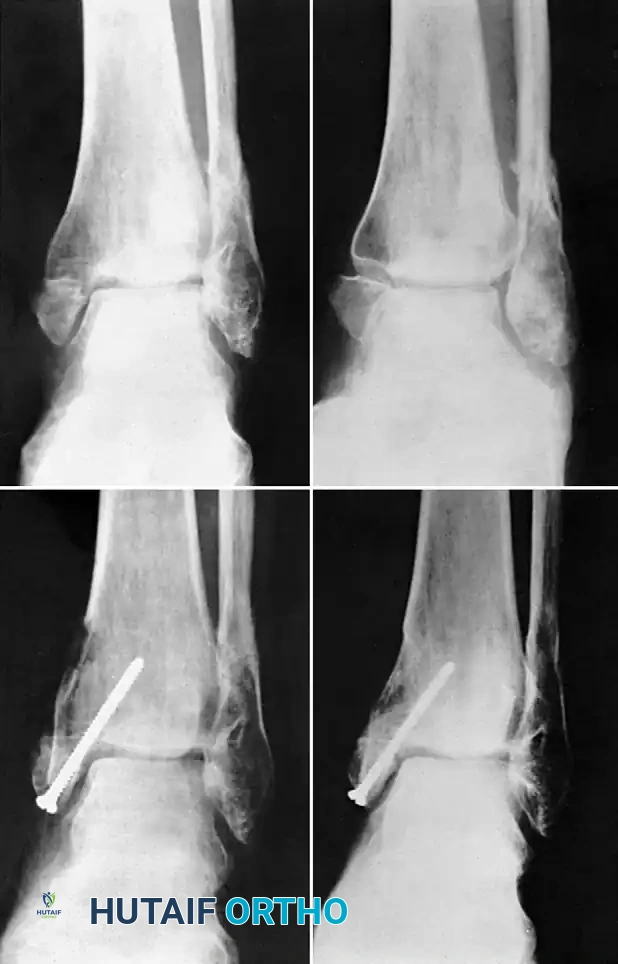
Key Takeaway
The management of medial malleolus and tibial shaft nonunions requires a nuanced understanding of fracture biomechanics and vascularity. This guide details evidence-based surgical interventions, including the resection of distal medial malleolar fragments, sliding bone graft techniques, and rigid internal fixation strategies. Tailoring the approach to the nonunion's biological capacity—whether hypervascular or avascular—is critical for restoring lower extremity alignment and achieving successful osseous union.
Comprehensive Introduction and Patho-Epidemiology
The management of nonunions in the lower extremity, particularly those involving the medial malleolus and the tibial shaft, represents a profound biomechanical and biological challenge for the orthopedic surgeon. By strict United States Food and Drug Administration (FDA) criteria, a nonunion is defined as a fractured bone that has not completely healed within nine months of injury and has shown no progressive signs of healing on serial radiographs over three consecutive months. Because the tibia is the primary weight-bearing pillar of the lower extremity, its spatial orientation—encompassing length, coronal and sagittal alignment, and rotational version—is paramount to the proper kinematic function of both the knee and the ankle joints. Simply achieving osseous union is an insufficient endpoint; the ultimate surgical objective is the restoration of a functionally aligned, mechanically stable, and pain-free extremity capable of withstanding the extreme cyclic loading of normal human ambulation.
The epidemiology of tibial and malleolar nonunions is inextricably linked to the high-energy nature of the trauma that typically causes them. The tibial shaft is the most commonly fractured long bone in the human body, and due to its precarious subcutaneous anteromedial border, it is highly susceptible to open fractures. The incidence of tibial nonunion ranges from 2% to 10% in closed low-energy fractures, but catastrophic rates approaching 15% to 20% are observed in high-energy open fractures, particularly those classified as Gustilo-Anderson Type IIIB and IIIC. Medial malleolar nonunions, while less frequent overall, occur in approximately 10% to 15% of cases treated non-operatively, often due to periosteal interposition, and in 2% to 5% of cases following open reduction and internal fixation (ORIF). Systemic patient factors significantly amplify these risks; active tobacco smoking, uncontrolled diabetes mellitus, chronic use of non-steroidal anti-inflammatory drugs (NSAIDs), and profound malnutrition severely impair the microvascular proliferation and cellular differentiation necessary for primary or secondary bone healing.
Understanding the pathobiology of these nonunions requires a fundamental categorization based on their biological capacity and vascularity. Hypervascular (hypertrophic) nonunions demonstrate an exuberant, biologically active attempt at healing, characterized by the classic "elephant foot" or "horse hoof" radiographic appearance. The failure here is purely mechanical; excessive strain across the fracture gap prevents the mineralization of the fibrocartilaginous soft callus. Conversely, avascular (atrophic or oligotrophic) nonunions present with tapered, sclerotic bone ends devoid of callus formation. These lesions suffer from a dual deficiency: a lack of mechanical stability and a profoundly compromised biological envelope. The surrounding soft tissues are often scarred, hypovascular, and incapable of supporting osteogenesis.
Modern management of complex nonunions is dictated by the "Diamond Concept" of fracture healing, which postulates that successful osseous union requires the simultaneous optimization of four critical elements: osteogenic cells (mesenchymal stem cells), an osteoconductive scaffold (bone graft or synthetic matrix), osteoinductive mediators (bone morphogenetic proteins, growth factors), and a mechanically stable environment. The surgical techniques selected must meticulously address the specific deficiencies of the nonunion, whether executing a precise sliding bone graft for a recalcitrant malleolar defect or employing advanced intramedullary exchange nailing with biologic augmentation for an atrophic tibial shaft.
Detailed Surgical Anatomy and Biomechanics
A profound mastery of the regional surgical anatomy and the underlying biomechanics is an absolute prerequisite for successfully navigating the operative management of lower extremity nonunions. The tibial shaft is unique among long bones due to its distinct cross-sectional morphology, which transitions from a broad, cancellous-rich triangular shape proximally to a dense, narrow, cylindrical shape at the junction of the middle and distal thirds. This transition zone acts as a stress riser, making the distal third of the tibia highly susceptible to both initial fracture and subsequent nonunion. The vascular supply to the tibia is notoriously tenuous. The primary endosteal blood supply is derived from the nutrient artery, a branch of the posterior tibial artery, which enters the posterolateral cortex at the proximal third of the bone. This vessel supplies the inner two-thirds of the diaphyseal cortex. The outer one-third is supplied by periosteal vessels derived from the anterior tibial artery. High-energy trauma, particularly with significant displacement or open wounds, frequently disrupts both the nutrient artery and the periosteal plexus, rendering the fracture fragments highly ischemic.
The anatomy of the medial malleolus is equally complex and critical to ankle joint stability. The medial malleolus is divided into an anterior colliculus, which extends further distally, and a posterior colliculus, separated by the intercollicular groove. The superficial component of the deltoid ligament (tibionavicular, tibiocalcaneal, and superficial tibiotalar ligaments) originates primarily from the anterior colliculus, while the robust deep component (deep anterior and deep posterior tibiotalar ligaments) originates from the intercollicular groove and the posterior colliculus. Immediately posterior to the medial malleolus lies the retromalleolar groove, which houses the posterior tibial tendon, securely held by the flexor retinaculum. Iatrogenic injury to this tendon during surgical exposure or hardware placement will inevitably result in a debilitating acquired flatfoot deformity and chronic tenosynovitis.
Biomechanically, the tibia is subjected to immense compressive, bending, and torsional forces during the stance phase of the human gait cycle. The mechanical axis of the lower extremity passes precisely through the center of the tibial plateau down to the center of the tibial plafond. Any angular deformity resulting from a malunited or nonunited fracture will shift this mechanical axis, leading to asymmetric loading of the articular cartilage. A varus deformity shifts the load to the medial compartment of the knee, while a valgus deformity overloads the lateral compartment, both precipitating early-onset post-traumatic osteoarthritis. Furthermore, rotational malalignment alters the foot progression angle, creating complex compensatory stresses on the subtalar and transverse tarsal joints.
At the level of the ankle mortise, the medial malleolus acts as a critical buttress preventing lateral talar shift and rotational subluxation. Landmark biomechanical studies by Ramsey and Hamilton demonstrated that a mere 1 millimeter of lateral talar shift reduces the tibiotalar contact area by a staggering 42%. This exponential decrease in contact area leads to a proportional increase in peak articular contact pressures, rapidly accelerating chondral degradation. Therefore, in the setting of a medial malleolus nonunion, the ununited fragment must be carefully evaluated to determine its contribution to mortise stability. If the fragment is large and involves the deep deltoid origin, its absence will compromise the talar containment, necessitating rigid reconstructive stabilization rather than simple excision.
Exhaustive Indications and Contraindications
The decision-making algorithm for treating tibial and malleolar nonunions is highly nuanced, requiring the surgeon to synthesize clinical symptomatology, radiographic evidence of biology, and the patient's overall physiological profile. Intervention is generally indicated when a patient presents with persistent pain upon weight-bearing, palpable or radiographic motion at the fracture site, or progressive hardware failure (e.g., broken locking screws, plate pullout) well beyond the expected healing timeframe. The surgeon must definitively differentiate between a delayed union—which may still heal with time, restricted weight-bearing, or non-invasive adjunctive therapies like pulsed electromagnetic field (PEMF) stimulation—and a true nonunion, which has reached biological arrest and absolutely mandates surgical intervention.
For medial malleolar nonunions, indications are stratified by fragment size and deltoid ligament competence. Simple resection is indicated for small, avascular, or severely comminuted distal tip fragments that do not compromise the structural integrity of the ankle mortise. These fragments often act as painful loose bodies, and attempting internal fixation typically results in hardware prominence and secondary fragmentation. Conversely, structural reconstruction via a sliding bone graft or revision ORIF is strictly indicated for large fragments encompassing the anterior colliculus and intercollicular groove, as their loss would permit lateral talar shift and catastrophic mortise instability.
In the tibial shaft, the indications for specific procedures depend heavily on the biological classification of the nonunion. Hypertrophic nonunions, possessing adequate biology but lacking stability, are prime indications for exchange intramedullary nailing or robust compression plating without the absolute necessity of supplemental bone grafting. Atrophic nonunions, lacking both biology and stability, mandate a combined approach: rigid internal fixation combined with aggressive biological stimulation, such as decortication, autogenous bone grafting (e.g., iliac crest or Reamer-Irrigator-Aspirator harvest), and potentially the application of orthobiologics. A partial fibulectomy is indicated when an intact or prematurely healed fibula acts as a rigid strut, preventing dynamic axial compression of the tibial fragments during weight-bearing.
Contraindications to definitive internal reconstruction must be rigorously respected to avoid limb-threatening complications. Active, untreated deep infection (osteomyelitis) is an absolute contraindication to single-stage internal fixation and bone grafting; these cases require a staged approach involving radical debridement, antibiotic spacer placement, and temporary external fixation. Severe peripheral vascular disease that precludes adequate tissue healing or soft tissue envelopes that are profoundly compromised (e.g., adherent skin grafts directly over bone, active ulcerations) may contraindicate extensive open approaches, necessitating the involvement of plastic surgery for prophylactic flap coverage prior to or concurrent with osseous reconstruction.
| Clinical Scenario | Primary Indication | Relative/Absolute Contraindications | Preferred Surgical Strategy |
|---|---|---|---|
| Small Medial Malleolus Fragment | Painful nonunion, intact deep deltoid, stable mortise. | Ankle instability, large fragment size. | Simple subperiosteal resection. |
| Large Medial Malleolus Fragment | Mortise instability, lateral talar shift, large articular defect. | Severe local soft tissue compromise, active infection. | Sliding cortical bone graft + Lag screw fixation. |
| Hypertrophic Tibial Shaft Nonunion | "Elephant foot" callus, mechanical instability, angular deformity. | Active medullary infection. | Exchange IM Nailing or Dynamic Compression Plating. |
| Atrophic Tibial Shaft Nonunion | Sclerotic bone ends, no callus, mechanical and biological failure. | Poor soft tissue envelope (requires flap first). | Decortication + Rigid Fixation + Autogenous Bone Graft. |
| Infected Tibial Nonunion | Draining sinus, positive cultures, necrotic bone segments. | Single-stage internal fixation (Absolute Contraindication). | Staged Masquelet Technique or Ilizarov Bone Transport. |
Pre-Operative Planning, Templating, and Patient Positioning
Meticulous pre-operative planning is the cornerstone of successful nonunion surgery. The process begins with a comprehensive clinical evaluation, placing particular emphasis on the soft tissue envelope. The surgeon must carefully map previous surgical incisions, traumatic scars, and areas of adherent skin. In the distal third of the tibia, where subcutaneous tissue is virtually non-existent, the viability of the skin dictates the surgical approach. A thorough neurovascular examination is mandatory; any suspicion of vascular compromise should prompt non-invasive arterial studies (Ankle-Brachial Index) or formal CT angiography. Furthermore, an occult infection must be ruled out in every nonunion. Baseline inflammatory markers, including Erythrocyte Sedimentation Rate (ESR) and C-Reactive Protein (CRP), should be drawn. If these are elevated, or if there is a history of an open fracture, pre-operative image-guided aspiration of the nonunion site for aerobic, anaerobic, acid-fast bacilli, and fungal cultures is highly recommended.
Imaging modalities must be exhaustive. Standard orthogonal weight-bearing radiographs of the entire tibia, including the knee and ankle joints, are the baseline requirement to assess overall mechanical alignment and hardware integrity. However, plain films frequently underestimate the degree of bone loss and may falsely suggest bridging callus. Therefore, a high-resolution Computed Tomography (CT) scan with multi-planar reconstructions is essential. If retained hardware is present, Metal Artifact Reduction Sequence (MARS) protocols must be utilized. The CT scan allows the surgeon to precisely evaluate the presence of bridging trabeculae, the extent of sclerosis, the volume of the bony defect, and the rotational profile of the distal segment relative to the proximal segment.
Pre-operative digital templating is non-negotiable. The surgeon must calculate the exact degree of coronal and sagittal deformity and plan the corrective osteotomies or reduction maneuvers required to restore the mechanical axis. When planning for exchange intramedullary nailing, the diameter of the existing nail must be determined, and the new nail should ideally be 1 to 2 millimeters larger in diameter to ensure adequate cortical contact and rotational stability. Plate lengths must be calculated to ensure adequate screw purchase (typically a minimum of 8 cortices) proximal and distal to the nonunion site. Furthermore, the volume of required bone graft must be estimated to determine the appropriate harvest site—whether local bone, anterior or posterior iliac crest, or the femoral canal utilizing the Reamer-Irrigator-Aspirator (RIA) system.
Patient positioning in the operating room must facilitate simultaneous access to the nonunion site, the bone graft harvest site, and the intraoperative fluoroscopy unit. For both medial malleolar and tibial shaft nonunions, the patient is typically positioned supine on a fully radiolucent operative table. A gel bump is placed beneath the ipsilateral hip to internally rotate the lower extremity, bringing the patella and the foot into a neutral, straight-up position. A sterile tourniquet is applied to the proximal thigh but should be used judiciously, particularly in patients with compromised vascularity, as prolonged ischemia can further damage the already precarious biological envelope of an atrophic nonunion. The C-arm fluoroscopy unit is generally brought in from the contralateral side, ensuring unimpeded access for the surgical team while allowing for rapid orthogonal imaging of the entire tibia and ankle mortise.
Step-by-Step Surgical Approach and Fixation Technique
The operative execution requires a highly systematic approach, uniquely tailored to the specific anatomical region and the biological characteristics of the nonunion.
Medial Malleolus Nonunion Resection
Resection is strictly reserved for small, avascular distal fragments that do not compromise the stabilizing function of the deep deltoid ligament.
* Incision and Dissection: A precise 5 cm medial longitudinal incision is centered directly over the medial malleolus. The subcutaneous tissues are sharply divided, taking extreme care to identify and retract the greater saphenous vein and the saphenous nerve anteriorly. The periosteum and the superficial fibers of the deltoid ligament are incised strictly in line with the skin incision.
* Fragment Isolation: Utilizing a combination of sharp scalpel dissection and blunt subperiosteal elevation, the ununited distal fragment is isolated. The surgeon must be acutely aware of the retromalleolar groove; dissection must not stray posteriorly to avoid catastrophic iatrogenic transection of the posterior tibial tendon.
* Resection and Contouring: The fibrous nonunion tissue is excised, and the small bony fragment is sharply enucleated from the deltoid ligament fibers. Once removed, the remaining proximal bony bed of the medial malleolus must be aggressively contoured with a rongeur or a high-speed burr. It is imperative that the bed is smooth and completely free of sharp prominences that could act as a mechanical irritant to the overlying skin or the posterior tibial tendon during ankle range of motion.
- Closure: The wound is copiously irrigated with sterile saline. The periosteal sleeve and the remaining superficial deltoid fibers are meticulously repaired with heavy absorbable sutures to close the dead space. The subcutaneous tissue and skin are closed in a layered, tension-free fashion.
Medial Malleolus Sliding Bone Graft Reconstruction
When the fragment is large and integral to mortise stability, structural reconstruction is mandatory.
* Exposure and Joint Preparation: An anteromedial curved incision, approximately 10 cm in length, is utilized to expose both the nonunion site and the proximal tibial metaphysis. The periosteum is carefully reflected. All intervening fibrous tissue at the nonunion site is radically excised using sharp curettes and a pituitary rongeur. The sclerotic ends of both the proximal and distal fragments are freshened using a high-speed burr until bleeding, punctate cortical bone is visualized—the classic "paprika sign" indicative of viable osteogenic tissue. Crucially, the deeper articular edges of the fragments must be preserved to prevent iatrogenic narrowing of the ankle mortise.
* Graft Harvesting: Beginning immediately proximal to the nonunion site on the anterior aspect of the medial malleolus, a cooled oscillating motor saw is used to outline a cortical bone graft approximately 4 cm long and 1 cm wide. Continuous cold saline irrigation during sawing is absolutely critical to prevent thermal necrosis of the osteocytes within the graft.
* Displacement and Fixation: The distal fragment's cancellous bed is hollowed out with a small curette to create a receptive socket. The harvested cortical graft is then displaced distally, sliding it across the nonunion site and impacting it firmly into the distal socket. The distal fragment is held in exact anatomic reduction with a pointed reduction clamp, ensuring perfect restoration of the articular congruity. The construct is then rigidly transfixed using a 4.0 mm partially threaded cancellous lag screw or a fully threaded cortical screw positioned in lag fashion, capturing the proximal fragment, the sliding graft, and the distal fragment to provide massive interfragmentary compression.
Tibial Shaft Hypertrophic Nonunion Fixation
Hypertrophic nonunions possess excellent biology but lack stability. The gold standard is exchange intramedullary nailing.
* Hardware Removal and Reaming: The previous intramedullary nail is extracted. A ball-tipped guide wire is passed across the nonunion site into the distal metaphysis. The medullary canal is then sequentially reamed. Reaming must be aggressive, typically 1 to 2 mm larger than the previous nail, to cut through the sclerotic endosteal bone and generate fresh autogenous bone graft (reamings) that is deposited directly at the nonunion site. The surgeon should feel distinct "cortical chatter" during reaming, confirming adequate endosteal contact.
* Nail Insertion and Locking: A new, larger diameter intramedullary nail is inserted. To achieve maximum stability, the nail is statically locked both proximally and distally. In cases where the nonunion is in the metaphyseal-diaphyseal junction, the use of Poller (blocking) screws is highly recommended to artificially narrow the canal, direct the nail centrally, and prevent angular malalignment during insertion.
Tibial Shaft Atrophic Nonunion and Fibulectomy
Atrophic nonunions require absolute stability and massive biological augmentation.
* Decortication and Plating: The nonunion is exposed via an appropriate approach. The sclerotic bone ends are aggressively decorticated using an osteotome—a technique described by Judet as "shingling"—which involves elevating thin slivers of cortex with attached periosteum to expose the bleeding Haversian canals. The fracture is then rigidly stabilized, typically using a heavy-duty, broad 4.5 mm locking compression plate (LCP) applied in a neutralization or compression mode.
* Biological Augmentation: The massive defect is packed with autogenous cancellous bone graft, ideally harvested from the iliac crest or via the RIA system. In highly recalcitrant cases, the addition of Recombinant Human Bone Morphogenetic Protein-2 (rhBMP-2) on an absorbable collagen sponge may be utilized to hyper-stimulate osteoinduction.
* Partial Fibulectomy: If the fibula is intact and holding the tibial nonunion in distraction, a partial fibulectomy is performed. A 3 cm lateral incision is made over the middle third of the fibula. The periosteum is elevated, and a 1 to 2 cm segment of the fibular diaphysis is resected using an oscillating saw. This immediately removes the mechanical strut, allowing the tibia to dynamically compress along its axial plane during weight-bearing.
Complications, Incidence Rates, and Salvage Management
The surgical management of lower extremity nonunions is fraught with potential complications, demanding extreme vigilance and a low threshold for early, aggressive salvage intervention. The most devastating complication is the development or recrudescence of a deep osseous infection. Because nonunion surgery often involves extensive dissection in previously traumatized, hypovascular tissue beds, the risk of deep infection ranges from 3% to 8%, escalating significantly in patients with a history of open fractures. Bacteria, particularly Staphylococcus aureus and Staphylococcus epidermidis, rapidly adhere to the implanted metallic hardware, producing a protective glycocalyx biofilm that renders them impervious to systemic antibiotics and host immune responses. Management of an infected nonunion requires a radical paradigm shift: the immediate removal of all hardware, aggressive surgical debridement of all necrotic bone to bleeding margins, and the implementation of a staged reconstruction protocol (e.g., the Masquelet technique) coupled with targeted intravenous antibiotic therapy guided by deep tissue cultures.
Persistent or recurrent nonunion is another formidable complication, occurring in 5% to 10% of surgically treated cases. This failure typically stems from either an underestimation of the mechanical instability (e.g., using a plate that is too short, or a nail that is too narrow) or an inadequate biological environment (e.g., failure to adequately decorticate or graft an atrophic nonunion). Hardware failure is the clinical hallmark of a persistent nonunion; if the bone does not heal, the implants are subjected to infinite cyclic loading and will inevitably fatigue and break. Broken screws, plate pullout, or snapped intramedullary nails dictate an immediate return to the operating room. Salvage management involves hardware extraction—which can be technically demanding, often requiring specialized extraction sets and trephines—followed by a comprehensive revision of both the mechanical construct and the biological milieu, frequently necessitating a switch in fixation modality (e.g., from a nail to a plate, or the application of a fine-wire circular Ilizarov external fixator).
Soft tissue necrosis and catastrophic wound breakdown are particularly common in the distal third of the tibia due to its precarious vascularity. Incisions made over previously scarred tissue or directly over prominent hardware can easily dehisce, exposing the bone and implants. To mitigate this risk, orthopedic surgeons must work in close collaboration with plastic and reconstructive surgeons. If the soft tissue envelope is deemed inadequate prior to or during surgery, local rotational muscle flaps (such as the medial gastrocnemius flap for proximal third defects, or the soleus flap for middle third defects) or free tissue transfers (such as an anterolateral thigh or latissimus dorsi free flap for distal third defects) must be utilized to provide a robust, highly vascularized soft tissue envelope that will support osseous healing and prevent hardware exposure.
| Complication | Estimated Incidence | Primary Etiology | Salvage Management Strategy |
|---|---|---|---|
| Deep Infection / Biofilm | 3% - 8% (Higher in prior open fractures) | Inadequate debridement, poor soft tissue, compromised host immunity. | Radical debridement, hardware removal, antibiotic spacer (Masquelet stage 1). |
| Persistent Nonunion | 5% - 10% | Inadequate mechanical stability, poor biological augmentation, smoking. | Revision fixation (change modality), aggressive autogenous bone grafting, PEMF. |
| Hardware Failure (Breakage) | 2% - 5% | Fatigue failure due to lack of osseous union, undersized implants. | Hardware extraction, re-reaming (if IMN), robust plating with dual grafting. |
| Wound Dehiscence / Flap Failure | 5% - 12% | Poor vascularity, smoking, excessive tension on closure. | Ortho-plastic intervention, negative pressure wound therapy, rotational/free flaps. |
| Iatrogenic Tendon Injury | < 1% | Poor retromalleolar dissection during medial malleolus exposure. | Primary tendon repair, potential tendon transfer if recognized late. |
Phased Post-Operative Rehabilitation Protocols
The post-operative rehabilitation following nonunion surgery is as critical to the ultimate clinical outcome as the surgical intervention itself. The protocol must be meticulously phased, balancing the need to protect the fragile mechanical construct with the biological necessity of controlled mechanical loading, which stimulates osteogenesis according to Wolff's Law. The immediate post-operative phase (Weeks 0 to 2) is entirely focused on wound healing, edema control, and the prevention of deep vein thrombosis (DVT). The operated lower extremity is immobilized in a bulky, well-padded Jones dressing with a posterior plaster splint to maintain the ankle in a neutral position, preventing equinus contracture. The patient is made strictly non-weight-bearing (NWB) on the operative limb. Strict elevation above the level of the heart is enforced to minimize swelling, which is the primary enemy of surgical wound perfusion. DVT prophylaxis, utilizing low-molecular-weight heparin or direct oral anticoagulants, is initiated based on the patient's risk profile.
The early healing phase (Weeks 2 to 6) begins with the first post-operative clinic visit. Sutures or staples are removed only when the wound is completely dry and epithelialized; in compromised soft tissue envelopes, sutures may be left in place for up to 3 weeks. The splint is transitioned to a rigid, removable Controlled Ankle Motion (CAM) boot. At this stage, gentle, active range of motion (ROM) exercises for the ankle and knee are initiated to prevent arthrofibrosis and stimulate synovial nutrition to the articular cartilage
