Introduction and Epidemiology
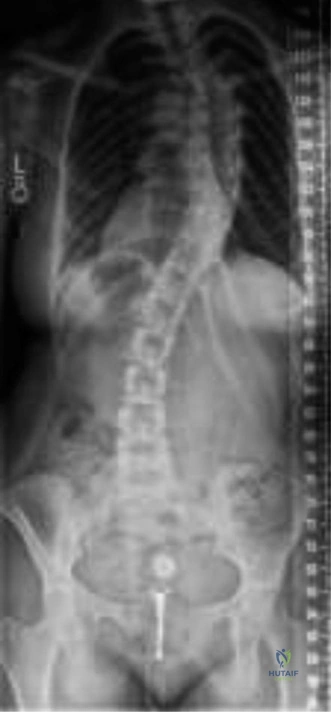
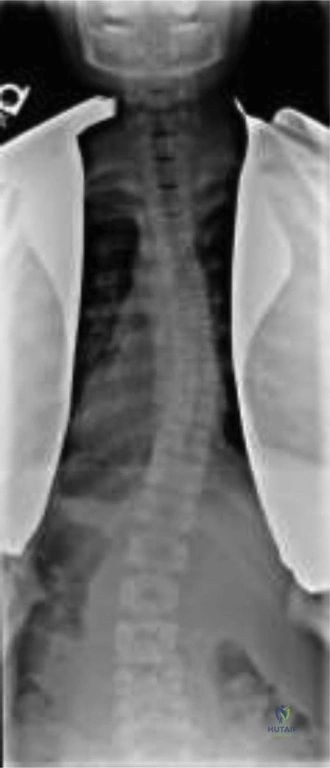
Pediatric scoliosis encompasses a spectrum of spinal deformities characterized by a three-dimensional deviation of the vertebral column. Clinically, it presents with lateral curvature in the coronal plane, rotation in the axial plane, and alterations in the sagittal plane. Affecting approximately 2-3% of adolescents, the most prevalent form is Adolescent Idiopathic Scoliosis (AIS), typically presenting after 10 years of age. Other etiologies include Early-Onset Scoliosis (EOS) – defined as onset before 10 years of age, congenital scoliosis resulting from vertebral malformations, and neuromuscular scoliosis associated with conditions like cerebral palsy or muscular dystrophy. Syndromic scoliosis, linked to conditions such as Marfan's or neurofibromatosis, represents another distinct category.

The natural history of scoliosis is crucial for management decisions. Progression risk is multifactorial, influenced by curve magnitude at presentation, skeletal maturity (Risser sign, menarche status, and Sanders maturity scale), and curve pattern. While most curves remain stable or progress minimally, significant progression, particularly in skeletally immature patients, can lead to functional impairment, pain, psychological distress, and, in severe cases, cardiopulmonary compromise. Understanding the specific etiology and its associated prognosis is paramount for guiding intervention, whether conservative or operative. Our focus herein is on the critical assessment and management of curves necessitating surgical intervention, transcending the initial diagnostic parameters to the definitive operative care required for complex deformity correction.
The Lenke classification system remains the gold standard for defining AIS curve types, guiding the determination of structural versus non-structural curves and ultimately dictating the levels requiring arthrodesis. By categorizing curves into six primary types, with associated lumbar spine and sagittal thoracic modifiers, the orthopedic surgeon can formulate a reproducible, biomechanically sound operative plan that addresses the primary deformity while preserving maximal functional motion segments.
Surgical Anatomy and Biomechanics
A comprehensive understanding of spinal surgical anatomy and biomechanics is fundamental to successful scoliosis correction. The vertebral column is a complex osteoligamentous structure designed for stability, mobility, and protection of the neural elements.
- Vertebral Anatomy: Each typical vertebra comprises a body, pedicles, laminae, and posterior elements (spinous and transverse processes, articular facets). In scoliosis, these structures undergo characteristic adaptive changes, including vertebral body wedging, pedicle elongation and thinning on the convex side, and compensatory rotation. The Cobb angle, while a primary measure of coronal deformity, fails to fully capture the 3D nature, which includes rotational deformity and often a flattened thoracic kyphosis or compensatory lumbar lordosis.
- Ligamentous Structures: The anterior and posterior longitudinal ligaments, ligamentum flavum, interspinous, and supraspinous ligaments contribute significantly to spinal stability. During deformity correction, controlled release or distraction of these structures can facilitate correction.
- Musculature: The paraspinal musculature plays a dynamic role. Asymmetry in muscle tension or weakness, as seen in neuromuscular scoliosis, can profoundly influence curve progression and stability. Subperiosteal dissection during surgery necessitates meticulous attention to preserving the muscle envelope where possible to minimize post-operative paraspinal muscle atrophy and improve long-term fusion success.
- Spinal Cord and Nerves: The spinal cord and nerve roots are highly susceptible to injury during deformity correction. The critical blood supply to the spinal cord, particularly the artery of Adamkiewicz, must be identified and protected. Neuromonitoring (SSEP and MEP) is indispensable during these procedures.
- Biomechanics of Deformity: Scoliotic curves involve a complex interplay of compressive and tensile forces. The Hueter-Volkmann principle, describing how compression inhibits and tension stimulates growth, partially explains curve progression in the growing spine. Surgical correction aims to restore spinal balance in the coronal and sagittal planes, detorque the spine, and achieve solid arthrodesis. Instrumentation constructs leverage principles of distraction, compression, translation, and derotation to achieve three-dimensional correction.

Thoracic pedicle morphometry is highly variable in the scoliotic spine. The concave pedicles at the apex of the deformity are frequently dysplastic, sclerotic, and narrower than their convex counterparts. The medial angulation of the pedicles also changes dynamically from the upper thoracic spine (where it is more acute) to the thoracolumbar junction. Furthermore, the proximity of the visceral structures—specifically the aorta on the left lateral aspect of the mid-to-lower thoracic vertebral bodies, and the pleura bilaterally—demands precision during pedicle preparation and screw insertion to prevent catastrophic vascular or pulmonary injury.
Indications and Contraindications
The decision to proceed with operative intervention in pediatric scoliosis is dictated by curve magnitude, documented progression, skeletal maturity, and the presence of associated symptomatology (e.g., intractable pain, neurological deficit, or impending cardiopulmonary compromise). In Adolescent Idiopathic Scoliosis, surgery is generally indicated for curves exceeding 45 to 50 degrees in skeletally immature patients, as these curves have a high probability of continued progression into adulthood. For skeletally mature patients, curves greater than 50 degrees are often considered for surgery due to the risk of slow, relentless progression (approximately 1 degree per year) and subsequent degenerative changes.
In Early-Onset Scoliosis, the paradigm shifts from definitive fusion to growth-sparing techniques (e.g., vertical expandable prosthetic titanium ribs [VEPTR] or magnetically controlled growing rods [MCGR]) to allow for continued thoracic volume expansion and alveolar development, delaying definitive arthrodesis until skeletal maturity is approached. Neuromuscular curves often require earlier intervention and longer constructs, frequently extending to the pelvis, to correct pelvic obliquity and restore sitting balance.
Contraindications to surgical intervention include active systemic or surgical site infection, severe medical comorbidities precluding safe anesthesia (such as end-stage cardiopulmonary failure, though severe restrictive lung disease may paradoxically be an indication for early intervention in specific EOS cases), and poor bone quality that cannot support instrumentation without optimization.
| Parameter | Operative Indications | Non Operative Indications |
|---|---|---|
| Curve Magnitude Immature | Cobb angle > 45 to 50 degrees | Cobb angle < 25 degrees (Observation) |
| Curve Magnitude Mature | Cobb angle > 50 degrees | Cobb angle < 45 degrees |
| Curve Progression | Documented rapid progression despite bracing | Stable curve under observation |
| Bracing Efficacy | Failure of orthotic management | Cobb 25 to 45 degrees in immature patient |
| Sagittal Profile | Severe sagittal imbalance or hyperkyphosis | Normal or clinically acceptable sagittal balance |
| Neurological Status | Progressive neurological deficit (rare in AIS) | Intact neurological examination |
| Neuromuscular Status | Severe pelvic obliquity preventing sitting | Ambulatory patient with balanced spine |
Pre Operative Planning and Patient Positioning
Thorough preoperative planning is the cornerstone of successful deformity correction. The radiographic evaluation must include high-quality, full-length standing posteroanterior (PA) and lateral radiographs of the spine, extending from the occiput to the pelvis to assess global coronal and sagittal balance. Flexibility films—such as supine side-bending, fulcrum bending, or traction radiographs—are critical for differentiating structural from non-structural curves, directly influencing the selection of the upper and lower instrumented vertebrae (UIV and LIV).

Advanced imaging is indicated in specific scenarios. Magnetic Resonance Imaging (MRI) of the total neuroaxis is mandatory for patients presenting with atypical features, such as early onset (<10 years), rapid progression, left thoracic curves, severe pain, or abnormal neurological findings (e.g., asymmetric abdominal reflexes), to rule out intraspinal anomalies like syringomyelia, Chiari malformation, or a tethered cord. Computed Tomography (CT) is highly valuable in congenital scoliosis to delineate complex bony malformations (hemivertebrae, unsegmented bars) and is increasingly utilized for 3D preoperative planning and intraoperative navigation templates.
Patient positioning in the operating room is a critical step that directly impacts surgical exposure, blood loss, and the risk of complications. The patient is typically positioned prone on a specialized radiolucent spine frame (e.g., Jackson table). Key positioning considerations include:
* Abdominal Decompression: The abdomen must hang completely free to prevent increased intra-abdominal pressure, which translates to elevated pressure in the epidural venous plexus (Batson's plexus), thereby significantly increasing intraoperative hemorrhage.
* Pressure Point Padding: Meticulous padding of all bony prominences (iliac crests, knees, elbows) is required to prevent pressure necrosis and peripheral nerve palsies (e.g., ulnar nerve at the cubital tunnel, common peroneal nerve at the fibular head).
* Ocular Protection: The head is typically supported by a foam face block or cranial tongs. Direct pressure on the globes must be strictly avoided to prevent central retinal artery occlusion and postoperative visual loss (POVL).
* Arm Positioning: Arms are usually positioned in a "superman" or 90/90 posture. Excessive traction or abduction must be avoided to prevent brachial plexus traction injuries.
Detailed Surgical Approach and Technique
The surgical management of pediatric scoliosis most commonly utilizes a posterior approach, which allows for comprehensive exposure, multi-segmental instrumentation, and powerful deformity correction. Anterior approaches are less commonly utilized today but remain indicated for specific thoracolumbar/lumbar curves to save fusion levels or for anterior release in severe, rigid deformities.
Posterior Exposure and Soft Tissue Management
The procedure begins with a standard midline longitudinal incision centered over the spinous processes of the planned instrumented levels. A meticulous subperiosteal dissection is performed, elevating the paraspinal musculature bilaterally from the spinous processes, laminae, and out to the tips of the transverse processes in the thoracic spine, and to the facet joints/transverse processes in the lumbar spine. Maintaining a strict subperiosteal plane is critical for minimizing blood loss and preserving the vascularity and innervation of the paraspinal musculature. Self-retaining retractors are deployed sequentially to maintain exposure.
Facetectomies and Osteotomies
Following exposure, meticulous soft tissue clearance from the bony elements is performed. Complete bilateral facetectomies (excision of the inferior articular process and decortication of the superior articular process) are performed at all levels within the fusion construct. This serves a dual purpose: it significantly increases the flexibility of the spine, facilitating deformity correction, and it provides a highly vascularized bed for the posterior spinal fusion mass.
For more rigid deformities, advanced osteotomies may be required. Ponte osteotomies (wide posterior release including resection of the spinous process, lamina, ligamentum flavum, and bilateral facet joints) provide substantial flexibility, particularly in the sagittal plane for correcting hyperkyphosis, and improve coronal and axial correction capabilities. In severe, rigid, or angular deformities, more aggressive resections such as Pedicle Subtraction Osteotomies (PSO) or Vertebral Column Resections (VCR) may be indicated, though these carry a significantly higher risk profile and require advanced technical proficiency.
Anchor Placement and Instrumentation
Pedicle screws are the biomechanical anchor of choice in modern scoliosis surgery, offering superior three-dimensional control compared to hooks or sublaminar wires. Screw insertion can be performed via freehand techniques, fluoroscopic guidance, or advanced intraoperative navigation/robotics.

The freehand technique relies on precise anatomical landmarks (the intersection of the transverse process and the superior articular facet). A high-speed burr or rongeur is used to decorticate the entry point. A curved pedicle probe (gearshift) is advanced through the cancellous channel of the pedicle into the vertebral body, utilizing tactile feedback to ensure the cortical walls are not breached. The tract is then palpated with a ball-tipped sound to confirm intraosseous containment (five-point check: medial, lateral, superior, inferior walls, and the floor). The tract is tapped, re-palpated, and the appropriate length and diameter polyaxial pedicle screw is inserted.
Deformity Correction Maneuvers
Once all anchors are placed and confirmed, rod contouring and deformity correction commence. The rods must be meticulously contoured to the desired sagittal profile (restoring physiological thoracic kyphosis and lumbar lordosis). Correction maneuvers are typically a combination of techniques:
* Rod Derotation: A pre-contoured rod is engaged into the screws on the concave side and rotated 90 degrees, translating the coronal deformity into the sagittal plane.
* Translation: The spine is pulled to the contoured rod using reduction instruments.
* Compression and Distraction: Applied segmentally to level the vertebrae and fine-tune the coronal and sagittal profiles.
* Direct Vertebral Rotation (DVR): Derotation forces are applied directly to the vertebral bodies via the pedicle screws using specialized tubular levers, correcting the axial plane deformity and improving rib prominence.
Arthrodesis and Closure
Following definitive correction and final tightening of all set plugs, the spine is decorticated using a high-speed burr. Copious amounts of bone graft—typically a combination of local autograft harvested from the spinous processes and facetectomies, augmented with allograft or biologic extenders (e.g., Demineralized Bone Matrix)—are packed meticulously over the decorticated laminae and transverse processes. A watertight closure of the fascia is paramount to prevent postoperative cerebrospinal fluid (CSF) leaks and deep surgical site infections.
Complications and Management
Despite advancements in surgical technique, instrumentation, and neuromonitoring, pediatric scoliosis surgery remains a major undertaking with a recognized complication profile. Mitigation requires rigorous preoperative optimization, meticulous surgical technique, and vigilant postoperative care.
Intraoperative neurophysiological monitoring (IONM), utilizing Somatosensory Evoked Potentials (SSEPs) and Motor Evoked Potentials (MEPs), is mandatory. A significant alert (typically defined as a >50% decrease in amplitude or >10% increase in latency for SSEPs, or a >50% decrease in amplitude or complete loss of MEPs) necessitates an immediate, protocol-driven response. This includes ruling out technical monitoring issues, optimizing hemodynamics (elevating Mean Arterial Pressure > 85 mmHg), correcting anemia or hypovolemia, and reversing the surgical maneuver that precipitated the alert. If signals do not recover, a Stagnara wake-up test may be indicated, and hardware may need to be removed.

Blood loss is another significant challenge. Strategies to minimize allogeneic transfusion include preoperative administration of erythropoietin or iron, intraoperative use of antifibrinolytics (Tranexamic Acid - TXA), controlled hypotensive anesthesia (prior to correction maneuvers), and the use of intraoperative cell salvage systems.
| Complication | Estimated Incidence | Etiology and Risk Factors | Management and Salvage Strategies |
|---|---|---|---|
| Neurological Deficit | 0.5% to 1.0% | Direct trauma, traction, ischemia (vascular compromise), hematoma. | Immediate MAP elevation, release of correction, hardware removal, high-dose steroids (controversial), emergent MRI if delayed. |
| Surgical Site Infection | 1.0% to 3.0% | Prolonged OR time, allogeneic blood transfusion, obesity, neuromuscular etiology. | Early aggressive irrigation and debridement (I&D), targeted IV antibiotics, retention of hardware if early (<3-4 weeks) and stable. |
| Pseudoarthrosis | 1.0% to 5.0% | Inadequate decortication, insufficient graft, smoking, poor nutrition, rigid constructs without adequate release. | Revision surgery with exploration, hardware exchange if broken, aggressive decortication, osteotomies, and robust bone grafting (autograft/BMP). |
| Proximal Junctional Kyphosis | 5.0% to 15.0% | Disruption of posterior ligamentous complex at UIV, excessive lumbar lordosis correction, rigid instrumentation. | Observation if asymptomatic. Revision with extension of fusion and ligamentous augmentation if progressive, painful, or causing neurological deficit. |
| Implant Failure | 1.0% to 4.0% | Pseudoarthrosis (fatigue failure), inadequate fixation, extreme initial deformity. | Revision surgery to replace broken hardware, address underlying pseudoarthrosis, and potentially extend the construct. |
Post Operative Rehabilitation Protocols
Modern postoperative care for pediatric scoliosis relies heavily on Enhanced Recovery After Surgery (ERAS) protocols, which have significantly reduced hospital length of stay and improved patient outcomes.
Pain management is transitioned from reliance on intravenous opioids to a multimodal, opioid-sparing approach. This typically involves the intraoperative use of intrathecal morphine or epidural catheters, followed postoperatively by scheduled non-steroidal anti-inflammatory drugs (NSAIDs, such as ketorolac transitioned to ibuprofen, provided there are no specific surgeon concerns regarding bone healing in the immediate postoperative phase), acetaminophen, gabapentinoids, and muscle relaxants (e.g., diazepam or methocarbamol) to manage paraspinal muscle spasms. Patient-Controlled Analgesia (PCA) may be used initially but is rapidly weaned.
Early mobilization is a cornerstone of the rehabilitation protocol. Patients are typically mobilized out of bed to a chair or ambulating with physical therapy on postoperative day zero or one. Foley catheters and surgical drains are removed as early as clinically feasible to facilitate mobility and reduce infection risk.
Postoperative restrictions generally include avoiding bending, lifting (greater than 5-10 pounds), and twisting (the "BLT" restrictions) for the first 3 to 6 months to allow for early consolidation of the fusion mass. Return to non-contact sports is typically permitted at 6 months, provided there is radiographic evidence of progressing fusion and clinical absence of pain. Return to collision sports is highly dependent on the extent of the fusion (specifically the LIV) and surgeon preference, but is generally restricted for at least 12 months, if allowed at all.
Summary of Key Literature and Guidelines
The management of pediatric scoliosis is heavily driven by robust clinical research and societal guidelines. The Scoliosis Research Society (SRS) provides comprehensive, evidence-based guidelines for the operative and non-operative management of spinal deformities.
Key literature that shapes current practice includes the Bracing in Adolescent Idiopathic Scoliosis Trial (BrAIST) by Weinstein et al. (NEJM, 2013), which definitively demonstrated the efficacy of rigid bracing in preventing curve progression to the surgical threshold in skeletally immature patients with moderate curves, thereby refining the indications for surgical intervention.
The widespread adoption of the Lenke Classification (Lenke et al., JBJS, 2001) revolutionized the surgical planning for AIS, providing a reliable, two-dimensional and three-dimensional framework for selecting fusion levels and standardizing academic reporting. Furthermore, the transition from hook-based constructs to all-pedicle screw constructs was heavily influenced by the pioneering work of Suk et al. (Spine, 1995) and subsequent comparative studies demonstrating superior curve correction, improved pulmonary function outcomes, and lower pseudoarthrosis rates with pedicle screw instrumentation.
Current academic focus is heavily directed towards optimizing 3D correction techniques, minimizing the incidence of Proximal Junctional Kyphosis (PJK) through advanced biomechanical modeling and ligamentous augmentation, and expanding the indications and refining the technology of anterior vertebral body tethering (AVBT) as a non-fusion alternative for select, skeletally immature patients with flexible curves.