العربية
Part of the Master Guide

Orthopedic Ob Basic Review | Dr Hutaif Basic Science Re -...

Orthopedic Basic Review | Dr Hutaif Basic Science Revie -...
27 Apr 2026 55 min read 142 Views
Master Basic Orthopedic MCQs Online & Test Your Knowledge

Key Takeaway

This interactive board review contains 100 randomly selected orthopedic surgery questions with clinical images, immediate feedback, and detailed references.

Orthopedic Basic Review | Dr Hutaif Basic Science Revie -...

Comprehensive 100-Question Exam


00:00

Start Quiz

Question 1

Viscoelasticity is a fundamental biomechanical property of biologic tissues such as ligaments and tendons. When these tissues are subjected to a high strain rate (rapid loading) compared to a low strain rate, how do their mechanical properties change?


Explanation

Viscoelastic materials demonstrate rate-dependent mechanical properties. At higher rates of strain, biologic tissues such as ligaments and tendons become stiffer (higher modulus) and absorb more energy before failing. This is protective during sudden, rapid loading events.

Question 2

In normal articular cartilage, which zone is characterized by having the lowest water content, the highest concentration of proteoglycans, and collagen fibers oriented perpendicular to the joint surface?


Explanation

The deep (radial) zone of articular cartilage contains the largest diameter collagen fibrils, which are oriented perpendicular to the joint surface. It has the highest concentration of proteoglycans and the lowest water content, optimizing it to resist compressive loads and transmit them to the underlying subchondral bone.

Question 3

Mixing orthopaedic implant components made of 316L stainless steel and Ti-6Al-4V (titanium alloy) within the same fracture construct can precipitate galvanic corrosion. In this scenario, which metal serves as the anode and undergoes accelerated corrosion?


Explanation

When two dissimilar metals are in contact within an electrolytic environment (such as body fluid), the less noble metal acts as the anode and corrodes, while the more noble metal acts as the cathode. Stainless steel is less noble than titanium and therefore functions as the anode, undergoing galvanic corrosion.

Question 4

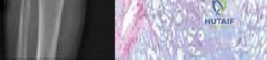
Review the biomechanical concept illustrated by standard load-deformation curves.

On a stress-strain curve for a ductile material like stainless steel, the specific point beyond which the material will no longer return to its original shape and undergoes permanent, non-reversible plastic deformation is defined as the:


Explanation

The yield point marks the transition from the elastic region to the plastic region on a stress-strain curve. Loading a material beyond its yield point results in permanent (plastic) deformation. The proportional limit is slightly before the yield point where the stress-strain relationship ceases to be perfectly linear, but for practical orthopaedic biomechanics, the yield point defines the start of plastic deformation.

Question 5

Osteoclastogenesis is tightly regulated by the interaction between RANK, RANKL, and Osteoprotegerin (OPG). Which of the following systemic hormones exerts an anti-resorptive effect primarily by upregulating the production of OPG in osteoblasts?


Explanation

Estrogen protects against bone loss by decreasing osteoclast activity and lifespan. It achieves this primarily by stimulating osteoblasts to increase the production of Osteoprotegerin (OPG), which acts as a decoy receptor for RANKL, thereby preventing RANKL from binding to RANK on osteoclast precursors. Estrogen also decreases the production of M-CSF and RANKL.

Question 6

According to Perren's strain theory of bone healing, primary bone healing (direct lamellar bone formation via cutting cones without intermediate callus) can only occur if the interfragmentary strain is below what critical threshold?


Explanation

Perren's strain theory dictates that the tissue capable of forming within a fracture gap is determined by the strain. Primary lamellar bone healing requires absolute stability with an interfragmentary strain of less than 2%. Strains between 2% and 10% permit secondary healing with woven bone/callus formation. Cartilage can tolerate ~10% strain, and granulation tissue can tolerate up to 100% strain.

Question 7

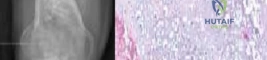
A pediatric patient's histologic evaluation of the physis shows a specific defect.

If the defect is characterized by a widened, unmineralized zone of provisional calcification and a characteristic 'cupped and frayed' appearance on radiographs, what is the most likely diagnosis?


Explanation

Rickets is characterized by a defect in mineralization affecting the zone of provisional calcification in the physis. This leads to the accumulation of unmineralized osteoid and a classic 'cupped and frayed' metaphyseal appearance on radiographs. In contrast, achondroplasia affects the proliferative zone, and SCFE typically fails through the hypertrophic zone.

Question 8

A 4-year-old boy presents with short stature, frontal bossing, and disproportionate rhizomelic shortening of his limbs. Genetic testing reveals a gain-of-function mutation in the FGFR3 gene. This mutation directly inhibits the normal function of which cellular layer in the growth plate?


Explanation

Achondroplasia is an autosomal dominant disorder caused by a gain-of-function mutation in Fibroblast Growth Factor Receptor 3 (FGFR3). This constitutively active receptor abnormally inhibits the proliferation of chondrocytes in the proliferative zone of the physis, leading to decreased endochondral ossification and rhizomelic dwarfism.

Question 9

To reduce volumetric wear and subsequent osteolysis in total joint arthroplasty, manufacturers often utilize highly cross-linked ultra-high molecular weight polyethylene (UHMWPE). What is the primary mechanical trade-off resulting from the irradiation and cross-linking of UHMWPE?


Explanation

Cross-linking UHMWPE (usually via gamma or electron beam irradiation) significantly increases its resistance to adhesive and abrasive wear. However, this process alters the polymer's mechanical properties, leading to decreased ductility, decreased ultimate tensile strength, and reduced fatigue crack propagation resistance (toughness). Remelting post-irradiation decreases oxidation potential.

Question 10

Which of the following statements best describes the structural incorporation and remodeling process of a massive cortical bone autograft?


Explanation

Cortical bone grafts incorporate via creeping substitution, which relies heavily on osteoclasts moving in to resorb the bone via cutting cones, followed by osteoblasts laying down new bone. Because resorption initially outpaces formation, the graft becomes significantly weaker and more porous before it eventually regains its strength over a period of months to years.

Question 11

Nitrogen-containing bisphosphonates (e.g., Alendronate, Zoledronate) are commonly prescribed to treat osteoporosis. They decrease osteoclast activity and induce osteoclast apoptosis primarily through the inhibition of which of the following enzymes?


Explanation

Nitrogen-containing bisphosphonates inhibit farnesyl pyrophosphate (FPP) synthase, an enzyme in the mevalonate pathway. This prevents the prenylation of small GTPase proteins (like Ras, Rho, Rac) which are essential for osteoclast function and survival, ultimately leading to osteoclast apoptosis. Non-nitrogenous bisphosphonates work by forming toxic ATP analogues.

Question 12

Review the basic structure of the sarcomere and its regulatory proteins.

During excitation-contraction coupling in skeletal muscle, calcium ions are released from the sarcoplasmic reticulum. To initiate contraction, these calcium ions bind directly to which of the following molecules?



Explanation

In skeletal muscle, the release of calcium from the sarcoplasmic reticulum leads to calcium binding directly to Troponin C. This causes a conformational change in the troponin-tropomyosin complex, exposing the myosin-binding sites on the actin filament and allowing cross-bridge cycling to occur. Troponin I inhibits the interaction, and Troponin T binds tropomyosin.

Question 13

Minimizing the mismatch in the modulus of elasticity between an orthopaedic implant and the host bone is critical to reduce stress shielding and subsequent bone resorption. Which of the following implant materials has a Young's modulus most closely approximating that of human cortical bone?


Explanation

Human cortical bone has a Young's modulus of approximately 15-20 GPa. Titanium alloys (Ti-6Al-4V) have a modulus of roughly 110 GPa, which is significantly lower and closer to bone than Stainless Steel (~200 GPa) or Cobalt-Chromium alloys (~220-240 GPa). This lower modulus makes titanium more flexible, reducing stress shielding.

Question 14

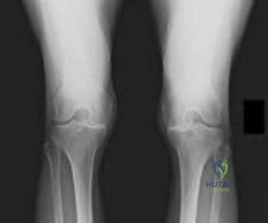
Consider the geometric properties of a standard orthopaedic bone screw.

When a surgeon is inserting a cortical screw into dense diaphyseal bone, resistance is met. Which of the following design parameters is the primary determinant of the screw's torsional yield strength (its resistance to breaking during insertion)?


Explanation

A screw's resistance to breaking under torsional loads (torsional yield strength) is proportional to the cube of its inner (core) diameter. In contrast, the screw's pull-out strength is directly proportional to its outer diameter, thread engagement length, and the shear strength of the bone.

Question 15

A 10-year-old boy presents with bleeding gums, petechiae, and evidence of impaired wound healing. Radiographs show a distinct radiolucent line in the metaphysis (Trümmerfeld zone). The underlying biochemical defect is a failure to properly hydroxylate proline and lysine residues. Which step of collagen synthesis is directly impaired?


Explanation

The clinical presentation is classic for scurvy (Vitamin C deficiency). Vitamin C is an essential cofactor for prolyl hydroxylase and lysyl hydroxylase. These enzymes function intracellularly within the rough endoplasmic reticulum to hydroxylate proline and lysine residues on preprocollagen chains. This hydroxylation is required for stable triple-helix formation.

Question 16

The bending rigidity of an intramedullary nail is mathematically dependent on its material properties and its cross-sectional geometry, specifically the area moment of inertia. For a solid circular intramedullary nail, if the radius is increased by a factor of 2, the bending rigidity increases by a factor of:


Explanation

For a solid cylinder, the area moment of inertia (I) is proportional to the radius raised to the fourth power (I = π * r^4 / 4). Therefore, doubling the radius (2r) increases the area moment of inertia, and thus the bending rigidity, by a factor of 2^4 = 16.

Question 17

Laboratory evaluation of a 55-year-old female reveals elevated serum calcium, decreased serum phosphate, elevated intact parathyroid hormone (PTH), and elevated alkaline phosphatase. If a bone biopsy were performed, which of the following histological findings would most likely be observed?


Explanation

The laboratory profile indicates primary hyperparathyroidism. Excess PTH stimulates massive osteoclastic bone resorption. Histologically, this presents as dissecting osteitis (osteoclastic tunneling into trabeculae), subperiosteal bone resorption, and replacement of the marrow space with highly vascular fibrous tissue (osteitis fibrosa cystica/brown tumors). Option A is osteomalacia, B is Paget's, D is osteoporosis, and E is osteopetrosis.

Question 18

The differentiation of multipotent mesenchymal stem cells (MSCs) into various skeletal lineages is governed by specific transcription factors. The commitment of an MSC specifically into the osteoblast lineage requires the expression of which master transcription factor?


Explanation

Runx2 (also known as Cbfa1) is the master transcription factor required for the differentiation of mesenchymal stem cells into osteoblasts. A mutation in this gene leads to cleidocranial dysplasia. Sox9 drives chondrogenesis, PPAR-gamma drives adipogenesis, and MyoD drives myogenesis.

Question 19

Proteoglycans represent a critical component of the extracellular matrix of articular cartilage. What is the primary biomechanical function of the most abundant proteoglycan, aggrecan, in this tissue?


Explanation

Aggrecan consists of a protein core with numerous negatively charged glycosaminoglycan (GAG) side chains (chondroitin sulfate and keratan sulfate). These negative charges repel each other and attract cations (like Na+) and water, creating a massive osmotic swelling pressure. The type II collagen network restrains this swelling, rendering the cartilage stiff and capable of resisting large compressive loads.

Question 20

During fracture healing and normal bone remodeling, the canonical Wnt signaling pathway plays a crucial role in promoting osteoblast differentiation and bone formation. Activation of this pathway primarily results in the intracellular accumulation and nuclear translocation of which of the following molecules?


Explanation

In the canonical Wnt signaling pathway, Wnt proteins bind to Frizzled receptors and LRP5/6 co-receptors. This inhibits the destruction complex (which includes GSK-3beta), preventing the degradation of beta-catenin. Accumulated beta-catenin then translocates to the nucleus where it binds TCF/LEF transcription factors to upregulate genes that promote osteoblastogenesis and bone formation. Sclerostin (SOST) inhibits this pathway.

Question 21

In the manufacturing of highly cross-linked polyethylene (HXLPE) for total hip arthroplasty, increasing the radiation dose to promote cross-linking results in which of the following mechanical changes compared to conventional ultra-high-molecular-weight polyethylene?


Explanation

Highly cross-linked polyethylene (HXLPE) significantly reduces wear rates in total hip arthroplasty. However, the process of cross-linking and subsequent thermal treatment decreases certain mechanical properties, including ultimate tensile strength, ductility, fatigue strength, and resistance to crack propagation.

Question 22

A patient presents with pain and a sterile effusion 4 years after a metal-on-polyethylene total hip arthroplasty utilizing a modular titanium neck and cobalt-chromium head.

Retrieval analysis of the head-neck taper junction would most likely reveal which primary mechanism of failure?


Explanation

Mechanically assisted crevice corrosion (MACC), often initiated by fretting corrosion, is the primary mode of failure at modular junctions in total hip arthroplasty. Micromotion at the taper junction disrupts the passivating oxide layer (fretting), exposing reactive metal to fluid, which then undergoes crevice and galvanic corrosion.

Question 23

Bone morphogenetic proteins (BMPs) are essential for osteoinduction. Following the binding of BMP-2 to its transmembrane serine/threonine kinase receptor, which of the following intracellular signaling molecules is directly phosphorylated to translocate to the nucleus and modulate gene transcription?


Explanation

BMPs signal via cell surface serine/threonine kinase receptors. Upon activation, they phosphorylate receptor-regulated Smads (R-Smads), specifically Smad 1, 5, and 8. These bind to the common-mediator Smad 4, forming a complex that translocates into the nucleus to act as a transcription factor.

Question 24

During skeletal muscle contraction, calcium ions are released from the sarcoplasmic reticulum. To initiate the power stroke cycle, calcium must bind directly to which of the following proteins?


Explanation

In skeletal muscle, calcium binds to Troponin C. This causes a conformational change in the troponin complex, shifting tropomyosin away from the myosin-binding sites on the actin filament, allowing cross-bridge cycling to occur. Troponin I is inhibitory, and Troponin T binds to tropomyosin.

Question 25

A patient sustains a peripheral nerve injury characterized by disruption of the axons, endoneurium, and perineurium, but the epineurium remains intact. According to the Sunderland classification, what grade of injury is this?


Explanation

Sunderland Grade IV injury involves disruption of the axon, endoneurium, and perineurium, with an intact epineurium. Grade I is neurapraxia. Grade II is axonotmesis (axon disrupted, endoneurium intact). Grade III involves axon and endoneurium disruption (perineurium intact). Grade V is complete nerve transection.

Question 26

A freshly harvested tendon is subjected to biomechanical testing. The tendon is stretched to a specific length, and that length is maintained constant over time. The gradual decrease in the measured force required to maintain this constant length is best defined as:


Explanation

Stress relaxation is the viscoelastic property where the stress (force) decreases over time when a material is held at a constant strain (length). Creep is the gradual increase in strain (deformation) when held at a constant stress (load).

Question 27

Analysis of normal synovial fluid reveals it is a dialysate of blood plasma combined with a specific macromolecule that imparts high viscosity. Which cell type is primarily responsible for synthesizing this macromolecule?


Explanation

Synovial fluid's viscosity is largely due to hyaluronic acid (hyaluronan), which is synthesized by Type B synoviocytes. Type B synoviocytes are fibroblast-like cells. Type A synoviocytes are macrophage-like and are responsible for phagocytosis.

Question 28

During normal human gait, maximum ankle dorsiflexion occurs during which specific phase of the gait cycle?


Explanation

Maximum ankle dorsiflexion (approximately 10 degrees) occurs at the end of terminal stance, just before heel-off. This allows the body's center of mass to advance over the supporting foot.

Question 29

Titanium alloy (Ti-6Al-4V) is widely used in orthopedic implants due to its excellent biocompatibility and a modulus of elasticity closer to bone than cobalt-chromium. However, its primary biomechanical disadvantage, which limits its use in certain articulating applications, is:


Explanation

Titanium alloys have poor wear characteristics and are highly notch sensitive, meaning surface scratches significantly reduce their fatigue life. Consequently, they are rarely used for articulating surfaces (e.g., femoral heads) and are typically reserved for stems, cups, and fracture fixation where wear is less of an issue.

Question 30

According to Perren’s strain theory of fracture healing, lamellar bone can only form when the interfragmentary strain is below which of the following thresholds?


Explanation

Perren's strain theory postulates that specific tissues can only form under certain strain conditions. Granulation tissue tolerates up to 100% strain, fibrous tissue and cartilage up to 10%, and lamellar bone can only form when strain is < 2%.

Question 31

Among the following synthetic bone graft substitutes, which has the slowest in vivo resorption rate, providing the longest-lasting structural scaffold?


Explanation

Hydroxyapatite (HA) has the slowest resorption rate among synthetic calcium-based bone graft substitutes and can remain in the body for years. Calcium sulfate resorbs very rapidly (weeks), and tricalcium phosphate resorbs at an intermediate rate (months).

Question 32

Histologic examination of articular cartilage demonstrates distinct structural zones. In the superficial zone (lamina splendens), how are the collagen fibrils predominantly oriented relative to the articular surface?


Explanation

In the superficial zone of articular cartilage, collagen fibrils (primarily Type II) are oriented parallel to the articular surface. This arrangement provides high tensile strength and resists shear forces during joint loading. In the deep zone, they are oriented perpendicularly.

Question 33

A 14-year-old boy presents with a destructive diaphyseal lesion of the femur. Biopsy reveals small round blue cells. Molecular testing demonstrates a t(11;22)(q24;q12) chromosomal translocation. This specific genetic aberration results in the formation of which fusion gene?


Explanation

The t(11;22)(q24;q12) translocation is the hallmark of Ewing sarcoma, resulting in the EWS-FLI1 fusion protein, which acts as an aberrant transcription factor. SYT-SSX is synovial sarcoma t(x;18). PAX3-FKHR is alveolar rhabdomyosarcoma. TLS-CHOP is myxoid liposarcoma.

Question 34

A patient with severe osteoporosis is started on denosumab. This monoclonal antibody exerts its therapeutic effect by directly binding to which of the following targets?


Explanation

Denosumab is a monoclonal antibody that binds directly to RANKL, preventing it from binding to the RANK receptor on osteoclasts and their precursors. This inhibits osteoclast differentiation, function, and survival. Bisphosphonates inhibit farnesyl pyrophosphate synthase. Romosozumab inhibits sclerostin.

Question 35

A 45-year-old male with a history of severe alcohol use disorder presents with perifollicular petechiae, gingival bleeding, and poor wound healing. The underlying enzymatic defect in this patient most directly impairs which step in collagen synthesis?


Explanation

The patient has scurvy due to Vitamin C deficiency. Vitamin C is an essential cofactor for prolyl hydroxylase and lysyl hydroxylase, enzymes responsible for the hydroxylation of proline and lysine residues in the rough endoplasmic reticulum during collagen synthesis.

Question 36

Following a traumatic nerve transection, Wallerian degeneration occurs. If an electromyogram (EMG) is performed on the denervated muscle, what is the earliest expected abnormal finding, and when does it typically appear?


Explanation

The earliest EMG evidence of muscle denervation is the appearance of spontaneous electrical activity at rest, specifically fibrillation potentials and positive sharp waves. These typically take 2-3 weeks to develop after the nerve injury.

Question 37

In periprosthetic joint infections, bacteria adhere to the implant and form a biofilm. The bacteria within this biofilm coordinate their behavior and gene expression based on population density through a communication mechanism known as:


Explanation

Quorum sensing is the mechanism by which bacteria communicate using secreted signaling molecules (autoinducers). Once a critical population density is reached, it triggers changes in gene expression, facilitating processes like biofilm formation, virulence factor production, and antibiotic resistance.

Question 38

A patient undergoing total knee arthroplasty is prescribed rivaroxaban for deep vein thrombosis (DVT) prophylaxis. Based on the coagulation cascade, rivaroxaban exerts its anticoagulant effect by directly inhibiting:


Explanation

Rivaroxaban and apixaban are direct, oral Factor Xa inhibitors. They do not require antithrombin for their activity. Dabigatran is a direct thrombin (IIa) inhibitor. Warfarin inhibits vitamin K epoxide reductase.

Question 39

An orthopedic randomized controlled trial evaluates a new fracture fixation plate against the gold standard. The study concludes there is no statistically significant difference in union rates (p = 0.08). However, independent long-term data later proves the new plate actually has a higher nonunion rate. Which statistical error was committed in the original trial?


Explanation

A Type II error (false negative) occurs when a study fails to reject a false null hypothesis—meaning the study finds no difference when a true difference actually exists. This is often due to an inadequate sample size (low power). A Type I error is a false positive.

Question 40

Biomechanically, during normal flexion and extension of a healthy lumbar functional spinal unit, the instantaneous axis of rotation is primarily located in which region?


Explanation

The instantaneous axis of rotation (IAR) for a functional spinal unit in the lumbar spine during flexion and extension is located within the intervertebral disc, specifically in the anterior portion of the posterior half of the disc.

Question 41


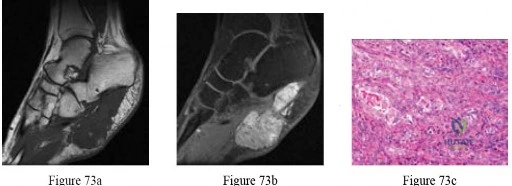
A resident applies a Ponseti cast to an infant with idiopathic clubfoot. Initially, there is significant resistance from the tight Achilles tendon and posteromedial structures. Over the next several minutes, while the resident holds the foot in the corrected position, the resident notes that less force is required to maintain the exact same degree of dorsiflexion and abduction. Which biomechanical property of viscoelastic materials does this clinical scenario represent?


Explanation

Stress relaxation is a fundamental viscoelastic property characterized by a progressive decrease in internal stress (the force required by the resident) over time when the material (ligament/tendon) is held at a constant strain (deformation or position). Creep, conversely, is the continued deformation of a material over time when subjected to a constant load (stress). Hysteresis is the loss of energy (usually as heat) during a loading and unloading cycle.

Question 42


A patient undergoes revision open reduction and internal fixation of a femoral nonunion. Due to a shortage of hardware sets, a stainless steel screw is inadvertently placed into a titanium plate. Which of the following modes of corrosion is most likely to be significantly accelerated at the screw-plate interface?


Explanation

Galvanic corrosion occurs when two dissimilar metals are placed in direct physical contact within an electrolytic conductive fluid medium (such as body interstitial fluid). The difference in electrochemical potential between the two metals causes the less noble metal (the anode, typically stainless steel when mixed with titanium) to undergo accelerated oxidation and dissolve, while the more noble metal (cathode, titanium) is protected.

Question 43


During bone remodeling, the osteoclast creates a highly acidic microenvironment within the extracellular resorption pit to solubilize hydroxyapatite. Which enzyme is primarily responsible for generating the intracellular protons required to sustain this process?


Explanation

Carbonic anhydrase II catalyzes the conversion of carbon dioxide and water into protons (H+) and bicarbonate (HCO3-). The generated protons are subsequently pumped across the ruffled border into the resorption pit by a V-type ATPase pump. TRAP and Cathepsin K are secreted enzymes; Cathepsin K specifically degrades type I collagen in the demineralized matrix. Alkaline phosphatase is associated with osteoblasts and bone formation.

Question 44


A 12-year-old boy presents with an aggressive diaphyseal bone tumor. Cytogenetic analysis of the biopsy specimen reveals a t(11;22)(q24;q12) chromosomal translocation. Which of the following fusion proteins is characteristically produced as a result of this translocation?



Explanation

The t(11;22)(q24;q12) translocation is the classic cytogenetic hallmark of Ewing sarcoma, resulting in the EWS-FLI1 fusion protein in approximately 85% of cases. SYT-SSX is associated with synovial sarcoma [t(X;18)]. TLS-CHOP is seen in myxoid liposarcoma [t(12;16)]. PAX3-FKHR is seen in alveolar rhabdomyosarcoma [t(2;13)]. BCR-ABL is characteristic of chronic myelogenous leukemia [t(9;22), Philadelphia chromosome].

Question 45


In the cross-sectional histology of healthy adult articular cartilage, which zone is defined by possessing the highest concentration of water, the lowest concentration of proteoglycans, and collagen fibrils oriented parallel to the articular surface?


Explanation

The superficial (tangential) zone contains tightly packed Type II collagen fibers oriented parallel to the joint surface to resist shear forces. It contains the highest water content (up to 80%) and the lowest proteoglycan content among all the zones. The deep zone has the highest proteoglycan content, the lowest water content, and collagen fibers oriented perpendicular to the joint surface.

Question 46

During a normal walking gait cycle, what is the primary kinematic function of the hip abductors (gluteus medius and minimus) during the single-leg stance phase?


Explanation

During the single-leg stance phase of gait, the body's center of gravity creates an adduction moment around the stance hip. The hip abductors (gluteus medius and minimus) contract eccentrically and isometrically to counteract this moment, stabilizing the pelvis and preventing the unsupported (contralateral) side from dropping. Weakness in these muscles results in a Trendelenburg gait.

Question 47

A novel diagnostic laboratory test for periprosthetic joint infection (PJI) is evaluated in a multicenter study. If the prevalence of PJI in the tested population is artificially increased from 5% to 20% due to selection bias, how will the test's positive predictive value (PPV) and negative predictive value (NPV) change, assuming sensitivity and specificity remain constant?


Explanation

Predictive values are highly dependent on disease prevalence in the tested population. As the prevalence of a disease increases, the probability that a positive test result is a true positive (PPV) increases, and the probability that a negative test result is a true negative (NPV) correspondingly decreases. Sensitivity and specificity are intrinsic properties of the test and are generally independent of prevalence.

Question 48


During the normal physiological cascade of tendon healing following an acute tear, at what approximate time frame does the remodeling phase generally begin, and what is the predominant extracellular matrix collagen shift that defines this phase?


Explanation

Tendon healing occurs in three overlapping phases: inflammatory (days 0-7), proliferative/fibroblastic (days 7-28), and remodeling (starts around 4-6 weeks and lasts for months). During the initial phases, disorganized Type III collagen is deposited rapidly to bridge the gap. The hallmark of the remodeling phase is the replacement and reorganization of this weaker Type III collagen with stronger, longitudinally aligned Type I collagen.

Question 49


According to the fundamental biomechanical principles of intramedullary nailing, if the working length of a solid intramedullary nail is doubled, its torsional rigidity is mathematically altered by what factor?


Explanation

The torsional stiffness (rigidity) of a solid cylinder (like an intramedullary nail) is inversely proportional to its working length (L) and directly proportional to the polar moment of inertia, which relies on the fourth power of its radius (r^4). Because torsional rigidity = (G * J) / L, doubling the working length (L) decreases the overall torsional rigidity by half (a factor of 2).

Question 50


A patient develops persistent, unexplained pain, swelling, and a localized eczematous rash around the knee 6 months after a well-fixed total knee arthroplasty. Infection workup is completely negative. Dermatological patch testing is strongly positive for nickel. This delayed metal hypersensitivity reaction is primarily mediated by which of the following immune mechanisms?



Explanation

Metal allergy (to elements like nickel, cobalt, or chromium) in joint arthroplasty represents a classic Type IV (delayed) hypersensitivity reaction. Unlike Types I, II, and III, which are antibody-mediated, Type IV is a cell-mediated response driven by previously sensitized T lymphocytes and macrophages that release cytokines upon re-exposure to the antigen (metal ions acting as haptens).

Question 51

During skeletal muscle contraction, rigor mortis characteristically occurs after death due to the total depletion of intracellular ATP. In a living, normally functioning skeletal muscle, what specific critical role does ATP binding to the myosin head serve in the sliding filament cross-bridge cycle?


Explanation

In the sliding filament theory, the binding of a new ATP molecule to the myosin head specifically triggers the dissociation (detachment) of the cross-bridge from the actin filament. Subsequent hydrolysis of this ATP into ADP + Pi "cocks" the myosin head into a high-energy conformation for the next cycle. Without ATP binding, the myosin head remains locked to actin, resulting in rigor mortis.

Question 52


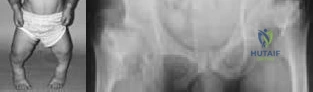
When utilizing a large structural cortical bone autograft instead of a cancellous autograft for a massive osseous defect, which of the following best describes the cortical graft's biological and biomechanical incorporation profile?


Explanation

Cortical bone grafts incorporate much more slowly than cancellous grafts. They revascularize primarily via preexisting Haversian systems through the action of cutting cones. This requires initial intense osteoclastic resorption to widen the canals, which paradoxically leads to a temporary but significant decrease in the graft's mechanical strength (often up to 30% reduction by 6 months) before new osteoblastic bone formation restores its strength.

Question 53

Achondroplasia is the most common recognizable form of short-limb dwarfism in orthopedic practice. The underlying genetic defect involves a mutation in the Fibroblast Growth Factor Receptor 3 (FGFR3) gene. Which of the following accurately describes the molecular mechanism and classic inheritance pattern of this disorder?


Explanation

Achondroplasia is caused by a gain-of-function mutation in the FGFR3 gene (most commonly a G to A transition at nucleotide 1138). Under normal conditions, FGFR3 inhibits chondrocyte proliferation. The gain-of-function mutation causes constitutive, unregulated inhibition of chondrocyte proliferation in the proliferative zone of the physis. It is inherited in an autosomal dominant manner (although 80% are de novo mutations).

Question 54


Zirconia ceramics were historically developed to address the inherent brittleness and fracture risk of alumina in total joint arthroplasty. The advanced mechanism of "phase transformation toughening" in partially stabilized zirconia refers to a structural lattice shift at the tip of a propagating micro-crack. This toughening shift occurs between which two distinct crystalline phases?


Explanation

Phase transformation toughening in zirconia ceramics occurs when mechanical stress at the leading tip of an advancing crack induces metastable tetragonal zirconia crystals to transform into the monoclinic phase. This specific phase transition is accompanied by a localized volume expansion (approximately 3-5%), which subsequently generates compressive stresses that actively close the crack and halt further propagation.

Question 55

A 35-year-old male sustained a closed mid-shaft humerus fracture resulting in an immediate complete radial nerve palsy. Four months post-injury, there is no clinical or electromyographic (EMG) evidence of recovery. If surgical exploration confirms a Sunderland Grade III nerve injury, what is the precise microanatomic state of the affected nerve?


Explanation

In the Sunderland classification: Grade I (Neuropraxia) = local myelin damage; Grade II (Axonotmesis) = axonal disruption with intact endoneurium (excellent recovery potential); Grade III = axonal and endoneurial disruption with intact perineurium (unpredictable recovery due to intraneural scarring); Grade IV = disruption of axon, endoneurium, and perineurium, leaving only the epineurium intact; Grade V = complete nerve transection (Neurotmesis).

Question 56

According to Perren's strain theory regarding fracture healing, the specific type of tissue that forms within a fracture gap is ultimately dictated by the local mechanical strain. What is the maximum threshold of tissue strain tolerated that still allows for the direct formation of solid lamellar bone?


Explanation

Perren's strain theory dictates that tissue cannot form in a fracture gap if the local mechanical strain exceeds the ultimate elongation failure limit of that specific tissue. Granulation tissue can tolerate up to 100% strain; fibrous tissue and cartilage tolerate up to 10% strain; woven bone can tolerate around 2-10% strain. Lamellar bone is rigid and can only form and survive in environments where the strain is less than 2% (requiring absolute stability).

Question 57

In modern total hip arthroplasty, the highly cross-linking of ultra-high molecular weight polyethylene (UHMWPE) through gamma or electron beam irradiation is routinely performed. What is the primary clinical tribological benefit and the most significant structural trade-off of utilizing highly cross-linked polyethylene compared to conventional non-cross-linked polyethylene?


Explanation

Highly cross-linking UHMWPE restricts the mobility of the polymer chains, significantly reducing adhesive wear and lowering the total volumetric wear rate, which critically decreases the risk of macrophage-mediated osteolysis. However, the cross-linking process, and the subsequent necessary thermal treatments (re-melting or annealing to eliminate free radicals), reduce key mechanical properties, including fatigue resistance, fracture toughness, and ultimate tensile and yield strengths.

Question 58

A 68-year-old patient with a documented history of deep vein thrombosis is undergoing a staged bilateral total knee arthroplasty. The patient is placed on oral apixaban for postoperative venous thromboembolism prophylaxis. What is the precise pharmacological mechanism of action of apixaban?


Explanation

Apixaban (along with rivaroxaban and edoxaban) is a direct, selective, and reversible inhibitor of Factor Xa, blocking the conversion of prothrombin to thrombin. Dabigatran is a direct thrombin (Factor IIa) inhibitor. Low-molecular-weight heparins (like enoxaparin) and fondaparinux act as indirect Factor Xa inhibitors by profoundly accelerating the activity of antithrombin III. Warfarin inhibits the vitamin K epoxide reductase enzyme.

Question 59


Aggrecan is the most abundant proteoglycan found within articular cartilage and is essential for maintaining its compressive biomechanical properties. Individual aggrecan monomers assemble into massive aggregates by binding to a long, unbranched central backbone molecule. What specific molecule constitutes this critical central backbone?


Explanation

In articular cartilage, up to 100 aggrecan monomers non-covalently attach to a single central backbone of hyaluronic acid (hyaluronan), stabilized by link proteins. This massive macromolecular aggregate is heavily laden with negatively charged glycosaminoglycans (chondroitin sulfate and keratan sulfate on the aggrecan core proteins), which are highly hydrophilic. They draw water into the matrix, providing the robust swelling pressure necessary to resist compressive loads.

Question 60

Which distinct mode of joint lubrication predominates in healthy diarthrodial articular cartilage under biomechanical conditions of extremely high physiological compressive loading but minimal or zero sliding velocity (for example, standing completely still)?


Explanation

Squeeze-film lubrication occurs when joint surfaces approach each other under high compressive loads with little to no relative sliding motion (zero velocity). As the surfaces are driven together, the viscous synovial fluid between them cannot instantly escape and acts as a trapped cushion, supporting the load. Hydrodynamic and elastohydrodynamic lubrication require significant relative sliding velocity to generate a supportive fluid wedge. Boundary lubrication relies on molecules like lubricin directly coating the surfaces, preventing adhesion at low speeds or high loads.

Question 61

What type of wear is characterized by the transfer of material from a softer bearing surface (e.g., polyethylene) to a harder bearing surface (e.g., metal), leading to localized bonding and subsequent tearing of the softer material?


Explanation

Adhesive wear occurs when two articulating bearing surfaces form localized bonds due to high contact pressures. As motion continues, the softer material (polyethylene) is torn away and adheres to the harder surface (metal or ceramic), generating wear particles.

Question 62

In normal articular cartilage, the primary mechanism of lubrication during high-load, rapid motion (such as the heel strike phase of gait) is best described by which of the following models?


Explanation

Elastohydrodynamic lubrication is the primary mechanism under high-load, dynamic, and rapid motion conditions. It relies on the elastic deformation of articular cartilage under pressure, which increases the surface area of contact and traps a fluid film of synovial fluid between the bearing surfaces, completely separating them.

Question 63

When applying a bridge plate to a comminuted diaphyseal fracture, increasing the 'working length' (the distance between the innermost screws on either side of the fracture) has what primary biomechanical effect?


Explanation

Increasing the working length of a plate decreases the overall construct stiffness, allowing bending forces to distribute over a longer segment. This permits some beneficial interfragmentary motion while significantly decreasing the relative strain at the fracture gap compared to a short working length, thereby promoting secondary bone healing through callus formation.

Question 64

Stress shielding around an orthopedic implant is directly related to the mismatch in Young's modulus of elasticity between the implant and the host bone. Which of the following materials has a Young's modulus most similar to that of human cortical bone (~15-20 GPa)?


Explanation

CFR-PEEK has a Young's modulus of approximately 18 GPa, which closely approximates that of human cortical bone (15-20 GPa). By comparison, Titanium alloy is ~110 GPa, Cobalt-chromium is ~220 GPa, PMMA is ~3 GPa, and Trabecular metal is ~3 GPa (mimicking cancellous bone).

Question 65

A researcher is designing a randomized controlled trial to evaluate a new protocol for DVT prophylaxis. The study fails to find a statistically significant difference between the two groups, but a true difference actually exists in the population. To have minimized the risk of this specific type of error, which of the following parameters should have been optimized?


Explanation

The scenario describes a Type II error (false negative), where a study fails to detect a true difference that exists in the population. The probability of a Type II error is represented by beta. Statistical power is defined as 1 minus beta. Therefore, maximizing statistical power (typically achieved by adequately increasing the sample size) minimizes the risk of committing a Type II error.

Question 66

During a fluoroscopically assisted closed reduction of a distal radius fracture, the surgeon initially stands 1 meter away from the C-arm beam. If the surgeon steps back to a distance of 2 meters, the radiation exposure is altered by what factor according to the inverse square law?


Explanation

The inverse square law states that the intensity of radiation is inversely proportional to the square of the distance from the source (Intensity = 1/d^2). Doubling the distance (from 1 meter to 2 meters) reduces the radiation exposure to 1/2^2, which is 1/4 of the original exposure.

Question 67

Following a severe peripheral nerve crush injury (Sunderland second-degree/Seddon axonotmesis), Wallerian degeneration occurs distal to the injury site. Which cellular mechanism is primarily responsible for clearing myelin debris to create an environment conducive to axonal regeneration?


Explanation

In the peripheral nervous system, Wallerian degeneration involves the breakdown of the axon and myelin sheath distal to the injury. Schwann cells dedifferentiate, proliferate, and work synergistically with recruited hematogenous macrophages to phagocytose and clear myelin debris, which paves the way for axonal sprouts to regenerate.

Question 68

Demineralized bone matrix (DBM) is commonly utilized as a bone graft extender in spinal fusions and fracture nonunions. By definition, which of the following biological properties does DBM completely lack?


Explanation

DBM provides an osteoconductive scaffold (Type I collagen) and is osteoinductive due to the preservation of bone morphogenetic proteins (BMPs) and other growth factors trapped within the matrix. However, the acid extraction and sterilization processes destroy all viable cells, meaning DBM completely lacks osteogenicity (live, bone-forming cells).

Question 69

Osteoclasts are multinucleated giant cells responsible for bone resorption. They create an acidic microenvironment at the ruffled border. A genetic deficiency in the enzyme carbonic anhydrase II impairs this process and directly leads to which of the following clinical conditions?


Explanation

Carbonic anhydrase II catalyzes the hydration of carbon dioxide to form carbonic acid, which then dissociates into protons (H+) and bicarbonate. The protons are actively pumped via V-ATPases into the sealed resorption pit to dissolve hydroxyapatite. A deficiency in CA II leads to autosomal recessive osteopetrosis associated with renal tubular acidosis.

Question 70

In the pathogenesis of aseptic loosening following total joint arthroplasty, the biological response is triggered by particulate wear debris. Which of the following cell types is the primary initiator of the osteolytic cascade by phagocytosing particles and subsequently releasing TNF-alpha, IL-1, and IL-6?


Explanation

Macrophages are the primary effector cells in the innate immune response to implant wear debris (such as polyethylene particles). Upon phagocytosis of these particles, macrophages release pro-inflammatory cytokines (TNF-alpha, IL-1, IL-6, and PGE2), which stimulate osteoclastogenesis via the RANK/RANKL pathway, ultimately leading to periprosthetic osteolysis.

Question 71

When preparing antibiotic-loaded polymethylmethacrylate (PMMA) bone cement for the treatment of a chronic periprosthetic joint infection (e.g., formulating an articulating spacer), what is the primary consequence of using a 'high-dose' mixture (e.g., >10% antibiotic by weight) compared to standard prophylactic doses?


Explanation

Adding 'high-dose' antibiotics (typically defined as >2g per 40g bag, and often >10% by weight for spacers) significantly compromises the mechanical properties of PMMA, specifically decreasing its compressive, tensile, and shear strengths. While acceptable for temporary spacers, this high ratio is contraindicated for the final fixation of permanent prosthetic components.

Question 72

The compressive stiffness and osmotic swelling pressure of articular cartilage are primarily maintained by the interaction between interstitial water and which of the following highly negatively charged molecules?


Explanation

Aggrecan is the most abundant large aggregating proteoglycan found in articular cartilage. Its glycosaminoglycan side chains (chondroitin sulfate and keratan sulfate) are highly negatively charged. This fixed negative charge density attracts cations (like Na+) and water via the Donnan osmotic effect, creating a swelling pressure that allows cartilage to withstand compressive loads.

Question 73

Non-steroidal anti-inflammatory drugs (NSAIDs) are frequently withheld in the acute post-operative period following fracture fixation due to concerns regarding impaired bone healing. NSAIDs primarily inhibit fracture healing by directly suppressing which of the following processes?


Explanation

NSAIDs exert their effects by inhibiting cyclooxygenase (COX) enzymes. COX-2 activity, specifically the production of prostaglandin E2 (PGE2), is critical for mesenchymal stem cell differentiation into osteoblasts and for the progression of normal endochondral ossification. Inhibition of COX-2 delays the maturation of the cartilaginous fracture callus into woven bone.

Question 74

A 45-year-old patient receives an axillary block using 0.5% bupivacaine for a distal radius fracture repair. Thirty minutes later, she develops perioral numbness, visual disturbances, muscle twitching, and subsequently progresses to ventricular fibrillation. What is the most appropriate initial specific antidote to administer?


Explanation

The patient is experiencing Local Anesthetic Systemic Toxicity (LAST), progressing from early CNS symptoms to catastrophic cardiovascular collapse. Bupivacaine is highly cardiotoxic. The first-line specific treatment for LAST is the administration of a 20% intravenous lipid emulsion, which acts as a 'lipid sink' to draw the highly lipophilic local anesthetic out of the myocardium and CNS tissues.

Question 75

Tendons and ligaments are viscoelastic structures. If a dynamic splint applies a constant load (force) to a contracted joint over an extended period of time, the soft tissues will gradually elongate. This specific biomechanical property is known as:


Explanation

Creep is defined as the progressive, time-dependent deformation (elongation) of a viscoelastic tissue when subjected to a constant load or stress over time. Dynamic splinting relies on the principle of creep to safely lengthen contracted tissues. 'Stress relaxation', by contrast, is the gradual decrease in stress experienced by a tissue when it is held at a constant length.

Question 76

According to the sliding filament theory of skeletal muscle contraction, the release of calcium ions from the sarcoplasmic reticulum initiates the contraction cycle. To which specific molecular structure does calcium bind to unblock the myosin-binding sites on the actin filament?


Explanation

Calcium released from the sarcoplasmic reticulum binds to Troponin C. This binding induces a conformational change in the troponin complex, causing the associated tropomyosin molecule to shift its position. This exposes the myosin-binding sites on the actin filament, allowing the myosin heads to attach and initiate the power stroke.

Question 77

Achondroplasia is the most common skeletal dysplasia and is inherited in an autosomal dominant pattern. It is caused by a gain-of-function mutation in the Fibroblast Growth Factor Receptor 3 (FGFR3) gene. How does this mutation specifically affect the growth plate (physis)?


Explanation

FGFR3 normally functions as a negative regulator of bone growth. A gain-of-function mutation causes constitutive, unchecked activation of the receptor, which severely inhibits chondrocyte proliferation and differentiation in the proliferative zone of the physis. This leads to a profound quantitative defect in longitudinal endochondral ossification, resulting in short-limb dwarfism.

Question 78

During the normal human gait cycle, the ankle joint moves through varying degrees of flexion and extension. At what specific phase of the gait cycle does the ankle reach its maximum normal degree of dorsiflexion?


Explanation

Maximum ankle dorsiflexion (approximately 10 degrees) occurs during terminal stance, just prior to heel off. During this phase, the tibia actively rolls forward over the planted foot. Immediately after heel off, the ankle rapidly transitions into plantarflexion during pre-swing to achieve a forceful push-off.

Question 79

Tranexamic acid (TXA) has become a standard of care in major orthopedic surgeries to minimize blood loss. What is the specific molecular mechanism of action of this synthetic amino acid derivative?


Explanation

Tranexamic acid is a synthetic analog of the amino acid lysine. It functions as an antifibrinolytic by competitively binding to the lysine-binding sites on plasminogen molecules. This action prevents the conversion of plasminogen to plasmin. Since plasmin is the primary enzyme responsible for fibrinolysis (breaking down clots), TXA stabilizes the fibrin clot matrix and significantly reduces surgical bleeding.

Question 80

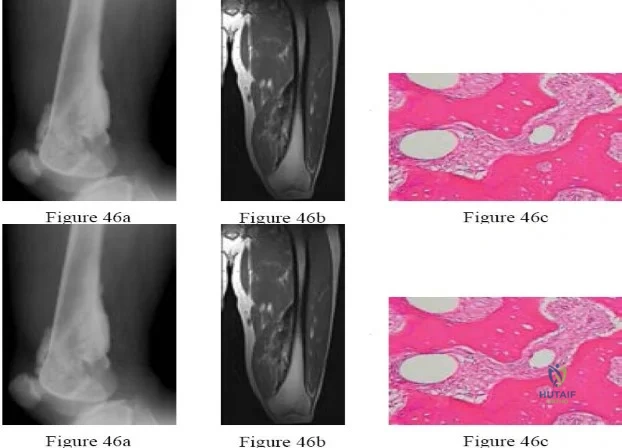
A 50-year-old male with a history of severe alcohol use disorder presents with easy bruising, perifollicular hemorrhages, and gingival bleeding. He is diagnosed with scurvy secondary to Vitamin C deficiency. Which specific step in collagen biosynthesis is directly impaired by this deficiency?


Explanation

Vitamin C (ascorbic acid) acts as an essential electron donor (reducing agent) for the enzymes prolyl hydroxylase and lysyl hydroxylase. These enzymes mediate the hydroxylation of specific proline and lysine residues on pro-alpha collagen chains in the rough endoplasmic reticulum. Without adequate hydroxylation, stable hydrogen bonds cannot form between the chains, leading to a defective, weak collagen triple helix and the classic clinical signs of scurvy.

Question 81

Modular hip stems often employ a titanium alloy stem and a cobalt-chromium head. Which type of corrosion is most likely to occur at the modular head-neck taper junction strictly due to local oxygen depletion in a restricted fluid space?


Explanation

Crevice corrosion occurs in narrow spaces like taper junctions where oxygen depletion leads to a localized acidic environment. While fretting corrosion also occurs here due to micromotion, oxygen depletion specifically defines crevice corrosion.

Question 82

The pullout strength of a cortical screw is directly proportional to which of the following geometric parameters?


Explanation

Screw pullout strength is directly proportional to the outer (thread) diameter and length of thread engagement, and inversely proportional to thread pitch. The core diameter determines the screw's bending and torsional strength, not its pullout strength.

Question 83

Demineralized bone matrix (DBM) is commonly utilized in orthopaedic applications to aid spinal fusion and fracture healing. Which of the following best describes its biologic properties?


Explanation

DBM provides a collagenous scaffold (osteoconductive) and contains bone morphogenetic proteins (BMPs) that stimulate bone formation (osteoinductive). It lacks viable cells, so it does not possess osteogenic properties.

Question 84

Following a peripheral nerve transection, Wallerian degeneration occurs distal to the injury site. Which cell type is primarily responsible for clearing myelin debris during the initial phase of this process before macrophages arrive?


Explanation

In the peripheral nervous system, Schwann cells are the first to respond to injury by shedding their myelin and clearing debris via autophagy. They subsequently recruit circulating macrophages to take over the bulk of phagocytosis.

Question 85


During tensile testing of a normal flexor tendon, the initial 'toe region' of the stress-strain curve is primarily due to which structural phenomenon?


Explanation

The non-linear toe region of the ligament or tendon stress-strain curve represents the uncrimping (straightening) of the normally wavy collagen fibrils. Once the fibers are fully uncrimped, the tissue enters the linear elastic region.

Question 86

Denosumab is increasingly utilized to treat osteoporosis and prevent skeletal-related events in metastatic bone disease. What is its exact mechanism of action at the cellular level?


Explanation

Denosumab is a monoclonal antibody that binds directly to RANKL, preventing it from activating the RANK receptor on osteoclast precursors. Osteoprotegerin (OPG) is the endogenous decoy receptor, which Denosumab mimics therapeutically.

Question 87

Boundary lubrication in articular cartilage is most critical under conditions of high loads and low velocities. Which molecule is primarily responsible for this specific lubrication mechanism at the articular surface?


Explanation

Lubricin (proteoglycan 4) is secreted by superficial zone chondrocytes and synoviocytes, providing boundary lubrication that reduces friction under high-load, low-velocity conditions. Fluid-film lubrication predominates during high-velocity motions.

Question 88

Platelet-rich plasma (PRP) is used clinically to augment healing in various tendinopathies. The alpha granules of platelets contain numerous growth factors. Which growth factor in PRP is most responsible for stimulating angiogenesis?


Explanation

Vascular endothelial growth factor (VEGF) is the primary stimulator of angiogenesis and endothelial cell proliferation. PDGF and TGF-beta are also abundant in alpha granules but primarily stimulate cellular chemotaxis and matrix synthesis.

Question 89

Bone morphogenetic proteins (BMPs) initiate intracellular signaling pathways critical for osteoblast differentiation. Upon binding to their transmembrane serine/threonine kinase receptors, which intracellular proteins are directly phosphorylated to translocate to the nucleus?


Explanation

BMP receptors phosphorylate receptor-regulated Smads (Smad 1, 5, and 8). These then complex with common-mediator Smad 4 and translocate into the nucleus to regulate the transcription of osteogenic genes like RUNX2.

Question 90

Highly cross-linked polyethylene (HXLPE) is utilized in total hip arthroplasty to minimize wear. High-dose irradiation generates free radicals that can cause oxidative degradation over time. How are these free radicals typically eliminated during manufacturing?


Explanation

Post-irradiation thermal treatment (melting or annealing) is required to extinguish residual free radicals in HXLPE, thereby preventing long-term oxidative degradation. Melting eliminates all free radicals but slightly reduces mechanical strength.

Question 91

According to Perren's strain theory of fracture healing, what type of tissue will form in a fracture gap if the local interfragmentary strain is maintained between 2% and 10%?


Explanation

Perren's strain theory posits that specific tissues tolerate certain strain levels before rupturing. Lamellar bone tolerates <2% strain, woven bone/fibrocartilage tolerates 2-10%, and granulation tissue tolerates up to 100% strain.

Question 92

Which recombinant bone morphogenetic protein is FDA-approved for use as an alternative to autograft in acute, open tibial shaft fractures treated with an intramedullary nail?


Explanation

Recombinant human BMP-2 (rhBMP-2) is FDA-approved for acute, open tibial shaft fractures and anterior lumbar interbody fusion (ALIF). BMP-7 was previously used for recalcitrant long bone nonunions under a humanitarian device exemption.

Question 93

A marathon runner's gastrocnemius-soleus complex relies heavily on endurance muscle fibers. Which characteristic best describes Type I (slow-twitch) skeletal muscle fibers?


Explanation

Type I (slow-twitch) fibers are specialized for prolonged endurance activities. They possess high oxidative capacity, a rich capillary supply, high mitochondrial density, and low myosin ATPase activity to resist fatigue.

Question 94


Staphylococcus aureus forms a robust biofilm on orthopaedic implants. Which extracellular matrix component is synthesized by the bacteria to initiate irreversible adhesion to the implant surface?


Explanation

Following initial reversible attachment, S. aureus synthesizes polysaccharide intercellular adhesin (PIA) encoded by the ica operon. This component forms the structural backbone of the biofilm's glycocalyx, allowing irreversible adhesion.

Question 95

During bone resorption, osteoclasts create an acidic microenvironment in the sealed zone (Howship's lacuna) to dissolve hydroxyapatite. Which enzyme is primarily responsible for generating the intracellular protons required for this acidification?


Explanation

Carbonic anhydrase II catalyzes the hydration of CO2 to form carbonic acid, which dissociates into protons (H+) and bicarbonate. The protons are pumped into the sealed zone by a vacuolar H+-ATPase to dissolve bone mineral.

Question 96

When replacing a solid intramedullary nail with a hollow intramedullary nail of the identical outer diameter, how is the torsional rigidity of the implant mathematically affected?


Explanation

Torsional rigidity is proportional to the polar moment of inertia. For a hollow cylinder, it is proportional to (outer radius^4 - inner radius^4). Thus, hollowing the nail decreases its rigidity by a factor proportional to the inner radius^4.

Question 97

Osteogenesis imperfecta typically results from a genetic mutation affecting Type I collagen synthesis. Which specific amino acid substitution is most commonly responsible for disrupting the triple helix structure?


Explanation

Type I collagen forms a triple helix composed of repeating Glycine-X-Y sequences. Glycine is the smallest amino acid and must occupy every third position to fit inside the helix core; bulkier substitutions disrupt the helix.

Question 98

Tranexamic acid (TXA) is routinely administered in orthopaedic surgery to minimize perioperative blood loss. What is its precise mechanism of action within the coagulation cascade?


Explanation

TXA is a synthetic analog of the amino acid lysine. It reversibly binds to lysine-binding sites on plasminogen, thereby preventing its activation to plasmin and effectively blocking fibrinolysis.

Question 99

Following closure of the physes, adult articular cartilage is strictly avascular and relies entirely on diffusion for cellular nutrition. Where does the majority of nutrient supply for the superficial and transitional zones originate?


Explanation

In skeletal maturity, the calcified cartilage zone and the subchondral bone plate block diffusion from epiphyseal vessels. Therefore, the avascular articular cartilage relies heavily on diffusion from the synovial fluid, driven by cyclic loading.

Question 100

While continuous high-dose Parathyroid Hormone (PTH) causes net bone resorption, intermittent low-dose PTH administration drives net bone formation. The anabolic effect of intermittent PTH is primarily mediated by upregulating which pathway?


Explanation

Intermittent PTH has an anabolic effect by inhibiting sclerostin (a Wnt antagonist), which subsequently upregulates the Wnt/beta-catenin signaling pathway. This promotes osteoblast proliferation, differentiation, and survival.

None

Clinic OS
Medically Verified Content by
Prof. Clinic OS
Consultant Orthopedic & Spine Surgeon
Chapter Index
