High Tibial Osteotomy (HTO): A Comprehensive Guide to Indications, Techniques, Anatomy, and Biomechanics
14 Apr 2026
248 min read
81 Views
Key Takeaway
This interactive board review contains 100 randomly selected orthopedic surgery questions with clinical images, immediate feedback, and detailed references.
High Tibial Osteotomy (HTO): A Comprehensive ...
00:00
Start Quiz
Question 1High Yield
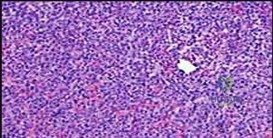
Figures 88a through 88d are the radiographs and biopsy specimens of a 65-year-old woman with a history of breast cancer who has been experiencing 6 weeks of increasing left hip pain. She denies any injury. What is the most likely diagnosis?


Explanation
Radiographs reveal a destructive lesion. A differential diagnosis would include metastatic disease, myeloma, lymphoma, or primary sarcoma of bone. Histology shows sheets of plasma cells with eccentric nuclei, coarsely clumped nuclear chromatin, and a perinuclear halo. This pathology is consistent with myeloma. Metastatic disease would reveal nests of epithelia cells in a fibrous
background. Fibrous dysplasia would reveal irregular bony trabecular without rimming osteoblasts. Osteosarcoma would reveal malignant cells making osteoid.
RECOMMENDED READINGS
80. [Palumbo A, Anderson K. Multiple myeloma. N Engl J Med. 2011 Mar 17;364(11):1046-60. doi: 10.1056/NEJMra1011442. Review. PubMed PMID: 21410373. ](http://www.ncbi.nlm.nih.gov/pubmed/21410373)[View Abstract at PubMed](http://www.ncbi.nlm.nih.gov/pubmed/21410373)
81. Swerdlow S, Campo E, Harris N, Jaffe ES, Pileri SA, Stein H, Thiele J, Vardiman JW, eds. _WHO Classification of Tumors of Haematopoietic and Lymphoid Tissues_ , 4th ed. Lyon, France: IARC Press; 2008.
background. Fibrous dysplasia would reveal irregular bony trabecular without rimming osteoblasts. Osteosarcoma would reveal malignant cells making osteoid.
RECOMMENDED READINGS
80. [Palumbo A, Anderson K. Multiple myeloma. N Engl J Med. 2011 Mar 17;364(11):1046-60. doi: 10.1056/NEJMra1011442. Review. PubMed PMID: 21410373. ](http://www.ncbi.nlm.nih.gov/pubmed/21410373)[View Abstract at PubMed](http://www.ncbi.nlm.nih.gov/pubmed/21410373)
81. Swerdlow S, Campo E, Harris N, Jaffe ES, Pileri SA, Stein H, Thiele J, Vardiman JW, eds. _WHO Classification of Tumors of Haematopoietic and Lymphoid Tissues_ , 4th ed. Lyon, France: IARC Press; 2008.
Question 2High Yield
A surgeon recommends an interscalene regional block to a patient undergoing shoulder arthroscopy. When asked about potential complications, which of the following is most likely to occur?
Explanation
**
Sensory neuropathy is the most common complication seen with interscalene regional block.
Question 3High Yield
**Spindled cells that are surrounded in mature osteoid that**
connect to other similar cells via canaliculi are best described as which of the following?
Explanation
**
Osteocyte cell processes travel through canaliculi to interconnect with other osteocytes and cells on the bone surfaces. Osteoblasts are cells that produce bone matrix and are seen rimming immature bone. Osteoclasts are large multinucleated cells that resorb bone and are found in Howship's lacunae. Megakaryocytes and histiocytes are found in marrow but not mature bone cortex.
Question 4High Yield
A 25-year-old male runs into a tree while going 45 mph on his motorcycle. He presents to your level 1 trauma hospital with the injuries shown in figures A through C. After closed reduction, which of the following is true with respect to treatment for this patient?


Explanation
This patient has sustained a Pipkin II femoral head fracture with associated anterior hip dislocation. An open reduction with internal fixation of the femoral head fragments with direct visualization is indicated to restore stability and congruity of the hip joint. These fractures can be treated with mini-fragment screws with excellent reduction and purchase without risks of extensive chondral injury or screw prominence.
Femoral head fractures are uncommon injuries usually associated with hip dislocations. They are classified using the Pipkin Classification (Illustration B). While resection of small femoral head fracture fragments can be considered (Pipkin I) as sufficient and satisfactory treatment, this fragment is large and displaced and thus should be treated with ORIF for optimal results. Regarding the surgical approach, advocates for the direct anterior approach state direct access to the anterior portion of the femoral head with decreased overall complication rates. Other approaches, including surgical hip dislocation and Kocher-Langenbeck, are also useful depending on associated injuries (acetabulum fractures, etc.) and location of the head fragment. ORIF of these fractures can be performed with the use of countersunk mini-fragment screws, headless screws and even bioabsorbable pins to avoid prominence or extensive chondral injury.
Marecek et al. authored a review article on femoral head fractures. They described these injuries as being generally associated with hip dislocations and require prompt reduction. They noted that the surgical fixation of the femoral head is generally done through the direct anterior approach or via a surgical hip dislocation depending on associated injuries. The authors also discussed the importance of using mini-frag screws to avoid hardware prominence. They also noted that while heterotopic ossification is a common finding after the anterior approach for these injuries, it is rarely proven to be symptomatic.
Giannoudis et al. reviewed femoral head fractures focusing on management, complications and clinical results. They reported on 453 femoral head fractures in 450 patients. Regarding Pipkin Is, they noted that fragment excision gave better results compared to ORIF (p=0.07), while Pipkin IIs showed improved outcomes with ORIF. Regarding complications, they noted the following rates: wound infection (3%), sciatic nerve palsy (4%), AVN (11.9%), post-traumatic OA (20%) and HO (16.8%). They also noted the anterior approach was associated with promising long-term functional results and a lower incidence of major complication rates.
Figure A is an AP pelvis radiograph revealing a left hip dislocation with a large femoral head fracture extending into the weight-bearing zone of hip joint
(Pipkin II). Figures B and C are CT scan images revealing an anteriorly dislocated hip with a large femoral head fracture without associated acetabulum fractures. Illustration A is the post-op fluoroscopy showing ORIF of femoral head with multiple 2.7 cortical screws. Illustration B demonstrates the Pipkin classification for femoral head fractures.
Incorrect Answers:
Answer 1: HO is a common complication noted after surgical fixation of femoral neck fractures (~15-20%)
Answer 3: The direct anterior (Smith-Peterson) approach is the preferred approach for the management of femoral head fractures that allows direct visualization of the fracture fragments.
Answer 4: For Pipkin II femoral head fractures, ORIF has improved outcomes compared to excision. For Pipkin 1, fragment excision leads to improved outcomes compared to ORIF.
Answer 5: 1 millimeter, not 2mm, is generally considered the cutoff for nonoperative management of femoral head fractures. This is in contrary to other articular fractures, where 2 mm is considered the general cutoff.
Femoral head fractures are uncommon injuries usually associated with hip dislocations. They are classified using the Pipkin Classification (Illustration B). While resection of small femoral head fracture fragments can be considered (Pipkin I) as sufficient and satisfactory treatment, this fragment is large and displaced and thus should be treated with ORIF for optimal results. Regarding the surgical approach, advocates for the direct anterior approach state direct access to the anterior portion of the femoral head with decreased overall complication rates. Other approaches, including surgical hip dislocation and Kocher-Langenbeck, are also useful depending on associated injuries (acetabulum fractures, etc.) and location of the head fragment. ORIF of these fractures can be performed with the use of countersunk mini-fragment screws, headless screws and even bioabsorbable pins to avoid prominence or extensive chondral injury.
Marecek et al. authored a review article on femoral head fractures. They described these injuries as being generally associated with hip dislocations and require prompt reduction. They noted that the surgical fixation of the femoral head is generally done through the direct anterior approach or via a surgical hip dislocation depending on associated injuries. The authors also discussed the importance of using mini-frag screws to avoid hardware prominence. They also noted that while heterotopic ossification is a common finding after the anterior approach for these injuries, it is rarely proven to be symptomatic.
Giannoudis et al. reviewed femoral head fractures focusing on management, complications and clinical results. They reported on 453 femoral head fractures in 450 patients. Regarding Pipkin Is, they noted that fragment excision gave better results compared to ORIF (p=0.07), while Pipkin IIs showed improved outcomes with ORIF. Regarding complications, they noted the following rates: wound infection (3%), sciatic nerve palsy (4%), AVN (11.9%), post-traumatic OA (20%) and HO (16.8%). They also noted the anterior approach was associated with promising long-term functional results and a lower incidence of major complication rates.
Figure A is an AP pelvis radiograph revealing a left hip dislocation with a large femoral head fracture extending into the weight-bearing zone of hip joint
(Pipkin II). Figures B and C are CT scan images revealing an anteriorly dislocated hip with a large femoral head fracture without associated acetabulum fractures. Illustration A is the post-op fluoroscopy showing ORIF of femoral head with multiple 2.7 cortical screws. Illustration B demonstrates the Pipkin classification for femoral head fractures.
Incorrect Answers:
Answer 1: HO is a common complication noted after surgical fixation of femoral neck fractures (~15-20%)
Answer 3: The direct anterior (Smith-Peterson) approach is the preferred approach for the management of femoral head fractures that allows direct visualization of the fracture fragments.
Answer 4: For Pipkin II femoral head fractures, ORIF has improved outcomes compared to excision. For Pipkin 1, fragment excision leads to improved outcomes compared to ORIF.
Answer 5: 1 millimeter, not 2mm, is generally considered the cutoff for nonoperative management of femoral head fractures. This is in contrary to other articular fractures, where 2 mm is considered the general cutoff.
Question 5High Yield
Slide 1
A 60-year-old man experiences pain under the lesser metatarsal heads. Prominence of the metatarsal heads under the second, third, and fourth metatarsal is noted, as well as associated fixed claw toe deformities (Slide). The etiology of the foot pain is:
Explanation
The cause of claw toe deformity is not idiopathic. C law toe deformity is a common deformity in adults, particularly in women as a result of lack of use of the intrinsic muscles of the foot, leading to an imbalance between the extrinsic and intrinsic muscles in the foot. As the intrinsic muscle atrophies, the long extensor and flexor tendons cause the deformity (as presented in this patient), with resulting metatarsalgia.
Question 6High Yield
The optimal position for hallux interphalangeal joint arthrodesis is:
Explanation
The optimal position for hallux interphalangeal joint arthrodesis is 5° to 10° of plantarflexion, neutral varus-valgus, and neutral rotation. The plantarflexion helps the toe pad to contact the ground during gait.
Question 7High Yield
A patient sustained a puncture wound to the plantar aspect of his foot. He was wearing shoes and socks at the time of the injury. Systemic antibiotic administration with specific coverage for which bacterial species (in addition to Staphylococcus aureus) should be instituted?
Explanation
Puncture wounds sustained through a shoe and sock increase risk for Pseudomonas infection. Clostridium are associated with soil-contaminated wounds. Mycobacterium marinum is associated with injuries sustained within water.
RECOMMENDED READINGS
[DeCoster TA, Miller RA. Management of Traumatic Foot Wounds. J Am Acad Orthop Surg. 1994 Jul;2(4):226-230. PubMed PMID: 10709013. ](http://www.ncbi.nlm.nih.gov/pubmed/10709013)[View Abstract at PubMed](http://www.ncbi.nlm.nih.gov/pubmed/10709013)
Raikin SM. Common infections of the foot. In: Richardson EG, ed. Orthopaedic Knowledge Update: Foot and Ankle 3. Rosemont, IL: American Academy of Orthopaedic Surgeons; 2004:199-205.
RECOMMENDED READINGS
[DeCoster TA, Miller RA. Management of Traumatic Foot Wounds. J Am Acad Orthop Surg. 1994 Jul;2(4):226-230. PubMed PMID: 10709013. ](http://www.ncbi.nlm.nih.gov/pubmed/10709013)[View Abstract at PubMed](http://www.ncbi.nlm.nih.gov/pubmed/10709013)
Raikin SM. Common infections of the foot. In: Richardson EG, ed. Orthopaedic Knowledge Update: Foot and Ankle 3. Rosemont, IL: American Academy of Orthopaedic Surgeons; 2004:199-205.
Question 8High Yield
Which of the following is considered the cause of Milwaukee shoulder, a joint disease similar to rotator cuff arthropathy?
Explanation
Neer and associates focused on mechanical and nutritional factors as the etiology of rotator cuff arthropathy. McCarty and associates, in describing a similar syndrome known as Milwaukee shoulder, focused on an inflammatory cause in proposing the pathogenic role of hydroxyapatite, a basic calcium phosphate.
REFERENCES: Neer CS II, Craig EV, Fukuda H: Cuff-tear arthropathy. J Bone Joint Surg Am 1983;65:1232-1244.
McCarty DJ, Halverson PB, Carrera GF, Brewer BJ, Kozin F: Milwaukee shoulder: Association of microspheroids containing hydroxyapatite crystals, active collagenase, and neutral protease with rotator cuff defects. I: Clinical aspects. Arthritis Rheum 1981;24:464-473.
REFERENCES: Neer CS II, Craig EV, Fukuda H: Cuff-tear arthropathy. J Bone Joint Surg Am 1983;65:1232-1244.
McCarty DJ, Halverson PB, Carrera GF, Brewer BJ, Kozin F: Milwaukee shoulder: Association of microspheroids containing hydroxyapatite crystals, active collagenase, and neutral protease with rotator cuff defects. I: Clinical aspects. Arthritis Rheum 1981;24:464-473.
Question 9High Yield
What is the optimum position of immobilization of the foot and ankle immediately after Achilles tendon repair to maximize skin perfusion?
Explanation
Achilles tendon tension is not affected by knee position when the ankle is in 20° to 25° of plantar flexion. Skin perfusion overlying the Achilles tendon is maximal in 20° of plantar flexion and is reduced beyond 20° of plantar flexion. Neutral flexion or any amount of dorsiflexion compromises the repair.
REFERENCE: Poynton AR, O’Rourke K: An analysis of skin perfusion over the Achilles tendon in varying degrees of plantar flexion. Foot Ankle Int 2001;22:572-574.
Question 10High Yield
A 65-year-old woman with diabetes has fever and erythema 2 weeks after undergoing instrumented spinal fusion.
Explanation
- Postoperative deep surgical site infection
Question 11High Yield
In addition to MR imaging, what is the most appropriate additional radiographic study at this time?
Explanation
- Long-standing radiograph of the entire spine
Question 12High Yield
Which of the following clinical findings is commonly associated with symptomatic partial-thickness rotator cuff tears?
Explanation
In symptomatic partial-thickness rotator cuff tears, a painful arc with active range of motion is common, impingement signs are usually positive, and the lift-off test is normal. Active and passive range of motion measurements are often equal, although active range of motion can be painful. External rotation lag signs are often seen with larger full-thickness tears.
REFERENCES: Hertel R, Ballmer FT, Lambert SM, Gerber C: Lag signs in the diagnosis of rotator cuff rupture. J Shoulder Elbow Surg 1996;5:307-313.
McConville OR, Iannotti JP: Partial thickness tears of the rotator cuff: Evaluation and management. J Am Acad Orthop Surg 1999;7:32-43.
Gerber C, Krushell RJ: Isolated rupture of the tendon of the subscapularis muscle: Clinical features in 16 cases. J Bone Joint Surg Br 1991;73:389-394.
Fukuda H: Partial-thickness rotator cuff tears: A modern view on Codman’s classic. J Shoulder Elbow Surg 2000;9:163-168.
REFERENCES: Hertel R, Ballmer FT, Lambert SM, Gerber C: Lag signs in the diagnosis of rotator cuff rupture. J Shoulder Elbow Surg 1996;5:307-313.
McConville OR, Iannotti JP: Partial thickness tears of the rotator cuff: Evaluation and management. J Am Acad Orthop Surg 1999;7:32-43.
Gerber C, Krushell RJ: Isolated rupture of the tendon of the subscapularis muscle: Clinical features in 16 cases. J Bone Joint Surg Br 1991;73:389-394.
Fukuda H: Partial-thickness rotator cuff tears: A modern view on Codman’s classic. J Shoulder Elbow Surg 2000;9:163-168.
Question 13High Yield
A 31-year-old female presents to the trauma bay following a motorcycle crash. Her blood pressure is 95/70 mmHg, heart rate is 115 bpm. Lactate measured in the trauma bay is 10 mmol/L. She has multiple rib fractures, pulmonary contusions, and a positive FAST exam requiring immediate exploratory laparotomy. After laparotomy her lacate remains unchanged. She has a closed right femur fracture and an open right tibia fracture as seen in Figures A and B. Besides antibiotics and thorough irrigation and debridement, which of the following would be an appropriate step in the immediate management of her fractures?


Explanation
This patient is suffering from multiple injuries and has evidence of chest injury and incomplete resuscitation. The immediate treatment of her fractures should be external fixation for both the tibia and the femur.
For polytraumatized patients with multiple injuries including extremity fractures, damage control orthopaedics dictates that long bone fractures should be temporarily stabilized. Either inadequate stabilization, or early total care, such as a reamed or unreamed nails, can exacerbate the patient's condition and increase the risk of a second-hit phenomenon. For this patient with pulmonary contusions and continued elevation of lactate indicating end-organ hypoperfusion her extremities should have staged treatment according to damage control principles.
Morshed et al. present a retrospective review of polytraumatized patients with femur fractures and compared outcomes based on the time frame in which their fractures were definitively treated. They found delaying treatment at least 12 hours to allow appropriate resuscitation and treatment of other traumatic injuries led to a decrease in mortality of 50%. Patients with intra-abdominal injuries benefited most from staged treatment of the extremities.
Figure A is a radiograph showing a closed right femur fracture. Figure B is a radiograph of an open right tibia fracture.
Incorrect answers:
Answers 1-3: Immediate intramedullary nailing, either reamed or unreamed, in this patient would increase her risk of fat emboli syndrome, and should not be done acutely.
Answer 4: A posterior slab splint would not adequately stabilize the tibia fracture seen, and should not be used instead of external fixation. Splints would also make it more difficult to monitor this patient's skin, compartments, and her traumatic wound. Similarly, skeletal traction alone of the femur fracture would be insufficient.
For polytraumatized patients with multiple injuries including extremity fractures, damage control orthopaedics dictates that long bone fractures should be temporarily stabilized. Either inadequate stabilization, or early total care, such as a reamed or unreamed nails, can exacerbate the patient's condition and increase the risk of a second-hit phenomenon. For this patient with pulmonary contusions and continued elevation of lactate indicating end-organ hypoperfusion her extremities should have staged treatment according to damage control principles.
Morshed et al. present a retrospective review of polytraumatized patients with femur fractures and compared outcomes based on the time frame in which their fractures were definitively treated. They found delaying treatment at least 12 hours to allow appropriate resuscitation and treatment of other traumatic injuries led to a decrease in mortality of 50%. Patients with intra-abdominal injuries benefited most from staged treatment of the extremities.
Figure A is a radiograph showing a closed right femur fracture. Figure B is a radiograph of an open right tibia fracture.
Incorrect answers:
Answers 1-3: Immediate intramedullary nailing, either reamed or unreamed, in this patient would increase her risk of fat emboli syndrome, and should not be done acutely.
Answer 4: A posterior slab splint would not adequately stabilize the tibia fracture seen, and should not be used instead of external fixation. Splints would also make it more difficult to monitor this patient's skin, compartments, and her traumatic wound. Similarly, skeletal traction alone of the femur fracture would be insufficient.
Question 14High Yield
Figures 1 and 2 demonstrate the radiographs obtained from a 35-year-old woman with end-stage
debilitating osteoarthritis of the right hip. She is contemplating total hip arthroplasty (THA). She has a history of right hip dysplasia and underwent hip osteotomy as an adolescent. Over the years, nonsurgical treatment, including weight loss, activity modifications, and intra-articular injections, has failed. Her infection work-up reveals laboratory findings within defined limits.The patient undergoes successful primary THA with a metal-on-metal bearing. At 1-year follow-up, she reports no pain and is highly satisfied with the procedure. However, 3 years after the index procedure, she reports atraumatic right hip pain that worsens with activities. Radiographs reveal the implants in good position with no sign of loosening or lysis. An initial laboratory evaluation reveals a normal sedimentation rate and C-reactive protein (CRP) level. The most appropriate next diagnostic step is
Explanation
THA has proven to be durable and reliable for pain relief and improvement of function in patients with end-stage arthritis. Appropriate bearing selection is critical to minimize wear and hip complications. A
metal-on-metal articulation is associated with excellent wear rates in vitro. Because it offers a low wear rate with large femoral heads, it is an attractive bearing choice for THA. However, local soft-tissue reactions, pseudotumors, and potential systemic reactions—including renal failure, cardiomyopathy, carcinogenesis, and potential teratogenesis after the possible transfer of metal ions across the placental barrier—make metal-on-metal bearings less desirable and relatively contraindicated for younger women of child-bearing age.The work-up of a painful metal-on-metal hip arthroplasty necessitates a systematic approach. Several algorithms have been proposed. Routine laboratory studies including the erythrocyte sedimentation rate, C-reactive protein (CRP) level, and serum cobalt and chromium ion levels should be obtained for all patients with pain. Advanced imaging, including MRI with MARS, should be performed to evaluate for the presence of fluid collections, pseudotumors, and abductor mechanism destruction. Infection can coexist with metal-on-metal reactions, so when indicated (if the CRP level is elevated), a hip arthrocentesis should be obtained. However, in this setting, a manual cell count and differential should be obtained because an automated cell counter may provide falsely elevated cell counts. The results of revision surgery for a failed metal-on-metal hip prosthesis can be variable. The amount of local tissue destruction and the integrity of the hip abductor mechanism can greatly influence outcomes. Instability is the most common complication following a revision of failed metal-on-metal hip replacements.
Question 15High Yield
A 26-year-old mixed martial arts fighter sustains a posterolateral elbow dislocation. The primary stabilizers of the elbow joint are the
Explanation
DISCUSSION:
The primary stabilizers of the elbow are the ulnohumeral joint, the lateral collateral ligament (lateral epicondyle to the crista supinatoris), and the anterior band of the medial collateral ligament (anterior inferior medial epicondyle to the sublime tubercle). Secondary stabilizers are the radial head, the common flexor and
extensor origins, and the joint capsule. The muscles that cross the elbow joint act as dynamic stabilizers.
DISCUSSION:
The primary stabilizers of the elbow are the ulnohumeral joint, the lateral collateral ligament (lateral epicondyle to the crista supinatoris), and the anterior band of the medial collateral ligament (anterior inferior medial epicondyle to the sublime tubercle). Secondary stabilizers are the radial head, the common flexor and
extensor origins, and the joint capsule. The muscles that cross the elbow joint act as dynamic stabilizers.
Question 16High Yield
**ONLINE ORTHOPEDIC MCQS ANATOMY08**
**1**. During a retroperitoneal approach to the L4-5 disk, what structure must be ligated
to safely mobilize the common iliac vessels toward the midline from laterally and
gain exposure?
**1**. During a retroperitoneal approach to the L4-5 disk, what structure must be ligated
to safely mobilize the common iliac vessels toward the midline from laterally and
gain exposure?
Explanation
To mobilize the common iliac vessels across the midline, the iliolumbar vein must be ligated. It has a short trunk and can be torn if mobilization is attempted without ligation. It is the only branch off the common iliacs (there are no arterial branches) prior to the terminal branches, the internal (hypogastric) and external iliacs. The middle sacral vessels run distally from the axilla of the bifurcation and are a factor when accessing the L5-S1 disk.**
**
**
Scientific References
- : Baker JK, Reardon PR, Reardon MJ, et al: Vascular injury in anterior lumbar surgery. Spine 1993;18:2227-2230.**
**Lewis WH: Gray’s Anatomy of the Human Body: The Veins of the Lower Extremity, Abdomen, and Pelvis, ed 20. Philadelphia, PA, Lea & Febiger, 2000.**
**2****. The injection shown in Figures 1a and 1b would most benefit a patient who reports which of the following symptoms?
1- Dorsal foot pain extending into the great toe
2- Foot pain extending along the lateral border of the foot
3- Pain extending into the foot in a stocking distribution
4- Anterior thigh and shin pain ending at the ankle
5- Lateral foot paresthesias
PREFERRED RESPONSE: 1**
**DISCUSSION: The images demonstrate a L5 selective root block as it exits the L5-S1 foramen. This root block best helps relieve pain or paresthesias in the L5 distribution, which is the dorsal first web space and the great toe. The lateral foot is an S1 distribution and would need to be blocked through the posterior first sacral foramen. The anterior shin and thigh represent the
L4 root which exits a level above this at the L4-5 foramen. A stocking distribution is nonanatomic and not indicative of a specific root.**
**REFERENCES: Magee D: Principles and concepts, in Orthopaedic Physical Assessment, ed 3. Philadelphia, PA, WB Saunders, 1997, pp 1-18.**
**Aeschbach A, Mekhail NA: Common nerve blocks in chronic pain management. Anesthesiol Clin North Am 2000;18:429-459.**
**3****. In Figure 2, which of the following structures is the primary stabilizer in preventing valgus instability of the elbow?**
1- A
2- B
3- C
4- D
5- E
**PREFERRED RESPONSE: 2**
**DISCUSSION: The anterior bundle of the medial collateral ligament is the prime stabilizer of the medial aspect of the elbow and is indicated by “B” in the figure. When intact, this anterior bundle of the medial collateral ligament is a restraint to valgus instability of the elbow. The posterior bundle is regarded as a secondary stabilizer of the medial elbow (C). The transverse bundle (D), annular ligament (A), and biceps tendon (E) do not play a role in valgus stability of the elbow.**
**REFERENCES: Jobe F, Elattrache N: Diagnosis and treatment of ulnar collateral ligament injuries in athletes, in Morrey B (ed): The Elbow and Its Disorders. Philadelphia, PA,
WB Saunders, 1993, p 566.**
**Wilkins KE, Morrey BF, Jobe FW, et al: The elbow. Instr Course Lect 1991;40:1-87.**
**4****. When performing surgical excision of the lesion shown in the MRI scan in Figure 3,
what nerve is most likely at risk?
1- Deep branch of the ulnar nerve
2- Anterior interosseous branch of the median nerve
3- Recurrent branch of the median nerve
4- Recurrent branch of the ulnar nerve
5- Palmar cutaneous branch of the ulnar nerve
PREFERRED RESPONSE: 3**
**DISCUSSION: The MRI scan shows a large mass (lipoma) in the thenar muscles of the palm. The recurrent motor branch of the median nerve innervates the thenar muscles. The anterior interosseous nerve (AIN) in the proximal forearm innervates the flexor pollicis longus, pronator quadratus, and flexor digitorum pollicis to the index and frequently the middle finger. The terminal branch of the AIN innervates only the wrist capsule. The palmar cutaneous branch of the ulnar nerve is a sensory structure to the hypothenar area. There is no commonly described recurrent branch of the ulnar nerve.**
**REFERENCE: Kozin SH: The anatomy of the recurrent branch of the median nerve. J Hand Surg Am 1998;23:852-858.**
**5****. Figure 4a shows the radiograph of a 20-year-old man who has an injury to the right shoulder. Figure 4b shows an arthroscopic view (posterior portal). The arrow points to a
1- rotator cuff tear.
2- bare area.
3- Hill-Sachs defect.
4- Bankart tear.
5- glenoid fracture.
PREFERRED RESPONSE: 3**
**DISCUSSION: The radiograph shows an anterior dislocation of the shoulder. A frequently encountered sequela of this is a compression fracture of the posterolateral humeral head, commonly referred to as a Hill-Sachs defect. The arthroscopic view of the glenohumeral joint visualizes the posterior aspect of the humeral head. In the image, the area devoid of cartilage to the right is the bare area. The indentation seen to the left is a Hill-Sachs defect.**
**REFERENCES: Matsen FA, Thomas SC, Rockwood CA, et al: Glenohumeral instability, in Rockwood CA, Matsen FA (eds): The Shoulder, ed 2. Philadelphia, PA, WB Saunders, 1998,
pp 611-754.**
**Mazzocca AD, Noerdlinger M, Cole B, et al: Arthroscopy of the shoulder: Indications and general principals of techniques, in McGinty JB (ed): Operative Arthroscopy, ed 3. Philadelphia, PA, Lippincott Williams & Wilkins, 2003, pp 412-427.**
**6****. A 15-year-old girl who swims the breaststroke has had hip pain after training excessively for a national level competition. Based on the MRI scans shown in Figures 5a through 5c, what is the most likely diagnosis?
1- Femoral neck stress fracture
2- External rotator muscle tear
3- Slipped capital femoral epiphysis
4- Superior acetabular labral tear
5- Acetabular dysplasia
PREFERRED RESPONSE: 2**
**DISCUSSION: The MRI scans reveal open physes but no evidence of a slipped capital femoral epiphysis, labral tear, or acetabular dysplasia. The femoral neck does not show evidence of a fracture. The muscle tear seen on the right side lies near the musculotendinous junction of the external rotators of the hip at the level of the lesser trochanter, representing the obturator externus. This is consistent with the forced motion required for the breaststroke kick.**
**REFERENCES: Grote K, Lincoln TL, Gamble JG: Hip adductor injury in competitive swimmers. Am J Sports Med 2004;32:104-108.**
**Clemente C: Anatomy: A Regional Atlas of the Human Body, ed 3. Baltimore-Munich, Urban and Schwarzenberg, 1987, Figures 429, 430.**
**7****. During placement of an external fixator for a distal radius fracture, the most commonly injured nerve is a branch of which of the following nerves?
1- Ulnar
2- Median
3- Superficial radial
4- Lateral antebrachial cutaneous
5- Medial antebrachial cutaneous
PREFERRED RESPONSE: 3**
**DISCUSSION: Pin track infections and sensory injuries are among the most common complications of external fixation for distal radius fractures. The proximal pins of most distal radius external fixators are placed in the “bare area” of the distal radius, about four finger-breadths above the radial styloid. This corresponds to the area where the dorsal sensory branch of the radial nerve penetrates the fascia dorsal to the brachioradialis tendon to become a subcutaneous structure. Injury to the superficial radial nerve may produce painful dysesthesias and neuromas.**
**REFERENCE: Beldner S, Zlotolow DA, Melone CP, et al: Anatomy of the lateral antebrachial cutaneous and superficial radial nerves in the forearm: A cadaveric and clinical study. J Hand Surg Am 2005;30:1226-1230.**
**8****. Figure 6 shows a sagittal oblique MRI scan. The arrow is pointing to what structure?
1- Bucket-handle tear of the medial meniscus
2- Ligament of Humphrey
3- Ligament of Wrisberg
4- Posterior intermeniscal ligament
5- Partial tear of the posterior cruciate ligament
PREFERRED RESPONSE: 2**
**DISCUSSION: The meniscofemoral ligaments connect the posterior horn of the lateral meniscus to the intercondylar wall of the medial femoral condyle. The ligament of Humphrey (arrow) passes anterior to the posterior cruciate ligament, whereas the ligament of Wrisberg passes posterior to the posterior cruciate ligament. One or the other has been identified in 71% to 100% of cadaver knees, with the ligament of Wrisberg being more common.**
**REFERENCES: Clarke HD, Scott WN, Insall JN, et al: Anatomy, in Insall JN, Scott WN (eds): Surgery of the Knee, ed 4. Philadelphia, PA, Churchill Livingstone, 2006, vol 1, pp 3-66.**
**Miller TT: Magnetic resonance imaging of the knee, in Insall JN, Scott WN (eds): Surgery of the Knee, ed 4. Philadelphia, PA, Churchill Livingstone, 2006, vol 1, pp 201-224.**
**9****. An 18-year-old woman sustains a twisting injury of the knee while skiing. Figures 7a and 7b show the radiograph and coronal MRI scan of the knee. In addition to the injury shown, what is the most likely associated injury?
1- Medial collateral ligament rupture
2- Patellar dislocation
3- Patellar tendon rupture
4- Anterior cruciate ligament rupture
5- Posterior cruciate ligament rupture
PREFERRED RESPONSE: 4**
**DISCUSSION: The MRI scan shows a Segond fracture, which is a small avulsion of the lateral joint capsule from the anterolateral aspect of the proximal tibia. It is almost always associated with anterior cruciate ligament rupture and often with a tear of either the medial or lateral meniscus.**
**REFERENCES: Goldman AB, Pavlov H, Rubenstein D: The Segond fracture of the proximal tibia: A small avulsion that reflects major ligamentous damage. Am J Roentgenol 1988;151:1163-1167.**
**Sanders TG, Miller MD: A systematic approach to magnetic resonance imaging interpretation of sports medicine injuries of the knee. Am J Sports Med 2005;33:131-148.**
**Miller TT: Magnetic resonance imaging of the knee, in Insall JN, Scott WN (eds): Surgery of the Knee, ed 4. Philadelphia, PA, Churchill Livingstone, 2006, vol 1, pp 201-224.**
**10****. A 42-year-old athletic trainer has a persistent popping sensation about the lateral ankle associated with weakness and pain following a remote injury. Deficiency in what structure directly leads to this pathology?
1- Lateral talar process
2- Superior peroneal retinaculum
3- Inferior peroneal retinaculum
4- Extensor retinaculum
5- Crural fascia
PREFERRED RESPONSE: 2**
**DISCUSSION: The patient has instability of the peroneal tendon. The superior peroneal retinaculum is the primary retaining structure preventing peroneal subluxation. It is a thickening of fascia that arises off the posterior margin of the distal 1 to 2 cm of the fibula and runs posteriorly to blend with the Achilles tendon sheath. The inferior peroneal retinaculum attaches to the peroneal tubercle of the calcaneus and is not involved in this pathology. A deficient groove in the posterior distal fibula may also be a contributing factor in the development of
the condition.**
**REFERENCE: Maffuli N, Ferran NA, Oliva F, et al: Recurrent subluxation of the peroneal tendons. Am J Sports Med 2006;34:986-992.**
**11****. A 21-year-old man sustains multiple gunshot wounds to his right upper extremity. He can not extend his digits or his thumb but can extend and radially deviate his wrist. An injury to the radial nerve or one of its branches has most likely occurred at which of the following locations?
1- Spiral groove of the humerus
2- Midshaft of the radius
3- Radial neck
4- Anatomic neck of the humerus
5- Surgical neck of the humerus
PREFERRED RESPONSE: 3**
**DISCUSSION: In this patient, the radial nerve is most likely injured at the level of the radial neck. The radial nerve emerges from the posterior cord of the brachial plexus and travels along the spiral groove of the humerus. At the level of the lateral humeral condyle, the radial nerve branches into the posterior interosseous nerve after giving off two cutaneous branches, the superficial radial and the posterior cutaneous. The posterior interosseous nerve travels through the supinator muscle and winds around the radial neck. At this level, the posterior interosseous nerve is vulnerable to injury, particularly following fracture or penetrating trauma.**
**REFERENCES: Netter F: The Ciba Collection of Medical Illustrations: The Musculoskeletal System, Part 1: Anatomy, Physiology and Metabolic Disorders. West Caldwell, NJ, Ciba-Geigy Corporation, 1987, vol 8, p 53.**
**Hollinshead W: Anatomy for Surgeons: The Back and Limbs, ed 3. Philadelphia, PA, Harper and Row, 1982, vol 3, pp 428-429.**
**12****. A woman with a neck and chest tumor has weakness in the biceps and paresthesias in the thumb. Brachioradialis and infraspinatus function are normal. The lesion is affecting which of the following structures?
1- C6
2- Upper trunk
3- Middle trunk
4- Posterior cord
5- Lateral cord
PREFERRED RESPONSE: 5**
**DISCUSSION: The lateral cord terminates as the musculocutaneous nerve and also contributes sensory fibers to the median nerve. Involvement of the C6 root or upper trunk could potentially cause weakness of the infraspinatus and the brachioradialis. The middle trunk and the posterior cord do not contribute motor fibers to the thumb or sensory fibers to the thumb.**
**REFERENCE: Kline DG, Hudson AR: Nerve Injuries: Operative Results for Major Nerve Injuries, Entrapments and Tumors. Philadelphia, PA, WB Saunders, 1995, p 334.**
**13****. Figure 8 shows the radiograph of a 76-year-old man who has knee pain and swelling. History reveals that he underwent total knee arthroplasty 18 years ago. What is the most likely diagnosis?
1- Loose femoral component
2- Loose tibial component
3- Particle-mediated osteolysis
4- Polyethylene failure
5- Infection
PREFERRED RESPONSE: 4**
**DISCUSSION: The radiograph reveals complete loss of joint space with particulate metal debris consistent with total polyethylene failure and metal-on-metal articulation. The components appear to be well fixed and minimal osteolysis is evident.**
**REFERENCES: Kilgus DJ, Moreland JR, Finerman GA, et al: Catastrophic wear of tibial polyethylene inserts. Clin Orthop Relat Res 1991;273:223-231.**
**Vince KG: Why knees fail. J Arthroplasty 2003;18:39-44.**
**14****. Which of the following radiographic images is best for detecting anterior acetabular deficiency in the dysplastic hip?
1- Pelvic inlet
2- Judet
3- AP pelvis
4- False profile
5- Frog lateral
PREFERRED RESPONSE: 4**
**DISCUSSION: The false profile view of Lequesne and de Seze is obtained with the patient standing with the affected hip on the cassette, the ipsilateral foot parallel to the cassette, and the pelvis rotated 65 degrees from the plane of the cassette. This view best assesses anterior coverage of the femoral head.**
**REFERENCES: Garbuz DS, Masri BA, Haddad F, et al: Clinical and radiographic assessment the young adult with symptomatic dysplasia. Clin Orthop Relat Res 2004;418:18-22.**
**Delauney S, Dussault RG, Kaplan PA, et al: Radiographic measurements of dysplastic adult hips. Skelelal Radiol 1997;26:75-81.**
**15****. Figure 9 shows the AP radiograph of a 65-year-old man who has knee pain and swelling. What is the most likely diagnosis?
1- Gout
2- Chondrocalcinosis (pseudogout)
3- Hemochromatosis
4- Rheumatoid arthritis
5- Ochronosis
PREFERRED RESPONSE: 2**
**DISCUSSION: Although all the choices are known causes of joint degeneration (secondary osteoarthritis), only chondrocalcinosis shows distinct linear calcification of the cartilage due to deposition of calcium pyrophosphate crystals. Gout is a recurrent acute arthritis resulting from the deposition of monosodium urate from supersaturated hyperuricemic body fluids. Hemochromotosis is characterized by focal or generalized deposition of iron within body tissues. Arthritis may be present but is less common than other manifestations such as liver cirrhosis, skin pigmentation, diabetes mellitus, and cardiac disease. Rheumatoid arthritis is a nonspecific, usually symmetric inflammation of peripheral joints resulting in destruction of articular and periarticular structures. Ochronosis is a hereditary enzyme deficiency (homogentisic acid oxidase) resulting in deposition of homogentisic acid polymers in articular cartilage.**
**REFERENCES: Barrack RL, Booth RE Jr, Lonner JH, et al (eds): Orthopaedic Knowledge Update: Hip and Knee Reconstruction 3. Rosemont, IL, American Academy of Orthopaedic Surgeons, 2006, p 188.**
**Berkow R (ed): The Merck Manual, ed 14. Rathway, NJ, Merck, 1984, pp 910, 1176, 1200.**
**16****. If a surgeon inadvertently burrs through the midlateral wall of C5 during a anterior corpectomy, what structure is at greatest risk for injury?
1- C5 root
2- C6 root
3- Internal carotid artery
4- Vertebral artery
5- Vagus nerve
PREFERRED RESPONSE: 4**
**DISCUSSION: The vertebral artery is contained within the vertebral foramen and thus tethered alongside the vertebral body, making it vulnerable to injury if a drill penetrates the lateral wall. The C5 root passes over the C5 pedicle and is not in the vicinity. The C6 root passes under the C5 pedicle but is posterior to the vertebral artery and is only vulnerable at the very posterior-inferior corner. The carotid artery and the vagus nerve are both within the carotid sheath and well anterior.**
**REFERENCES: Pfeifer BA, Freidberg SR, Jewell ER: Repair of injured vertebral artery in anterior cervical procedures. Spine 1994;19:1471-1474.**
**Gerszten PC, Welch WC, King JT: Quality of life assessment in patients undergoing nucleoplasty-based percutaneous discectomy. J Neurosurg Spine 2006;4:36-42.**
**17****. In patients with displaced radial neck fractures treated with open reduction and internal fixation with a plate and screws, the plate must be limited to what surface of the radius to avoid impingement on the proximal ulna?
1- 2 cm distal to the articular surface of the radial head
2- 1 cm distal to the articular surface of the radial head
3- Within a 90-degree arc or safe zone
4- Within a 120-degree arc or safe zone
5- Within a 180-degree arc or safe zone
PREFERRED RESPONSE: 3**
**DISCUSSION: The radial head is covered by cartilage on 360 degrees of its circumference. However, with the normal range of forearm rotation of 160 to 180 degrees, there is a consistent area that is nonarticulating. This area is found by palpation of the radial styloid and Lister’s tubercle. The hardware should be kept within a 90-degree arc on the radial head subtended by these two structures.**
**REFERENCES: Smith GR, Hotchkiss RN: Radial head and neck fractures: Anatomic guidelines for proper placement of internal fixation. J Shoulder Elbow Surg 1996;5:113-117.**
**Caputo AE, Mazzocca AD, Santoro VM: The nonarticulating portion of the radial head: Anatomic and clinical correlations for internal fixation. J Hand Surg Am 1998;23:1082-1090.
18. A 57-year-old man reports right hip pain that has been progressive for the past several months. The pain is exacerbated by weight-bearing activities and improves somewhat with rest. A radiograph is shown in Figure 10a and a coronal T1-weighted MRI scan is shown in Figure 10b. What is the most likely diagnosis?
1- Osteoarthritis of the hip
2- Osteonecrosis of the hip
3- Metastatic carcinoma
4- Femoral head fracture
5- Rheumatoid arthritis of the hip
PREFERRED RESPONSE: 2**
**DISCUSSION: These are classic findings of osteonecrosis of the hip. The radiograph reveals the subchondral sclerotic pattern commonly seen in osteonecrosis and is quite extensive in this patient. The MRI scan reveals the typical serpentine-like region of low signal intensity with a central zone where the signal is similar to fat.**
**REFERENCES: Resnick D (ed): Diagnosis of Bone and Joint Disorders. Philadelphia, PA,
WB Saunders, 2002, pp 3160-3162.**
**Sugano N: Osteonecrosis, in Fitzgerald R Jr, Kaufer H, Malkani A (eds): Orthopaedics. Philadelphia, PA, Mosby International, 2002, pp 877-887.**
**19****. The arrow in Figure 11 points toward a finding consistent with which of the following?
1- Metastatic disease
2- Hemangioma
3- Flexion-compression fracture
4- Infection
5- Diastomatomyelia
PREFERRED RESPONSE: 1**
**DISCUSSION: The finding of a unilateral absent pedicle is often referred to as a winking owl sign and is a manifestation of pedicle destruction from metastatic disease. As the vertebral body is destroyed from the neoplastic process, it extends into the pedicle and destroys the cortical rim that normally creates the oval ring of the pedicle on an AP image.**
**REFERENCES: McLain R, Weinstein J (eds): Rothman-Simeone: The Spine, ed 4. Philadelphia, PA, WB Saunders, 1999, p 1173.**
**Koval KJ (ed): Orthopaedic Knowledge Update 7. Rosemont, IL, American Academy of Orthopaedic Surgeons, 2002, p 674.**
**20****. The attachments of the transverse carpal ligament include which of the following structures?
1- Scaphoid and the ulna
2- Trapezium and the hook of the hamate
3- Trapezium and the triquetrum
4- Trapezoid and the hook of the hamate
5- Trapezoid and the pisiform
PREFERRED RESPONSE: 2**
**DISCUSSION: The transverse carpal ligament is the volar boundary of the carpal tunnel. It attaches to the scaphoid and trapezium radially and the pisiform and the hook of the hamate ulnarly. The ulna and trapezoid do not receive attachments of the transverse carpal ligament.**
**REFERENCES: Hollinshead W: Anatomy for Surgeons: The Back and Limbs, ed 3. Philadelphia, PA, Harper and Row, 1982, vol 3, pp 471-472.**
**Hoppenfeld S, deBoer P: Surgical Exposures in Orthopaedics, ed 2. Philadelphia, PA, Lippincott-Raven, 1994, pp 168-170.**
**21****. A 23-year-old woman falls from a bicycle and sustains a right knee injury. Figures 12a through 12d show radiographs and MRI scans of the knee. What is the most likely diagnosis?
1- Posterior cruciate ligament avulsion from the tibia
2- Anterior cruciate ligament avulsion from the tibia
3- Avulsion of the lateral meniscus anterior horn
4- Midsubstance posterior cruciate ligament rupture
5- Midsubstance anterior cruciate ligament rupture
PREFERRED RESPONSE: 2**
**DISCUSSION: The radiographs and MRI scans both show an avulsion of the anterior cruciate ligament, which has been described by Meyers and McKeever in three different fracture patterns. Type I fractures are nondisplaced or have minimal displacement of the anterior margin. Type II fractures have superior displacement of their anterior aspect with an intact posterior hinge. Type III fractures are completely displaced. Although the injury is visible on the radiographs, it is more subtle in adults than children. Thus, MRI is helpful in clarifying this injury in adults. Open or arthroscopic reduction and internal fixation is recommended for type II and type III fractures that do not respond to closed reduction.**
**REFERENCES: Meyers MH, McKeever FM: Fracture of the intercondylar eminence of the tibia. J Bone Joint Surg Am 1970;52:1677-1684.**
**Wiss DA, Watson JT: Fractures of the tibial plateau, in Rockwood CA, Green DP, Bucholz RW, et al (eds): Rockwood and Green’s Fractures in Adults. Philadelphia, PA, Lippincott-Raven, 1996, pp 1920-1953.**
**Lubowitz JH, Elson WS, Guttmann D: Arthroscopic treatment of tibial plateau fractures: Intercondylar eminence avulsion fractures. Arthroscopy 2005;21:86-92.**
**22****. A 25-year-old man has a mass on the medial aspect of the left knee. He reports that the mass has been present for several years, but a recent increase in physical activity has resulted in periodic tenderness. Radiographs are shown in Figures 13a and 13b. What is the most likely diagnosis?
1- Osteochondroma
2- Enchondroma
3- Myositis ossificans
4- Parosteal osteosarcoma
5- Prior bony trauma
PREFERRED RESPONSE: 1**
**DISCUSSION: The radiographs reveal a sessile lesion projecting from the medial aspect of the distal femur. The lesion shares the cortex with the bone and the base communicates with the medullary space of the femur. This is the classic appearance of an osteochondroma, the most common benign tumor of bone.**
**REFERENCES: Menendez LR (ed): Orthopaedic Knowledge Update: Musculoskeletal Tumors. Rosemont, IL, American Academy of Orthopaedic Surgeons, 2002, pp 103-111.**
**Parsons TW: Benign bone tumors, in Fitzgerald R Jr, Kaufer H, Malkani A (eds): Orthopaedics. Philadelphia, PA, Mosby International, 2002, pp 1027-1035.**
**23****. A previously asymptomatic 40-year-old man injures his shoulder in a fall. Examination shows that he is unable to lift the hand away from his back while maximally internally rotated. An axial MRI scan of the shoulder is shown in Figure 14. What is the most likely diagnosis?
1- Pectoralis major tendon rupture
2- Supraspinatus rupture
3- Subscapularis rupture
4- Bankart tear
5- Humeral avulsion of the inferior glenohumeral ligament
PREFERRED RESPONSE: 3**
**DISCUSSION: The MRI scan shows detachment of the subscapularis from its insertion on the lesser tuberosity. The examination finding is consistent with a positive lift-off test, also indicating a tear of the subscapularis.**
**REFERENCES: Lyons RP, Green A: Subscapularis tendon tears. J Am Acad Orthop Surg 2005;13:353-363.**
**Warner JJ, Higgins L, Parsons IM, et al: Diagnosis and treatment of anterosuperior rotator cuff tears. J Shoulder Elbow Surg 2001;10:37-46.**
**24****. A patient is treated with volar plating for a distal radius fracture. The CT scan shown in Figure 15 is obtained after union of the fracture because the patient reports ongoing symptoms. The prominent hardware is most likely injuring what tendon?
1- Extensor pollicis brevis (EPB)
2- Extensor carpi radialis brevis (ECRB)
3- Extensor digitorum communis (EDC)
4- Extensor carpi ulnaris (ECU)
5- Extensor carpi radialis longus (ECRL)
PREFERRED RESPONSE: 3**
**DISCUSSION: Extensor tendon injuries have been reported after volar plating of distal radius fractures. The CT scan shows prominent dorsal hardware a few millimeters ulnar to Lister’s tubercle. The second compartment, the ECRL and ECRB, is radial to Lister’s tubercle. The ECU runs along the distal ulna. The contents of the fourth dorsal compartment run just ulnar to Lister’s tubercle. The EDC tendon is likely irritated in this patient. The EPB runs along the radial border of the radius and is well away from prominent hardware.**
**REFERENCES: Benson EC, Decarvalho A, Mikola EA, et al: Two potential causes of EPL rupture after distal radius volar plate fixation. Clin Orthop Relat Res 2006;451:218-222.**
**Cooney WP, Linscheid RL, Dobyns JH (eds): The Wrist: Diagnosis and Operative Treatment. Philadelphia, PA, Mosby-Year Book, 1998.**
**25****. A 9-year-old child sustains a proximal tibial physeal fracture with a hyperextension mechanism. What structure is at most risk for serious injury?
1- Tibial nerve
2- Popliteal artery
3- Common peroneal nerve
4- Posterior cruciate ligament
5- Popliteus muscle
PREFERRED RESPONSE: 2**
**DISCUSSION: The most serious injury associated with proximal tibial physeal fracture is vascular trauma. The popliteal artery is tethered by its major branches near the posterior surface of the proximal tibial epiphysis. During tibial physeal displacement, the popliteal artery is susceptible to injury. Injuries to the other structures are less common.**
**REFERENCE: Beaty JH, Kasser JR: Rockwood and Wilkins Fractures in Children. Philadelphia, PA, JB Lippincott, 2006, p 961.**
**26****. A 25-year-old tennis player has shoulder pain and weakness to external rotation. MRI scans are shown in Figures 16a and 16b. What is the most likely cause of his weakness?
1- Supraspinatus tear
2- Infraspinatus tear
3- Suprascapular nerve compression
4- C5 radiculopathy
5- Subacromial impingement
PREFERRED RESPONSE: 3**
**DISCUSSION: The MRI scans show a paralabral cyst, which is most commonly associated with labral tears. Compression of the suprascapular nerve results in weakness of the supraspinatus and/or infraspinatus depending on the level of compression.**
**REFERENCES: Piatt BE, Hawkins RJ, Fritz RC, et al: Clinical evaluation and treatment of spinoglenoid notch ganglion cysts. J Shoulder Elbow Surg 2002;11:600-604.**
**Inokuchi W, Ogawa K, Horiuchi Y: Magnetic resonance imaging of suprascapular nerve palsy.
J Shoulder Elbow Surg 1998;7;223-227. **
**27****. The posterior approach to the proximal radius uses what intermuscular interval?
1- Extensor carpi radialis brevis and extensor digitorum communis
2- Extensor carpi radialis longus and extensor digitorum communis
3- Extensor digitorum communis and extensor pollicis brevis
4- Brachioradialis and flexor carpi radialis
5- Anconeus and extensor carpi ulnaris
PREFERRED RESPONSE: 1**
**DISCUSSION: Knowledge of intermuscular and internervous planes allows safe exposures throughout the body. The posterior (Thompson) approach to the proximal forearm uses the interval between the extensor carpi radialis brevis and extensor digitorum communis. The anterior (Henry) approach to the proximal forearm uses the interval between the brachioradialis and the flexor carpi radialis.**
**REFERENCES: Spinner M: Injuries to the Major Branches of Peripheral Nerves of the Forearm, ed 2. Philadelphia, PA, WB Saunders, 1978, pp 66-77.**
**Henry AK: Extensile Exposure, ed 3. New York, NY, Churchill Livingstone, 1995.**
**28****. Which of the following statements best describes the anatomic considerations of the popliteal artery posterior to the knee joint?
1- It lies posterior to the popliteal vein and 9 mm posterior to the posterior aspect of the tibial plateau in 90 degrees of flexion.
2- It lies anterior to the popliteal vein and 9 mm posterior to the posterior aspect of the tibial plateau in 90 degrees of flexion.
3- It lies lateral to the popliteal vein and 15 mm posterior to the posterior aspect of the tibial plateau in 90 degrees of flexion.
4- It lies medial to the popliteal vein and 9 mm posterior to the posterior aspect of the tibial plateau in 90 degrees of flexion.
5- It lies anterior to the popliteal vein and 15 mm posterior to the posterior aspect of the tibial plateau in 90 degrees of flexion.
PREFERRED RESPONSE: 2**
**DISCUSSION: Popliteal artery injury during total knee arthroplasty is relatively rare. Knee flexion, the position that occurs during most of the arthroplasty procedure, allows the popliteal vessels to fall posteriorly, further away from harm. Anatomically, the popliteal artery lies anterior to the popliteal vein and 9 mm posterior to the posterior aspect of the tibial plateau in
90 degrees of flexion.**
**REFERENCES: Barrack RL, Booth RE Jr, Lonner JH, et al (eds): Orthopaedic Knowledge Update: Hip and Knee Reconstruction 3. Rosemont, IL, American Academy of Orthopaedic Surgeons, 2006, p 151.**
**Anderson JE: Grant’s Atlas of Anatomy, ed 7. Baltimore, MD, Lippincott Williams & Wilkins, 1978, pp 4-53.
29. A 62-year-old woman reports diffuse aches and pains of the hip and pelvis. She denies any significant trauma but does have a history of chronic anemia. Figure 17a shows a radiograph of the pelvis, and Figures 17b and 17c show T2-weighted MRI scans. What is the most likely diagnosis?
1- Chondrosarcoma
2- Diffuse fibrous dysplasia
3- Multiple myeloma
4- Osteoporosis
5- Bone infarcts
PREFERRED RESPONSE: 3**
**DISCUSSION: The radiograph reveals diffuse osteopenia and areas in the proximal femora that are moth-eaten in appearance. The extent of the marrow-replacing process is evident on the MRI scans, which reveal signal abnormality throughout the entire pelvis and both proximal femora. This represents a marrow-packing process, of which multiple myeloma is the best choice. This diagnosis is also supported by the anemia noted on the patient’s history. Metastatic carcinoma and lymphoma also may have a similar presentation.**
**REFERENCE: Resnick D (ed): Diagnosis of Bone and Joint Disorders. Philadelphia, PA,
WB Saunders, 2002, pp 2189-2216.**
**31****. What structure is located at the tip of the arrow in Figure 18?
1- Left L3 nerve root
2- Right L3 nerve root
3- Right L4 segmental artery
4- Right L4 nerve root
5- Left lateral disk herniation
PREFERRED RESPONSE: 2**
**DISCUSSION: The structure shown is the exiting nerve root at the L3-4 disk, which is the right L3 root.**
**REFERENCE: An H: Diagnostic imaging of the spine, in Principles and Techniques of Spine Surgery. Baltimore, MD, Lippincott Williams & Wilkins, 1998, pp 102-125.**
**31****. What structure is located at the tip of the arrow in Figure 18?
1- Left L3 nerve root
2- Right L3 nerve root
3- Right L4 segmental artery
4- Right L4 nerve root
5- Left lateral disk herniation
PREFERRED RESPONSE: 2**
**DISCUSSION: The structure shown is the exiting nerve root at the L3-4 disk, which is the right L3 root.**
**REFERENCE: An H: Diagnostic imaging of the spine, in Principles and Techniques of Spine Surgery. Baltimore, MD, Lippincott Williams & Wilkins, 1998, pp 102-125.**
**32****. A patient undergoes the procedure shown in Figure 19. An important part of this procedure is preservation of what wrist ligament?
1- Radioscaphocapitate
2- Scapholunate interosseous
3- Ulnotriquetral
4- Volar radioulnar
5- Deep proximal capitohamate
PREFERRED RESPONSE: 1**
**DISCUSSION: Proximal row carpectomy is a salvage wrist procedure that yields a surprisingly stable construct. This has been attributed to two factors: 1) the congruency of the head of the capitate in the lunate fossa (this articulation is less congruent than the native lunate/lunate fossa relationship, but surprisingly stable), and 2) preservation of the radioscaphocapitate ligament, the most radial of the palmar extrinsic ligaments, which prevents ulnar subluxation after proximal row carpectomy.**
**REFERENCE: Jebson PJ, Engber WD: Proximal row carpectomy. Tech Hand Up Extrem Surg 1999;3:32-36.**
**33****. A 23-year-old woman reports right knee pain and fullness. The pain is worse with activity but also present at rest. Radiographs are shown in Figures 20a and 20b. What is the most likely diagnosis?
1- Osteosarcoma
2- Chondroblastoma
3- Stress fracture
4- Posttraumatic changes
5- Chondrosarcoma
PREFERRED RESPONSE: 1**
**DISCUSSION: The radiographs reveal a predominantly lytic, destructive lesion of the distal femur, although there is a hint of some blastic change as well. The lesion has violated the cortex, and there is mineralization outside the cortex laterally. The lateral radiograph suggests a soft-tissue density. These aggressive changes on radiographs in this age group are strongly suggestive of osteosarcoma.**
**REFERENCES: Sanders TG, Parsons TW: Radiographic imaging of musculoskeletal neoplasia. Cancer Control 2001;8:221-231.**
**Menendez LR (ed): Orthopaedic Knowledge Update: Musculoskeletal Tumors. Rosemont, IL, American Academy of Orthopaedic Surgeons, 2002, pp 175-186.**
**34****. What is the structure indicated by the letter “A” in Figure 21?
1- Annular ligament
2- Lateral ulnar collateral ligament
3- Accessory collateral ligament
4- Radial collateral ligament
5- Transverse ligament
PREFERRED RESPONSE: 4**
**DISCUSSION: The ligaments shown are the components of the lateral collateral ligament complex, and the structure indicated by the letter “A” is the radial collateral ligament. The lateral ulnar collateral ligament is the structure indicated by the letter “C” and the annular ligament is indicated by the letter “B.” The transverse ligament is a component of the medial collateral ligament complex.**
**REFERENCES: Morrey BF: Anatomy of the elbow joint, in Morrey BF (ed): The Elbow and Its Disorders. Philadelphia, PA, WB Saunders, 1993, p 30.**
**O’Driscoll SW, Bell DF, Morrey BF: Posterolateral rotatory instability of the elbow. J Bone Joint Surg Am 1991;73:440-446.**
**35****. A 16-year-old boy sustains a twisting injury to the left knee while wrestling. MRI scans are shown in Figures 22a through 22c. What is the most likely diagnosis?
1- Anterior cruciate ligament rupture
2- Posterior cruciate ligament rupture
3- Bucket-handle medial meniscus tear
4- Lateral meniscus tear
5- Osteochondral lesion
PREFERRED RESPONSE: 3**
**DISCUSSION: The MRI scans show a displaced bucket-handle medial meniscus tear that can be visualized on coronal, sagittal, and axial views. The sagittal view shows the typical “double posterior cruciate ligament sign,” in which the low-signal bucket-handle fragment parallels the normal low-signal posterior cruciate ligament. The coronal and axial images both show the displaced medial meniscus in the notch.**
**REFERENCES: Sanders TG, Miller MD: A systematic approach to magnetic resonance imaging interpretation of sports medicine injuries of the knee. Am J Sports Med 2005;33:131-148.**
**Miller TT: Magnetic resonance imaging of the knee, in Insall JN, Scott WN (eds): Surgery of the Knee, ed 4. Philadelphia, PA, Churchill Livingstone, 2006, vol 1, pp 201-224.**
**36****. A 48-year-old woman reports bilateral thigh pain that is limiting her function as a librarian. A radiograph and a bone scan are shown in Figures 23a and 23b. What is the most likely diagnosis?
1- Ankylosing spondylitis
2- Arthrokatadysis
3- Osteomalacia
4- Rheumatoid arthritis
5- Developmental dysplasia
PREFERRED RESPONSE: 4**
**DISCUSSION: The radiograph reveals bilateral severe acetabular protrusio. The bone scan and history confirm involvement of multiple joints, including the knees and the hindfoot. Although the first four choices can all cause the acetabular protrusio, the associated multiple joint involvement suggests the diagnosis of rheumatoid arthritis. Arthrokatadysis, or primary protrusio acetabuli, is often associated with osteomalacia but not other joint disease. Developmental dysplasia is a common cause of bilateral hip pathology but does not have acetabular protrusio.**
**REFERENCES: Resnick D: Diagnosis of Bone and Joint Disorders, ed 3. Philadelphia, PA,
WB Saunders, 1995, pp 956-957.**
**Wheeless’ Textbook of Orthopaedics: Acetabular Protrusio. www.wheelessonline.com/ortho/acetabular_protrusio**
**37****. At the level of tibial bone resection in total knee arthroplasty, where does the common peroneal nerve lie?
1- Deep to the arcuate ligament
2- Closer to bone in larger legs
3- On the muscle belly of the popliteus
4- On the bony posterolateral corner of the tibia
5- Superficial to the lateral head of the gastrocnemius
PREFERRED RESPONSE: 5**
**DISCUSSION: At the level of tibial bone resection in total knee arthroplasty, the common peroneal nerve lies superficial to the lateral head of the gastrocnemius and is therefore protected by this structure. In an MRI study of 60 knees, the mean distance from the bony posterolateral corner of the tibia to the nerve was 1.49 cm, with no distance less than 0.9 cm. The distance from the bone to nerve was greater in larger legs.**
**REFERENCES: Clarke HD, Schwartz JB, Math KR, et al: Anatomic risk of peroneal nerve injury with the “pie crust” technique for valgus release in total knee arthroplasty. J Arthroplasty 2004;19:40-44.**
**Anderson JE: Grant’s Atlas of Anatomy, ed 7. Baltimore, MD, Lippincott Williams & Wilkins, 1978, pp 4-52, 4-53.
38. Figures 24a through 24c show the coronal T1-weighted, T2-weighted fat-saturated, and T1-weighted fat-saturated gadolinium MRI scans of the proximal thigh of a 52-year-old woman who reports a mass in the medial thigh and groin area. She notes that the fullness has grown in size over the course of many months. Based on these findings, what is the most likely diagnosis?
1- Malignant fibrous histiocytoma
2- Liposarcoma
3- Synovial cell sarcoma
4- Leiomyosarcoma
5- Clear cell sarcoma
PREFERRED RESPONSE: 2
DISCUSSION: The images show a complex, lobular lesion of the thigh that has signal characteristics that follow fat. The size of the lesion, the areas of stranding within the mass, along with mild uptake on the gadolinium sequences and the mild edema within the lesion on the T2-weighted image make liposarcoma the most likely diagnosis and simple intramuscular lipoma far less likely. All other diagnoses listed would not follow fat characteristics shown on the MRI sequences.
REFERENCE: Sanders TG, Parsons TW: Radiographic imaging of musculoskeletal neoplasia. Cancer Control 2001;8:221-231.
39. The arrows in the axial T1-weighted MRI scan shown in Figure 25 show which of the following structures?
1- Ulnar artery and accompanying vein
2- Deep and superficial branches of the ulnar nerve
3- Radial and ulnar digital nerves to the little finger
4- Palmar cutaneous and thenar motor branch of the median nerve
5- Dorsal cutaneous branch of the ulnar nerve and common digital artery to the fourth web
PREFERRED RESPONSE: 2**
**DISCUSSION: The arrows in the figure show the deep branch of the ulnar nerve (more radial) and the superficial branch of the ulnar nerve within Guyon’s canal. Guyon’s canal is approximately 4 cm long beginning at the proximal extent of the transverse carpal ligament and ends at the aponeurotic arch of the hypothenar muscles. Many structures comprise the boundaries of Guyon’s canal. The floor, for example, consists of the transverse carpal ligament, the pisohamate and pisometacarpal ligaments, and the opponens digiti minimi. Within Guyon’s canal, the ulnar nerve bifurcates into the superficial and deep branches. The ulnar artery is immediately adjacent and radial to the ulnar nerve. The median nerve is visualized within the carpal tunnel, and the palmar cutaneous branch is more radial to Guyon’s canal and volar to the carpal tunnel. The radial and ulnar digital nerves to the little finger are branches off of the superficial branch of the ulnar nerve distal to its emergence from Guyon’s canal. The ulnar artery is the round structure located radial to the branches of the ulnar nerve within Guyon’s canal. Adjacent to the ulnar artery are two small veins. The dorsal cutaneous branch of the ulnar nerve branches from the ulnar nerve in the distal forearm, well proximal to Guyon’s canal. The common digital artery to the fourth web branches from the superficial palmar arch distal to Guyon’s canal. The hook of the hamate is clearly seen in the figure, orienting the observer to the ulnar side of the wrist.**
**REFERENCES: Gross MS, Gelberman RH: The anatomy of the distal ulnar tunnel. Clin Orthop Relat Res 1985;196:238-247.**
**Denman EE: The anatomy of the space of Guyon. The Hand 1978;10:69-76.**
**40****. An 82-year-old man has had episodic right thigh pain after undergoing a total hip arthroplasty 10 years ago. Initial postoperative radiographs are shown in Figures 26a and 26b, and current radiographs are shown in Figures 26c and 26d. What is the most likely cause of his pain?
1- Acetabular osteolysis
2- Femoral osteolysis
3- Acetabular loosening
4- Femoral loosening
5- Femoral and acetabular loosening
PREFERRED RESPONSE: 4**
**DISCUSSION: These radiographs are dominated by the subsidence of the femoral component. There is also evidence of polyethylene wear and femoral osteolysis in the region of the greater trochanter. There is no evidence of proximal (calcar) stress shielding, and there is a thick distal pedestal. Engh and associates defined two major signs of osseointegration - the absence of radiolucent lines around the porous-surfaced portion of the implant and new bone bridging the gap between the endosteal surface and the porous portion of the implant. Implant migration indicates failure of ingrowth. Osteolysis is a periprosthetic loss of bone secondary to particulate debris and it is often clinically silent unless it is accompanied by pathologic fracture. It is often globular. Acetabular loosening is based on radiolucent lines and implant migration. The current radiographs demonstrate subsidence of the stem with pedestal formation.**
**REFERENCES: Engh CA, Massin P, Suthers KE: Roentgenographic assessment of biologic fixation of porous-surface femoral components. Clin Orthop Relat Res 1990;257:107-128.**
**Engh CA, Hooten JP, Zettl-Schaffer KF, et al: Evaluation of bone ingrowth in proximally and extensively porous-coated anatomic medullary locking prostheses retrieved at autopsy. J Bone Joint Surg Am 1995;77:903-910.**
**41****. A 37-year-old patient with type I diabetes mellitus has a flexor tenosynovitis of the thumb flexor tendon sheath following a kitchen knife puncture wound to the volar aspect of the thumb. Left unattended, this infection will likely first spread proximally creating an abscess in which of the following spaces of the palm?
1- Central space
2- Hypothenar space
3- Carpal tunnel
4- Posterior adductor space
5- Thenar space
PREFERRED RESPONSE: 5**
**DISCUSSION: Flexor tenosynovitis of the thumb flexor tendon sheath can spread proximally and form an abscess within the thenar space of the palm. The flexor pollicis longus tendon does not pass through the central space of the palm or the hypothenar space of the palm. The flexor pollicis longus tendon does pass through the carpal tunnel, but this is not a palmar space. The three palmar spaces include the hypothenar space, the thenar space, and the central space. The posterior adductor space would likely only be involved secondarily after spread from a thenar space infection.**
**REFERENCES: Hollinshead W: Anatomy for Surgeons: The Back and Limbs, ed 3. Philadelphia, PA, Harper and Row, 1982, vol 3, pp 478-479.**
**Lee D, Ferlic R, Neviaser R: Hand infections, in Berger R, Weiss AP (eds): Hand Surgery. Philadelphia, PA, Lippincott Williams & Wilkins, 2004, pp 1784-1785.**
**42****. What tendon is closest to an appropriately placed anterolateral portal for ankle arthroscopy?
1- Peroneus brevis
2- Extensor digitorum longus
3- Extensor hallucis
4- Tibialis anterior
5- Peroneus tertius
PREFERRED RESPONSE: 5**
**DISCUSSION: The appropriate placement of the anterolateral portal provides access to the lateral gutter of the joint while avoiding the superficial peroneal nerve. The safest location for the portal is approximately 4 mm lateral to the peroneus tertius tendon, the closest of the tendons listed to the anterolateral portal. Because the superficial peroneal nerve location is variable, attempts to visualize, palpate, or transilluminate the nerve are mandatory.**
**REFERENCE: Ogut T, Akgun I, Kesmezacar H, et al: Navigation for ankle arthroscopy: Anatomical study of the anterolateral portal with reference to the superficial peroneal nerve. Surg Radiol Anat 2004;26:268-274.
43. A 52-year-old woman reports nagging shoulder pain that has been present for months and is slowly progressive in nature. The patient also reports nocturnal pain and notes that the pain is not activity related. Figures 27a and 27b show the radiograph and bone scan, and Figures 27c through 27e show T1-weighted, T2-weighted, and gadolinium MRI scans, respectively. Based on these findings, what is the most likely diagnosis?
1- Aneurysmal bone cyst
2- Enchondroma
3- Plasmacytoma
4- Giant cell tumor
5- Chondrosarcoma
PREFERRED RESPONSE: 5
DISCUSSION: The radiograph reveals a metaphyseal lesion with some stippled mineralization suggesting a chondroid tumor. The bone scan shows increased uptake, beyond what is expected for a simple enchondroma, and beyond the limits of the lesion. The MRI sequences shows a lobular lesion on the T1/- and T2-weighted (bright on the T2 sequence) images with inhomogeneous uptake of gadolinium; both findings are typical for a chondroid lesion. The history of pain, the positive bone scan, the age of the patient, the size of the lesion, and the central location (enostotic) of the lesion all suggest a malignant cartilage tumor. The images are not consistent with the other diagnoses. In particular, plasmacytoma is more uniformly bright on T2-weighted images and often has a negative bone scan.
REFERENCES: Menendez LR (ed): Orthopaedic Knowledge Update: Musculoskeletal Tumors. Rosemont, IL, American Academy of Orthopaedic Surgeons, 2002, pp 187-194.**
**Resnick D (ed): Diagnosis of Bone and Joint Disorders. Philadelphia, PA, WB Saunders, 2002, pp 3897-3904.**
**44****. Figure 28 shows an arthroscopic view of a right shoulder in the lateral position
through a posterior portal. What is the area between structure B (biceps) and SS (subscapularis tendon)?
1- Inferior glenohumeral ligament
2- Superior glenohumeral ligament
3- Rotator cuff interval
4- Subscapularis recess
5- Interior recess
PREFERRED RESPONSE: 3**
**DISCUSSION: The rotator cuff interval is located between the supraspinatus and subscapularis and the biceps tendon is deep to the interval. It is a triangular area where the base is the coracoid process and the apex is the transverse humeral ligament at the biceps sulcus. Closure or tightening of this area is often helpful in patients with shoulder instability. Conversely, this area is often contracted in patients with adhesive capsulitis and may need to be released.**
**REFERENCES: Selecky MT, Tibone JE, Yang BY, et al: Glenohumeral joint translation after arthroscopic thermal capsuloplasty of the rotator interval. J Shoulder Elbow Surg 2003;12:139-143.**
**Harryman DT, Sidles JA, Harris SL, et al: The role of the rotator interval capsule in passive motion and stability of the shoulder. J Bone Joint Surg Am 1992;74:53-66.**
**45****. New painful paresthesias near the site of the incision after an ulnar nerve transposition is the result of injury to what nerve?
1- Medial antebrachial cutaneous
2- Lateral antebrachial cutaneous
3- Posterior antebrachial cutaneous
4- Medial brachial cutaneous
5- Dorsal antebrachial cutaneous
PREFERRED RESPONSE: 1**
**DISCUSSION: Branches of the medial antebrachial cutaneous nerve can often be identified during routine ulnar nerve surgery crossing the medial aspect of the elbow. It should be preserved to avoid development of painful paresthesias.**
**REFERENCE: Dellon AL, Mackinnon SE: Injury to the medial antebrachial cutaneous nerve during cubital tunnel surgery. J Hand Surg Br 1985;10:33-36.**
**46****. A 23-year-old man reports pain on the superior aspect of his right shoulder with repetitive overhead activities and when lying on his right side. Figure 29 shows an axial MRI scan. What is the most likely diagnosis based on the MRI findings?
1- Osteoarthritis of the acromioclavicular joint
2- Acromioclavicular joint separation
3- Os acromiale
4- Partial-thickness rotator cuff tear
5- Superior labral tear
PREFERRED RESPONSE: 3**
**DISCUSSION: Os acromiale represents a failure of fusion of the anterior acromial apophysis and has been reported in approximately 8% of the population. Patients with a symptomatic os acromiale often report impingement-type symptoms with pain over the superior acromion, especially with overhead activities or sleeping. When nonsurgical management is unsuccessful, surgical options include excision, open reduction and internal fixation, and arthroscopic decompression.**
**REFERENCES: Kurtz CA, Humble BJ, Rodosky MW, et al: Symptomatic os acromiale. J Am Acad Orthop Surg 2006;14:12-19.**
**Ortiguera CJ, Buss DD: Surgical management of the symptomatic os acromiale. J Shoulder Elbow Surg 2002;11:521-528.**
**47****. Following a chevron bunionectomy performed through a dorsal approach, a patient has persistent numbness on the dorsal and medial aspect of the hallux. What nerve has most likely been injured?
1- Lateral plantar nerve
2- Deep peroneal nerve
3- Dural nerve
4- Medial plantar nerve
5- Dorsomedial cutaneous nerve of the hallux
PREFERRED RESPONSE: 5**
**DISCUSSION: The dorsomedial cutaneous nerve of the hallux, which is a distal branch of the superficial peroneal nerve, supplies sensation to the skin on the dorsal and medial half of the hallux and may be injured during a chevron bunionectomy. Injury to the nerve leads to particularly painful neuromas that directly impinge on the shoe. For this reason, direct medial approaches are typically preferred for access to the medial aspect of the metatarsophalangeal joint.**
**REFERENCE: Miller SD: Dorsomedial cutaneous nerve syndrome: Treatment with nerve transection and burial into bone. Foot Ankle Int 2001;22:198-202.**
**48****. A 74-year-old man reports progressive left hip pain with weight-bearing activities.
A radiograph is shown in Figure 30. What is the most likely underlying diagnosis?
1- Infection
2- Lymphoma
3- Paget’s disease
4- Massive bone infarct
5- Old pelvic trauma
PREFERRED RESPONSE: 3**
**DISCUSSION: The radiograph shows enlargement of the bone, coarse trabeculation, a blastic appearance, and thickening of the cortex, revealing the classic appearance of Paget’s disease in the sclerotic phase, the most common presentation. While lymphoma may present as a blastic lesion, it will not have the same enlargement, coarse trabeculation of bone, and the significant sclerosis seen here.**
**REFERENCES: Menendez LR (ed): Orthopaedic Knowledge Update: Musculoskeletal Tumors. Rosemont, IL, American Academy of Orthopaedic Surgeons, 2002, pp 211-215.**
**Resnick D (ed): Diagnosis of Bone and Joint Disorders. Philadelphia, PA, WB Saunders, 2002, pp 1947-2000.**
**49****. The anatomy of the sciatic nerve as it exits the pelvis is best described as exiting
through the
1- greater sciatic notch and passing between the inferior gemellus and the obturator externus.
2- greater sciatic notch and passing between the piriformis and the superior gemellus.
3- obturator foramen and passing between the obturator internus and the obturator externus.
4- lesser sciatic notch and passing between the piriformis and the superior gemellus.
5- lesser sciatic notch and passing between the superior gemellus and the inferior gemellus.
PREFERRED RESPONSE: 2**
**DISCUSSION: The sciatic nerve is formed by the roots of the lumbosacral plexus. It exits the pelvis through the greater sciatic notch and appears in the buttock anterior to the piriformus. From that point, the sciatic nerve passes posteriorly over the superior gemellus, obturator internus, inferior gemellus, and quadratus femoris before it passes deep to the biceps femoris. The tendon of the obturator internus passes through the lesser sciatic notch.**
**REFERENCES: Hoppenfeld S, deBoer P: Surgical Exposures in Orthopaedics: The Anatomic Approach. Philadelphia, PA, JB Lippincott, 1984, p 347.**
**Anderson JE: Grant’s Atlas of Anatomy, ed 7. Baltimore, MD, Lippincott Williams & Wilkins, 1978, pp 4-34, 4-36.**
**Hollingshead WH: Anatomy for Surgeons: The Back and Limbs, ed 2. Hagerstown, MD, Harper & Row, 1969, pp 607-609.**
**50****. What complication is more likely following excessive medial retraction of the anterior covering structures during the anterolateral (Watson-Jones) approach to the hip?
1- Numbness over the anterolateral thigh
2- Ischemia to the leg
3- Quadriceps weakness
4- Abductor insufficiency
5- Foot drop
PREFERRED RESPONSE: 3**
**DISCUSSION: The femoral nerve is the most lateral structure in the anterior neurovascular bundle. The femoral artery and vein lie medial to the nerve. Retractors placed in the anterior acetabular lip should be safe, although neurapraxia of the femoral nerve may occur if retraction is prolonged or forceful leading to quadriceps weakness. The femoral artery and nerve are well protected by the interposed psoas muscle. Damage to the lateral femoral cutaneous nerve, causing numbness over the anterolateral thigh, can occur while developing the interval between the tensor fascia latae and sartorious in the anterior (Smith-Petersen) approach but less likely in the Watson-Jones approach. Superior gluteal injury and accompanying abductor insufficiency may occur during excessive splitting of the glutei during the direct lateral (Hardinge) approach. Foot drop secondary to sciatic injury is more common with a posterior exposure or posterior retractor placement.**
**REFERENCES: Hoppenfeld S, deBoer P: Surgical Exposures in Orthopaedics: The Anatomic Approach. Philadelphia, PA, JB Lippincott, 1984, p 325.**
**Anderson JE: Grant’s Atlas of Anatomy, ed 7. Baltimore, MD, Lippincott Williams & Wilkins, 1978, pp 4-17, 4-18.**
**51****. In the most common condition causing a winged scapula, which of the following nerves is affected?
1- Long thoracic nerve
2- Spinal accessory nerve
3- Suprascapular nerve
4- Dorsal scapular nerve
5- Thoracodorsal nerve
PREFERRED RESPONSE: 1**
**DISCUSSION: A winged scapula is most often associated with Parsonage-Turner syndrome, a condition thought to be due to an inflammatory or immune-mediated mechanism. Certain muscles are predisposed, particularly the serratus anterior muscle innervated by the long thoracic nerve. Other less common nerve lesions (eg, the spinal accessory and dorsal scapular nerves) may also cause winged scapulae.**
**REFERENCES: Kline DG, Hudson AR: Nerve Injuries: Operative Results for Major Nerve Injuries, Entrapments and Tumors. Philadelphia, PA, WB Saunders, 1995.**
**van Alfen N, van Engelen BG: The clinical spectrum of neuralgic amyotrophy in 246 cases. Brain 2006;129:438-450.**
**52****. A 17-year-old woman seen in the emergency department reports right knee pain and swelling that has progressively worsened over the past several weeks. Radiographs are shown in Figures 31a and 31b. What is the most likely diagnosis?
1- Giant cell tumor
2- Infection
3- Chondrosarcoma
4- Osteosarcoma
5- Chondroblastoma
PREFERRED RESPONSE: 4**
**DISCUSSION: The radiographs reveal a blastic lesion of the proximal tibial metaphysis with cortical destruction, mineralization extending into the soft tissue laterally, indistinct margins, and destruction of the normal trabecular pattern. In this age group, with this aggressive appearance, osteosarcoma is the most likely diagnosis. Chondroblastoma and giant cell tumor are generally geographic and lytic. Chondrosarcoma is rare in this age group and would likely be a secondary lesion from an underlying chondroid tumor that is not present here. Whereas infection can have a wide variety of appearances, it tends to be more lytic in the acute presentation.**
**REFERENCES: Sanders TG, Parsons TW: Radiographic imaging of musculoskeletal neoplasia. Cancer Control 2001;8:221-231.**
**Menendez LR (ed): Orthopaedic Knowledge Update: Musculoskeletal Tumors. Rosemont, IL, American Academy of Orthopaedic Surgeons, 2002, pp 175-186.
53. A 26-year-old man has had hand pain and progressive swelling in the knuckle for the past several months. He denies any trauma to the hand. The ring finger metacarpophalangeal joint is tender, and there is loss of motion in the digit. Figure 32a shows the radiograph and Figures 32b through 32d show the T1-weighted, T2-weighted, and gadolinium MRI scans, respectively. What is the most likely diagnosis?
1- Infection
2- Giant cell tumor
3- Nonossifying fibroma
4- Enchondroma
5- Osteosarcoma
PREFERRED RESPONSE: 2
DISCUSSION: The radiograph reveals a subchondral lesion in the metacarpophalangeal joint that is lytic and expansile. The MRI scans show a mass that is moderate in intensity on the
T2-weighted image and has some gadolinium uptake. There are no cystic components in this lesion. The subchondral location and expansile nature are highly suggestive of giant cell tumor of bone. A lesion with this appearance might also represent an aneurysmal bone cyst, given the amount of expansion present.
REFERENCES: Menendez LR (ed): Orthopaedic Knowledge Update: Musculoskeletal Tumors. Rosemont, IL, American Academy of Orthopaedic Surgeons, 2002, pp 113-118.**
**Parsons TW: Benign bone tumors, in Fitzgerald R Jr, Kaufer H, Malkani A (eds): Orthopaedics. Philadelphia, PA, Mosby International, 2002, pp 1027-1035.**
**54****. Which of the following best describes the relationship of the median nerve to the flexor carpi radialis tendon just proximal to the carpal canal?
1- Median nerve is volar and ulnar
2- Median nerve is radial and volar
3- Median nerve is dorsal and ulnar
4- Median nerve is dorsal and radial
5- Median nerve is volar and radial
PREFERRED RESPONSE: 3**
**DISCUSSION: The median nerve has an intimate association with the palmaris longus and the flexor carpi radialis at the proximal aspect of the carpal canal. The median nerve lies just ulnar and dorsal to the flexor carpi radialis tendon.**
**REFERENCES: Hoppenfeld S, deBoer P: Surgical Exposures in Orthopaedics, ed 2. Philadelphia, PA, Lippincott-Raven, 1994, pp 118-131.**
**Henry A: Extensile Exposure, ed 3. Edinburgh, UK, Churchill Livingstone, 1995, pp 100-107.**
**55****. Which of the following muscles has dual innervation?
1- Pronator teres
2- Flexor digitorum superificialis
3- Coracobrachialis
4- Latissimus dorsi
5- Brachialis
PREFERRED RESPONSE: 5**
**DISCUSSION: The brachialis muscle typically receives dual innervation. The major portion is innervated by the musculocutaneous nerve. Its inferolateral portion is innervated by the radial nerve. The others listed have single innervation. The anterior approach to the humerus, which requires splitting of the brachialis, capitalizes on this dual innervation.**
**REFERENCE: Mahakkanukrauh P, Somsarp V: Dual innervation of the brachialis muscle.
Clin Anat 2002;15:206-209.**
**56****. Figure 33a shows a line drawing of a normal hemipelvis. The anterior acetabular rim is bold. Figure 33b illustrates a hemipelvis with a crossover sign, which is indicative of what acetabular pathology?
1- Low acetabular index
2- Excessive acetabular retroversion
3- Deficient anterior column bone
4- Labral detachment
5- Pelvic discontinuity
PREFERRED RESPONSE: 2**
**DISCUSSION: In a normal AP pelvis radiograph, the anterior rim of the acetabulum runs medially and distally, diverging from the posterior rim which runs much more vertically. In excessive acetabular retroversion, the anterior rim (bold line in Figure 33b) and posterior rim start laterally, and as these lines progress medially and distally, the anterior line crosses the posterior line. This predisposes to femoral acetabular impingement.**
**REFERENCES: Reynolds D, Lucas J, Klaue K: Retroversion of the acetabulum: A cause of hip pain. J Bone Joint Surg Br 1999;81:281-288.**
**Espinosa N, Rothenfluh DA, Beck M, et al: Treatment of femoro-acetabular impingement: Preliminary results of labral refixation. J Bone Joint Surg Am 2006;88:925-935.**
**57****. Which of the following structures is most vulnerable during a medial sesamoidectomy of the hallux?
1- Abductor hallucis tendon
2- Intermetatarsal ligament
3- Plantar-medial cutaneous nerve of the hallux
4- Dorsomedial cutaneous nerve of the hallux
5- Crista
PREFERRED RESPONSE: 3**
**DISCUSSION: The plantar-medial cutaneous nerve is at risk with the surgical approach to the medial sesamoid. It is found directly underlying an incision made at the junction of the glabrous skin of the hallux and must be identified before the approach can proceed. Transection will result in a painful neuroma that impinges on the plantar-medial surface of the toe and cause problems with shoe wear. The only other structure that lies near the surgical field is the abductor hallucis tendon which lies dorsal to the incision.**
**REFERENCE: Sarrafian SK: Anatomy of the Foot and Ankle, Descriptive, Topographic, Functional, ed 2. Philadelphia, PA, JB Lippincott, 1993, p 377.**
**58****. What structure is most at risk for injury from a retractor against the tracheoesophageal junction during an anterior approach to the cervical spine?
1- Esophagus
2- Trachea
3- Superior laryngeal nerve
4- Recurrent laryngeal nerve
5- Sympathetic chain
PREFERRED RESPONSE: 4**
**DISCUSSION: Although any of these structures can be injured by pressure from the medial blade of a self-retaining retractor, the recurrent laryngeal nerve runs cephalad in the interval between the esophagus and trachea and is vulnerable to pressure if caught between the retractor and an inflated endotracheal tube balloon.**
**REFERENCES: Ebraheim NA, Lu J, Skie M, et al: Vulnerability of the recurrent laryngeal nerve in the anterior approach to the lower cervical spine. Spine 1997;22:2664-2667.**
**Kilburg C, Sullivan HG, Mathiason MA: Effect of approach side during anterior cervical discectomy and fusion on the incidence of recurrent laryngeal nerve injury. J Neurosurg Spine 2006;4:273-277.**
**59****. A 40-year-old man has had hip pain with increased activity over the past year. Examination reveals restriction of motion and tenderness with combined hip flexion, adduction, and internal rotation. An AP radiograph is shown in Figure 34. What is the most likely diagnosis?
1- Developmental dysplasia of the hip
2- Osteonecrosis
3- Perthes disease
4- Pseudogout
5- Femoral acetabular impingement
PREFERRED RESPONSE: 5**
**DISCUSSION: Femoral acetabular impingement (FAI) is a pathologic entity leading to pain, reduced range of motion in flexion and internal rotation, and development of secondary arthritis of the hip. There are two types of FAI: cam impingement and pincher impingement. Cam impingement is seen when a nonspherical femoral head produces a cam effect when the prominent portion to the femoral head rotates into the joint. This mechanism produces shear forces that damage articular cartilage. Radiographs reveal early joint degeneration and flattening of the head neck junction (the so-called “pistol grip deformity”) as seen in this image. The pincher type of impingement involves abnormal contact between the femoral head neck junction and the acetabulum, in the presence of a spherical femoral head.**
**REFERENCES: Beall DP, Sweet CF, Martin HD, et al: Imaging findings of femoraoacetabular impingement syndrome. Skeletal Radiol 2005;34:691-701.**
**Mardones RM, Gonzalez C, Chen Q, et al: Surgical treatment of femoroacetabular impingement: Evaluation of the effect of the size of the resection. J Bone Joint Surg Am 2006;88:84-91.**
**60****. Figure 35 shows the radiograph of a 44-year-old woman with rheumatoid arthritis who reports neck pain. Below what threshold number is surgical stabilization warranted for the interval shown by the arrow?
1- 8 mm
2- 10 mm
3- 12 mm
4- 14 mm
5- 16 mm
PREFERRED RESPONSE: 4**
**DISCUSSION: The posterior atlanto-dens interval represents the space available for the spinal cord and a distance of less than 14 mm is predictive of neurologic progression, thus warranting consideration for fusion, even in the absence of symptoms.**
**REFERENCE: Boden SD, Dodge LD, Bohlman HH, et al: Rheumatoid arthritis of the cervical spine: A long-term analysis with predictors of paralysis and recovery. J Bone Joint Surg Am 1993;75:1282-1297.**
**61****. An axillary nerve lesion may cause weakness in the deltoid and the
1- teres major.
2- teres minor.
3- teres major and teres minor.
4- latissimus dorsi.
5- latissimus dorsi and teres major.
PREFERRED RESPONSE: 2**
**DISCUSSION: While the most prominent functional deficit from axillary nerve lesions occurs from denervation of the deltoid, denervation of the teres minor also occurs.**
**REFERENCE: Hollinshead WH: Anatomy for Surgeons: The Back and Limbs. New York, NY, Harper & Row, 1969.**
**62****. Figure 36 shows an AP radiograph of a 65-year-old man who reports activity-related groin pain. History reveals that he underwent total hip arthroplasty 12 years ago. What is the most likely diagnosis?
1- Chondrosarcoma
2- Infection
3- Wear-induced osteolysis
4- Corrosive effect due to dissimilar metals
5- Metastatic tumor
PREFERRED RESPONSE: 3**
**DISCUSSION: The AP radiograph demonstrates extensive periacetabular osteolysis. The central hole eliminator has dissociated from the shell and migrated into a lytic defect in the ischium. In a retrieval study, most periacetabular osteolytic lesions had a clear communication pathway with the joint space. Lesions with communication to the joint via several pathways or through a central dome hole (as in this patient) were larger and more likely to be associated with cortical erosion. Although periprosthetic tumors have been described, they are rare and particle-induced inflammation around a prosthesis does not seem to increase the risk for carcinogenesis.**
**REFERENCES: Visuri T, Pulkkinen P, Paavolainen P: Malignant tumors at the site of total hip prosthesis: Analytic review of 46 cases. J Arthroplasty 2006;21:311-323.**
**Bezwada HP, Shah AR, Zambito K, et al: Distal femoral allograft reconstruction for massive osteolytic bone loss in revision total knee arthroplasty. J Arthroplasty 2006;21:242-248.**
**Kitamura N, Naudie DD, Leung SB, et al: Diagnostic features of pelvic osteolysis on computed tomography: The importance of communication pathways. J Bone Joint Surg Am 2005;87:1542-1550.**
**63****. A 21-year-old man who was injured in a snowboarding accident 18 months ago now reports wrist pain. An MRI scan is shown in Figure 37. Based on the image findings, what is the most likely diagnosis?
1- Preiser’s disease
2- Scaphoid nonunion and osteonecrosis
3- Kienbock’s disease
4- Intraosseous ganglion
5- Scapholunate dissociation
PREFERRED RESPONSE: 2**
**DISCUSSION: The coronal MRI scan of the wrist shows the scaphoid. There is a subtle fracture line with a step-off at the radial surface consistent with a nonunion. The signal intensity is markedly different between the two fragments of the scaphoid. This strongly suggests osteonecrosis. Preiser’s disease is osteonecrosis typically involving most or all of the scaphoid. Kienbock’s disease involves the lunate. Intraosseous ganglia are easily diagnosed on MRI but typically have a fluid-filled area surrounded by denser bone in the periphery. Scapholunate dissociation can be seen on MRI as an injury to the scapholunate ligament and widening of the scapholunate interval, neither of which is seen on this image.**
**REFERENCE: Perlik PC, Guilford WB: Magnetic resonance imaging to assess vascularity of scaphoid nonunions. J Hand Surg Am 1991;16:479-484.**
**64****. An 82-year-old woman reports activity-related knee pain. History reveals that she underwent total knee arthroplasty 16 years ago. AP and lateral radiographs and a bone scan are shown in Figures 38a through 38c. What is the most likely diagnosis?
1- Particle-mediated osteolysis
2- Metastatic carcinoma
3- Stress shielding
4- Septic joint
5- Osteosarcoma
PREFERRED RESPONSE: 1**
**DISCUSSION: The radiographs reveal a large femoral metaphyseal lytic lesion with
well-defined borders. Joint space narrowing medially is consistent with polyethylene wear.
The most likely diagnosis is particle-mediated osteolysis. Metastatic tumors and primary sarcomas adjacent to an arthroplasty are extremely rare. In addition, malignant tumors and infection would more likely reveal a destructive lesion with poorly defined borders and increased uptake on a bone scan. Stress shielding with massive bone loss has not been described in knee arthroplasty literature, although this entity has been observed in fully porous-coated femoral implants in total hip arthroplasty.**
**REFERENCES: Robinson EJ, Mulliken BD, Bourne RB, et al: Catastrophic osteolysis in total knee replacement: A report of 17 cases. Clin Orthop Relat Res 1995;321:98-105.**
**Archibeck MJ, Jacobs JJ, Roebuck KA, et al: The basic science of periprosthetic osteolysis. Instr Course Lect 2001;50:185-195.**
**Bugbee WD, Culpepper WJ, Engh CA Jr, et al: Long-term clinical consequences of stress-shielding after total hip arthroplasty without cement. J Bone Joint Surg Am 1997;79:1007-1012.**
**65****. Which of the following tendons is found in the same dorsal compartment of the wrist as the posterior interosseous nerve?
1- Extensor digiti minimi
2- Extensor carpi radialis brevis
3- Extensor pollicis longus
4- Extensor indicis proprius
5- Abductor pollicis longus
PREFERRED RESPONSE: 4**
**DISCUSSION: The terminal branch of the posterior interosseous nerve is contained in the fourth dorsal compartment. The contents of the various dorsal wrist compartments are as follows:
1. 1st Compartment: Abductor pollicis longus, extensor pollis brevis
2. 2nd Compartment: Extensor carpi radialis brevis, extensor carpi radialis longus
3. 3rd Compartment: Extensor pollicis longus
4. 4th Compartment: Extensor digitorum comminus, extensor indicus proprius, posterior interosseous nerve
5. 5th Compartment: Extensor digiti minimi
6. 6th Compartment: Extensor carpi ulnaris
The extensor indicis proprius is also contained in the fourth dorsal compartment. The extensor digiti minimi is located in the fifth dorsal compartment. The extensor carpi radialis brevis is located in the second dorsal compartment. The extensor pollicis longus is located in the third dorsal compartment, and the abductor pollicis longus is located in the first dorsal compartment.**
**REFERENCES: Hoppenfeld S, deBoer P: Surgical Exposures in Orthopaedics, ed 2. Philadelphia, PA, Lippincott-Raven, 1994, pp 150-151.**
**Netter F: The Ciba Collection of Medical Illustrations: The Musculoskeletal System, Part 1: Anatomy, Physiology and Metabolic Disorders. West Caldwell, NJ, Ciba-Geigy Corporation, 1987, vol 8, p 60.**
**66****. Figures 39a and 39b show the MRI scans of a 25-year-old man with right shoulder pain. Figure 39c shows the arthroscopic view from a posterior portal in the beach chair position. What is the most likely diagnosis?
1- Bankart lesion
2- Superior labral tear
3- Partial articular surface supraspinatus tear
4- Partial bursal surface supraspinatus tear
5- Full-thickness supraspinatus tear
PREFERRED RESPONSE: 3**
**DISCUSSION: The MRI scans show coronal oblique and sagittal oblique views of a partial articular surface supraspinatus tear or tendon avulsion (PASTA lesion). The arthroscopic view is a posterior portal of the glenohumeral joint viewing the articular surface of the supraspinatus. These tears are a common source of shoulder pain and are often amenable to transtendon arthroscopic repair without detachment of the intact bursal surface.**
**REFERENCES: Sanders TG, Miller MD: A systematic approach to magnetic resonance imaging interpretation of sports medicine injuries of the shoulder. Am J Sports Med 2005;33:1088-1105.**
**McConville OR, Iannotti JP: Partial-thickness tears of the rotator cuff: Evaluation and management. J Am Acad Orthop Surg 1999;7:32-43.**
**Burkhart SS: Arthroscopic management of rotator cuff tears, in McGinty JB (ed): Operative Arthroscopy, ed 3. Philadelphia, PA, Lippincott Williams & Wilkins, 2003, pp 508-546.**
**67****. The posterior horn of the medial meniscus receives its primary blood supply from what artery?
1- Middle genicular
2- Medial inferior genicular
3- Medial superior genicular
4- Lateral superior genicular
5- Inferior lateral genicular
PREFERRED RESPONSE: 1**
**DISCUSSION: The middle genicular artery supplies the posterior capsule and intracapsular structures (anterior cruciate ligament, posterior cruciate ligament, posterior horns of the meniscus). The medial and lateral inferior geniculates anastomose anteriorly to form a capillary network to supply the fat pad, synovial cavity, and patellar tendon. The lateral superior and inferior genicular arteries supply the lateral retinaculum.**
**REFERENCES: Insall J, Scott WN: Anatomy, in Surgery of the Knee, ed 3. Philadelphia, PA, Churchill Livingstone, 2001, pp 64-70.**
**Scapinelli R: Vascular anatomy of the human cruciate ligaments and surrounding structures. Clin Anat 1997;10:151-162.**
**68****. In recurrent posterior shoulder instability, what is the recommended approach to the posterior capsule?
1- A teres minor-splitting approach
2- An infraspinatus-splitting approach
3- Between the infraspinatus and teres minor
4- Between the supraspinatus and infraspinatus
5- In the rotator interval
PREFERRED RESPONSE: 2**
**DISCUSSION: Using an infraspinatus-splitting incision allows for excellent exposure of the posterior capsule and minimizes the risk of injury to the axillary nerve which lies inferior to the teres minor in the quadrilateral space.**
**REFERENCES: Dreese J, D’Alessandro D: Posterior capsulorrhaphy through infraspinatus split for posterior instability. Tech Shoulder Elbow Surg 2005;6:199-207.**
**Shaffer BS, Conway J, Jobe FW, et al: Infraspinatus muscle-splitting incision in posterior shoulder surgery: An anatomic and electromyographic study. Am J Sports Med 1994;22:113-120.**
**Fuchs B, Jost B, Gerber C: Posterior-inferior capsular shift for the treatment of recurrent voluntary posterior subluxation of the shoulder. J Bone Joint Surg Am 2000;82:16-25.**
**69****. Following ankle arthroscopy performed through a posterolateral portal, a patient
notes numbness on the lateral half of the heel pad of the foot. What is the most likely injured structure?
1- Sural nerve
2- Lateral plantar nerve
3- Lateral calcaneal nerve
4- First branch of the lateral plantar nerve
5- Deep peroneal nerve
PREFERRED RESPONSE: 3**
**DISCUSSION: The lateral calcaneal nerve is a branch of the sural nerve that runs along the lateral border of the Achilles tendon to innervate the lateral heel pad. Ankle arthroscopy involves posterior portals that hug the Achilles tendon to avoid the main trunks of the sural nerve and tibial nerve; however, the lateral calcaneal branch remains potentially vulnerable. The first branch of the lateral plantar nerve is actually a medial structure that partially innervates the plantar fascia and the abductor digiti quinti. The deep peroneal nerve is anterior to the ankle.**
**REFERENCES: Sitler DF, Amendola A, Bailey CS, et al: Posterior ankle arthroscopy:
An anatomic study. J Bone Joint Surg Am 2002;84:763-769.**
**Sarrafian SK: Anatomy of the Foot and Ankle, Descriptive, Topographic, Functional, ed 2. Philadelphia, PA, JB Lippincott, 1993, p 361.**
**70****. Figure 40 shows the MRI scan of a 23-year-old man with a history of recurrent anterior shoulder instability. What is the most likely diagnosis?
1- Humeral avulsion of the inferior glenohumeral ligament (HAGL lesion)
2- Osseous Bankart lesion
3- Perthes lesion
4- Anterior labroligamentous periosteal sleeve avulsion (ALPSA lesion)
5- Glenolabral articular disruption (GLAD lesion)
PREFERRED RESPONSE: 4**
**DISCUSSION: The MRI scan shows an ALPSA lesion. This is also known as a medialized Bankart with medial displacement of the torn anterior labrum. During surgical stabilization, the labrum and periosteal sleeve must be mobilized and repaired laterally to reduce recurrent instability. A Perthes lesion is a nondisplaced labral tear. A GLAD lesion represents a nondisplaced anterior labral tear with an associated articular cartilage injury.**
**REFERENCES: Neviaser TJ: The anterior labroligamentous periosteal sleeve avulsion lesion:
A cause of anterior instability of the shoulder. Arthroscopy 1993;9:17-21.**
**Sanders TG, Miller MD: A systematic approach to magnetic resonance imaging interpretation of sports medicine injuries of the shoulder. Am J Sports Med 2005;33:1088-1105.**
**71****. Figure 41 shows the MRI scan of a 38-year-old weightlifter. What does the arrow on the MRI scan indicate?
1- Biceps tear
2- Pectoralis minor tear
3- Pectoralis major tear
4- Subscapularis tear
5- Abscess formation
PREFERRED RESPONSE: 3**
**DISCUSSION: Pectoralis major ruptures typically occur in avid weightlifters (often on supplements) and typically while bench-pressing. Clinically there is significant discoloration/bruising over the pectoralis and into the axilla. MRI helps confirm the diagnosis and may help determine if the tear is in the muscle belly or at the bone-tendon junction.**
**REFERENCES: Bal GK, Basamania CJ: Pectoralis major tendon ruptures: Diagnosis and treatment. Tech Shoulder Elbow Surg 2005;6:128-134.**
**Aarimaa V, Rantanen J, Heikkila J, et al: Ruptures of the pectoralis major muscle. Am J Sports Med 2004;32:1256-1262.**
**72****. Which of the following describes the correct proximal to distal progression of the annular and cruciform pulleys of the digits?
1- A1, C1, A2, C2, A3, A4, C3
2- A1, A2, A3, C1, C2, C3, A4
3- A1, C1, C2, A2, A3, A4, C3
4- A1, A2, C1, A3, C2, A4, C3
5- A1, A2, A3, A4, C1, C2, C3
PREFERRED RESPONSE: 4**
**DISCUSSION: The correct progression of the annular and cruciform pulley in the digits is A1, A2, C1, A3, C2, A4, C3. The two cruciform pulleys are collapsible elements adjacent to the more rigid annular pulleys of the flexor tendon sheath. This arrangement enables unrestricted flexion of the proximal interphalangeal joint.**
**REFERENCES: Hoppenfeld S, deBoer P: Surgical Exposures in Orthopaedics, ed 2. Philadelphia, PA, Lippincott-Raven, 1994, pp 176-186.**
**Strickland J: Flexor tendon-acute injuries, in Green D, Hotchkiss R, Pederson W (eds): Green’s Operative Hand Surgery, ed 4. New York, NY, Churchill Livingstone, 1999, pp 1853-1855.**
**73****. A 75-year-old woman began a walking program 2 months after undergoing right total knee arthroplasty. She had to stop the program after 4 weeks because of hindfoot pain and ankle swelling. Radiographs are shown in Figures 42a and 42b. What is the most likely diagnosis?
1- Plantar fasciitis
2- Osteochondral lesion of the talus
3- Heel spur
4- Insufficiency fracture of the calcaneus
5- Chondrocalcinosis of the ankle joint
PREFERRED RESPONSE: 4**
**DISCUSSION: It is often tempting to assign a diagnosis of plantar fasciitis in patients with hindfoot pain. In this patient, the radiographs confirm a diagnosis of a calcaneal insufficiency fracture. The dense condensation of bone on the lateral view confirms the diagnosis. There is no radiographic evidence of a heel spur, osteochondral lesions, or chondrocalinosis.**
**REFERENCES: Resnick D: Diagnosis of Bone and Joint Disorders, ed 3. Philadelphia, PA,
WB Saunders, 1995, p 2591.**
**Kearon C: Natural history of venous thromboembolism. Semin Vasc Med 2001;1:27-37.**
**Aldridge T: Diagnosing heel pain in adults. Am Fam Physician 2004;70;332-338.**
**74****. Figure 43 shows an arthroscopic view of a right shoulder through a lateral portal in the beach chair position. The arrow is pointing to what structure?
1- Biceps tendon
2- Coracohumeral ligament
3- Superior glenohumeral ligament
4- Middle glenohumeral ligament
5- Inferior glenohumeral ligament
PREFERRED RESPONSE: 1**
**DISCUSSION: This view from the lateral portal shows a full-thickness rotator cuff tear. The glenohumeral joint can be visualized through this tear. The glenoid, labrum, and biceps tendon attaching to the superior aspect of the glenoid are easily viewed from this portal, and the arrow is pointing to the biceps tendon. Arthroscopic rotator cuff repair can be performed while visualizing from this portal and using anterior and posterior working portals.**
**REFERENCES: Mazzocca AD, Noerdlinger M, Cole B, et al: Arthroscopy of the shoulder: Indications and general principles of techniques, in McGinty JB (ed): Operative Arthroscopy,
ed 3. Philadelphia, PA, Lippincott Williams & Wilkins, 2003, pp 412-427.**
**Burkhart, SS: Arthroscopic management of rotator cuff tears, in McGinty JB (ed): Operative Arthroscopy, ed 3. Philadelphia, PA, Lippincott Williams & Wilkins, 2003, pp 508-546.**
**75****. In Charcot-Marie-Tooth disease a progressive deformity develops in the foot. Which functional muscles predominate in deformity formation?
1- Posterior tibialis and peroneus longus
2- Posterior tibialis and peroneus brevis
3- Anterior tibialis and peroneus longus
4- Anterior tibialis and peroneus brevis
5- Extensor digitorum and anterior tibialis
PREFERRED RESPONSE: 1**
**DISCUSSION: In Charcot-Marie-Tooth disease, the posterior tibialis and peroneus longus tendons remain strong, serving to invert the hindfoot and depress the first metatarsal head thus causing the cavovarus foot associated with this disease. In contrast, the tibialis anterior and peroneus brevis are less functional and therefore cannot dorsiflex the ankle, elevate the first metatarsal, or evert the foot, contributing to the deformity.**
**REFERENCE: Herring JA (ed): Tachjians Pediatric Orthopedics, ed 3. Philadelphia, PA,
WB Saunders, 2002, vol 2, p 984.**
**76****. Bleeding is encountered while developing the internervous plane between the tensor fascia lata and the sartorius during the anterior approach to the hip. The most likely cause is injury to what artery?
1- Ascending branch of the lateral femoral circumflex
2- Superior gluteal
3- Femoral
4- Profunda femoris
5- Medial femoral circumflex
PREFERRED RESPONSE: 1**
**DISCUSSION: The ascending branch of the lateral femoral circumflex artery crosses the gap between the tensor fascia lata and the sartorious and must be identified and ligated or coagulated. The other vessels are out of the field of dissection.**
**REFERENCES: Barrack RL, Booth RE Jr, Lonner JH, et al (eds): Orthopaedic Knowledge Update: Hip and Knee Reconstruction 3. Rosemont, IL, American Academy of Orthopaedic Surgeons, 2006, p 312.**
**Hoppenfeld S, deBoer P: Surgical Exposures in Orthopaedics: The Anatomic Approach. Philadelphia, PA, JB Lippincott, 1984, p 304.
77. A 36-year-old woman with familial neurofibromatosis has an enlarging mass in the posterior thigh. The lesion has slowly increased in size and is now constantly painful. Pressure on the mass causes dysesthesias in the foot. Figures 44a through 44c show
T1-weighted, STIR, and T1-weighted fat-saturated gadolinium scans, respectively.
Figure 44d shows a PET scan. What does this lesion most likely represent?
1- Peripheral nerve sheath tumor
2- Malignant peripheral nerve sheath tumor
3- Malignant fibrous histiocytoma
4- Liposarcoma
5- Synovial sarcoma
PREFERRED RESPONSE: 2**
**DISCUSSION: The images reveal a large mass in the posterior thigh arising from the sciatic nerve. The lesion is edematous, and the gadolinium image reveals rim enhancement, suggesting necrosis, given that the STIR image is not uniformly bright as would be seen in a cystic lesion. The PET scan has increased uptake, in this case a standard unit value (SUV) of greater than 2.0. These findings are all very suggestive of a malignant process. The history of neurofibromatosis makes a malignant peripheral nerve sheath tumor, or neurofibrosarcoma, the most likely diagnosis. The term “peripheral nerve sheath tumor” has replaced neurolemmoma and schwannoma.**
**REFERENCES: Menendez LR (ed): Orthopaedic Knowledge Update: Musculoskeletal Tumors. Rosemont, IL, American Academy of Orthopaedic Surgeons, 2002, pp 225-230.**
**Resnick D (ed): Diagnosis of Bone and Joint Disorders. Philadelphia, PA, WB Saunders, 2002, pp 4218-4235.**
**78****. In Dupuytren’s disease, the retrovascular cord typically displaces the radial proper digital nerve of the ring finger in what direction?
1- Palmarly and radially
2- Dorsally and ulnarly
3- Palmarly and ulnarly
4- Dorsally and radially
5- Directly dorsal
PREFERRED RESPONSE: 3**
**DISCUSSION: Retrovascular cords are common in Dupuytren’s disease and commonly require surgical treatment. Nerve injury in Dupuytren’s surgery is an infrequent complication that occurs partly because the digital nerves can be displaced from their normal anatomic relationships by retrovascular cords. The nerves are displaced superficially, toward the center of the digit (palmarly and ulnarly). This displacement is typically seen at the level of the metacarpophalangeal joint.**
**REFERENCE: Rayan GM: Palmar fascial complex anatomy and pathology in Dupuytren’s disease. Hand Clin 1999;15:73-86.**
**79****. Ganglion cysts about the wrist most commonly arise from what structure?
1- First carpometacarpal joint
2- Second carpometacarpal joint
3- Scapholunate interosseous ligament
4- Radioscaphocapitate ligament
5- Capitohamate interosseous ligament
PREFERRED RESPONSE: 3**
**DISCUSSION: Ganglion cysts are the most common mass or mass-like lesions seen in the hand and wrist. They arise in a variety of locations, including synovial joints or tendon sheaths. The most common location is the dorsal/radial wrist arising from the dorsal scapholunate interosseous ligament.**
**REFERENCE: Thornburg LE: Ganglions of the hand and wrist. J Am Acad Orthop Surg 1999;7:231-238.**
**80****. A 60-year-old woman has activity-related hip pain after undergoing arthroplasty 5 years ago. She has severe Parkinsonism and denies fevers or chills. Radiographs are shown in Figures 45a and 45b. What is the most likely cause of her pain?
1- Chronic deep infection
2- Heterotopic bone
3- Femoral loosening
4- Parkinsonism
5- Acetabular loosening
PREFERRED RESPONSE: 3**
**DISCUSSION: The radiographs reveal both cement debonding at the lateral shoulder of the prosthesis and a cement mantle fracture. Both of these indicate a loose femoral component. The radiographs show a stress fracture with reactive bone on the lateral femoral cortex in conjunction with the cement mantle fracture. The acetabular component shows no evidence of loosening. Heterotopic bone usually is not a source of pain when it is Brooker grade I, as in this case. Parkinsonism generally is not associated with hip pain.**
**REFERENCES: Harris WH, McCarthy JC, O’Neill DA: Femoral component loosening using contemporary techniques of femoral cement fixation. J Bone Joint Surg Am 1982;64:1063-1067.**
**Callaghan JJ, Rosenberg AG, Rubash H (eds): The Adult Hip. Philadelphia, PA, Lippincott-Raven, 1998, pp 960, 1228-1229.**
**Maloney WJ, Schmalzreid T, Harris WH: Analysis of long-term cemented total hip arthroplasty retrievals. Clin Orthop Relat Res 2002;405:70-78.**
**81****. A 15-year-old boy reports leg pain after being tackled during football practice. Radiographs and a CT scan are shown in Figures 46a through 46c. The patient has a pathologic fracture through what underlying lesion?
1- Giant cell tumor
2- Fibrous dysplasia
3- Aneurysmal bone cyst
4- Nonossifying fibroma
5- Chondroblastoma
PREFERRED RESPONSE: 4**
**DISCUSSION: The images show a lobulated, eccentric, well-marginated lesion that is typical of a nonossifying fibroma. The lesion is slightly expansile, and the CT scan findings show that the lesion is very well marginated and the cortex is disrupted, which is a common finding. None of the characteristics of this lesion is aggressive in nature.**
**REFERENCES: Menendez LR (ed): Orthopaedic Knowledge Update: Musculoskeletal Tumors. Rosemont, IL, American Academy of Orthopaedic Surgeons, 2002, pp 69-75.**
**Parsons TW: Benign bone tumors, in Fitzgerald R Jr, Kaufer H, Malkani A (eds): Orthopaedics. Philadelphia, PA, Mosby International, 2002, pp 1027-1035.**
**82****. A 28-year-old man has left knee pain after a snow skiing accident. The MRI scan shown in Figure 47 reveals which of the following?
1- Osteosarcoma
2- Bucket-handle medial meniscal tear
3- Lateral collateral ligament tear
4- Bone bruise
5- Tibial spine avulsion
PREFERRED RESPONSE: 4
DISCUSSION: Bone bruises are often noted on MRI after anterior cruciate and medial collateral ligament injuries. The significance of these injuries awaits long-term follow-up studies. The areas of increased signal on T2-weighted images represent areas of acute hemorrhage and are secondary to microfractures of the adjacent medullary trabeculae.
REFERENCES: Wright RW, Phaneuf MA, Limbird TJ, et al: Clinical outcome of isolated subcortical trabecular fractures (bone bruise) detected on magnetic resonance imaging in knees. Am J Sports Med 2000;28:663-667.**
**Faber KJ, Dill JR, Amendola A, et al: Occult osteochondral lesions after anterior cruciate ligament rupture: Six-year magnetic resonance imaging follow-up study. Am J Sports Med 1999;27:489-494.**
**83****. Following application of a short leg cast, a patient reports a complete foot drop. A compression injury of the peroneal nerve at the fibular neck is confirmed by electrical studies. Which of the following muscles is expected to be the last to recover function during the ensuing months?
1- Extensor digitorum longus
2- Flexor digitorum longus
3- Peroneus longus
4- Extensor hallucis longus
5- Tibialis anterior
PREFERRED RESPONSE: 1**
**DISCUSSION: The recovery process from peroneal nerve palsy may take many months as axonal regrowth occurs. Of the muscles listed, the extensor hallucis is innervated most distally by the peroneal nerve. The flexor digitorum longus is innervated by the tibial nerve.**
**REFERENCE: Sarrafian SK: Anatomy of the Foot and Ankle, Descriptive, Topographic, Functional, ed 2. Philadelphia, PA, JB Lippincott, 1993, p 364.
84. A 28-year-old man reports knee stiffness, swelling, and a constant ache that is worse with activity. Examination reveals an effusion, global tenderness, and warmth to the touch. Flexion is limited to 110 degrees. Figures 48a through 48d show sagittal T1-weighted, sagittal T2-weighted, axial T1-weighted fat-saturated gadolinium, and axial gradient echo MRI scans. Based on these findings, what is the most likely diagnosis?
1- Infection
2- Arthritis
3- Synovial chondromatosis
4- Pigmented villonodular synovitis (PVNS)
5- Reactive synovitis
PREFERRED RESPONSE: 4
DISCUSSION: The MRI scans show multiple low-signal intensity lesions scattered throughout the knee, extending posteriorly inferior to the tibial plateau. The low-signal intensity on both the T1/- and T2-weighted images, the modest vascularity noted on the gadolinium image, and the “blooming” noted on the gradient echo image (ferrous-laden tissue) are all strongly suggestive of diffuse PVNS. Whereas synovial chondromatosis can present as diffuse masses in the knee, they present as nodule masses that have low T1/- and high T2-weighted signal characteristics.
REFERENCES: Resnick D (ed): Diagnosis of Bone and Joint Disorders. Philadelphia, PA,
WB Saunders, 2002, pp 4241-4252.**
**Sanders TG, Parsons TW: Radiographic imaging of musculoskeletal neoplasia. Cancer Control 2001;8:1-11.**
**85****. Figure 49 shows an acute axial MRI scan of a left knee. What is the most likely diagnosis?
1- Patellar tendon rupture
2- Lateral dislocation of the patella
3- Quadriceps tendon rupture
4- Anterior cruciate ligament rupture
5- Posterior cruciate ligament rupture
PREFERRED RESPONSE: 2**
**DISCUSSION: The MRI scan shows bone bruises in the medial aspect of the patella and the lateral aspect of the lateral femoral condyle. Both of these signs are typical for a lateral dislocation of the patella with spontaneous reduction. In addition, there may be associated tearing of the medial retinaculum or distal aspect of the vastus medialis.**
**REFERENCES: Elias DA, White LM, Fithian DC: Acute lateral patellar dislocation at MR imaging: Injury patterns of medial patellar soft-tissue restraints and osteochondral injuries of the inferomedial patella. Radiology 2002;225:736-743.**
**Sanders TG, Miller MD: A systematic approach to magnetic resonance imaging interpretation of sports medicine injuries of the knee. Am J Sports Med 2005;33:131-148.**
**Miller TT: Magnetic resonance imaging of the knee, in Insall JN, Scott WN (eds): Surgery of the Knee, ed 4. Philadelphia, PA, Churchill Livingstone, 2006, vol 1, pp 201-224.**
**86****. Spontaneous entrapment of the posterior interosseous nerve most commonly occurs in which of the following locations?
1- Lateral intermuscular septum
2- Extensor carpi radialis brevis
3- Arcade of Frohse
4- Midsubstance of the supinator
5- Leash of Henry
PREFERRED RESPONSE: 3**
**DISCUSSION: The extensor carpi radialis brevis, supinator muscle, arcade of Frohse, and leash of Henry are potential sites of compression for the posterior interosseous nerve. The most common location of spontaneous entrapment is the arcade of Frohse. The lateral intermuscular septum is a site of compression for the radial nerve.**
**REFERENCE: Spinner RJ, Spinner M: Nerve entrapment syndromes, in Morrey BF: The Elbow and Its Disorders, ed 3. Philadelphia, PA, WB Saunders, 2000, pp 839-862.**
**87****. A 72-year-old man has had persistent pain after undergoing a hemiarthroplasty 18 months ago. Radiographs are shown in Figures 50a and 50b. What is the most likely cause of
his problem?
1- Suboptimal cement technique
2- Excessive activity level
3- Oversized bipolar component
4- Infection
5- Osteoporosis
PREFERRED RESPONSE: 4**
**DISCUSSION: The radiographs demonstrate a rapid erosion of the bipolar component into the acetabulum. Although acetabular erosion is more common with unipolar hip arthroplasties, it can occur with bipolar components. Haidukewych and associates noted a very low erosion rate but none in the first 2 years. The second finding on the radiographs is the linear radiolucency progressing from the joint toward the end of the stem at the cement-bone interface suggesting chronic infection or diffuse loosening. The persistent pain since implantation also suggests chronic infection. High activity levels and osteoporosis do not lead to acetabular erosion in the first 2 years after hemiarthroplasty. While the cement technique is suboptimal, loosening and erosion should not be expected from this alone. An oversized bipolar head would extrude and not erode.**
**REFERENCES: Haidukewych GJ, Israel TA, Berry DJ: Long-term survivorship of cemented bipolar hemiarthroplasty for fracture of the femoral neck. Clin Orthop Relat Res 2002;403:118-126.**
**Lestrange NR: Bipolar hemiarthroplasty for 496 hip fractures. Clin Orthop Relat Res 1990;251:7-19.**
**Callaghan JJ, Dennis DA, Paprosky WG, et al (eds): Orthopaedic Knowledge Update: Hip and Knee Reconstruction. Rosemont, IL, American Academy of Orthopaedic Surgeons, 1995, p 158.**
**88****. What fibers of the anterior cruciate ligament tighten with extension of the knee?
1- Anterolateral
2- Anteromedial
3- Posterolateral
4- Posteromedial
5- Posterior oblique
PREFERRED RESPONSE: 3**
**DISCUSSION: The anterior cruciate ligament consists of two functional bundles: anteromedial and posterolateral. During extension of the knee, the posterolateral bundle becomes taut. In flexion, the anteromedial bundle is tight and the posterolateral bundle relaxes. Traditionally, anterior cruciate ligament reconstruction primarily recreates the anteromedial bundle. Recently, techniques for double bundle reconstruction have been described to recreate the normal anatomic relationship of the two bundles.**
**REFERENCES: Girgis FG, Marshall JL, Monajem AS: The cruciate ligaments of the knee joint: Anatomical, functional and experimental analysis. Clin Orthop Relat Res 1975;106:216-231.**
**Cha PS, Brucker PU, West RV, et al: Arthroscopic double-bundle anterior cruciate ligament reconstruction: An anatomic approach. Arthroscopy 2005;21:1275.**
**Clarke HD, Scott WN, Insall JN, et al: Anatomy, in Insall JN, Scott WN (eds): Surgery of the Knee, ed 4. Philadelphia, PA, Churchill Livingstone, 2006, vol 1, pp 3-66.**
**89****. In an effort to reduce costs, a limited MRI sequence is planned to detect a possible occult hip fracture. What is the anticipated fracture signal?
1- Bright on T1 and T2
2- Dark on T1 and T2
3- Dark on T1, bright on T2
4- Bright on T1, dark on T2
5- Enhancement by gadolinium
PREFERRED RESPONSE: 3
DISCUSSION: At present, radiologists perform multiple MRI images to rule out all possible diagnoses. The ability to specify the anticipated changes on MRI should become more important as a means of reducing costs. MRI is sensitive to changes in free water (or hemorrhage) and thus this will appear dark on T1 and bright on T2.
REFERENCES: Miller MD: Review of Orthopaedics, ed 3. Philadelphia PA, WB Saunders, 2000, p 116.**
**Guanche CA, Kozin SH, Levy AS, et al: The use of MRI in the diagnosis of occult hip fractures in the elderly: A preliminary review. Orthopedics 1994;17:327-330.**
**90****. When using the direct lateral (or Hardinge) approach for hip arthroplasty, three muscles are detached from the femur. In addition to the vastus lateralis, they include the
1- iliopsoas and sartorius.
2- piriformis and obturator internus.
3- gluteus maximus and tensor fascia lata.
4- gluteus minimus and rectus femoris.
5- gluteus medius and gluteus minimus.
PREFERRED RESPONSE: 5**
**DISCUSSION: This approach is criticized for the episodic limp associated with the muscle detachment and reattachment. Classically, two thirds of the gluteus medius is detached as a sleeve with the vastus lateralis. This exposes the gluteus minimus and the ligament of Bigelow. These must also be detached to allow dislocation of the hip and osteotomy of the femoral neck. The rectus femoris lies medially and anteriorly and does not need to be addressed. The piriformis and obturator internus are exposed during the posterior approach. Neither the gluteus maximus nor tensor fascia lata attach to the anterior femur. The sartorius and iliopsoas are not exposed during this dissection.**
**REFERENCES: Hoppenfeld S, deBoer P (eds): Surgical Exposures in Orthopaedics: The Anatomic Approach. Philadelphia, PA, JB Lippincott, 1984, pp 333-335.**
**Hardinge K: The direct lateral approach to the hip. J Bone Joint Surg Br 1982;64:17-19.**
**91****. Figure 51 shows an arthroscopic view of the patellofemoral joint from an inferolateral portal. The arrow points to which of the following structures?
1- Loose body
2- Plica
3- Displaced meniscus tear
4- Torn retinaculum
5- Osteochondral defect
PREFERRED RESPONSE: 2**
**DISCUSSION: Synovial folds or plicae are the result of incomplete or partial resorption of the synovial membranes during fetal development of the knee. The arthroscopic view shows a medial patellar plica, which has been noted in 5% to 55% of all individuals but becomes symptomatic in only a small number of patients. Symptoms may include crepitus, pain, snapping, and swelling and often respond to nonsurgical management.**
**REFERENCES: Clarke HD, Scott WN, Insall JN: Anatomic aberrations, in Insall JN, Scott WN (eds): Surgery of the Knee, ed 4. Philadelphia, PA, Churchill Livingstone, 2006, vol 1, pp 67-85.**
**Patel D: Plica as a cause of anterior knee pain. Orthop Clin North Am 1986;17:273-277.**
**92****. In a juvenile Tillaux ankle fracture, what ligament causes the displacement of the
fracture fragment?
1- Anterior tibiofibular
2- Posterior tibiofibular
3- Deltoid
4- Calcaneofibular
5- Talonavicular
PREFERRED RESPONSE: 1**
**DISCUSSION: The juvenile Tillaux ankle fracture usually occurs because the lateral half of the distal tibial physis remains open. During an external rotational force, the anterior tibiofibular ligament holds the lateral tibial epiphysis, separating it through at the junction of the middle closed physis and lateral open physis.**
**REFERENCE: Green NE, Swiontkowski MF: Skeletal Trauma in Children, ed 3. Philadelphia, PA, WB Saunders, 2003, p 529.**
**93****. When harvesting an iliac crest bone graft from the posterior approach, what anatomic structure is at greatest risk for injury if a Cobb elevator is directed too caudal?
1- Sciatic nerve
2- Cluneal nerves
3- Inferior gluteal artery
4- Superior gluteal artery
5- Sacroiliac joint
PREFERRED RESPONSE: 4**
**DISCUSSION: If a Cobb elevator is directed caudally while stripping the periosteum over the iliac wing, it will encounter the sciatic notch. Although this puts the sciatic nerve at risk, the first structure encountered is the superior gluteal artery. Because it is tethered at the superior edge of the notch, it is very vulnerable to injury and can then retract inside the pelvis, making it difficult to obtain hemostasis. The inferior gluteal artery exits the sciatic notch below the piriformis and is more protected. The cluneal nerves are at risk only if the incision extends too anteriorly, and the sacroiliac joint can be entered while harvesting the graft.**
**REFERENCES: Banwart JC, Asher MA, Hassanein RS: Iliac crest bone graft harvest donor site morbidity: A statistical evaluation. Spine 1995;20:1055-1060.**
**Shin AY, Moran ME, Wenger DR: Superior gluteal artery injury secondary to posterior iliac crest bone graft harvesting: A surgical technique to control hemorrhage. Spine 1996;21:1371-1374.**
**94****. Figures 52a and 52b show the radiographs of a left proximal femoral lesion noted serendipitously following minor trauma to the left hip. The patient has no thigh pain and is fully active without limitation. What is the most likely diagnosis of this bony lesion?
1- Chondroblastoma
2- Enchondroma
3- Giant cell tumor
4- Fibrous dysplasia
5- Osteoblastoma
PREFERRED RESPONSE: 4**
**DISCUSSION: The radiographs reveal a geographic lesion of the proximal femur with the classic “ground glass” appearance noted in fibrous dysplasia. This intramedullary lesion is modestly expansile, demonstrates some minimal cortical thinning, and has no aggressive features. Chondroblastoma, giant cell tumor, and osteoblastoma are more lytic in appearance, and the location is not typical for giant cell tumor or chondroblastoma. While enchondroma may be considered, the uniform ground glass appearance, lack of punctuate mineralization, and distinct margination of the lesion make that diagnosis less likely.**
**REFERENCE: Parsons TW: Benign bone tumors, in Fitzgerald R Jr, Kaufer H, Malkani A (eds): Orthopaedics. Philadelphia, PA, Mosby International, 2002, pp 1027-1035.**
**95****. Figure 53 shows the arteriogram of a 45-year-old man who has severe vasculitis. What do the findings show?
1- A patent ulnar artery and deep palmar arch
2- A patent ulnar artery and superficial palmar arch
3- A patent radial artery and deep palmar arch
4- A patent radial artery and superficial palmar arch
5- A patent radial artery and an ulnar artery aneurysm
PREFERRED RESPONSE: 3**
**DISCUSSION: The arterial supply to the hand is abundant and normally duplicated. The deep palmar arch as shown in this arteriogram typically receives its primary contribution from the radial artery which travels deep to the first dorsal compartment tendons and then returns to the volar aspect of the palm through the first web space. The superficial palmar arch receives its supply from the ulnar artery and is not visualized in this patient.**
**REFERENCE: Cooney WP, Linscheid RL, Dobyns JH (eds): The Wrist: Diagnosis and Operative Treatment. Philadephia, PA, Mosby-Year Book, 1998, p 110.**
**96****. A patient with a left-sided C6-7 herniated nucleous pulposis would likely have which of the following constellation of findings?
1- Pain into the thumb, triceps weakness, and loss of triceps reflex
2- Middle finger numbness, wrist extensor weakness, diminished brachioradialis reflex
3- Thumb numbness, wrist extensor weakness, diminished brachioradialis reflex
4- Middle finger numbness, triceps weakness, and loss of biceps reflex
5- Middle finger numbness, triceps weakness, and loss of triceps reflex
PREFERRED RESPONSE: 5**
**DISCUSSION: A C6-7 herniation affects the C7 root. The C7 root has the middle finger as its predominant sensory distribution. Its motor function is the triceps, wrist extension, and finger metacarpophalangeal extension. The reflex is the triceps.**
**REFERENCES: Magee D: Principles and concepts, in Orthopedic Physical Assessment, ed 3. Philadelphia, PA, WB Saunders, 1997, pp 1-18.**
**An H: History and physical examination of the spine, in Principles and Techniques of Spine Surgery. Baltimore, MD, Lippincott Williams & Wilkins, 1998, pp 91-101.**
**97****. Which of the following muscle tendons inserts just lateral to the long head of biceps tendon on the proximal humerus?
1- Teres major
2- Latissimus dorsi
3- Short head of the biceps
4- Pectoralis major
5- Subscapularis
PREFERRED RESPONSE: 4**
**DISCUSSION: The pectoralis major insertion is just lateral to the long head of the biceps tendon. Medial to the biceps is the insertion for the teres major and latissimus dorsi. The short head of the biceps originates on the coracoid process. The subscapularis inserts on the lesser tuberosity just medial to the biceps.**
**REFERENCE: Bal GK, Basamania CJ: Pectoralis major tendon ruptures: Diagnosis and treatment. Tech Shoulder Elbow Surg 2005;6:128-134.**
**98****. A 4-month-old infant is unable to flex her elbow as a result of an obstetrical brachial plexus palsy. This most likely illustrates a predominate injury to what structure?
1- C4
2- Upper trunk
3- Posterior cord
4- Lateral cord
5- Musculocutaneous nerve
PREFERRED RESPONSE: 2**
**DISCUSSION: Erb’s palsy is the most common form of obstetrical plexus palsy resulting in C5, C6, or upper trunk deficits. This causes loss of shoulder abduction and elbow flexion. The biceps muscle and the brachialis muscles are predominately responsible for flexion of the elbow. Each of these muscles is innervated by individual branches of the musculocutaneous nerve which are supplied predominately by axons from the C6 nerve root and the upper trunk of the brachial plexus.**
**REFERENCES: Netter F: The Ciba Collection of Medical Illustrations: The Musculoskeletal System, Part 1: Anatomy, Physiology and Metabolic Disorders. West Caldwell, NJ, Ciba-Geigy Corporation, 1987, vol 8, pp 28-29.**
**Wolock B, Millesi H: Brachial plexus-applied anatomy and operative exposure, in Gelberman RH (ed): Operative Nerve Repair and Reconstruction. Philadelphia, PA, JB Lippincott, 1991,
pp 1255-1272.**
**Zancolli E: Reconstructive surgery in brachial plexus sequelae, in Gupta A, Kay S, Scheker L (eds): The Growing Hand. London, England, Mosby, 1999, p 807.**
**99****. Following a fall from a height of 5 feet, a patient reports pain along the lateral border of the foot. The CT scan shown in Figure 54 indicates what pathology?
1- Impaction injury of the cuboid
2- Retracted os peroneum
3- Fifth metatarsal avulsion fracture
4- Avulsion injury of the bifurcate (Y) ligament
5- Lisfranc injury
PREFERRED RESPONSE: 4**
**DISCUSSION: The CT scan reveals an avulsion of the dorsal beak of the anterior process of the calcaneus. This common fracture is an avulsion of the origin of the bifurcate ligament, which runs from the anterior calcaneal process to both the cuboid and the lateral aspect of the navicular. An inversion mechanism is common, and the fracture is often missed in evaluation for a suspected ankle sprain. MRI may be useful in the diagnosis of these occult injuries, and suspicion should be present when tenderness exists over the superior portion of the anterior process of the calcaneus.**
**REFERENCE: Robbins MI, Wilson MG, Sella EJ: MR imaging of anterosuperior calcaneal process fractures. Am J Roentgenol 1999;172:475-479.**
**100****. The patient in Figure 55 is actively attempting to make a fist. This clinical scenario suggests which of the following anatomic lesions?
1- Median nerve lesion in the arm
2- Radial nerve lesion in the arm
3- Anterior interosseous nerve syndrome
4- Posterior interosseous nerve syndrome
5- Median neuropathy at the wrist
PREFERRED RESPONSE: 1**
**DISCUSSION: The clinical presentation is characteristic of a high median nerve palsy. When trying to make a fist, the patient is unable to flex the thumb and index fingers due to paralysis of flexion of the distal interphalangeal joint of the thumb and the distal and proximal interphalangel joints of the index finger. This hand attitude differs from the anterior interosseous nerve lesion in which loss of distal interphalangeal joint flexion is seen in the thumb, index, and middle fingers. Posterior interosseous nerve syndrome presents with dropped fingers at the metacarpophalangeal joints with wrist extension in radial deviation. Wrist and finger drop is the typical posture of patients with radial nerve lesions.**
**REFERENCE: Kline DG, Hudson AR: Nerve Injuries: Operative Results for Major Nerve Injuries, Entrapments and Tumors. Philadelphia, PA, WB Saunders, 1995, p 189.**
**101/. You are interested in learning a new technique for minimally invasive total knee arthroplasty. The Keyhole Genuflex system seems appealing to you because the instrumentation comes with wireless controls. Which of the following represents an acceptable arrangement?
1- The local Keyhole representative has invited you and your spouse out to dinner at a local restaurant to discuss your interest in their new minimally invasive total knee system, the Keyhole Genuflex knee.
2- Keyhole has offered to pay your tuition to attend a CME course sponsored by the American Association of Hip & Knee Surgeons where both the Genuflex and the competing Styph total knee are discussed and demonstrated.
3- Keyhole will pay your expenses to attend a workshop, in Phoenix at their company headquarters, to learn how to implant the Genuflex knee and to see how the implant is manufactured and tested.
4- Keyhole will pay you $500 for each knee that you implant if you switch from your current total knee system.
5- After you have implanted 25 Genuflex knees, Keyhole will list you on their website as a consultant, pay you a consulting fee of $5,000 per year, and invite you to a golf tournament for their consultants at a resort.
PREFERRED RESPONSE: 3**
**DISCUSSION: Both the AAOS and AdvaMed, the medical device manufacturer's trade organization, have written guidelines that address potential conflicts of interest regarding interactions between physicians and manufacturer's representatives when it comes to patients' best interest. The AAOS feels that the orthopaedic profession exists for the primary purpose of caring for the patient and that the physician-patient relationship is the central focus of all ethical concerns. When an orthopaedic surgeon receives anything of significant value from industry, a potential conflict of interest exists. The AAOS believes that it is acceptable for industry to provide financial and other support to orthopaedic surgeons if such support has significant educational value and has the purpose of improving patient care. All dealings between orthopaedic surgeons and industry should benefit the patient and be able to withstand public scrutiny. A gift of any kind from industry should in no way influence the orthopaedic surgeon in determining the most appropriate treatment for his or her patient. Orthopaedic surgeons should not accept gifts or other financial support with conditions attached. Subsidies by industry to underwrite the costs of educational events where CME credits are provided can contribute to the improvement of patient care and are acceptable. A corporate subsidy received by the conference's sponsor is acceptable; however, direct industry reimbursement for an orthopaedic surgeon to attend a CME educational event is not appropriate. Special circumstances may arise in which orthopaedic surgeons may be required to learn new surgical techniques demonstrated by an expert or to review new implants or other devices on-site. In these circumstances, reimbursement for expenses may be appropriate.**
**REFERENCES: AAOS Standard of Professionalism -Orthopaedist -Industry Conflict of Interest (Adopted 4/18/07), Mandatory Standard numbers 6, 9, 12-15. http://www3.aaos.org/member/profcomp/SOPConflictsIndustry.pdf**
**The Orthopaedic Surgeon’s Relationship with Industry, in Guide to the Ethical Practice of Orthopaedic Surgery, ed 7. Rosemont, IL, American Academy of Orthopaedic Surgeons, 2007. http://www.aaos.org/about/papers/ethics/1204eth.asp**
**AdvaMed Code of Ethics on Interactions with Health Care Professionals 2005. http://www.advamed.org/MemberPortal/searchresults.htm?query=Advamed%20Code%20of%20Ethics%20on%20Interactions%20with%20Health%20Care%20Professionals%202005**
Question 17High Yield
A 63-year-old woman with diabetes has had an ulcer under the plantar aspect of the foot for 3 months. The ulcer extends from the inferior aspect of the heel pad toward the midfoot. Nonoperative measures have failed to heal the ulcer. The amputation that is most likely to be successful is a:
Explanation
A foot salvage amputation, including the transarticular ankle amputation (Symeâs amputation), will not work in the presence of a disrupted heel pad (with or without ulceration) and infection of the heel.
Question 18High Yield
Augmentation of a Broström repair with the mobilized lateral portion of the extensor retinaculum (Gould
modification) is expected to produce
Explanation
Multiple biomechanical studies have investigated the contribution of the Gould modification with the Broström anatomic repair for chronic ankle instability. No studies to date have demonstrated a statistically significant difference in initial ankle stability with inclusion of the Gould modification or augmentation of the repair with a mobilized lateral portion of the extensor retinaculum. No clear association exists between the Broström-Gould repair technique and risk for nerve injury, postsurgical range of motion, or incidence of osteoarthritis on long-term follow-up.
Question 19High Yield
Which treatment option will most reliably achieve long-term success?
Explanation
There are 3 types of fifth metatarsal fractures. Zone 1 is an avulsion fracture. Zone 2 fractures, also known as Jones fractures, occur in the watershed area of the fifth metatarsal. A fracture must exit the intermetatarsal articulation between the fourth and fifth metatarsals to be considered a Jones fracture. Zone 3 fractures are distal to the articulation in the diaphysis of the fifth metatarsal. Jones fractures are associated with a 15% to 20% nonunion rate with nonsurgical care. Surgical intervention is preferred in athletic patients. Fixation with a solid screw is mechanically stronger than fixation with a cannulated screw. Nonunions or failure of hardware can be attributable to inadequate fixation or an unrecognized varus heel alignment leading to lateral column overload.
RECOMMENDED READINGS
[Zenios M, Kim WY, Sampath J, Muddu BN. Functional treatment of acute metatarsal fractures: a prospective randomised comparison of management in a cast versus elasticated support bandage. Injury. 2005 Jul;36(7):832-5. Epub 2005 Mar 21. PubMed PMID: 15949484. ](http://www.ncbi.nlm.nih.gov/pubmed/15949484)[View](http://www.ncbi.nlm.nih.gov/pubmed/15949484)[ ](http://www.ncbi.nlm.nih.gov/pubmed/15949484)[Abstract at PubMed](http://www.ncbi.nlm.nih.gov/pubmed/15949484)
[Fetzer GB, Wright RW. Metatarsal shaft fractures and fractures of the proximal fifth metatarsal. Clin Sports Med. 2006 Jan;25(1):139-50, x. Review. PubMed PMID: 16324980. ](http://www.ncbi.nlm.nih.gov/pubmed/16324980)[View Abstract at PubMed](http://www.ncbi.nlm.nih.gov/pubmed/16324980)
[Zwitser EW, Breederveld RS. Fractures of the fifth metatarsal; diagnosis and treatment. Injury. 2010 Jun;41(6):555-62. doi: 10.1016/j.injury.2009.05.035. Epub 2009 Jun 30. Review. PubMed PMID: 19570536. ](http://www.ncbi.nlm.nih.gov/pubmed/19570536)[View Abstract at PubMed](http://www.ncbi.nlm.nih.gov/pubmed/19570536)
Hunt KJ, Goeb Y, Esparza R, Malone M, Shultz R, Matheson G. Site-Specific Loading at the Fifth Metatarsal Base in Rehabilitative Devices: Implications for Jones Fracture Treatment. PM
R. 2014 May 28. pii: S1934-1482(14)00243-3. doi: 10.1016/j.pmrj.2014.05.011. [Epub
[ahead of print] PubMed PMID: 24880059. ](http://www.ncbi.nlm.nih.gov/pubmed/24880059)[View Abstract at PubMed](http://www.ncbi.nlm.nih.gov/pubmed/24880059)
[Nunley JA. Fractures of the base of the fifth metatarsal: the Jones fracture. Orthop Clin North Am. 2001 Jan;32(1):171-80. Review. PubMed PMID: 11465126. ](http://www.ncbi.nlm.nih.gov/pubmed/11465126)[View Abstract at PubMed](http://www.ncbi.nlm.nih.gov/pubmed/11465126)
Orr JD, Glisson RR, Nunley JA. Jones fracture fixation: a biomechanical comparison of partially threaded screws versus tapered variable pitch screws. Am J Sports Med. 2012 Mar;40(3):691-
8/. doi: 10.1177/0363546511428870. Epub 2012 Jan 6. PubMed PMID: 22227846.
[View Abstract at PubMed](http://www.ncbi.nlm.nih.gov/pubmed/22227846)
RECOMMENDED READINGS
[Zenios M, Kim WY, Sampath J, Muddu BN. Functional treatment of acute metatarsal fractures: a prospective randomised comparison of management in a cast versus elasticated support bandage. Injury. 2005 Jul;36(7):832-5. Epub 2005 Mar 21. PubMed PMID: 15949484. ](http://www.ncbi.nlm.nih.gov/pubmed/15949484)[View](http://www.ncbi.nlm.nih.gov/pubmed/15949484)[ ](http://www.ncbi.nlm.nih.gov/pubmed/15949484)[Abstract at PubMed](http://www.ncbi.nlm.nih.gov/pubmed/15949484)
[Fetzer GB, Wright RW. Metatarsal shaft fractures and fractures of the proximal fifth metatarsal. Clin Sports Med. 2006 Jan;25(1):139-50, x. Review. PubMed PMID: 16324980. ](http://www.ncbi.nlm.nih.gov/pubmed/16324980)[View Abstract at PubMed](http://www.ncbi.nlm.nih.gov/pubmed/16324980)
[Zwitser EW, Breederveld RS. Fractures of the fifth metatarsal; diagnosis and treatment. Injury. 2010 Jun;41(6):555-62. doi: 10.1016/j.injury.2009.05.035. Epub 2009 Jun 30. Review. PubMed PMID: 19570536. ](http://www.ncbi.nlm.nih.gov/pubmed/19570536)[View Abstract at PubMed](http://www.ncbi.nlm.nih.gov/pubmed/19570536)
Hunt KJ, Goeb Y, Esparza R, Malone M, Shultz R, Matheson G. Site-Specific Loading at the Fifth Metatarsal Base in Rehabilitative Devices: Implications for Jones Fracture Treatment. PM
R. 2014 May 28. pii: S1934-1482(14)00243-3. doi: 10.1016/j.pmrj.2014.05.011. [Epub
[ahead of print] PubMed PMID: 24880059. ](http://www.ncbi.nlm.nih.gov/pubmed/24880059)[View Abstract at PubMed](http://www.ncbi.nlm.nih.gov/pubmed/24880059)
[Nunley JA. Fractures of the base of the fifth metatarsal: the Jones fracture. Orthop Clin North Am. 2001 Jan;32(1):171-80. Review. PubMed PMID: 11465126. ](http://www.ncbi.nlm.nih.gov/pubmed/11465126)[View Abstract at PubMed](http://www.ncbi.nlm.nih.gov/pubmed/11465126)
Orr JD, Glisson RR, Nunley JA. Jones fracture fixation: a biomechanical comparison of partially threaded screws versus tapered variable pitch screws. Am J Sports Med. 2012 Mar;40(3):691-
8/. doi: 10.1177/0363546511428870. Epub 2012 Jan 6. PubMed PMID: 22227846.
[View Abstract at PubMed](http://www.ncbi.nlm.nih.gov/pubmed/22227846)
Question 20High Yield
A 36-year-old woman presents with a grade 3 open midshaft femoral shaft fracture as the result of a high-speed motor vehicle collision. Concomitant injuries include a high-grade splenic laceration requiring splenectomy as well as a subdural hematoma that requires monitoring and maintenance of cerebral perfusion pressure. After irrigation and debridement of the open fracture, which of the following is the most appropriate management of the femoral shaft fracture at this time?

Explanation
The clinical scenario is consistent with a femoral shaft fracture in a patient that is not stable from a neurosurgical perspective. Therefore, the most appropriate treatment at this time is placement of an external fixator.
When evaluating polytrauma patients with long bone fractures, timing of surgery must be approached considering all clinical conditions. One factor most likely to adversely affect long term outcome in polytrauma patients with severe brain injury is intra-operative hypotension; therefore, whenever a patient has a subdural hematoma that requires close observation, definitive surgery of long bone fractures should be delayed.
Flierl et al. review the immunopathophysiology of traumatic brain injury and the role of the orthopaedic surgeon in avoiding a "second hit" injury to the brain by appropriately timing the fixation of femoral shaft fractures. They recommend a multidisciplinary approach, taking individual patient-specific factors into consideration and in general, DCO principles for severe head-injured patients (GCS 3-13) and "early total care" principles for patients with mild head injury (GCS 14-15).
Illustration A is a visual representation of the treatment algorithm recommended in the article.
Incorrect Answers:
Answer choice 1 is incorrect because it does not appropriately address the fracture and there is no indication for bead placement.
Answer choices 2 and 3 are incorrect as this patient is not stable for prolonged surgery.
Answer 4 is incorrect as this patient is already under general anesthesia and external fixation is a better option than traction for stabilization of the fracture.
When evaluating polytrauma patients with long bone fractures, timing of surgery must be approached considering all clinical conditions. One factor most likely to adversely affect long term outcome in polytrauma patients with severe brain injury is intra-operative hypotension; therefore, whenever a patient has a subdural hematoma that requires close observation, definitive surgery of long bone fractures should be delayed.
Flierl et al. review the immunopathophysiology of traumatic brain injury and the role of the orthopaedic surgeon in avoiding a "second hit" injury to the brain by appropriately timing the fixation of femoral shaft fractures. They recommend a multidisciplinary approach, taking individual patient-specific factors into consideration and in general, DCO principles for severe head-injured patients (GCS 3-13) and "early total care" principles for patients with mild head injury (GCS 14-15).
Illustration A is a visual representation of the treatment algorithm recommended in the article.
Incorrect Answers:
Answer choice 1 is incorrect because it does not appropriately address the fracture and there is no indication for bead placement.
Answer choices 2 and 3 are incorrect as this patient is not stable for prolonged surgery.
Answer 4 is incorrect as this patient is already under general anesthesia and external fixation is a better option than traction for stabilization of the fracture.
Question 21High Yield
Following palmar fasciectomy for Dupuytren contracture performed under general anesthesia, the tourniquet is released and the surgical finger remains pale and cool to touch. The next appropriate steps are to flex the digit, warm the digit, and
Explanation
- apply topical lidocaine._
Question 22High Yield
**ONLINE ORTHOPEDIC MCQS SPINE0 9**
**1**. Which is the best initial study for the diagnostic evaluation of diskogenic low back pain?
Explanation
Radiography is the best initial study for the evaluation of diskogenic low back pain. The normal degenerative process can be evaluated. Vacuum phenomenon may be found within the disk space. Other possible sources for back pain should also be evaluated. The other tests may be beneficial but represent later imaging options.**
**REFERENCE: Spivak JM, Connolly PJ (eds): Orthopaedic Knowledge Update: Spine 3. Rosemont, IL, American Academy of Orthopaedic Surgeons, 2006, pp 319-329.**
**2****. A patient who is an observant Jehovah’s Witness requires major surgery for scoliosis that will likely result in significant blood loss. Which of the following might the patient consider allowing the surgical team to use?
1- Transfusion of whole blood
2- Transfusion of packed red blood cells
3- A cell saver with continuity maintained in a “closed circuit”
4- Transfusion of plasma
5- Transfusion of platelets
PREFERRED RESPONSE: 3**
**DISCUSSION: Jehovah’s Witnesses will not accept the transfusion of blood or blood products such as packed red or white cells, platelets, or plasma. However, many Jehovah’s Witnesses will accept the use of a cell saver in a “closed circuit.”**
**
**REFERENCE: Spivak JM, Connolly PJ (eds): Orthopaedic Knowledge Update: Spine 3. Rosemont, IL, American Academy of Orthopaedic Surgeons, 2006, pp 319-329.**
**2****. A patient who is an observant Jehovah’s Witness requires major surgery for scoliosis that will likely result in significant blood loss. Which of the following might the patient consider allowing the surgical team to use?
1- Transfusion of whole blood
2- Transfusion of packed red blood cells
3- A cell saver with continuity maintained in a “closed circuit”
4- Transfusion of plasma
5- Transfusion of platelets
PREFERRED RESPONSE: 3**
**DISCUSSION: Jehovah’s Witnesses will not accept the transfusion of blood or blood products such as packed red or white cells, platelets, or plasma. However, many Jehovah’s Witnesses will accept the use of a cell saver in a “closed circuit.”**
**
Scientific References
- : Jimenez R, Lewis VO (eds): Culturally Competent Care Guidebook. Rosemont, IL, American Academy of Orthopaedic Surgeons, 2007.**
**www.watchtower.org. Official Web Site of Jehovah’s Witnesses. Link verified as active as of August 8, 2008.**
**3****. Which of the following is a contraindication to laminoplasty in a patient with cervical spondylotic myelopathy?
1- Space available for the cord of less than 8 mm
2- Ossification of the posterior longitudinal ligament
3- Fixed cervical kyphosis
4- Previous posterior surgery
5- Concomitant cervical radiculopathy
PREFERRED RESPONSE: 3**
**DISCUSSION: Laminoplasty or any posterior decompressive procedure is contraindicated in patients with cervical spondylotic myelopathy and cervical kyphosis. The residual kyphotic posture of the cervical spine results in persistent spinal cord compression. The other choices are not contraindications for laminoplasty. Concomitant cervical radiculopathy can be addressed at the time of laminoplasty with a keyhole foraminotomy.**
**REFERENCES: Emery SE: Cervical spondylotic myelopathy: Diagnosis and treatment. J Am Acad Orthop Surg 2001;9:376-388.**
**Spivak JM, Connolly PJ (eds): Orthopaedic Knowledge Update: Spine 3. Rosemont, IL, American Academy of Orthopaedic Surgeons, 2006, pp 235-247.**
**4****. A 44-year-old man reports persistent left leg pain following a L5-S1 hemilaminotomy and partial diskectomy. Examination shows a grade 4 weakness of the left extensor hallucis longus and a positive left straight leg raise. A radiograph is shown in Figure 1a, and sagittal and axial MRI scans are shown in Figures 1b and 1c. Nonsurgical management consisting of medication, physical therapy, and injections has failed to provide relief. Surgical management should consist of
1- revision L5-S1 hemilaminotomy.
2- L5-S1 total disk arthroplasty.
3- L5 Gill laminectomy.
4- posterior foraminal decompression and fusion at L5-S1 with instrumentation and bone graft.
5- stand-alone posterior lumbar interbody fusion.
PREFERRED RESPONSE: 4**
**DISCUSSION: The patient has a grade I isthmic spondylolisthesis at L5-S1. He has an L5 radiculopathy with foraminal stenosis. Any further treatment needs to include an arthrodesis and foraminal decompression. Isolated interbody fusion is contraindicated in patients with spondylolisthesis, as is total disk arthroplasty. Therefore, the best procedure is a posterior fusion with instrumentation and bone graft along with a foraminal decompression.**
**REFERENCES: Spivak JM, Connolly PJ (eds): Orthopaedic Knowledge Update: Spine 3. Rosemont, IL, American Academy of Orthopaedic Surgeons, 2006, pp 311-317.**
**Moller H, Hedlund R: Instrumented and noninstrumented posterolateral fusion in adult spondylolisthesis: A prospective randomized study: Part 2. Spine 2000;25:1716-1721.**
**5****. Bisphosphonates are indicated in the treatment of osteoporosis in patients who have a DEXA T-score of
1- between 0 and 1.
2- between 0 and -1.
3- -3.5 and are already on teriparatide.
4- within one standard deviation from the mean.
5- less than -1.
PREFERRED RESPONSE: 5**
**DISCUSSION: Bisphosphonates are indicated in the treatment of osteoporosis. They have been shown to reduce the incidence of vertebral and extremity fractures in patients with a T-score of less than -1.**
**REFERENCE: Gass M, Dawson-Hughs B: Preventing osteoporosis-related fractures: An overview. Am J Med 2006;119:S3-S11.**
**6****. A 45-year-old man reports that he awoke 2 weeks ago with severe pain in his right arm. Examination reveals weakness in the biceps, brachialis, and wrist extensors. There is decreased sensation in the thumb and index finger and a diminished brachioradialis reflex. Assuming this patient has a posterolateral herniated nucleus pulposus, what level is involved?
1- C2-3
2- C3-4
3- C4-5
4- C5-6
5- C6-7
PREFERRED RESPONSE: 4**
**DISCUSSION: This is a classic C6 nerve injury, and it is most likely the result of a herniated nucleus pulposus at C5-6. The C5 nerve root controls the elbow flexors, shoulder abductors, and external rotators. The C7 nerve root controls the elbow extensors, wrist pronators, and the triceps reflex.**
**REFERENCES: Standaert CJ: The patient history and physical examination: Cervical, thoracic and lumbar, in Herkowitz HN, Garfin SR, Eismont FJ, et al (eds): Rothman-Simeone The Spine, ed 5. Philadelphia, PA, Saunders Elsevier, 2006, vol 1, pp 171-186.**
**Bates B: A Guide to Physical Examination and History Taking, ed 5. Philadelphia, PA,
JB Lippincott, 1991.**
**7****. A 42-year-old woman underwent an instrumented posterior spinal fusion at L3-S1 with transforaminal lumbar interbody fusion. She had an excellent clinical result with complete resolution of leg pain. Three months later she now reports increasing back pain and weakness in her legs. Examination reveals weakness in the quadriceps and tibialis anterior. Radiographs show no interval changes in the position of the hardware. MRI scans are shown in Figures 2a through 2c. What is the next most appropriate step in management?
1- Observation
2- Oral antibiotics only
3- IV antibiotics only
4- Irrigation and debridement of the surgical site
5- Irrigation and debridement of the surgical site with hardware removal
PREFERRED RESPONSE: 4**
**DISCUSSION: The MRI scans reveal a postoperative infection. Observation and antibiotics are not appropriate choices. There is a large fluid collection and this requires decompression because the patient has neurologic changes. There is considerable debate regarding the removal of hardware. Many contend that biofilm on the implants can harbor the infection. However, these complications usually can be treated with serial irrigations, debridements, and IV antibiotics. The incidence of infection has been widely studied with varying rates in fusions with instrumentation. Rates appear to be increased with instrumentation, yet these infections usually can be managed without hardware removal.**
**REFERENCES: Glassman SD, Dimar JR, Puno RM, et al: Salvage of instrumental lumbar fusions complicated by surgical wound infection. Spine 1996;21:2163-2169.**
**Fang A, Hu SS, Endres N, et al: Risk factors for infection after spinal surgery. Spine 2005;30:1460-1465.**
**8****. What is the primary reason for including the ilium in the distal fixation of long instrumentation constructs in adult scoliosis?
1- Better coronal balance
2- Better pelvic balance
3- Reduced fretting and corrosion
4- Improved curve correction
5- Improved fusion success
PREFERRED RESPONSE: 5**
**DISCUSSION: Studies have shown that when compared with fixation to the sacrum alone, the success rate of fusion across the lumbosacral junction increases when both the sacrum and ilium are included in the posterolateral construct. Curve correction, coronal balance, and pelvic balance are all attended to within the thoracolumbar spine and are not directly related to the pelvic fixation. Fretting and corrosion are a byproduct of metal-to-metal connections.**
**REFERENCES: Islam NC, Wood KB, Transfeldt EE, et al: Extension of fusions to the pelvis in idiopathic scoliosis. Spine 2001;26:166-173.**
**Emami A, Deviren V, Berven S, et al: Outcome and complications of long fusions to the sacrum in adult spine deformity: Luque-Galveston, combined iliac and sacral screws, and sacral fixation. Spine 2002;27:776-786.**
**9****. A 60-year-old man is evaluated in the ICU after a rollover motor vehicle accident 3 days ago. He has multiple upper and lower extremity trauma and was found unresponsive at the accident scene. Surgery is planned for the extremity trauma once the patient is medically stable. He remains intubated and the cervical spine is immobilized in a semi-rigid collar. Examination reveals mild erythema in the posterior occipital cervical region. Initial AP and lateral radiographs of the cervical spine have not revealed any obvious fracture. What is the most appropriate treatment option at this time?
1- Continued semi-rigid immobilization until the extremity surgeries are completed
2- Halo skeletal fixation prior to the extremity surgery
3- Definitive clearance of the cervical spine with CT and/or MRI
4- Removal of the semi-rigid collar and physical examination when the patient is responsive
5- Soft collar immobilization and local wound care
PREFERRED RESPONSE: 3**
**DISCUSSION: Ackland and associates demonstrated that the failure to achieve early spinal clearance in an unconscious blunt trauma patient predisposed the patient to increased morbidity secondary to the prolonged used of cervical immobilization. They demonstrated that the four significant predictors of collar-related ulcers were ICU admission, mechanical ventilation, the necessity for cervical MRI, and the time to cervical spine clearance and collar removal. The risk of pressure-related ulceration increased by 66% for every 1-day increase in Philadelphia collar time and this highlights the need for definitive C-spine clearance.**
**REFERENCES: Ackland HM, Cooper DJ, Malham GM, et al: Factors predicting cervical collar-related decubitus ulceration in major trauma patients. Spine 2007;32:423-428.**
**Hewitt S: Skin necrosis caused by semi-rigid cervical collar in a ventilated patient with multiple injuries. Injury 1994;25:323-324.**
**10****. A 46-year-old woman who was involved in a motor vehicle accident reports a 4-month history of right-sided lower back pain and pain radiating into the right thigh. The patient underwent an extensive 3-month course of physical therapy and now is dependent on narcotic medication for pain control. Epidural injection therapy has failed to improve her symptoms. Examination is significant for weakness of hip flexion in the seated position and for decreased sensation to light touch in the medial anterior thigh region. Straight leg raise is negative, but the femoral stretch test reproduces anterior thigh pain. A CT myelogram image, at L3-L4, is shown in Figure 3. What is the most appropriate management at this time?
1- Repeat epidural steroid injections
2- Wide lumbar laminectomy
3- Microdiskectomy from either a midline approach or far lateral approach
4- Referral to pain management
5- Minimally invasive posterior lumbar interbody fusion
PREFERRED RESPONSE: 3**
**DISCUSSION: The CT scan reveals a right-sided lateral disk protrusion at L3-4 that has been symptomatic for more than 4 months despite appropriate nonsurgical management. Relative surgical indications include persistent radiculopathy despite an adequate trial of nonsurgical management, recurrent episodes of sciatica, persistent motor deficit with tension signs and pain, and pseudoclaudication caused by underlying stenosis. Whereas studies have shown improvement in patients with sciatica from a lumbar disk herniation treated either nonsurgically or surgically, those undergoing surgical treatment had an overall greater improvement of symptoms.**
**REFERENCES: Weinstein JN, Lurie JD, Tosteson TD, et al: Surgical vs nonoperative treatment for lumbar disk herniation: The Spine Patient Outcomes Research Trial (SPORT) observational cohort. JAMA 2006;296:2451-2459.**
**Yorimitsu E, Chiba K, Toyama Y, et al: Long-term outcomes of standard discectomy for lumbar disc herniation: A follow-up study of more than 10 years. Spine 2001;26:652-657.**
**11****. A 73-year-old woman reports a 4-month history of severe left-sided posterior buttock pain and left leg pain. The leg pain radiates into the left lateral thigh and posterior calf with cramping. Examination reveals mild difficulty with a single-leg toe raise on the left side and a diminished ankle reflex. There is also a significant straight leg raise test at 45 degrees which exacerbates symptoms. An MRI scan is shown in Figure 4. What is the most appropriate treatment at this time?
1- Lumbar laminectomy with synovial cyst excision
2- Repeat epidural steroid injection
3- Microdiskectomy at L4-5
4- Nonsteroidal medication and outpatient physical therapy
5- Left-sided facet blocks at L4-5 and L5-S1
PREFERRED RESPONSE: 1**
**DISCUSSION: Lumbar spinal stenosis with lumbar radiculopathy can be commonly caused by a synovial cyst arising from the facet joints. Lyons and associates reported on the surgical treatment of synovial cysts in 194 patients. Of the 147 with follow-up data, 91% reported good pain relief and 82% had improvement of their motor deficits. Epstein reported a 58% to 63% incidence of good/excellent results and a 38 to 42 point improvement on the SF-36 Physical Function Scale. It was also suggested that since the presence of a synovial cyst indicates facet pathology, possible fusion should be considered in these patients, especially those with underlying spondylolisthesis.**
**REFERENCES: Lyons MK, Atkinson JL, Wharen RE, et al: Surgical evaluation and management of lumbar synovial cysts: The Mayo Clinic Experience. J Neurosurg
2000;93:53-57.**
**Khan AM, Synnot K, Cammisa FP, et al: Lumbar synovial cysts of the spine: An evaluation of surgical outcome. J Spinal Disord Tech 2005;18:127-131.**
**Epstein NE: Lumbar laminectomy for the resection of synovial cysts and coexisting lumbar spinal stenosis or degenerative spondylolisthesis: An outcome study. Spine 2004;29:1049-1055.**
**12****. Osteoporotic vertebral compression fractures are associated with
1- neurologic deterioration in 33% of patients.
2- osteomalacia in 50% of patients.
3- a further fracture risk rate of 20%.
4- chronic pain in 75% of patients.
5- a 2-year mortality rate that is less than that associated with hip fractures.
PREFERRED RESPONSE: 3**
**DISCUSSION: Osteoporotic vertebral compression fractures are associated with neurologic complications in less than 1% of patients. After the initial fracture however, patients have a 20% risk of further fractures. The mortality rate of patients with vertebral fractures exceeds that of patients with hip fractures when they are followed beyond 6 months.**
**REFERENCES: Gass M, Dawson-Hughs B: Preventing osteoporosis-related fractures: An overview. Am J Med 2006;119:S3-S11.**
**Lindsay R, Silverman SL, Cooper C, et al: Risk of new vertebral fracture in the year following a fracture. JAMA 2001;285:320-323.**
**Kado DM, Duong T, Stone KL, et al: Incident vertebral fractures and mortality in older women: A prospective study. Osteoporos Int 2003;14:589-594.**
**13****. When compared to smokers who do not quit, an improvement in the rate of lumbar fusion is seen in patients who cease smoking for at least how many months postoperatively?
1- 1 month
2- 2 months
3- 4 months
4- 6 months
5- 12 months
PREFERRED RESPONSE: 4**
**DISCUSSION: The effects of cigarette smoking and smoking cessation on spinal fusion have been studied extensively. Although permanent smoking cessation is ideal, significant improvements in fusion rates are seen in patients who avoid smoking for greater than 6 months postoperatively.**
**REFERENCE: Glassman SD, Anagnost SC, Parker A, et al: The effect of cigarette smoking and smoking cessation on spinal fusion. Spine 2000;25:2608-2615.**
**14****. A 19-year-old woman reports persistent neck pain for 2 years. Pain is relieved with aspirin. A bone scan shows intense uptake in the superior, posterior portion of the C3 vertebral body. A sagittal CT reconstruction is shown in Figure 5. Treatment should consist of
1- radiation therapy.
2- en bloc excision.
3- posterior fusion at C2-C3 with instrumentation.
4- CT-guided aspiration followed by IV antibiotics.
5- radiofrequency ablation.
PREFERRED RESPONSE: 2**
**DISCUSSION: The CT scan shows an osteoblastic nidus pathognomic for an osteoid osteoma. Surgical treatment should include an en bloc excision of the lesion. Surgical treatment is not mandatory because the lesion often becomes asymptomatic over time. This lesion is not amenable to radiofrequency ablation due to its proximity to the spinal cord. A complete corpectomy is not necessary to adequately resect the lesion, as only the nidus needs to be removed. Radiation therapy and antibiotics are not appropriate treatments for an osteoid osteoma. Posterior C2-C3 fusion will not address the pathology.**
**REFERENCES: Spivak JM, Connolly PJ (eds): Orthopaedic Knowledge Update: Spine 3. Rosemont, IL, American Academy of Orthopaedic Surgeons, 2006, pp 351-366.**
**Hadjipavlou AG, Lander PH, Marchesi D, et al: Minimally invasive surgery for ablation of osteoid osteoma of the spine. Spine 2003;28:E472-E477.**
**15****. A 56-year-old man with a history of chronic lower back pain from lumbar spondylosis reports a 2-day history of acute incapacitating back pain. He denies any history of acute trauma, although he reports the pain starting after a coughing spell. He also reports difficulty urinating and some fecal incontinence. Examination reveals generalized lower extremity weakness, saddle paresthesia, hyporeflexia in the lower extremities, and loss of rectal tone. What is the most appropriate management at this time?
1- Immediate MRI of the lumbar spine
2- General reassurance, anti-inflammatory drugs, and an early home exercise program
3- Immediate radiographs of the lumbar spine and pain medications with 2 days of bed rest if the radiographs are normal
4- Office caudal epidural steroid injection with follow-up in 1 week
5- Outpatient MRI of the lumbar spine with follow-up in 1 week for test results
PREFERRED RESPONSE: 1**
**DISCUSSION: Cauda equina syndrome is a medical emergency that must be quickly diagnosed and treated to avoid long-term complications. Cauda equina syndrome typically presents with low back pain, unilateral or usually bilateral sciatica, saddle sensory disturbances, bladder and bowel dysfunction, and variable lower extremity motor and sensory loss. Although a number of pathologies can cause cauda equina syndrome, in a patient with a history of chronic back pain, disk pathology is the most common cause of acute onset cauda equina syndrome. Whereas radiographs may be useful in a traumatic onset of symptoms, MRI is the most appropriate study. Cauda equina syndrome should be evaluated on an emergent basis and admission for work-up is appropriate.**
**REFERENCES: Ahn UM, Ahn NU, Buchowski JM, et al: Cauda equina syndrome secondary to lumbar disc herniation: A meta-analysis of surgical outcomes. Spine 2000;25:1515-1522.**
**Small SA, Perron AD, Brady WJ: Orthopedic pitfalls: Cauda equina syndrome. Am J Emerg Med 2005;23:159-163.**
**16****. A 55-year-old woman with a long history of low back and left lower extremity pain has failed to respond to exhaustive nonsurgical management. MRI scans show bulging and degeneration at L3-4 and L4-5 as well as a normal disk at L2-3 and L5-S1. She undergoes provocative lumbar diskography at L3-4, L4-5, and L5-S1. Post-diskography axial CT images of L3-4 and L4-5 are shown in Figures 6a and 6b, respectively. The injections at L3-4 and L4-5 produce no pain. The injection at L5-S1 produces 10/10 concordant back pain with radiation to the lower extremity. What is the most appropriate recommendation at this time?
1- Consider fusion surgery
2- Intradiskal ozone therapy
3- Lumbar laminectomy
4- Vertebral augmentation
5- Cognitive intervention and exercise
PREFERRED RESPONSE: 5**
**DISCUSSION: The results of this patient’s lumbar diskography are equivocal at best. The two disks most likely to be her pain generators, based on their MRI appearance, produced 10/10 pain, however it was nonconcordant and did not reproduce any of her typical left-sided radicular symptoms. The only disk that produced concordant back pain was the normal disk at the L5-S1 level and it reproduced radicular symptoms on the side opposite of her typical pain. Based on these findings, it would be difficult to select a level or levels to include in a lumbar fusion. As such, continued nonsurgical management is the safest treatment option at the current time. Brox and associates reported on a randomized clinical trial comparing lumbar fusion to cognitive intervention and exercise and found similar results in both groups, with significantly less risk in the latter.**
**REFERENCES: Brox JI, Sorensen R, Friis A, et al: Randomized clinical trial of lumbar instrumented fusion and cognitive intervention and exercises in patients with chronic low back pain and disc degeneration. Spine 2003;28:1913-1921.**
**Carragee EJ: Clinical practice: Persistent low back pain. N Engl J Med 2005;352:1891-1898.**
**17****. A 36-year-old woman is brought to the emergency department intubated and sedated following a motor vehicle accident. She is moving her upper and lower extremities spontaneously. She cannot follow commands. CT scans are shown in Figures 7a through 7c. The initial survey does not reveal any other injuries. Initial management of the cervical injury should consist of immediate
1- immobilization with a halo ring and vest with reduction when medically stable.
2- closed traction reduction using Gardner-Wells tongs.
3- posterior open reduction, stabilization, and fusion.
4- cervical MRI followed by reduction.
5- anterior open reduction, stabilization, and fusion.
PREFERRED RESPONSE: 4**
**DISCUSSION: The patient has a bilateral facet dislocation of C6-C7 with preservation of at least some neurologic function. Urgent reduction is necessary. However, because she is sedated and unable to follow commands, an MRI scan is necessary before any closed or open posterior reduction to look for an associated disk herniation. If a disk herniation is present, it must be removed prior to any reduction maneuver to prevent iatrogenic neurologic injury. It is very unlikely that this injury can be reduced with an open anterior procedure alone.**
**REFERENCES: Spivak JM, Connolly PJ (eds): Orthopaedic Knowledge Update: Spine 3. Rosemont, IL, American Academy of Orthopaedic Surgeons, 2006, pp 189-199.**
**Kwon BK, Vaccaro AR, Grauer JN, et al: Subaxial cervical spine trauma. J Am Acad Orthop Surg 2006;14:78-89.**
**18****. A 51-year-old woman with no preoperative neurologic deficit is undergoing elective anterior cervical diskectomy and fusion (ACDF) with plating and fusion for a C5-6 disk herniation with right-sided neck pain. Thirty minutes into the surgery the neurophysiologic monitoring shows a rapid drop and then loss of amplitude in the right cortical somatosensory-evoked potential waveform. All other waveforms remained normal and unchanged, including right-sided cervical (subcortical) and peripheral (Erb’s point), and those from the left-sided upper extremity and both lower extremities. What is the most likely cause of the change?
1- Electrode placement
2- Stimulation failure
3- Anesthetic effect
4- Cord ischemia from retraction
5- Cerebral ischemia from retraction
PREFERRED RESPONSE: 5**
**DISCUSSION: The change noted is focal and confined to the cortex, sparing the opposite side, both lower extremities, and the subcortical waveforms, making all the choices unlikely with the exception of carotid compression with focal cortical ischemia. This may be associated with poor collateral flow from the opposite hemisphere due to an incomplete circle of Willis.**
**REFERENCES: Drummond JC, Englander RN, Gallo CJ: Cerebral ischemia as an apparent complication of anterior cervical discectomy in a patient with an incomplete circle of Willis. Anesth Analg 2006;102:896-899.**
**Yeh YC, Sun WZ, Lin CP, et al: Prolonged retraction on the normal common carotid artery induced lethal stroke after cervical spine surgery. Spine 2004;29:E431-E434.**
**19****. A 68-year-old woman undergoes a complicated four-level anterior cervical diskectomy and fusion at C3-7 with iliac crest bone graft and instrumentation for multilevel cervical stenosis. Surgical time was approximately 6 hours and estimated blood loss was 800 mL. Neuromonitoring was stable throughout the procedure. The patient’s history is significant for smoking. The most immediate appropriate postoperative management for this patient should include
1- normal postoperative orders with frequent neurologic evaluations for the first 24 hours.
2- administration of IV steroids and placement of a soft cervical collar for 24 hours.
3- placement of both deep and superficial surgical drains prior to wound closure.
4- administration of IV mannitol and placement of a soft collar.
5- maintaining intubation for up to 24 to 48 hours.
PREFERRED RESPONSE: 5**
**DISCUSSION: Airway complications after anterior cervical surgery can be a catastrophic event necessitating emergent intubation for airway protection. Multilevel surgeries requiring long intubation and prolonged soft-tissue retraction as well as preexisting comorbidities may predispose a patient to postoperative airway complications. Sagi and associates reported that surgical times greater than 5 hours, blood loss greater than 300 mL, and multilevel surgery at or above C3-4 are risk factors for airway complications. In surgical procedures with the aforementioned factors, serious consideration should be given to elective intubation for 1 to 3 days to avoid urgent reintubation.**
**REFERENCES: Sagi HC, Beutler W, Carroll E, et al: Airway complications associated with surgery on the anterior cervical spine. Spine 2002;27:949-953.**
**Epstein NE, Hollingsworth R, Nardi D, et al: Can airway complications following multilevel anterior cervical surgery be avoided? J Neurosurg 2001;94:185-188.**
**Emery SE, Smith MD, Bohlman HH: Upper-airway obstruction after multi-level cervical corpectomy for myelopathy. J Bone Joint Surg Am 1991;73:544-551.**
**20****. A 22-year-old woman reports a 4-year history of worsening low back and left lower extremity pain following a motor vehicle accident. Management consisting of physical therapy, chiropractic manipulation, and interventional pain management, including sacroiliac joint injections and epidural steroid injections, has failed to provide relief. A sagittal T** 2**-weighted MRI scan is shown in Figure 8. No nerve root compression is seen on axial images. She is currently working and lives with her fiancé. She smokes half a pack of cigarettes per day and reports depression on her health history. She is being maintained on narcotic analgesics and is having increasing difficulty performing her activities of daily living secondary to pain. What is the most appropriate management at this time?
1- Provocative lumbar diskography
2- Laboratory studies, including a complete blood cell (CBC) count, erythrocyte sedimentation rate (ESR), and urinalysis
3- Cognitive intervention, exercise, and smoking cessation
4- Bilateral lower extremity electromyography and nerve conduction velocity studies
5- Lumbar myelogram with a postmyelography CT scan of the lumbar spine
PREFERRED RESPONSE: 3**
**DISCUSSION: The MRI scan reveals a rudimentary disk at the L5-S1 level, suggesting transitional anatomy. There is a posterior disk bulge at L3-4. At L4-5, there is disk desiccation and loss of disk height, with a posterior disk bulge and a high intensity zone in the posterior annulus, suggesting an annular tear. While these and similar radiographic findings have been associated with the severity of a patient’s pain, they are also commonly found in cross-sectional studies of asymptomatic subjects. Carragee and associates found 59% of symptomatic patients undergoing diskography have high intensity zones as compared to 25% of asymptomatic subjects of a similar patient profile. Diskographic injections provoked pain in disks with high intensity zones approximately 70% of the time whether the individual was previously symptomatic or not. This patient’s non-specific pain pattern does not require further work-up as she is not a surgical candidate.**
**REFERENCES: Carragee EJ, Paragioudakis SJ, Khurana S: 2000 Volvo Award winner in clinical studies: Lumbar high-intensity zone and discography in subjects without low back problems. Spine 2000;25:2987-2992.**
**Pneumaticos SG, Reitman CA, Lindsey RW: Diskography in the evaluation of low back pain.
J Am Acad Orthop Surg 2006;14:46-55.**
**Brox JI, Sorensen R, Friis A, et al: Randomized clinical trial of lumbar instrumented fusion and cognitive intervention and exercises in patients with chronic low back pain and disc degeneration. Spine 2003;28:1913-1921.**
**Carragee EJ: Clinical practice: Persistent low back pain. N Engl J Med 2005;352:1891-1898.**
**21****. A 42-year-old man with a history of renal cell carcinoma has progressive weakness in the lower extremities for the past 3 weeks. The patient desires intervention. A sagittal T** 2**-weighted MRI scan is shown in Figure 9a, and a sagittal contrast enhanced T** 1**-weighted MRI scan is shown in Figure 9b. He currently ambulates minimal distances with a walker. His life expectancy is 8 months. Treatment of the spine lesion should consist of
1- radiation therapy.
2- posterior laminectomy.
3- anterior corpectomy and reconstruction.
4- posterior laminectomy and fusion.
5- kyphoplasty.
PREFERRED RESPONSE: 3**
**DISCUSSION: The MRI scans show a metastatic lesion in two contiguous vertebral bodies in the lower thoracic spine. Posterior laminectomy is not indicated because this does not adequately decompress the neural elements and will lead to progressive kyphosis. A posterior fusion may prevent progressive kyphosis but will not decompress the spinal cord. Renal cell carcinoma is not radiosensitive; therefore, radiation therapy would not be helpful in relieving neurologic compression. The lesion should be treated by an anterior corpectomy and reconstruction. This will allow for complete decompression as well as reconstruction of the anterior column. Kyphoplasty is not indicated in a lesion with disruption of the posterior cortex and neurologic impairment.**
**REFERENCES: Spivak JM, Connolly PJ (eds): Orthopaedic Knowledge Update: Spine 3. Rosemont, IL, American Academy of Orthopaedic Surgeons, 2006, pp 351-366.**
**White AP, Kwon BK, Lindskog DM, et al: Metastatic disease of the spine. J Am Acad Orthop Surg 2006;14:587-598.**
**22****. A 40-year-old man has intractable pain following 2 years of nonsurgical management for high-grade spondylolisthesis. What is the best surgical option?
1- Posterolateral fusion
2- Posterolateral fusion with instrumentation
3- Circumferential fusion
4- Transforaminal lumbar interbody fusion
5- Anterior lumbar interbody fusion
PREFERRED RESPONSE: 3**
**DISCUSSION: Circumferential fusion is the preferred choice for patients undergoing revision surgery following failed posterolateral fusions for isthmic spondylolisthesis as well as for those patients having primary surgery for high-grade isthmic spondylolisthesis.**
**REFERENCE: Spivak JM, Connolly PJ (eds): Orthopaedic Knowledge Update: Spine 3. Rosemont, IL, American Academy of Orthopaedic Surgeons, 2006, pp 311-317.**
**23****. An adult patient with a grade I isthmic spondylolisthesis at L5-S1 is most likely to have weakness of the
1- anterior tibialis.
2- quadriceps.
3- gastrocsoleus.
4- extensor hallucis longus.
5- iliopsoas.
PREFERRED RESPONSE: 4**
**DISCUSSION: Adult patients with isthmic spondylolisthesis most commonly have neurologic symptoms due to foraminal stenosis at the level of the spondylolisthesis. In this scenario, the patient is most likely to have weakness of the L5 myotome, which would cause weakness of the extensor hallucis longus.**
**REFERENCES: Spivak JM, Connolly PJ (eds): Orthopaedic Knowledge Update: Spine 3. Rosemont, IL, American Academy of Orthopaedic Surgeons, 2006, pp 311-317.**
**Lauerman WC, Cain JE: Isthmic spondylolisthesis in the adult. J Am Acad Orthop Surg 1996;4:201-208.**
**24****. When performing a long fusion to the sacrum in an osteopenic patient in whom optimal sagittal balance is restored, which of the following is a benefit of extending the distal fixation to the pelvis, rather than the sacrum alone?
1- Decreased risk of sacral fractures
2- Decreased risk of proximal functional kyphosis
3- Easier contouring of the instrumentation
4- Reduced risk of late pubic ramus fractures
5- Improved coronal plane correction
PREFERRED RESPONSE: 1**
**DISCUSSION: In osteopenic individuals, even those with excellent obtained or maintained balance, long instrumented fusions to the sacrum impart a high degree of strain, and the sacrum may fail in a transverse fracture or fracture-dislocation pattern. The risk of proximal functional kyphosis is unrelated to distal fixation as are coronal plane correction and rod contouring. Pubic ramus fractures have been shown to be associated with both fixation to the sacrum alone as well as to the ilium.**
**REFERENCE: Hu SS, Berven SH, Bradford DS: Adult spinal deformity, in Frymoyer JW, Wiesel SW (eds): The Adult and Pediatric Spine, ed 3. Philadelphia, PA, Lippincott Williams and Wilkins, 2004, pp 465-477.**
**25****. Which of the following statements describing chordomas is false?
1- Treatment consisting of complete surgical resection with clean margins offers the best survival.
2- They occur in the clivus and sacrum and occur only 15% of the time in the rest of the spine.
3- They are locally aggressive and invasive tumors.
4- They are highly radiosensitive.
5- They have the ability to become malignant.
PREFERRED RESPONSE: 4**
**DISCUSSION: Casali and associates provided a recent review of the treatment options for chordomas. These tumors are not radiosensitive; however, modern intensity modulated radiosurgery techniques may be of value. The combination of surgery and radiotherapy compared to surgery alone results in the same disease-free survival time. Complete surgical resection of the chondroma with clean margins offers the best survival; however, its location may make total removal impossible. Thus subtotal resection followed by radiotherapy results in better survival despite the tumor’s lack of radiosensitivity.**
**REFERENCE: Casali PG, Stacchiotti S, Sangalli C, et al: Chordoma. Curr Opin Oncol 2007;19:367-370.**
**26****. A previously healthy 35-year-old man was involved in a rollover motor vehicle accident 2 days ago. He was placed in a semi-rigid cervical orthosis. He now reports mostly axial neck pain with attempted range of motion. Examination reveals the mechanical neck pain but no obvious neurologic deficits. AP, flexion, and extension radiographs are shown in Figures 10a through 10c, and sagittal and coronal CT scans are shown in Figures 10d and 10e. What is the most appropriate management at this time?
1- Continued immobilization in a semi-rigid cervical orthosis for 6 to 8 weeks
2- Posterior occipital-cervical fusion with iliac crest bone graft
3- Open reduction and internal fixation of the odontoid process with an anterior odontoid screw
4- Resection of the odontoid process through a transoral approach
5- Reduction with Gardner-Wells tong traction and 6 weeks of skeletal traction
PREFERRED RESPONSE: 3**
**DISCUSSION: Odontoid fractures can be classified based on the anatomic position of the fracture within the dens itself. Type I is an oblique fracture through the upper part of the odontoid process. Type II is a fracture that occurs at the base of the odontoid as it attaches to the body of C2; type III occurs when the fracture line extends through the body of the axis. Type 1 fractures typically can be treated nonsurgically with 6 to 8 weeks of immobilization with a semi-rigid cervical orthosis. Nondisplaced, deep type III fractures generally are treated with skeletal halo fixation. Deep, displaced, and angled type III fractures can be treated with closed reduction and skeletal halo fixation. Shallow type III fractures are sometimes amenable to anterior odontoid screw fixation. Type II fractures can be managed nonsurgically or surgically. Treatment options include halo immobilization, internal fixation (odontoid screw fixation), and posterior atlantoaxial arthrodesis. Management with the halo vest usually is considered if the initial dens displacement is less than 6 mm, the reduction is performed within 1 week of the injury and is able to be maintained, and the patient is younger than age 60 years. Halo vest immobilization can lead to a healing rate of more than 90%. Posterior surgical fusion techniques provide high fusion success rates but do so at the expense of cervical rotation. Up to 50% of rotation is lost with these techniques. Anterior odontoid single screw fixation is often tolerated better than skeletal halo fixation and also is noted to preserve the normal rotation at C1/C2. Studies have shown less of a malunion and nonunion rate in the treatment of type II odontoid fractures with anterior odontoid screw fixation. Osteoporosis, short neck and barrel-chested anatomy, and fractures that are more than 4 weeks old preclude anterior odontoid fixation.**
**REFERENCES: Shilpakar S, McLaughlin MR, Haid RW Jr, et al: Management of acute odontoid fractures: Operative techniques and complication avoidance. Neurosurg Focus 2000;8:e3.**
**Subach BR, Morone MA, Haid RW Jr, et al: Management of acute odontoid fractures with single-screw anterior fixation. Neurosurgery 1999;45:812-819.**
**Fountas KN, Kapsalaki EZ, Karampelas I, et al: Results of long-term follow-up in patients undergoing anterior screw fixation for type II and rostral type III odontoid fractures. Spine 2005;30:661-669.**
**27****. Which of the following palpable bony landmarks is correctly matched with its corresponding vertebral level?
1- Angle of the mandible and the C2-C3 interspace
2- Hyoid bone and C6
3- Carotid tubercle and C6
4- Superior portion of the thyroid cartilage and the C3 vertebral body
5- Cricoid cartilage and C7-T** 1
**PREFERRED RESPONSE: 3**
**DISCUSSION: The carotid tubercle is usually located at the level of C6. The angle of the mandible is at C1-C2; the hyoid is at C4; the superior portion of the thyroid cartilage is C4-C5; and the cricoid cartilage is at C6.**
**REFERENCES: Smith GW, Robinson RA: The treatment of certain cervical-spine disorders by anterior removal of the intervertebral disc and interbody fusion. J Bone Joint Surg Am 1958;40:607.**
**An HS: Surgical Exposure and Fusion Techniques of the Spine: Principles and Techniques of Spine Surgery. Baltimore, MD, Williams and William, 1998, pp 31-62.**
**28****. What root is most commonly involved with a segmental root level palsy after laminoplasty?**
1- C3
2- C4
3- C5
4- C6
5- C7
**PREFERRED RESPONSE: 3**
**DISCUSSION: The postoperative incidence of C5 root palsy after laminoplasty ranges from 5% to 12%. Other roots also may be affected. The palsies tend to be motor dominant, although sensory dysfunction and radicular pain are also possible. The palsy may arise during the immediate postoperative period or up to 20 days later. C5 may be preferentially involved because it is at the apex of the cervical lordosis. Recovery usually occurs over weeks to months.**
**REFERENCES: Spivak JM, Connolly PJ (eds): Orthopaedic Knowledge Update: Spine 3. Rosemont, IL, American Academy of Orthopaedic Surgeons, 2006, pp 235-249.**
**Uematsu Y, Tokuhashi Y, Matsuzaki H: Radiculopathy after laminoplasty of the cervical spine. Spine 1998;23:2057-2062.**
**29****. Up to what time frame are the risks minimized in anterior revision disk replacement surgery?
1- 3 days
2- 1 week
3- 10 days
4- 2 weeks
5- 6 weeks
PREFERRED RESPONSE: 4**
**DISCUSSION: Revision anterior exposure within 2 weeks of total disk replacement incurs relatively little additional morbidity because adhesion formation is minimal. Surgeons should have a low threshold for revising implants that are clearly dangerously malpositioned or show early migration within this 2-week window. Beyond this time period, a revision strategy must be individualized to the particular clinical situation. A posterior fusion with instrumentation with or without a laminectomy is currently the most effective salvage procedure.**
**REFERENCE: Tortolani JP, McAfee PC, Saiedy S: Failures of lumbar disc replacement. Sem Spine Surg 2006;18:78-86.**
**30****. Which of the following best describes the use of epidural morphine and steroid paste after laminectomy?
1- Associated with an 11% rate of postoperative surgical site complications
2- Associated with a less than 1% rate of surgical site infections
3- Associated with a decreased rate of postoperative urinary retention
4- Considered the standard for outpatient microdiskectomy
5- Should only be used in the absence of radiculopathy
PREFERRED RESPONSE: 1**
**DISCUSSION: Kramer and associates conducted a retrospective review during an “epidemic” period to identify the risk factors associated with a sudden increase in the rate of surgical site infections. They found in a multivariate analysis that the use of morphine nerve paste resulted in a 7.6-fold increase in postoperative surgical wound debridement, and an 11% rate of surgical site complications.**
**REFERENCES: Kramer MH, Mangram AJ, Pearson ML, et al: Surgical-site complications associated with a morphine nerve paste used for postoperative pain control after laminectomy. Infect Control Hosp Epidemiol 1999;20:183-186.**
**Lowell TD, Errico TJ, Eskenazi MS: Use of steroids after discectomy may predispose to infection. Spine 2000;25:516-519.**
**31****. Figures 11a and 11b show the T** 2**-weighted MRI scans of the lumbar spine of a 53-year-old woman who has low back and right lower extremity pain. What structure is the arrow pointing to in Figure 11a?
1- Ligamentum flavum
2- Lumbar synovial cyst
3- Tarlov cyst
4- Pseudomeningocele
5- Herniated nucleus pulposus
PREFERRED RESPONSE: 2**
**DISCUSSION: The arrow is pointing to a cystic-appearing structure with high signal intensity on T** 2**-weighted image sequencing. It appears to be contiguous with the hypertrophied right facet joint, which appears to also have high signal intensity. The mass significantly narrows the right lateral recess. The high signal intensity suggests that this is a fluid-filled mass. In addition, the facet joints are degenerative and there is a very mild degree of anterolisthesis on the sagittal image. These findings make a lumbar synovial cyst the most likely diagnosis. Most lumbar juxtafacet cysts are observed at the L4-5 level, extradurally and adjacent to the degenerative facet joint. They may contain synovial fluid and/or extruded synovium. Presentation is indistinguishable from that of a herniated disk. The etiology of spinal cysts remains unclear, but there appears to be a strong association between their formation and worsening spinal instability. They occasionally regress spontaneously and may respond to aspiration and injection of corticosteroids, though there is a high recurrence rate with nonsurgical management. Synovial cysts resistant to nonsurgical management should be treated surgically. If the patient’s symptoms can be attributable to radicular findings, a microsurgical decompression that limits further destabilization should suffice. However, if there is significant low back pain attributable to spinal instability, decompression and fusion remains an appropriate option.**
**REFERENCES: Banning CS, Thorell WE, Leibrock LG: Patient outcome after resection of lumbar juxtafacet cysts. Spine 2001;26:969-972.**
**Deinsberger R, Kinn E, Ungersbock K: Microsurgical treatment of juxta facet cysts of the lumbar spine. J Spinal Disord Tech 2006;19:155-160.**
**Khan AM, Synnot K, Cammisa FP, et al: Lumbar synovial cysts of the spine: An evaluation of surgical outcome. J Spinal Disord Tech 2005;18:127-131.**
**32****. A 38-year-old man reports a 2-week history of acute lower back pain with radiation into the left lower extremity. There is no history of trauma and no systemic signs are noted. Examination reveals a positive straight leg test at 35 degrees on the left side and a contralateral straight leg raise on the right side. Motor testing demonstrates mild weakness of the gluteus medius and weakness of the extensor hallucis longus of 3+/5. Sensory examination demonstrates decreased sensation along the lateral aspect of the calf and top of the foot. Knee and ankle reflexes are intact and symmetrical. Radiographs demonstrate no obvious abnormality. MRI scans show a posterolateral disk hernation. The diagnosis at this time is consistent with a herniated nucleus pulposus at
1- L1-2.
2- L2-3.
3- L3-4.
4- L4-5.
5- L5-S1.
PREFERRED RESPONSE: 4**
**DISCUSSION: The patient’s history and physical examination findings are consistent with a lumbar disk herniation at the L4-5 level. Weakness of the extensor hallucis longus and gluteus medius are consistent with an L5 lumbar radiculopathy. Nerve root tension signs are also consistent with sciatica from a lumbar disk herniation. The MRI scans confirm a posterolateral disk herniation at L4-5, which typically affects the exiting L5 nerve root.**
**REFERENCES: Hoppenfeld S: Orthopedic Neurology. Philadelphia, PA, JB Lippincott, 1977, pp 45-74.**
**Spivak JM, Connolly PJ (eds): Orthopaedic Knowledge Update: Spine 3. Rosemont, IL, American Academy of Orthopaedic Surgeons, 2006, pp 43-56.**
**33****. A 42-year-old woman is brought to the emergency department following a motor vehicle accident. She has sustained multiple injuries, and she is intubated and pharmacologically paralyzed. Sagittal cervical CT scans through the right cervical facets, the left cervical facets, and the midline are shown in Figures 12a through 12c, respectively. Definitive management of her cervical injury should consist of
1- anterior diskectomy and fusion at C4-C5.
2- immobilization in a Philadelphia collar and voluntary flexion and extension radiographs when awake.
3- occipital-cervical fusion with instrumentation.
4- halo immobilization for 12 weeks.
5- left C6 superior facetectomy and posterior fusion at C6-C7 with instrumentation.
PREFERRED RESPONSE: 3**
**DISCUSSION: The CT scans reveal an occipital-cervical dissociation with subluxation of the occipitocervical joints bilaterally. Definitive management should consist of an occipital-cervical fusion with instrumentation. Immobilization in a Philadelphia collar is inadequate for this highly unstable injury, and halo immobilization, while affording adequate temporary immobilization, is not appropriate definitive management for this ligamentous injury. The patient does not have an injury at C4-C5 or C6-C7.**
**REFERENCES: Jackson RS, Banit DM, Rhyne AL III, et al: Upper cervical spine injuries.
J Am Acad Orthop Surg 2002;10:271-280.**
**Spivak JM, Connolly PJ (eds): Orthopaedic Knowledge Update: Spine 3. Rosemont, IL, American Academy of Orthopaedic Surgeons, 2006, pp 201-216.**
**34****. A 32-year-old motorcycle rider is involved in a motor vehicle accident and radiographs show a burst fracture at L2 with 20 degrees of kyphosis. The neurologic examination is consistent with unilateral motor and sensory involvement of the L5, S1, S2, S3, and S4 nerve roots. He has no other injuries. CT demonstrates 20% anterior canal compromise with displaced laminar fractures at the level of injury. What is the best option for management of this patient?
1- Bed rest for 6 weeks, followed by mobilization in a thoracolumbosacral orthosis until the fracture has healed
2- Anterior corpectomy with strut grafting and placement of an anterior plate spanning L1 to L3
3- Anterior corpectomy with strut grafting, followed by posterior spinal fusion and instrumentation
4- Posterior spinal fusion and instrumentation from T11 to L4
5- L2 laminectomy and posterior spinal fusion and instrumentation from T11 to L4
PREFERRED RESPONSE: 5**
**DISCUSSION: The patient has a burst fracture with probable unilateral entrapment of the cauda equina within the elements of the fractured lamina. A dural tear is likely in this scenario as well. It is recommended that this type of burst fracture be treated surgically with laminectomy, freeing of the entrapped nerve roots, and dural repair followed by stabilization of the fracture by either a posterior or combined approach. The degree of kyphosis and the extent of anterior canal compromise does not warrant corpectomy in this patient. Therefore, after completing the laminectomy and dural repair, posterior fusion and instrumentation should be sufficient to stabilize the fracture.**
**REFERENCES: Cammisa FP Jr, Eismont FJ, Green BA: Dural laceration occurring with burst fractures and associated laminar fractures. J Bone Joint Surg Am 1989;71:1044-1052.**
**Spivak JM, Connolly PJ (eds): Orthopaedic Knowledge Update: Spine 3. Rosemont, IL, American Academy of Orthopaedic Surgeons, 2006, pp 201-216.**
**35****. A patient who underwent a L4-L5 hemilaminotomy and partial diskectomy for radiculopathy 8 weeks ago now reports increasing low back pain without neurologic symptoms. A sagittal T** 2**-weighted MRI scan is shown in Figure 13a, and a contrast enhanced T** 1**-weighted MRI scan is shown in Figure 13b. What is the most appropriate management for the patient’s symptoms?
1- Physical therapy
2- CT-guided needle biopsy and IV antibiotics
3- Revision laminotomy and diskectomy
4- L4-L5 anterior debridement and fusion
5- Open repair of the L4-L5 pseudomeningocele
PREFERRED RESPONSE: 1**
**DISCUSSION: The MRI scans show Modic changes in the L4-L5 vertebral bodies due to spondylosis. There is no increased fluid signal or enhancement in the L4-L5 disk to suggest infection or any other pathologic process. Therefore, the patient’s pain should be treated with a course of physical therapy and rehabilitation. There is no infection; therefore, IV antibiotics and debridement are not indicated. Similarly, a pseudomeningocele is not present. A revision diskectomy is useful for recurrent radiculopathy but would not be helpful for degenerative low back pain.**
**REFERENCES: Spivak JM, Connolly PJ (eds): Orthopaedic Knowledge Update: Spine 3. Rosemont, IL, American Academy of Orthopaedic Surgeons, 2006, pp 319-329.**
**Shen FH, Samartzis D, Andersson GBJ: Nonsurgical management of acute and chronic low back pain. J Am Acad Orthop Surg 2006;14:477-487.**
**36****. What is the heaviest weight that can be safely applied to the adult cervical spine via Gardner-Wells tong traction?
1- 40 pounds
2- 50 pounds
3- 75 pounds
4- 100 pounds
5- Greater than 100 pounds
PREFERRED RESPONSE: 5**
**DISCUSSION: Cotler and associates reported on the use of awake skeletal traction to reduce facet fracture-dislocations in 24 patients. Seventeen patients required more than 50 pounds of traction (the “traditional” limit) to achieve reduction. More than 100 pounds of traction was safely used in one-third of the patients in this study. A cadaver study has supported the safe use of traction with weights in excess of 100 pounds.**
**REFERENCES: Cotler JM, Herbison GJ, Nasuti JF, et al: Closed reduction of traumatic cervical spine dislocation using traction weights up to 140 pounds. Spine 1993;18:386-390.**
**Anderson DG, Vacccaro AR, Gavin K: Cervical orthoses and cranioskeletal traction, in Clark CR (ed): The Cervical Spine, ed 4. Philadelphia, PA, Lippincott Williams & Wilkins, 2005,
pp 110-121.**
**37****. A 68-year-old man reports a 4-week history of progressive left-sided lower back and hip pain. The pain is in the posterior buttock region with radiation to the groin and to the left anterior knee region. The pain is aggravated with walking and improves with rest. There is no history of previous trauma. Radiographs are seen in Figures 14a and 14b, and MRI scans are seen in Figures 14c through 14e. What is the most appropriate treatment option at this time?
1- Epidural steroid injection at L4-5
2- Outpatient physical therapy for the lower back
3- Non-weight-bearing of the left lower extremity
4- Home exercise program, analgesics, and limited use of muscle relaxants
5- Cortisone injection of the left greater trochanter region
PREFERRED RESPONSE: 3**
**DISCUSSION: Although the imaging reveals generalized lumbar spondylosis and stenosis, in particular at L4-5, the MRI scan of the left hip clearly reveals a stress fracture of the femoral neck. Therefore, the treatment of choice is non-weight-bearing of the left lower extremity. During the evaluation of acute back pain, clinicians must include other possibilities within the differential diagnosis that may mimic mechanical axial back pain; thus, potential complications from a missed diagnosis can be avoided.**
**REFERENCES: Wong DA, Transfeldt E: Macnab’s Backache, ed 4. Philadelphia, PA, Lippincott Williams and Wilkins, 2007, pp 339-361.**
**Spivak JM, Connolly PJ (ed): Orthopaedic Knowledge Update: Spine 3. Rosemont, IL, American Academy of Orthopaedic Surgeons, 2006, pp 43-56.**
**38****. A 79-year-old woman reports a history of left leg pain with walking. Her pain is exacerbated with walking and stair climbing, and her symptoms are improved by standing after she stops walking. Lumbar flexion does not provide any significant improvement of the symptoms and sitting does not significantly change symptoms. Her leg pain is worse at night and she obtains relief by hanging her leg over the side of the bed. The neurologic examination is essentially normal. Examination of the lower extremities demonstrates mild early trophic changes, and her pulses distally are palpable but are diminished bilaterally. Radiographs are shown in Figures 15a and 15b. What is the next most appropriate step in management?
1- Decompression and posterior fusion at L4-L5
2- Epidural steroid injection at L4-5
3- Nonsteroidal medications and physical therapy for 6 weeks
4- Measurement of the ankle-brachial index
5- CT myelogram
PREFERRED RESPONSE: 4**
**DISCUSSION: The patient has symptoms that are more consistent with vascular claudication than with the pseudoclaudication anticipated from lumbar spinal stenosis. Therefore, the patient is a candidate for further vascular work-up. The radiographs reveal early spinal stenosis and spondylolisthesis at L4-5 but also show significant calcification of the iliac arteries, suggestive of peripheral vascular disease. Vascular claudication is a manifestation of peripheral vascular disease and presents with crampy leg pain that is exacerbated by physical exertion. The pain is easily relieved by standing still or sitting. Unlike pseudoclaudication, a forward-flexed posture and/or sitting does not improve the symptoms. Night pain is common in vascular claudication due to the elevation of the extremities and patients often report pain improvement by hanging their extremities in a dependent position. In evaluation of a patient with suspected vascular claudication, the five “P’s” of vascular insufficiency should be monitored, including pulselessness, paralysis, paresthesia, pallor, and pain. While pain and paresthesias can be common in both vascular claudication and pseudoclaudication, the presence of any of the remaining symptoms is suggestive of vascular disease.**
**REFERENCES: Aufderheide TP: Peripheral arteriovascular disease, in Rosen P, Barkin R (eds): Emergency Medicine: Concepts and Clinical Practice, ed 4. St Louis, MO, Mosby, 1998,
pp 1826-1844.**
**Mirkovic S, Garfin SR: Spinal stenosis: History and physical examination. Instr Course Lect 1994;43:435-440.**
**39****. Figure 16 shows the MRI scan of a 43-year-old man who has had worsening low back pain for the past 4 months. What is the most likely diagnosis?
1- Osteochondroma
2- Posttraumatic kyphosis
3- Staphylococcus aureus osteomyelitis
4- Ankylosing spondylitis
5- Tuberculosis
PREFERRED RESPONSE: 5**
**DISCUSSION: Tuberculosis of the spine is seen in 50% to 60% of skeletal disease and is most commonly found in the lower thoracic or upper lumbar spine. Typically two or more adjacent bodies are involved as seen in this MRI scan. The disk space is narrowed but still relatively preserved as opposed to pyogenic infections (black arrow). Epidural extensions often spread from vertebrae to vertebrae (white arrow); however, the posterior elements are not frequently involved (arrowhead). Tumors rarely spread to adjacent vertebrae. The anterior and posterior spread of the infectious process rules out trauma.**
**REFERENCES: Boachie-Adjei O, Squillante RG: Tuberculosis of the spine. Orthop Clin North Am 1996;27:95-103.**
**Currier BL, Eismont FJ: Infections of the spine, in Rothman RH, Simeone FA (eds): The Spine. Philadelphia, PA, WB Saunders, 1992, p 2614.**
**40****. In patients without spondylolisthesis or scoliosis undergoing laminectomy for lumbar spinal stenosis, spinal fusion is generally recommended if
1- a dural tear is repaired.
2- more than one level requires decompression.
3- less than one half of each facet is removed bilaterally.
4- the pars interarticularis is fractured.
5- the patient is a smoker.
PREFERRED RESPONSE: 4**
**DISCUSSION: With the notable exception of fusion for degenerative spondylolisthesis and scoliosis, there is a paucity of evidence on the indications for spinal fusion in patients undergoing laminectomy for spinal stenosis. However, it is generally recommended that if the spine is destabilized (for example by removal of one complete facet joint or by an iatrogenic pars fracture), spinal fusion should be considered. Although fusion can be considered for a very long laminectomy, a two-level laminectomy does not represent, by itself, a clear indication for the addition of a spinal fusion. The repair of a dural tear and the use of nicotine by the patient play no role in the determination of whether or not to add fusion to a laminectomy procedure.**
**REFERENCES: Spivak JM, Connolly PJ (eds): Orthopaedic Knowledge Update: Spine 3. Rosemont, IL, American Academy of Orthopaedic Surgeons, 2006, pp 299-409.**
**Fischgrund JS, Mackay M, Herkowitz HN, et al: 1997 Volvo Award winner in clinical studies. Degenerative lumbar spondylolisthesis with spinal stenosis: A prospective, randomized study comparing decompressive laminectomy and arthrodesis with and without spinal instrumentation. Spine 1997;22:2807-2812.**
**41****. An 18-year-old collegiate basketball player has had a 3-month history of activity-related back pain. She describes isolated low back pain without radiation that increases with training and playing basketball. Her pain resolves with rest. Physical therapy for 6 weeks has failed to provide relief. An axial CT scan is shown in Figure 17a, and Figures 17b and 17c show sagittal CT reconstructions through the right and left lumbar facets, respectively. Further management should consist of which of the following?
1- CT-guided needle biopsy followed by radiation therapy
2- L5-S1 fusion with instrumentation
3- L5-S1 hemilaminotomy and partial diskectomy
4- Activity restriction and bracing
5- L5-S1 total disk arthroplasty
PREFERRED RESPONSE: 4**
**DISCUSSION: The sagittal and axial CT scans show a bilateral spondylolysis at L5. The defect is in the pars interarticularis on the right side but at the base of the pedicle on the left. Having failed a trial of physical therapy with only a 3-month history of pain, the next most appropriate step in management should consist of activity modification and bracing in an antilordotic lumbosacral orthosis. Surgical intervention is reserved for patients who have failed to respond to a trial of bracing and activity restriction.**
**REFERENCES: Debnath UK, Freeman BJ, Grevitt MP, et al: Clinical outcome of symptomatic unilateral stress injuries of the lumbar pars interarticularis. Spine 2007;32:995-1000.**
**Bono CM: Low-back pain in athletes. J Bone Joint Surg Am 2004;86:382-396.**
**42****. Radiating pain associated with a posterolateral thoracic disk herniation typically follows what pattern?
1- Extending down the spine into the lumbosacral region
2- Down the inner aspect of either upper extremity
3- Cephalad up to the cervicothoracic junction
4- Around or through the chest to the anterior wall
5- Down the contralateral lower extremity
PREFERRED RESPONSE: 4**
**DISCUSSION: Although symptomatic thoracic disk herniations can affect more caudal structures, even to the point of paralysis, the pattern of radiating pain has been described as either following the dermatomal band around the chest or feeling to the patient as if the pain passes straight anteriorly to the chest wall.**
**REFERENCE: Skubic JW, Kostuik JP: Thoracic pain syndromes and thoracic disc herniation, in Frymoyer JW (ed): The Adult Spine: Principles and Practice. New York, NY, Raven Press, 1991, pp 1443-1464.**
**43****. A 53-year-old man reports a 5-week history of worsening low back pain accompanied by bilateral knee and ankle pain and swelling. He also reports a lesser degree of neck and left elbow pain. He denies any history of trauma or provocative episodes. His medical history is significant for Reiter’s syndrome more than 25 years ago, with no subsequent exacerbations. Furthermore, he has recently returned from a vacation in Costa Rica and noted the development of infectious gastroenteritis with diarrhea within 1 week of his return. This was treated with a 10-day course of oral antibiotics and has since resolved. He denies any significant bowel or urinary symptoms at this time. His neurologic examination is essentially within normal limits, but is somewhat limited by his low back and leg pain. What further investigation is most appropriate at this time?
1- Radiographs of the lumbar spine and bilateral knees and ankles
2- MRI of the lumbar spine with and without gadolinium contrast
3- Synovial fluid analysis of the involved joints for crystals and bacteria
4- Laboratory tests including a CBC count, erythrocyte sedimentation rate (ESR), and C-reactive protein (CRP)
5- Laboratory tests including CBC count, rheumatoid factor (RF), antinuclear antibodies (ANA), and human leukocyte antigen-B27 (HLA-B27)
PREFERRED RESPONSE: 4**
**DISCUSSION: The patient has pain involving the cervical and lumbar spine as well as pain and swelling in both the knees and ankles. As such, this can be classified as polyarticular arthritis. The presence of multiple joint symptoms in the lower extremities, the absence of a history of trauma, and the multiple joints involved direct attention away from the spine as the etiology of this patient’s pain. Radiographs of the involved joints are not likely to yield much useful information to assist with a diagnosis. Likewise, an MRI scan of the lumbar spine is not likely to provide much information regarding the etiology of the patient’s condition. When a rheumatologic illness is suspected, the selective use of confirmatory laboratory testing can aid in arriving at a correct diagnosis. A presumed case of gout or chondrocalcinosis can be confirmed by the presence of the appropriate crystals in a joint-fluid aspiration. Because of the patient’s recent trip to Costa Rica and the subsequent gastroenteritis, a CBC count, ESR, and CRP should be ordered to rule out infectious and inflammatory versus noninflammatory conditions. Rheumatoid factor (RF) in general should only be ordered for patients with polyarticular joint inflammation for more than 6 weeks. The presence of rheumatoid factor does not indicate rheumatoid arthritis. Antinuclear antibodies (ANA) should be ordered when a connective tissue disease such as systemic lupus erythematosus (SLE) is suspected on the basis of specific history and physical examination findings, such as inflammatory arthritis. Human leukocyte antigen-B27 (HLA-B27) should be ordered only when the patient’s history is compatible with ankylosing spondylitis or Reiter’s syndrome and this patient had a history of Reiter’s syndrome.**
**REFERENCES: Gardner GC, Kadel NJ: Ordering and interpreting rheumatologic laboratory tests. J Am Acad Orthop Surg 2003;11:60-67.**
**Shojania K: Rheumatology: 2. What laboratory tests are needed? CMAJ 2000;162:1157-1163.**
**44****. The 5-year outcome for patients with sciatica secondary to lumbar disk herniation shows which of the following results?
1- Patients have the same likelihood of receiving disability whether treated with or without surgery.
2- Sixty percent of surgically treated patients undergo at least one more operation within 5 years.
3- Only 20% of patients treated with surgery report improved symptoms of back and/or leg pain.
4- A smaller portion of surgical patients, compared to nonsurgically treated patients, report improvement.
5- Fifty percent of patients treated nonsurgically seek surgery within 5 years.
PREFERRED RESPONSE: 1**
**DISCUSSION: Atlas and associates, in the Maine Lumbar Spine Study, reported that overall, patients treated initially with surgery reported better outcomes. By 5 years, 19% of surgical patients had undergone at least one additional lumbar spine operation, and 16% of nonsurgical patients had opted for at least one lumbar spine operation. At the 5-year follow-up, 70% of patients initially treated surgically reported improvement in their predominant symptom (back or leg pain) versus 56% of those initially treated nonsurgically. They also noted that there was no difference in the proportion of patients receiving disability compensation at the 5-year follow-up.**
**REFERENCE: Atlas SJ, Keller RB, Chang Y, et al: Surgical and nonsurgical management of sciatica secondary to a lumbar disc herniation: Five-year outcomes from the Maine Lumbar Spine Study. Spine 2001;26:1179-1187.**
**45****. What is one of the principle concerns when a fracture such as the one seen in Figure 18
is encountered?
1- Fractures of the lower extremities
2- Paroxysmal hypertension
3- Infection
4- Epidural hematoma
5- Gastrointestinal bleeding
PREFERRED RESPONSE: 4**
**DISCUSSION: The injury shown is a fracture-dislocation and it is highly unstable. In addition to this concern, spinal epidural hematomas have a much higher incidence in people with ankylosing spondylitis following knee fracture. It is felt to be due to disrupted epidural veins, with hypervascular epidural soft tissue in the setting of a rigid spinal canal. Patients with ankylosing spondylitis may have other significant comorbidities, especially cardiac and pulmonary, and these should be carefully assessed.**
**REFERENCES: Ludwig S, Zarro CM: Complications encountered in the management of patients with ankylosing spondylitis, in Vaccaro AR, Regan JJ, Crawford AH, et al (eds): Complications of Pediatric and Adult Spine Surgery. New York, NY, Marcel Dekker, 2004,
pp 279-290.**
**Wu CT, Lee ST: Spinal epidural hematoma and ankylosing spondylitis: Case report and review of the literature. J Trauma 1998;44:558-561.**
**46****. Retrograde ejaculation is most commonly associated with what surgical approach?
1- Anterior retroperitoneal approach to L5-S1
2- Anterior transperitoneal approach to L5-S1
3- Anterior retroperitoneal approach to L4-5
4- Minimally invasive lateral trans-psoas approach to L4-5
5- Open lateral approach to L4-5
PREFERRED RESPONSE: 2**
**DISCUSSION: Retrograde ejaculation is the sequela of an injury to the superior hypogastric plexus. This structure needs protection, especially during anterior exposure of the lumbosacral junction. Although the superior hypogastric plexus can be injured with anterior or anterolateral spine surgery at any lumbar level, it is most at risk with anterior transperitoneal approaches to the lumbosacral junction. To avoid this complication, the use of monopolar electrocautery should be avoided during deep dissection in this region. The ideal anterior exposure starts with blunt dissection just to the medial aspect of the left common iliac vein sweeping the prevertebral tissues toward the patient’s right side.**
**REFERENCES: Flynn JC, Price CT: Sexual complications of anterior fusion of the lumbar spine. Spine 1984;9:489-492.**
**Watkins RG (ed): Surgical Approaches to the Spine. New York, NY, Springer-Verlag, 1983,
p 107.**
**An HS, Riley LH III: An Atlas of Surgery of the Spine. New York, NY, Lippincott Raven, 1998, p 263.**
**47****. What nerve is most likely to be injured during the anterior exposure of C2-3?
1- Facial
2- Superior laryngeal
3- Vagus
4- Hypoglossal
5- Phrenic
PREFERRED RESPONSE: 4**
**DISCUSSION: The hypoglossal nerve exits from the ansa cervicalis at approximately the C2-3 level and can be injured during retraction up to the C2 level. The superior laryngeal nerve lies at about C4-5. The facial nerve is much higher. The vagus nerve runs with the internal jugular and carotid much more laterally. The phrenic nerve exits posteriorly.**
**REFERENCES: Chang U, Lee MC, Kim DH: Anterior approach to the midcervical spine, in Kim DH, Henn JS, Vaccaro AR, et al (eds): Surgical Anatomy and Techniques to the Spine. Philadelphia, PA, Saunders Elsevier, 2006, pp 45-54.**
**Netter GH: Atlas of Human Anatomy. Summit, NJ, Ciba-Geigy Corporation, 1989.**
**48****. A 24-year-old man sustains the injury shown in Figures 19a through 19e in a paragliding accident. He is neurologically intact. He also sustained fractures of his left femur and right distal radius. Which of the following represents the best option for management of the spinal injury?
1- Bed rest for 6 weeks, followed by mobilization in a thoracolumbosacral orthosis (TLSO) until the fracture has healed
2- Immediate mobilization in a TLSO, continuing until the fracture has healed
3- Anterior corpectomy with strut grafting and placement of anterior fixation
4- Anterior corpectomy and strut grafting followed by posterior spinal fusion and instrumentation
5- Posterior spinal fusion and instrumentation
PREFERRED RESPONSE: 5**
**DISCUSSION: The injury pattern is that of a burst fracture at L1 contiguous with a compression fracture at T12. There is associated kyphosis and slight spondylolisthesis of T12 on L1. Treatment of this type of burst fracture in neurologically intact patients is somewhat controversial, with at least one study demonstrating equal long-term results comparing nonsurgical treatment to surgical treatment. In this study, however, body casts were used initially in the nonsurgical group. Moreover, because this patient has multiple fractures, spinal fracture stabilization should be considered to facilitate early mobilization. Surgical stabilization and fusion via a posterior approach is the best treatment option in this patient. Anterior decompression is not necessary since the patient is neurologically intact.**
**REFERENCES: McLain RF, Benson DR: Urgent surgical stabilization of spinal fractures in polytrauma patients. Spine 1999;24:1646-1654.**
**Wood K, Butterman G, Mehbod A, et al: Operative compared with nonoperative treatment of a thoracolumbar burst fracture without neurological deficit: A prospective, randomized study.
J Bone Joint Surg Am 2003;85:773-781.**
**Spivak JM, Connolly PJ (eds): Orthopaedic Knowledge Update: Spine 3. Rosemont, IL, American Academy of Orthopaedic Surgeons, 2006, pp 201-216.**
**49****. An 82-year-old man is seen in consultation after being admitted for a fall from ground level. There was no loss of consciousness and the patient recalls striking his head and sustaining a hyperextension-type injury to the cervical spine. Examination reveals an
8-cm head laceration with only mild axial neck tenderness. He has generalized weakness throughout the upper extremities and maintained motor function of the lower extremities. There are no obvious sensory deficits, and the bulbocavernous reflex and deep tendon reflexes are maintained. What is the most appropriate diagnosis at this time?
1- Anterior cord syndrome
2- Central cord syndrome
3- Posterior cord syndrome
4- Brown-Séquard syndrome
5- Spinal shock
PREFERRED RESPONSE: 2**
**DISCUSSION: Incomplete cord syndromes have variable neurologic findings with partial loss of sensory and/or motor function below the level of injury. Incomplete cord syndromes include the anterior cord syndrome, the Brown-Séquard syndrome, central cord syndrome, and posterior cord syndrome. Central cord syndrome is characterized with greater motor weakness in the upper extremities than in the lower extremities. The pattern of motor weakness shows greater distal involvement in the affected extremity than proximal muscle weakness. Anterior cord syndrome involves a variable loss of motor function and pain and/or temperature sensation, with preservation of proprioception. The Brown-Séquard syndrome involves a relatively greater ipsilateral loss of proprioception and motor function, with contralateral loss of pain and temperature sensation. Posterior cord syndrome is a rare injury and is characterized by preservation of motor function, sense of pain, and light touch, with loss of proprioception and temperature sensation below the level of the lesion. Spinal shock is the period of time, usually 24 hours, after a spinal injury that is characterized by absent reflexes, flaccidity, and loss of sensation below the level of the injury.**
**REFERENCES: Penrod LE, Hegde SK, Ditunno JF: Age effect on prognosis for functional recovery in acute, traumatic central cord syndrome. Arch Phys Med Rehab 1990;71:963-968.**
**Harrop JS, Sharan A, Ratliff J: Central cord injury: Pathophysiology, management, and outcomes. Spine J 2006;6:198S-206S.**
**50****. Kyphosis from a vertebral osteoporotic compression fracture often results in progressive kyphosis due to
1- progressive increase in lumbar lordosis.
2- load transfer to the superior adjacent vertebra.
3- normalization of load transfer with working kyphosis.
4- reduced strain at the occipito-cervical junction.
5- reduced strain at the apex of the deformity.
PREFERRED RESPONSE: 2**
**DISCUSSION: Kayanja and associates, in a number of biomechanical studies, showed that in a kyphotic spine the strain is located at the apex of the deformity, the force is transmitted to the superior adjacent vertebrae, and that realignment and cement augmentation effectively normalize the load transfer.**
**REFERENCES: Kayanja MM, Ferrara LA, Lieberman IH: Distribution of anterior cortical shear strain after a thoracic wedge compression fracture. Spine J 2004;4:76-87.**
**Kayanja MM, Togawa D, Lieberman IH: Biomechanical changes after the augmentation of experimental osteoporotic vertebral compression fractures in the cadaveric thoracic spine. Spine J 2005;5:55-63.**
**Kayanja MM, Schlenk R, Togawa D, et al: The biomechanics of 1, 2, and 3 levels of vertebral augmentation with polymethylmethacrylate in multilevel spinal segments. Spine 2006;31:769-774.**
**Kayanja M, Evans K, Milks R, et al: The mechanics of polymethylmethacrylate augmentation. Clin Orthop Relat Res 2006;443:124-130.**
**51****. A 58-year-old woman with rheumatoid arthritis has progressive neck pain, upper extremity and lower extremity weakness, and difficulty with fine motor movements. Examination reveals hyperreflexia with mild to moderate objective weakness but the patient has no difficulty with ambulation for short distances. What is the most important preoperative imaging finding that predicts full neurologic recovery with surgical stabilization?
1- Basilar invagination of less than 1 cm
2- Anterior atlanto-dens interval of 4 mm
3- Posterior atlanto-dens interval of greater than 14 mm
4- Rotatory subluxation of less than 10 degrees
5- Subaxial subluxation of less than 3.5 mm
PREFERRED RESPONSE: 3**
**DISCUSSION: Boden and associates’ article presents compelling evidence that patients with rheumatoid arthritis and neurologic deterioration in C1-2 instability are more likely to achieve some improvement if the posterior atlanto-dens interval is greater than 10 mm on preoperative studies. All the patients in their series who had neurologic deterioration and a preoperative posterior atlanto-dens interval of greater than 14 mm achieved complete motor recovery.**
**REFERENCES: Boden SD, Dodge LD, Bohlman HH, et al: Rheumatoid arthritis of the cervical spine: A long-term analysis with predictors of paralysis and recovery. J Bone Joint Surg Am 1993;75:1282-1297.**
**Boden SD, Clark CR: Rheumatoid arthritis of the cervical spine, in Clark CR (ed): The Cervical Spine, ed 3. Philadelphia, PA, Lippincott Raven, 1998, pp 755-764.**
**Monsey RD: Rheumatoid arthritis of the cervical spine. J Am Acad Orthop Surg 1997;5:240-248.**
**52****. Figures 20a through 20d show the radiographs and MRI scans of a 59-year-old woman who has had symptoms consistent with progressive neurogenic claudication and back pain for the past 9 months. In the last 6 months, nonsurgical management consisting of nonsteroidal anti-inflammatory drugs, physical therapy, and a series of epidural steroid injections have been used; however the injections, while beneficial, have provided only temporary relief of her symptoms. What is the most appropriate management at this time?
1- Repeat trial of epidural steroid injections
2- Pain management referral for narcotic management of symptoms
3- Lumbar laminectomies at L4-5
4- Lumbar laminectomies and fusion at L4-5
5- Bilateral lumbar laminotomies at L3-4 and L4-5
PREFERRED RESPONSE: 4**
**DISCUSSION: Patients with a degenerative spondylolisthesis and severe stenosis who have failed appropriate nonsurgical management are candidates for surgical intervention. Most studies show good to excellent results in more than 85% of patients after lumbar decompression for stenosis. Atlas and associates found that at 8- to 10-year follow-up, leg pain relief and back-related functional status were greater in those patients opting for surgical treatment of the stenosis. Similarly, the decision to fuse a spondylolisthetic segment has been supported in the literature. Herkowitz and Kurz compared decompressive laminectomy alone and decompressive laminectomy with intertransverse arthrodesis in 50 patients with single-level spinal stenosis and degenerative spondylolisthesis. They demonstrated good to excellent results in 90% of the fused group compared to 44% in the nonfusion group. The decision to include instrumentation during the fusion is more controversial. Whereas the use of instrumentation has shown to improve fusion rates, it has not been conclusively shown to improve the overall clinical outcomes of patients.**
**REFERENCES: Atlas SJ, Keller RB, Wu YA, et al: Long-term outcomes of surgical and nonsurgical management of lumbar spinal stenosis: 8 to 10 year results from the Maine lumbar spine study. Spine 2005;30:936-943.**
**Herkowitz HN, Kurz LT: Degenerative lumbar spondylolisthesis with spinal stenosis: A prospective study comparing decompression with decompression and intratransverse process arthrodesis. J Bone Joint Surg Am 1991;73:802-808.**
**Fischgrund JS, Mackay M, Herkowitz HN, et al: 1997 Volvo Award winner in clinical studies. Degenerative lumbar spondylolisthesis with spinal stenosis: A prospective, randomized study comparing decompressive laminectomy and arthrodesis with and without spinal instrumentation. Spine 1997;22:2807-2812.**
**53****. A 29-year-old man reports a 2-week history of severe neck pain after being struck sharply on the back of the head and neck while moving a refrigerator down a flight of stairs. Initial evaluation in the emergency department revealed no obvious fracture and he was discharged in a soft collar. Neurologic examination is within normal limits, and radiographs taken in the office are shown in Figures 21a through 21c. Subsequent MRI scans show intra-substance rupture of the transverse atlantal ligament. What is the most appropriate treatment option at this time?
1- Discontinue use of the soft collar and encourage range of motion
2- Semi-rigid collar immobilization for 6 to 8 weeks
3- Surgical stabilization
4- Halo skeletal fixation
5- Outpatient physical therapy with isometric neck exercises
PREFERRED RESPONSE: 3**
**DISCUSSION: Dickman and associates classified injuries of the transverse atlantal ligament into two categories. Type I injuries are disruptions through the substance of the ligament itself. Type II injuries render the transverse ligament physiologically incompetent through fractures and avulsions involving the tubercle of insertion of the transverse ligament on the C1 lateral mass. Type I injuries are incapable of healing without supplemental internal fixation. Type II injuries can be treated with a rigid cervical orthosis with a success rate of 74%. Surgery may be required for type II injures that fail to heal with 3 to 4 months of nonsurgical management.**
**REFERENCES: Findlay JM: Injuries involving the transverse atlantal ligament: Classification and treatment guidelines based upon experience with 39 injuries. Neurosurgery 1996;39:210.**
**Dickman CA, Mamourian A, Sonntag VK, et al: Magnetic resonance imaging of the transverse atlantal ligament for the evaluation of atlantoaxial instability. J Neurosurgery 1991;75:221-227.**
**54****. Figure 22 reveals what anatomic variant of the lumbar spine?
1- Spina bifida occulta
2- Unilateral sacralization
3- An aplastic or hypoplastic pedicle
4- Lumbarization
5- Facet tropism
PREFERRED RESPONSE: 2**
**DISCUSSION: Unilateral sacralization of the fifth lumbar vertebra was first described by Bertolotti in 1917. Bertolotti’s syndrome is present in 12% to 21% of the population. The altered biomechanics have been postulated to cause low back pain by placing increased stress on the adjacent cephalad disk, thus contributing to accelerated degenerative disk disease at this level. It has also been found that the neoarticulation between the enlarged transverse process and the sacrum and/or ilium may be a source of neural impingement on the exited L5 nerve root and results in radicular pain syndrome. Brault and associates reported on a case treated surgically at the Mayo Clinic, in which the pain generator was found to be the contralateral facet joint.**
**REFERENCES: Brault JS, Smith J, Currier BL: Partial lumbosacral transitional vertebra resection for contralateral facetogenic pain. Spine 2001;26:226-229.**
**Quinlan JF, Duke D, Eustace S: Bertolotti’s syndrome: A cause of back pain in young people.
J Bone Joint Surg Br 2006;88:1183-1186.**
**Whelan MA, Feldman F: The variant lumbar pedicle. Neuroradiology 1982;22:235-242.**
**55****. Posterior lumbar spine arthrodesis may be associated with adjacent segment degeneration cephalad or caudad to the fusion segment. Which of the following is the predicted rate of symptomatic degeneration at an adjacent segment warranting either decompression and/or arthrodesis at mid-range follow-up (5-10 years) after lumbar fusion?
1- 2%
2- 10%
3- 25%
4- 50%
5- 80%
PREFERRED RESPONSE: 3**
**DISCUSSION: The rate of symptomatic degeneration at an adjacent segment warranting either decompression or arthrodesis was predicted to be 16.5% at 5 years and 36.1% at 10 years based on a Kaplan-Meier analysis.**
**REFERENCE: Ghiselli G, Wang J, Bhatia NN, et al: Adjacent segment degeneration in the lumbar spine. J Bone Joint Surg Am 2004;86:1497-1503.**
**56****. A 24-year-old man who was involved in a high speed motor vehicle accident is transferred for definitive care after having been diagnosed with an acute spinal cord injury from a fracture-dislocation at C6-7. He has a complete C6 neurologic level and it is now approximately 10 hours from his injury. What is the most appropriate pharmacologic treatment at this time?
1- No pharmacologic intervention is recommended at this time
2- Administration of methylprednisolone with an initial bolus of 30 mg/kg followed by 5.4 mg/kg for 24 hours
3- Administration of methylprednisolone with an initial bolus of 30 mg/kg followed by 5.4 mg/kg for 48 hours
4- Administration of naloxone with an initial bolus of 30 mg/kg followed by
5.4 mg/kg for 24 hours
5- Administration of naloxone with an initial bolus of 30 mg/kg followed by
5.4 mg/kg for 48 hours
PREFERRED RESPONSE: 1**
**DISCUSSION: The standard practice in the pharmacologic treatment of a spinal cord injury in the United States has been the administration of methylprednisolone with an initial bolus of 30 mg/kg followed by 5.4 mg/kg for 24 hours, in accordance with the findings of the second and third National Acute Spinal Cord Injury Studies (NASCIS). Although the studies have subsequently drawn criticism for their methodology and outcomes, it has been generally accepted that beneficial neurologic outcomes were anticipated in patients who were able to start the protocol within 8 hours of their initial injury. Further improvement was noted in patients receiving the methylprednisolone within 3 hours of their injury and continuing an infusion for
48 hours. In this patient, who is outside the 8-hour treatment window, no studies have supported starting the methylprednisolone protocol at this time.**
**REFERENCES: Braken MB, Shepard MJ, Holford TR, et al: Administration of methylprednisolone for 24 or 48 hours or tirilazad mesylate for 48 hours in the treatment of acute spinal cord injury: Results of the third National Acute Spinal Cord Injury Randomized Controlled Trial. National Acute Spinal Cord Injury Study. JAMA 1997;277:1597-1604.**
**Kwon BK, Tetzlaff W, Grauer JN, et al: Pathophysiology and pharmacologic treatment of acute spinal cord injury. Spine J 2004;4:451-464.**
**57****. Figures 23a and 23b show the MRI scans of a 50-year-old woman who has increasing gait disturbance. She reports three falls in the past week. Examination reveals hyperreflexia, motor weakness in the biceps and triceps, and a positive Hoffman’s sign. What is the most appropriate treatment plan?
1- Observation
2- Physical therapy
3- Epidural steroid injections
4- Cervical laminectomy
5- Anterior cervical diskectomy and fusion
PREFERRED RESPONSE: 5**
**DISCUSSION: The patient has obvious signs of progressive myelopathy. Based on her significant physical examination findings, nonsurgical management will not significantly impact her outcome. Cervical decompression alone is contraindicated in patients with cervical kyphosis such as seen here. Anterior cervical fusion is the best option.**
**REFERENCES: Emery SE, Bohlman HH, Bolesta MJ, et al: Anterior cervical decompression and arthrodesis for the treatment of cervical spondylotic myelopathy: Two to seventeen-year follow-up. J Bone Joint Surg Am 1998;80:941-951.**
**Ferguson RJ, Caplan LR: Cervical spondylotic myelopathy. Neurol Clin 1985;3:373-382.**
**Herkowitz HN: A comparison of anterior cervical fusion, cervical laminectomy, and cervical laminoplasty for the surgical management of multiple level spondylotic radiculopathy. Spine 1988;13:774-780.**
**58****. What structure (arrow) is shown in Figure 24?
1- Ilioinguinal nerve
2- Sympathetic chain
3- Ureter
4- Iliac vein
5- L5 nerve
PREFERRED RESPONSE: 2**
**DISCUSSION: The structure illustrated is the sympathetic chain viewed from an anterolateral view of the lower lumbar spine. It descends along the anterolateral aspect of the spine into the pelvis closely adherent to the vertebral column. The spinal nerves, including L5, can be seen exiting from the foramen. The ureters descend from the kidneys and cross anterior to the iliac vessels to the bladder.**
**REFERENCES: Onibokun A, Khoo LT, Holly L: Anterior retroperitoneal approach to the lumbar spine, in Kim DH, Henn JS, Vaccaro AR, et al (eds): Surgical Anatomy and Techniques to the Spine. Philadelphia, PA, Saunders Elsevier, 2006, pp 101-105.**
**Netter GH: Atlas of Human Anatomy. Summit, NJ, Ciba-Geigy Corporation, 1989.**
**59****. The best patient-related outcomes, following the surgical treatment of cauda equina syndrome secondary to a large L5-S1 disk herniation, are most closely related to which of the following?
1- Extent of bowel and bladder dysfunction
2- Extent of the motor deficit
3- Extent of the perianal saddle anesthesia
4- Timing of surgery
5- Location of the herniation
PREFERRED RESPONSE: 4**
**DISCUSSION: The most predictable positive outcome from spinal surgery due to a cauda equina syndrome is early surgical intervention before any significant neurologic deficit develops. Meta-analysis studies demonstrate that surgical intervention more than 48 hours after the onset of cauda equina syndrome show an increased risk for poor outcomes.**
**REFERENCES: Ahn UM, Ahn NU, Buchowski JM, et al: Cauda equina syndrome secondary to lumbar disc herniation: A meta-analysis of surgical outcomes. Spine 2000;25:1515-1522.**
**Kohles SS, Kohles JD, Karp AP, et al: Time-dependent surgical outcomes following cauda equina syndrome diagnosis: Comments on meta-analysis. Spine 2004;29:1281-1287.**
**60****. A 45-year-old man undergoes an anterior cervical diskectomy and fusion at C5-6 and
C6-7 with instrumentation. During the first postoperative visit at 1 week, the patient reports difficulty swallowing and mild anterior cervical tightness. The anterior wound is benign and the patient denies any dyspnea or shortness of breath. A postoperative radiograph is seen in Figure 25. What is the most appropriate management at this time?
1- Admit for observation and reassurance
2- Surgical exploration and removal of the anterior instrumentation
3- Esophageal swallowing study
4- Soft cervical collar and early range-of-motion exercises
5- CT of the cervical spine
PREFERRED RESPONSE: 1**
**DISCUSSION: The radiograph shows significant prevertebral soft-tissue swelling following a two-level anterior cervical diskectomy and fusion. The incidence of dysphagia 2 years after anterior cervical spine surgery is 13.6%. Risk factors for long-term dysphagia after anterior cervical spine surgery include gender, revision surgeries, and multilevel surgeries. The use of instrumentation, higher levels, or corpectomy versus diskectomy did not significantly increase the prevalence of dysphagia. Lee and associates demonstrated that while dysphagia after anterior cervical spine surgery is a common early finding, it generally decreases significantly by
6 months with nonsurgical management. A minority of patients experience moderate or severe symptoms by 6 months after the procedure. Female gender and multiple surgical levels have been identified as risk factors for the development of postoperative dysphagia.**
**REFERENCES: Lee MJ, Bazaz R, Furey CG, et al: Risk factors for dysphagia after anterior cervical spine surgery: A two-year prospective cohort study. Spine J 2007;7:141-147.**
**Bazaz R, Lee MJ, Yoo JU: Incidence of dysphagia after anterior cervical spine surgery:
A prospective study. Spine 2002;27:2453-2458.**
**61****. Steroids are thought to prevent neurologic deterioration after traumatic spinal cord injury by which of the following mechanisms?
1- Maintains calcium influx into damaged cells
2- Destabilizes lysosomal membranes in the zone of injury
3- Reduces TNF-alpha expression
4- Increases NF-kB binding capacity
5- Maintains free radical oxidation
PREFERRED RESPONSE: 3**
**DISCUSSION: The proposed mechanisms by which steroids such as methylprednisolone are thought to prevent neurologic deterioration by limiting secondary insult, include: decreasing the area of ischemia in the cord, reducing TNF-alpha expression and NF-kB binding activity, decreasing free radical oxidation and thus stabilizing cell and lysosomal membranes, and checking the influx of calcium into the injured cells, thus reducing cord edema.**
**REFERENCES: Slucky AV: Pathomechanics of spinal cord injury. Spine: State Art Rev 1999;13:409-417.**
**Torg JS, Thibault L, Sennett B, et al: The Nicolas Andry Award. The pathomechanics and pathophysiology of cervical spinal cord injury. Clin Orthop Relat Res 1995;321:259-269.**
**62****. Which of the following mechanisms of inhibition has been linked to cigarette smoking and lumbar spinal fusion?
1- Diminished revascularization of cancellous bone graft
2- Increased activity of osteoblasts
3- Increased activity of osteocytes
4- Antibody-induced necrosis
5- Inhibition of prostaglandins
PREFERRED RESPONSE: 1**
**DISCUSSION: Cigarette smoking has been directly linked to pseudarthrosis in spinal fusions. The direct mechanism of action is diminished revascularization of cancellous bone graft. Additionally, a smaller area of revascularization is seen in these grafts, as well as an increased area of necrosis. Increased activity of osteoblasts would result in more bone production. Increased activity of osteocytes would not affect the fusion because osteocytes are mature bone cells.**
**REFERENCE: Daftari TK, Whitesides TE Jr, Heller JG, et al: Nicotine on the revascularization of bone graft: An experimental study in rabbits. Spine 1994;19:904-911.**
**64****. A previously healthy 29-year-old man reports a 2-day history of severe atraumatic lower back pain. He denies any bowel or bladder difficulties and no constitutional signs. Examination is consistent with mechanical back pain. No focal neurologic deficits or pathologic reflexes are noted. What is the most appropriate management?
1- Radiographs, including anterior, lateral, and oblique views
2- MRI of the lumbar spine and follow-up at the clinic in 1 week
3- Caudal epidural steroid injection
4- Reassurance, limited analgesics, and early range of motion as tolerated
5- Immediate MRI of the lumbar spine and possible urgent surgical decompression
PREFERRED RESPONSE: 4**
**DISCUSSION: In general, a previously healthy patient with an acute onset of nontraumatic lower back pain does not need diagnostic imaging before proceeding with therapeutic treatment. In the absence of any “red flags” during the history and physical examination, such as trauma or constitutional symptoms (ie, fevers, chills, weight loss), the appropriate treatment for acute onset lower back pain is purely symptomatic treatment including limited analgesics and early range of motion. Diagnostic imaging is not necessary unless the initial treatment is unsuccessful and symptoms are prolonged. Miller and associates suggested that the use of radiographs can lead to better patient satisfaction but not necessarily better outcomes.**
**REFERENCES: Miller P, Kendrick D, Bentley E, et al: Cost effectiveness of lumbar spine radiographs in primary care patients with low back pain. Spine 2002;27:2291-2297.**
**Wong DA, Transfeldt E: Macnab’s Backache, ed 4. Philadelphia, PA, Lippincott Williams and Wilkins 2007, pp 298-338.**
**65****. Sacral fractures are most likely to be associated with neurologic deficits when they involve what portion of the sacrum?
1- Zone 1 (the ala)
2- Zone 2 (the foramina)
3- Zone 3 (the central canal)
4- Zones 1 and 2
5- The sacral laminae
PREFERRED RESPONSE: 3**
**DISCUSSION: Denis divided the sacrum into three zones: zone 1 represents the lateral ala, zone 2 represents the foramina, and zone 3 represents the central canal. A fracture is classified according to its most medial extension. Those in zone 3 are typically bursting-type fractures or fracture-dislocations and are most prone to neurologic sequelae.**
**REFERENCES: Denis F, Davis S, Comfort T: Sacral fractures: An important problem.
A retrospective analysis of 236 cases. Clin Orthop Relat Res 1988;227:67-81.**
**Wood KB, Denis F: Fractures of the sacrum and coccyx, in Vacarro AR (ed): Fractures of the Cervical, Thoracic and Lumbar Spine. New York, NY, Marcel Dekker, 2003, pp 473-488.**
**66****. Which of the following is associated with the use of bisphosphonates in the setting of metastatic breast cancer to the spine?
1- Reduction in skeletal-related events by 30% to 40%
2- Jaw osteonecrosis in 15% of patients
3- Pain improvement in only 30% of patients
4- Improvement in serum hypocalcemia in 40% of patients
5- Accelerated bone destruction in 10% of patients
PREFERRED RESPONSE: 1**
**DISCUSSION: The indications of bisphosphonate therapy in breast cancer patients range from the correction of hypercalcemia to the prevention of cancer treatment-induced bone loss. Bisphosphonates reduce metastatic bone pain in at least 50% of patients and can reduce the frequency of skeletal-related events by 30% to 40%. Osteonecrosis of the jaw could occur in up to 2.5% of breast cancer patients during long-term bisphosphonate therapy.**
**REFERENCE: Body JJ: Breast cancer: Bisphosphonate therapy for metastatic bone disease. Clin Cancer Res 2006;12:6258s-6263s.**
**67****. A 67-year-old retired steelworker was involved in a motor vehicle accident and sustained a midcervical spinal cord injury. Radiographs and MRI scans reveal severe cervical stenosis and spondylosis without fractures or dislocations. Neurologic examination reveals an ASIA C spinal cord impairment with greater motor involvement of the upper extremities than the lower extremities. What is the probability that the patient eventually will become ambulatory?
1- 2% to 5%
2- 15% to 20%
3- 35% to 45%
4- 60% to 70%
5- Greater than 90%
PREFERRED RESPONSE: 3**
**DISCUSSION: The patient sustained an incomplete spinal cord injury known as central cord syndrome. Central cord syndrome characteristically has disproportionate involvement of the upper extremities with the lower extremities being relatively spared. It is most commonly seen after cervical injuries in elderly patients with spondylosis and spinal stenosis, often without fracture. Penrod and associates noted that 23 of 59 patients with central cord syndrome
(ASIA C and D) ultimately walked. The poorest prognosis, however, was in ASIA C patients older than age 50, in which only 40% walked. **
**REFERENCES: Penrod LE, Hegde SK, Ditunno JF Jr: Age effect on prognosis for functional recovery in acute, traumatic central cord syndrome. Arch Phys Med Rehab 1990;71:963-968.**
**Northrup BE: Acute injuries to the spine and spinal cord: Evaluation and early treatment, in Clark CR (ed): The Cervical Spine, ed 4. Philadelphia, PA, Lippincott Williams & Wilkins, 2005, p 735.**
**68****. A 20-year-old man involved in a motor vehicle accident is brought to the emergency department with a C6-7 unilateral facet dislocation. His neurologic examination reveals
a focal left-sided C7 nerve root palsy. He is awake and cooperative with questioning
and has no other obvious traumatic injuries. What is the most appropriate treatment at this time?
1- Further imaging studies, including MRI
2- An awake closed reduction with Gardner-Wells traction with neurologic examination
3- Immobilization in a halo skeletal fixation for definitive treatment
4- Closed reduction under general anesthesia
5- Immediate open reduction and internal fixation in the surgical suite
PREFERRED RESPONSE: 2**
**DISCUSSION: In the patient who is neurologically intact or has an incomplete injury from a cervical facet dislocation, a closed reduction with weighted tong traction is appropriate when the patient is awake, alert, and cooperative. Although there is a risk that a cervical facet dislocation could occur with an underlying cervical disk herniation, Vaccaro and associates have shown that closed reduction can be safely carried out in the awake, responsive patient. Closed reduction can be performed in the emergency department with traction with skull tongs or a halo ring. A slow stepwise application of weight is added until a reduction is achieved. Any worsening of the neurologic status of the patient requires immediate termination of the closed reduction and further diagnostic imaging before proceeding with further treatment.**
**REFERENCES: Vaccaro AR, Falatyn SP, Flanders AE, et al: Magnetic resonance evaluation of the intervertebral disc, spinal ligaments, and spinal cord before and after closed traction reduction of cervical spine dislocations. Spine 1999;24:1210-1217.**
**Hart RA: Cervical facet dislocation: When is magnetic resonance imaging indicated? Spine 2002;27:116-117.**
**Cotler JM, Herbison GJ, Nasuti JF, et al: Closed reduction of traumatic cervical spine dislocation using traction weights up to 140 pounds. Spine 1993;18:386-390.**
**69****. A 66-year-old man reports a 2-week history of worsening low back and leg pain. He reports that his pain is aggravated by lying down and relieved by standing and walking. He notes that he has been losing weight recently and that his pain has been awakening him during the night. His medical history is significant for hypertension, coronary artery disease, and prostate cancer. His physical examination is essentially unremarkable. Lumbar radiographs are within normal limits. What is the most appropriate management for this patient?
1- MRI of chest
2- Laboratory studies, including a complete blood cell (CBC) count, erythrocyte sedimentation rate (ESR), and urinalysis, PSA, CEA
3- Activity alterations to avoid undue back irritation
4- Comfort measures, including medications
5- Spinal manipulative therapy within the first 6 weeks
PREFERRED RESPONSE: 2**
**DISCUSSION: In the initial assessment of acute low back pain in adults, no diagnostic testing is indicated during the first 4 weeks in the absence of “red flags” for a serious underlying condition. The purpose of the initial assessment of acute low back pain in adults is to rule out serious underlying conditions presenting as low back pain. The Agency for Healthcare Policy and Research, in its 1994 clinical practice guideline, identified four serious conditions that may present with low back pain, including fracture, tumor, infection, and cauda equina syndrome. This patient has five “red flags” for a spinal tumor as a possible etiology of his low back pain, including age of older than 50 years, constitutional symptoms (recent weight loss), pain worse when supine, severe nighttime pain, and a history of cancer. Of these, his history of cancer is most significant, as greater than 90% of spinal tumors are metastatic. In order of frequency, breast, prostate, lung, and kidney make up approximately 80% of all secondary spread to the spine. In the presence of “red flags” for tumor or infection, it is recommended that the clinician obtain a CBC count, ESR, and a urinalysis. If these are within normal limits and suspicions still remain, consider consultation or seek further evidence with a bone scan, radiographs, or additional laboratory studies. Negative radiographs alone are insufficient to rule out disease. If radiographs are positive, the anatomy can be better defined with MRI.**
**REFERENCES: Agency for Health Care Policy and Research, Bigos SJ (ed): Acute Low Back Problems in Adults. Rockville, MD, US Department of Health and Human Services, AHCPR Publication 95-0642, Clinical Practice Guideline #14, 1994.**
**Gertzbein SD: Metastatic spine tumors, in Herkowitz HN, Dvorak J, Bell G, et al (eds): The Lumbar Spine, ed 3. Philadelphia, PA, Lippincott Williams & Wilkins, 2004, pp 792-802.**
**70****. Which of the following increases radiation exposure to patients and personnel during surgery?
1- Orienting the beam in the opposite direction of the working team and keeping the team outside a 6-foot radius of the fluoroscopy machine
2- Orienting the cathode ray tube beneath the patient with the image intensifier receptor as close to the patient as possible
3- Limiting the beam on time to only what is clinically important
4- The use of continuous fluoroscopy whenever possible to ensure proper placement of implants
5- The use of lead glasses, a thyroid shield, and a lead apron with an equivalent lead thickness of 0.25 mm
PREFERRED RESPONSE: 4**
**DISCUSSION: Continuous fluoroscopy and cine radiography expose the patient and personnel to markedly increased levels of direct and scatter radiation exposure. Continuous fluoroscopy should be limited to only what is absolutely needed for safe completion of the procedure. By orienting the cathode ray tube beneath the patient and placing the image intensifier as close as clinically possible to the patient, scatter radiation exposure to the personnel is minimized.**
**REFERENCE: Wagner L, Archer B: Minimizing Risks from Fluoroscopic X-rays: A Credentialing Program for Anesthesiologists, Cardiologists, Surgeons, Radiologists, and Urologists, ed 3. The Woodlands, TX, Partners in Radiation Management, 2000.**
**71****. A 78-year-old woman undergoes her third lumbar decompression and fusion from L3 to L5 without complication. On the morning of postoperative day 3, examination reveals painless, flaccid weakness of both lower extremities. She also has an absent bulbocavernous reflex and a mild saddle paresthesia. MRI scans of the lumbar spine are shown in Figures 26a and 26b. What is the most appropriate management at this time?
1- Continued serial neurologic examinations
2- CT with a myelogram of the lumbar spine
3- Immediate surgical exploration and hematoma drainage
4- Electromyography of bilateral lower extremities
5- IV antibiotics for 24 hours, followed by surgical exploration if symptoms persist
PREFERRED RESPONSE: 3**
**DISCUSSION: The MRI scans reveal a large postoperative hematoma causing significant thecal compression. An epidural hematoma with neurologic deficit is a surgical emergency requiring immediate evacuation of the hematoma. Although the incidence of postoperative epidural hematomas is rare, the consequences of a missed diagnosis can be catastrophic. Early recognition and evacuation are essential in preserving or restoring neurologic function. Uribe and associates attributed delayed postoperative hematomas to previous multiple lumbar surgeries as a possible contributing factor.**
**REFERENCES: Yi S, Yoon do H, Kim KN, et al: Postoperative spinal epidural hematoma: Risk factor and clinical outcome. Yonsei Med J 2006;47:326-332.**
**Uribe J, Moza K, Jimenez O, et al: Delayed postoperative spinal epidural hematomas. Spine J 2003;3:125-129.**
**72****. Figures 27a through 27c show the radiographs and CT scan of a 27-year-old man who sustained a low-velocity gunshot wound to the neck. He is quadriplegic (ASIA A), hemodynamically stable, and does not have drainage from his wound. After initial resuscitation and stabilization, the cervical spine and spinal cord injuries are best managed by
1- wound debridement, anterior corpectomy, spinal cord decompression, dural repair, and anterior fusion with strut graft and anterior plating.
2- wound debridement, anterior corpectomy, spinal cord decompression, dural repair, anterior fusion with strut graft and anterior plating followed by posterior laminectomy, and spinal cord decompression and dural repair with excision of the bullet fragment.
3- wound debridement, anterior corpectomy, spinal cord decompression, dural repair, anterior fusion with strut graft and anterior plating followed by laminectomy and posterior fusion, and spinal cord decompression and dural repair with excision of the bullet fragment.
4- laminectomy and posterior fusion, and spinal cord decompression and dural repair with excision of the bullet fragment.
5- surgical treatment based on extraspinal pathology with orthotic treatment of the spinal fractures.
PREFERRED RESPONSE: 5**
**DISCUSSION: Although the spinal canal has been penetrated, the lateral masses are intact bilaterally with only partial destruction of the vertebral body and penetration of the lamina on one side, thus the cervical spine is not unstable and surgical stabilization is not indicated. Dural repair is not indicated since there is no external cerebrospinal fluid leakage. Surgical treatment should be based on the need to treat extraspinal pathology only.**
**REFERENCES: Bono CM, Heary RF: Gunshot wounds to the spine. Spine J 2004;4:230-240.**
**Punjabi MM, Jue JJ, Dvorak J, et al: Cervical spine kinematics and clinical instability, in Clark CR (ed): The Cervical Spine, ed 4. Philadelphia, PA, Lippincott Williams & Wilkins, 2005,
pp 55-87.**
**73****. Which of the following is a true statement regarding thoracic disk herniations?
1- Are most commonly discovered during the fifth to seventh decades of life
2- Occur with similar frequency as cervical disk herniations
3- Occur most commonly in the midthoracic or apical region of the spine
4- Can be found in 40% of asymptomatic individuals
5- Are best treated surgically with posterior laminectomy and excision
PREFERRED RESPONSE: 4**
**DISCUSSION: Symptomatic herniations of the thoracic spine are much less common than those of the cervical or lumbar region. They tend to occur most commonly during the third to fifth decades of life and although they can be found at all levels, they are most common in the lower third near the thoracolumbar region. Posterior laminectomy and disk excision has the highest rate of neurologic deterioration and is not recommended. Multiple studies have shown that herniated thoracic disks can be found at one or more levels in 40% of asymptomatic individuals.**
**REFERENCES: Shah RP, Grauer JN: Thoracoscopic excision of thoracic herniated disc, in Vaccaro AR, Bono CM (eds): Minimally Invasive Spine Surgery. New York, NY, Informa Healthcare, 2007, pp 73-80.**
**Bohlman HH, Zdeblick TA: Anterior excision of herniated thoracic discs. J Bone Joint Surg Am 1988;70:1038-1047.**
**74****. A sentinel event is defined as an unexpected occurrence involving death or serious physical or psychological injury, or the risk thereof. What is the most common sentinel event related to spine surgery?
1- Surgery on the wrong patient
2- Surgery on the wrong side
3- Incorrect procedure performed
4- Intraoperative death
5- Surgery on the wrong level
PREFERRED RESPONSE: 5**
**DISCUSSION: Patient safety and prevention of medical errors is a major focus of recent national advocacy groups. Analysis has shown that the most common sentinel event in spine surgery is surgery on the wrong level. Therefore, it is recommended that every patient have the surgical site signed, the level of surgery marked intraoperatively, and a radiograph taken. Surgery on the wrong level is most likely to occur in single-level decompressive procedures.**
**REFERENCES: Wong DA, Watters WC III: To err is human: Quality and safety issues in spine care. Spine 2007;32:S2-S8.**
**Wong DA: Spinal surgery and patient safety: A systems approach. J Am Acad Orthop Surg 2006;14:226-232.**
**75****. What structure is most at risk with anterior penetration of C1 lateral mass screws?
1- Vertebral artery
2- External carotid artery
3- Internal carotid artery
4- Pharynx
5- Glossopharyngeal nerve
PREFERRED RESPONSE: 3**
**DISCUSSION: Posterior screw fixation of the upper cervical spine has gained a great deal of popularity due to its stable fixation, obviating the use of halo vest immobilization, and its high fusion rates. The use of screws in this location, however, has introduced a whole new set of potential complications. Vertebral artery injury is one of the most feared complications associated with screws in the C1/C2 region. This structure, however, is lateral and posterior at the C2 level and then penetrates the foramen transversarium of C1 to lie cephalad to the arch of C1 before entering the foramen magnum. It is the internal carotid artery that lies immediately anterior to the arch of C1 that is particularly at risk by anterior penetration of C1 lateral mass or C1-C2 transarticular screws as demonstrated by Currier and associates. The internal carotid artery lies posterior to the pharynx. The external carotid artery and the glossopharyngeal nerve are not at risk with this method of fixation.**
**REFERENCES: Currier BL, Todd LT, Maus TP, et al: Anatomic relationship of the internal carotid artery to the C1 vertebra: A case report of cervical reconstruction for chordoma and pilot study to assess the risk of screw fixation of the atlas. Spine 2003;28:E461-E467.**
**Grant JC: Grant’s Atlas of Anatomy, ed 6. Baltimore, MD, Williams & Wilkins, 1972.**
**Harms J, Melcher RP: Posterior C1-C2 fusion with polyaxial screw and rod fixation. Spine 2001;26:2467-2471.**
**76****. During the application of halo skeletal fixation, the most appropriate position for the placement of the anterior halo pins is approximately 1 cm above the superior orbital
rim and
1- lateral placement, directly within the temporalis muscle.
2- lateral to the medial third of the orbit.
3- lateral to the lateral aspect of the orbit.
4- above the medial third of the orbit.
5- lateral between the temporalis muscle and zygomatic temporal nerve.
PREFERRED RESPONSE: 2**
**DISCUSSION: Halo fixation is the most rigid form of cervical orthosis, but complications can arise from improper placement of the initial halo ring. A relatively safe zone for anterior pin placement is located 1 cm above the orbital rim and superior to the lateral two thirds of the orbit. This position avoids the supraorbital and supratrochlear nerves and arteries over the medial one third of the orbit. The more lateral positions in the temporal fossa have very thin bone and can interfere with the muscles of mastication. Posterior pin site locations are less critical; positioning on the posterolateral aspect of the skull, diagonal to the contralateral anterior pins, is generally desirable.**
**REFERENCES: Botte MJ, Byrne TP, Abrams RA, et al: Halo skeletal fixation: Techniques of application and prevention of complications. J Am Acad Orthop Surg 1996;4:44-53.**
**Garfin SR, Botte MJ, Nickel VL: Complications in the use of the halo fixation device. J Bone Joint Surg Am 1987;69:954.**
**77****. Figures 28a and 28b show the sagittal and axial lumbar MRI scans of a 72-year-old man who reports dull aching back pain that spreads to his legs, calves, and buttocks. He has had the pain for several years and it is precipitated by standing and walking and relieved by sitting. His symptoms have been worsening over the past year and he notes that he is leaning forward while walking to help relieve his symptoms. He has had no treatment to date. What is his prognosis if he chooses to pursue nonsurgical management for this condition?
1- He can expect complete resolution of his symptoms during the first month.
2- All patients experience relief within 3 months and continue to improve over the next 4 years.
3- Most patients experience some pain relief within the first 3 months.
4- He may experience some improvement but if he requires surgery at a later date he will have a poorer result because of the delay.
5- The patient requires immediate surgery to avoid permanent nerve damage.
PREFERRED RESPONSE: 3**
**DISCUSSION: The patient has lumbar spinal stenosis and the MRI scans reveal the pathology at L4-5, which is secondary to posterior disk bulging and hypertrophy and infolding of the ligamentum flavum, as well as degenerative facet arthrosis. The degree of spinal stenosis is moderate and his symptoms are positional in nature. Tadokoro and associates reported on a prospective study of 89 patients older than 70 years of age who underwent nonsurgical management for lumbar spinal stenosis. They found the prognosis to be relatively good with patients scoring at “excellent” or “good” for activities of daily living at final follow-up. However, they did note that patients with a complete block on myelography did not respond favorably to nonsurgical management. Amundsen and associates reported on a 10-year prospective study comparing surgical care to nonsurgical management. They concluded that, while the long-term results largely favored surgical treatment, more than half of the nonsurgically managed patients had a satisfactory outcome. They also concluded that a delay of surgery for some months did not worsen the prognosis. Therefore, their recommendation was for an initial primarily nonsurgical approach.**
**REFERENCES: Amundsen T, Weber H, Nordal HJ, et al: Lumbar spinal stenosis: Conservative or surgical management? A prospective 10-year study. Spine 2000;25:1424-1435.**
**Hilibrand AS, Rand N: Degenerative lumbar stenosis: Diagnosis and management. J Am Acad Orthop Surg 1999;7:239-249.**
**Tadokoro K, Miyamoto H, Sumi M, et al: The prognosis of conservative treatments for lumbar spinal stenosis: Analysis of patients over 70 years of age. Spine 2005;30:2458-2463.**
**78****. Which of the following vertebrae has the smallest pedicle isthmic width in a nondeformity patient?**
1- T10
2- T11
3- T12
4- L1
5- L2
**PREFERRED RESPONSE: 4**
**DISCUSSION: The smallest pedicle isthmic width is at L1, whereas T12 has the largest pedicle width in the upper lumbar and lower thoracic spine. Although smaller in diameter than T12, both T10 and T11 have larger pedicle widths than L1.**
**REFERENCE: Ofiram E, Polly DW, Gilbert TJ Jr, et al: Is it safe to place pedicle screws in the lower thoracic spine than in the upper lumbar spine? Spine 2007;32:49-54.**
**79****. Which of the following represents a contraindication for interspinous process decompression for the treatment of lumbar spinal stenosis?
1- Grade I degenerative spondylolisthesis
2- Inability to walk at least 100 feet
3- Cauda equina syndrome
4- Fixed sensory deficit
5- Intermittent foot drop
PREFERRED RESPONSE: 3**
**DISCUSSION: Kondrashov and associates noted stable good outcomes at 4 years in 14 of 18 patients treated with X-STOP interspinous process decompression as defined as an improvement over preoperative Oswestry scores of 15 points or more. Similar results were seen after 1 year in a European study by Siddiqui and associates. Exclusion and inclusion criteria for these studies varied somewhat, but cauda equina syndrome was the only exclusion criteria listed in both studies. All of the other choices did not represent exclusion criteria in either study.**
**REFERENCES: Kondrashov DG, Hannibal M, Hsu KY, et al: Interspinous process decompression with the X-STOP device for lumbar spinal stenosis: A 4-year follow-up study.
J Spinal Disord Tech 2006;19:323-327.**
**Siddiqui M, Smith FW, Wardlaw D: One-year results of X Stop interspinous implant for the treatment of lumbar spinal stenosis. Spine 2007;32:1345-1348.**
**80****. Which of the following statements about hoarseness due to vocal cord paralysis after anterior cervical diskectomy and fusion is most accurate?
1- Vocal cord paralysis is three times as likely with a right-sided approach as compared to a left-sided approach.
2- Vocal cord paralysis is twice as likely with a right-sided approach as compared to a left-sided approach.
3- Vocal cord paralysis is equally likely with either a right-sided or a left-sided approach.
4- Vocal cord paralysis is three times as likely with a left-sided approach as compared to a right-sided approach.
5- Vocal cord paralysis is twice as likely with a left-sided approach as compared to a right-sided approach.
PREFERRED RESPONSE: 3**
**DISCUSSION: It has been traditionally taught that a left-sided approach to the anterior cervical spine is associated with a lower incidence of injury compared to the right-sided approach. This is due in part to the anatomic differences in the path the recurrent laryngeal nerve (RLN) takes on the right as compared to the left. Both nerves ascend in the tracheoesophageal groove after branching off the vagus nerve in the upper thorax. The left-sided RLN loops around the aortic arch and stays relatively medial as compared to the right-sided RLN which loops around the right subclavian artery and is somewhat more lateral at this point, and therefore is theoretically more vulnerable as it ascends toward the larynx before becoming protected in the tracheoesophageal groove. Furthermore, the variant of a nonrecurrent inferior laryngeal nerve branching directly off the vagus nerve at the level of the midcervical spine is much more common on the right than the left. Despite this reasoning, there has been no clinical evidence to suggest that laterality of approach for anterior cervical surgery makes any difference in the incidence of vocal cord paralysis. Furthermore, two recent studies have shown that the incidence of RLN injury and vocal cord paralysis is equal with either side of approach.**
**REFERENCES: Beutler WJ, Sweeney CA, Connolly PJ: Recurrent laryngeal nerve injury with anterior cervical spine surgery risk with laterality of surgical approach. Spine 2001;26:1337-1342.**
**Kilburg C, Sullivan HG, Mathiason MA: Effect of approach side during anterior cervical discectomy and fusion on the incidence of recurrent laryngeal nerve injury. J Neurosurg Spine 2006;4:273-277.**
**81****. A 23-year-old man is involved in a motor vehicle accident. An AP radiograph is shown in Figure 29a, and axial and sagittal CT scans are shown in Figures 29b and 29c. Neurologic examination shows 1/5 strength of his quadriceps and iliopsoas on the right, with 1/5 quadriceps function on the left. Definitive treatment of his injury should
consist of
1- anterior corpectomy with interbody strut.
2- posterior fusion with instrumentation and posterolateral decompression.
3- closed reduction and a thoracolumbosacral orthosis (TLSO).
4- anterior reduction and instrumentation.
5- supine bed rest for 6 weeks, followed by immobilization in a TLSO.
PREFERRED RESPONSE: 2**
**DISCUSSION: The imaging studies show a fracture-dislocation. Surgical treatment of this injury consists of a decompression reduction, stabilization, and fusion. A posterolateral decompression can also be performed as necessary. An isolated anterior procedure in this type of injury is contraindicated. The anterior longitudinal ligament is most likely intact; therefore, an anterior procedure further destabilizes the spine. Reduction by an anterior approach would also be difficult. Nonsurgical management of the neurologic injury in this patient is not indicated.**
**REFERENCES: Theiss SM: Thoracolumbar and lumbar spine trauma, in Stannard JP, Schmidt AH, Kregor PJ (eds): Surgical Treatment of Orthopaedic Trauma. New York, NY, Thieme, 2007, pp 179-207.**
**Spivak JM, Connolly PJ (eds): Orthopaedic Knowledge Update: Spine 3. Rosemont, IL, American Academy of Orthopaedic Surgeons, 2006, pp 201-216.**
**82****. Surgical treatment for symptomatic disk herniations is associated with which of the following?
1- Substantial rate of nerve root injury
2- Early relief of pain sustained out to 2 years
3- Recurrent herniation rate of 35%
4- Outcomes that are substantially worse than nonsurgical management
5- 10% rate of infectious diskitis
PREFERRED RESPONSE: 2**
**DISCUSSION: The recently published SPORT trial verifies that surgical treatment of symptomatic disk herniations is associated with early and sustained pain relief. The trial also verifies that nonsurgical management is associated with improved symptoms as well. Nerve root injury, recurrent herniation, and diskitis are known complications of surgery, but all are less common than described above.**
**REFERENCE: Weinstein JN, Lurie JD, Tosteson TD, et al: Surgical vs nonoperative treatment for lumbar disk herniation: The Spine Patient Outcomes Research Trial (SPORT) observational cohort. JAMA 2006;296:2451-2459.**
**83****. A 25-year-old man is unresponsive at the scene of a high-speed motor vehicle accident and remains obtunded. Initial evaluation in the emergency department reveals a left-sided femoral shaft fracture and a right-sided humeral shaft fracture. The cervical spine remains immobilized in a semi-rigid cervical collar, and the initial AP and lateral radiographs obtained in the emergency department are unremarkable. What is the most appropriate management at this time?
1- Lateral radiographs with passive flexion/extension views
2- Helical CT scan of the cervical-thoracic region
3- Careful manual palpation of the cervical spine for subtle defects or step-offs
4- MRI of the cervical spine
5- Continued use of the cervical collar until the patient becomes responsive for examination
PREFERRED RESPONSE: 2**
**DISCUSSION: Clearance of the cervical spine can be difficult in the obtunded or unresponsive patient. Various trauma series have been reported to detect up to 95% of cervical fractures but only when ideal imaging views have been obtained, which is not often possible in the unresponsive or uncooperative patient. Passively performed cervical flexion-extension under live fluoroscopy has been suggested but is not without inherent risk in the potentially unstable cervical spine. CT of the cervical spine has gained acceptance for the evaluation of these patients given the excellent evaluation of the osseous anatomy and for the common availability in most emergency departments. Sanchez and associates, using a protocol to evaluate for cervical spine injuries after blunt trauma, were able to detect 99% of cervical fractures with 100% specificity.**
**REFERENCES: Chiu WC, Haan JM, Cushing BM, et al: Ligamentous injuries of the cervical spine in unreliable blunt trauma patients: Incidence, evaluation, and outcome. J Trauma 2001;50:457-463.**
**Sanchez B, Waxman K, Jones T, et al: Cervical spine clearance in blunt trauma: Evaluation of a computed tomography-based protocol. J Trauma 2005;59:179-183.**
**Nunez D Jr: Value of complete cervical helical computed tomographic scanning in identifying cervical spine injury in the unevaluable blunt trauma patient with multiple injuries:
A prospective study. J Trauma 2000;48:988-989.**
**84****. A 55-year-old woman undergoes an anterior cervical diskectomy and fusion at C5-C6 through a left-sided approach. One year later, she requires an anterior cervical diskectomy and fusion on another level. Which of the following is considered a contraindication to performing a right-sided approach for the revision procedure?
1- Revision surgery caudad to C6
2- Persistent left cervical radiculopathy
3- History of a left-sided Horner’s syndrome
4- Transient dysphagia following the initial anterior cervical procedure
5- Nonfunctional left vocal cord
PREFERRED RESPONSE: 5**
**DISCUSSION: When attempting a revision anterior cervical approach from the side opposite the original approach, it is important to evaluate the function of the vocal cords. If this evaluation reveals dysfunction of the vocal cord on the side of the original approach, then an approach on the contralateral side should not be attempted. Injury to the stellate ganglion, which causes a Horner’s syndrome, should not preclude an approach on the contralateral side. While the side of the symptomatology can influence the surgeon’s choice as to the side of an anterior approach, it does not preclude a certain approach. When approaching the lower cervical spine from the right side, the recurrent laryngeal nerve can cross the surgical field and should be preserved. Excessive intraoperative pressure on the esophagus can increase the incidence of dysphagia, but its incidence is no different with either approach.**
**REFERENCES: Spivak JM, Connolly PJ (eds): Orthopaedic Knowledge Update: Spine 3. Rosemont, IL, American Academy of Orthopaedic Surgeons, 2006, pp 387-394.**
**Edwards CC II, Riew KD, Anderson PA, et al: Cervical myelopathy: Current diagnostic and treatment strategies. Spine J 2003;3:68-81.**
**85****. A 56-year-old woman sustained the fracture shown in Figures 30a and 30b in a motor vehicle accident. What mechanism is most likely responsible for the injury?
1- Flexion distraction
2- Vertical shear
3- Extension distraction
4- Flexion compression
5- Axial load
PREFERRED RESPONSE: 5**
**DISCUSSION: The CT scans show a burst fracture that results from an axial load injury. The radiographic hallmark of a burst fracture is compression of the posterior cortex of the vertebral body with retropulsion of bone into the spinal canal. AP radiographs often show widening of the interpedicular distance with a fracture of the lamina.**
**REFERENCES: Theiss SM: Thoracolumbar and lumbar spine trauma, in Stannard JP, Schmidt AH, Kregor PJ (eds): Surgical Treatment of Orthopaedic Trauma. New York, NY, Thieme, 2007, pp 179-207.**
**Spivak JM, Connolly PJ (eds): Orthopaedic Knowledge Update: Spine 3. Rosemont, IL, American Academy of Orthopaedic Surgeons, 2006, pp 201-216.**
**86****. In providing culturally competent care to a Muslim woman with a cervical spine injury, which of the following most accurately describes the steps a male orthopaedist should take to respect her religious beliefs during his examination?
1- No one should be in the exam room except the patient and the physician.
2- Another woman should be in the exam room and only the affected body part should be exposed.
3- A chaperone of either gender should be in the exam room and no skin should be exposed.
4- No particular steps need to be taken in this case.
5- The patient’s closest male relative should be in the exam room but a standard hospital gown may be used.
PREFERRED RESPONSE: 2**
**DISCUSSION: In examining a traditional Muslim woman, a male physician should have another woman present, and the patient’s husband, if possible. Only the affected limb or area needing examination should be exposed.**
**REFERENCE: Jimenez R, Lewis VO (eds): Culturally Competent Care Guidebook. Rosemont, IL, American Academy of Orthopaedic Surgeons, 2007.**
**87****. Figure 31 shows the radiograph of a 64-year-old woman who is seen in the emergency department following a motor vehicle accident. She has no voluntary motor function in her distal upper extremities or lower extremities. She does not have a bulbocavernosus reflex. She has a blood pressure of 80/50 mm Hg with a pulse of 50/min. Her hypotension does not improve with initial fluid resuscitation. Further treatment of her hypotension should consist of
1- continued rapid fluid infusion.
2- administration of broad-spectrum antibiotics.
3- administration of 30/mg/kg methylprednisolone over 1 hour.
4- administration of pressors.
5- cardioversion and implantation of a pacemaker.
PREFERRED RESPONSE: 4**
**DISCUSSION: The hallmark of neurogenic shock is hypotension without tachycardia. It is associated most commonly with high cervical spinal cord injuries and results from loss of function of the sympathetic nervous system. Because the peripheral vasculature is dilated due to loss of its sympathetic tone, continued rapid administration of fluid corrects the hypotension and can quickly lead to fluid overload and congestive heart failure. Therefore, neurogenic shock is best treated by the use of pressors. Cardioversion or administration of antibiotics or systemic steroids is not appropriate treatment for this patient’s hypotension.**
**REFERENCES: Spivak JM, Connolly PJ (eds): Orthopaedic Knowledge Update: Spine 3. Rosemont, IL, American Academy of Orthopaedic Surgeons, 2006, pp 179-187.**
**Nockels RP: Nonoperative management of acute spinal cord injury. Spine 2001;26:S31-S37.**
**88****. What is the typical axial plane transverse angulation of the thoracic pedicles?**
**1- 5 degrees medial at T** 1**and T** 2**; 10 degrees from T3 to T10**
**2- 5 degrees lateral at T** 1**; neutral at T** 2**; 5 degrees medial from T3 to T12
3- 10 degrees medial from T1 to T10; 15 degrees medial at T11 and T12
4- 10 degrees medial from T** 1**to T12**
**5- 25 degrees medial at T** 1**; 15 degrees at T** 2**; and 10 degrees medial from T3 to T10**
**PREFERRED RESPONSE: 5**
**DISCUSSION: Thoracic pedicles typically are angled 25 degrees medially at T** 1**so the
starting point is more lateral. T**2**angles about 15 degrees, and then the pedicles average about
5 to 7 degrees down to T10. At T11 and 12, the angulation is minimal.**
**REFERENCES: Weinstein L: Pediatric Spine Principles and Practice. New York, NY, Raven Press, 1994, pp 1659-1681.**
**Lenke LG, Orchowski J: Segmental posterior spinal instrumentation: Thoracic spine to sacrum, in Frymoyer JW, Wiesel SW (eds): The Adult and Pediatric Spine, ed 3. Philadelphia, PA, Lippincott Williams and Wilkins, 2004, pp 537-552.**
**89****. What muscle is most often encountered during surgical approaches to C5-6?
1- Omohyoid
2- Cricohyoid
3- Splenius capitus
4- Thyrohyoid
5- Posterior digastric
PREFERRED RESPONSE: 1**
**DISCUSSION: The omohyoid muscle crosses the surgical field from inferior lateral to anterior superior traveling from the scapula to the hyoid bone and may need to be transected. The posterior digastric crosses the field as well but higher near C3-4. The other muscles run longitudinally.**
**REFERENCES: Chang U, Lee MC, Kim DH: Anterior approach to the midcervical spine, in Kim DH, Henn JS, Vaccaro AR, et al (eds): Surgical Anatomy and Techniques to the Spine. Philadelphia, PA, Saunders Elsevier, 2006, pp 45-56.**
**Netter GH: Atlas of Human Anatomy. Summit, NJ, Ciba-Geigy Corporation, 1989.**
**90****. Which of the following lumbar disk components has the highest tensile modulus to resist torsional, axial, and tensile loads?
1- Nucleus pulposus
2- Cartilaginous end plate
3- Anterior longitudinal ligament
4- Annulus fibrosis
5- Cellular matrix
PREFERRED RESPONSE: 4**
**DISCUSSION: The annulus fibrosis has a multilayer lamellar architecture mode of type I collagen fibers. Each successive layer is oriented at 30 degrees to the horizontal in the opposite direction, leading to a “criss-cross” type pattern. This composition allows the annulus, which has the highest tensile modulus, to resist torsional, axial, and tensile loads.**
**REFERENCE: Rhee JM, Schaufele M, Abdu WA: Radiculopathy and the herniated lumbar disc: Controversies regarding pathophysiology and management. J Bone Joint Surg Am 2006;88:2070-2080.**
**91****. When comparing the overall outcomes of surgical versus nonsurgical treatment of stable thoracolumbar burst fractures in patients without neurologic injury, 5 years following injury, the principle differences lie in
1- fracture kyphosis.
2- reduction of retropulsed bone.
3- pain reduction.
4- incidence of complications.
5- return to work.
PREFERRED RESPONSE: 4**
**DISCUSSION: When patients are compared at 5 years follow-up, there are no statistically significant differences between the two groups with respect to kyphosis, the degree of retropulsed bone resorption, pain and function levels, or the ability to return to work. Nonsurgical management of stable neurologically intact burst fractures has a very low incidence of complications.**
**REFERENCES: Wood K, Butterman G, Mehbod A, et al: Operative compared with nonoperative treatment of a thoracolumbar burst fracture without neurological deficit: A prospective, randomized study. J Bone Joint Surg Am 2003;85:773-781.**
**Shen WJ, Liu TJ, Shen YS: Nonoperative treatment versus posterior fixation for thoracolumbar junction burst fractures without neurologic deficit. Spine 2001;26:1038-1045.**
**92****. A 42-year-old woman who has had an 18-month history of severe low back pain is referred to your office for surgical evaluation. She reports that the pain initially began with right lower extremity pain and management consisted of oral analgesics, nonsteroidal anti-inflammatory drugs, and muscle relaxants. She has seen a chiropractor as well as a pain management specialist and she is status-post epidural steroid injections. She has also completed exhaustive physical therapy, as she is a certified athletic trainer and runs a health fitness program at a community hospital. Currently, she denies lower extremity pain and her pain is isolated to her low back and is subjectively graded as 8/10, with 10 being the worst pain she has ever experienced. The pain is interfering with her activities of daily living and she is seeking definitive treatment. Figures 32a through 32c show current MRI scans. Based on the current available medical literature, what is the most appropriate treatment?
1- Continued nonsurgical management to include long-acting narcotic analgesics
2- Referral for vertebral axial decompression
3- Referral to interventional pain management for a spinal cord stimulator
4- Intradiskal electrothermal therapy (IDET) at L5-S1
5- Lumbar spinal fusion at L5-S1
PREFERRED RESPONSE: 5**
**DISCUSSION: The MRI scans reveal advanced degenerative disk disease at L5-S1. Nonsurgical management has failed to provide relief and the patient is quite debilitated as a result of her back pain. Fritzell and associates demonstrated that in a well-informed and selected group of patients with severe low back pain, lumbar fusion can diminish pain and decrease disability more efficiently than commonly used nonsurgical treatments. In a recent updated Cochrane Review of surgery for degenerative lumbar spondylosis, it was noted that while Fritzell and associates appeared to provide strong evidence in favor of fusion, a more recent trial by Brox and associates demonstrated no difference between those patients undergoing lumbar fusion compared to those receiving cognitive intervention and exercise. The Cochrane Review suggests that this may reflect a difference between the control groups. Fritzell and associates compared lumbar fusion to standard 1990s “usual care,” whereas Brox and associates compared lumbar fusion to a “modern rehabilitation program.” Bear in mind that this patient is a certified athletic trainer and runs a hospital health fitness department; therefore, at least for purposes of this question, it can be assumed that she has participated in a “modern rehabilitation program.” The Cochrane Review goes on to state that preliminary results of three small trials of intradiskal electrotherapy suggest that it is ineffective and that preliminary data from three trials of disk arthroplasty do not permit firm conclusions.**
**REFERENCES: Gibson JN, Waddell G: Surgery for degenerative lumbar spondylosis: Updated Cochrane Review. Spine 2005;30:2312-2320.**
**Fritzell P, Hagg O, Wessberg P, et al: 2001 Volvo Award Winner in Clinical Studies: Lumbar fusion versus nonsurgical treatment for chronic low back pain: A multicenter randomized controlled trial from the Swedish Lumbar Spine Study Group. Spine 2001;26:2521-2532.**
**Brox JI, Sorensen R, Friis A, et al: Randomized clinical trial of lumbar instrumented fusion and cognitive intervention and exercises in patients with chronic low back pain and disc degeneration. Spine 2003;28:1913-1921.**
**93****. Figure 33 shows the MRI scan of a 55-year-old woman who has had a 6-week history of back and leg pain. Which of the following clinical scenarios is most consistent with the MRI scan findings at L4-L5?
1- L4 nerve root radiculopathy
2- L5 nerve root radiculopathy
3- Associated bowel and bladder dysfunction
4- Symptoms associated with arachnoiditis
5- Wide-based gait, left-sided Hoffman’s sign
PREFERRED RESPONSE: 1**
**DISCUSSION: The MRI scan reveals a L4-L5 foraminal disk herniation originating from the L4-5 disk space that has migrated up into the foramen, compressing the left L4 nerve root. There is normal distribution of the roots in the cerebrospinal fluid, excluding arachnoiditis as a diagnosis, and disk herniation in this location would not result in cauda equina syndrome or myelopathy.**
**REFERENCE: McCullouch JA, Transfeldt EE: Macnab’s Backache, ed 3. Philadelphia, PA, Williams and Wilkins, 1997, pp 569-608.**
**94****. Intradiskal electrothermal therapy (IDET) uses an intradiskal catheter to deliver controlled thermal energy to the inner periphery of the annulus fibrosis of a chronically painful intervertebral disk. Lumbar diskography is used diagnostically to identify the presumed pain generator to be targeted with IDET. Based on the medical literature, what can be said about the current status of IDET?
1- IDET has been proven to seal annular tears in the annulus fibrosis.
2- IDET restores segmental stability by shrinking collagen fibrils in the disk.
3- IDET has demonstrated no significant benefit over placebo in controlled trials.
4- IDET is an unsafe procedure with significant risk of permanent complications.
5- IDET has demonstrated poor clinical results in all reported series to date.
PREFERRED RESPONSE: 3**
**DISCUSSION: Intradiskal electrothermal therapy (IDET) initial clinical results were reported in 2000. The early case series were quite encouraging with reported therapeutic success rates of 60% to 80%. Early enthusiasm was high as IDET provided a nonsurgical treatment option for an otherwise complex and difficult clinical entity, chronic diskogenic low back pain. The actual mechanism of action was not well understood, and while the theoretic explanation made good sense, it did not hold up under laboratory testing. Soon clinical results from the field did not meet the high expectations set by the developers of the technique. Since those early case studies, a few level I evidence studies have been conducted, one by Freeman and associates and one by Pauza and associates. These randomized, placebo-controlled trials demonstrated no significant benefit of IDET over the placebo.**
**REFERENCES: Freeman BJ, Fraser RD, Cain CM, et al: A randomized, double-blind, controlled trial: Intradiscal electrothermal therapy versus placebo for the treatment of chronic discogenic low back pain. Spine 2005;30:2369-2377.**
**Pauza KJ, Howell S, Dreyfuss P, et al: A randomized, placebo-controlled trial of intradiscal electrothermal therapy for the treatment of discogenic low back pain. Spine J 2004;4:27-35.**
**Wetzel FT, McNally TA: Treatment of chronic discogenic low back pain with intradiskal electrothermal therapy. J Am Acad Orthop Surg 2003;11:6-11.**
**95****. A 56-year-old mechanic has had pain in the hypothenar region of his dominant right hand for the past 6 months. He reports weakness in his grip and pain is worse with activity. Which of the following examination findings is most suggestive of a cervical etiology?
1- Relief of symptoms with shoulder abduction (placing hand over the head)
2- Hypothenar atrophy
3- Reproduction of pain with hyperflexion and contralateral rotation of the head
4- Positive Tinel’s sign at the levator scapulae
5- Subluxable ulnar nerve at the cubital tunnel
PREFERRED RESPONSE: 1**
**DISCUSSION: Hypothenar atrophy is a nonspecific sign that can be seen in ulnar neuropathy, C8 radiculopathy, or even cervical myelopathy; however, the atrophy usually is not unilateral and includes other muscle groups. The Spurling test is an excellent method of eliciting cervical radicular pain but involves hyperextension and ipsilateral rotation of the cervical spine, resulting in nerve root compression by reducing the cross-sectional area of the ipsilateral neuroforamen. Tinel’s sign at the levator scapulae, if present, is indicative of an upper cervical (C3 or C4) radiculopathy. A subluxable ulnar nerve at the cubital tunnel, while often asymptomatic, points toward cubital tunnel syndrome as an etiology for this patient’s pain. The shoulder abduction relief (SAR) sign (relief of upper extremity pain with shoulder abduction) is virtually pathognomic of cervical radiculopathy because this maneuver results in relaxation of a compressed and/or inflamed cervical nerve root. The SAR sign is the converse analog of the straight leg raising sign in the lumbar examination for lumbar radiculopathy, as it relieves tension in the nerve root, thereby relieving symptoms.**
**REFERENCES: Ducker TB, Zeidman SM: Neurologic and functional evaluation, in Clark CR (ed): The Cervical Spine, ed 3. Philadelphia, PA, Lippincott Raven, 1998, pp 143-161.**
**An HS: Clinical presentation of discogenic neck pain, radiculopathy, and myelopathy, in Clark CR (ed): The Cervical Spine, ed 3. Philadelphia, PA, Lippincott Raven, 1998, pp 755-764.**
**Hoppenfeld S: Physical examination of the cervical spine and temporomandibular joint, in Physical Examination of the Spine and Extremities. New York, NY, Appleton-Century-Crofts, 1976, pp 105-132.**
**96****. A 35-year-old woman reports an 8-week history of neck pain radiating to her right upper extremity. She denies any history of trauma or provocative event. Examination reveals decreased pinprick sensation in her right middle finger, otherwise sensation is intact bilaterally. Finger flexors and interossei demonstrate 5/5 motor strength bilaterally. Finger extensors are 4/5 on the right and 5/5 on the left. The triceps reflex is 1+ on the right and 2+ on the left. The most likely diagnosis is a herniated nucleus pulposus at what level?**
1- C3-4
2- C4-5
3- C5-6
4- C6-7
**5- C7-T** 1
**PREFERRED RESPONSE: 4**
**DISCUSSION: The patient’s neurologic examination is consistent with a C7 radiculopathy on the right side. In a patient with this symptom complex in the absence of trauma, a cervical disk herniation is the most common etiology for a C7 radiculopathy. There are eight cervical nerve roots and the C7 nerve exits at the C6-7 disk space and is most frequently impinged by a disk herniation at this level.**
**REFERENCES: Houten JK, Errico TJ: Cervical spondylotic myelopathy and radiculopathy: Natural history and clinical presentation, in Clark CR (ed): The Cervical Spine, ed 4. Philadelphia, PA, Lippincott Williams & Wilkins, 2005, pp 985-990.**
**Hoppenfeld S: Orthopaedic Neurology: A Diagnostic Guide to Neurologic Levels. Philadelphia, PA, JB Lippincott, 1977, pp 7-43.**
**97****. What is the most common nonanesthetic-related reversible cause of changes in intraoperative neurophysiologic monitoring data?
1- Pedicle screw misplacement
2- Patient positioning
3- Spinal cord ischemia
4- Retractor placement
5- Hypotension
PREFERRED RESPONSE: 2**
**DISCUSSION: Patient positioning that results in local nerve compression, plexus traction, or improper neck alignment is the most common nonanesthetic-related cause of changes in intraoperative neurophysiologic monitoring data during spinal surgery.**
**REFERENCES: Jones SC, Fernau R, Woeltjen BL: Use of somatosensory evoked potentials to detect peripheral ischemia and potential injury resulting from positioning of the surgical patient: Case reports and discussion. Spine J 2004;4:360-362.**
**Schwartz DM, Sestokas AK, Hilibrand AS, et al: Neurophysiological identification of position-induced neurologic injury during anterior cervical spine surgery. J Clin Monit Comput 2006;20:437-444.**
**98****. During a left-sided transforaminal lumbar interbody fusion at the L4-5 level, the surgeon notes a significant amount of bleeding that cannot be controlled while using a pituitary rongeur. What anatomic structure has been injured?
1- Aorta
2- Common iliac artery
3- Common iliac vein
4- External iliac artery
5- External iliac vein
PREFERRED RESPONSE: 2**
**DISCUSSION: The surgeon perforated the anterior longitudinal ligament and injured the common iliac artery. Bingol and associates described injuries to the vascular structures during lumbar disk surgery. The common iliac artery was most commonly affected and constituted 76.9% of injuries.**
**REFERENCE: Bingol H, Cingoz F, Yilmaz AT, et al: Vascular complications related to lumbar disc surgery: J Neurosurg 2004;100:249-253.**
**99****. Six weeks after onset, what is the most clearly accepted indication for surgical management for lumbar disk herniation?
1- Stable sensory loss
2- Stable motor weakness
3- Refractory radicular pain
4- Size of the herniation
5- Lost time at work
PREFERRED RESPONSE: 3**
**DISCUSSION: In the absence of a cauda equina syndrome or progressive weakness, the best indication for surgical management is refractory radicular pain. Surgical decision-making should not be based on the size of the herniation. Large extruded herniations tend to resolve more predictably than smaller herniations. Stable motor weakness and numbness resolve similarly in both surgical and nonsurgical management, although surgery hastens the process. When intractable radicular pain is the strict indication for surgery, surgical intervention provides substantial and more rapid pain relief than nonsurgical care.**
**REFERENCES: Rhee JM, Schaufele M, Abdu WA: Radiculopathy and the herniated lumbar disc: Controversies regarding pathophysiology and management. J Bone Joint Surg Am 2006;88:2070-2080.**
**Atlas SJ, Keller RB, Wu YA, et al: Long-term outcomes of surgical and nonsurgical management of sciatica secondary to a lumbar disc herniation: 10 year results from the Maine lumbar spine study. Spine 2005;30:927-935.**
**100****. A 45-year-old woman has idiopathic scoliosis. Surgery is to include an anterior thoracic release through an open left thoracotomy. The thoracotomy will have what effect on the patient’s pulmonary function postoperatively?
1- Unaffected
2- Transiently reduced postoperatively but ultimately improves to greater than preoperative function
3- Transiently reduced immediately postoperatively but then quickly returns to preoperative levels
4- Improves postoperatively due to correction of the scoliosis and is maintained long term
5- Reduced postoperatively and often remains reduced long term
PREFERRED RESPONSE: 5**
**DISCUSSION: A thoracotomy in an adult with idiopathic scoliosis causes a reduction in pulmonary function that often does not return to preoperative levels. What pulmonary function that does recover, recovers over many months. Long-term improvement in pulmonary function, compared to preoperative function, is rarely seen. This should be considered in planning surgical intervention in adults with scoliosis.**
**REFERENCES: Graham EJ, Lenke LG, Lowe TG, et al: Prospective pulmonary function evaluation following open thoracotomy for anterior spinal fusion in adolescent idiopathic scoliosis. Spine 2000;25:2319-2325.**
**Kishan S, Bastrom T, Betz RR, et al: Thoracoscopic scoliosis surgery affects pulmonary function less than thoracotomy at 2 years postsurgery. Spine 2007;32:453-458.**
Question 23High Yield
Figure 61

Explanation
- Transient osteoporosis of the hip_
Question 24High Yield
A 25-year-old man with a large central disk herniation at L4-5 with normal motor strength, perineal numbness, and difficulty urinating for 36 hours
Explanation
- Loss of bowel or bladder control
Question 25High Yield
A 32-year-old man sustained a fracture of his upper arm in a motor vehicle accident. Radiographs are shown in Figure 32. Because of other associated injuries, surgical stabilization is chosen. What technique will result in the least complications and the
best outcome?
best outcome?
Explanation
Most humeral fractures will heal with nonsurgical functional brace management. When the initial pain has subsided in a coaptation splint, the patient is converted to a functional brace and allowed to use the arm for activities. The fracture should heal within 6 weeks to 12 weeks with acceptable results. Surgery is indicated if there is vascular injury, open injury, floating elbow, chest injury, bilateral humeral fractures, or if a reduction cannot be obtained or maintained. The surgical treatment of choice is either antegrade reamed locked intramedullary nailing or plate osteosynthesis. Plate osteosynthesis appears to offer better results with respect to union, function, and risk of complications.
REFERENCES: Schemitsch EH, Bhandari M: Fractures of the humeral shaft, in Browner BD: Skeletal Trauma, ed 3. Philadelphia, PA, WB Saunders, 2003, pp 1481-1511.
Chapman JR, Henley MB, Agel J: Randomized prospective study of humeral shaft fracture fixation: Intramedullary nails versus plates. J Orthop Trauma 2000;14:162-166.
REFERENCES: Schemitsch EH, Bhandari M: Fractures of the humeral shaft, in Browner BD: Skeletal Trauma, ed 3. Philadelphia, PA, WB Saunders, 2003, pp 1481-1511.
Chapman JR, Henley MB, Agel J: Randomized prospective study of humeral shaft fracture fixation: Intramedullary nails versus plates. J Orthop Trauma 2000;14:162-166.
Question 26High Yield
Schwannomas are differentiated from neurofibromas by all of the following except:
Explanation
Schwann cells contribute to schwannoma and neurofibroma.
Question 27High Yield
A 23-year-old man is evaluated in the emergency department after a diving accident. Radiographs reveal bilateral jumped facets at C6-7. Examination reveals no motor function below the C7 level. There is some maintained sensation in the lower extremities. What is the patient's current grade on the ASIA (American Spinal Injury Association) impairment scale?
Explanation
■
The American Spinal Injury Association (ASIA) provides a standard method of measurement of spinal cord injury. The ASIA impairment scale is based on a comprehensive motor and sensory examination. An ASIA A grade is ascribed to a patient with an injury with no motor or sensory preservation below the injury. An ASIA B grade is defined as no motor preservation below the level of injury but some sensory preservation below the injury level. An ASIA C grade is defined as a motor function grade of less than 3 below the injury level.
An ASIA D grade is defined as a motor function grade of greater than 3 below the injury level. An ASIA E grade is defined as a normal neurologic examination.
The American Spinal Injury Association (ASIA) provides a standard method of measurement of spinal cord injury. The ASIA impairment scale is based on a comprehensive motor and sensory examination. An ASIA A grade is ascribed to a patient with an injury with no motor or sensory preservation below the injury. An ASIA B grade is defined as no motor preservation below the level of injury but some sensory preservation below the injury level. An ASIA C grade is defined as a motor function grade of less than 3 below the injury level.
An ASIA D grade is defined as a motor function grade of greater than 3 below the injury level. An ASIA E grade is defined as a normal neurologic examination.
Question 28High Yield
Which of the following philosophies in resuscitation of the polytrauma patient utilizes a lactate of < 4.0 mmol/L, a pH >= 7.25, or a base excess of >= -5.5 mmol/L to guide definitive fracture care and is associated with a decreased delay to surgery?
Explanation
Early Appropriate Care (EAC) utilizes the above physiologic parameters to proceed with definitive fracture treatment when one of the three are met and is associated with a decreased incidence of ARDS, MOF, mortality, and shorter lengths of stay when polytrauma patients are treated within the first 36 hours of presentation.
The philosophy of Early Total Care (ETC), the concept that all fractures should be fixed in one trip to the operating room as soon as possible, was developed in the 1980s. This approach of ETC exacerbated the second-hit phenomenon especially in patients with severe chest trauma managed acutely with intramedullary fixation of long bone fractures. Because of this Damage Control Orthopedics (DCO) emerged in 2000 and focused on approaching polytrauma patients with a goal of minimizing the impact of the "second-hit" through delayed definitive treatment until physiology is improved (stabilization over fixation). Subsequently, the concept of Early Appropriate Care (EAC) was developed in 2013, aiming to identify major trauma patients and definitively
treat the most time-critical injuries without exacerbating the secondary inflammatory response. Utilizing a lactate of < 4.0 mmol/L, pH ≥ 7.25, or a base excess ≥ -5.5 mmol/L, definitive fracture care can proceed when any of these criteria are met.
Vallier et al. developed a protocol to determine the timing to definitive fracture care based on adequacy of resuscitation at a Level 1 trauma center. In a prospective study, they examined patient outcomes following definitive fixation of pelvis, acetabulum, spine, and femur fractures within 36 hours of injury, with timing based on parameters for acidosis. They found that surgeon preference was the most common reason for delay in definitive treatment with this protocol, but, after 2 years of implementation, only 10% of fractures were definitively treated outside of this protocol.
Vallier et al., in a follow-up study, again advocated for Early Appropriate Care with the goal of standardizing resuscitation assessment and expediting fracture care to reduce length of stay and improve hospital revenue. They found that delayed (> 36 hours) fixation of femur, pelvis, or spine fractures resulted in more complications, prolonged hospital stay, and a mean decrease in facility collections of 5%.
Vallier et al. further describe the development of their protocol for early appropriate care utilizing a statistical model based on a retrospective database of 1,443 adults with pelvis, acetabulum, spine, and femur fractures. They found that an uncomplicated course was associated with the absence of an associated chest injury and definitive fixation within 24-48 hours. They conclude that acidosis on presentation is associated with complications and developed a predictive model based on acidosis, chest injury severity, number of fractures, and timing to definitive fixation.
Incorrect Answers:
Answer 1: Early Total Care is the concept that all fractures should be fixed in one trip to the operating room.
Answer 3: Damage Control Orthopedics is the concept of approaching polytrauma patients with the goal of minimizing the impact of the "second hit", whereas definitive treatment is delayed until physiology is improved.
Answers 4 and 5: Early Definitive Care and Life-Over-Limb are not defined treatment philosophies in the management of polytrauma patients.
The philosophy of Early Total Care (ETC), the concept that all fractures should be fixed in one trip to the operating room as soon as possible, was developed in the 1980s. This approach of ETC exacerbated the second-hit phenomenon especially in patients with severe chest trauma managed acutely with intramedullary fixation of long bone fractures. Because of this Damage Control Orthopedics (DCO) emerged in 2000 and focused on approaching polytrauma patients with a goal of minimizing the impact of the "second-hit" through delayed definitive treatment until physiology is improved (stabilization over fixation). Subsequently, the concept of Early Appropriate Care (EAC) was developed in 2013, aiming to identify major trauma patients and definitively
treat the most time-critical injuries without exacerbating the secondary inflammatory response. Utilizing a lactate of < 4.0 mmol/L, pH ≥ 7.25, or a base excess ≥ -5.5 mmol/L, definitive fracture care can proceed when any of these criteria are met.
Vallier et al. developed a protocol to determine the timing to definitive fracture care based on adequacy of resuscitation at a Level 1 trauma center. In a prospective study, they examined patient outcomes following definitive fixation of pelvis, acetabulum, spine, and femur fractures within 36 hours of injury, with timing based on parameters for acidosis. They found that surgeon preference was the most common reason for delay in definitive treatment with this protocol, but, after 2 years of implementation, only 10% of fractures were definitively treated outside of this protocol.
Vallier et al., in a follow-up study, again advocated for Early Appropriate Care with the goal of standardizing resuscitation assessment and expediting fracture care to reduce length of stay and improve hospital revenue. They found that delayed (> 36 hours) fixation of femur, pelvis, or spine fractures resulted in more complications, prolonged hospital stay, and a mean decrease in facility collections of 5%.
Vallier et al. further describe the development of their protocol for early appropriate care utilizing a statistical model based on a retrospective database of 1,443 adults with pelvis, acetabulum, spine, and femur fractures. They found that an uncomplicated course was associated with the absence of an associated chest injury and definitive fixation within 24-48 hours. They conclude that acidosis on presentation is associated with complications and developed a predictive model based on acidosis, chest injury severity, number of fractures, and timing to definitive fixation.
Incorrect Answers:
Answer 1: Early Total Care is the concept that all fractures should be fixed in one trip to the operating room.
Answer 3: Damage Control Orthopedics is the concept of approaching polytrauma patients with the goal of minimizing the impact of the "second hit", whereas definitive treatment is delayed until physiology is improved.
Answers 4 and 5: Early Definitive Care and Life-Over-Limb are not defined treatment philosophies in the management of polytrauma patients.
Question 29High Yield
A 32-year-old man sustained an injury to the right thumb metacarpophalangeal (MP) joint ulnar collateral ligament (UCL) and is undergoing surgical repair (Figure 1). What structure in the clinical photograph is blocking reduction of the ulnar collateral ligament?

Explanation
When the thumb MP UCL is torn from the proximal phalanx, the distal stump can be displaced superficial to the adductor aponeurosis, known as a Stener lesion. The adductor aponeurosis effectively blocks reduction of the ligament to the normal attachment site. The EPB and EPL tendons are dorsal to the UCL, and the ulnar sesamoid bone/volar plate are in a volar position in relation to the UCL. The dorsal capsule would also not block reduction of the UCL due to it's anatomic location. The other responses do not block _the UCL with this type of injury._
Question 30High Yield
The most common extraskeletal manifestation of this disease is
Explanation
- café au lait macules._
Question 31High Yield
A 22-year-old female is struck by a truck and sustains the injury seen in figure A. What deformities are most commonly seen in treating this injury with an intramedullary nail?

Explanation
Proximal tibial shaft fractures treated with intramedullary nails are most commonly malreduced with apex anterior and valgus deformities. Several techniques are available to overcome this malalignment: proximal and lateral nail starting point, usage of a femoral distractor or temporary plating, suprapatellar nailing, and lateral parapatellar approaches.
A final technical trick is the usage of blocking (Poller) screws - the referenced article by Ricci et al had 100% correction and maintenance of reduction with usage of blocking screws without other adjunct techniques. They report a union rate of >90% in this small series.
Question 32High Yield
A 59-year-old active woman undergoes elective total hip replacement in which a posterior approach is
used. She has minimal pain and is discharged to home 2 days after surgery. Four weeks later, she dislocates her hip while shaving her legs. She undergoes a closed reduction in the emergency department. Postreduction radiographs show a reduced hip with well-fixed components in satisfactory alignment. What is the most appropriate management of this condition from this point forward?
Explanation
First-time early dislocations are often treated successfully without revision surgery, especially when no component malalignment is present. In this clinical scenario, it appears the patient would benefit from better education about dislocation precautions. Hip orthoses are of questionable benefit unless the patient is cognitively impaired. Revision surgery can be successful but is usually reserved for patients with recurrent dislocations.
Question 33High Yield
What serum marker is most closely associated with colorectal carcinoma?
Explanation
**
Carcinoembryonic antigen (CEA) is most closely associated with colorectal carcinoma.
Lang reviews the science behind identification and utilization of cancer antigens for diagnosis, treatment response monitoring, and vaccine purposes.
Incorrect answers:
1.Carbohydrate antigen 125 (CA-125) is seen in ovarian cancer. 3.Carbohydrate antigen 19-9 (CA-19-9) is seen in pancreatic cancer. 4.Cancer antigen 15-3 (CA-15-3) is seen in breast cancer.
5.Alpha fetoprotein (AFP) can be seen in many cancers, but is most commonly seen in hepatocellular carcinomas.
Carcinoembryonic antigen (CEA) is most closely associated with colorectal carcinoma.
Lang reviews the science behind identification and utilization of cancer antigens for diagnosis, treatment response monitoring, and vaccine purposes.
Incorrect answers:
1.Carbohydrate antigen 125 (CA-125) is seen in ovarian cancer. 3.Carbohydrate antigen 19-9 (CA-19-9) is seen in pancreatic cancer. 4.Cancer antigen 15-3 (CA-15-3) is seen in breast cancer.
5.Alpha fetoprotein (AFP) can be seen in many cancers, but is most commonly seen in hepatocellular carcinomas.
Question 34High Yield
Figure 64 is the radiograph of a 42-year-old woman who has severe left hip pain and a limp. What procedure may help avoid the postoperative complication of sciatic nerve palsy?
59
59


Explanation
This patient has Crowe III acetabular dysplasia with significant shortening (more than 4 cm). With restoration of an anatomic hip center, significant limb lengthening will occur. Femoral shortening osteotomy has been used to decrease risk for sciatic nerve palsy from stretch during total hip arthroplasty with significant limb length restoration. This procedure typically is performed with the use of cementless femoral components, achieving diaphyseal fixation
distal to the osteotomy. The patient has joint incongruity and advanced secondary osteoarthritis, so she is not an optimal candidate for acetabular osteotomy. A high hip center can prevent lengthening and sciatic nerve palsy, but is not among the responses provided. Rotational osteotomy will not protect against sciatic nerve neuropraxia. Extended trochanteric osteotomy is used for revision hip arthroplasty and to manage some femoral deformities, but does not affect tension on the sciatic nerve.
RECOMMENDED READINGS
1. [Jaroszynski G, Woodgate IG, Saleh KJ, Gross AE. Total hip replacement for the dislocated hip. Instr Course Lect. 2001;50:307-16. Review. PubMed PMID: 11372330.](http://www.ncbi.nlm.nih.gov/pubmed/11372330)[View Abstract at PubMed](http://www.ncbi.nlm.nih.gov/pubmed/11372330)
2. [Schmalzried TP, Amstutz HC, Dorey FJ. Nerve palsy associated with total hip replacement. Risk factors and prognosis. J Bone Joint Surg Am. 1991 Aug;73(7):1074-80. PubMed PMID: 1874771. ](http://www.ncbi.nlm.nih.gov/pubmed/1874771)[View Abstract at PubMed](http://www.ncbi.nlm.nih.gov/pubmed/1874771)
3. [Papagelopoulos PJ, Trousdale RT, Lewallen DG. Total hip arthroplasty with femoral osteotomy for proximal femoral deformity. Clin Orthop Relat Res. 1996 Nov;(332):151-62. PubMed PMID: 8913158. ](http://www.ncbi.nlm.nih.gov/pubmed/8913158)[View Abstract at PubMed](http://www.ncbi.nlm.nih.gov/pubmed/8913158)
4. Huo MH, Zatorski LE, Keggi KJ. Oblique femoral osteotomy in cementless total hip arthroplasty. Prospective consecutive series with a 3-year minimum follow-up period.
[J Arthroplasty. 1995 Jun;10(3):319-27. PubMed: 7673911. ](http://www.ncbi.nlm.nih.gov/pubmed/7673911)View Abstract at PubMed 61
CLINICAL SITUATION FOR QUESTIONS 65 THROUGH 70
Figures 65a through 65d are the selected MR images and radiographs of a 29-year-old man who sustained an injury to his left knee.
A
B
C D
distal to the osteotomy. The patient has joint incongruity and advanced secondary osteoarthritis, so she is not an optimal candidate for acetabular osteotomy. A high hip center can prevent lengthening and sciatic nerve palsy, but is not among the responses provided. Rotational osteotomy will not protect against sciatic nerve neuropraxia. Extended trochanteric osteotomy is used for revision hip arthroplasty and to manage some femoral deformities, but does not affect tension on the sciatic nerve.
RECOMMENDED READINGS
1. [Jaroszynski G, Woodgate IG, Saleh KJ, Gross AE. Total hip replacement for the dislocated hip. Instr Course Lect. 2001;50:307-16. Review. PubMed PMID: 11372330.](http://www.ncbi.nlm.nih.gov/pubmed/11372330)[View Abstract at PubMed](http://www.ncbi.nlm.nih.gov/pubmed/11372330)
2. [Schmalzried TP, Amstutz HC, Dorey FJ. Nerve palsy associated with total hip replacement. Risk factors and prognosis. J Bone Joint Surg Am. 1991 Aug;73(7):1074-80. PubMed PMID: 1874771. ](http://www.ncbi.nlm.nih.gov/pubmed/1874771)[View Abstract at PubMed](http://www.ncbi.nlm.nih.gov/pubmed/1874771)
3. [Papagelopoulos PJ, Trousdale RT, Lewallen DG. Total hip arthroplasty with femoral osteotomy for proximal femoral deformity. Clin Orthop Relat Res. 1996 Nov;(332):151-62. PubMed PMID: 8913158. ](http://www.ncbi.nlm.nih.gov/pubmed/8913158)[View Abstract at PubMed](http://www.ncbi.nlm.nih.gov/pubmed/8913158)
4. Huo MH, Zatorski LE, Keggi KJ. Oblique femoral osteotomy in cementless total hip arthroplasty. Prospective consecutive series with a 3-year minimum follow-up period.
[J Arthroplasty. 1995 Jun;10(3):319-27. PubMed: 7673911. ](http://www.ncbi.nlm.nih.gov/pubmed/7673911)View Abstract at PubMed 61
CLINICAL SITUATION FOR QUESTIONS 65 THROUGH 70
Figures 65a through 65d are the selected MR images and radiographs of a 29-year-old man who sustained an injury to his left knee.
A
B
C D
Question 35High Yield
Liposomal bupivacaine, when compared in randomized, controlled studies to peripheral nerve blockade for total hip arthroplasty (THA), is found to have
Explanation
Liposomal bupivacaine has not been shown to be superior to conventional bupivacaine for periarticular injections after total hip arthroplasty in randomized trials. There have not been any demonstrable advantages related to ambulation, falls and other functional measures.
Question 36High Yield
Treatment of adhesive capsulitis has a high failure rate when the underlying cause is
Explanation
Diabetes mellitus has been associated with resistant cases of adhesive capsulitis. With other causes of onset, adhesive capsulitis frequently responds to nonsurgical management such as stretching exercises or, when this fails, manipulation under anesthesia and/or arthroscopic release. Manipulation is rarely successful for the treatment of adhesive capsulitis associated with diabetes mellitus, and arthroscopic release may be preferred.
REFERENCES: Fisher L, Kurtz A, Shipley M: Association between cheiroarthropathy and frozen shoulder in patients with insulin-dependent diabetes mellitus. Br J Rheumatol 1986;25:141-146.
Janda DH, Hawkins RJ: Shoulder manipulation in patients with adhesive capsulitis and diabetes mellitus: A clinical note. J Shoulder Elbow Surg 1993;2:36-38.
Pollock RG, Duralde XA, Flatow EL, Bigliani LU: The use of arthroscopy in the treatment of resistant frozen shoulder. Clin Orthop 1994;304:30-36.
REFERENCES: Fisher L, Kurtz A, Shipley M: Association between cheiroarthropathy and frozen shoulder in patients with insulin-dependent diabetes mellitus. Br J Rheumatol 1986;25:141-146.
Janda DH, Hawkins RJ: Shoulder manipulation in patients with adhesive capsulitis and diabetes mellitus: A clinical note. J Shoulder Elbow Surg 1993;2:36-38.
Pollock RG, Duralde XA, Flatow EL, Bigliani LU: The use of arthroscopy in the treatment of resistant frozen shoulder. Clin Orthop 1994;304:30-36.
Question 37High Yield
This image represents the end stage of an uncompensated rotator cuff tear.
Explanation
Axillary lateral and anteroposterior (AP) images of the right shoulder (Figures 59c and 59d) reveal osteoarthrosis of the glenohumeral joint, which typically is not associated with significant rotator cuff pathology. An examination often shows limitations in range of motion, crepitance, and pain with motion. An AP radiographic image of the right shoulder (Figure 59b) reveals proximal humeral migration, which normally correlates with rotator cuff tear size. Tears extending into the infraspinatus tendon are associated with more humeral migration than is seen with isolated supraspinatus tears. Presenting complaints are usually of pain and weakness. Examination findings include subacromial crepitance and weakness during rotator cuff testing. Rarely, this may be associated with pseudoparalysis in large uncompensated rotator cuff tears. The CT image of the right shoulder (Figure 59a) shows superior migration of the humerus with respect to the glenoid surface and end-stage
degenerative changes at the glenohumeral joint. These changes are classified as rotator cuff arthropathy. Pain and weakness are common, as is the presence of pseudoparalysis and limited range of motion.
RECOMMENDED READINGS
1. [Kelly JD Jr, Norris TR. Decision making in glenohumeral arthroplasty. J Arthroplasty. 2003 Jan;18(1):75-82. Review. PubMed PMID: 12555187. ](http://www.ncbi.nlm.nih.gov/pubmed/12555187)[View Abstract at PubMed](http://www.ncbi.nlm.nih.gov/pubmed/12555187)
2. Keener JD, Wei AS, Kim HM, Steger-May K, Yamaguchi K. Proximal humeral migration in shoulders with symptomatic and asymptomatic rotator cuff tears. J Bone Joint Surg Am. 2009 Jun;91(6):1405-13. doi: 10.2106/JBJS.H.00854. PubMed PMID:
[19487518/. ](http://www.ncbi.nlm.nih.gov/pubmed/19487518)[View Abstract at PubMed](http://www.ncbi.nlm.nih.gov/pubmed/19487518)
3. [Neer CS 2nd, Craig EV, Fukuda H. Cuff-tear arthropathy. J Bone Joint Surg Am. 1983 Dec;65(9):1232-44. PubMed PMID: 6654936. ](http://www.ncbi.nlm.nih.gov/pubmed/6654936)[View Abstract at PubMed](http://www.ncbi.nlm.nih.gov/pubmed/6654936)
degenerative changes at the glenohumeral joint. These changes are classified as rotator cuff arthropathy. Pain and weakness are common, as is the presence of pseudoparalysis and limited range of motion.
RECOMMENDED READINGS
1. [Kelly JD Jr, Norris TR. Decision making in glenohumeral arthroplasty. J Arthroplasty. 2003 Jan;18(1):75-82. Review. PubMed PMID: 12555187. ](http://www.ncbi.nlm.nih.gov/pubmed/12555187)[View Abstract at PubMed](http://www.ncbi.nlm.nih.gov/pubmed/12555187)
2. Keener JD, Wei AS, Kim HM, Steger-May K, Yamaguchi K. Proximal humeral migration in shoulders with symptomatic and asymptomatic rotator cuff tears. J Bone Joint Surg Am. 2009 Jun;91(6):1405-13. doi: 10.2106/JBJS.H.00854. PubMed PMID:
[19487518/. ](http://www.ncbi.nlm.nih.gov/pubmed/19487518)[View Abstract at PubMed](http://www.ncbi.nlm.nih.gov/pubmed/19487518)
3. [Neer CS 2nd, Craig EV, Fukuda H. Cuff-tear arthropathy. J Bone Joint Surg Am. 1983 Dec;65(9):1232-44. PubMed PMID: 6654936. ](http://www.ncbi.nlm.nih.gov/pubmed/6654936)[View Abstract at PubMed](http://www.ncbi.nlm.nih.gov/pubmed/6654936)
Question 38High Yield
The middle glenohumeral ligament (MGHL) most commonly arises from the
Explanation
When present, the MGHL (identified in approximately two-thirds of shoulders) has been shown to arise from the labrum and glenoid immediately below the superior glenohumeral ligament. The MGHL does not arise from the coracohumeral ligament, is not a continuation of the anteroinferior glenohumeral ligament, is located anteriorly, and does not arise from the tip of the coracoid.
RECOMMENDED READINGS 43
1. Ide J, Maeda S, Takagi K. Normal variations of the glenohumeral ligament complex: an anatomic study for arthroscopic Bankart repair. Arthroscopy. 2004 Feb;20(2):164-
[8/. PubMed PMID: 14760349.](http://www.ncbi.nlm.nih.gov/pubmed/14760349)[View Abstract at PubMed](http://www.ncbi.nlm.nih.gov/pubmed/14760349)
2. [O'Brien SJ, Neves MC, Arnoczky SP, Rozbruck SR, Dicarlo EF, Warren RF, Schwartz R, Wickiewicz TL. The anatomy and histology of the inferior glenohumeral ligament complex of the shoulder. Am J Sports Med. 1990 Sep-Oct;18(5):449-56. PubMed PMID: 2252083.](http://www.ncbi.nlm.nih.gov/pubmed/2252083)[View Abstract at PubMed](http://www.ncbi.nlm.nih.gov/pubmed/2252083)
RECOMMENDED READINGS 43
1. Ide J, Maeda S, Takagi K. Normal variations of the glenohumeral ligament complex: an anatomic study for arthroscopic Bankart repair. Arthroscopy. 2004 Feb;20(2):164-
[8/. PubMed PMID: 14760349.](http://www.ncbi.nlm.nih.gov/pubmed/14760349)[View Abstract at PubMed](http://www.ncbi.nlm.nih.gov/pubmed/14760349)
2. [O'Brien SJ, Neves MC, Arnoczky SP, Rozbruck SR, Dicarlo EF, Warren RF, Schwartz R, Wickiewicz TL. The anatomy and histology of the inferior glenohumeral ligament complex of the shoulder. Am J Sports Med. 1990 Sep-Oct;18(5):449-56. PubMed PMID: 2252083.](http://www.ncbi.nlm.nih.gov/pubmed/2252083)[View Abstract at PubMed](http://www.ncbi.nlm.nih.gov/pubmed/2252083)
Question 39High Yield
Figure 26 is the MR image of a 55-year-old man who sustained an acute traumatic injury to his right shoulder and loss of active range of motion. He was initially evaluated by his primary care physician and treated with physical therapy without success. He was referred to an orthopaedist for surgical consultation 8 weeks after sustaining the injury. The orthopaedic surgeon performs a successful arthroscopic repair but notes poor tendon quality at the repair site. The treating surgeon keeps the patient in a sling full time for 6 weeks without formal therapy. One year after surgery, in comparison to early therapy, this rehabilitation program will likely result in

Explanation
Historically, orthopaedic surgeons considered early range-of-motion programs following rotator cuff surgery secondary to concerns about potential postsurgical stiffness. Although this may have been a primary open repair concern, arthroscopic surgery appears to substantially decrease this risk. More recently, investigators are reporting similar results in terms of range of motion, retear rate, and functional outcome scores among patients who undergo early and delayed rehabilitation programs.
RECOMMENDED READINGS
25. [Parsons BO, Gruson KI, Chen DD, Harrison AK, Gladstone J, Flatow EL. Does slower rehabilitation after arthroscopic rotator cuff repair lead to long-term stiffness? J Shoulder Elbow Surg. 2010 Oct;19(7):1034-9. doi: 10.1016/j.jse.2010.04.006. Epub 2010 Jul 24. ](http://www.ncbi.nlm.nih.gov/pubmed/20655763)[View Abstract at PubMed](http://www.ncbi.nlm.nih.gov/pubmed/20655763)
26. [Cuff DJ, Pupello DR. Prospective randomized study of arthroscopic rotator cuff repair using an early versus delayed postoperative physical therapy protocol. J Shoulder Elbow Surg. 2012 Nov;21(11):1450-5. doi: 10.1016/j.jse.2012.01.025. Epub 2012 May 2. ](http://www.ncbi.nlm.nih.gov/pubmed/22554876)[View Abstract at PubMed](http://www.ncbi.nlm.nih.gov/pubmed/22554876)
27. [Jarrett CD, Schmidt CC. Arthroscopic treatment of rotator cuff disease. J Hand Surg Am. 2011 Sep;36(9):1541-52; quiz 1552. doi: 10.1016/j.jhsa.2011.06.026. Epub 2011 Aug 6. Review. PubMed PMID: 21821368. ](http://www.ncbi.nlm.nih.gov/pubmed/21821368)[View Abstract at PubMed](http://www.ncbi.nlm.nih.gov/pubmed/21821368)
28. [Chan K, MacDermid JC, Hoppe DJ, Ayeni OR, Bhandari M, Foote CJ, Athwal GS. Delayed versus early motion after arthroscopic rotator cuff repair: a meta-analysis. J Shoulder Elbow Surg. 2014 Nov;23(11):1631-9. doi: 10.1016/j.jse.2014.05.021. Epub 2014 Aug 13. ](http://www.ncbi.nlm.nih.gov/pubmed/25127908)[View Abstract at PubMed](http://www.ncbi.nlm.nih.gov/pubmed/25127908)
RECOMMENDED READINGS
25. [Parsons BO, Gruson KI, Chen DD, Harrison AK, Gladstone J, Flatow EL. Does slower rehabilitation after arthroscopic rotator cuff repair lead to long-term stiffness? J Shoulder Elbow Surg. 2010 Oct;19(7):1034-9. doi: 10.1016/j.jse.2010.04.006. Epub 2010 Jul 24. ](http://www.ncbi.nlm.nih.gov/pubmed/20655763)[View Abstract at PubMed](http://www.ncbi.nlm.nih.gov/pubmed/20655763)
26. [Cuff DJ, Pupello DR. Prospective randomized study of arthroscopic rotator cuff repair using an early versus delayed postoperative physical therapy protocol. J Shoulder Elbow Surg. 2012 Nov;21(11):1450-5. doi: 10.1016/j.jse.2012.01.025. Epub 2012 May 2. ](http://www.ncbi.nlm.nih.gov/pubmed/22554876)[View Abstract at PubMed](http://www.ncbi.nlm.nih.gov/pubmed/22554876)
27. [Jarrett CD, Schmidt CC. Arthroscopic treatment of rotator cuff disease. J Hand Surg Am. 2011 Sep;36(9):1541-52; quiz 1552. doi: 10.1016/j.jhsa.2011.06.026. Epub 2011 Aug 6. Review. PubMed PMID: 21821368. ](http://www.ncbi.nlm.nih.gov/pubmed/21821368)[View Abstract at PubMed](http://www.ncbi.nlm.nih.gov/pubmed/21821368)
28. [Chan K, MacDermid JC, Hoppe DJ, Ayeni OR, Bhandari M, Foote CJ, Athwal GS. Delayed versus early motion after arthroscopic rotator cuff repair: a meta-analysis. J Shoulder Elbow Surg. 2014 Nov;23(11):1631-9. doi: 10.1016/j.jse.2014.05.021. Epub 2014 Aug 13. ](http://www.ncbi.nlm.nih.gov/pubmed/25127908)[View Abstract at PubMed](http://www.ncbi.nlm.nih.gov/pubmed/25127908)
Question 40High Yield
Which of the following most accurately approximates the estimated risk of a musculoskeletal allograft containing the human immunodeficiency virus (HIV) despite adequate screening?
Explanation
6,000,000
DISCUSSION: The calculated risk of a musculoskeletal allograft containing HIV despite adequate screening has been estimated to be approximately 1 in 1.6 million. This estimate is based on the risk of HIV in the population, projected population estimates, and current methods of donor screening.
REFERENCES: McAllister D, Joyce M, Mann B, et al: Allograft update: The current status of tissue regulation, procurement, processing, and sterilization. Am J Sports Med 2007;2148-2158.
Buck B, Malinin T: Human bone and tissue allografts: Preparation and safety. Clin Orthop Relat Res 1994;303:8 -
17.
Buck B, Malinin T, Brown M: Bone transplantation and human immunodeficiency virus: An estimate of risk of acquired immunodeficiency syndrome (AIDS). Clin Orthop Relat Res 1989;240:129-136.
_A i;___
Figure 92
6,000,000
DISCUSSION: The calculated risk of a musculoskeletal allograft containing HIV despite adequate screening has been estimated to be approximately 1 in 1.6 million. This estimate is based on the risk of HIV in the population, projected population estimates, and current methods of donor screening.
REFERENCES: McAllister D, Joyce M, Mann B, et al: Allograft update: The current status of tissue regulation, procurement, processing, and sterilization. Am J Sports Med 2007;2148-2158.
Buck B, Malinin T: Human bone and tissue allografts: Preparation and safety. Clin Orthop Relat Res 1994;303:8 -
17.
Buck B, Malinin T, Brown M: Bone transplantation and human immunodeficiency virus: An estimate of risk of acquired immunodeficiency syndrome (AIDS). Clin Orthop Relat Res 1989;240:129-136.
_A i;___
Figure 92
Question 41High Yield
A 17-year-old male football player is seen 1 week after developing symptoms of infectious mononucleosis in the middle of the season. Examination reveals evidence of splenomegaly. He and his parents want to know if he can play in a game the following day. What is the most appropriate recommendation?
Explanation
DISCUSSION: Infectious mononucleosis (IMN) is a self-limiting viral (Epstein-Barr virus) infection that affects mostly adolescents. One of the clinical findings in IMN is splenomegaly. Unfortunately, the splenomegaly is palpable only 50% of the time. The risk for spontaneous splenic rupture is highest 3 weeks after the onset of symptoms. Thus, most clinicians recommend return to contact sports after 4 weeks from the onset of symptoms. This patient presented 1 week after the onset of symptoms, so he can return to play in 3-4 weeks from the time he was examined. The athlete should be afebrile, well hydrated, and asymptomatic. Airway obstruction is usually not of concern. Disease transmission to teammates is possible in the acute phases.
REFERENCES: Waninger KD, Harcke HT: Determination of safe return to play for athletes recovering from infectious mononucleosis: A review of the literature. Clin J Sport Med 2005; 15:410-416.
Auwaerter PG: Infectious mononucleosis: Return to play. Clin Sports Med 2004;23:485-497.
Figure 17
REFERENCES: Waninger KD, Harcke HT: Determination of safe return to play for athletes recovering from infectious mononucleosis: A review of the literature. Clin J Sport Med 2005; 15:410-416.
Auwaerter PG: Infectious mononucleosis: Return to play. Clin Sports Med 2004;23:485-497.
Figure 17
Question 42High Yield
Slide 1 Slide 2
The following image (Slide 1) depicts:
Explanation
The image depicts the harvesting of a vascularized fibula from the contralateral leg, which is then used to move a defect in congenital pseudoarthrosis of the tibia on the opposite side. The following image (Slide 2) shows clinical union 3.5 years later
Question 43High Yield
A 21-year-old football player who sustained a direct blow to the posterior hindfoot while making a cut is unable to bear weight on the injured foot. Examination reveals tenderness and swelling of the great toe metatarsophalangeal (MTP) joint. Radiographs are shown in Figures 9a and 9b. What is the most likely diagnosis?
Explanation
Turf toe occurs in collision and contact sports in which the athlete pushes off to accelerate or change direction and there is hyperextension of the great toe MTP joint. Typically, there is also axial loading of the posterior hindfoot, which increases the hyperextension of the MTP joint. The most common presentation is pain and swelling of the MTP joint and inability to hyperextend the joint without significant symptoms. With significant force, fractures of the sesmoids and plantar soft tissues can occur. The radiographs do not show a dislocation of the great toe MTP joint because it is concentrically located on both radiographs. However, the radiographs show a fracture of the lateral sesamoid or a diastasis of a bipartite lateral sesamoid. The medial sesamoid is also proximal indicating a rupture of the plantar (volar) plate. Therefore, the most likely diagnosis is a fracture of the lateral sesamoid with rupture of the plantar plate leading to proximal migration of the proximal fragment of the lateral sesamoid and the medial sesamoid.
REFERENCES: Rodeo SA, et al: Diastasis of bipartite sesamoids of the first metatarsophalangeal joint. Foot Ankle 1993;l4:425-434.
Rodeo SA, O’Brien S, Warren RF, et al: Turf toe: An analysis of metatarsal joint sprains in professional football players. Am J Sports Med 1990;18:280-285.
REFERENCES: Rodeo SA, et al: Diastasis of bipartite sesamoids of the first metatarsophalangeal joint. Foot Ankle 1993;l4:425-434.
Rodeo SA, O’Brien S, Warren RF, et al: Turf toe: An analysis of metatarsal joint sprains in professional football players. Am J Sports Med 1990;18:280-285.
Question 44High Yield
A 32-year-old man has a closed oblique displaced fracture at the junction of the lower and middle third of the humeral shaft and a complete radial nerve palsy. Closed reduction is performed and is felt to be acceptable. Management of the radial nerve palsy should consist of
Explanation
In patients who have radial nerve dysfunction associated with a closed humeral fracture, nerve function usually will return to normal without surgical exploration. If clinical findings or electromyographic studies show no improvement at 3 months, surgical exploration and repair can be performed. Tendon transfers are performed if nerve repair is deemed unsuccessful.
REFERENCES: Pollock FH, Drake D, Bovill EG, et al: Treatment of radial neuropathy associated with fractures of the humerus. J Bone Joint Surg Am 1981;63:239-243.
Norris TR (ed): Orthopaedic Knowledge Update: Shoulder and Elbow 2. Rosemont, IL, American Academy of Orthopaedic Surgeons, 2002, pp 237-247.
REFERENCES: Pollock FH, Drake D, Bovill EG, et al: Treatment of radial neuropathy associated with fractures of the humerus. J Bone Joint Surg Am 1981;63:239-243.
Norris TR (ed): Orthopaedic Knowledge Update: Shoulder and Elbow 2. Rosemont, IL, American Academy of Orthopaedic Surgeons, 2002, pp 237-247.
Question 45High Yield
Figures 1 through 4 are the radiographs and CT scans of a 13-year-old male cross-country runner who has had vague posterior thigh pain for more than a year. Pain is worse at night than while running. History is negative for trauma, fevers, or constitutional signs or symptoms. Pain is relieved with nonsteroidal anti-inflammatory drugs (NSAIDs). Labs and inflammatory markers are all normal. What is the most appropriate treatment for this patient?
Explanation
■
Plain films, CT and MRI evidence an intracortical lucency <1.5 cm in diameter consistent with a benign nidus of an osteoid osteoma. Open biopsy is not required, as the imaging findings are pathognomonic. In this case, symptoms are chronic and well-controlled with NSAIDs, thus more aggressive intervention is not indicated. The natural history of untreated osteoid osteomas is often for spontaneous resolution in 2 to 3 years. Treatment options for osteoid osteomas causing disabling symptoms despite NSAID therapy include open surgical excision or minimally invasive image-guided procedures (i.e., cryotherapy, radiofrequency ablation). The imaging findings are not representative of a ‘dreaded black line’, as in a stress fracture. Normal labs direct against an infectious etiology for this patient's symptoms.
■
Plain films, CT and MRI evidence an intracortical lucency <1.5 cm in diameter consistent with a benign nidus of an osteoid osteoma. Open biopsy is not required, as the imaging findings are pathognomonic. In this case, symptoms are chronic and well-controlled with NSAIDs, thus more aggressive intervention is not indicated. The natural history of untreated osteoid osteomas is often for spontaneous resolution in 2 to 3 years. Treatment options for osteoid osteomas causing disabling symptoms despite NSAID therapy include open surgical excision or minimally invasive image-guided procedures (i.e., cryotherapy, radiofrequency ablation). The imaging findings are not representative of a ‘dreaded black line’, as in a stress fracture. Normal labs direct against an infectious etiology for this patient's symptoms.
Question 46High Yield
A 19-year-old female field hockey player sustains a right ankle injury last night during a game. The patient
is on crutches and reports that she has not been able to put any weight on her right ankle since the injury. She was running alongside with another player when her right ankle “gave out” and she twisted it, falling to the ground. Physical examination reveals discoloration similar to a hematoma and significant swelling around the lateral ankle area. Pain is elicited during palpation of the anterior talofibular ligament. What test should be performed to aid in this diagnosis?
Explanation
The anterior drawer test is performed with the ankle in 10° of plantar flexion, which results in the greatest amount of translation. The test investigates the integrity of the anterior talofibular ligament with a key distance of translation being 8 to 10 mm. While the patient is sitting and has her knees flexed over the edge of a table or bench, the physician uses one hand to stabilize the distal leg and with the other hand applies an anterior force to the heel in an attempt to gap the talus anteriorly from under the tibia. The anterior talofibular ligament and calcaneofibular ligament are both compromised based on the examination findings. The anterior drawer test result reflects injury to the anterior talofibular ligament and a possible injury to the calcaneofibular ligament. A lateral talar tilt test angle measurement >15° degrees reflects a rupture of both anterior talofibular ligament and calcaneofibular ligaments. The diagnosis is a severe lateral ligament complex sprain. This is optimally managed with early mobilization and a guided rehabilitation program that emphasizes proprioceptive stability.
Question 47High Yield
A 12-year-old boy is seen 1 week after injuring his knee while playing soccer. He notes pain and swelling. Examination reveals an effusion, laxity with Lachman testing, and he walks with a limp. Radiographs and an MRI scan are shown in Figures 95a through 95d. Treatment should consist of which of the following?
Explanation
DISCUSSION: The radiographs and MRI scan show a displaced tibial eminence fracture. Meyer and McKeever classified these injuries, with type 1 being a nondisplaced tibial eminence fracture; type 2 being a displaced tibial eminence fracture with a posterior hinge, and type 3 being a displaced tibial eminence fracture. Tibial eminence fractures in children are equivalent to anterior cruciate ligament tears in adults. Treatment should be anatomic reduction, which often requires an arthroscopic or open procedure, followed by fixation.
REFERENCES: Green NE, Swiontkowski MF: Skeletal Trauma in Children, ed 3. Philadelphia, PA, WB Saunders, 2003, pp xvi, 452-455, 638.
Zionts LE: Fractures around the knee in children. J Am Acad Orthop Surg 2002;10:345-355.
2010 Pediatric Orthopaedic Examination Answer Book • 79
Figure 96
REFERENCES: Green NE, Swiontkowski MF: Skeletal Trauma in Children, ed 3. Philadelphia, PA, WB Saunders, 2003, pp xvi, 452-455, 638.
Zionts LE: Fractures around the knee in children. J Am Acad Orthop Surg 2002;10:345-355.
2010 Pediatric Orthopaedic Examination Answer Book • 79
Figure 96
Question 48High Yield
Unicameral bone cyst
Explanation
- Round, expansive, well-circumscribed metaphyseal lesion with thinning of the cortex
Question 49High Yield
A 10‘/2-year-old boy sustained the injury shown in Figure 72 when he fell out of a tree. This is a closed, neurologically intact injury and the patient has no head injury or loss of consciousness. He weighs 115 pounds and is otherwise healthy. What is the optimal treatment option for this injury?
Explanation
DISCUSSION: Although flexible intramedullary nails are a good treatment alternative for femoral shaft fractures in older children, patients weighing more than 100 pounds have a higher incidence of complications that include bending of the nails. Therefore, transtrochanteric solid intramedullary nail fixation is most likely the best option for this patient. Using a greater trochanteric entry point avoids the piriformis fossa and the possibility of osteonecrosis. External fixation is not a good alternative for this patient because of the transverse nature of the fracture. External fixation of this fracture pattern has been associated with a high refracture rate. Traction and casting can be performed but results in a lengthy hospital stay and a very large cast in an overweight 10-year-old child.
REFERENCES: Flynn JM, Schwend RM: Management of pediatric femoral shaft fractures. J Am Acad Orthop Surg 2004;12:347-359.
Gordon JE, Swenning TA, Burd TA, et al: Proximal femoral radiographic changes after lateral transtrochanteric intramedullary nail placement in children. J Bone Joint Surg Am 2003;85:1295-1301.
62 • American Academy of Orthopaedic Surgeons
Figure 71a Figure 71b Figure 71c Figure 71d Question 71
A 10-year-old child was referred for spinal curvature and a 2-year history of back pain. She has pain during the day and pain at night that wakes her from sleep and is temporarily relieved with nonsteroidal anti-inflammatory drugs. Examination shows very tight hamstrings and an irritative spinal curvature. Figures 71a through 7Id show radiographs, a bone scan, and a CT scan. What is the most appropriate treatment?
1. ##### Bracing with a thoracolumbosacral orthosis (TLSO)
2. ##### Observation with repeat radiographs of the scoliosis in 3 months and nonsteroidal antiinflammatory drugs for the pain
3. ##### MRI of the neuro-axis
4. ##### Surgical removal
5. ##### Radiofrequency ablation
PREFERRED RESPONSE: 4
DISCUSSION: The history, examination findings, and studies are consistent with an osteoid osteoma. The CT scan shows a classic “target” lesion, and the bone scan has intense uptake at the site of the osteoid osteoma. The child has had a 2-year history of pain that even wakes her from sleep, so observation and anti-inflammatory drugs is not a preferred treatment. Bracing will not help with the discomfort because the pain is not mechanical in nature. MRI would not be needed in addition to the studies already completed. The osteoid osteoma is close to the spinal cord so radiofrequency ablation is not preferred. Surgical removal and biopsy is the treatment of choice.
REFERENCES: Frassica FJ, Waltrip RL, Sponseller PD, et al: Clinicopathologic features and treatment of osteoid osteoma and osteoblastoma in children and adolescents. Orthop Clin North Am 1996;27:559-
574/. Cantwell CP, Obyme J, Eustace S: Current trends in treatment of osteoid osteoma with an emphasis on radiofrequency ablation. Eur Radiol 2004;14:607-617.
2010 Pediatric Orthopaedic Examination Answer Book • 63
Figure 72
DISCUSSION: Although flexible intramedullary nails are a good treatment alternative for femoral shaft fractures in older children, patients weighing more than 100 pounds have a higher incidence of complications that include bending of the nails. Therefore, transtrochanteric solid intramedullary nail fixation is most likely the best option for this patient. Using a greater trochanteric entry point avoids the piriformis fossa and the possibility of osteonecrosis. External fixation is not a good alternative for this patient because of the transverse nature of the fracture. External fixation of this fracture pattern has been associated with a high refracture rate. Traction and casting can be performed but results in a lengthy hospital stay and a very large cast in an overweight 10-year-old child.
REFERENCES: Flynn JM, Schwend RM: Management of pediatric femoral shaft fractures. J Am Acad Orthop Surg 2004;12:347-359.
Gordon JE, Swenning TA, Burd TA, et al: Proximal femoral radiographic changes after lateral transtrochanteric intramedullary nail placement in children. J Bone Joint Surg Am 2003;85:1295-1301.
62 • American Academy of Orthopaedic Surgeons
Figure 71a Figure 71b Figure 71c Figure 71d Question 71
A 10-year-old child was referred for spinal curvature and a 2-year history of back pain. She has pain during the day and pain at night that wakes her from sleep and is temporarily relieved with nonsteroidal anti-inflammatory drugs. Examination shows very tight hamstrings and an irritative spinal curvature. Figures 71a through 7Id show radiographs, a bone scan, and a CT scan. What is the most appropriate treatment?
1. ##### Bracing with a thoracolumbosacral orthosis (TLSO)
2. ##### Observation with repeat radiographs of the scoliosis in 3 months and nonsteroidal antiinflammatory drugs for the pain
3. ##### MRI of the neuro-axis
4. ##### Surgical removal
5. ##### Radiofrequency ablation
PREFERRED RESPONSE: 4
DISCUSSION: The history, examination findings, and studies are consistent with an osteoid osteoma. The CT scan shows a classic “target” lesion, and the bone scan has intense uptake at the site of the osteoid osteoma. The child has had a 2-year history of pain that even wakes her from sleep, so observation and anti-inflammatory drugs is not a preferred treatment. Bracing will not help with the discomfort because the pain is not mechanical in nature. MRI would not be needed in addition to the studies already completed. The osteoid osteoma is close to the spinal cord so radiofrequency ablation is not preferred. Surgical removal and biopsy is the treatment of choice.
REFERENCES: Frassica FJ, Waltrip RL, Sponseller PD, et al: Clinicopathologic features and treatment of osteoid osteoma and osteoblastoma in children and adolescents. Orthop Clin North Am 1996;27:559-
574/. Cantwell CP, Obyme J, Eustace S: Current trends in treatment of osteoid osteoma with an emphasis on radiofrequency ablation. Eur Radiol 2004;14:607-617.
2010 Pediatric Orthopaedic Examination Answer Book • 63
Figure 72
Question 50High Yield
Video 100 is the presurgical lateral ankle examination of a 45-year-old woman who has had pain and discomfort for 2 years along the posterolateral ankle following a sudden dorsiflexion injury. She notes occasional clicking and popping, and she has not experienced resolution of her symptoms despite immobilization and physical therapy. Examination reveals a stable ankle-to-anterior drawer and inversion stress testing. No strength deficit is noted, but
she has apprehension with resisted eversion. MR images do not reveal evidence of tendonosis or tear. The most appropriate surgical intervention is


Explanation
This patient has a clear history of dorsiflexion injury complicated by chronic peroneal tendon dislocation. The symptoms and findings are consistent with dislocation in this particular case. Groove deepening of the posterior fibula with associated imbrication of the peroneal retinaculum is the most effective surgical procedure. Associated synovitis or tendonosis should be addressed. However, failure to deepen the groove and imbricate the retinaculum will result in continued discomfort. Consequently, both responses that involve isolated tendon surgery are not appropriate. Associated subjective instability can be noted in these patients. The examination is critical to determine the stability of the lateral collateral complex, which is intact in this case (so
imbrication is not indicated). A sense of apprehension is a common examination finding because patients sense that the peroneals will subluxate with resisted eversion. Placement of the examiner's hands on the peroneals to stabilize the tendons should relieve this apprehension. A patient may not be able to voluntarily dislocate the tendon. Dynamic ultrasound is the most sensitive radiographic examination for detection of dislocation. Intrasheath peroneal subluxation may also occur and is treated similarly.
RECOMMENDED READINGS
Raikin SM. Intrasheath subluxation of the peroneal tendons. Surgical technique. J Bone Joint Surg Am. 2009 Mar 1;91 Suppl 2 Pt 1:146-55. doi: 10.2106/JBJS.H.01356. PubMed PMID:
[19255207.](http://www.ncbi.nlm.nih.gov/pubmed/19255207)[View Abstract at PubMed](http://www.ncbi.nlm.nih.gov/pubmed/19255207)
[Philbin TM, Landis GS, Smith B. Peroneal tendon injuries. J Am Acad Orthop Surg. 2009 May;17(5):306-17. Review. PubMed PMID: 19411642. ](http://www.ncbi.nlm.nih.gov/pubmed/19411642)[View Abstract at PubMed](http://www.ncbi.nlm.nih.gov/pubmed/19411642)
[Ogawa BK, Thordarson DB. Current concepts review: peroneal tendon subluxation and dislocation. Foot Ankle Int. 2007 Sep;28(9):1034-40. Review. PubMed PMID: 17880883. ](http://www.ncbi.nlm.nih.gov/pubmed/17880883)[View](http://www.ncbi.nlm.nih.gov/pubmed/17880883)[ ](http://www.ncbi.nlm.nih.gov/pubmed/17880883)[Abstract at PubMed](http://www.ncbi.nlm.nih.gov/pubmed/17880883)
This is the last question of the exam.
imbrication is not indicated). A sense of apprehension is a common examination finding because patients sense that the peroneals will subluxate with resisted eversion. Placement of the examiner's hands on the peroneals to stabilize the tendons should relieve this apprehension. A patient may not be able to voluntarily dislocate the tendon. Dynamic ultrasound is the most sensitive radiographic examination for detection of dislocation. Intrasheath peroneal subluxation may also occur and is treated similarly.
RECOMMENDED READINGS
Raikin SM. Intrasheath subluxation of the peroneal tendons. Surgical technique. J Bone Joint Surg Am. 2009 Mar 1;91 Suppl 2 Pt 1:146-55. doi: 10.2106/JBJS.H.01356. PubMed PMID:
[19255207.](http://www.ncbi.nlm.nih.gov/pubmed/19255207)[View Abstract at PubMed](http://www.ncbi.nlm.nih.gov/pubmed/19255207)
[Philbin TM, Landis GS, Smith B. Peroneal tendon injuries. J Am Acad Orthop Surg. 2009 May;17(5):306-17. Review. PubMed PMID: 19411642. ](http://www.ncbi.nlm.nih.gov/pubmed/19411642)[View Abstract at PubMed](http://www.ncbi.nlm.nih.gov/pubmed/19411642)
[Ogawa BK, Thordarson DB. Current concepts review: peroneal tendon subluxation and dislocation. Foot Ankle Int. 2007 Sep;28(9):1034-40. Review. PubMed PMID: 17880883. ](http://www.ncbi.nlm.nih.gov/pubmed/17880883)[View](http://www.ncbi.nlm.nih.gov/pubmed/17880883)[ ](http://www.ncbi.nlm.nih.gov/pubmed/17880883)[Abstract at PubMed](http://www.ncbi.nlm.nih.gov/pubmed/17880883)
This is the last question of the exam.
You Might Also Like
Medically Verified Content by
Prof. Dr. Mohammed Hutaif
Consultant Orthopedic & Spine Surgeon
