
Comprehensive Master Guide · Medically Reviewed

Orthopedic Recon Hip & Knee Board Review | Dr Hutaif Hi -...

Orthopedic MCQS Reconstruction Adult Reconstructive Surgery of the Hip and Knee Scored and Recorded Self-Assessment Examination 2019 Question 1 What factor is …

6 Detailed Chapters
39 min read
Updated: Apr 2026
Dr. Mohammed Hutaif
Medically Reviewed by
Prof. Dr. Mohammed Hutaif
Verified Content Expert Reviewed

Quick Medical Answer

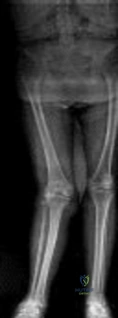
This article provides essential research regarding Orthopedic MCQS RECON0019. Orthopedic assessments rely on various diagnostic tools. Radiographs obtained from a yearold patient offer critical insights into skeletal health, aiding in the diagnosis of conditions such as dislocation risks after total hip arthroplasty or adverse reactions to metal debris. These images, combined with clinical data, guide medical professionals in determining appropriate reconstructive strategies and prognosis.

Test your skills: Orthopedic MCQs obtained from a year-old recon update.

Orthopedic Recon Hip & Knee Board Review | Dr Hutaif Hi -...

Comprehensive 100-Question Exam


00:00

Start Quiz

Question 1

A 68-year-old female presents with persistent anterior knee pain and feelings of instability when rising from a chair 18 months after a primary total knee arthroplasty. On exam, she has a stable knee in extension, but a lateral patellar tilt and apprehension on patellar translation. A CT scan evaluation of component rotation is performed.

Internal rotation of the femoral component in a TKA is most likely to cause which of the following biomechanical consequences?


Explanation

Internal rotation of the femoral component in TKA effectively closes down the medial flexion gap (making it tight) and increases the lateral flexion gap. Because the trochlear groove is also rotated internally, it forces the patella laterally, causing lateral patellar maltracking and potential subluxation, alongside flexion instability.

Question 2

A 72-year-old male with long-standing ankylosing spondylitis is evaluated for a primary total hip arthroplasty due to severe osteoarthritis. He has a stiff lumbopelvic junction. Standing and sitting lateral radiographs demonstrate less than 10 degrees of change in his pelvic tilt. How should the acetabular component be positioned compared to a patient with normal, flexible spinopelvic mobility?


Explanation

In a patient with a stiff spine, the pelvis does not dynamically rotate between standing and sitting. If the spine is fused in kyphosis (flatback), the pelvis is chronically retroverted, resulting in relative functional anteversion of the acetabulum. To prevent anterior dislocation in extension, the cup should be placed with less anteversion and less inclination to compensate for the fixed deformity. The surgeon must match the component to the fixed functional position.

Question 3

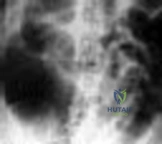
A 76-year-old female sustains a fall 5 years following an uncemented total hip arthroplasty. Radiographs reveal a periprosthetic femur fracture extending around the stem. The stem is clinically loose.

There is severe proximal bone loss with diaphyseal bone remaining intact. According to the Vancouver classification, this fracture is best classified as:


Explanation

The Vancouver classification for periprosthetic femur fractures relies on fracture location, implant stability, and bone stock. A fracture around the stem (Type B) with a loose stem and severe proximal bone loss is classified as Vancouver B3. Treatment typically requires bypassing the defect with a long revision stem (often a modular, fluted, tapered stem) or utilizing a proximal femoral replacement.

Question 4

During a primary total knee arthroplasty, after the bony resections have been made, the trial components are placed. The knee is found to be tight in extension but perfectly balanced in flexion. What is the most appropriate next step in management to balance the knee?


Explanation

A tight extension gap with a balanced flexion gap indicates that the problem lies solely with the extension space. The distal femoral cut affects only the extension gap. Therefore, recutting the distal femur (taking more bone) will enlarge the extension gap without changing the flexion gap. Resecting more proximal tibia would inappropriately enlarge both gaps.

Question 5

A 65-year-old male presents 8 years after a primary metal-on-polyethylene total hip arthroplasty with an uncemented titanium stem and a large cobalt-chromium head. He complains of deep groin pain. Radiographs show a well-fixed stem and cup. Serum labs show elevated cobalt levels with normal chromium levels. An MRI with metal artifact reduction sequence (MARS) shows a large cystic fluid collection around the hip. What is the most likely diagnosis?


Explanation

Elevated cobalt levels out of proportion to chromium in a metal-on-polyethylene THA is highly suggestive of trunnionosis—mechanically assisted crevice corrosion at the modular head-neck junction. This can lead to an adverse local tissue reaction (ALTR) or pseudotumor, which is visible on a MARS MRI as a complex cystic or solid soft tissue mass.

Question 6

A 55-year-old male presents with isolated medial compartment osteoarthritis of the knee. He is being evaluated for a medial unicompartmental knee arthroplasty (UKA). Which of the following is considered a classic absolute contraindication to a medial UKA?


Explanation

Absolute contraindications for unicompartmental knee arthroplasty (UKA) classically include inflammatory arthropathy (e.g., rheumatoid arthritis), prior complete meniscectomy in the contralateral compartment, and ACL deficiency. Age, obesity, and mild patellofemoral osteoarthritis are increasingly considered only relative contraindications or acceptable in appropriately selected patients.

Question 7

In performing a primary total knee arthroplasty on a patient with a severe, fixed valgus deformity, what is a widely accepted and safe sequence of lateral soft tissue releases to balance the knee?


Explanation

For a fixed valgus deformity in TKA, a common sequence of lateral release (often using a 'pie-crusting' technique) involves: 1) Iliotibial (IT) band (which is tight in extension), 2) Posterolateral capsule, 3) Lateral collateral ligament (LCL) (if tight in both flexion and extension), and 4) Popliteus (tight in flexion). Over-release of the popliteus and LCL can lead to severe flexion instability and should be done cautiously.

Question 8

A surgeon utilizes the direct anterior approach for a total hip arthroplasty, exploiting the interval between the tensor fasciae latae and the sartorius. Which of the following nerves is at greatest risk of iatrogenic injury during the superficial dissection of this approach?


Explanation

The direct anterior approach utilizes the Hueter interval, an internervous plane between the tensor fasciae latae (superior gluteal nerve) and the sartorius (femoral nerve). The lateral femoral cutaneous nerve crosses the superficial aspect of this operative field and is at highest risk of neuropraxia or transection, which results in lateral thigh numbness (meralgia paresthetica).

Question 9

A 68-year-old female presents with the inability to perform a straight leg raise 6 months following a primary TKA. Radiographs demonstrate a displaced patellar fracture with severe disruption of the extensor mechanism.

Assuming poor host tissue quality and inadequate remnant tissue for direct repair, what is the most reliable reconstructive option for a chronic, severe extensor mechanism disruption post-TKA?


Explanation

Extensor mechanism disruption after TKA is a catastrophic complication. Primary repair has an unacceptably high failure rate. Synthetic (Marlex) mesh reconstruction and whole extensor mechanism allograft are both highly reliable reconstructive techniques for chronic disruptions with poor tissue quality. Synthetic mesh has grown in popularity due to its cost-effectiveness, lack of disease transmission risk, and durable clinical results.

Question 10

A 60-year-old female with a severe, documented allergy to nickel is scheduled to undergo a primary total knee arthroplasty. Which of the following implant material choices is the most appropriate for the femoral component to prevent a hypersensitivity reaction?


Explanation

Standard TKA femoral components are primarily composed of cobalt-chromium alloys, which contain trace amounts of nickel. For patients with a severe, true nickel allergy, oxidized zirconium (Oxinium) or an all-titanium femoral component is recommended. Oxidized zirconium provides the wear resistance of a ceramic with the structural integrity of a metal and does not contain nickel.

Question 11

Which of the following manufacturing processes is essential in creating highly cross-linked polyethylene (HXLPE) to significantly reduce wear in total hip arthroplasty?


Explanation

Highly cross-linked polyethylene is manufactured by exposing ultra-high molecular weight polyethylene (UHMWPE) to gamma or electron beam irradiation. This creates free radicals that bond to form cross-links, drastically increasing wear resistance. To prevent long-term oxidative degradation from residual free radicals, the material is subsequently either melted or annealed. Modern alternatives include doping with Vitamin E.

Question 12

A 62-year-old female presents 1 year after a posterior-stabilized total knee arthroplasty complaining of a painful 'catching' sensation at the anterior aspect of the knee when extending from a flexed position, typically occurring at 30 to 45 degrees of flexion. Which of the following implant design factors is most strongly associated with this specific complication?


Explanation

Patellar clunk syndrome is a complication most commonly associated with posterior-stabilized (PS) total knee arthroplasties. It occurs when a fibrosynovial nodule forms at the superior pole of the patella and catches within the intercondylar box of the femoral component during knee extension. A sharp superior transition/edge of the intercondylar box in older PS designs strongly predisposes the patient to this condition.

Question 13

During a complex revision total hip arthroplasty for aseptic loosening of an extensively porous-coated femoral stem, the surgeon performs an Extended Trochanteric Osteotomy (ETO). Which of the following muscle attachments must remain intact to the osteotomized bone fragment to maintain its viability and prevent superior migration?


Explanation

An Extended Trochanteric Osteotomy (ETO) involves osteotomizing the greater trochanter and the lateral aspect of the proximal femoral diaphysis. To maintain the blood supply to the fragment and to provide a dynamic tension band that resists proximal migration, the insertions of the gluteus medius proximally and the vastus lateralis distally must remain firmly attached to the bone fragment.

Question 14

A 70-year-old male is undergoing a revision total knee arthroplasty for aseptic loosening. Following the removal of the tibial component, an uncontained, massive metaphyseal bone defect is noted (AORI Type 3).

Which of the following is the most appropriate management strategy for achieving stable, durable fixation in this specific tibial defect?



Explanation

The AORI classification Type 3 represents severe metaphyseal bone loss (deficient metaphysis, often uncontained), which compromises the stability of the revision component. Standard augments are insufficient for uncontained defects of this magnitude. Highly porous metal cones or metaphyseal sleeves, combined with diaphyseal stems, are the treatment of choice for providing structural support and achieving biologic metaphyseal fixation.

Question 15

A 55-year-old female presents with an audible squeaking sound from her hip that occurs during walking, 3 years following a primary total hip arthroplasty with a ceramic-on-ceramic bearing. She denies any pain. Radiographs show well-fixed components. What is the most significant risk factor associated with the development of squeaking in this type of bearing surface?


Explanation

Squeaking is a known complication of ceramic-on-ceramic (CoC) bearings. The most significant risk factor is component malpositioning, particularly acetabular cup malposition (excessive inclination or anteversion). This leads to edge loading, disruption of the fluid film lubrication, and subsequent stripe wear, which alters the resonance frequency of the components and generates the squeaking sound.

Question 16

Inadverent elevation of the joint line during a revision total knee arthroplasty is most likely to result directly in which of the following clinical consequences?


Explanation

Elevating the joint line during TKA or revision TKA alters the kinematics of the knee. It leads to a relative patella baja (inferior placement of the patella relative to the joint line), which can cause anterior knee pain, patellar impingement against the tibial polyethylene, and decreased range of motion. It also negatively alters collateral ligament isometry.

Question 17

A 78-year-old female with a history of recurrent dislocations following a primary total hip arthroplasty is scheduled for revision surgery.

The surgeon decides to use a dual mobility construct. What is the defining biomechanical feature of a dual mobility articulation?



Explanation

A dual mobility construct features two distinct articulations: a smaller standard femoral head that articulates within a larger, mobile polyethylene liner. This mobile liner then articulates within a highly polished, fixed metallic acetabular shell. This design maximizes the effective head size, significantly increasing the jump distance and range of motion before impingement, thereby substantially reducing the risk of dislocation.

Question 18

According to the Musculoskeletal Infection Society (MSIS) criteria, which of the following is considered a 'major' criterion, which if present, is sufficient by itself to definitively confirm a periprosthetic joint infection (PJI)?


Explanation

According to the MSIS criteria (and subsequent International Consensus Meetings), the presence of a sinus tract communicating with the prosthesis OR two positive periprosthetic cultures with phenotypically identical organisms are considered 'major' criteria. Either one is definitive for the diagnosis of PJI. Purulence alone is subjective and is considered a minor criterion alongside elevated inflammatory markers.

Question 19

During the tibial resection of a primary total knee arthroplasty, the medial collateral ligament (MCL) is inadvertently completely transected at its mid-substance. The surgeon should immediately consider which of the following intraoperative options?


Explanation

Complete transection of the MCL during a primary TKA results in severe valgus instability. Standard PS or CR implants do not provide coronal stability. Primary repair alone is prone to failure and stretching out. The most appropriate intraoperative management is primary repair of the ligament combined with an increase in the constraint of the prosthesis (e.g., Constrained Condylar Knee - CCK) to protect the repair and provide immediate coronal stability.

Question 20

A 45-year-old female presents with persistent anterior groin pain 1 year after an uncemented total hip arthroplasty. The pain is exacerbated by active straight leg raising.

Radiographs show a well-fixed acetabular component, but the anterior edge of the cup appears proud relative to the anterior rim of the acetabulum. An image-guided injection of local anesthetic into the psoas bursa provides complete temporary relief. If extensive conservative management fails, what is the most appropriate surgical intervention?



Explanation

The clinical presentation (anterior groin pain exacerbated by active hip flexion), radiographic findings (anteriorly proud cup), and positive response to a targeted bursa injection are diagnostic of iliopsoas impingement against the anterior edge of the acetabular component. If conservative management fails, the treatment of choice is an iliopsoas release/tenotomy, which has a high success rate and avoids the severe morbidity of a cup revision.

Question 21

A 55-year-old male with a metal-on-polyethylene total hip arthroplasty presents with new-onset groin pain. Laboratory analysis shows elevated serum cobalt and chromium levels. Aspiration is negative for infection. What is the most likely mechanism of failure in this patient?


Explanation

Elevated metal ions in a metal-on-polyethylene THA point to mechanically assisted crevice corrosion (trunnionosis) at the modular head-neck junction.

Question 22

During a primary posterior-stabilized total knee arthroplasty, the trial components are placed. The knee is symmetric and fully stable in extension but is excessively tight in flexion. Which of the following surgical steps is the most appropriate to balance the knee?


Explanation

Downsizing the femoral component with anterior referencing decreases the posterior condylar offset, thereby increasing the flexion gap without altering the extension gap.

Question 23

What is the primary mechanism by which blending Vitamin E improves the long-term performance of highly cross-linked polyethylene (HXLPE) in total hip arthroplasty?


Explanation

Vitamin E is an antioxidant added to HXLPE to quench residual free radicals, preventing oxidative degradation without the need for post-irradiation melting.

Question 24

A 65-year-old female presents with recurrent posterior dislocations following a primary THA. Radiographs demonstrate adequate acetabular component position, but the femoral component has decreased offset compared to the contralateral side. Increasing the femoral offset during revision provides which of the following biomechanical advantages?


Explanation

Increasing femoral offset lateralizes the femur, which restores the abductor moment arm, increases abductor tension, and reduces bony impingement, thereby enhancing stability.

Question 25

A 70-year-old male undergoes a posterior-stabilized (PS) TKA. Postoperatively, he experiences a catching sensation and palpable clunk as the knee actively extends from 40 degrees of flexion. Which design factor is most strongly associated with this complication?


Explanation

Patellar clunk syndrome occurs most frequently in PS knees with a high intercondylar box, allowing a fibrous nodule on the superior patella to catch in the notch during extension.

Question 26

During acetabular preparation in THA, a screw is placed in the anterior-superior quadrant of the acetabulum based on the Wasielewski safe zones. Which neurovascular structure is at greatest risk of injury?


Explanation

Screws placed in the anterior-superior quadrant place the external iliac artery and vein at risk. The posterior-superior and posterior-inferior quadrants are considered the safest zones.

Question 27

In the evaluation of a painful TKA, a patient is found to have paradoxical anterior translation of the femur on the tibia during knee flexion. Which of the following scenarios is most likely responsible for this kinematic abnormality?


Explanation

Paradoxical anterior translation of the femur during flexion typically occurs in a CR knee if the PCL is deficient or excessively loose, leading to altered kinematics and poor flexion.

Question 28

A 60-year-old male presents with a painful THA 6 years postoperatively. His bearing surface is ceramic-on-ceramic. He describes a loud squeaking noise with walking. What is the most likely radiographic finding associated with this phenomenon?


Explanation

Squeaking in ceramic-on-ceramic THA is highly associated with edge loading, which often results from component malposition, such as excessive cup inclination (greater than 50 degrees).

Question 29

According to the 2018 International Consensus Meeting (ICM) criteria for periprosthetic joint infection (PJI), which of the following is considered a major criterion that is definitively diagnostic of PJI?


Explanation

A sinus tract communicating with the prosthesis and two positive periprosthetic cultures with phenotypically identical organisms are the only two major criteria that definitively diagnose PJI.

Question 30

A 45-year-old male undergoes a primary THA using a cementless tapered wedge stem. While seating the implant, a longitudinal fracture is noted in the calcar extending 2 cm distal to the lesser trochanter. The stem remains rotationally and axially stable. What is the most appropriate management?


Explanation

For an intraoperative calcar crack where the cementless stem remains completely stable, placement of prophylactic cerclage wires around the proximal femur is the standard of care.

Question 31

A patient is scheduled for a revision TKA due to aseptic loosening. Preoperative planning reveals a contained metaphyseal bone defect in the medial femoral condyle that requires structural support, while the diaphyseal bone remains intact. According to the Anderson Orthopaedic Research Institute (AORI) classification, this defect is classified as:


Explanation

An AORI Type 2A defect involves damaged metaphyseal bone affecting a single condyle that requires structural augmentation. Type 2B involves both condyles.

Question 32

A 78-year-old female presents with a periprosthetic femur fracture 10 years after a cemented THA. Radiographs

show a spiral fracture entirely distal to the tip of the stem. The cement mantle is completely intact and the stem is well-fixed. According to the Vancouver classification, what is the recommended treatment?


Explanation

This is a Vancouver Type C fracture (well-fixed stem, fracture entirely distal to the implant). The standard treatment is open reduction and internal fixation using a laterally based locking plate.

Question 33

When attempting to accurately reconstruct the native joint line during a complex revision total knee arthroplasty, which of the following anatomic landmarks provides the most reliable fixed reference?


Explanation

The medial epicondyle is a highly reliable landmark that sits approximately 25 to 30 mm proximal to the native knee joint line, making it useful when the distal condyles are severely deficient.

Question 34

A 62-year-old female is undergoing a direct anterior approach for a THA. The surgeon utilizes the interval between the tensor fasciae latae and the sartorius. Which of the following structures is at the highest risk of injury during the initial superficial dissection?


Explanation

The lateral femoral cutaneous nerve crosses the superficial interval of the direct anterior approach and is at highest risk of neuropraxia or transection during the superficial dissection.

Question 35

During a primary total knee arthroplasty, the surgeon assesses the gaps with trial components. The extension gap is symmetric and perfectly balanced, but the flexion gap is excessively tight. Which of the following is the most appropriate next step to balance the knee?


Explanation

Downsizing the femoral component using anterior referencing decreases the anteroposterior diameter of the femur. This specifically increases the flexion gap without altering the extension gap.

Question 36

A 65-year-old male presents with groin pain 6 years after a metal-on-polyethylene total hip arthroplasty. Radiographs show a well-fixed stem and cup. Serum cobalt levels are highly elevated, but chromium levels are normal. MARS MRI demonstrates a solid peritrochanteric mass. What is the most likely diagnosis?


Explanation

Elevated cobalt with normal chromium in a metal-on-polyethylene THA is characteristic of mechanically assisted crevice corrosion (trunnionosis) at the head-neck taper. This leads to an adverse local tissue reaction (ALTR) or pseudotumor formation.

Question 37

A 68-year-old male presents with progressive thigh pain 15 years after an uncemented THA. Radiographs reveal extensive endosteal scalloping and localized bone loss around the proximal femur. The stem appears to have subsided 4 mm. What is the primary biological mediator responsible for the activation of osteoclasts in this disease process?


Explanation

Particle disease (aseptic loosening) is driven by macrophage phagocytosis of wear debris. This triggers the release of pro-inflammatory cytokines, which ultimately stimulate the production of RANKL, the primary mediator of osteoclast activation.

Question 38

During a primary TKA for severe varus deformity, the medial compartment remains tight in both flexion and extension after resection of osteophytes and deep medial collateral ligament release. Which of the following structures should be released next to achieve coronal balance?


Explanation

For a tight medial gap in both flexion and extension during a varus TKA, the standard stepwise release starts with deep MCL and osteophytes. The next step is releasing the posteromedial corner and capsule, followed by the semimembranosus.

Question 39

Which of the following is a unique, specific complication associated with the use of dual-mobility acetabular components in total hip arthroplasty?


Explanation

Intraprosthetic dislocation is a complication unique to dual-mobility constructs. It occurs when the small inner femoral head dissociates from the larger mobile polyethylene liner, often due to wear of the retentive rim.

Question 40

A 74-year-old male presents with a painful total knee arthroplasty 3 years postoperatively. Joint aspiration yields a synovial fluid white blood cell (WBC) count of 4,500 cells/uL with 85% polymorphonuclear neutrophils (PMNs). According to the 2018 International Consensus Meeting (ICM) criteria, what is the significance of these findings?


Explanation

According to the 2018 ICM criteria, a synovial WBC greater than 3,000 cells/uL and PMN greater than 80% are minor criteria for PJI. While highly suggestive, they contribute points to the algorithm but do not definitively confirm PJI alone.

Question 41

A 68-year-old female is undergoing a revision total knee arthroplasty. Intraoperatively, she is found to have a completely deficient medial collateral ligament (MCL) that cannot be primarily repaired or reconstructed. Which of the following implants is most appropriate?


Explanation

A rotating hinge prosthesis provides both coronal and sagittal stability and is indicated for profound collateral ligament deficiency, particularly an absent MCL. A VVC prosthesis requires an intact or reconstructable MCL to function properly.

Question 42

A 55-year-old active male underwent a total hip arthroplasty using a ceramic-on-ceramic bearing. Two years postoperatively, he complains of a reproducible squeaking noise during walking, though he is pain-free. Which of the following factors is most strongly associated with this phenomenon?


Explanation

Squeaking in ceramic-on-ceramic THA is heavily associated with component malposition, specifically edge loading from severe acetabular component anteversion or inclination. Other factors include microseparation and specific implant designs.

Question 43

During a primary total knee arthroplasty, the surgeon assesses the gaps after the initial bone cuts. The knee is perfectly balanced in full extension, but the joint is significantly tight in 90 degrees of flexion. Which of the following adjustments is the most appropriate next step?


Explanation

A tight flexion gap with a balanced extension gap is best addressed by downsizing the femoral component, which translates the posterior condyles anteriorly, or by increasing the posterior tibial slope. Re-cutting the proximal tibia would inappropriately widen the already balanced extension gap.

Question 44

A 58-year-old male presents with new-onset groin pain 5 years after an uncomplicated primary metal-on-polyethylene total hip arthroplasty. He has a 36-mm cobalt-chromium head on a titanium stem. Serum cobalt levels are significantly elevated out of proportion to chromium levels. Inflammatory markers are normal. What is the most likely diagnosis?


Explanation

High serum cobalt levels out of proportion to chromium in a metal-on-polyethylene THA indicates mechanically assisted crevice corrosion (trunnionosis) at the head-neck junction. This complication is associated with larger head sizes and higher offset necks.

Question 45

A 65-year-old female undergoes a primary total knee arthroplasty. Four weeks postoperatively, she presents with a swollen, erythematous, and painful knee. A diagnostic arthrocentesis is performed. According to the modified Musculoskeletal Infection Society (MSIS) criteria, what is the synovial fluid white blood cell (WBC) count threshold suggestive of an acute periprosthetic joint infection (<90 days post-op)?


Explanation

For acute periprosthetic joint infections (less than 90 days postoperative), the diagnostic threshold for synovial fluid WBC is typically >10,000 cells/uL. For chronic infections (>90 days), the threshold is lower, typically >3,000 cells/uL.

Question 46

A 45-year-old active male underwent a total hip arthroplasty utilizing a ceramic-on-ceramic bearing. Two years later, he complains of an audible squeaking sound from the hip during deep flexion activities. Which of the following factors is most strongly associated with the development of this phenomenon?


Explanation

Squeaking in ceramic-on-ceramic THA is highly associated with edge loading, which often results from component malposition (such as excessive cup anteversion or inclination), microseparation, and higher patient BMI.

Question 47

A 62-year-old female reports a painful catching and popping sensation in her knee when rising from a chair, 14 months after receiving a posterior-stabilized total knee arthroplasty. The catch is consistently felt as the knee extends from 45 to 30 degrees of flexion. What is the most likely etiology of this patient's symptoms?


Explanation

Patellar clunk syndrome occurs primarily in posterior-stabilized TKAs when a fibrous nodule forms at the superior pole of the patella and mechanically catches in the intercondylar box of the femoral component during active extension.

Question 48

A 71-year-old male presents with an inability to perform a straight leg raise two years following a primary total knee arthroplasty. Imaging confirms a chronic, retracted rupture of the patellar tendon. The components are well-fixed and appropriately positioned. What is the most reliable surgical salvage option?


Explanation

Chronic extensor mechanism ruptures post-TKA have extremely high failure rates with primary repair. Reconstruction utilizing a whole extensor mechanism allograft or synthetic Marlex mesh provides the most reliable salvage outcome.

Question 49

A surgeon is performing a primary total hip arthroplasty via the direct anterior approach utilizing the Hueter interval. Postoperatively, the patient complains of dysesthesia and numbness over the anterolateral aspect of the operative thigh. Which nerve was most likely injured during the superficial dissection?


Explanation

The lateral femoral cutaneous nerve (LFCN) crosses the surgical field during the direct anterior approach to the hip and is at high risk of stretch or transection when developing the interval between the tensor fasciae latae and the sartorius.

Question 50

A 75-year-old female with severe rheumatoid arthritis presents for a primary total knee arthroplasty. Clinical and radiographic evaluation demonstrates a severe valgus deformity with a completely incompetent, non-functional medial collateral ligament (MCL). Which of the following implant constraints is indicated?


Explanation

In the setting of a completely incompetent or absent MCL, a standard varus-valgus constrained (CCK) implant will not provide sufficient stability and may fail. A rotating hinge prosthesis is strictly indicated to provide coronal stability.

Question 51

A 68-year-old male with a prior long lumbar fusion (L2-pelvis) for degenerative scoliosis is planned for a primary total hip arthroplasty. He exhibits a stiff spinopelvic junction with a fixed pelvic retroversion (flatback deformity). How should the acetabular component positioning be modified to minimize the risk of anterior dislocation in extension?


Explanation

A fused spine with a flatback deformity results in fixed pelvic retroversion, causing relative functional over-anteversion of the acetabulum when standing. To prevent anterior impingement and dislocation in extension, the cup should be placed in less anteversion.

Question 52

Which of the following best describes the primary goal of the kinematic alignment philosophy in total knee arthroplasty compared to traditional mechanical alignment?


Explanation

Kinematic alignment aims to restore the patient's pre-arthritic constitutional alignment and natural joint line obliquity by resurfacing the articular wear, minimizing the need for routine ligamentous releases.

Question 53

Highly cross-linked ultra-high-molecular-weight polyethylene (UHMWPE) is widely used in total hip arthroplasty to reduce wear-induced osteolysis. By what primary mechanism does cross-linking improve the tribological properties of the polyethylene?


Explanation

Irradiation causes cross-linking of UHMWPE, which significantly decreases the linear wear rate by restricting molecular chain mobility. Subsequent melting or annealing is required to eliminate residual free radicals and prevent long-term oxidation.

Question 54

An 82-year-old female sustains a fall 8 years after an uncemented total hip arthroplasty. Radiographs reveal a periprosthetic femur fracture extending around the stem. The stem appears subsided and clinically loose, but there is adequate cortical bone stock in the proximal femur. According to the Vancouver classification, what is the most appropriate management?


Explanation

This is a Vancouver B2 fracture (fracture around the stem, loose implant, adequate bone stock). The gold standard treatment is revision to a long bypass stem (fluted, tapered, uncemented) that spans the fracture by at least two cortical diameters.

Question 55

A 59-year-old male is evaluated 8 weeks after a primary total knee arthroplasty. He complains of a stiff knee despite compliant physical therapy. His range of motion is 10 to 75 degrees. Inflammatory markers are normal, and radiographs show well-positioned components. What is the most appropriate next step in management?


Explanation

Manipulation under anesthesia (MUA) is highly successful when performed between 6 and 12 weeks postoperatively for persistent knee stiffness (less than 90 degrees of flexion) after ensuring there is no underlying infection or component malposition.

Question 56

A 65-year-old male complains of knee instability when descending stairs 1 year after a primary TKA. Examination reveals a knee that is fully stable in full extension but exhibits marked anteroposterior laxity in 90 degrees of flexion. Which of the following intraoperative technical errors most likely occurred?


Explanation

Undersizing the femoral component in the AP dimension reduces the posterior condylar offset, thereby increasing the flexion gap while leaving the extension gap unaffected. This creates isolated flexion instability often noticed during activities like stair descent.

Question 57

A 55-year-old male presents with deep groin pain 6 years after a THA utilizing a metal-on-polyethylene bearing with a large diameter metal head. Labs demonstrate elevated serum cobalt and chromium levels. Aspiration yields cloudy fluid with a normal neutrophil count. What is the most likely cause of his symptoms?


Explanation

Elevated metal ions in a metal-on-polyethylene THA with a large metal head indicate mechanically assisted crevice corrosion (trunnionosis) at the head-neck junction. This can lead to an adverse local tissue reaction (ALTR) mimicking infection or loosening.

Question 58

A 72-year-old female sustains an acute patellar tendon rupture 3 months following a primary TKA. Primary repair is attempted but fails at 6 weeks postoperatively. What is the most reliable salvage reconstruction technique for this complication?


Explanation

Extensor mechanism allograft reconstruction, typically utilizing a full Achilles tendon or tibial tubercle-patellar tendon-bone allograft, provides the most reliable salvage reconstruction for chronic or failed patellar tendon ruptures post-TKA. Direct repairs have an unacceptably high failure rate.

Question 59

A patient with a surgically fused lumbar spine in hyperlordosis (fixed anterior pelvic tilt) is undergoing a primary THA. Compared to a patient with normal spinopelvic mobility, what is the primary instability risk and appropriate acetabular cup adjustment for this patient?


Explanation

A fused spine in hyperlordosis results in a fixed anterior pelvic tilt, preventing normal posterior pelvic tilt during sitting. This decreases functional acetabular anteversion, heavily increasing the risk of posterior dislocation, which must be mitigated by increasing the component's anteversion.

Question 60

During a primary TKA for a fixed valgus deformity of 20 degrees, the surgeon notes a tight lateral compartment in full extension, but the knee is well-balanced in 90 degrees of flexion. Which of the following structures is the primary tether and should be released to balance the gaps?


Explanation

The iliotibial band (ITB) acts as a primary lateral tether in extension but has minimal effect in flexion. Releasing or pie-crusting the ITB will correct the tight extension gap without disrupting the already balanced flexion gap.

Question 61

During templating for a primary THA, the surgeon notes a 15 mm leg length discrepancy (affected leg is short) and a highly offset native femur. If a standard offset stem is used instead of a high offset stem, what compensatory intraoperative error is most likely to occur in an attempt to restore soft tissue tension?


Explanation

If a standard offset stem is used in a patient requiring high offset, the abductors will remain lax. To achieve stability and proper soft tissue tension, the surgeon may inadvertently increase the neck length, resulting in an excessively lengthened leg.

Question 62

Which of the following statements best describes the primary biomechanical goal of kinematic alignment in total knee arthroplasty?


Explanation

Kinematic alignment aims to restore the patient's pre-arthritic constitutional alignment and joint line obliquity. It achieves this by co-aligning the components with the three specific kinematic axes of the native knee.

Question 63

A 42-year-old highly active female undergoes THA using a ceramic-on-ceramic bearing. One year later, she complains of a loud, audible squeaking noise from the hip during specific movements, though she is pain-free. What is the most significant risk factor for this phenomenon?


Explanation

Squeaking in ceramic-on-ceramic THA is most strongly associated with component malposition (such as a steeply inclined or excessively anteverted/retroverted cup). This malposition leads to edge loading, loss of fluid-film lubrication, and stripe wear.

Question 64

A 66-year-old male presents with a painful TKA 2 years postoperatively. Synovial fluid aspiration reveals a WBC count of 4,500 cells/uL with 85% PMNs. The synovial alpha-defensin immunoassay is positive. No sinus tract or purulence is present. Based on the 2018 Evidence-Based International Consensus Meeting (ICM) criteria, what is the correct diagnosis?


Explanation

Under the 2018 ICM criteria, a score of 6 or greater is diagnostic for PJI. A positive alpha-defensin (3 points), elevated WBC (3 points), and elevated PMN% (2 points) totals 8 points, firmly confirming an infected periprosthetic joint.

None

Detailed Chapters & Topics

Dive deeper into specialized chapters regarding orthopedic-mcqs-recon0019

6 Chapters
01
Chapter 1 202 min

Ace Orthopedic MCQs: ESR in Hip & Knee Revisions

ORTHOPEDIC MCQS Adult Reconstructive Surgery of the Hip and Knee013 2013 Adult Reconstructive Surgery of the Hip and Kn…

02
Chapter 2 73 min

Adult Hip Reconstruction & Arthroplasty MCQs | Ortho Board

Master Adult Hip Reconstruction with these high-yield ABOS/OITE style MCQs. Covers THA biomechanics, approaches, compli…

03
Chapter 3 18 min

Correction of Cervicotrochanteric Malunion: Advanced Surgical Techniques and Outcomes

Discover advanced surgical techniques for correcting cervicotrochanteric malunions. Learn key pathoanatomy and biomecha…

04
Chapter 4 20 min

Surgical Management of Chronic Posterior Hip Dislocation: A Comprehensive Guide

Comprehensive guide on managing chronic posterior hip dislocations, detailing ORIF, total hip arthroplasty, arthrodesis…

05
Chapter 5 11 min

Mastering Hip Dislocation Reduction and Pipkin Fracture Management

Master the evidence-based protocols for anterior and posterior hip dislocation reduction, surgical approaches, and Pipk…

06
Chapter 6 20 min

Surgical Management of Recurrent Joint Instability: Patellofemoral, Elbow, and Hip

Master step-by-step surgical techniques for managing recurrent joint instability. Learn protocols for patellofemoral, e…

Dr. Mohammed Hutaif
Medically Verified Content by
Prof. Dr. Mohammed Hutaif
Consultant Orthopedic & Spine Surgeon
Guide Overview