Lidocaine: A Comprehensive Medical Guide to Local Anesthesia and Pain Management
1. Introduction & Overview of Lidocaine
Lidocaine, also known as Xylocaine, is a potent amide-type local anesthetic and antiarrhythmic medication that has been a cornerstone of modern medicine since its synthesis in 1943. Its rapid onset of action, intermediate duration, and versatility have made it indispensable across numerous medical specialties, from minor dermatological procedures to complex orthopedic surgeries and critical cardiac care.
As an expert in orthopedic care and medical SEO copywriting, I recognize Lidocaine's pivotal role in managing both acute and chronic pain, facilitating diagnostic procedures, and even treating life-threatening cardiac arrhythmias. This guide aims to provide a massive, exhaustive, and authoritative overview of Lidocaine, delving into its intricate mechanisms, broad clinical applications, safety profile, and essential management considerations.
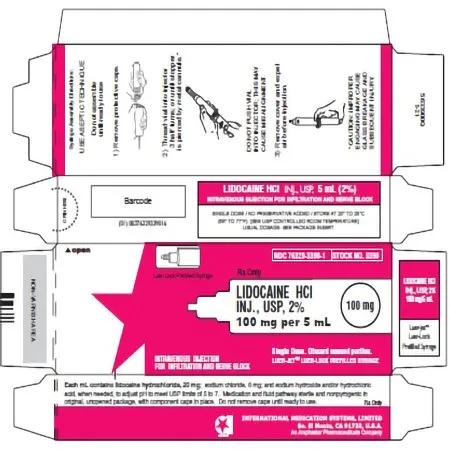
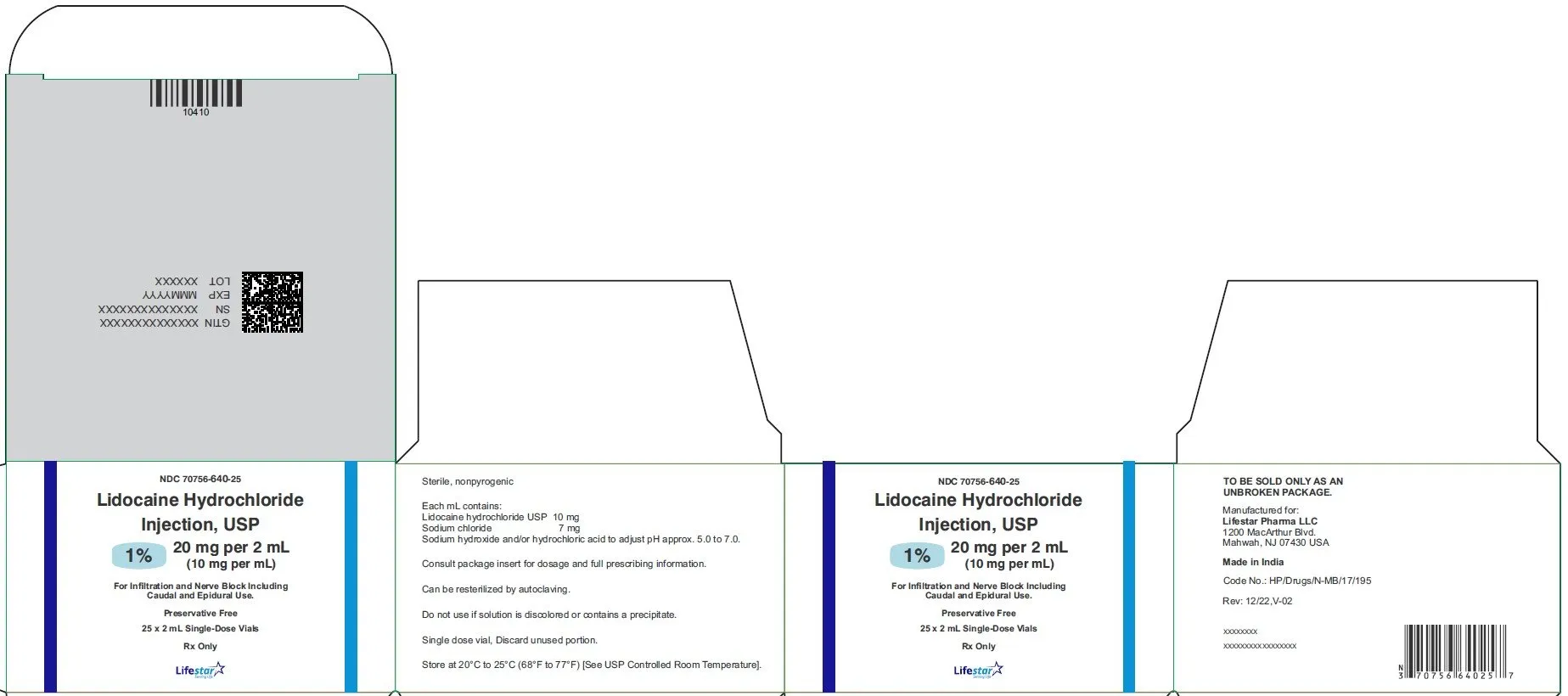
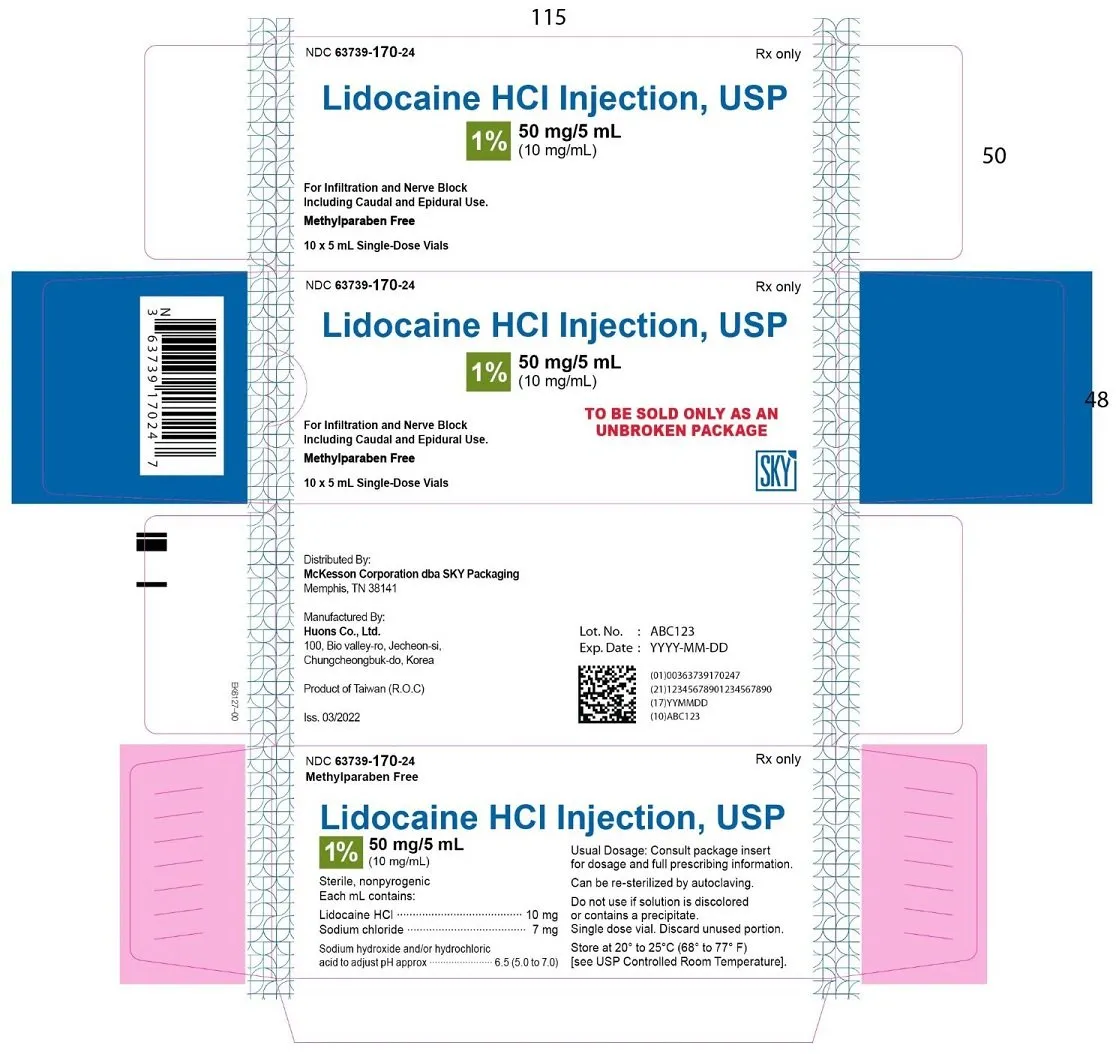
Lidocaine is available in various formulations to suit diverse clinical needs:
* Injectable solutions: For infiltration, nerve blocks, epidural, and spinal anesthesia.
* Topical creams, gels, and sprays: For surface anesthesia of skin and mucous membranes.
* Transdermal patches: For localized, prolonged pain relief (e.g., neuropathic pain).
* Intravenous solutions: For antiarrhythmic therapy and off-label pain infusions.
Its widespread utility underscores the importance of a thorough understanding of its pharmacology to ensure safe and effective patient care.
2. Deep-Dive into Technical Specifications & Mechanisms
Understanding how Lidocaine works is crucial for appreciating its therapeutic effects and potential risks.
2.1. Mechanism of Action
Lidocaine functions primarily by reversibly blocking voltage-gated sodium channels in neuronal cell membranes. This action prevents the influx of sodium ions, which is essential for the initiation and propagation of action potentials along nerve fibers.
* Stabilization of Neuronal Membranes: By binding to the intracellular portion of the sodium channel, Lidocaine stabilizes the resting membrane potential, making it harder for the nerve cell to depolarize.
* Inhibition of Nerve Impulse Conduction: This blockade effectively halts the transmission of pain signals, as well as other sensory (touch, temperature) and motor impulses, from the peripheral nervous system to the brain.
* Differential Blockade: Lidocaine typically affects smaller, unmyelinated nerve fibers (responsible for pain and temperature sensation) before larger, myelinated fibers (responsible for motor function and proprioception). This explains why patients often experience numbness and pain relief before complete motor paralysis.
* Antiarrhythmic Properties: In cardiac tissue, Lidocaine also blocks sodium channels, particularly those in damaged or ischemic myocardial cells. This reduces automaticity, shortens the refractory period, and stabilizes the electrical activity of the heart, effectively suppressing ventricular arrhythmias (Class IB antiarrhythmic).
2.2. Pharmacokinetics
The journey of Lidocaine through the body, from administration to elimination, is governed by its pharmacokinetic properties.
2.2.1. Absorption
- Route-Dependent: Absorption varies significantly based on the route of administration.
- Injectable: Rapidly absorbed from injection sites. The rate and extent depend on the vascularity of the tissue. Areas with high blood flow (e.g., intercostal blocks) lead to faster and higher systemic absorption.
- Topical: Systemic absorption is generally low but can increase with large application areas, prolonged exposure, compromised skin integrity, or occlusive dressings.
- Intravenous: Immediate and complete systemic availability.
- Vasoconstrictors: Co-administration with vasoconstrictors like epinephrine significantly reduces the rate of systemic absorption of injected Lidocaine, thereby prolonging its local anesthetic effect and decreasing the risk of systemic toxicity.
2.2.2. Distribution
- Rapid & Widespread: Lidocaine distributes rapidly from the bloodstream into highly perfused organs such as the brain, heart, lungs, liver, and kidneys.
- Protein Binding: It is approximately 60-80% bound to plasma proteins, primarily alpha-1-acid glycoprotein (AAG) and, to a lesser extent, albumin. Levels of AAG can vary with age, disease states, and other medications, affecting the free (active) fraction of Lidocaine.
- Blood-Brain Barrier: Lidocaine readily crosses the blood-brain barrier and the placental barrier.
2.2.3. Metabolism
- Hepatic Metabolism: Lidocaine is almost entirely metabolized in the liver by the cytochrome P450 (CYP) enzyme system, predominantly CYP1A2 and CYP3A4.
- Active Metabolites: The primary metabolic pathway involves N-dealkylation to two active metabolites:
- Monoethylglycinexylidide (MEGX): Possesses approximately 80% of Lidocaine's anesthetic and antiarrhythmic activity.
- Glycinexylidide (GX): Has about 10% of Lidocaine's activity.
- Further Metabolism: Both MEGX and GX are further hydrolyzed to inactive metabolites and excreted.
- First-Pass Effect: Significant first-pass metabolism occurs when Lidocaine is administered orally, which is why it is not typically given by this route for systemic effects.
2.2.4. Excretion
- Renal Excretion: Both Lidocaine and its metabolites are primarily excreted by the kidneys.
- Half-life: The elimination half-life of Lidocaine in healthy adults is approximately 1.5 to 2 hours. This can be significantly prolonged in patients with liver dysfunction, congestive heart failure, or severe renal impairment, necessitating dosage adjustments.
3. Extensive Clinical Indications & Usage
Lidocaine's versatility makes it a cornerstone in various medical practices.
3.1. Local Anesthesia
This is Lidocaine's most common and well-known application.
- Infiltration Anesthesia: Direct injection into the tissue surrounding the area to be anesthetized.
- Uses: Minor surgical procedures (suturing, biopsy, excision of skin lesions), dental procedures, incision and drainage of abscesses.
- Typical Concentrations: 0.5% to 2%.
- Nerve Blocks: Injection around specific nerves or nerve plexuses to anesthetize a larger region.
- Peripheral Nerve Blocks: Brachial plexus block (arm/shoulder surgery), intercostal nerve block (chest wall pain), digital nerve block (finger/toe procedures).
- Regional Blocks: Epidural anesthesia (labor, lower limb surgery), spinal anesthesia (abdominal/lower limb surgery).
- Uses in Orthopedics: Pain management during fracture reduction, joint aspirations, arthroscopy, and post-operative pain control.
- Topical Anesthesia: Application to skin or mucous membranes.
- Uses: Prior to venipuncture/IV insertion, dermatological procedures (laser hair removal, tattooing), relief of pruritus, pain from hemorrhoids, sore throat (sprays).
- Typical Formulations: 2-5% creams, gels, sprays, patches (5%).
- Ophthalmic Anesthesia: For minor eye procedures.
3.2. Antiarrhythmic Therapy
Lidocaine is a Class IB antiarrhythmic agent used intravenously.
- Indications: Primarily for the acute treatment of ventricular arrhythmias, particularly those associated with:
- Acute myocardial infarction.
- Cardiac surgery.
- Digitalis toxicity.
- Mechanism: Reduces automaticity and shortens the refractory period in ventricular tissue.
- Dosage: Requires a loading dose followed by a continuous intravenous infusion, titrated to effect and monitored closely due to its narrow therapeutic index for this indication.
3.3. Pain Management (Non-Anesthetic)
Beyond traditional local anesthesia, Lidocaine is increasingly utilized for specific pain syndromes.
- Neuropathic Pain:
- Lidocaine 5% Patches: Approved for the relief of pain associated with post-herpetic neuralgia (PHN), a common complication of shingles. They provide localized pain relief without significant systemic absorption.
- Off-label uses: Other localized neuropathic pain conditions, chronic musculoskeletal pain.
- Musculoskeletal Pain:
- Trigger Point Injections: Lidocaine can be injected into myofascial trigger points to alleviate localized muscle pain and spasm.
- Joint Injections: Often combined with corticosteroids for painful arthritic joints or bursitis.
- Intravenous Lidocaine Infusions: Increasingly used off-label for the management of acute and chronic neuropathic pain, complex regional pain syndrome (CRPS), and perioperative pain, especially in opioid-sparing protocols. These infusions are typically administered under strict medical supervision due to the risk of systemic toxicity.
3.4. Dosage Guidelines
Dosage of Lidocaine is highly individualized and depends on numerous factors:
* Route of Administration: Topical, infiltration, nerve block, epidural, IV.
* Indication: Anesthesia, antiarrhythmic, neuropathic pain.
* Patient Factors: Weight, age, general health, hepatic and renal function, concurrent medications.
* Presence of Vasoconstrictor: Epinephrine significantly alters maximum allowable dose and duration.
General Dosage Considerations:
* Maximum Recommended Dose: Critical to prevent systemic toxicity.
* Without Epinephrine: Typically 4.5 mg/kg (not exceeding 300 mg total in adults).
* With Epinephrine: Typically 7 mg/kg (not exceeding 500 mg total in adults).
* Topical Formulations: Follow product-specific instructions strictly. For 5% patches, typically apply for 12 hours within a 24-hour period.
* IV Antiarrhythmic:
* Loading Dose: 1 mg/kg IV bolus, may be repeated.
* Maintenance Infusion: 1-4 mg/minute.
* Pediatric Dosing: Requires careful calculation based on weight, often lower maximum doses.
* Elderly/Debilitated Patients: Reduced doses often necessary due to altered metabolism and distribution.
Key Practice Points:
* Always aspirate before injecting to avoid intravascular administration.
* Use the lowest effective dose.
* Monitor patients for signs of systemic toxicity, especially with higher doses or highly vascular injection sites.
4. Risks, Side Effects, & Contraindications
While generally safe, Lidocaine can cause adverse effects, particularly with systemic absorption or overdose.
4.1. Side Effects
Side effects are typically dose-dependent and involve the central nervous system (CNS) and cardiovascular system (CVS).
- Central Nervous System (CNS) Effects:
- Early Signs: Lightheadedness, dizziness, tinnitus (ringing in ears), blurred vision, circumoral numbness, disorientation, drowsiness.
- Progressive Signs: Tremors, muscle twitching, nervousness, apprehension, agitation, slurred speech.
- Severe Signs: Seizures, unconsciousness, respiratory depression, respiratory arrest.
- Cardiovascular System (CVS) Effects:
- Early/Moderate: Hypotension (due to vasodilation), bradycardia, myocardial depression.
- Severe: Arrhythmias, cardiac arrest, cardiovascular collapse.
- Allergic Reactions: Rare, but can range from localized skin reactions (rash, urticaria, itching, angioedema) to severe anaphylaxis. True allergic reactions to amide-type local anesthetics are less common than to ester-type.
- Local Reactions (at injection/application site): Pain, swelling, bruising, skin irritation, erythema.
- Methemoglobinemia: A rare but serious side effect, particularly with high doses of topical Lidocaine or prolonged use. It impairs oxygen delivery to tissues. Symptoms include cyanosis, dyspnea, fatigue, and altered mental status.
4.2. Contraindications
- Hypersensitivity: Known allergy or hypersensitivity to Lidocaine or other amide-type local anesthetics.
- Severe Heart Block: For antiarrhythmic use, especially second- or third-degree heart block (unless a pacemaker is present), Adams-Stokes syndrome, or Wolff-Parkinson-White (WPW) syndrome, due to the risk of exacerbating bradycardia or causing ventricular tachycardia.
- Severe Liver Disease: Significant impairment of Lidocaine's metabolism can lead to accumulation and toxicity.
- Porphyria: Relative contraindication, as local anesthetics can exacerbate acute porphyric attacks.
- History of Malignant Hyperthermia: While not a direct trigger, Lidocaine is often avoided in patients with a history of malignant hyperthermia due to theoretical concerns and the availability of other agents.
4.3. Drug Interactions
Lidocaine's metabolism and effects can be altered by other medications.
- Antiarrhythmics: Co-administration with other antiarrhythmics (e.g., amiodarone, beta-blockers, procainamide, quinidine) can increase the risk of cardiac depression and conduction disturbances.
- CYP450 Inhibitors: Drugs that inhibit CYP1A2 or CYP3A4 (e.g., cimetidine, fluvoxamine, macrolide antibiotics like erythromycin, protease inhibitors) can decrease Lidocaine clearance, leading to increased plasma concentrations and potential toxicity.
- CYP450 Inducers: Drugs that induce CYP1A2 or CYP3A4 (e.g., phenytoin, barbiturates, carbamazepine, rifampin) can increase Lidocaine clearance, potentially reducing its effectiveness.
- Beta-blockers: Can reduce hepatic blood flow, decreasing Lidocaine metabolism and increasing its systemic levels.
- Skeletal Muscle Relaxants: Lidocaine may potentiate the effects of non-depolarizing neuromuscular blocking agents.
- Succinylcholine: Lidocaine can prolong the duration of action of succinylcholine.
- Vasoconstrictors (e.g., Epinephrine): While often co-administered to prolong local effect and reduce systemic absorption, high doses of epinephrine with Lidocaine can increase cardiovascular stimulation.
- Nitrates: Concomitant use with nitrates (e.g., nitroglycerin) may increase the risk of methemoglobinemia.
4.4. Pregnancy and Lactation Warnings
- Pregnancy (Category B): Studies in animals have shown no evidence of harm to the fetus. In humans, Lidocaine is commonly used during labor and delivery (e.g., epidural anesthesia) and is generally considered safe. However, fetal bradycardia can occur with high systemic levels. It crosses the placental barrier, and careful monitoring of maternal and fetal status is warranted. Use only when clearly indicated and the potential benefits outweigh the risks.
- Lactation: Lidocaine and its metabolites are excreted into breast milk in small amounts. While the amount is generally considered too low to cause adverse effects in a nursing infant, caution is advised. Consult with a healthcare provider before breastfeeding while using Lidocaine, especially with systemic administration or large topical applications.
4.5. Overdose Management
Lidocaine overdose can lead to severe systemic toxicity, primarily affecting the CNS and CVS.
- Symptoms of Overdose/Systemic Toxicity:
- CNS: Tinnitus, dizziness, lightheadedness, perioral numbness, metallic taste, blurred vision, drowsiness, confusion, tremors, muscle twitching, seizures, coma, respiratory arrest.
- CVS: Hypotension, bradycardia, myocardial depression, cardiac arrhythmias (ventricular fibrillation), asystole, cardiovascular collapse.
- Treatment of Overdose (Local Anesthetic Systemic Toxicity - LAST):
- Stop Lidocaine Administration: Immediately discontinue the drug.
- Maintain Airway and Ventilation: Ensure adequate oxygenation and ventilation. Administer 100% oxygen. Intubation may be necessary.
- Manage Seizures: Administer benzodiazepines (e.g., diazepam, midazolam) intravenously. Avoid phenytoin, which can worsen cardiovascular depression.
- Manage Hypotension: Administer intravenous fluids. If unresponsive, use vasopressors (e.g., phenylephrine, norepinephrine).
- Manage Bradycardia: Administer atropine intravenously.
- Cardiovascular Collapse/Arrest: Initiate Advanced Cardiac Life Support (ACLS) protocols.
- Intravenous Lipid Emulsion Therapy (Intralipid): This is a critical intervention for severe LAST. Administer a bolus of 20% lipid emulsion followed by a continuous infusion. Lipid emulsion acts as a "lipid sink," sequestering Lidocaine from target organs and aiding in its redistribution and detoxification.
- Monitor: Continue to monitor vital signs, ECG, and neurological status closely.
5. Massive FAQ Section
Q1: What is Lidocaine used for?
A1: Lidocaine is primarily used as a local anesthetic to numb specific areas of the body, preventing pain during minor surgical procedures, dental work, or injections. It's also used topically for skin pain, as patches for neuropathic pain (like post-herpetic neuralgia), and intravenously as an antiarrhythmic medication to treat certain heart rhythm disorders.
Q2: How does Lidocaine work to numb pain?
A2: Lidocaine works by blocking voltage-gated sodium channels in nerve cells. This prevents sodium ions from entering the cells, which is necessary for nerve impulses (pain signals) to be generated and transmitted to the brain. By blocking these channels, Lidocaine effectively stops pain signals from reaching your brain, resulting in a numbing sensation.
Q3: Is Lidocaine safe?
A3: When used correctly and under medical supervision, Lidocaine is generally considered safe. However, like all medications, it carries risks. Side effects can occur, especially with higher doses or systemic absorption, affecting the nervous system (e.g., dizziness, tremors, seizures) and the cardiovascular system (e.g., low blood pressure, slow heart rate, cardiac arrest). It's crucial to adhere to prescribed dosages and administration guidelines.
Q4: Can I use Lidocaine if I'm pregnant or breastfeeding?
A4: Lidocaine is classified as Pregnancy Category B, meaning animal studies haven't shown fetal harm, and there are no adequate human studies, but it is widely used in obstetrics (e.g., epidurals). It crosses the placenta, so use during pregnancy should only be when clearly needed and the benefits outweigh potential risks. Small amounts are excreted in breast milk. While generally considered compatible with breastfeeding, it's always best to consult your doctor or a lactation specialist.
Q5: What are the common side effects of Lidocaine?
A5: Common side effects, especially with local injections, include pain, swelling, or bruising at the injection site. With higher systemic absorption, side effects can include lightheadedness, dizziness, tinnitus (ringing in ears), blurred vision, drowsiness, and numbness around the mouth. More serious, but rare, side effects can involve seizures, severe low blood pressure, or heart rhythm disturbances.
Q6: How long does Lidocaine take to work and how long does it last?
A6: The onset and duration of Lidocaine vary significantly by formulation and administration route:
* Injected: Numbing typically begins within 2-5 minutes and can last from 30 minutes to 3 hours, or longer if combined with epinephrine.
* Topical (cream/gel): Takes 15-60 minutes to take effect and lasts for 1-2 hours after removal.
* Patches: Can provide relief for up to 12 hours.
Q7: Can Lidocaine be addictive?
A7: No, Lidocaine is not considered an addictive substance. It does not produce euphoric effects or lead to physical dependence in the way opioids or other controlled substances do. Its effects are localized and temporary, primarily focused on blocking nerve signals.
Q8: Is there a difference between Lidocaine and Novocaine?
A8: Yes, there is a significant difference. Both are local anesthetics, but they belong to different chemical classes and have different properties:
* Lidocaine (Xylocaine): An amide-type local anesthetic. It has a faster onset, longer duration, and is less likely to cause allergic reactions. It is widely used today.
* Novocaine (Procaine): An ester-type local anesthetic. It was one of the first synthetic local anesthetics but has a slower onset, shorter duration, and a higher incidence of allergic reactions compared to amides. It is rarely used in modern practice.
Q9: What should I do if I miss a dose of Lidocaine (e.g., patch)?
A9: If you miss a dose of a Lidocaine patch, apply it as soon as you remember, unless it's almost time for your next scheduled patch. Do not apply two patches at once or apply a new patch sooner than recommended. Always follow your doctor's specific instructions. For other forms of Lidocaine, missed doses are generally not applicable as they are administered by a healthcare professional as needed.
Q10: Can I mix Lidocaine with other medications?
A10: Lidocaine can interact with several other medications, affecting its metabolism or enhancing its side effects. For example, certain heart medications (beta-blockers, other antiarrhythmics) or drugs that affect liver enzymes (e.g., cimetidine, some antibiotics) can increase Lidocaine levels in the body. Always inform your doctor or pharmacist about all medications, supplements, and herbal products you are taking before receiving Lidocaine.
Q11: Are there any foods or drinks I should avoid while using Lidocaine?
A11: Generally, there are no specific foods or drinks that need to be avoided when using Lidocaine, especially for local or topical applications. However, if you are receiving Lidocaine intravenously or for systemic effects, discuss any dietary restrictions or concerns with your healthcare provider, particularly regarding alcohol consumption which can affect liver function.
Q12: How should I store Lidocaine?
A12: Lidocaine products should be stored according to the manufacturer's instructions, typically at room temperature (20-25°C or 68-77°F) and protected from light and moisture. Keep all medications out of reach of children and pets. Do not use Lidocaine past its expiration date. Dispose of unused or expired medications properly.