العربية
Part of the Master Guide

Orthopedic Ob Trauma Review | Dr Hutaif Trauma & Fractu -...

Orthopedic With Answer Trauma Review | Dr Hutaif Trauma -...
23 Apr 2026 50 min read 188 Views
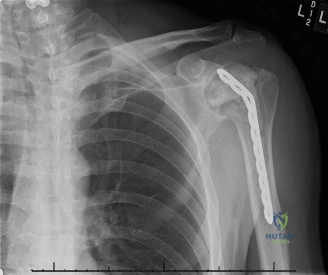
Illustration of ed philadelphia pa lippincottraven - Dr. Mohammed Hutaif

Key Takeaway

For anyone wondering about ORTHOPEDIC MCQS WITH ANSWER TRAUMA 03, For a thoracolumbar flexion-distraction injury, often associated with seat belt use, initial evaluation must include a CT of the abdomen due to the high risk of associated intra-abdominal injury, particularly to the bowel. This critical assessment ensures comprehensive care, as detailed in orthopedic resources like ed philadelphia pa lippincottraven.

Orthopedic With Answer Trauma Review | Dr Hutaif Trauma -...

Comprehensive 100-Question Exam


00:00

Start Quiz

Question 1

A 35-year-old male presents in hemorrhagic shock after a motorcycle collision. Pelvic radiographs show a symphyseal diastasis of 4 cm and complete disruption of the bilateral sacroiliac joints. After initial fluid resuscitation and application of a pelvic binder, his hemodynamics stabilize. What is the definitive management of his anterior pelvic ring injury once he is hemodynamically optimized?


Explanation

This patient has an APC-III pelvic ring injury, involving complete disruption of both anterior and posterior pelvic ligaments resulting in global instability. Once hemodynamically optimized, definitive treatment typically requires anterior plate osteosynthesis for the symphyseal disruption, usually in combination with posterior ring fixation. External fixation is generally temporary or adjunctive and not definitive for this level of instability.

Question 2

During the evaluation of an acetabulum fracture, the presence of a 'spur sign' is noted on the obturator oblique radiograph of the pelvis. What specific fracture pattern does this radiographic finding indicate?


Explanation

The 'spur sign' on an obturator oblique radiograph is pathognomonic for an associated both-column acetabulum fracture. It represents the intact portion of the ilium that remains attached to the axial skeleton, projecting posteriorly like a spur, while the articular columns are completely dissociated from the axial skeleton.

Question 3

Recent anatomical studies utilizing gadolinium and quantitative MRI have refined our understanding of the primary arterial blood supply to the proximal humerus. Which of the following vessels provides the majority of the vascularity to the humeral head articular segment?


Explanation

Historically, the anterior humeral circumflex artery (specifically the arcuate branch) was considered the main vascular supply. However, recent studies (e.g., Hettrich et al.) have demonstrated that the posterior humeral circumflex artery supplies the vast majority (approximately 64%) of the blood to the humeral head, particularly the posteromedial and inferior aspects.

Question 4

Which of the following scenarios represents an absolute indication for open reduction and internal fixation of an acute midshaft clavicle fracture?


Explanation

Absolute indications for operative fixation of a clavicle fracture include open fracture, associated neurovascular injury, and severe skin tenting that threatens skin viability (imminent open fracture). Factors like shortening >2 cm, floating shoulder, Z-deformity, and athletic demands are considered relative indications.

Question 5

A 25-year-old male sustains a vertically oriented femoral neck fracture (Pauwels type III). What biomechanical force is predominantly responsible for the high rate of fixation failure and nonunion in this specific fracture pattern?


Explanation

Pauwels type III femoral neck fractures have a fracture line angulation of >50 degrees from the horizontal. This highly vertical orientation makes them inherently mechanically unstable. Shear forces predominate at the fracture site rather than compressive forces, predisposing the construct to displacement, varus collapse, and nonunion.

Question 6

When treating an intertrochanteric femur fracture with a sliding hip screw or cephalomedullary nail, optimizing the Tip-Apex Distance (TAD) is critical to prevent hardware failure. To significantly minimize the risk of lag screw cut-out, the TAD should strictly be kept below:


Explanation

Baumgaertner et al. demonstrated that keeping the Tip-Apex Distance (TAD) to less than 25 mm—calculated by summing the AP and lateral radiographic distances from the tip of the screw to the apex of the femoral head—significantly reduces the rate of lag screw cut-out in the operative treatment of intertrochanteric fractures.

Question 7

A 28-year-old male polytrauma patient with bilateral femoral shaft fractures, a grade III spleen laceration, and a severe traumatic brain injury is brought to the operating room. His lactate is 4.5 mmol/L and base deficit is -8. According to damage control orthopedics (DCO) principles, what is the most appropriate initial management for his femur fractures?


Explanation

This patient is in the 'borderline' or 'unstable' physiological category based on his elevated lactate, significant base deficit, and concomitant head and abdominal injuries. Damage Control Orthopedics (DCO) dictates rapid, temporary stabilization of major long bone fractures with external fixation to minimize the systemic inflammatory response ('second hit') associated with prolonged surgery and intramedullary reaming.

Question 8

A 42-year-old male presents with a coronal plane fracture of the distal femoral condyle (Hoffa fracture) after a high-speed motor vehicle collision. This fracture pattern most commonly involves which of the following osseous structures?


Explanation

A Hoffa fracture is a coronal shear fracture of the distal femur. It most commonly involves the lateral femoral condyle. This is due to the physiologic valgus alignment of the femur and the typical mechanism of injury, which involves a direct axial load transmitted through the lateral compartment with the knee in flexion.

Question 9

A 45-year-old female sustains a Schatzker IV (medial) tibial plateau fracture. Which of the following associated injuries has the highest incidence with this specific, high-energy fracture pattern?


Explanation

A Schatzker IV fracture involves the medial tibial plateau and generally occurs due to high-energy varus forces (unlike Schatzker I-III, which are lateral and often lower energy). It is frequently associated with knee subluxation or dislocation, leading to a high risk of vascular injury to the tethered popliteal artery. A thorough vascular examination, including ABIs, is mandatory.

Question 10

A 32-year-old male undergoes intramedullary nailing for a closed tibial shaft fracture. Post-operatively, he develops severe pain out of proportion to the injury. His blood pressure is 110/80 mmHg. A compartment pressure monitor is inserted. What threshold mandates emergent fasciotomy?


Explanation

The Delta pressure, calculated as the Diastolic Blood Pressure minus the Intracompartmental Pressure, is the most reliable objective indicator for acute compartment syndrome. A delta pressure of less than 30 mmHg represents inadequate tissue perfusion and is an absolute indication for emergent four-compartment fasciotomy of the leg.

Question 11

A 50-year-old man falls from a ladder, sustaining a highly comminuted distal tibia pilon fracture. An ankle-spanning external fixator is placed on the day of injury. What clinical sign best indicates that the soft tissues are ready for definitive open reduction and internal fixation?


Explanation

The 'wrinkle sign' indicates that the acute post-traumatic edema has subsided sufficiently to allow the skin to wrinkle when pinched or with joint motion. This is the critical clinical milestone confirming that the soft tissue envelope can safely tolerate surgical incisions for definitive fixation, typically occurring 10 to 21 days post-injury.

Question 12

Eight weeks after open reduction and internal fixation of a Hawkins type III talar neck fracture, an AP radiograph of the ankle demonstrates subchondral radiolucency in the dome of the talus. What does this specific radiographic finding indicate?


Explanation

The subchondral radiolucency seen in the talar dome on an AP or mortise radiograph 6 to 8 weeks post-injury is known as the Hawkins sign. It represents subchondral atrophy (osteopenia) due to disuse and active hyperemia. Its presence indicates that the vascular supply to the talar body is intact, making avascular necrosis highly unlikely.

Question 13

In the evaluation of intra-articular calcaneus fractures, the Sanders classification is highly prognostic for clinical outcomes. Which specific imaging view is primarily used to determine the Sanders classification?


Explanation

The Sanders classification relies on coronal CT images. Specifically, it uses the coronal slice that displays the widest portion of the posterior facet of the calcaneus (sustentaculum tali to the lateral wall) to identify the number and location of primary fracture lines through the articular surface.

Question 14

The Lisfranc ligament is the primary stabilizer of the tarsometatarsal joint complex. Between which two osseous structures does the main intraosseous component of the Lisfranc ligament course?


Explanation

The Lisfranc ligament complex is a strong intraosseous ligament that originates on the lateral aspect of the medial cuneiform and inserts on the medial aspect of the base of the second metatarsal. There is notably no direct ligamentous connection between the bases of the first and second metatarsals.

Question 15

A 60-year-old female sustains a volar Barton's fracture of the distal radius. Which of the following ligaments remains attached to the displaced volar marginal articular fragment, causing the carpus to translate volarly with the fracture?


Explanation

A volar Barton's fracture is a shear fracture of the volar articular margin of the distal radius. The stout volar radiocarpal ligaments—specifically the radioscaphocapitate, long radiolunate, and short radiolunate ligaments—remain attached to this volar fragment. Intact ligaments cause the carpus to subluxate or dislocate volarly in concert with the bony fragment.

Question 16

A 22-year-old male presents with a displaced fracture through the proximal pole of the scaphoid. The high risk of avascular necrosis in this region is primarily due to retrograde blood flow originating from which of the following vessels?


Explanation

The blood supply to the scaphoid is predominantly provided by the dorsal carpal branch of the radial artery, which enters the bone distally and flows in a retrograde fashion toward the proximal pole. Fractures through the waist or proximal pole disrupt this delicate retrograde flow, rendering the proximal pole highly susceptible to avascular necrosis.

Question 17

A 40-year-old farmer sustains a severe Grade III open fracture of the tibial shaft after his leg is caught in a tractor power take-off. The wound is heavily contaminated with soil. In addition to a first-generation cephalosporin and an aminoglycoside, what prophylactic antibiotic should be added to specifically cover Clostridium species?


Explanation

High-energy open fractures heavily contaminated with soil, feces, or standing water (often farm-related injuries) carry a significant risk for Clostridium perfringens infection (gas gangrene). Standard protocol dictates adding high-dose penicillin to the cephalosporin and aminoglycoside regimen to provide specific coverage for these anaerobic bacteria.

Question 18

When evaluating a severely injured limb to guide the decision between amputation and limb salvage, the Mangled Extremity Severity Score (MESS) is often referenced. Which of the following variables is NOT a formal component of the MESS scoring system?


Explanation

The Mangled Extremity Severity Score (MESS) calculates a score based on four distinct criteria: skeletal/soft tissue injury (energy/mechanism), limb ischemia, shock, and patient age. While a complete loss of plantar sensation (tibial nerve injury) strongly influences clinical decision-making, nerve injury itself is not explicitly scored in the traditional MESS criteria.

Question 19

A 6-year-old boy presents with an extension-type, Gartland type III supracondylar humerus fracture with posteromedial displacement of the distal fragment. Which nerve is tethered over the proximal fragment and at the highest risk of injury in this specific displacement pattern?


Explanation

In extension-type supracondylar humerus fractures, posteromedial displacement of the distal fragment pushes the sharp proximal fragment anterolaterally. This classically stretches or tethers the radial nerve. Conversely, posterolateral displacement endangers the median nerve (specifically the AIN branch) and brachial artery as the proximal fragment is pushed anteromedially.

Question 20

A 25-year-old male arrives in the trauma bay after a severe motor vehicle collision. He has a blood pressure of 80/40 mmHg and a heart rate of 55 bpm. Physical examination reveals that his extremities are warm, flushed, and well-perfused. Which of the following is the most likely diagnosis?


Explanation

The combination of hypotension, bradycardia (an inability to mount a tachycardic response), and warm, flushed extremities is the classic triad of neurogenic shock. This results from a severe cervical or high thoracic spinal cord injury disrupting the sympathetic outflow, leading to loss of vascular tone and unopposed vagal tone.

Question 21

A 35-year-old male presents with a transverse plus posterior wall acetabular fracture following a high-speed motor vehicle collision. The anterior displacement is minimal. Which surgical approach is most appropriate for definitive fixation?


Explanation

The Kocher-Langenbeck approach is the workhorse for posterior column and posterior wall injuries. For a transverse plus posterior wall fracture, if the anterior displacement is minimal and can be reduced indirectly, the Kocher-Langenbeck approach allows direct visualization and fixation of the posterior elements.

Question 22

A 28-year-old snowboarder sustains a Hawkins Type III talar neck fracture. What is the approximate risk of developing avascular necrosis (AVN) of the talar body in this patient?


Explanation

Hawkins Type III fractures involve a talar neck fracture with dislocation of the talar body from both the subtalar and tibiotalar joints. This typically disrupts all three major blood supplies to the talar body (artery of the tarsal canal, deltoid branches, and dorsalis pedis branches), resulting in an AVN risk approaching 80-100%.

Question 23

In the surgical management of a 'terrible triad' injury of the elbow, what is the standard algorithmic sequence of anatomic reconstruction?


Explanation

The standard surgical algorithm for a terrible triad (elbow dislocation with radial head and coronoid fractures) is to proceed from deep to superficial: coronoid fixation or anterior capsular repair, followed by radial head repair or replacement, and finally lateral collateral ligament (LCL) repair. The MCL is typically only repaired if the elbow remains grossly unstable after these steps.

Question 24

A 40-year-old man sustains a posterior hip dislocation with an associated femoral head fracture. CT imaging reveals the fracture involves the fovea capitis and extends superiorly into the weight-bearing zone, but there is no femoral neck or acetabular rim fracture. According to the Pipkin classification, what type of injury is this?


Explanation

The Pipkin classification describes femoral head fractures associated with posterior hip dislocations. Type I is a fracture below the fovea (non-weight bearing). Type II is a fracture above the fovea (weight-bearing zone). Type III has an associated femoral neck fracture. Type IV has an associated acetabular rim fracture.

Question 25

A 45-year-old male presents with a severely displaced, closed Ruedi-Allgower Type III tibial pilon fracture with massive soft tissue swelling, fracture blisters, and a positive wrinkle sign absent. What is the most appropriate initial management?


Explanation

High-energy pilon fractures with severe soft tissue compromise (Tscherne Grade II/III) are standardly managed with a staged protocol. This involves initial temporary spanning external fixation (with or without fibula fixation) to restore length and alignment, followed by delayed definitive ORIF once the soft tissue envelope has healed (typically 10-21 days, indicated by the return of skin wrinkles).

Question 26

An 80-year-old female sustains a periprosthetic femur fracture around a well-fixed cemented total hip arthroplasty stem. Radiographs show a spiral fracture configuration entirely distal to the tip of the stem. How is this classified according to the Vancouver system, and what is the standard treatment?


Explanation

Vancouver C fractures occur entirely distal to the tip of the prosthesis. The stem remains well-fixed. The treatment is standard Open Reduction and Internal Fixation (ORIF) using a plate, taking care to overlap the tip of the prosthesis appropriately to avoid creating a stress riser. Type B1 involves the fracture around the stem tip but the stem remains well-fixed.

Question 27

What is the primary determinant used to classify intra-articular calcaneus fractures according to the Sanders classification?


Explanation

The Sanders classification is based strictly on coronal CT scan images. It dictates the number of articular fragments of the posterior facet at its widest point. Type I is non-displaced; Type II is two-part; Type III is three-part; Type IV is four or more parts (highly comminuted).

Question 28

According to the Lauge-Hansen classification, what is the sequence of structural failure in a pronation-abduction (PA) ankle injury?


Explanation

The Pronation-Abduction (PA) sequence begins with 1) Medial structure failure (Deltoid ligament rupture or medial malleolus transverse fracture), 2) Syndesmotic ligament failure (AITFL, PITFL), and 3) Fibula fracture (short oblique or transverse fracture at or just above the joint line, frequently featuring lateral comminution/butterfly fragment).

Question 29

A 25-year-old motorcyclist is thrown from his bike, resulting in a flail upper extremity, massive shoulder swelling, and absent distal pulses. Radiographs show significant lateral displacement of the scapula and a distracted clavicle fracture. What is the most reliable prognostic indicator for eventual functional recovery of the limb?


Explanation

The clinical scenario describes scapulothoracic dissociation. While vascular injury requires emergent intervention for limb salvage, the functional outcome of the limb is overwhelmingly dictated by the severity of the neurological injury. Complete brachial plexus avulsions are common and carry a devastating prognosis, often resulting in a flail, insensate arm or delayed amputation.

Question 30

Based on recent anatomic and perfusion studies, which artery is considered to provide the primary blood supply to the humeral head, and is thus most critical to preserve in a displaced proximal humerus fracture?


Explanation

Historically, the anterolateral branch (arcuate artery) of the anterior circumflex humeral artery was taught as the primary supply. However, contemporary quantitative perfusion studies (e.g., Brooks et al., Hettrich et al.) have definitively shown that the posterior circumflex humeral artery provides the dominant blood supply (approx. 64%) to the humeral head.

Question 31

A 65-year-old female presents with a volar Barton's fracture of the distal radius. Due to strong ligamentous attachments, which carpal bone predictably subluxates proximally and volarly with the intra-articular distal radius fragment?


Explanation

A volar Barton's fracture is a shear fracture of the volar margin of the distal radius. The lunate typically subluxates or dislocates with the volar articular fragment due to the stout, unyielding attachment of the short radiolunate ligament.

Question 32

A distal humerus fracture consists of a coronal shear fracture involving the entire capitellum and the lateral portion of the trochlea, but leaves the lateral epicondyle intact. According to the McKee modification of the Bryan and Morrey classification, what type of fracture is this?


Explanation

The McKee modification added Type IV to the Bryan and Morrey classification. Type I is a large osseous capitellar piece. Type II is a thin articular cartilage sleeve. Type III is comminuted. Type IV (McKee) is a coronal shear fracture that involves both the capitellum and the lateral half of the trochlea.

Question 33

A 30-year-old patient sustains a coronal plane fracture of the lateral femoral condyle extending into the knee joint. What is the eponym for this fracture, and what is the biomechanically optimal direction for screw fixation?


Explanation

A coronal shear fracture of the femoral condyle is a Hoffa fracture. Biomechanical studies indicate that anterior-to-posterior (AP) screw placement provides superior fixation strength and resistance to shear forces compared to posterior-to-anterior (PA) screw placement.

Question 34

During the initial preparation for intramedullary nailing of a subtrochanteric femur fracture, the surgeon notes classic characteristic deformity of the proximal fragment. What deforming muscle forces act on the proximal segment, and what is the resulting position?


Explanation

In a subtrochanteric femur fracture, the proximal fragment is typically deformed into flexion (by the iliopsoas), abduction (by the gluteus medius and minimus), and external rotation (by the short external rotators).

Question 35

A 24-year-old male sustains a low-velocity civilian gunshot wound to the thigh, resulting in a comminuted midshaft femur fracture. The entry and exit wounds are less than 1 cm each, and the patient is neurovascularly intact without massive contamination. What is the most appropriate acute management?


Explanation

Low-velocity gunshot wounds resulting in femur fractures without neurovascular compromise or gross contamination are treated similarly to closed fractures. They do not require formal operative debridement of the bullet track. Standard treatment includes local wound care, a short course of antibiotics (typically a first-generation cephalosporin), and early intramedullary nailing.

Question 36

Which of the following radiographic fracture patterns in a 6-month-old infant carries the highest specificity for non-accidental trauma (child abuse)?


Explanation

The classic metaphyseal lesion (CML), radiographically visible as a 'corner fracture' or 'bucket-handle fracture,' is highly specific for non-accidental trauma in infants. It is caused by violent pulling, twisting, or shaking forces that disrupt the primary spongiosa of the metaphysis.

Question 37

When utilizing intra-compartmental pressure monitoring to diagnose acute compartment syndrome of the lower leg, which parameter is the most reliable threshold indicating the need for emergent fasciotomy?


Explanation

Delta pressure (ΔP) is the most reliable indicator for compartment syndrome, accounting for individual variations in perfusion pressure. A delta pressure (Diastolic BP - compartment pressure) of less than 30 mmHg strongly indicates inadequate tissue perfusion and is a recognized indication for emergent fasciotomy.

Question 38

A 22-year-old athlete sustains a hyperplantarflexion injury to the midfoot. Radiographs demonstrate a 3 mm diastasis between the bases of the first and second metatarsals. Anatomically, what is the structure and orientation of the primary ligament ruptured in this specific injury?


Explanation

The Lisfranc ligament is an oblique interosseous ligament that runs from the lateral aspect of the medial cuneiform to the medial aspect of the base of the second metatarsal. It is the largest and strongest ligament stabilizing the first/second ray articulation; its disruption leads to characteristic diastasis.

Question 39

A 35-year-old farm worker sustains a severe open tibial shaft fracture (Gustilo-Anderson Type IIIA) heavily contaminated with barnyard soil. In addition to a first-generation cephalosporin and an aminoglycoside, what specific antibiotic should be added to the empiric regimen?


Explanation

Farmyard injuries or wounds heavily contaminated with soil carry a specific high risk of Clostridium perfringens infection (gas gangrene). High-dose Penicillin is the classic standard addition to the antibiotic regimen in these specific agricultural environments to provide anaerobic coverage against Clostridium species.

Question 40

A 32-year-old skier sustains a Schatzker Type II tibial plateau fracture (split-depression of the lateral plateau). Which associated intra-articular injury is most commonly encountered and must be addressed during surgical management?


Explanation

Schatzker Type II fractures involve the lateral tibial plateau. There is a very high incidence (up to 50%) of associated lateral meniscal tears. The meniscus frequently becomes incarcerated within the depressed articular fragments, requiring meticulous extraction, elevation of the joint surface, and meniscal repair during ORIF.

Question 41

A 25-year-old male sustains a vertically oriented femoral neck fracture (Pauwels type III). What is the most critical biomechanical factor to minimize the risk of nonunion and avascular necrosis in this patient?


Explanation

Pauwels type III fractures are highly unstable due to vertical shear forces. Anatomical reduction and stable internal fixation are the most critical factors in minimizing nonunion and avascular necrosis.

Question 42

A 45-year-old male sustains a high-energy Schatzker VI tibial plateau fracture. He initially undergoes temporary spanning external fixation. What is the most reliable clinical indicator to safely proceed with definitive open reduction and internal fixation?


Explanation

The 'wrinkle sign' indicates that severe soft tissue swelling has subsided, significantly reducing the risk of wound dehiscence and deep infection following definitive fixation.

Question 43

A 30-year-old woman undergoes volar locked plating for a distal radius fracture. Six months later, she presents with a new-onset inability to actively flex the interphalangeal joint of her thumb. Which of the following is the most likely cause?


Explanation

Placing a volar plate distally over the watershed line of the distal radius places the flexor pollicis longus (FPL) tendon at high risk for attrition and spontaneous rupture.

Question 44

A 35-year-old male sustains a highly displaced subtrochanteric femur fracture. Which muscle is primarily responsible for the flexion and external rotation deformity characteristic of the proximal fracture fragment?


Explanation

The iliopsoas inserts on the lesser trochanter and strongly flexes and externally rotates the proximal fragment in a subtrochanteric femur fracture.

Question 45

A 28-year-old patient sustains a Hawkins type III talar neck fracture. Which of the following best describes the displacement pattern and the approximate associated risk of avascular necrosis (AVN)?


Explanation

A Hawkins type III fracture involves dislocation of both the subtalar and tibiotalar joints. Because of the severe disruption to the retrograde blood supply, the risk of AVN is extremely high.

Question 46

During the anterior ilioinguinal approach for an acetabular fracture, severe hemorrhage is suddenly encountered just posterior to the superior pubic ramus. What vascular structure is most likely injured?


Explanation

The corona mortis is a critical vascular anastomosis between the obturator and external iliac (or inferior epigastric) vessels, located on the posterior aspect of the superior pubic ramus.

Question 47

In a displaced intra-articular calcaneus fracture, which fracture fragment classically remains securely attached to the talus via the strong interosseous and deltoid ligaments, serving as the 'constant' fragment for reduction?


Explanation

The sustentacular (anteromedial) fragment remains strongly tethered to the talus by the medial collateral (deltoid) and talocalcaneal interosseous ligaments, making it the constant fragment to which the rest of the calcaneus is reduced.

Question 48

A 40-year-old skier sustains a spiral distal tibia fracture with a concurrent posterior malleolus (Volkmann's) fracture fragment. Which ligament's avulsion creates this specific posterior malleolar fragment?


Explanation

The posterior malleolar fragment, often referred to as Volkmann's fragment, is created by the strong pull of the intact posterior inferior tibiofibular ligament (PITFL) during a rotational ankle injury.

Question 49

A patient with a Holstein-Lewis humeral shaft fracture presents with a new complete radial nerve palsy immediately following a closed reduction in the emergency department. The nerve was documented as intact prior to manipulation. What is the most appropriate next step in management?


Explanation

An iatrogenic radial nerve palsy that occurs after closed reduction of a humeral shaft fracture is an absolute indication for immediate surgical exploration, as the nerve may be entrapped in the fracture site.

Question 50

A 32-year-old is diagnosed with a Hoffa fracture of the distal femur. Which of the following best describes this specific injury pattern?


Explanation

A Hoffa fracture is a coronal plane shear fracture of the distal femoral condyle (most commonly the lateral condyle), typically requiring anterior-to-posterior or posterior-to-anterior screw fixation.

Question 51

A 25-year-old male sustains a midshaft clavicle fracture in a cycling accident. Which of the following is considered an absolute indication for open reduction and internal fixation?


Explanation

Absolute indications for operative fixation of clavicle fractures include open fractures, skin tenting leading to imminent skin breakdown, and progressive neurologic deficit.

Question 52

A 22-year-old athlete sustains a midfoot injury. Radiographs reveal a "fleck sign" in the first intermetatarsal space. This indicates a bony avulsion of the Lisfranc ligament from which specific structure?


Explanation

The "fleck sign" represents a bony avulsion of the Lisfranc ligament, which runs from the lateral aspect of the medial cuneiform to the medial base of the second metatarsal, most commonly avulsing from the second metatarsal base.

Question 53

What is the primary arterial supply to the scaphoid that makes fractures of its proximal pole particularly susceptible to delayed union and avascular necrosis?


Explanation

The scaphoid receives 70-80% of its blood supply from the dorsal carpal branch of the radial artery, which enters at the distal pole and flows in a retrograde fashion to the proximal pole.

Question 54

An 80-year-old female presents with a periprosthetic femur fracture around a cemented total hip arthroplasty. Radiographs demonstrate a fracture at the tip of the stem. The femoral component is grossly loose, and there is severe loss of proximal femoral bone stock. According to the Vancouver classification, what is the type and most appropriate surgical treatment?


Explanation

A Vancouver B3 fracture is characterized by a fracture around a loose stem in the setting of poor proximal bone stock. It requires revision arthroplasty, often utilizing a proximal femoral replacement or structural bone grafting.

Question 55

A 25-year-old male with a comminuted tibial shaft fracture is evaluated for acute compartment syndrome. His blood pressure is 120/80 mmHg. What absolute or differential intra-compartmental pressure parameter is the most universally accepted threshold for performing an emergency four-compartment fasciotomy?


Explanation

A delta pressure (diastolic blood pressure minus compartment pressure) of less than 30 mmHg is the most reliable and widely accepted indication for fasciotomy to treat acute compartment syndrome.

Question 56

When performing an intramedullary nailing of a proximal third tibial shaft fracture via an infrapatellar approach, the proximal fragment classically displaces into which deformity, and how can it be technically mitigated?


Explanation

Proximal third tibia fractures notoriously displace into valgus and procurvatum during intramedullary nailing. Using a more superior, slightly lateral entry point or posterior Poller (blocking) screws helps prevent this malalignment.

Question 57

A 45-year-old sustains a traumatic anterior shoulder dislocation. Post-reduction imaging shows an anterior glenoid bone loss of 30% and an engaging Hill-Sachs lesion. What is the most appropriate definitive surgical management to prevent recurrent instability?


Explanation

In the setting of anterior shoulder instability with critical glenoid bone loss (>20-25%), soft tissue repairs like the Bankart procedure have a high failure rate. A bony augmentation procedure, such as the Latarjet, is indicated.

Question 58

A 30-year-old motorcyclist sustains an open midshaft tibia fracture. The wound is 12 cm long with extensive soft tissue crushing and periosteal stripping. However, after thorough debridement, adequate soft tissue coverage of the bone is possible without requiring a local or free flap. How is this injury classified according to Gustilo-Anderson?


Explanation

Gustilo-Anderson Type IIIA denotes a high-energy trauma with extensive soft tissue laceration and periosteal stripping, but where adequate soft tissue coverage of the fractured bone remains possible without a flap.

Question 59

A 40-year-old male sustains a coronal plane fracture of the lateral femoral condyle (Hoffa fracture) after a high-velocity motor vehicle collision. Which of the following fixation strategies provides the most biomechanically stable construct for this fracture pattern?


Explanation

Posterior-to-anterior oriented lag screws provide the most biomechanically stable fixation for a Hoffa fracture. They are inserted perpendicular to the fracture plane, optimizing compression and resisting shear forces better than anterior-to-posterior screws.

Question 60

A 25-year-old male is evaluated 6 weeks after undergoing open reduction and internal fixation of a talar neck fracture. Radiographs demonstrate a band of subchondral radiolucency in the talar dome. What does this radiographic finding signify?


Explanation

This finding is the Hawkins sign, characterized by subchondral lucency in the talar dome indicating active bone resorption. It signifies that vascular supply to the talar body is intact, making avascular necrosis highly unlikely.

Question 61

A 30-year-old male presents with a subtrochanteric femur fracture. The proximal fracture fragment is characteristically deformed in flexion, external rotation, and abduction. Which combination of muscles is primarily responsible for this classic deformity?


Explanation

The proximal fragment in a subtrochanteric fracture is flexed by the iliopsoas, abducted by the gluteus medius and minimus, and externally rotated by the short external rotators. Understanding these deforming forces is critical for proper intraoperative reduction.

Question 62

A 24-year-old female sustains an open midshaft tibia fracture with a 10 cm soft tissue defect over the anterior leg, exposing bone stripped of periosteum. Peripheral pulses are normal. According to the Gustilo-Anderson classification, what is the most appropriate soft tissue coverage option?


Explanation

This is a Gustilo-Anderson IIIB open fracture. For soft tissue defects in the middle third of the tibia, a pedicled soleus muscle flap is typically the preferred local coverage option.

Question 63

A 45-year-old male with a tibial shaft fracture complains of severe, escalating leg pain. His blood pressure is 120/70 mmHg (MAP 86). Intracompartmental pressure monitoring reveals an anterior compartment pressure of 45 mmHg. What is the calculated delta P, and what is the next step in management?


Explanation

Delta P is defined as the diastolic blood pressure minus the intracompartmental pressure (70 - 45 = 25 mmHg). A delta P of less than 30 mmHg is an absolute indication for emergency four-compartment fasciotomy.

Question 64

A patient presents with a "terrible triad" injury of the elbow following a fall onto an outstretched hand. During operative management, what is the standard recommended sequence of surgical reconstruction to restore stability?


Explanation

The standard surgical algorithm for a terrible triad injury begins deep and moves superficial: fixation of the coronoid first, followed by the radial head, then repair of the lateral collateral ligament (LCL) complex. MCL repair is only performed if the elbow remains unstable after these steps.

Question 65

A 60-year-old female undergoes open reduction and internal fixation of a distal radius fracture with a volar locking plate. Six months postoperatively, she presents with an inability to actively flex the interphalangeal joint of her thumb. This complication is most directly related to plate placement in relation to which anatomical landmark?


Explanation

Placement of a volar plate distal to the watershed line can cause prominence of the hardware. This frequently leads to attrition and spontaneous rupture of the flexor pollicis longus (FPL) tendon.

Question 66

A 40-year-old male falls from a ladder and sustains a pilon fracture. Preoperative CT imaging shows a displaced anterolateral distal tibia fragment. This specific fragment remains attached to which of the following ligaments?


Explanation

The anterolateral fragment of the distal tibia (the Tillaux-Chaput fragment) serves as the tibial attachment for the anterior inferior tibiofibular ligament (AITFL). Understanding these ligamento-osseous relationships dictates the reduction sequence.

Question 67

A 28-year-old male sustains a high-energy Pauwels type III (vertical shear) femoral neck fracture. To minimize the risk of nonunion and fixation failure, which of the following constructs provides the most biomechanically stable fixation for this specific fracture pattern in a young patient?


Explanation

Pauwels type III fractures experience high shear forces. A fixed-angle device such as a sliding hip screw combined with a derotational screw provides superior biomechanical stability compared to multiple cannulated screws.

Question 68

A 50-year-old male presents with a pelvic ring injury and a large, fluctuant soft-tissue swelling over the greater trochanter. Aspiration yields serosanguinous fluid containing fat globules. What is the pathophysiologic mechanism of this specific lesion?


Explanation

A Morel-Lavallée lesion is a closed degloving injury where the subcutaneous tissue is separated from the underlying deep fascia. This disrupts perforating vessels, leading to the accumulation of blood, lymph, and necrotic fat.

Question 69

During preoperative planning for an acetabular fracture, an obturator oblique radiograph demonstrates a disruption of the iliopectineal line with an intact ilioischial line. Which classical fracture pattern does this isolated finding suggest?


Explanation

The obturator oblique view highlights the anterior column and the posterior lip of the acetabulum. Disruption of the iliopectineal line with an intact ilioischial line (seen on the iliac oblique view) is diagnostic of an isolated anterior column fracture.

Question 70

A 35-year-old patient presents with a transverse acetabular fracture. Which radiographic finding reliably distinguishes a transverse acetabular fracture from a T-type acetabular fracture?


Explanation

Both transverse and T-type fractures disrupt the anterior and posterior columns. However, a T-type fracture includes a vertical split that extends distally to disrupt the obturator ring (ischiopubic rami), which is absent in a pure transverse fracture.

Question 71

A patient with a high-energy trauma is diagnosed with scapulothoracic dissociation. Which of the following associated injuries is considered an absolute indicator of a poor long-term functional outcome, frequently leading to amputation?


Explanation

Complete brachial plexus avulsion is the most significant prognostic factor in scapulothoracic dissociation. It results in a flail, insensate limb, making early forequarter amputation a common outcome.

Question 72

When calculating the Mangled Extremity Severity Score (MESS) for a severely injured lower extremity, which variable carries the most significant weight, doubling its assigned points if present for more than 6 hours?


Explanation

In the MESS criteria, limb ischemia points are doubled if the ischemic time exceeds 6 hours. This reflects the severe irreversible tissue damage and poor salvage prognosis associated with prolonged warm ischemia.

Question 73

A 68-year-old female on prolonged bisphosphonate therapy presents with thigh pain. Radiographs reveal a transverse fracture of the femoral shaft with lateral cortical thickening and a medial spike. What is the recommended surgical management for this atypical femur fracture?


Explanation

Atypical femur fractures associated with bisphosphonates are best treated with full-length cephalomedullary nailing to protect the entire femur. Reaming is recommended to stimulate the sluggish biologic healing characteristic of these fractures.

Question 74

A 32-year-old female sustains a U-shaped sacral fracture (spinopelvic dissociation) after a fall from height. Given this specific fracture pattern, which complication is most highly associated with this injury?


Explanation

U-shaped sacral fractures involve bilateral vertical transforaminal fractures connected by a transverse fracture, effectively dissociating the spine from the pelvis. This pattern severely compromises the sacral nerve roots, leading to high rates of bowel, bladder, and sexual dysfunction.

Question 75

The Sanders classification of intra-articular calcaneus fractures is heavily utilized for surgical planning. This classification is based on the number of articular fragments visualized on which specific imaging slice?


Explanation

The Sanders classification is determined by the number and location of fracture lines on a coronal CT slice at the widest point of the posterior articular facet. It accurately predicts the surgical complexity and prognosis.

Question 76

A 27-year-old male sustains an isolated Lauge-Hansen Supination-External Rotation (SER) stage IV ankle fracture. According to this classification, what is the precise sequential order of structural failure?


Explanation

In the Lauge-Hansen SER sequence, failure begins anterolaterally with the AITFL (Stage I), followed by a spiral lateral malleolus fracture (Stage II), PITFL rupture or posterior malleolus fracture (Stage III), and finally deltoid rupture or medial malleolus fracture (Stage IV).

Question 77

A 42-year-old male presents with a completely displaced, highly comminuted midshaft clavicle fracture with 3 cm of shortening. He undergoes open reduction and internal fixation with a superiorly placed anatomic locking plate. Which nerve is most at risk of iatrogenic injury during the surgical approach?


Explanation

The supraclavicular nerves (branches of the superficial cervical plexus) cross directly over the clavicle. They are at high risk during the superior approach for clavicle plating, often resulting in postoperative numbness over the anterior chest wall.

Question 78

According to the findings of the Lower Extremity Assessment Project (LEAP) study, which of the following clinical factors is considered an absolute indication for primary amputation in severe lower extremity trauma?


Explanation

The LEAP study fundamentally changed trauma dogma by demonstrating that initial loss of plantar sensation is not an absolute indication for amputation. Many patients with initially insensate feet regained protective sensation after successful limb salvage.

Question 79

A 45-year-old male sustains a bicondylar tibial plateau fracture with a large posteromedial coronal shear fragment. Which surgical approach is most appropriate for direct visualization and buttress plating of this specific fragment?


Explanation

The posteromedial approach allows direct visualization and application of an anti-glide or buttress plate to the apex of the posteromedial coronal shear fragment. An anterolateral approach alone cannot adequately reduce or stabilize this posterior structural injury.

Question 80

A 28-year-old female sustains a vertically oriented (Pauwels type III) femoral neck fracture. Which fixation construct provides the highest biomechanical stability for this specific fracture pattern?


Explanation

Biomechanical studies demonstrate that a sliding hip screw with a derotation screw provides superior stability for vertically oriented, high-shear (Pauwels III) femoral neck fractures compared to parallel cancellous screws. This fixed-angle construct better resists the high shear forces acting at the fracture site.

Question 81

A 32-year-old male sustains a Gustilo-Anderson Type IIIB open tibia fracture. Following thorough debridement and skeletal stabilization, what is the optimal timeframe for soft tissue coverage to minimize deep infection rates?


Explanation

Classic studies by Godina, supported by current trauma guidelines, demonstrate that early soft tissue coverage (within 72 hours) of Type IIIB open tibia fractures significantly reduces infection rates and improves flap survival. Delays beyond this period allow bacterial colonization to progress to invasive infection.

Question 82

Which of the following physiologic parameters is the strongest indication for Damage Control Orthopedics (DCO) rather than Early Total Care (ETC) in a polytraumatized patient with bilateral femur fractures?


Explanation

Hypothermia (core temperature < 35°C), acidosis, and coagulopathy constitute the "lethal triad" of trauma and are absolute indications for Damage Control Orthopedics. A core temperature of 33°C indicates severe physiologic derangement, precluding safe prolonged definitive surgery.

Question 83

Six weeks after open reduction and internal fixation of a Hawkins type III talar neck fracture, a radiolucent band is seen in the subchondral bone of the talar dome on the AP mortise radiograph. What does this radiographic finding indicate?


Explanation

The Hawkins sign is a subchondral radiolucent band seen at 6 to 8 weeks post-injury, representing disuse osteopenia and subchondral bone resorption. Its presence requires an intact vascular supply, thereby serving as a highly reliable indicator that avascular necrosis of the talar body will not occur.

Question 84

During a four-compartment fasciotomy of the lower leg using a dual-incision technique, the surgeon must ensure adequate decompression of all muscle compartments. Which compartment is most frequently inadequately decompressed, leading to residual myonecrosis?


Explanation

The deep posterior compartment is anatomically protected and challenging to fully release, making it the most common site of missed or inadequate decompression in lower extremity fasciotomies. Failure to release the soleus bridge from the tibia leaves this compartment dangerously pressurized.

Question 85

A 25-year-old male sustains a closed spiral fracture of the distal third of the humeral shaft. Initial exam in the ED shows completely intact radial nerve function. Following closed reduction and splint application, the patient immediately develops a new-onset complete radial nerve palsy. What is the most appropriate management?


Explanation

A secondary radial nerve palsy that occurs immediately following a closed reduction maneuver of a humeral shaft fracture is an absolute indication for surgical exploration. The nerve has likely become entrapped within the fracture site during the reduction.

Question 86

A patient presents with an acetabular fracture. CT imaging shows a fracture line separating the ilium into two halves, traversing the weight-bearing dome. The anterior and posterior columns are detached from the axial skeleton, but the articular surface of the separated columns remains congruent with the femoral head. What is the diagnosis?


Explanation

The hallmark of a both-column acetabular fracture is the complete detachment of all articular segments from the intact axial skeleton (iliac wing). The "secondary congruence sign", where the detached fractured columns fall medially but remain congruent with the femoral head, is classic for this injury.

Question 87

A 30-year-old motorcyclist presents after a high-speed collision with massive swelling over the shoulder and an entirely flail, pulseless upper extremity. A chest radiograph reveals a significantly laterally displaced scapula compared to the contralateral side. What is the most critical initial step in the evaluation of this patient?


Explanation

Scapulothoracic dissociation is a devastating closed injury analogous to a forequarter amputation and carries a very high incidence of life-threatening subclavian or axillary vascular disruption. Urgent vascular evaluation via CT angiography or direct surgical exploration is critical for hemorrhage control.

Question 88

What is the optimal screw configuration for internally fixing a lateral coronal shear fracture (Hoffa fracture) of the distal femur to maximize biomechanical stability and prevent displacement during knee flexion?


Explanation

Biomechanical studies have shown that anterior-to-posterior (AP) directed lag screws placed perpendicular to the fracture plane provide the most stable fixation for Hoffa fractures. This orientation best resists the posterior shear forces experienced by the condyle during active knee flexion.

Question 89

During open reduction and internal fixation of a pronation-external rotation (Weber C) ankle fracture, the surgeon needs to assess the syndesmosis. Which intraoperative test is considered the most reliable method to evaluate latent syndesmotic instability after fibular fixation?


Explanation

The Cotton test, which involves applying lateral traction on the fibula using a bone hook or reduction clamp under direct fluoroscopic visualization, is the gold standard for intraoperatively detecting syndesmotic instability. It directly stresses the interosseous and inferior tibiofibular ligaments.

None

Clinic OS
Medically Verified Content by
Prof. Clinic OS
Consultant Orthopedic & Spine Surgeon
Chapter Index
