Part of the Master Guide

Orthopedic Management of Bone Mineral Density Disorders & Fragility Fractures

Adult Hypophosphatasia Presenting with Atypical Femoral Fracture: A Detailed Orthopedic Case Study
17 Apr 2026 20 min read 122 Views
Illustration of orthopedic cases hypophosphatasia - Dr. Mohammed Hutaif

Key Takeaway

Adult hypophosphatasia often presents with recurrent low-energy fractures, generalized bone pain, and premature tooth loss. Orthopedic diagnostics typically reveal atypical femoral fractures, diffuse osteopenia, and critically, markedly reduced serum alkaline phosphatase. Elevated pyridoxal 5'-phosphate (PLP) and phosphoethanolamine (PEA), confirmed by ALPL gene mutation testing, solidify the diagnosis.

Patient Presentation and History

Mr. P.C. is a 58-year-old male presenting to the emergency department following a low-energy fall at home. The reported mechanism of injury involved tripping over a rug and landing directly on his left hip and lateral thigh. He experienced immediate, severe, incapacitating pain in his left thigh and was completely unable to bear weight. The low-energy nature of this mechanism juxtaposed with a complete femoral shaft fracture immediately raises the index of suspicion for a pathologic or atypical fracture pattern.

A detailed review of his medical history reveals several critical red flags indicative of an underlying systemic metabolic bone disorder. He sustained a right distal radius fracture five years prior following a similar low-energy ground-level fall. More significantly, three years ago, he developed a left fifth metatarsal stress fracture. This fracture was initially managed non-operatively but progressed to an atrophic non-union, ultimately necessitating surgical intervention with open reduction and internal fixation utilizing a plate and screw construct. The failure of a metatarsal stress fracture to heal conservatively in a middle-aged male is highly suggestive of impaired osteoblastic function or a mineralization defect.

Further historical inquiry reveals a profound dental history. He reports the premature loss of his deciduous teeth as a young child, a classic hallmark of odontohypophosphatasia. This was followed by the early, progressive loss of his permanent dentition, requiring complete upper and lower dentures by the age of 45. He also describes a prolonged history of intermittent, generalized musculoskeletal pain, predominantly axial and in the lower extremities. This pain is often exacerbated by weight-bearing activity and has been empirically attributed by the patient to normal age-related degenerative changes.

Crucially, an exhaustive pharmacological history confirms the absolute absence of any prior or current bisphosphonate use, denosumab therapy, or other anti-resorptive medications. This is a pivotal negative finding, as the radiographic presentation strongly mimics a bisphosphonate-induced atypical femoral fracture. He denies any known family history of metabolic bone disease, osteogenesis imperfecta, or recurrent fractures, though family history can often be unreliable in underdiagnosed autosomal recessive or variable-penetrance autosomal dominant conditions. His other medical comorbidities include well-controlled essential hypertension and dyslipidemia. He is a lifelong non-smoker, which eliminates a major independent risk factor for fracture non-union, and he consumes alcohol only socially.

The amalgamation of a low-energy diaphyseal femur fracture, a history of non-union, premature tooth loss, chronic musculoskeletal pain, and a lack of anti-resorptive exposure creates a highly specific clinical picture that demands an exhaustive metabolic workup alongside acute orthopedic trauma management.

Clinical Examination Findings

Upon arrival at the trauma bay, Mr. P.C. was alert, oriented, and hemodynamically stable, with vital signs within normal limits aside from mild tachycardia secondary to acute pain. The primary survey according to Advanced Trauma Life Support protocols revealed no other acute life-threatening injuries.

Inspection of the Extremities

Exposure of the lower extremities revealed an obvious, gross deformity of the left thigh. The left lower limb exhibited characteristic clinical signs of a displaced femoral shaft fracture, specifically significant shortening of approximately three centimeters and marked external rotation. Substantial soft tissue swelling and dependent ecchymosis were observed over the lateral and anterior aspects of the mid-to-distal thigh. A meticulous inspection of the integument confirmed a closed injury with no open wounds, lacerations, or impending skin compromise from bone tenting. The contralateral right lower extremity appeared grossly normal with no obvious deformities, though the patient reported mild, chronic, aching pain in the right thigh upon direct questioning, a symptom often associated with prodromal stress reactions.

Palpation and Compartment Assessment

Palpation along the left femur elicited exquisite, localized tenderness over the lateral aspect of the mid-diaphysis. Gentle manipulation of the limb during the application of a temporary traction splint produced gross, audible crepitus and abnormal mobility at the fracture site. The thigh compartments were tense due to hematoma formation but remained compressible. There were no clinical indicators of acute compartment syndrome, such as pain out of proportion to the injury or pain with passive stretch of the toes, though the baseline pain from the fracture made this assessment challenging.

Range of Motion Evaluation

Active range of motion of the left hip, knee, and ankle was completely restricted by the patient due to severe pain and mechanical instability. Passive range of motion was deferred at the hip and knee to prevent further soft tissue injury, neurovascular compromise, and exacerbation of pain prior to radiographic confirmation and stabilization. Range of motion of the contralateral limb was within normal functional limits, though mild discomfort was noted during extreme internal rotation of the right hip.

Neurological and Vascular Assessment

A comprehensive distal neurovascular examination was performed and documented. Distal sensation was intact to light touch and pinprick across the L2 through S1 dermatomes, including the saphenous, superficial peroneal, deep peroneal, sural, and tibial nerve distributions. Motor function was globally limited by pain inhibition, but the patient demonstrated the ability to perform gross ankle dorsiflexion (extensor hallucis longus and tibialis anterior function intact) and plantarflexion (gastrocnemius-soleus complex intact). There was no clinical evidence of sciatic nerve or femoral nerve neurapraxia.

Vascular assessment revealed palpable, strong, and symmetric dorsalis pedis and posterior tibial pulses. Capillary refill was brisk, occurring in under two seconds in the toes of the affected extremity. The limb was warm and well-perfused. While an Ankle-Brachial Index was not acutely indicated given the symmetric and bounding pulses, it remains a valuable adjunct if any vascular compromise is suspected following reduction or surgical fixation.

Imaging and Diagnostics

The diagnostic workup for this patient required a dual-pathway approach encompassing both the acute characterization of the orthopedic trauma and an exhaustive laboratory investigation into the underlying metabolic etiology.

Initial Radiographs and Radiographic Criteria

Standard anteroposterior and lateral radiographs of the left femur, hip, and knee were obtained in the emergency department. These images revealed a complete, completely displaced, transverse subtrochanteric femoral fracture located approximately 5 centimeters distal to the lesser trochanter.

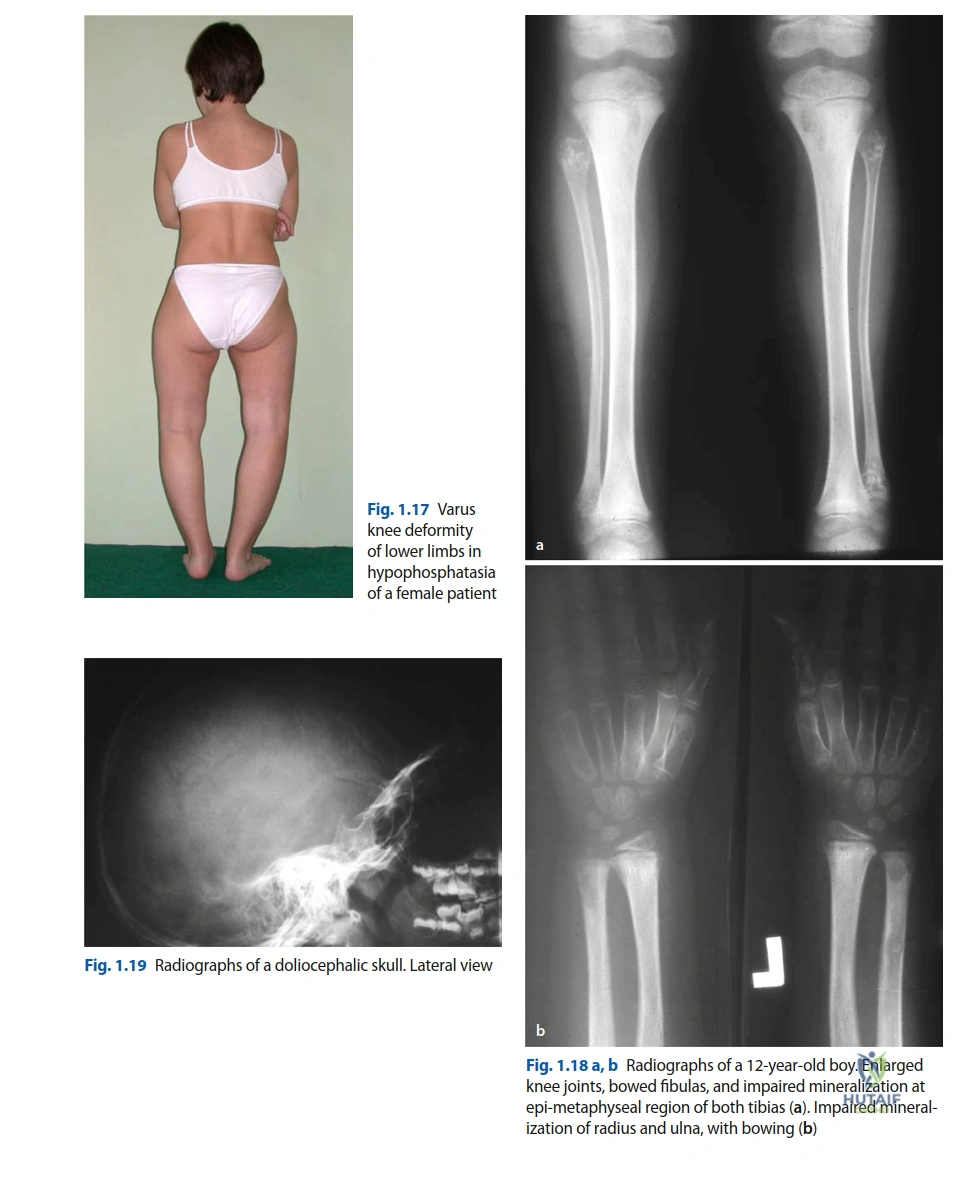
The radiographic morphology was pathognomonic for an Atypical Femoral Fracture based on the American Society for Bone and Mineral Research criteria. The fracture line originated at the lateral cortex and was strictly transverse, lacking any spiral extension or significant comminution. A prominent, localized periosteal reaction, often termed cortical "beaking" or "flaring," was clearly visible on the lateral cortex immediately adjacent to the fracture site. This indicates a chronic, preceding stress reaction on the tension side of the bone. Furthermore, generalized cortical thickening was observed along the entire femoral diaphysis, contrasted paradoxically with generalized osteopenia and altered trabecular architecture throughout the visualized pelvis and proximal femur. Previous orthopedic hardware from the fifth metatarsal open reduction and internal fixation was also incidentally noted on the foot radiographs obtained during the skeletal survey.

Image

Crucially, full-length anteroposterior and lateral radiographs of the contralateral right femur were immediately ordered. Given the patient's report of chronic right thigh aching, ruling out a synchronous impending atypical fracture on the contralateral side is a mandatory step in the diagnostic algorithm. The right femur radiographs demonstrated lateral cortical thickening and subtle beaking in the subtrochanteric region, confirming a bilateral pathologic process and an impending fracture on the right side.

Advanced Imaging Modalities

A Computed Tomography scan of the left femur was executed for meticulous pre-operative templating and three-dimensional fracture characterization. The CT scan confirmed the absolute lack of comminution and the transverse nature of the fracture. It provided critical data regarding the medullary canal diameter, the degree of anterior bowing (procurvatum), and the precise thickness of the sclerotic cortices. This information is paramount for selecting the appropriate intramedullary nail diameter and radius of curvature. Furthermore, the CT scan definitively ruled out any lytic, blastic, or permeative osseous lesions that would suggest a primary bone sarcoma or metastatic carcinoma, which can occasionally present with similar transverse fracture patterns.

While Magnetic Resonance Imaging is not routinely indicated for acute, displaced diaphyseal fractures, it would be the gold standard for evaluating the contralateral right femur if the plain radiographs were equivocal. In this clinical scenario, the radiographic beaking on the right side was sufficient to diagnose an impending fracture, negating the acute need for an MRI.

Metabolic Laboratory Investigation

Given the presentation of an atypical femoral fracture in a patient absolutely naïve to bisphosphonates, a comprehensive metabolic bone panel was drawn prior to surgical intervention. This panel is the cornerstone of diagnosing the underlying pathology.

The results revealed a persistently and profoundly low serum Alkaline Phosphatase level of 18 U/L (normal range typically 40-120 U/L). This isolated hypophosphatasemia is the biochemical hallmark of Hypophosphatasia. To confirm this diagnosis, serum Pyridoxal 5'-Phosphate (Vitamin B6) levels were drawn. TNSALP is responsible for dephosphorylating PLP to allow it to cross the blood-brain barrier and cell membranes. In the absence of functional TNSALP, PLP accumulates in the serum. The patient's PLP level was markedly elevated at 145 mcg/L (normal range 5-50 mcg/L).

Other metabolic parameters, including serum calcium, ionized calcium, intact parathyroid hormone, 25-hydroxyvitamin D, phosphorus, and renal function panel, were all within normal limits. This ruled out primary hyperparathyroidism, profound vitamin D deficiency osteomalacia, and renal osteodystrophy. Urine phosphoethanolamine was also elevated, further supporting the diagnosis. Subsequent genetic sequencing confirmed a pathogenic heterozygous mutation in the ALPL gene, solidifying the diagnosis of adult-onset Hypophosphatasia.

Differential Diagnosis and Comparative Analysis

The presentation of a transverse, non-comminuted subtrochanteric fracture with lateral cortical beaking requires a highly specific differential diagnosis. While the radiographic appearance screams "Atypical Femoral Fracture," the etiology driving this biomechanical failure must be delineated to guide both surgical fixation and long-term medical management.

Condition Pathophysiology Key Clinical Features Hallmark Lab Findings Radiographic Features
Hypophosphatasia ALPL gene mutation causing TNSALP deficiency. Accumulation of inorganic pyrophosphate inhibits bone mineralization. Premature tooth loss, chronic bone pain, recurrent poorly healing fractures, lack of bisphosphonate exposure. Low Alkaline Phosphatase, Elevated Vitamin B6 (PLP), Elevated urine PEA. Transverse fractures, lateral cortical beaking, generalized osteopenia with localized cortical sclerosis, pseudofractures.
Bisphosphonate-Induced AFF Prolonged suppression of osteoclastic bone resorption leading to accumulation of microdamage and altered bone remodeling. History of long-term (>3-5 years) bisphosphonate or denosumab use. Prodromal thigh pain. Normal ALP, normal calcium/PTH. Bone turnover markers (CTX, P1NP) may be suppressed. Identical to HPP: Transverse/short oblique diaphyseal or subtrochanteric fracture, lateral beaking, medial spike.
Osteogenesis Imperfecta COL1A1 or COL1A2 mutations leading to defective Type I collagen synthesis and brittle bone matrix. Blue sclerae, hearing loss, dentinogenesis imperfecta, multiple childhood fractures. Labs typically normal. Genetic testing confirms collagen mutations. Diffuse osteopenia, gracile bones, bowing deformities, multiple healing fractures, hyperplastic callus formation.
Osteomalacia Defective mineralization of newly formed osteoid matrix, most commonly due to severe Vitamin D deficiency or hypophosphatemia. Proximal muscle weakness, diffuse bone pain, waddling gait, minimal trauma fractures. Low 25-OH Vitamin D, low/normal Calcium, elevated PTH (secondary), elevated ALP. Looser zones (pseudofractures) on tension side of bone, generalized osteopenia, biconcave vertebrae.

Diagnostic Differentiation Rationale

The primary differential rests between an anti-resorptive induced Atypical Femoral Fracture and an intrinsic metabolic defect like Hypophosphatasia. The American Society for Bone and Mineral Research clearly defines the radiographic criteria for AFFs, which this patient meets perfectly. However, the ASBMR criteria also note that while the vast majority of AFFs are associated with bisphosphonates, they can occur in bisphosphonate-naïve individuals with underlying genetic bone diseases.

The absolute lack of bisphosphonate exposure in Mr. P.C. immediately shifts the diagnostic focus. Osteogenesis Imperfecta was considered, but the patient lacked the classic extra-skeletal manifestations such as blue sclerae or hearing loss, and his fracture history, while significant, did not follow the typical severe childhood pattern of OI. Severe Vitamin D deficiency osteomalacia can present with pseudofractures (Looser zones) that progress to complete fractures. However, osteomalacia typically presents with an elevated alkaline phosphatase as the osteoblasts attempt to compensate for the mineralization defect.

The definitive discriminator in this case is the profoundly low serum Alkaline Phosphatase combined with the elevated Pyridoxal 5'-Phosphate. Hypophosphatasia is caused by a loss-of-function mutation in the ALPL gene, which encodes the tissue-nonspecific alkaline phosphatase enzyme. TNSALP is critical for cleaving inorganic pyrophosphate into inorganic phosphate. Inorganic pyrophosphate is a potent inhibitor of hydroxyapatite crystal formation. When TNSALP is deficient, inorganic pyrophosphate accumulates in the extracellular matrix, effectively halting bone mineralization and leading to a state of profound osteomalacia, despite normal systemic calcium and phosphate levels. This brittle, undermineralized bone is highly susceptible to tension-sided failure, resulting in the classic atypical fracture pattern observed in this patient.

Surgical Decision Making and Classification

The management of a complete, displaced atypical femoral fracture is unequivocally operative. Non-operative management with skeletal traction or bracing is contraindicated due to the unacceptably high rates of non-union, malunion, prolonged immobilization complications (deep vein thrombosis, pulmonary embolism, decubitus ulcers), and the inherent poor healing potential of bone affected by Hypophosphatasia.

Biomechanical Considerations and Implant Selection

The surgical decision-making process in the context of Hypophosphatasia is highly complex. The bone exhibits a paradoxical combination of being globally osteopenic yet focally sclerotic and extremely brittle at the fracture site. The lateral cortex is under immense tensile stress, while the medial cortex is under compressive stress.

Intramedullary nailing is the gold standard for diaphyseal and subtrochanteric femoral fractures. It offers a load-sharing construct, minimally invasive insertion, and superior biomechanical stability compared to plate osteosynthesis. However, inserting a straight intramedullary nail into a femur with an atypical fracture presents significant challenges. AFFs are frequently associated with exaggerated anterior bowing (procurvatum) and lateral bowing (varus) of the femoral shaft. Attempting to force a standard radius-of-curvature nail into a severely bowed femur can result in iatrogenic comminution, straightening of the femur with resultant leg length discrepancy, or anterior cortical perforation distal to the fracture site.

Plate osteosynthesis, utilizing locking compression plates, is an alternative but is generally reserved for cases where the medullary canal is entirely obliterated or the bowing is so extreme that nailing is technically impossible without a corrective osteotomy. Plating is a load-bearing construct and is associated with a higher risk of implant failure (plate breakage or screw pullout) in the delayed healing environment characteristic of Hypophosphatasia.

For Mr. P.C., meticulous templating of the CT scan indicated that a cephalomedullary reconstruction nail would provide the optimal biomechanical environment. The cephalomedullary locking configuration provides excellent proximal control for the subtrochanteric location of the fracture. To address the anterior bowing and the sclerotic, narrow medullary canal, the surgical plan included extensive sequential over-reaming and the selection of a nail with a smaller diameter and an appropriate anatomical radius of curvature (typically 1.0 to 1.5 meters depending on the manufacturer).

Management of the Contralateral Femur

A critical component of the surgical decision-making process involved the contralateral right femur. The radiographs demonstrated lateral cortical thickening and the patient reported prodromal pain. According to current orthopedic trauma consensus, a symptomatic impending atypical femoral fracture with radiographic evidence of cortical beaking warrants prophylactic surgical fixation. Prophylactic intramedullary nailing significantly reduces the risk of a complete, displaced fracture, which carries a much higher morbidity and non-union rate. The decision was made to proceed with acute fixation of the fractured left femur, followed by prophylactic intramedullary nailing of the right femur during the same admission, once the patient was hemodynamically optimized post-operatively from the first procedure.

Surgical Technique and Intervention

The patient was taken to the operating room for intramedullary nailing of the left femur.

Patient Positioning and Anesthesia

Following the induction of general endotracheal anesthesia, the patient was positioned supine on a radiolucent fracture table. The bilateral lower extremities were secured in traction boots. The perineal post was carefully padded to prevent pudendal nerve neurapraxia. Gentle, in-line longitudinal traction was applied to the left lower extremity to restore gross length and alignment. The uninjured right leg was positioned in a hemilithotomy position to allow unobstructed access for the C-arm fluoroscopy unit. The left hip, thigh, and knee were prepped and draped in standard sterile orthopedic fashion.

Surgical Approach and Entry Portal

A five-centimeter longitudinal incision was made proximal to the greater trochanter. The fascia lata was incised in line with the skin incision, and the gluteus medius muscle fibers were bluntly split to access the tip of the greater trochanter. Under multi-planar fluoroscopic guidance, a threaded guide pin was inserted at the precise anatomical starting point. For a cephalomedullary nail, the starting point is typically slightly medial to the tip of the greater trochanter, in the piriformis fossa or the trochanteric entry portal, depending on the specific implant design. Accurate starting point localization is paramount; a lateral starting point in a sclerotic femur will inevitably lead to varus malalignment during nail insertion.

Fracture Reduction and Canal Preparation

Achieving and maintaining an anatomic or near-anatomic reduction prior to reaming is critical. Due to the transverse nature of the fracture and the sclerotic bone, closed reduction via traction alone was insufficient. A small, lateral percutaneous incision was made at the level of the fracture. A bone hook and a collinear reduction clamp were utilized to manipulate the fragments, correct the external rotation, and achieve cortical apposition.

Once reduction was confirmed fluoroscopically, a ball-tipped guide wire was passed down the medullary canal, across the fracture site, and centered in the distal femoral epiphysis at the level of the intercondylar notch.

Canal preparation in Hypophosphatasia requires meticulous technique. The bone is extremely hard and brittle at the sclerotic cortices. Standard reaming can generate excessive heat, leading to thermal necrosis, or cause the reamer to bind, resulting in catastrophic iatrogenic comminution. We utilized sharp, fluted reamers and advanced them slowly with frequent withdrawal to clear osseous debris and minimize intraosseous pressure. The canal was sequentially over-reamed by 1.5 millimeters larger than the intended nail diameter. This over-reaming is a crucial clinical pearl when dealing with atypical fractures; it accommodates the mismatch between the straight nail and the bowed femur, reducing the hoop stresses generated during nail insertion and mitigating the risk of intra-operative fracture propagation.

Implant Insertion and Fixation Construct

A titanium cephalomedullary nail of appropriate length and diameter was selected. The nail was advanced over the guide wire manually. Excessive mallet strikes must be strictly avoided in this patient population due to the brittle nature of the bone matrix. The nail was seated at the appropriate depth, ensuring the proximal portion did not protrude excessively above the greater trochanter.

Proximal fixation was achieved utilizing a reconstruction locking configuration. Two large-diameter lag screws were advanced through the nail and into the femoral head and neck, providing superior biomechanical stability for the subtrochanteric fracture pattern. The screws were placed centrally within the femoral head on both the anteroposterior and lateral fluoroscopic views, adhering to the principle of a low tip-apex distance to minimize the risk of hardware cut-out.

Distal interlocking was performed via a perfect circle freehand technique under fluoroscopy. Two bi-cortical locking screws were placed in a static configuration to maintain length and rotational alignment.

Final Assessment and Closure

Final multi-planar fluoroscopic images confirmed excellent fracture reduction, optimal hardware placement, and restoration of anatomical mechanical axis and leg length. The wounds were copiously irrigated with sterile saline. The fascia lata, subcutaneous tissues, and skin were closed in a layered fashion. Sterile dressings were applied. The patient was extubated without complication and transferred to the post-anesthesia care unit in stable condition.

Post Operative Protocol and Rehabilitation

The post-operative management of a patient with Hypophosphatasia and an atypical femoral fracture requires a multidisciplinary approach, balancing the need for early mobilization with the profound risk of implant failure and delayed union inherent to the disease process.

Weight-Bearing Status and Acute Rehabilitation

Immediately post-operatively, Mr. P.C. was restricted to toe-touch weight-bearing (approximately 10% of body weight) on the operative left lower extremity. This conservative weight-bearing protocol deviates from the standard "weight-bearing as tolerated" approach often employed for standard diaphyseal femur fractures treated with intramedullary nailing. The rationale for this restriction is the significantly impaired osteoblastic mineralization capacity in Hypophosphatasia. The bone requires a prolonged period to form a mechanically stable bridging callus. Premature full weight-bearing subjects the intramedullary nail and interlocking screws to repetitive cyclical loading, dramatically increasing the risk of fatigue failure of the hardware prior to osseous union.

Physical therapy was initiated on post-operative day one, focusing on aggressive active and active-assisted range of motion exercises for the hip, knee, and ankle to prevent arthrofibrosis and maintain joint kinematics. Isometric quadriceps and hamstring strengthening exercises were also commenced.

Deep Vein Thrombosis Prophylaxis

Given the major lower extremity orthopedic trauma and subsequent mobility restrictions, the patient was placed on chemical thromboprophylaxis utilizing low-molecular-weight heparin (Enoxaparin 40mg subcutaneously daily) for a planned duration of 35 days, in accordance with American College of Chest Physicians guidelines, alongside mechanical sequential compression devices while in bed.

Long-Term Medical Management and Endocrinology Integration

The most critical aspect of the post-operative protocol is the systemic medical management of the underlying Hypophosphatasia. Mr. P.C. was urgently referred to a metabolic bone disease specialist.

Traditional pharmacological interventions for osteoporosis, specifically bisphosphonates (alendronate, zoledronic acid) and RANK-ligand inhibitors (denosumab), are absolutely contraindicated in Hypophosphatasia. These anti-resorptive agents further suppress bone turnover in an already adynamic bone state, exacerbating the accumulation of microdamage and dramatically increasing the risk of further atypical fractures and catastrophic non-unions. Similarly, the use of anabolic agents like teriparatide (recombinant PTH) remains controversial and is generally not recommended as a first-line treatment, as it does not address the fundamental defect in pyrophosphate metabolism.

The definitive medical treatment for adult-onset Hypophosphatasia with a history of fragility fractures is enzyme replacement therapy with Asfotase alfa (Strensiq). Asfotase alfa is a recombinant, bone-targeted, tissue-nonspecific alkaline phosphatase that directly replaces the deficient enzyme. By cleaving the accumulated extracellular inorganic pyrophosphate, Asfotase alfa restores the physiological environment required for hydroxyapatite crystal formation and subsequent skeletal mineralization. Initiation of Asfotase alfa therapy is paramount to facilitating the union of the acute fracture, healing the impending contralateral fracture, and preventing future skeletal morbidity.

Outpatient Monitoring and Follow-Up

Outpatient clinical and radiographic follow-up is scheduled at rigorous intervals: 2 weeks, 6 weeks, 12 weeks, 6 months, and 1 year post-operatively. Radiographs will be meticulously scrutinized for the development of bridging callus, maintenance of hardware integrity, and any signs of progressive radiolucency indicating non-union or hardware loosening. Progression of weight-bearing will be strictly contingent upon radiographic evidence of progressive fracture consolidation, which is anticipated to be significantly delayed compared to a patient with normal bone metabolism.

Clinical Pearls and Pitfalls

The management of atypical femoral fractures in the setting of adult Hypophosphatasia is fraught with diagnostic and surgical complexities. Adherence to specific principles is necessary to optimize patient outcomes.

Diagnostic Pearls

  • Always Scrutinize the Alkaline Phosphatase: A persistently low serum alkaline phosphatase in the setting of a low-energy fracture or an atypical fracture pattern is Hypophosphatasia until proven otherwise. Do not dismiss a low ALP as a normal variant or a laboratory error without further investigation (Vitamin B6/PLP levels).
  • Mandatory Contralateral Imaging: The pathophysiology driving atypical fractures is systemic. Always obtain full-length orthogonal radiographs of the contralateral femur to rule out synchronous impending fractures, regardless of whether the patient reports prodromal symptoms.
  • Detailed Pharmacological History: While bisphosphonates are the most common cause of AFFs, their absence does not rule out the fracture pattern. A lack of anti-resorptive exposure should immediately pivot the diagnostic algorithm toward intrinsic metabolic or genetic bone disorders.

Surgical Pitfalls

  • Failure to Over-Ream: Inserting a straight intramedullary nail into a bowed, sclerotic femur without adequate over-reaming generates massive hoop stresses. This is a primary cause of iatrogenic intra-operative comminution or anterior cortical perforation. Sequential over-reaming by at least 1.5mm to 2.0mm larger than the nail diameter is essential.
  • Aggressive Mallet Use: The bone matrix in Hypophosphatasia is extraordinarily brittle due to the lack of proper mineralization. Forcing an implant with heavy mallet strikes will predictably result in fracture propagation. Implants must be advanced with smooth, controlled manual pressure.
  • Inadequate Reduction Prior to Reaming: Reaming across a malreduced transverse fracture in hard bone will lead to an eccentric reaming path, making subsequent nail passage impossible or resulting in severe malalignment. Anatomic reduction must be achieved and held with clamps or blocking screws prior to the passage of the reamer.

Medical Management Pitfalls

  • Empiric Bisphosphonate Prescription: Prescribing bisphosphonates for an atypical fracture under the mistaken assumption of severe osteoporosis in a patient with Hypophosphatasia is a disastrous error. It will completely arrest any remaining bone turnover and guarantee a non-union.
  • Ignoring the Systemic Disease: Orthopedic fixation is merely a mechanical solution to a biological problem. Failure to integrate an endocrinologist for the initiation of enzyme replacement therapy (Asfotase alfa) consigns the patient to a lifetime of recurrent fractures and chronic pain.

Dr. Mohammed Hutaif
Medically Verified Content by
Prof. Dr. Mohammed Hutaif
Consultant Orthopedic & Spine Surgeon
Chapter Index
