Comprehensive Introduction and Patho-Epidemiology
In comparison to other ligamentous injuries of the knee, true traumatic knee dislocations are relatively uncommon, historically accounting for less than 0.2% of all orthopedic injuries. However, the true incidence is undoubtedly underestimated because a significant number of knee dislocations undergo spontaneous reduction prior to formal medical evaluation. A knee dislocation is defined by the complete disruption of the tibiofemoral articulation, which inherently requires the catastrophic rupture of multiple primary static stabilizers—typically both cruciate ligaments (Anterior Cruciate Ligament [ACL] and Posterior Cruciate Ligament [PCL]) and at least one collateral ligament complex (Medial Collateral Ligament [MCL] or Lateral Collateral Ligament [LCL] / Posterolateral Corner [PLC]). The Schenck classification system remains the gold standard for categorizing these multiligamentous knee injuries (MLKI), ranging from KD-I (single cruciate with collateral involvement) to KD-V (multiligamentous injury with periarticular fracture).
In an acutely dislocated knee that remains unreduced, the diagnosis is usually obvious due to gross clinical deformity, profound pain, and massive soft-tissue swelling. The classic "dimple sign" may be present in posterolateral dislocations, indicating an irreducible dislocation where the medial femoral condyle has buttonholed through the anteromedial joint capsule. However, the diagnostic challenge increases exponentially in specific clinical scenarios: morbidly obese patients, patients whose knees have spontaneously reduced at the scene of the accident, and polytrauma patients where distracting injuries, altered mental status, or hemodynamic instability may mask the devastating knee pathology. Failure to correctly diagnose a spontaneously reduced knee dislocation diminishes the likelihood of recognizing a concomitant injury to the popliteal artery. Missed popliteal artery injuries lead to devastating, irreversible complications, including profound tissue ischemia, compartment syndrome, and the need for above-knee amputation.
Historically, traumatic knee dislocations have been dichotomized into high-velocity and low-velocity injuries based on the kinetic energy imparted to the joint. High-velocity dislocations are typically the result of immense kinetic energy transfer. Common mechanisms include high-speed motor vehicle accidents, falls from significant heights, or severe industrial crush injuries. These patients frequently present with concomitant life-threatening polytrauma, open fractures, and severe soft-tissue degloving (Morel-Lavallée lesions). Conversely, low-velocity dislocations most often occur during athletic endeavors. Sports involving high-impact collisions (e.g., American football, rugby) or high-velocity pivoting (e.g., skiing, gymnastics) are common culprits. While the systemic trauma is lower, the joint-specific damage remains catastrophic, often resulting in complex KD-III (both cruciates and one collateral) or KD-IV (pan-ligamentous) injury patterns.
Recent epidemiological shifts have highlighted a highly specific and dangerous subset of knee dislocations occurring in morbidly obese patients. These are termed "ultralow-velocity" knee dislocations. Unlike sports or motor vehicle trauma, these injuries occur during routine activities of daily living (ADLs), such as stepping off a curb, descending a single stair, or simply experiencing a mechanical fall while walking. The biomechanical reality is that in a patient with extreme body mass, the kinetic energy generated by a simple ground-level fall is sufficient to completely rupture the multiligamentous complexes of the knee. The massive soft-tissue envelope can easily mask joint instability, and the risk of limb-threatening popliteal artery injury is statistically higher in this population than in athletic cohorts.
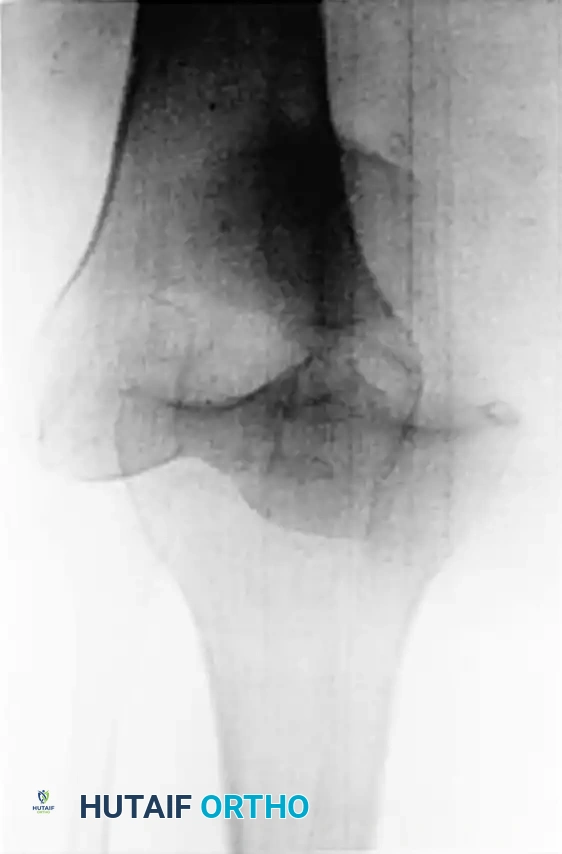
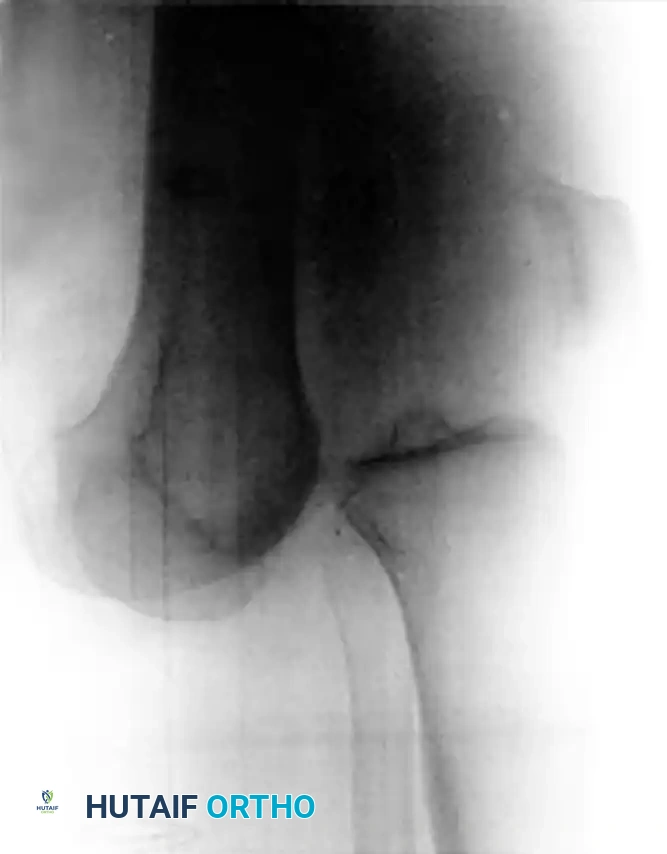
A landmark institutional review of 17 patients (11 women and 6 men) with ultralow-velocity dislocations revealed alarming statistics regarding morbidity. The average age of this cohort was 28.6 years, and all 17 patients were clinically obese, presenting with an average Body Mass Index (BMI) of 48 (clinical obesity is defined as a BMI ≥ 30). The incidence of neurovascular compromise in this specific demographic is exceptionally high. Popliteal artery injuries occurred in 7 of the 17 patients (41%), and neurological injuries (peroneal nerve) occurred in 7 of the 17 patients (41%). Tragically, two patients who underwent vascular repairs ultimately required above-knee amputations due to irreversible tissue ischemia. A direct, positive correlation exists between the patient's BMI and the severity of the associated neurovascular injury: patients with no vascular or nerve injury had an average BMI of 39.58; those with isolated nerve injury averaged 48.26; isolated vascular injury averaged 56.28; and those with combined nerve and vascular injuries presented with a staggering average BMI of 60.29.
Detailed Surgical Anatomy and Biomechanics
A profound understanding of the complex osteoligamentous and neurovascular anatomy of the knee is the absolute prerequisite for managing traumatic knee dislocations. The knee joint relies on a delicate interplay between static ligamentous stabilizers, dynamic musculotendinous units, and the highly constrained geometry of the meniscocapsular complex. The central pivot consists of the ACL and PCL. The PCL is the primary restraint to posterior tibial translation, providing 95% of the total restraining force. It originates from the anterolateral aspect of the medial femoral condyle and inserts into a distinct sulcus on the posterior aspect of the proximal tibia, known as the PCL facet, which extends distally over the posterior "drop-off" of the tibia. This broad, robust insertion site is highly relevant to the posteromedial surgical approach, as anatomic reconstruction requires precise graft placement at this exact topographical location to restore native knee kinematics.
The vascular anatomy of the popliteal fossa is the most critical anatomical consideration in the acutely dislocated knee. The popliteal artery is the direct continuation of the superficial femoral artery, beginning as it exits the adductor hiatus (Hunter's canal) proximally. It courses distally through the popliteal fossa, giving off five genicular branches (superior lateral, superior medial, middle, inferior lateral, and inferior medial) that form a rich periarticular anastomotic network. The artery is firmly tethered proximally at the adductor hiatus and distally at the fibrous arch of the soleus muscle. Because the artery is fixed at these two points, it is highly susceptible to traction injuries during a dislocation. Hyperextension injuries (often producing anterior dislocations) stretch the artery over the posterior aspect of the tibial plateau, leading to intimal tearing, dissection, and subsequent in-situ thrombosis. Posterior dislocations, conversely, can cause direct contusion or complete transection of the artery against the posterior rim of the tibial plateau.
Neurologically, the popliteal fossa houses the sciatic nerve bifurcation: the tibial nerve and the common peroneal nerve. The tibial nerve descends vertically through the center of the popliteal fossa, superficial to the popliteal vein and artery. It gives off the medial sural cutaneous nerve and critical motor branches to the gastrocnemius, soleus, and plantaris muscles. The common peroneal nerve follows the medial border of the biceps femoris tendon, wrapping around the fibular neck where it is highly vulnerable to traction. In varus-producing multiligamentous injuries (often KD-III lateral or KD-IV), the common peroneal nerve is stretched, resulting in neuropraxia, axonotmesis, or neurotmesis, manifesting clinically as a foot drop.
Biomechanically, the posteromedial approach exploits the natural internervous and intermuscular planes to safely access the posterior capsule and the PCL tibial footprint. The medial head of the gastrocnemius is innervated by a motor branch of the tibial nerve that enters the muscle belly on its lateral aspect. By developing the interval between the semimembranosus and the medial head of the gastrocnemius, and retracting the gastrocnemius strictly laterally, the surgeon places no tension on this vital motor branch. Furthermore, the thick, fleshy belly of the laterally retracted gastrocnemius acts as a protective physical shield over the central neurovascular bundle (popliteal artery, popliteal vein, and tibial nerve). This anatomic reality makes the posteromedial approach exceptionally safe and highly effective for addressing posterior capsular pathology and performing tibial inlay PCL reconstructions.
Exhaustive Indications and Contraindications
The management of traumatic knee dislocations requires a highly individualized approach, balancing the need for joint stability against the risks of surgical intervention in a potentially compromised soft-tissue envelope. The timing of surgery remains a topic of debate, but contemporary consensus favors a staged approach: immediate management of limb-threatening vascular injuries and acute compartment syndrome, followed by delayed ligamentous reconstruction (typically 2 to 3 weeks post-injury) once the initial inflammatory cascade has subsided, capsular healing has begun, and full range of motion (particularly extension) has been restored.
The posteromedial approach is a specialized surgical corridor utilized primarily for addressing pathology in the posterior compartment of the knee. The primary indication is the execution of a tibial inlay PCL reconstruction. Biomechanical studies have demonstrated that the tibial inlay technique—which involves securing a bone block directly to the posterior tibial footprint—avoids the "killer turn" associated with transtibial tunnel techniques. The "killer turn" is an acute angle at the proximal aperture of the tibial tunnel that causes repetitive sheer stress and premature attrition of the PCL graft. The inlay technique provides superior biomechanical stability and graft longevity. Other indications for the posteromedial approach include the repair of massive posterior capsular avulsions, open reduction and internal fixation (ORIF) of posterior tibial plateau fractures (particularly posteromedial shear fragments), and the excision of posterior compartment loose bodies or tumors (e.g., pigmented villonodular synovitis or synovial chondromatosis).
Contraindications to definitive multiligamentous reconstruction and the posteromedial approach must be strictly respected to avoid catastrophic complications. Absolute contraindications include active local or systemic infection, severe, uncorrectable vascular compromise that precludes the use of a tourniquet or places the limb at risk of ischemia during positioning, and medically unstable polytrauma patients who cannot tolerate prolonged general anesthesia in the prone position. A severely compromised posterior soft-tissue envelope, such as massive degloving injuries or extensive traumatic blistering, also represents an absolute contraindication until the soft tissues have completely healed. Relative contraindications include advanced patient age with low functional demands, severe pre-existing tricompartmental osteoarthritis, and profound non-compliance, as the postoperative rehabilitation protocol is arduous and requires absolute patient dedication.
| Category | Indications for Posteromedial Approach / MLKI Surgery | Absolute & Relative Contraindications |
|---|---|---|
| Primary Ligamentous | Tibial Inlay PCL Reconstruction (avoiding "killer turn") | Active intra-articular or periarticular infection (Absolute) |
| Capsular/Bony | Repair of posterior capsular avulsions ("peel-off" lesions) | Severe, uncorrectable vascular compromise (Absolute) |
| Trauma/Fracture | ORIF of posteromedial tibial plateau shear fractures | Medically unstable polytrauma patient (Absolute) |
| Oncologic/Misc | Excision of posterior compartment loose bodies or tumors | Severe soft-tissue degloving / Morel-Lavallée (Absolute) |
| Patient Factors | Young, active patients with high functional demands | Advanced age with low functional demands (Relative) |
| Joint Status | KD-III or KD-IV injuries failing conservative management | Severe pre-existing tricompartmental osteoarthritis (Relative) |
| Compliance | Patients committed to intensive, prolonged rehabilitation | Demonstrated severe non-compliance or psychiatric instability (Relative) |
Pre-Operative Planning, Templating, and Patient Positioning
The initial evaluation of any suspected knee dislocation must prioritize limb viability above all other considerations. The vascular assessment protocol is rigid and unforgiving. Upon presentation, immediate pulse checks of the dorsalis pedis and posterior tibial arteries are mandatory. However, palpable pulses do not definitively rule out an intimal tear. Therefore, an Ankle-Brachial Index (ABI) must be performed on all suspected knee dislocations. An ABI of less than 0.9 is highly sensitive for arterial injury and mandates immediate advanced imaging. CT Angiography (CTA) is the contemporary gold standard for diagnosing popliteal artery injury. If "hard signs" of vascular injury are present—such as an expanding hematoma, pulsatile bleeding, absent distal pulses, or a cold, pale limb—surgical exploration by a vascular surgeon should not be delayed for imaging. Time is tissue, and ischemia exceeding 6 to 8 hours results in irreversible muscle necrosis and a dramatically increased amputation rate.
In skeletally immature patients, the physes are biomechanically weaker than the surrounding ligamentous structures. A suspected knee dislocation in a child or adolescent may actually represent a displaced distal femoral or proximal tibial physeal fracture. In the skeletally immature patient with a clinically unstable knee but normal static radiographs, stress radiographs under anesthesia should be obtained to rule out an occult physeal injury (Salter-Harris type I or II) before diagnosing a pure ligamentous dislocation. Once vascular and physeal injuries are addressed, advanced imaging with high-resolution Magnetic Resonance Imaging (MRI) is essential for preoperative templating. The MRI must be scrutinized to identify the exact pattern of ligamentous disruption, meniscal pathology, and capsular tearing. For the tibial inlay PCL reconstruction, preoperative templating involves measuring the dimensions of the native PCL footprint to ensure the harvested bone block (typically from the Achilles tendon or patellar tendon allograft) is contoured to match the anatomic dimensions of the PCL facet precisely.
Patient positioning and anesthesia are critical components of a successful posteromedial approach. General anesthesia with complete neuromuscular blockade is preferred. This profound paralysis allows for uninhibited manipulation of the limb and effortless retraction of the robust posterior musculature, which is otherwise highly resistant to mobilization. The patient is carefully transitioned to the prone position on a radiolucent Jackson table or standard operating table with chest and pelvic bolsters. All bony prominences, particularly the ulnar nerves at the elbows and the anterior superior iliac spines, must be meticulously padded to prevent iatrogenic pressure neuropathies.
A high-thigh tourniquet is applied to the operative limb, ensuring it is placed as proximally as possible to avoid tethering the hamstring and gastrocnemius muscles, which would restrict distal excursion. The leg is prepped and draped free to allow for full, unencumbered flexion and extension of the knee during the procedure. A sterile bump or a specialized knee positioner may be placed under the distal tibia to maintain the knee in slight flexion (10 to 15 degrees). This slight flexion is a critical surgical pearl: it relaxes the posterior neurovascular bundle and the posterior capsular structures, significantly aiding deep exposure and reducing traction on the popliteal vessels.
Step-by-Step Surgical Approach and Fixation Technique
The posteromedial approach is a masterclass in exploiting anatomic intervals to safely navigate a highly perilous anatomical region. The procedure begins with the identification of surface landmarks: the posterior joint line, the medial border of the gastrocnemius muscle, and the semimembranosus tendon. A curvilinear or "hockey-stick" incision is utilized. The vertical limb of the incision is centered over the medial aspect of the medial head of the gastrocnemius muscle, extending distally into the calf. The horizontal limb curves gently across the popliteal crease toward the midline. The dissection is carried sharply through the subcutaneous tissues down to the deep fascial layer.
Meticulous identification and protection of the medial sural cutaneous nerve (the posterior cutaneous nerve of the calf) is paramount at this stage. This nerve usually perforates the deep fascia distal to the horizontal limb of the incision. Iatrogenic injury to this nerve will result in painful neuromas and debilitating sensory deficits over the posterior calf. Once the nerve is protected, the deep fascia is incised vertically, directly over the medial head of the gastrocnemius. The surgeon then bluntly develops the internervous and intermuscular interval between the medial gastrocnemius and the semimembranosus tendon. Retractors are placed to pull the semimembranosus medially and the medial head of the gastrocnemius laterally.
By applying strictly lateral retraction on the medial head of the gastrocnemius, no tension is directly applied to the motor branch innervating it. This motor branch is the only branch from the tibial nerve in the popliteal fossa that traverses medially. Furthermore, the thick muscle belly of the laterally retracted gastrocnemius acts as a physical barrier, protecting the central neurovascular bundle (popliteal artery, popliteal vein, and tibial nerve) as the posterior capsule is exposed. Dissection on this protected medial side of the popliteal fossa is therefore relatively safe. As the interval is deepened, the posterior joint capsule will come into view. The middle geniculate artery is frequently encountered piercing the mid-posterior capsule to supply the cruciate ligaments. This vessel can cause troublesome bleeding and should be isolated, clamped, and ligated (or cauterized) to maintain a pristine surgical field.
If further lateral exposure of the posterior intercondylar notch is necessary, the surgeon may release a portion of the tendinous origin of the medial head of the gastrocnemius from the posterior distal femur and the joint capsule. Complete sectioning of the medial head of the gastrocnemius is rarely, if ever, needed. A vertical arthrotomy is then made directly through the posterior capsule. The capsular leaflets are retracted to expose the contents of the posterior intercondylar notch. The surgeon identifies the tibial attachment (footprint) of the posterior cruciate ligament, located in the PCL facet, extending distally over the posterior "drop-off" of the proximal tibia.
For the tibial inlay PCL reconstruction (the Berg technique), the surgeon creates a rectangular trough at the anatomic PCL footprint using a high-speed burr or fine osteotomes. The trough is typically 15mm wide by 15mm long, meticulously contoured to match the dimensions of the allograft bone block. The graft is passed from anterior to posterior through the intercondylar notch (if performing a combined arthroscopic/open procedure) or placed directly into the trough. The bone block is then secured rigidly into the tibial trough using two fully threaded cortical screws or cancellous screws with washers, ensuring absolute compression and flush seating of the block to prevent posterior impingement. Following definitive fixation, the posterior compartment is thoroughly irrigated to remove all bone debris. The vertical capsular incision is sutured using heavy absorbable sutures. The retractors are released, allowing the medial head of the gastrocnemius to settle back into its anatomical position. The deep fascia and subcutaneous layers are meticulously approximated to eliminate dead space, and the skin is closed in a routine fashion.
Complications, Incidence Rates, and Salvage Management
The surgical management of traumatic knee dislocations is fraught with potential complications, stemming both from the initial catastrophic trauma and the complex surgical reconstruction. Vascular complications remain the most feared. Despite rigorous preoperative screening, delayed presentation of intimal flaps or postoperative thrombosis can occur. The incidence of popliteal artery injury in all-comers with knee dislocations is approximately 16-20%, but as noted, it skyrockets to over 40% in the ultralow-velocity morbidly obese cohort. Failure to recognize vascular compromise leads to acute compartment syndrome, necessitating emergent four-compartment fasciotomies. Irreversible ischemia inevitably leads to above-knee amputation. Salvage management for delayed vascular thrombosis involves emergent revascularization via reversed saphenous vein grafting by a vascular surgeon, coupled with prophylactic fasciotomies.
Neurological complications are also highly prevalent. Common peroneal nerve palsy occurs in 16-40% of knee dislocations, particularly those involving severe varus stress and posterolateral corner disruption. While some neuropraxic injuries recover spontaneously over 3 to 6 months, severe axonotmesis or neurotmesis carries a poor prognosis. Surgical exploration and nerve grafting yield unpredictable results. The standard salvage management for a permanent foot drop is a posterior tibial tendon transfer through the interosseous membrane to the dorsum of the foot, combined with an Ankle-Foot Orthosis (AFO) to restore a functional gait cycle. Iatrogenic nerve injuries, such as damage to the medial sural cutaneous nerve during the posteromedial approach, result in painful neuromas that may require subsequent surgical excision and burying of the nerve stump into deep muscle tissue.
Arthrofibrosis is the most common postoperative complication following multiligamentous knee reconstruction, occurring in up to 30% of patients. The massive inflammatory response to the initial trauma, compounded by the surgical insult of multiple incisions and tunnel drilling, creates a highly fibrogenic environment. Patients often struggle to regain terminal extension and flexion beyond 90 degrees. Salvage management begins with aggressive, supervised physical therapy. If conservative measures fail, manipulation under anesthesia (MUA) and arthroscopic lysis of adhesions are indicated, typically performed between 3 and 6 months postoperatively. Conversely, recurrent instability can occur due to graft stretching, failure of fixation, or unrecognized concomitant ligamentous injuries. Revision multiligamentous reconstruction is exceptionally challenging and often requires staged bone grafting of widened tunnels before definitive revision ligamentous reconstruction.
| Complication | Estimated Incidence | Etiology / Risk Factors | Salvage & Management Strategy |
|---|---|---|---|
| Popliteal Artery Thrombosis | 16-20% (General) >40% (Obese) |
Intimal tear from hyperextension; delayed presentation. | Emergent thrombectomy / vein bypass graft; prophylactic fasciotomies. |
| Common Peroneal Nerve Palsy | 16-40% | Traction injury from varus stress / PLC disruption. | Observation (EMG at 3 mos); Posterior Tibial Tendon transfer for permanent foot drop. |
| Arthrofibrosis | 20-30% | Prolonged immobilization; massive inflammatory response. | Aggressive PT; Manipulation Under Anesthesia (MUA); Arthroscopic lysis of adhesions. |
| Recurrent Instability / Graft Failure | 10-15% | Graft attrition (killer turn); missed concomitant injuries. | Revision reconstruction; possible staged tunnel bone grafting; high tibial osteotomy for alignment. |
| Deep Vein Thrombosis (DVT) | 5-10% | Endothelial injury; stasis during prolonged prone surgery. | Therapeutic anticoagulation (LMWH or DOACs); IVC filter if anticoagulation contraindicated. |
| Medial Sural Cutaneous Neuroma | 2-5% | Iatrogenic transection during superficial posteromedial dissection. | Neuroma excision and burying proximal stump deep into gastrocnemius muscle belly. |
Phased Post-Operative Rehabilitation Protocols
The postoperative management of a multiligamentous knee reconstruction is extraordinarily complex and must be meticulously tailored to the specific ligaments repaired, the quality of the patient's tissue, and the patient's overall compliance. The rehabilitation protocol is a delicate balancing act: advancing mobility quickly enough to prevent debilitating arthrofibrosis, while protecting the healing grafts from catastrophic elongation or failure.
Phase I: Maximum Protection (Weeks 0 to 4)
Immediately postoperatively, the knee is immobilized in a hinged knee brace locked in full extension. This is critical to protect the posterior capsular repair and the PCL reconstruction from posterior tibial sag, which is exacerbated by gravity when the patient is supine. Patients are strictly restricted to non-weight-bearing (NWB) or toe-touch weight-bearing (TTWB) with crutches to protect the articular cartilage and the graft fixation sites. Early, controlled passive range of motion (PROM) is initiated to prevent arthrofibrosis. For PCL reconstructions, PROM is strictly performed with the patient in the prone position. Prone flexion utilizes gravity to pull the tibia anteriorly, neutralizing posterior tibial translation and protecting the healing PCL graft from sheer forces. Quadriceps activation, via isometric quad sets and straight leg raises in the brace, is encouraged immediately to prevent profound muscular atrophy.
Phase II: Controlled Mobilization (Weeks 4 to 12)
During this phase, the goal is to gradually restore full range of motion while initiating protected weight-bearing. The hinged brace is unlocked to allow progressive flexion, typically advancing 10 to 15 degrees per week. Weight-bearing is advanced to partial, and eventually full weight-bearing as tolerated, usually by week 6 to 8, provided that radiographic and clinical assessments confirm stable fixation. Closed kinetic chain exercises, such as mini-squats and leg presses (limited to 0-70 degrees of flexion), are introduced to stimulate quadriceps strengthening without placing excessive stress on the cruciate grafts. Open kinetic chain hamstring exercises are strictly prohibited during this phase, as active hamstring contraction causes direct posterior translation of the tibia, placing massive strain on the PCL reconstruction.
Phase III: Advanced Strengthening (Months 3 to 6)
By the third month, the grafts have undergone significant ligamentization, and the focus shifts to advanced strengthening and proprioceptive recovery. The knee brace is typically discontinued for daily activities but may be worn in crowded environments. Hamstring strengthening is cautiously introduced, beginning with isometric contractions and progressing to light isotonic exercises. Proprioceptive training becomes paramount, utilizing balance boards, BOSU balls, and single-leg stance exercises to retrain the neuromuscular pathways disrupted by the massive capsuloligamentous tearing. Cardiovascular conditioning is advanced using a stationary bicycle and elliptical machines.
Phase IV: Return to Activity / Sport (Months 6 to 12+)
The final phase focuses on sport-specific or occupation-specific training. Progression to this phase requires a quiet knee (no effusion), full and painless range of motion, and quadriceps/hamstring strength that is at least 85-90% of the contralateral, uninjured limb (assessed via isokinetic testing). Agility drills, plyometrics, and cutting maneuvers are gradually introduced under the strict supervision of a physical therapist. Return to high-impact sports or heavy manual labor is rarely permitted before 9 to 12 months postoperatively, and some patients with severe KD-IV injuries may be permanently counseled against returning to collision sports.
Summary of Landmark Literature and Clinical Guidelines
The evolution of multiligamentous knee injury management has been heavily influenced by a series of landmark biomechanical and clinical studies. Historically, the Schenck classification system revolutionized the categorization of these complex injuries, providing a standardized nomenclature that allowed for accurate comparison of outcomes across different institutions. Schenck's work emphasized that the anatomic pattern of injury dictates the surgical approach and the sequence of reconstruction.
Regarding the surgical technique for PCL reconstruction, the biomechanical studies by Markolf et al. and the clinical series by Berg et al. are considered foundational. Markolf's cadaveric studies definitively demonstrated the deleterious effects of the "killer turn" in transtibial PCL reconstructions, showing that the acute angle at the proximal tibial tunnel leads to repetitive graft abrasion, elongation, and ultimate failure. Berg's introduction of the tibial inlay technique provided a biomechanically superior alternative. By securing a bone block directly to the anatomic PCL footprint via a posteromedial approach, the inlay technique eliminates the killer turn, resulting in significantly improved objective stability and graft survivorship.
The paradigm shift regarding "ultralow-velocity" dislocations in the morbidly obese population has been driven by recent epidemiological studies, notably those by Azar et al. and Werner et al. These institutional reviews highlighted the terrifying reality that ground-level falls in patients with a BMI > 40 generate sufficient kinetic energy to cause pan-ligamentous knee disruption. More importantly, these studies established the direct statistical correlation between extreme BMI and the exponentially increased risk of popliteal artery injury and subsequent amputation. This literature has fundamentally altered clinical guidelines, mandating that any morbidly obese patient presenting with knee pain and swelling after a low-energy fall must be treated with the same high index of suspicion for a spontaneously reduced knee dislocation as a high-velocity trauma patient.
Current consensus guidelines from the American Academy of Orthopaedic Surgeons (AAOS) and vascular surgical societies strongly dictate the algorithm for vascular screening in suspected knee dislocations. The universal application of the Ankle-Brachial Index (ABI) is now the standard of care. An ABI > 0.9 with normal pulses allows for serial observation, while an ABI < 0.9 or any asymmetry in pulses mandates immediate CT Angiography. These standardized protocols have significantly reduced
