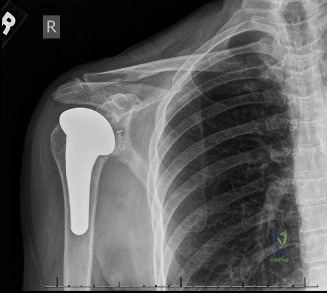
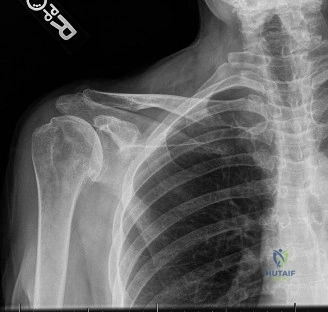
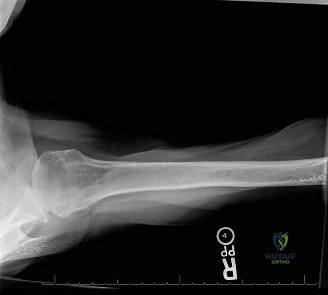
Introduction and Epidemiology
Glenohumeral osteoarthritis represents a progressive degenerative joint disease characterized by cartilage loss, subchondral bone sclerosis, osteophyte formation, and joint space narrowing, leading to pain, stiffness, and functional impairment. Total Shoulder Arthroplasty, first conceptualized by Charles Neer II in the 1950s, has evolved significantly to become a highly effective surgical intervention for advanced, symptomatic glenohumeral osteoarthritis refractory to conservative management. The primary objective of anatomic Total Shoulder Arthroplasty is to alleviate pain and restore functional range of motion by resurfacing both the humeral head and the glenoid fossa while relying on native soft tissue restraints for stability.

Epidemiologically, glenohumeral osteoarthritis affects a substantial portion of the adult population, with radiographic evidence present in up to 16 percent of individuals over 65 years of age. Symptomatic disease, however, is less common, affecting approximately 1 to 2 percent of adults. The incidence of Total Shoulder Arthroplasty has steadily increased over the past two decades, driven by an aging population, improved surgical techniques, and expanded indications. While anatomic Total Shoulder Arthroplasty remains the gold standard for glenohumeral osteoarthritis with an intact and functional rotator cuff, the advent and widespread adoption of reverse Total Shoulder Arthroplasty have broadened the scope of arthroplasty to include cases with rotator cuff deficiency, such as cuff tear arthropathy or complex fracture sequelae, which may also develop secondary degenerative changes. Outcomes for both anatomic and reverse configurations for appropriate indications demonstrate significant improvements in pain relief, patient-reported outcome measures, and functional capabilities, with survivorship rates exceeding 90 percent at 10 years for anatomic Total Shoulder Arthroplasty in experienced hands.
Surgical Anatomy and Biomechanics
A thorough understanding of the surgical anatomy and biomechanics of the shoulder is paramount for successful Total Shoulder Arthroplasty. The glenohumeral joint is a ball-and-socket articulation, designed for vast mobility at the expense of inherent stability.
Muscular and Neurovascular Anatomy
The deltopectoral approach is the most common anterior approach for Total Shoulder Arthroplasty, utilizing the internervous plane between the deltoid and pectoralis major muscles.
* Deltoid: Innervated by the axillary nerve (C5, C6). Its integrity and function are critical for shoulder elevation and external rotation.
* Pectoralis Major: Innervated by the medial and lateral pectoral nerves (C5-T1). Forms the medial border of the surgical interval.
* Cephalic Vein: Located within the deltopectoral groove, it serves as a reliable landmark, typically retracted laterally with the deltoid to preserve its venous drainage, though medial retraction is utilized by some surgeons.
* Clavipectoral Fascia: Lies deep to the deltopectoral interval, covering the coracobrachialis, short head of the biceps, and subscapularis. Its incision allows access to the joint capsule.
* Coracoid Process: A key anatomical landmark, serving as the origin for the coracobrachialis, short head of the biceps, and pectoralis minor.
* Neurovascular Structures:
* Axillary Nerve: Arises from the posterior cord of the brachial plexus (C5, C6), courses inferiorly and posteriorly, passing inferior to the humeral head and through the quadrangular space (bounded by the teres minor superiorly, teres major inferiorly, long head of triceps medially, and surgical neck of the humerus laterally). It is highly vulnerable during inferior capsular release, humeral head resection, and glenoid exposure. It typically lies 4 to 7 cm inferior to the lateral edge of the acromion.
* Musculocutaneous Nerve: Arises from the lateral cord of the brachial plexus, innervates the coracobrachialis, biceps brachii, and brachialis. Lies medial to the coracoid process and enters the conjoint tendon approximately 3 to 8 cm distal to the coracoid tip.
* Brachial Plexus: Located superior and medial to the coracoid.
* Anterior Circumflex Humeral Artery: Crosses the surgical neck of the humerus anteriorly, supplying the humeral head. Often encountered and ligated during subscapularis tenotomy or lesser tuberosity osteotomy.

Rotator Cuff Anatomy
- Subscapularis: Anterior rotator cuff muscle innervated by the upper and lower subscapular nerves (C5, C6). It inserts on the lesser tuberosity and is the primary internal rotator. Its management and subsequent repair are critical determinants of postoperative stability and function.
- Supraspinatus: Superior rotator cuff muscle innervated by the suprascapular nerve. Inserts on the greater tuberosity; initiates abduction.
- Infraspinatus and Teres Minor: Posterior rotator cuff muscles responsible for external rotation. The infraspinatus is innervated by the suprascapular nerve, while the teres minor is innervated by the axillary nerve.
Glenohumeral Biomechanics
The glenohumeral joint relies on concavity compression for dynamic stability, a mechanism heavily dependent on an intact rotator cuff compressing the humeral head into the glenoid fossa. The native humeral head has an average retroversion of 20 to 30 degrees relative to the transepicondylar axis and an inclination of 130 to 135 degrees. The native glenoid typically exhibits 1 to 2 degrees of retroversion and 5 degrees of superior inclination. Restoration of these biomechanical parameters, particularly joint line lateralization and center of rotation, is essential to optimize deltoid and rotator cuff efficiency and minimize eccentric loading on the glenoid component, which can lead to premature aseptic loosening.
Indications and Contraindications
The decision to proceed with anatomic Total Shoulder Arthroplasty hinges on the presence of end-stage articular cartilage degradation combined with an intact, functional rotator cuff and sufficient glenoid bone stock. Patients typically present with insidious onset, progressive shoulder pain that is exacerbated by activity and often interferes with sleep. Physical examination classically reveals crepitus and globally restricted active and passive range of motion, particularly in external rotation due to contracture of the subscapularis and anterior capsule.
Contraindications must be strictly observed to prevent catastrophic failure. Absolute contraindications include active local or systemic infection, a neuropathic joint (Charcot arthropathy), and an absent or paralyzed deltoid muscle. A massive, irreparable rotator cuff tear in the setting of glenohumeral osteoarthritis (cuff tear arthropathy) is an absolute contraindication for anatomic Total Shoulder Arthroplasty, as the lack of superior restraint will lead to eccentric superior wear and rapid glenoid component loosening, known as the "rocking horse" phenomenon. Such patients are instead candidates for reverse Total Shoulder Arthroplasty.
Operative Versus Non Operative Indications
| Management Strategy | Indications | Key Considerations |
|---|---|---|
| Non-Operative Management | Mild to moderate glenohumeral osteoarthritis; High surgical risk patients; Minimal functional demands; Lack of pain limiting activities of daily living. | First-line treatment. Includes NSAIDs, physical therapy (maintaining ROM, deltoid/periscapular strengthening), intra-articular corticosteroid injections. |
| Anatomic Total Shoulder Arthroplasty | End-stage glenohumeral osteoarthritis; Intact rotator cuff; Sufficient glenoid bone stock; Failure of non-operative management. | Gold standard for primary OA with intact cuff. Requires concentric glenoid wear or correctable eccentric wear (e.g., Walch A, B1). |
| Reverse Total Shoulder Arthroplasty | Glenohumeral osteoarthritis with massive irreparable rotator cuff tear; Severe glenoid bone loss (Walch B2, B3, C) precluding anatomic glenoid fixation; Inflammatory arthropathy with cuff deficiency. | Alters center of rotation medially and inferiorly to recruit deltoid for elevation. Salvage for failed anatomic TSA. |
| Hemiarthroplasty | Glenohumeral osteoarthritis in young, high-demand patients (controversial); Avascular necrosis without glenoid involvement; Insufficient glenoid bone stock for component implantation where RTSA is not viable. | Historically used to avoid glenoid loosening in young patients, but associated with progressive glenoid erosion and inferior long-term pain relief compared to TSA. |
Pre Operative Planning and Patient Positioning
Thorough preoperative imaging and templating are mandatory. Standard radiographic evaluation includes a true anteroposterior (Grashey) view, an axillary lateral view, and a scapular Y view. These assess joint space narrowing, inferior humeral osteophytes (goat's beard), and gross glenoid morphology.

Advanced Imaging and Glenoid Morphology
A non-contrast Computed Tomography (CT) scan of the shoulder is critical for evaluating glenoid version, inclination, and available bone stock. The modified Walch classification is utilized to categorize glenoid morphology based on axial CT imaging:
* Type A: Centered humeral head with concentric wear (A1: minor erosion, A2: major central erosion).
* Type B: Posterior subluxation of the humeral head with asymmetric posterior wear (B1: narrowing, no biconcavity; B2: biconcave glenoid with posterior erosion; B3: monoconcave posterior wear with >15 degrees retroversion).
* Type C: Dysplastic glenoid with >25 degrees of retroversion.
* Type D: Anterior subluxation with anterior glenoid erosion.
Three-dimensional (3D) planning software has become standard of care for many arthroplasty surgeons. It allows for precise measurement of glenoid version and inclination, virtual placement of the glenoid component, and determination of the necessity for asymmetric reaming or augmented glenoid components to correct version without compromising the subchondral bone vault.
Patient Positioning
The patient is typically placed in the beach chair position with the head of the bed elevated 30 to 45 degrees. The patient must be shifted laterally so that the operative shoulder extends past the edge of the table, allowing for unrestricted arm extension, which is critical for humeral preparation. The head is secured in a specialized positioner to maintain a neutral cervical spine and avoid traction on the brachial plexus. A mechanical arm holder may be utilized to assist with positioning and dynamic manipulation during the procedure.
Detailed Surgical Approach and Technique
Incision and Superficial Dissection
A standard deltopectoral incision is made starting from the coracoid process extending distally and laterally toward the deltoid tuberosity. Subcutaneous tissues are divided to identify the cephalic vein. The interval is developed, typically retracting the cephalic vein laterally with the deltoid. The clavipectoral fascia is incised lateral to the conjoint tendon. The subdeltoid and subacromial spaces are bluntly freed of adhesions to mobilize the proximal humerus.
Deep Dissection and Subscapularis Management
The coracoacromial ligament is typically preserved to maintain an anterosuperior restraint, though the coracoacromial arch may be decompressed if significant impingement exists. The anterior circumflex humeral vessels ("three sisters") are identified at the inferior border of the subscapularis and ligated or cauterized.
Management of the subscapularis is a critical step. Options include:
1. Subscapularis Tenotomy: Division of the tendon 1 to 2 cm medial to its insertion.
2. Subscapularis Peel: Detachment of the tendon directly off the lesser tuberosity.
3. Lesser Tuberosity Osteotomy: Removal of the tendon with a cortical bone flake. This provides bone-to-bone healing, which biomechanically has shown superior construct strength in some studies.
Following subscapularis reflection, the anterior capsule is incised. An extensive capsular release is often necessary. The anteroinferior capsule is released off the humeral neck, carefully protecting the axillary nerve, which lies in close proximity (often within millimeters) to the inferior capsule.
Humeral Preparation
The shoulder is extended, adducted, and externally rotated to dislocate the humeral head anteriorly. Peripheral osteophytes are excised to define the true anatomic neck. The humeral head cut is performed along the anatomic neck, typically aiming for 20 to 30 degrees of retroversion relative to the forearm (when the elbow is flexed to 90 degrees) and 130 to 135 degrees of inclination. The humeral canal is sequentially broached to accommodate the trial stem. Modern systems often utilize short stems or stemless designs to preserve bone stock, relying on metaphyseal fixation.

Glenoid Preparation and Implantation
Glenoid exposure is arguably the most challenging aspect of the procedure. It requires specific retractors (e.g., Fukuda retractor posteriorly) and comprehensive capsular releases. A circumferential capsulotomy (anterior, inferior, and posterior) is performed. The labrum and biceps stump (if a tenodesis was performed) are excised.
The glenoid center point is identified. A guide pin is placed, and the glenoid face is concentrically reamed to expose bleeding subchondral bone while correcting version. Care must be taken not to over-ream, which risks penetrating the glenoid vault. For Walch B2 or B3 glenoids, asymmetric anterior reaming or the use of a posteriorly augmented glenoid component may be required to restore neutral version.
Fixation is typically achieved via an all-polyethylene component utilizing a pegged or keeled design. Pegged components are generally preferred due to lower rates of radiolucent lines. The drill holes are prepared, irrigated with pulsatile lavage, and dried meticulously (often with hydrogen peroxide and epinephrine-soaked sponges). Polymethyl methacrylate (PMMA) bone cement is pressurized into the holes, and the component is impacted into place.
Final Reduction and Closure
The trial humeral component is inserted, and the joint is reduced. Stability, range of motion, and soft tissue tension are assessed. The joint should translate approximately 50 percent posteriorly and inferiorly and spontaneously reduce. If the joint is too tight, a thinner humeral head or further capsular release is indicated.
Once the definitive humeral component is implanted, the subscapularis is repaired. If a tenotomy or peel was performed, heavy non-absorbable sutures are used for a transosseous repair. If a lesser tuberosity osteotomy was performed, it is reduced and fixed with heavy sutures or cerclage wires. The deltopectoral interval is approximated, and the skin is closed in layers.
Complications and Management
While anatomic Total Shoulder Arthroplasty provides excellent outcomes, complications can significantly impact patient morbidity. The most common long-term complication is aseptic glenoid loosening, while instability and subscapularis failure are prominent early complications.

Periprosthetic Joint Infection
Infection rates range from 1 to 2 percent. Cutibacterium acnes (formerly Propionibacterium acnes) is a highly prevalent organism in shoulder arthroplasty infections. It is a slow-growing, anaerobic, Gram-positive bacillus that resides deep within the sebaceous glands of the shoulder, making standard preoperative skin preparation less effective. Diagnosis can be insidious, often presenting without systemic signs of infection but rather with stiffness, pain, and early component loosening. Tissue cultures must be held for a minimum of 14 days to detect C. acnes. Management typically involves a two-stage revision with an antibiotic spacer, though single-stage exchange is gaining traction in highly selected cases with known sensitive organisms.
Subscapularis Failure and Instability
Subscapularis failure presents with anterior shoulder pain, weakness in internal rotation, and increased passive external rotation. It can lead to anterior instability. Diagnosis is confirmed via ultrasound or MRI, though metallic artifact can complicate interpretation. Early failure requires prompt surgical repair. Chronic failure with resultant anterior escape or secondary rotator cuff dysfunction often necessitates revision to a reverse Total Shoulder Arthroplasty.
Common Complications and Salvage Strategies
| Complication | Incidence | Pathophysiology and Risk Factors | Salvage Strategy |
|---|---|---|---|
| Glenoid Loosening | 5-10% (at 10 years) | Eccentric loading, uncorrected retroversion, thermal necrosis during cementing, inadequate subchondral bone support. | Revision to RTSA with glenoid bone grafting or custom baseplates depending on bone loss severity. |
| Subscapularis Failure | 2-5% | Poor tissue quality, over-tensioning, aggressive early postoperative external rotation, failure of repair construct. | Early: Primary repair. Late/Chronic: Revision to RTSA. |
| Periprosthetic Infection | 1-2% | C. acnes, S. aureus, S. epidermidis. Risk factors: male gender, prior surgery, immunosuppression. | Irrigation and debridement (acute); Two-stage revision arthroplasty (chronic). |
| Instability (Anterior/Posterior) | 1-3% | Anterior: Subscapularis failure, oversized humeral head. Posterior: Uncorrected glenoid retroversion, excessive anterior capsular release. | Soft tissue repair, component revision to correct version, or conversion to RTSA. |
| Periprosthetic Fracture | 1-2% | Intraoperative (broaching/impacting) or postoperative trauma. Osteopenia is a major risk factor. | Intraoperative: Cerclage wiring, longer stem. Postoperative: ORIF vs. Revision arthroplasty (depending on stem stability). |
| Nerve Injury | <1% | Axillary nerve neuropraxia during inferior capsular release or excessive retraction. | Usually transient; observation and EMG at 3 months if no recovery. Nerve exploration/grafting rare. |
Post Operative Rehabilitation Protocols
Postoperative rehabilitation is carefully phased to protect the subscapularis repair while preventing adhesive capsulitis. Protocols vary based on surgeon preference and the specific subscapularis management utilized, but generally follow a structured timeline.
Phase 1 Immediate Post Operative (Weeks 0 to 4)
The primary goal is joint protection and pain control. The arm is immobilized in a sling. Passive range of motion (PROM) is initiated early. Forward elevation is typically allowed up to 90 to 120 degrees. External rotation is strictly limited (usually to 0 to 30 degrees) to prevent tension on the subscapularis repair. Active internal rotation and extension are prohibited. Distal joint (elbow, wrist, hand) active range of motion is encouraged to prevent edema and stiffness.
Phase 2 Intermediate (Weeks 4 to 8)
The sling is gradually discontinued. Active-assisted range of motion (AAROM) is transitioned to active range of motion (AROM) as tolerated. The limits on external rotation are progressively advanced. Submaximal isometric exercises for the deltoid and intact rotator cuff muscles are introduced. The focus remains on establishing a functional arc of motion without overloading the healing anterior soft tissues.
Phase 3 Strengthening (Weeks 8 to 12)
Once full, painless AROM is achieved, progressive resistance exercises are initiated. Scapulothoracic stabilization exercises are emphasized to ensure proper glenohumeral mechanics. Isotonic strengthening of the rotator cuff and deltoid begins with light resistance bands and progresses to free weights.
Phase 4 Advanced Activity (Months 3 to 6)
Patients transition to a home exercise program focused on maintenance of motion and strength. Return to low-impact recreational activities (e.g., golf, swimming) is typically permitted between 4 and 6 months postoperatively. High-impact activities and heavy lifting are generally discouraged long-term to maximize the survivorship of the glenoid component.
Summary of Key Literature and Guidelines
The evolution of Total Shoulder Arthroplasty is heavily documented in orthopedic literature. Charles Neer’s seminal work in 1982 established the foundation for unconstrained anatomic arthroplasty, emphasizing the necessity of rotator cuff integrity.
The Walch classification, introduced by Gilles Walch in 1999 and modified in 2016, remains the fundamental framework for assessing glenoid morphology and guiding preoperative planning. Studies evaluating 3D preoperative planning have consistently demonstrated improved accuracy in component positioning and version correction compared to traditional 2D imaging, potentially reducing the risk of early glenoid loosening.
The American Academy of Orthopaedic Surgeons (AAOS) clinical practice guidelines for the management of glenohumeral osteoarthritis strongly support the use of anatomic Total Shoulder Arthroplasty over hemiarthroplasty for patients with an intact rotator cuff, citing superior functional outcomes and lower revision rates.
Long-term registry data, such as that from the Australian Orthopaedic Association National Joint Replacement Registry (AOANJRR), confirms the high survivorship of anatomic Total Shoulder Arthroplasty for primary osteoarthritis, while also highlighting the increasing utilization of reverse Total Shoulder Arthroplasty for patients with advanced age or borderline rotator cuff function. Furthermore, literature regarding C. acnes emphasizes the necessity of prolonged culture incubation and the efficacy of benzoyl peroxide in preoperative skin preparation protocols to mitigate infection risks. Continuous advancements in stemless humeral designs and highly cross-linked polyethylene glenoid components represent the ongoing refinement of this highly successful procedure.