Comprehensive Introduction and Patho-Epidemiology
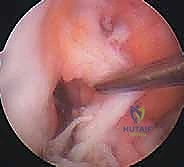
While shoulder arthroscopy is most frequently associated with reconstructive procedures such as rotator cuff repair and labral stabilization, it has evolved into an indispensable, primary modality for the management of non-reconstructive intra-articular pathology. The ability to systematically navigate the glenohumeral joint with magnified, high-definition visualization allows for near-total synovectomy, meticulous extraction of chondral or osteochondral fragments, and thorough eradication of purulence. This minimally invasive approach circumvents the profound morbidity, deltoid detachment, and capsular scarring historically associated with formal open arthrotomy. The paradigm shift from open to arthroscopic management for these conditions has dramatically reduced postoperative stiffness, accelerated rehabilitation timelines, and minimized the risk of iatrogenic neurovascular injury.
Understanding the patho-epidemiology of these distinct clinical entities is paramount for the operating surgeon. Intra-articular loose bodies represent a heterogeneous group of pathologies rather than a single diagnosis. They may arise from acute trauma, such as osteochondral shear fractures, glenoid rim fractures (bony Bankart lesions), or Hill-Sachs engagements following glenohumeral dislocation. Degenerative joint disease, including advanced osteoarthritis or avascular necrosis, frequently results in the fragmentation and detachment of subchondral bone and articular cartilage. A more insidious etiology is primary synovial chondromatosis, a benign but locally aggressive metaplastic condition of the synovium. In this disorder, the synovial membrane undergoes nodular cartilaginous metaplasia, resulting in the formation of multiple, often innumerable, cartilaginous bodies that may eventually ossify. If left untreated, the mechanical abrasive wear from these bodies invariably leads to secondary early-onset osteoarthritis.
Synovial pathology in the glenohumeral joint encompasses a broad spectrum of inflammatory and neoplastic conditions. Pigmented Villonodular Synovitis (PVNS), now more accurately classified as Tenosynovial Giant Cell Tumor (TGCT), is driven by a neoplastic over-expression of Colony Stimulating Factor 1 (CSF1), leading to the recruitment of CSF1R-expressing macrophages. This results in aggressive, hypertrophic synovitis characterized by extensive hemosiderin deposition and the potential for severe localized bone erosion. Similarly, systemic inflammatory arthropathies, such as Rheumatoid Arthritis and Ankylosing Spondylitis, manifest in the shoulder with a hyperplastic, highly vascularized pannus that aggressively degrades articular cartilage via the localized release of matrix metalloproteinases (MMPs) and pro-inflammatory cytokines (TNF-alpha, IL-1, IL-6).
Septic arthritis of the shoulder remains a profound orthopaedic emergency, with an incidence of approximately 4 to 10 per 100,000 patient-years, disproportionately affecting immunocompromised individuals, diabetics, and the elderly. The pathogenesis is characterized by rapid, irreversible destruction of articular cartilage. Upon bacterial inoculation—most commonly hematogenous spread of Staphylococcus aureus (including MRSA) or Streptococcus species—the host immune response triggers a massive influx of polymorphonuclear leukocytes (PMNs). The subsequent release of proteolytic enzymes from both the proliferating bacteria and the host's degranulating PMNs causes profound depletion of the cartilage extracellular matrix proteoglycans within 48 to 72 hours. Arthroscopic intervention is not merely a diagnostic tool but an urgent therapeutic necessity to halt this rapid chondrolysis.
Detailed Surgical Anatomy and Biomechanics
Mastery of arthroscopic management for loose bodies, synovial disease, and infection requires an intimate, three-dimensional understanding of glenohumeral anatomy, specifically the dependent recesses and capsular folds where pathology frequently conceals itself. The glenohumeral joint is a highly mobile, unconstrained articulation with a voluminous capsule that can accommodate 15 to 30 milliliters of fluid under normal conditions, and significantly more when distended during arthroscopy or pathologic effusion. This capsular laxity, particularly inferiorly and anteriorly, creates distinct anatomical "hiding places" that must be systematically interrogated.
The axillary pouch represents the most dependent portion of the joint when the patient is in the upright or beach-chair position. Bounded by the anterior and posterior bands of the inferior glenohumeral ligament (IGHL) complex, this redundant capsular fold is the most frequent repository for large osteochondral fragments and gravitational pooling of purulent exudate. During arthroscopy, fluid dynamics and gravity often drive loose bodies into this recess. The subscapular recess, an anterior bursa that communicates with the main joint cavity via the natural opening between the superior and middle glenohumeral ligaments (the foramen of Weitbrecht), is another critical zone. This recess extends medially over the anterior neck of the scapula and can harbor occult loose bodies or loculated pockets of infection that are easily missed if the arthroscope is not actively driven through the foramen.
The posterior recess, located between the posterior glenoid rim and the posterior capsule, and the biceps root/rotator interval superiorly, represent the remaining critical zones for diagnostic sweeping. The rotator interval, bordered by the supraspinatus superiorly, the subscapularis inferiorly, and the coracoid process medially, is a frequent site of intense synovial hypertrophy in inflammatory arthropathies. Biomechanically, the movement of loose bodies within these spaces is dictated by joint positioning and fluid turbulence. The introduction of pressurized arthroscopic irrigation fluid alters the intra-articular biomechanics, creating turbulent flow vortices that can dislodge loose bodies from their resting places, causing them to migrate rapidly between compartments during the procedure.
Neurovascular proximity is the most critical anatomical consideration, particularly during extensive synovectomy or capsular débridement. The axillary nerve courses intimately close to the inferior capsule. At the 6 o'clock position of the glenoid, the axillary nerve lies an average of 10 to 15 millimeters from the glenoid rim, but it can be as close as 2 to 3 millimeters from the inferior capsular margin. When the joint is distended, and particularly when the arm is placed in traction, this distance can change. Aggressive use of motorized shavers or radiofrequency (RF) ablation wands in the axillary pouch without maintaining the capsular boundary as a protective barrier can result in catastrophic, irreversible iatrogenic nerve injury. The surgeon must always keep the active cutting window of the shaver facing away from the capsule and toward the center of the joint.
Exhaustive Indications and Contraindications
The decision to proceed with arthroscopic intervention for non-reconstructive shoulder pathology relies on a rigorous clinical evaluation, advanced imaging, and a clear understanding of the limitations of conservative management. While arthroscopy is minimally invasive, it is not without risk, and patient selection must be evidence-based. The indications vary significantly depending on whether the primary pathology is mechanical (loose bodies), inflammatory/neoplastic (synovitis), or infectious (septic arthritis).
For intra-articular loose bodies, surgical extraction is absolutely indicated when the fragments cause reproducible mechanical symptoms, such as catching, locking, or painful crepitus that impairs the patient's activities of daily living. It is also indicated in cases of synovial chondromatosis to halt the progression of secondary osteoarthritis, and when a loose body is identified as a large, viable osteochondral fragment amenable to fixation rather than excision. Arthroscopic synovectomy is indicated for medically recalcitrant inflammatory arthropathies (e.g., Rheumatoid Arthritis) where 6 to 12 months of disease-modifying antirheumatic drugs (DMARDs) or biologic therapies have failed to control localized symptoms. It is the definitive treatment for localized or diffuse Tenosynovial Giant Cell Tumor (PVNS) to prevent progressive bone erosion and cartilage destruction.
Septic arthritis constitutes an absolute surgical emergency. Arthroscopic irrigation and débridement (I&D) is indicated immediately upon the clinical and laboratory confirmation of an intra-articular infection. The presence of a native joint with purulent effusion, a synovial white blood cell (WBC) count exceeding 50,000 cells/mm³ with greater than 90% polymorphonuclear leukocytes, or a positive Gram stain mandates urgent arthroscopic intervention. Delaying surgery in favor of serial needle aspirations is largely considered suboptimal in modern orthopaedic practice due to the inability of a needle to clear fibrinous loculations or adequately lavage the dependent recesses of the shoulder.
Contraindications must be carefully respected to avoid exacerbating the patient's condition. The primary absolute contraindication to a purely arthroscopic approach for a septic shoulder is the presence of an adjacent, communicating extra-articular soft tissue abscess (e.g., extending deep into the subdeltoid, subscapular, or fascial planes of the arm). In such scenarios, arthroscopy alone will fail to drain the extra-articular dead space, necessitating a formal open approach. Severe medical comorbidities precluding general anesthesia or regional blockade serve as relative contraindications, requiring a multidisciplinary risk-benefit analysis.
| Pathology Category | Primary Indications for Arthroscopy | Absolute Contraindications | Relative Contraindications |
|---|---|---|---|
| Loose Bodies | Mechanical locking/catching; Synovial chondromatosis; Large osteochondral fragments. | Asymptomatic incidental findings in advanced osteoarthritis. | Severe joint ankylosis precluding safe instrument insertion. |
| Synovial Pathology | Recalcitrant RA/inflammatory arthritis; PVNS/TGCT; Recurrent hemarthrosis. | Active overlying cellulitis or untreated systemic bacteremia. | End-stage glenohumeral osteoarthritis (better served by arthroplasty). |
| Septic Arthritis | Purulent effusion; Synovial WBC > 50k; Positive Gram stain; Clinical sepsis. | Massive extra-articular soft tissue abscess requiring open drainage. | Patient medically unstable for any form of anesthesia. |
Pre-Operative Planning, Templating, and Patient Positioning
Meticulous preoperative planning is the foundation of a successful arthroscopic intervention. For loose bodies and synovial pathology, advanced imaging is critical. Standard radiographs (true anteroposterior/Grashey, axillary lateral, and Stryker notch views) are obtained to identify ossified loose bodies, assess the degree of background osteoarthritis, and evaluate for bony defects such as Hill-Sachs or bony Bankart lesions. However, because many loose bodies are purely cartilaginous and radiolucent, Magnetic Resonance Imaging (MRI) or MR Arthrography is the gold standard. MRI allows the surgeon to template the precise location of the bodies, assess the integrity of the rotator cuff, and evaluate the extent of synovial hypertrophy. In cases of suspected PVNS, Gradient Echo (GRE) MRI sequences are mandatory, as they highlight the pathognomonic "blooming artifact" caused by extensive hemosiderin deposition within the hyperplastic synovium.
For septic arthritis, preoperative planning is driven by rapid laboratory analysis and medical optimization rather than advanced imaging. A diagnostic arthrocentesis must be performed prior to the initiation of empiric antibiotics whenever feasible. The fluid is sent immediately for Gram stain, aerobic and anaerobic cultures, cell count, and crystal analysis (to rule out acute gout or pseudogout, which can mimic septic arthritis). Serum inflammatory markers, including C-Reactive Protein (CRP) and Erythrocyte Sedimentation Rate (ESR), are drawn to establish a baseline for monitoring postoperative treatment response. Blood cultures should also be obtained, particularly in patients presenting with systemic inflammatory response syndrome (SIRS).
Patient positioning is a critical decision that significantly impacts joint visualization and instrument maneuverability. While the beach-chair position is frequently utilized for standard reconstructive procedures, the lateral decubitus position is strongly preferred for extensive synovectomy, complex loose body retrieval, and septic joint lavage. In the lateral decubitus position, the patient is rolled onto their non-operative side, and the torso is secured with a beanbag or specialized positioner. The operative arm is suspended in dual-axis skin traction using a sterile sleeve. Typically, 10 to 15 pounds of traction is applied in 30 to 45 degrees of abduction and 15 to 20 degrees of forward flexion.
This specific traction vector provides superior joint distraction, effectively "opening up" the glenohumeral articulation. Most importantly, it places the axillary pouch and inferior recess under tension, expanding these spaces and allowing for safer, more comprehensive access with motorized shavers and grasping instruments. An axillary roll must be placed under the dependent thorax to prevent compression of the contralateral brachial plexus, and all bony prominences must be meticulously padded. In cases of septic arthritis, regional interscalene nerve blocks should be used with caution or avoided, as they can mask the early clinical signs of a developing postoperative compartment syndrome resulting from fluid extravasation, though this risk is lower in the shoulder than in the lower extremity.
Step-by-Step Surgical Approach and Fixation Technique
The surgical execution for non-reconstructive arthroscopy demands a highly systematic approach, adapting techniques based on the specific pathology encountered. The foundation of the procedure is the establishment of standard and accessory portals. A standard posterior viewing portal is established approximately 2 centimeters inferior and 1 centimeter medial to the posterolateral corner of the acromion. An anterior working portal is established via an outside-in technique using a spinal needle, entering the joint through the rotator interval, lateral to the coracoid process, to avoid the cephalic vein and musculocutaneous nerve.
Arthroscopic Extraction of Loose Bodies
Once diagnostic arthroscopy confirms the presence of loose bodies, the surgeon must employ specific extraction techniques based on fragment size. Small cartilaginous bodies can be removed via suction extraction through a large-caliber outflow cannula. For medium to large fragments, the surgeon must navigate the "bobbing apple" phenomenon. Loose bodies suspended in pressurized arthroscopic fluid will spin and evade grasping instruments due to fluid turbulence. The critical surgical pearl is to temporarily turn off the inflow and outflow. This eliminates the turbulence, allowing the loose body to settle, making it significantly easier to capture with a toothed grasping forceps.
Once grasped, the fragment must be extracted with a slow, deliberate, twisting motion to prevent it from being stripped off the grasper by the tight capsular tissue. If the body is larger than the portal tract, the surgeon must use a hemostat to gently dilate the capsule and deltoid fascia. For giant loose bodies or massive synovial chondromatosis fragments, in situ fragmentation is required. The fragment is stabilized against a cannula tip using suction or pinned against the glenoid, and a motorized burr is used to hollow out or divide the body into extractable pieces.
Arthroscopic Synovectomy Technique
A near-total synovectomy requires a compartmentalized, three-portal approach (posterior, anterior, and superior). Fluid pressure management is critical, as synovial tissue is highly vascular. The automated fluid pump should maintain a systolic-to-joint distention pressure gradient of 30 mm Hg or less, and epinephrine (1 mg per 3 liters) should be added to the irrigation fluid to induce local vasoconstriction.
The procedure begins in the superior and anterior compartments. Viewing from the posterior portal, a large-diameter (e.g., 5.0 mm or 5.5 mm) aggressive oscillating shaver is introduced anteriorly to resect the hypertrophic synovium around the biceps root, rotator interval, and anterior capsule. A radiofrequency (RF) ablation wand is utilized interchangeably to coagulate larger feeding vessels before resection. The surgeon then switches the viewing portal to the anterior or superior portal, utilizing the posterior portal for instrumentation to clear the posterior recess. Finally, the inferior recess (axillary pouch) is addressed. Here, the surgeon must remain acutely aware of the axillary nerve. The shaver blade must strictly face the center of the joint, resecting the dependent synovium while leaving the true capsular tissue intact as a protective barrier.
Arthroscopic Drainage and Débridement for Septic Arthritis
For a septic shoulder, the primary objective is high-volume mechanical lavage and the eradication of bacterial loculations. Before initiating fluid inflow, a "dry tap" is performed through the posterior portal using a spinal needle or a specialized aspiration trocar to obtain undiluted synovial fluid for intraoperative cultures. Once cultures are secured, high-volume lavage is initiated, utilizing a minimum of 9 to 12 liters of normal saline.
The surgeon uses a blunt trocar or the arthroscope sheath itself to systematically break down fibrinous loculations and adhesions, particularly within the subscapularis bursa and axillary pouch, which harbor bacterial colonies and prevent antibiotic penetration. A motorized shaver is then employed to perform a targeted débridement, resecting necrotic, hyperemic synovium and thick fibrinous exudate. The surgeon must be careful to avoid aggressive resection of healthy articular cartilage or stable labral tissue, as the cartilage is already biochemically compromised by the infection. At the conclusion of the procedure, a large-bore suction drain (e.g., a 10-French Jackson-Pratt or Hemovac) is placed through the posterior portal, resting deeply in the axillary pouch, to prevent postoperative hematoma and the recurrent accumulation of purulent fluid.
Complications, Incidence Rates, and Salvage Management
Despite the minimally invasive nature of shoulder arthroscopy, complications in the management of loose bodies, synovectomy, and septic arthritis can be severe and technically demanding to manage. The incidence of complications is directly correlated with the extent of the pathology, the duration of the procedure, and the volume of irrigation fluid utilized.
One of the most catastrophic complications is iatrogenic injury to the axillary nerve, which occurs in less than 1% of cases but carries profound functional consequences, including deltoid paralysis and teres minor dysfunction. This typically occurs during aggressive synovectomy in the axillary pouch or when attempting to extract a large loose body through an improperly placed accessory inferior portal. Fluid extravasation is a more common complication, occurring in up to 5-10% of prolonged arthroscopic procedures. The pressurized fluid can dissect through the capsular portals into the deltoid, pectoral, and arm fascial planes, potentially leading to a massive soft tissue swelling or, rarely, a true compartment syndrome of the upper extremity.
In the context of septic arthritis, the most significant complication is the failure to eradicate the infection, which occurs in approximately 10-15% of arthroscopic washouts. This is often due to retained loculations, inadequate lavage volume, or the presence of an unrecognized extra-articular abscess. Recurrent infection necessitates immediate return to the operating room for a repeat arthroscopic débridement or conversion to a formal open arthrotomy. Postoperative stiffness and adhesive capsulitis are ubiquitous risks across all three pathologies, resulting from capsular scarring, prolonged immobilization, or the intense inflammatory cascade associated with the primary disease.
| Complication | Estimated Incidence | Prevention Strategy | Salvage Management |
|---|---|---|---|
| Axillary Nerve Injury | < 1.0% | Maintain shaver blade facing joint center; avoid deep inferior portal placement. | EMG at 3-4 weeks; Nerve exploration/grafting if no recovery at 3-6 months. |
| Fluid Extravasation / Compartment Syndrome | 5.0% - 10.0% | Monitor pump pressure (< 50 mmHg); limit surgical time; use outflow cannulas. | Immediate cessation of procedure; open fasciotomy if compartment pressures > 30 mmHg. |
| Recurrent Septic Arthritis | 10.0% - 15.0% | High-volume lavage (>9L); break all loculations; targeted antibiotic therapy. | Repeat arthroscopic I&D; conversion to open arthrotomy; ID consultation. |
| Adhesive Capsulitis (Stiffness) | 10.0% - 20.0% | Early implementation of passive ROM; meticulous hemostasis during synovectomy. | Aggressive physical therapy; intra-articular corticosteroids; Manipulation Under Anesthesia (MUA). |
| Instrument Breakage | < 0.5% | Avoid using excessive torque on graspers when extracting large loose bodies. | Arthroscopic retrieval using magnetic tools or accessory portals; fluoroscopic localization. |
Phased Post-Operative Rehabilitation Protocols
The postoperative rehabilitation protocol must be highly individualized, tailored to the specific pathology treated, the extent of the surgical intervention, and the baseline functional status of the patient. Unlike reconstructive shoulder arthroscopy (e.g., rotator cuff repair), where the primary goal is the protection of healing tissue, the fundamental objective following non-reconstructive arthroscopy is the immediate prevention of capsular contracture and the restoration of normal glenohumeral kinematics.
Phase 1: Immediate Postoperative Period (Weeks 0-2)
For patients undergoing loose body removal or synovectomy, the arm is placed in a standard sling for comfort only. Passive Range of Motion (PROM) and Active-Assisted Range of Motion (AAROM) exercises, including pendulum exercises, pulley systems, and external rotation with a dowel, are initiated on postoperative day one. In cases of extensive synovectomy, early motion is critical to prevent the raw capsular surfaces from adhering, but it must be balanced against the risk of provoking a recurrent hemarthrosis. Cryotherapy is utilized aggressively to manage pain and effusion. For patients treated for septic arthritis, the drain is typically removed within 24 to 48 hours once output diminishes. Early, aggressive PROM is paramount in septic joints, as the inflamed, biologically degraded cartilage is exceptionally prone to forming dense intra-articular adhesions.
Phase 2: Intermediate Motion and Early Strengthening (Weeks 2-6)
As pain and inflammation subside, the sling is completely discontinued. The rehabilitation focus shifts to achieving full, symmetric Active Range of Motion (AROM) in all planes. Scapulothoracic mechanics are heavily emphasized, as patients with chronic shoulder pain often develop compensatory scapular dyskinesia. Periscapular strengthening exercises (e.g., rows, prone extensions) and submaximal isometric exercises for the rotator cuff are introduced. For septic arthritis patients, this phase is highly dependent on the clinical eradication of the infection, monitored via serial CRP and ESR levels, and the successful transition from intravenous to oral pathogen-specific antibiotics.
Phase 3: Advanced Strengthening and Return to Activity (Weeks 6-12)
Once full, painless AROM is achieved, progressive isotonic strengthening of the rotator cuff and deltoid is initiated using resistance bands and light weights. Proprioceptive training and closed-kinetic-chain exercises are incorporated to restore dynamic joint stability. Patients who underwent simple loose body extraction may return to heavy labor or overhead sports as early as 4 to 6 weeks. However, patients recovering from extensive synovectomy for PVNS or recovering from septic arthritis may require 3 to 6 months to regain baseline functional strength due to the profound muscular atrophy associated with chronic inflammation and disuse.
Summary of Landmark Literature and Clinical Guidelines
The evolution of arthroscopic management for non-reconstructive shoulder pathology is heavily supported by decades of robust clinical literature and established orthopaedic guidelines. For the management of septic arthritis, the landmark multicenter studies by Jerosch et al. fundamentally shifted the treatment paradigm, demonstrating that arthroscopic lavage provided significantly superior functional outcomes, shorter hospital stays, and lower recurrence rates compared to both serial needle aspiration and formal open arthrotomy. Current clinical guidelines from the American Academy of Orthopaedic Surgeons (AAOS) and the Infectious Diseases Society of America (IDSA) strongly recommend urgent arthroscopic I&D combined with pathogen-directed intravenous antibiotics for 2 to 4 weeks, followed by oral step-down therapy, as the gold standard for native joint bacterial arthritis.
In the realm of synovial pathology, literature regarding the treatment of Tenosynovial Giant Cell Tumor (PVNS) emphasizes the high recurrence rates associated with incomplete resection. Studies by Ogilvie-Harris and others have demonstrated that arthroscopic near-total synovectomy yields comparable local control rates to open synovectomy but with drastically reduced postoperative morbidity and stiffness. However, the literature cautions that the recurrence rate for diffuse PVNS remains challenging (ranging from 10% to 30%), prompting recent clinical guidelines to advocate for a multidisciplinary approach, occasionally combining arthroscopic synovectomy with postoperative external beam radiation therapy or novel systemic CSF1R inhibitors (e.g., pexidartinib) for refractory cases.
Regarding synovial chondromatosis and loose body management, long-term outcome studies underscore the necessity of addressing the underlying etiology. While arthroscopic extraction provides immediate mechanical relief, literature highlights that failure to perform a concurrent synovectomy in cases of primary synovial chondromatosis results in a near 100% recurrence rate of the cartilaginous loose bodies. Furthermore, biomechanical and clinical studies have validated the efficacy of the "milking technique" and the temporary cessation of fluid inflow to counteract the "bobbing apple" phenomenon, cementing these techniques as foundational tenets of advanced arthroscopic education.
