Part of the Master Guide

Orthopedic Board Prep: Interactive Viva Exam Practice for Trauma & Surgical Cases

Lower Limb Trauma: Mastering This Oral Examination Question
23 Apr 2026 108 min read 118 Views
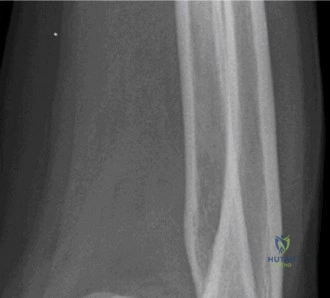
Illustration of oral examination question - Dr. Mohammed Hutaif

Key Takeaway

Looking for accurate information on Lower Limb Trauma: Mastering This Oral Examination Question? Managing a pilon fracture, a common oral examination question, involves a phased approach. Initial management focuses on stabilizing the injury with a spanning external fixator for soft tissue resuscitation. A CT scan provides detailed fracture mapping. Definitive treatment then involves careful surgical planning for anatomical reduction, fracture stabilization, and early mobilization, considering soft tissue condition and optimal timing.

Comprehensive Exam


00:00

Start Quiz

Question 1

An 82-year-old female presents after a fall with a shortened, externally rotated lower extremity. X-rays reveal a displaced femoral neck fracture. She has a history of atrial fibrillation on warfarin. Which of the following is the most appropriate initial management strategy regarding her anticoagulation?


Explanation

For displaced femoral neck fractures in elderly patients, surgical intervention is typically recommended within 24-48 hours. Patients on warfarin require rapid reversal of anticoagulation to minimize perioperative bleeding risks. The most effective and rapid reversal for significant bleeding risk is a combination of Vitamin K (for sustained effect) and Prothrombin Complex Concentrate (PCC) for immediate effect, allowing surgery once the INR is acceptable (typically <1.5). Factor Xa inhibitor reversal agents are for direct oral anticoagulants, not warfarin. Holding warfarin without rapid reversal delays surgery unnecessarily and increases DVT risk. Bridging therapy with heparin is not appropriate prior to emergency surgery for hip fracture due to bleeding risk.

Question 2

A 45-year-old male sustains a high-energy valgus injury to his knee. Radiographs show a Schatzker Type VI tibial plateau fracture. Clinically, his lower leg is tense, exquisitely painful to passive stretch of the toes, and he reports paresthesia in the foot. Dorsalis pedis pulse is palpable. What is the most critical immediate next step in management?


Explanation

The clinical presentation of a tense leg, exquisite pain to passive stretch, and paresthesia, especially after a high-energy tibial plateau fracture, is highly suspicious for acute compartment syndrome, even with a palpable dorsalis pedis pulse. This is a surgical emergency. An emergent four-compartment fasciotomy is the most critical immediate step to prevent irreversible neuromuscular damage. A CT scan is for definitive surgical planning of the fracture but should not delay fasciotomy if compartment syndrome is suspected. Elevating the limb can actually worsen compartment syndrome by reducing perfusion pressure. ABI and doppler are for vascular injury assessment, which is different from compartment syndrome although both can coexist.

Question 3

A 30-year-old male presents with a Gustilo-Anderson Type IIIA open tibial shaft fracture after a motorcycle accident. He has intact neurovascular status. What is the most appropriate initial management regarding definitive wound closure?


Explanation

For Gustilo-Anderson Type IIIA open fractures, there is significant soft tissue damage requiring thorough debridement. The wound should be left open for serial debridement to remove all devitalized tissue and prevent infection. Definitive soft tissue coverage, often requiring local or free flaps for Type IIIA and IIIB injuries, is typically performed in a delayed fashion, usually within 72 hours, once the wound is clean and healthy. Immediate primary closure in Type IIIA carries a high risk of infection. Delayed primary closure might be considered for less severe wounds but not for a Type IIIA. VAC is a dressing option, but immediate skin grafting is usually not feasible or appropriate for an initially contaminated wound of this severity.

Question 4

A 60-year-old male sustains a high-energy pelvic injury. He is hypotensive (BP 80/50 mmHg) and tachycardic (HR 120 bpm) despite initial fluid resuscitation. Pelvic X-ray shows a displaced open-book pelvic fracture (APC Type II). What is the most appropriate next step in managing his hemodynamic instability?


Explanation

In a hemodynamically unstable patient with a pelvic fracture, control of hemorrhage is paramount. Application of a pelvic binder (or sheet) provides immediate temporary stabilization of the fracture and reduces pelvic volume, which can help tamponade venous bleeding. If instability persists despite initial binder application and fluid resuscitation, angioembolization is the next step to control arterial bleeding, which accounts for 10-20% of pelvic hemorrhage but is often more challenging to control. External fixation provides definitive mechanical stability but might not be fast enough to control active arterial hemorrhage. CT angiography is useful for identifying the source but treatment takes precedence. Chest tube for pneumothorax addresses a different injury. Vasopressors address the symptom, not the underlying cause of hypovolemic shock.

Question 5

A 35-year-old male presents after a fall with a posterior hip dislocation. After successful closed reduction, he complains of weakness in ankle dorsiflexion and eversion, along with numbness over the dorsum of his foot. Which nerve is most likely injured?


Explanation

Posterior hip dislocations are frequently associated with sciatic nerve injuries, particularly the common peroneal (fibular) division. This division supplies the muscles responsible for ankle dorsiflexion (e.g., tibialis anterior) and eversion (e.g., peroneus longus and brevis) and provides sensation to the dorsum of the foot. The tibial division of the sciatic nerve primarily supplies plantarflexors and foot intrinsics, and sensation to the sole. Femoral and obturator nerves are typically spared in posterior dislocations. Gluteal nerves supply gluteal muscles.

Question 6

A 22-year-old football player sustains a high-energy knee injury with gross instability in multiple planes. Physical exam suggests a multi-ligamentous knee injury, likely a knee dislocation. Dorsalis pedis and posterior tibial pulses are present and strong. What is the most important immediate diagnostic study?


Explanation

Knee dislocations have a high rate of associated popliteal artery injury (up to 40%). Even with palpable pulses, intimal tears can lead to delayed thrombosis and limb loss. Therefore, a vascular assessment is critical. Ankle-brachial index (ABI) is a rapid and reliable screening tool. An ABI <0.9 is highly suspicious for vascular injury and warrants further imaging like CT angiography or conventional arteriography. While X-rays confirm dislocation and rule out fracture, and MRI details ligamentous injuries, these are not the most immediate concern for limb viability. Arteriography is usually reserved for a compromised ABI or strong clinical suspicion after ABI.

Question 7

A 28-year-old male falls from a height and lands on his feet. X-rays reveal a comminuted, intra-articular calcaneus fracture. Which associated injury should you specifically screen for?


Explanation

Falls from a height that result in calcaneus fractures (known as 'lover's fractures' or 'don Juan' fractures) often transmit axial load up the kinetic chain. Therefore, it is crucial to screen for associated injuries, especially lumbar spine compression fractures (up to 10% of cases) and, less commonly, hip or tibial plateau fractures. While an Achilles rupture can occur with trauma, it's not a direct 'axial load' associated injury. Talus and patellar fractures are less common systemic associations with this mechanism.

Question 8

A 55-year-old obese male presents with acute onset of severe left foot pain after tripping. Initial X-rays show widening between the first and second metatarsal bases and a 'fleck sign' (small avulsion from the medial cuneiform). He cannot bear weight. What is the most appropriate management?


Explanation

The presentation (widening between 1st/2nd metatarsal bases, fleck sign, inability to bear weight) is highly consistent with a Lisfranc (tarsometatarsal) joint injury. Displaced or unstable Lisfranc injuries require urgent surgical stabilization with ORIF (or primary arthrodesis in some cases) to restore anatomic alignment. Non-operative management or delayed treatment of unstable injuries leads to poor outcomes, including painful arthritis, arch collapse, and chronic pain. Immediate weight bearing or simple immobilization in a boot is insufficient for displaced/unstable injuries.

Question 9

A 38-year-old male sustains a high-energy talus neck fracture (Hawkins Type II). What is the primary concern for long-term complication in this fracture type?


Explanation

Hawkins Type II talus neck fractures involve a displaced talus neck fracture with subtalar dislocation but an intact ankle joint. The blood supply to the talar body is tenuous and primarily enters through the talar neck. Displacement of the neck fracture and subtalar dislocation significantly disrupts this blood supply, placing the talar body at high risk (20-50%) for avascular necrosis (AVN). While nonunion and post-traumatic arthritis are also potential complications, AVN of the talar body is a hallmark and often devastating complication specifically associated with displaced talus neck fractures, increasing with higher Hawkins types. Post-traumatic arthritis is common regardless of AVN due to articular damage.

Question 10

A 70-year-old female sustains a distal femoral fracture (supracondylar) after a low-energy fall. She has significant osteopenia. Which fixation method is generally considered superior for achieving stable fixation and early mobilization in this patient population?


Explanation

For most displaced distal femoral fractures, particularly in osteopenic elderly patients, retrograde intramedullary nailing is often preferred. It offers a load-sharing construct, minimally invasive approach, and allows for earlier weight-bearing and mobilization compared to plate fixation. While plate fixation (especially locking plates) can be effective, nailing often has advantages in osteoporotic bone due to its load-sharing nature. External fixation is generally reserved for open fractures with significant soft tissue compromise or as a temporizing measure. Dual plating can be an option for highly comminuted fractures but is more invasive. Long-leg casting is typically not sufficient for displaced fractures in the elderly due to nonunion risk and difficulty with mobilization.

Question 11

A 4-year-old child presents with a spiral fracture of the tibia, without fibula involvement, after a seemingly trivial injury (e.g., twisting fall while playing). The parents describe a consistent story. This fracture pattern is classically known as a:


Explanation

A 'toddler's fracture' is a classic, non-displaced or minimally displaced spiral or oblique fracture of the distal tibia, occurring in young children (typically 9 months to 3 years old) with low-energy rotational forces. It often presents with refusal to bear weight or limp. Greenstick and torus fractures are incomplete fractures typically of the diaphysis or metaphysis due to bending forces. Growth plate fractures involve the physis. While a spiral fracture can raise suspicion for non-accidental injury, in the context of a 'trivial' injury and consistent story, toddler's fracture is the most likely and benign diagnosis for this pattern.

Question 12

A 50-year-old male sustains a comminuted subtrochanteric femur fracture. He has stable vital signs. What is the preferred method of surgical fixation?


Explanation

Intramedullary nails (IMNs) are the preferred treatment for most subtrochanteric femur fractures due to their load-sharing capabilities, high union rates, and minimally invasive insertion. They resist varus collapse and provide better biomechanical stability than plates, especially in comminuted fractures. A Dynamic Hip Screw (DHS) is generally used for intertrochanteric fractures. Blade plates are used for certain distal femur fractures or occasionally proximal femur fractures but are less common for subtrochanteric. External fixation is reserved for open fractures with significant contamination or as a temporizing measure in polytrauma. A 3.5mm reconstruction plate is too weak for a subtrochanteric femur fracture.

Question 13

A 40-year-old female sustains a high-energy pilon fracture (distal tibia intra-articular) with significant soft tissue swelling and blistering. What is the most appropriate initial management strategy?


Explanation

Pilon fractures often involve severe soft tissue injury, and attempting immediate ORIF in the setting of significant swelling and blistering can lead to wound complications, infection, and skin necrosis. The most appropriate initial management involves a staged approach: initial closed reduction and application of an ankle-spanning external fixator to restore length, alignment, and indirectly reduce the articular surface, thereby allowing the soft tissues to recover. Definitive ORIF is then performed once the 'wrinkle sign' is present and soft tissue edema has subsided (typically 7-14 days later). Urgent CT is important for surgical planning but not the immediate management of the soft tissue envelope.

Question 14

A 65-year-old male presents with an ankle fracture-dislocation. The foot is severely deformed, and the skin is tented, blanching, and in danger of necrosis. There are palpable pulses. What is the most urgent next step?


Explanation

Any fracture-dislocation causing skin compromise (e.g., tenting, blanching, impending necrosis) or neurovascular compromise is an orthopedic emergency. Even with palpable pulses, prolonged skin tension can lead to necrosis and conversion of a closed injury to an open one, increasing infection risk. The most urgent step is to perform a gentle, emergent closed reduction to relieve tension on the skin and soft tissues, irrespective of the need for future definitive fixation (which might be ORIF). CT and antibiotics are important but follow limb salvage. Elevation and ice are supportive but insufficient for impending skin loss.

Question 15

Which of the following absolute compartment pressure readings, in a normotensive patient with suspected acute compartment syndrome of the lower leg, is generally considered diagnostic and an indication for fasciotomy?


Explanation

While clinical suspicion remains paramount, an absolute compartment pressure greater than 30-40 mmHg is generally considered indicative of acute compartment syndrome and an indication for emergent fasciotomy. More precisely, the 'delta pressure' (diastolic blood pressure minus compartment pressure) less than 30 mmHg is often used, as it accounts for the patient's perfusion pressure. However, a consistent absolute pressure >30-40 mmHg is a common benchmark regardless of delta pressure, especially in a normotensive patient.

Question 16

A 40-year-old male sustains a Gustilo-Anderson Type II open distal tibial shaft fracture. He receives tetanus prophylaxis and IV antibiotics (cefazolin and gentamicin) in the ED. Which of the following is the most appropriate next step in antibiotic management?


Explanation

For Gustilo-Anderson Type II open fractures, initial IV antibiotics with a first-generation cephalosporin (e.g., cefazolin) and an aminoglycoside (e.g., gentamicin) or a fluoroquinolone are appropriate for gram-positive and gram-negative coverage. The recommended duration for Type II fractures is typically 48-72 hours post-initial debridement, or until the wound is deemed clean and closed. Extending beyond 72 hours for Type I and II is generally not recommended unless there are signs of infection. Vancomycin is added for Type III fractures or if MRSA is suspected. Switching to oral antibiotics too early is inappropriate given the severity of open fractures.

Question 17

A 25-year-old male polytrauma patient sustains a comminuted femoral shaft fracture, blunt abdominal trauma, and a closed head injury (GCS 13). His hemodynamic status is stable after initial resuscitation. What is the optimal timing for definitive fixation of his femoral shaft fracture?


Explanation

For stable polytrauma patients, early appropriate care (EAC) with definitive fixation of long bone fractures, particularly femoral shaft fractures, is recommended within 12-24 hours. This has been shown to decrease the incidence of systemic complications such as ARDS, fat embolism, and pneumonia. While immediate fixation (damage control orthopedics, DCO) might be considered for unstable patients, this patient is stable. Delayed fixation (after 5-7 days) or waiting for full resolution of head injury can increase systemic complications. MRI is not required for timing of femoral shaft fixation.

Question 18

A 60-year-old male falls directly onto his knee. He presents with severe pain and inability to actively extend his knee. X-rays confirm a transverse patellar fracture with 1 cm of displacement between the superior and inferior poles. What is the most appropriate surgical management?


Explanation

Transverse patellar fractures with disruption of the extensor mechanism (manifested by inability to actively extend the knee) and displacement require surgical fixation. Tension band wiring is the classic and most commonly used technique for these fractures. It converts tensile forces across the fracture into compressive forces, promoting healing and allowing early range of motion. Partial patellectomy is reserved for highly comminuted fragments that cannot be reconstructed. Total patellectomy is a salvage procedure. Lag screws alone are insufficient for transverse fractures and risk pull-out. Non-operative treatment is for non-displaced fractures with intact extensor mechanism.

Question 19

A 40-year-old male sustains a spiral fracture of the proximal fibula. Which of the following associated nerve injuries should be specifically assessed?


Explanation

The common peroneal nerve (also known as the common fibular nerve) courses superficially around the fibular neck, making it vulnerable to injury with proximal fibula fractures. Injury to the common peroneal nerve typically results in foot drop (weakness of ankle dorsiflexion and eversion) and sensory loss over the dorsum of the foot and lateral leg. The deep and superficial peroneal nerves are branches of the common peroneal nerve. The tibial nerve is in the posterior compartment, and sural and saphenous nerves are cutaneous sensory nerves not typically injured with this fracture pattern.

Question 20

A 30-year-old female runner complains of insidious onset of increasing pain in her left anterior lower leg that worsens with running and improves with rest. Initial X-rays are normal. What is the most likely diagnosis?


Explanation

The description of localized pain that worsens with activity, improves with rest, and normal initial X-rays in a runner is highly suggestive of a stress fracture of the tibia. Shin splints typically involve diffuse pain along the posteromedial tibia. Chronic exertional compartment syndrome is characterized by exertional pain, but often with sensory changes and tightness, and typically requires compartment pressure measurements for diagnosis. Acute compartment syndrome is an emergency after trauma. Peroneal tendonitis would cause lateral ankle pain. While shin splints are possible, the 'increasing pain' and localized nature points more towards a stress fracture as a more serious diagnosis to rule out.

Question 21

A 6-year-old child presents with a swollen, painful knee following a fall. She is febrile (39°C) and unable to bear weight. Physical exam reveals warmth, erythema, and exquisite tenderness to palpation of the knee. What is the most appropriate immediate diagnostic and therapeutic step?


Explanation

The clinical picture (fever, warmth, erythema, pain, inability to bear weight) strongly suggests septic arthritis of the knee. This is a surgical emergency. The most appropriate immediate step is urgent aspiration of the knee joint to obtain synovial fluid for cell count, culture, and gram stain. This is both diagnostic and therapeutic (decompression). While blood cultures and empirical IV antibiotics should follow, the aspiration is critical for diagnosis and to guide antibiotic therapy. MRI can confirm inflammation but is not as urgent as aspiration. Oral antibiotics are insufficient, and immobilization is supportive but not definitive treatment.

Question 22

A 75-year-old male with a comminuted intertrochanteric hip fracture is medically optimized for surgery. Which of the following is the most appropriate strategy for venous thromboembolism (VTE) prophylaxis in this patient?


Explanation

Hip fracture patients are at high risk for VTE. LMWH (e.g., enoxaparin) is the preferred pharmacological agent, typically initiated post-operatively once bleeding risks have diminished. Mechanical prophylaxis (SCDs) should be used in conjunction with LMWH or if LMWH is contraindicated. Aspirin is a less potent agent and might be considered in some lower-risk trauma patients but is generally insufficient for high-risk hip fracture patients. Warfarin requires close INR monitoring and is less commonly used than LMWH for VTE prophylaxis in this setting due to increased bleeding risk and slow onset. Early mobilization is important but not sufficient as sole prophylaxis.

Question 23

A 28-year-old male sustains a high-energy femoral shaft fracture and undergoes intramedullary nailing. He has a history of head injury. What is the most effective prophylactic measure against heterotopic ossification (HO) in this patient?


Explanation

Heterotopic ossification (HO) is the abnormal formation of bone in soft tissues where bone does not normally exist. It is a known complication following severe trauma, especially in patients with associated head injury or burns, and particularly around the hip. The most effective prophylactic measures are NSAIDs (like indomethacin) given post-operatively for 2-6 weeks or localized low-dose radiation therapy. Radiation is often reserved for high-risk cases or those who cannot tolerate NSAIDs. Early CPM does not prevent HO, though it's important for mobility. Corticosteroids are not standard prophylaxis. Serial X-rays are for monitoring, not prevention.

Question 24

A 35-year-old male develops a painful nonunion of his mid-shaft tibia fracture, 9 months after intramedullary nailing. There are no signs of infection, and the fracture gap is less than 1 cm. What is the most appropriate management strategy?


Explanation

For aseptic tibial shaft nonunions after IMN, several options exist. If the nail is biomechanically stable but healing is stalled, dynamization of the nail (removing locking screws) can be considered. However, for a persistent nonunion at 9 months, especially with a gap or if the nail is deemed inadequate, revision surgery is often necessary. Exchange nailing (removing the old nail and inserting a larger one, often with reaming and bone grafting) is a common and effective strategy. Plate fixation with bone grafting is another excellent option, especially if deformity correction is needed. External fixation with bone transport is typically reserved for large bone defects or infected nonunions. PEMF can be an adjunct but is less likely to achieve union as a standalone treatment for established nonunion.

Question 25

A 78-year-old female falls and sustains a comminuted distal femur fracture immediately above her well-fixed total knee arthroplasty (TKA). The TKA components are stable. According to the Vancouver classification, this would most likely be a:


Explanation

The Vancouver classification for periprosthetic fractures around a TKA categorizes fractures based on location and implant stability. Type A fractures are metaphyseal, Type B are diaphyseal, and Type C are distal to the implant. Type B fractures are further subdivided by implant stability: B1 (implant stable), B2 (implant loose but good bone stock), and B3 (implant loose with poor bone stock). A comminuted distal femur fracture immediately above a well-fixed TKA is a diaphyseal fracture with a stable implant, fitting the description of a Type B1 fracture.

Question 26

A 2-year-old child sustains a Salter-Harris Type I fracture of the distal tibia. What is the primary concern for long-term complications with this type of growth plate injury?


Explanation

Salter-Harris Type I and II fractures, which involve the physis (growth plate) or physis and metaphysis respectively, are at risk for growth arrest and subsequent angular deformity or limb length discrepancy. This is due to potential damage to the chondrocytes in the growth plate. Type I fractures typically have a good prognosis if reduced anatomically, but any physeal injury carries this risk. Avascular necrosis is rare in these fractures. Nonunion is also rare. Compartment syndrome is a concern with any significant trauma but not a specific long-term complication of Type I Salter-Harris. Post-traumatic arthritis is more common with intra-articular fractures (e.g., Salter-Harris Type III or IV).

Question 27

A 28-year-old male sustains a posterior hip dislocation in a motor vehicle accident. He presents to the ED 4 hours after the injury. What is the most critical management principle regarding the timing of reduction?


Explanation

Posterior hip dislocations are orthopedic emergencies. The most critical management principle is emergent reduction, ideally within 6 hours, to minimize the risk of avascular necrosis (AVN) of the femoral head. Delaying reduction beyond this timeframe significantly increases the risk of AVN. While MRI is useful for assessing associated injuries, it should not delay emergent closed reduction. Open reduction is indicated if closed reduction fails or for specific associated injuries (e.g., incarcerated fragments), but not as a primary first step. Observation for spontaneous reduction is inappropriate for a true dislocation.

Question 28

A 16-year-old female experiences recurrent lateral patellar dislocations after a traumatic first dislocation. She now presents with another acute dislocation. Which of the following structures is most commonly deficient or injured in recurrent patellar instability?


Explanation

The medial patellofemoral ligament (MPFL) is the primary soft tissue stabilizer preventing lateral patellar displacement. It is almost always torn during a first-time traumatic patellar dislocation. Its deficiency is a key contributor to recurrent patellar instability. While other factors like trochlear dysplasia, patella alta, and increased Q-angle contribute, MPFL injury is paramount. The ACL, PCL, and LCL are key knee joint stabilizers but are not directly involved in patellar tracking. The patellar tendon connects the patella to the tibia.

Question 29

A 45-year-old male sustains a high-energy trauma to his ankle, resulting in a comminuted, intra-articular fracture of the distal tibia extending into the ankle joint (pilon fracture). Which of the following principles is paramount for achieving optimal long-term functional outcome?


Explanation

For intra-articular fractures like pilon fractures, accurate anatomical reduction of the articular surface is paramount. Malreduction, even by a few millimeters, significantly increases the risk of post-traumatic arthritis, pain, and poor functional outcomes. While soft tissue management (staged approach) is critical for preventing complications, and external fixation may be used initially, the ultimate goal of definitive fixation is articular congruence. Early full weight-bearing is contraindicated. Ankle fusion is a salvage procedure, not an initial goal.

Question 30

A 20-year-old male sustains a twisting injury to his foot. X-rays are inconclusive for a Lisfranc injury, but he has severe pain over the midfoot, swelling, and ecchymosis on the plantar aspect of the foot. What is the next most appropriate imaging study to rule out a subtle Lisfranc injury?


Explanation

Clinical suspicion for a Lisfranc injury, especially with plantar ecchymosis and midfoot pain, warrants thorough evaluation. If initial non-weight-bearing X-rays are inconclusive, weight-bearing views are often the next step to unmask subtle instability. However, a CT scan of the foot is considered the gold standard for diagnosing subtle or difficult-to-visualize Lisfranc injuries, providing detailed bony anatomy and allowing for precise measurement of fragment displacement and diastasis. While MRI can visualize soft tissue injuries (ligaments), CT is superior for initial bony assessment. Bone scan is less specific and ultrasound is generally not used for these fractures.

Question 31

A 25-year-old football player sustains a non-displaced fracture of the base of the 5th metatarsal after a twisting injury to his foot. The fracture is located 1.5 cm distal to the tuberosity. This fracture is most appropriately classified as a:


Explanation

Fractures of the 5th metatarsal base are categorized into three zones. Zone 1 involves the styloid process (tuberosity) and is typically an avulsion fracture (peroneus brevis insertion). Zone 2 is the metaphyseal-diaphyseal junction, typically 1.5-3 cm distal to the tuberosity, and is known as a Jones fracture. Zone 3 is a diaphyseal stress fracture more distal. A fracture 1.5 cm distal to the tuberosity falls squarely into Zone 2, making it a Jones fracture. These fractures have a higher risk of nonunion due to watershed vascularity and typically require non-weight bearing immobilization or surgical fixation.

Question 32

A 30-year-old male falls and sustains a comminuted fracture of the tarsal navicular. What is the primary concern for long-term complications with this specific bone injury?


Explanation

The tarsal navicular bone has a tenuous blood supply, primarily entering dorsally and laterally. Fractures, especially comminuted or displaced fractures, can disrupt this blood supply, placing the bone at high risk for avascular necrosis (AVN). AVN of the navicular can lead to collapse, deformity, and severe midfoot arthritis. While nonunion and malunion leading to flatfoot are also complications, AVN is a particularly significant concern due to the unique vascularity of this bone. Nerve entrapment and Achilles rupture are not direct complications of a navicular fracture.

Question 33

A 60-year-old diabetic male with peripheral neuropathy presents with a traumatic ulcer on the sole of his foot that extends to bone. X-rays show adjacent osteolysis and periosteal reaction. He is afebrile. What is the most appropriate initial management step?


Explanation

A diabetic foot ulcer extending to bone with radiographic signs of osteolysis and periosteal reaction is highly suspicious for osteomyelitis. This requires aggressive management to prevent limb loss. The most appropriate initial step is surgical debridement of the ulcer and necrotic bone, along with obtaining bone biopsies and tissue cultures to guide antibiotic therapy. While MRI can assess the extent, surgical debridement and culture are more critical for treatment. Broad-spectrum oral antibiotics alone are often insufficient for osteomyelitis. Offloading is crucial but not definitive treatment for infection. Transcutaneous oxygen measurements are for assessing healing potential, not for diagnosing or treating osteomyelitis.

Question 34

A 30-year-old triathlete complains of calf pain that predictably starts during running, progressively worsens, and resolves completely within 15-20 minutes after stopping activity. Physical exam is normal at rest. What is the most appropriate diagnostic test?


Explanation

The classic presentation of exertional pain that resolves with rest, especially in athletes, is highly suggestive of chronic exertional compartment syndrome (CECS). The definitive diagnostic test for CECS is the measurement of intracompartmental pressures before and after exercise. A pressure increase to >30 mmHg during exercise or a sustained elevation of >15 mmHg at 1 minute or >10 mmHg at 5 minutes post-exercise is diagnostic. X-rays and MRI are typically normal in CECS and are used to rule out other pathology (e.g., stress fracture). EMG/NCS are for nerve impingement, and Doppler for vascular insufficiency, which are less likely given the immediate post-exertional resolution.

Question 35

A 20-year-old male sustains a complete transection of the common peroneal nerve due to a laceration just below the fibular head. According to Seddon's classification, this type of nerve injury is a:


Explanation

Seddon's classification describes three types of nerve injury: 1. Neuropraxia (temporary block, intact axon and myelin); 2. Axonotmesis (axon disrupted, but endoneurial sheath intact, Wallerian degeneration occurs, potential for recovery); 3. Neurotmesis (complete transection of the nerve, including axon, endoneurium, perineurium, and epineurium, spontaneous recovery is impossible). A complete transection specifically describes neurotmesis, which requires surgical repair for any chance of functional recovery. 'Second-degree' and 'Third-degree' are used in Sunderland's classification, which further subdivides axonotmesis into different degrees of perineurial/epineurial involvement.

Question 36

A 30-year-old male suffers a traumatic knee dislocation. After reduction, he has palpable dorsalis pedis and posterior tibial pulses, but the ankle-brachial index (ABI) is 0.7 on the injured side. What is the most appropriate next step in management?


Explanation

A knee dislocation, even with palpable pulses, has a high risk of popliteal artery injury, often involving intimal tears that can lead to delayed thrombosis. An ABI <0.9 (or an absolute difference >0.1 in some guidelines) is considered abnormal and warrants further investigation for vascular injury. The most appropriate next step is an urgent CT angiogram to definitively diagnose and localize any arterial injury, which may then require surgical repair. Observation is unsafe given the ABI. Fasciotomy and compartment pressure measurements are for compartment syndrome, a separate but potentially coexisting issue. Anticoagulation is not the primary treatment for an acute arterial injury.

Question 37

A 60-year-old male undergoes open reduction and internal fixation (ORIF) of a tibial pilon fracture. Four weeks post-operatively, he develops fever, localized pain, erythema, and purulent drainage from the surgical incision. What is the most accurate diagnostic test for osteomyelitis?


Explanation

While elevated inflammatory markers (ESR, CRP), X-ray changes, blood cultures, and MRI can all suggest osteomyelitis, the gold standard for definitive diagnosis and identification of the causative organism is a surgical bone biopsy and culture. This provides histological confirmation of infection and allows for targeted antibiotic therapy. Other tests are supportive but can be non-specific or lack sensitivity in early stages. MRI is excellent for visualizing soft tissue and bone edema but does not provide microbiological diagnosis.

Question 38

A 40-year-old female develops severe, disproportionate pain, swelling, allodynia, and trophic changes in her foot after an ankle fracture. This clinical picture is most consistent with:


Explanation

The constellation of symptoms (disproportionate pain, swelling, allodynia (pain from non-painful stimuli), and trophic changes like skin/nail/hair alterations) after an injury, without a specific nerve lesion, is classic for Complex Regional Pain Syndrome (CRPS) Type I (formerly Reflex Sympathetic Dystrophy). Peripheral neuropathy would typically have a specific nerve distribution. Acute compartment syndrome would be an acute, limb-threatening emergency with specific '5 Ps' signs. DVT involves swelling and pain but not allodynia or trophic changes. Infection would typically have systemic signs and purulence.

Question 39

Which of the following conditions is the highest risk factor for developing avascular necrosis (AVN) of the femoral head following a traumatic event?


Explanation

Subcapital femoral neck fractures, especially when displaced, sever the crucial retinacular vessels (branches of the medial circumflex femoral artery) that supply the femoral head. This places the femoral head at the highest risk for avascular necrosis (AVN), often exceeding 30-50%. While posterior hip dislocations also carry a risk of AVN, especially with delayed reduction, a displaced subcapital femoral neck fracture inherently compromises the blood supply more severely. Intertrochanteric and femoral shaft fractures are extracapsular and generally do not disrupt the femoral head blood supply. Acetabular fractures do not directly affect femoral head vascularity unless there is concomitant dislocation.

Question 40

For exposure of the posterior column and posterior wall of the acetabulum, which surgical approach is most commonly utilized?


Explanation

The Kocher-Langenbeck approach is the workhorse approach for posterior column and posterior wall acetabular fractures. It involves an incision along the posterior border of the greater trochanter and gluteal maximus, allowing access to the posterior aspect of the acetabulum. The ilioinguinal and Stoppa (modified obturator) approaches are anterior approaches used for anterior column, anterior wall, or transverse fractures. The direct anterior (Smith-Petersen) approach is used for anterior hip arthroplasty or certain anterior acetabular pathologies, but not extensive acetabular trauma. Hohmann is not a standard major acetabular approach.

Question 41

When performing intramedullary nailing for a femoral shaft fracture, which of the following is considered the primary advantage of reamed nailing compared to unreamed nailing?


Explanation

Reamed intramedullary nailing involves gradually increasing the intramedullary canal diameter with reamers before nail insertion. The primary advantage of reamed nailing is that it allows for the insertion of a larger diameter nail, which provides a stronger implant-bone interface and increased biomechanical stability, leading to higher union rates and improved construct stiffness. The disadvantage is the theoretical increased risk of fat embolism and disruption of endosteal blood supply. Unreamed nails typically involve less operative time and less disruption to endosteal blood supply, but their smaller diameter may offer less rotational stability and a higher risk of nonunion.

Question 42

A 28-year-old male sustains an open comminuted tibial shaft fracture. You decide to apply an external fixator as a temporizing measure. Which of the following is a critical principle for pin care and prevention of pin tract infection?


Explanation

Proper pin care is crucial to prevent pin tract infection, a common complication of external fixation. Leaving pin sites open to air after initial dressing changes (once bleeding has stopped) is often recommended to prevent moisture accumulation and bacterial proliferation. If dressings are used, they should be loose to allow air circulation. Daily cleaning with saline or chlorhexidine (not hydrogen peroxide which can be cytotoxic) is also important. Prophylactic systemic antibiotics are not indicated for the entire duration of fixation unless there's an active infection. Aggressive debridement is needed for severe infection, but not routine erythema, which might be managed with local care and observation or oral antibiotics for minor infection.

Question 43

In the management of a large segmental bone defect in the tibia resulting from an open fracture, which type of bone graft is generally considered superior due to its osteoinductive, osteoconductive, and osteogenic properties?


Explanation

Autogenous iliac crest bone graft (ICBG) is considered the 'gold standard' for bone grafting due to its osteoinductive (growth factors), osteoconductive (scaffold), and osteogenic (live osteocytes and progenitor cells) properties. It also carries no risk of disease transmission or immune rejection. Allografts (cortical struts) provide osteoconduction and structural support but lack osteogenic cells and have limited osteoinductive potential. DBM and ceramic substitutes are primarily osteoconductive with some osteoinductive properties but lack osteogenic cells. BMAC provides osteogenic cells but generally needs a scaffold.

Question 44

Which of the following statements most accurately describes the biomechanical principle of a 'tension band' construct, commonly used in patellar or olecranon fractures?


Explanation

A tension band construct (e.g., using K-wires and a figure-of-eight wire loop) is designed to convert tensile forces, which typically cause gapping on the convex side of a fracture (e.g., anterior patella during knee flexion), into compressive forces at the fracture site. This dynamic compression promotes fracture healing and allows for early range of motion. It provides relative stability, not absolute stability via lag screw. It's a load-sharing construct but not for immediate full weight-bearing on weight-bearing bones. Buttress plates prevent axial collapse. Tension bands provide some rotational stability but their primary role is converting tension to compression.

Question 45

Which of the following is the most sensitive and widely used scoring system to quantify injury severity in polytrauma patients, primarily based on anatomical injuries?


Explanation

The Injury Severity Score (ISS) is the most widely used scoring system for quantifying overall injury severity in polytrauma patients. It is calculated from the Abbreviated Injury Scale (AIS), which assigns a score from 1 (minor) to 6 (unsurvivable) for injuries to different body regions. The ISS is the sum of the squares of the highest AIS scores in the three most severely injured body regions. GCS assesses neurological status. RTS is a physiological score. TRISS combines ISS, RTS, and age to predict survival. AIS is a component of ISS, not an overall severity score itself.

Question 46

A 30-year-old male sustains an 'open book' pelvic fracture (APC Type II) with diastasis of the pubic symphysis and disruption of the anterior sacroiliac ligaments. He is hemodynamically stable. What is the most appropriate definitive management strategy?


Explanation

An APC Type II pelvic fracture involves disruption of the pubic symphysis and partial tearing of the posterior ligamentous complex (anterior sacroiliac ligaments). In a hemodynamically stable patient, the primary goal of definitive fixation is to restore pelvic ring stability and prevent chronic pain or deformity. For APC Type II fractures, anterior internal fixation of the pubic symphysis (e.g., with a plate) is typically sufficient, as the posterior ligaments are only partially disrupted. Posterior fixation (sacroiliac screws) is usually reserved for APC Type III fractures with complete posterior ligamentous disruption. External fixation can be used as a temporizing measure but is generally not definitive for this pattern unless there are severe soft tissue issues. Bed rest is not definitive for unstable fractures.

Question 47

A 50-year-old male presents with acute onset of foot drop following a traumatic knee dislocation. Which of the following nerves is most likely injured, and what is its primary motor function affected?


Explanation

Foot drop, characterized by the inability to dorsiflex the ankle and evert the foot, is a classic sign of common peroneal (fibular) nerve injury. The common peroneal nerve courses superficially around the fibular neck and is vulnerable in knee dislocations. The tibial nerve innervates plantarflexors and foot intrinsics. The saphenous nerve is purely sensory. The femoral nerve innervates the quadriceps (knee extension) and iliopsoas (hip flexion). The sural nerve is sensory only to the lateral foot.

Question 48

A 28-year-old snowboarder presents with lateral ankle pain and swelling after falling. She describes a sensation of her ankle 'giving way' and pain posterior to the lateral malleolus. Physical exam reveals tenderness and snapping when the ankle is moved from dorsiflexion to plantarflexion/eversion. This is most indicative of:


Explanation

The clinical presentation of lateral ankle pain, a sensation of 'giving way,' pain posterior to the lateral malleolus, and especially the snapping sensation with ankle movement (dorsiflexion to plantarflexion/eversion) is classic for peroneal tendon subluxation or dislocation. This occurs when the superior peroneal retinaculum (SPR) is torn, allowing the peroneal tendons to subluxate or dislocate anteriorly over the lateral malleolus. Ligamentous ruptures (ATFL, CFL) cause instability but not typically snapping. Achilles rupture involves loss of plantarflexion and a palpable gap. High ankle sprain causes pain proximal to the ankle joint and with external rotation.

Question 49

Which of the following is NOT a component of the Essex-Lopresti classification system for calcaneus fractures?


Explanation

The Essex-Lopresti classification specifically describes intra-articular calcaneus fractures, categorizing them based on the primary fracture lines and displacement patterns. It identifies two main types: 'tongue-type' and 'joint depression-type.' Both involve the posterior facet. Non-articular fractures are outside this classification system's primary focus. A sustentacular fracture is a specific extra-articular fracture often caused by inversion, and while it is a calcaneus fracture, it is not part of the Essex-Lopresti classification, which focuses on the more complex intra-articular patterns affecting the posterior facet.

Question 50

A 30-year-old male presents to the emergency department after a high-speed motor vehicle accident. He is hemodynamically unstable, with a blood pressure of 80/40 mmHg and heart rate of 130 bpm. Pelvic X-ray shows a symphyseal diastasis of 5 cm and bilateral sacroiliac joint disruption. Which type of pelvic fracture does this best represent?


Explanation

This patient's injury pattern with symphyseal diastasis and bilateral sacroiliac joint disruption, combined with hemodynamic instability, is characteristic of an Anterior-Posterior Compression Type III (APC-III) pelvic fracture. This involves complete disruption of the posterior ligamentous complex (including sacrospinous, sacrotuberous, and anterior/posterior SI ligaments), leading to significant pelvic instability and a high risk of life-threatening hemorrhage. APC-I has symphyseal widening but intact posterior ligaments. LC types involve lateral compression with different degrees of rotation. Vertical Shear involves vertical displacement with complete disruption.

Question 51

Which of the following is a contraindication to retrograde intramedullary nailing for a distal femur fracture?


Explanation

Retrograde intramedullary nailing involves inserting the nail through the intercondylar notch of the knee and advancing it proximally. Significant articular extension of a distal femur fracture into the knee joint is a contraindication as it compromises the ability to obtain and maintain an anatomical articular reduction, risks damage to the articular cartilage during nail insertion, and may not provide adequate fixation for the articular fragments. While a prior TKA might make entry difficult, it's often possible through a notch or via one of the femoral component pegs. Obesity and Gustilo Type I open fractures are not contraindications. An associated ipsilateral femoral neck fracture would indicate an ipsilateral femoral shaft fracture, which is often managed with a long antegrade nail, but a distal femur can also be nailed retrograde.

Question 52

A 55-year-old male sustains a comminuted fracture of the femoral shaft. His contralateral leg has an open tibia fracture. What is the preferred method for temporary stabilization of the femoral shaft fracture in the setting of polytrauma, especially if definitive fixation needs to be delayed?


Explanation

In the setting of polytrauma, especially with an associated open fracture, external fixation is often the preferred method for temporary stabilization of a femoral shaft fracture. It provides rapid and effective stabilization, facilitates wound care for associated open injuries, and allows for patient transport and resuscitation without the risks of prolonged skeletal traction or definitive internal fixation in an unstable patient. Skeletal traction is an option but less versatile. Spica casts are rarely used for adult femoral fractures due to patient discomfort and lack of stability. Plate osteosynthesis is definitive fixation. Splinting is insufficient for femoral shaft fractures.

Question 53

Which of the following describes a 'stress shielding' effect as a complication of fracture fixation?


Explanation

Stress shielding occurs when an implant carries too much of the load, preventing the underlying bone from experiencing normal physiological stresses. According to Wolff's Law, bone adapts to the loads placed upon it. When bone is 'shielded' from stress, it can lead to bone atrophy or osteopenia beneath the implant, weakening the bone and potentially contributing to refracture after implant removal or other long-term complications. Excessive loading of the implant leads to failure. Increased bone density due to stress is a normal response to loading. Delayed union is due to insufficient stability or biology, not stress shielding per se. Bone resorption at the screw-bone interface can be due to micromotion or infection.

Question 54

A 70-year-old female sustains an unstable intertrochanteric hip fracture. She is medically optimized. Which of the following implants is generally considered the most biomechanically stable for this fracture pattern?


Explanation

For unstable intertrochanteric hip fractures (e.g., reverse obliquity, subtrochanteric extension, or highly comminuted), a trochanteric intramedullary nail is generally preferred over a Dynamic Hip Screw (DHS). IMN provides a more load-sharing construct, especially on the medial side, and is more resistant to varus collapse and cut-out, which are common failure modes in unstable patterns treated with a DHS. Cannulated screws are for femoral neck fractures. Long-leg casts are not used. Hemiarthroplasty might be considered for very specific cases but not the primary fixation choice for an unstable intertrochanteric fracture.

Question 55

Which of the following Gustilo-Anderson classifications of open fractures carries the highest risk of infection and typically requires a free flap for definitive soft tissue coverage?


Explanation

The Gustilo-Anderson classification categorizes open fractures based on wound size, soft tissue damage, and contamination. Type IIIB involves extensive soft tissue loss, periosteal stripping, and often requires rotational or free flap coverage for definitive soft tissue reconstruction. It carries a high risk of infection and nonunion. Type I and II have smaller wounds and less soft tissue damage. Type IIIA has significant soft tissue damage but usually allows for local coverage. Type IIIC includes an associated arterial injury requiring repair, making it limb-threatening but IIIB is specifically defined by the need for advanced soft tissue coverage.

Question 56

A 25-year-old male sustains a high-energy injury resulting in an ankle fracture and a compartment syndrome requiring fasciotomy. Which of the following is NOT an appropriate measure to prevent heterotopic ossification (HO)?


Explanation

Prophylactic antibiotics are crucial for preventing infection in open fractures or after surgical procedures but have no role in preventing heterotopic ossification (HO). HO is abnormal bone formation in soft tissues and is typically prevented by NSAIDs (like indomethacin) or low-dose local radiation therapy. Early range of motion, aggressive wound care, and debridement are important for overall recovery but are not direct preventative measures for HO. Compartment syndrome requiring fasciotomy is a known risk factor for HO, especially in the thigh and pelvis, but can occur elsewhere.

Question 57

What is the primary role of an articular block in the reconstruction of a comminuted tibial plateau fracture with significant articular depression?


Explanation

In comminuted tibial plateau fractures with articular depression, an 'articular block' involves temporarily supporting or reducing the depressed articular fragments, often with K-wires or provisional screws, before elevating the depressed fragments and filling the metaphyseal void with bone graft. This technique prevents the articular segment from collapsing during the subsequent steps of bone grafting and definitive plate application, ensuring anatomical reduction and maintenance of the joint surface. It is a crucial step in joint reconstruction, not for definitive fixation, early weight-bearing, or fibular length.

Question 58

Which of the following fractures is most susceptible to delayed union or nonunion due to its inherent poor vascularity and biomechanical environment?


Explanation

Tibial shaft fractures, particularly in the middle to distal third, have the highest reported rates of delayed union and nonunion among long bone fractures. This is primarily due to the tibia's relatively poor soft tissue envelope (especially anteriorly), segmented blood supply, and significant cortical bone without much cancellous bone for rapid healing. The mechanical environment is also often challenging due to high stresses. Other fractures listed generally have better vascularity or a more favorable biomechanical environment for healing.

Question 59

A 25-year-old male presents with a spiral fracture of the middle third of the tibia and fibula. Which imaging modality is most critical for pre-operative planning, especially concerning the fracture pattern and rotational alignment?


Explanation

While standard AP and lateral X-rays are essential for initial diagnosis, a CT scan of the tibia/fibula is invaluable for pre-operative planning, especially for comminuted or complex spiral fractures. It provides detailed information about the fracture pattern, fragment comminution, and critically, aids in assessing and restoring rotational alignment. Rotational malunion is a common complication of tibial shaft fractures, and CT can help quantify this pre-operatively. MRI is better for soft tissue. Long-leg standing X-rays are for alignment assessment after healing. Angiography is for vascular injury.

Question 60

A 40-year-old male sustains a displaced intra-articular calcaneus fracture. Bohler's angle on the injured side measures 5 degrees (normal 20-40 degrees). What does this measurement primarily indicate?


Explanation

Bohler's angle (also known as the 'tuber joint angle') is measured on a lateral radiograph of the foot and reflects the height of the posterior facet of the calcaneus relative to the posterior tuberosity and anterior process. A decreased Bohler's angle (e.g., 5 degrees as opposed to the normal 20-40 degrees) indicates collapse of the calcaneus, particularly the posterior facet, and shortening of the calcaneus. This correlates with the severity of the intra-articular depression and prognosis. While it doesn't directly indicate talar head displacement, AVN risk of the calcaneus, or ligamentous integrity, it is a key measure of the extent of calcaneal collapse.

Question 61

What is the most common mechanism of injury for a talus neck fracture?


Explanation

Talus neck fractures are classically caused by a forceful hyperdorsiflexion of the ankle with an axial load. This mechanism typically occurs during events like motor vehicle accidents (driver's foot hitting the floorboard) or falls from height. In this position, the talus neck is impinged between the anterior tibia and the calcaneus, leading to fracture. Direct falls on the heel cause calcaneus fractures. Inversion sprains cause ankle ligamentous injury or 5th metatarsal fractures. Hyperplantarflexion is less common for talus neck fractures.

Question 62

A 20-year-old male presents with a Type I open fracture of the distal tibia. After initial debridement, what is the most appropriate primary antibiotic regimen?


Explanation

For Gustilo-Anderson Type I open fractures, the primary concern is usually Gram-positive organisms (e.g., Staphylococcus aureus). Therefore, a first-generation cephalosporin like cefazolin is the most appropriate initial empirical antibiotic. Vancomycin is reserved for patients with penicillin allergy or high suspicion of MRSA. Clindamycin is for anaerobic or specific Gram-positive coverage. Ciprofloxacin adds Gram-negative coverage, typically reserved for Type II and III fractures. Amoxicillin-clavulanate has broader coverage but isn't the first-line for this specific injury type.

Question 63

A 6-year-old child sustains a Salter-Harris Type II fracture of the distal femur. What is the most common direction of displacement in this fracture?


Explanation

Salter-Harris Type II fractures involve a fracture through the physis and a portion of the metaphysis, leaving the epiphysis intact. In the distal femur, the most common direction of displacement of the metaphysis is posterior, as the distal fragment (epiphysis) typically displaces anteriorly and superiorly due to the pull of the gastrocnemius muscles. This makes posterior displacement of the metaphysis (proximal fragment) the common presentation on X-ray. Pure physeal widening would be a Type I fracture.

Question 64

Which of the following is a common complication specifically associated with non-operative treatment of a displaced, unstable ankle fracture (e.g., Weber B with medial clear space widening)?


Explanation

Displaced and unstable ankle fractures, particularly those involving syndesmotic instability (medial clear space widening), require anatomical reduction and stable fixation. Non-operative treatment of such fractures typically results in malunion, leading to persistent instability, abnormal joint mechanics, and a high likelihood of early onset post-traumatic arthritis. AVN of the talus is rare. Compartment syndrome and DVT are general complications of trauma and immobilization, not specific to non-operative treatment outcomes in the same way. Peroneal nerve palsy is a nerve injury, not a direct result of malunion.

Question 65

In the management of an open pelvic fracture, what is the initial priority?


Explanation

Open pelvic fractures are severe injuries with high mortality. The initial priority is to control hemorrhage (often with a pelvic binder, then angioembolization or external fixation) and manage any associated open wound. If there is a perineal or rectal injury causing an open wound to the pelvis, diversion of the fecal stream (e.g., colostomy) and aggressive debridement are critical to prevent severe infection and sepsis. Primary wound closure is contraindicated due to high infection risk. While imaging is important, it should not delay life-saving interventions.

Question 66

A 35-year-old male sustains a high-energy distal tibia fracture that is intra-articular (pilon). Which aspect of the surgical planning is most crucial to prevent long-term post-traumatic arthritis?


Explanation

For any intra-articular fracture, especially a pilon fracture, the most crucial aspect of surgical planning and execution is achieving an anatomical reduction of the articular surface. Any step-off or gap in the joint surface, even a few millimeters, dramatically increases the risk and severity of post-traumatic arthritis. While stable fixation (often with a bridge plate) and restoring fibular length are important components of the overall reconstruction, they are secondary to the primary goal of articular congruity. Early weight-bearing is contraindicated, and minimizing incision size is part of a minimally invasive technique but not the primary determinant of long-term articular health.

Question 67

Which of the following is a potential complication of prolonged skeletal traction for a femoral shaft fracture, particularly in an elderly patient?


Explanation

Prolonged skeletal traction, especially in the elderly, can lead to significant knee stiffness and quadriceps muscle contracture, making rehabilitation difficult. While delayed union can occur with any fracture management, it's not specific to traction. Fat embolism is an acute complication of the fracture itself and initial management, not typically specific to prolonged traction. Vascular injury and peroneal nerve palsy are rare with proper traction setup. Knee stiffness is a very common and well-recognized complication of prolonged immobilization in traction.

Dr. Mohammed Hutaif
Medically Verified Content by
Prof. Dr. Mohammed Hutaif
Consultant Orthopedic & Spine Surgeon
Chapter Index
