Pediatric Orthopedic MCQs: Osteogenesis Imperfecta & SMA Comprehensive Review
30 مارس 2026
77 min read
86 Views
Key Takeaway
Osteogenesis Imperfecta (OI) is a genetic disorder of type I collagen synthesis, characterized by bone fragility. Key features include recurrent fractures, often from minor trauma, and distinctly blue sclera. Sillence type I-A OI, the mildest form, involves a quantitative defect of type I procollagen, without dentinogenesis imperfecta. Differential diagnosis is crucial.
Score:
0
%
Orthopedics Online MCQs
A 26-month-old boy with a displaced spiral mid-diaphyseal femur fracture with
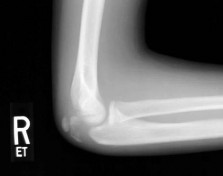
An 11-year-old boy reports the acute onset of elbow pain and swelling after pushing his brother. The patient's mother and a younger sibling have experienced numerous fractures. You note that the patient and his mother have blue sclera and normal-appearing teeth. A radiograph of the elbow is shown in Figure 60. This patient's disorder is most likely the result of ](http://www.orthobullets.com/pediatrics/4102/osteogenesis-imperfecta)Review Topic
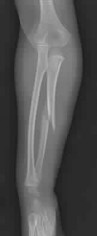
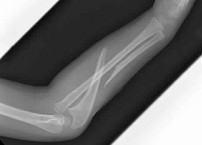
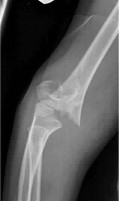
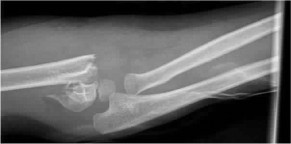
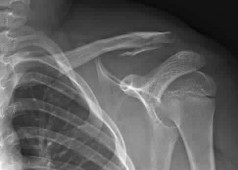
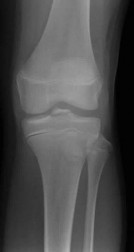
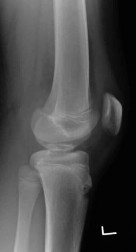

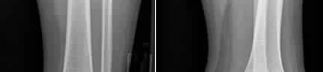
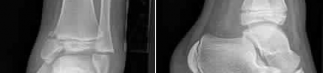
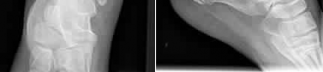
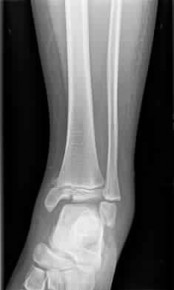
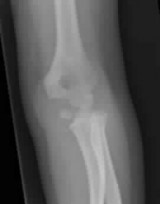
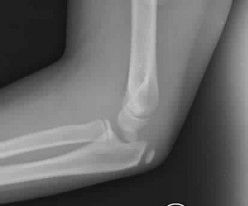
An 11-year-old boy reports the acute onset of elbow pain and swelling after pushing his brother. The patient's mother and a younger sibling have experienced numerous fractures. You note that the patient and his mother have blue sclera and normal-appearing teeth. A radiograph of the elbow is shown in Figure 60. This patient's disorder is most likely the result of ](http://www.orthobullets.com/pediatrics/4102/osteogenesis-imperfecta)Review Topic
You Might Also Like
Previous ChapterAdvanced Sports Orthopedics MCQs: Comprehensive Online Stud…
Next Chapter AAOS Spine Orthopedic MCQs (Set 1): Isthmic Spondylolisthes…

Medically Verified Content by
Prof. Dr. Mohammed Hutaif
Consultant Orthopedic & Spine Surgeon