Orthopedic Board Prep: Mastering Viva & MCQ Exams with Effective Strategies
Key Takeaway
Effective Orthopedic board exam preparation involves strategic review of high-yield topics, reinforcing existing knowledge, and mental preparation. Avoid attempting new, complex topics the day before a viva or MCQ exam, as this can increase anxiety and hinder recall. Prioritize adequate rest, nutrition, and practice articulation for optimal performance in your Orthopedic viva.
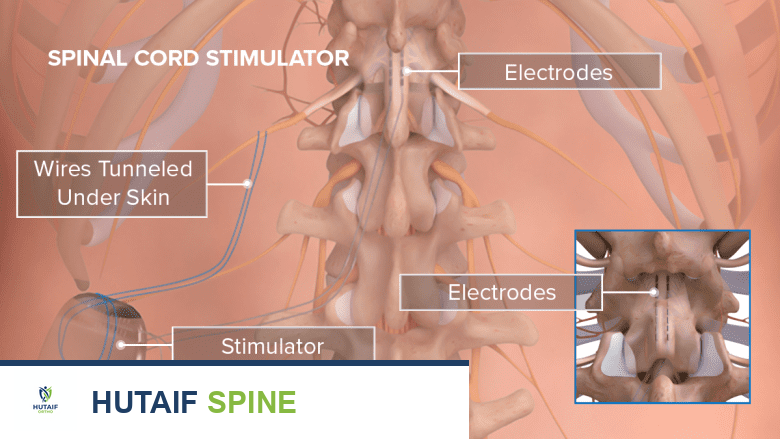
I have a 52-year-old patient who has failed conservative management for chronic intractable back pain. They have been referred to you for consideration of Spinal Cord Stimulation (SCS). Discuss the disadvantages and potential risks associated with this intervention.
Candidate: Spinal cord stimulation is a useful tool, but it carries several risks. There is the risk of infection, hardware failure like lead migration or battery issues. Some patients don't get good pain relief, and it can be expensive to maintain long-term.
Candidates often provide an unorganized list of complications (e.g., "infection, migration, cost"). This lacks clinical structure, ignores the distinction between intra-operative and long-term hardware issues, and fails to address the "disadvantage" aspect of the question, which includes patient selection and psychological burden.
A high-scoring answer structures the response into four key domains:
- Biological/Surgical Risks: Infection (most feared), dural tear, epidural hematoma, nerve root injury, and hardware-related complications (lead migration, fracture, or battery site pain).
- Clinical Effectiveness: High rate of "failed" trials, potential for habituation (diminishing efficacy over time), and the necessity of strict patient selection (psychological screening).
- System/Technical Factors: Complexity of programming, need for periodic lead revisions, and potential for electromagnetic interference (MRI compatibility issues).
- Socio-Economic/Burden: Significant financial cost to healthcare providers and the "burden of device" on the patient (daily maintenance, dependency on the stimulator, and body image concerns).
Examiner's Note: Always mention that SCS is a "salvage" procedure and that psychological screening is mandatory to avoid poor outcomes.
