Introduction & Epidemiology
Hallux valgus (HV) is a pervasive and often debilitating forefoot deformity characterized by lateral deviation of the great toe at the first metatarsophalangeal (MTP) joint, concomitant medial deviation of the first metatarsal (metatarsus primus varus), and often pronation of the hallux. Its global prevalence is reported to be between 23% and 35%, increasing with age and more common in females. While often considered cosmetic by the lay public, the primary indication for surgical intervention in HV remains pain refractory to conservative measures, along with functional impairment, difficulty with shoewear, and progressive deformity.
The etiology of HV is multifactorial, involving a complex interplay of genetic predisposition, intrinsic foot morphology (e.g., pes planus, hypermobility), and extrinsic factors such as ill-fitting footwear. Pathomechanically, it involves a progressive imbalance of forces acting on the first MTP joint, leading to soft tissue contracture laterally and attenuation medially. Soft tissue procedures, historically prominent and now primarily utilized as critical adjunctive components to osteotomies, address these specific imbalances. Their role ranges from addressing mild deformities where minimal bony correction is needed to comprehensive release in moderate-to-severe cases requiring extensive bony realignment. A thorough understanding of the indications, techniques, and potential pitfalls of soft tissue release is paramount for the orthopedic surgeon managing HV.
Surgical Anatomy & Biomechanics
A precise understanding of the intricate anatomy and biomechanics of the first MTP joint is fundamental to effective surgical correction of hallux valgus.
Articular & Osseous Anatomy
The first MTP joint consists of the first metatarsal head, the base of the proximal phalanx, and two sesamoid bones embedded within the plantar plate.
*
First Metatarsal:
The head is typically convex, articulating with the concave base of the proximal phalanx. Anatomical variations, such as a round or "dome-shaped" metatarsal head, are associated with increased instability.
*
Proximal Phalanx:
Its base contains a bicondylar articular surface that accommodates the metatarsal head. Hallux pronation involves rotation along its long axis.
*
Sesamoids:
The medial (tibial) and lateral (fibular) sesamoids are crucial structures, acting as fulcrums for the flexor hallucis brevis tendons and forming part of the plantar plate complex. In HV, the fibular sesamoid often subluxes laterally relative to the metatarsal head, and the tibial sesamoid may erode medially.
Soft Tissue Structures
The soft tissue envelope around the first MTP joint is critical in both maintaining stability and contributing to deformity progression.
*
Medial Structures:
*
Medial Joint Capsule:
A fibrous capsule covering the joint, continuous with the periosteum. In HV, it typically becomes attenuated and elongated medially, contributing to valgus deviation.
*
Abductor Hallucis Tendon:
Inserts into the medial aspect of the proximal phalanx base and the medial sesamoid. Its mechanical advantage is diminished in HV, becoming a deforming force.
*
Medial Collateral Ligament:
Part of the medial capsular complex, providing medial stability.
*
Lateral Structures:
These structures become progressively contracted and contribute significantly to the deforming force in HV.
*
Adductor Hallucis Tendon:
Composed of two heads:
*
Transverse Head:
Originates from the MTP joint capsules of the lateral four toes and inserts into the lateral aspect of the proximal phalanx and lateral sesamoid.
*
Oblique Head:
Originates from the bases of the 2nd, 3rd, and 4th metatarsals and inserts similarly.
The adductor hallucis is a primary contributor to hallux valgus deformity by pulling the great toe laterally.
*
Lateral Joint Capsule:
Becomes thick and contracted, resisting reduction of the valgus deformity.
*
Lateral Collateral Ligament:
A robust ligament reinforcing the lateral capsule, providing lateral stability. Its contracture further exacerbates valgus.
*
Lateral (Fibular) Sesamoid Ligament:
Connects the fibular sesamoid to the base of the proximal phalanx. Its contracture contributes to lateral sesamoid subluxation and metatarsal pronation.
Biomechanics of Hallux Valgus Progression
The progression of HV is a dynamic process involving a cascade of biomechanical changes:
1.
Medial Deviation of First Metatarsal:
Often due to metatarsus primus varus, increasing the intermetatarsal angle (IMA).
2.
Lateral Deviation of Hallux:
The adductor hallucis, due to the altered alignment, gains a mechanical advantage, pulling the hallux laterally.
3.
Lateral Sesamoid Subluxation:
The fibular sesamoid shifts laterally, further increasing the leverage of the adductor hallucis and effectively "bowstringing" the flexor hallucis brevis complex laterally. This is a critical indicator of the severity of the deformity and the need for lateral soft tissue release.
4.
Pronation of the Hallux:
The rotation of the hallux involves displacement of the plantar plate, with the fibular sesamoid shifting dorsally and laterally. This can lead to transfer metatarsalgia.
5.
Medial Capsule Attenuation & Lateral Capsule Contracture:
The medial joint capsule becomes stretched and incompetent, while the lateral capsule and ligaments become tight and contracted, resisting reduction.
6.
Articular Remodeling:
Chronic malalignment can lead to degenerative changes on the articular surfaces, particularly on the lateral aspect of the metatarsal head and medial aspect of the proximal phalanx.
Soft tissue release procedures specifically target the contracted lateral structures (adductor hallucis, lateral capsule, lateral sesamoid ligament) and address the attenuated medial capsule (medial capsular plication or imbrication) to restore balance and allow for anatomic alignment of the first MTP joint.
Indications & Contraindications
The decision to perform surgical correction for hallux valgus, particularly the extent of soft tissue release required, hinges on a meticulous evaluation of symptoms, deformity characteristics, and patient factors.
Operative Indications
The overarching indication for surgical intervention is pain and functional impairment unresponsive to conservative management. Specific criteria that suggest the necessity of soft tissue release, often in conjunction with osteotomies, include:
- Pain: Persistent pain at the medial eminence (bunion prominence), MTP joint pain, or pain associated with lateral toe compression despite appropriate shoe modifications, orthotics, and activity modification.
- Functional Limitations: Difficulty with ambulation, restricted activity levels, or inability to wear conventional footwear.
- Progressive Deformity: Documented increase in hallux valgus angle (HVA) or intermetatarsal angle (IMA) over time.
-
Radiographic Evidence:
- Hallux Valgus Angle (HVA): Generally >15-20 degrees.
- Intermetatarsal Angle (IMA): Generally >9-10 degrees for mild, >13-15 degrees for moderate, and >16-18 degrees for severe deformities.
- Lateral Sesamoid Subluxation: Grade I, II, or III lateral displacement, indicating contracture of the lateral soft tissues.
- Congruent vs. Incongruent Joint: Soft tissue release is critical for incongruent joints where the articular surfaces are malaligned despite passive correction of the HVA.
-
Specific Deformity Characteristics:
- Mild-to-Moderate Deformities: Where the HVA and IMA are elevated, but the metatarsal head is relatively congruent, soft tissue balancing (medial plication and lateral release) may be sufficient, sometimes combined with a distal metatarsal osteotomy (e.g., Chevron, Reverdin-Green).
- Severe Deformities: Soft tissue release is an obligatory component of correction, facilitating realignment after more significant bony work (e.g., Scarf, proximal crescentic/closing wedge osteotomy, fusion).
- Recurrent Deformities: Where previous surgery failed due to inadequate soft tissue balancing.
Contraindications
Contraindications can be absolute or relative and must be carefully considered to optimize outcomes and minimize complications.
- Asymptomatic Deformity: Hallux valgus that causes no pain or functional issues should not be surgically corrected.
- Unrealistic Patient Expectations: Patients must understand the recovery process, potential complications, and expected functional outcomes.
- Active Infection: Absolute contraindication to elective surgery.
- Severe Peripheral Vascular Disease: Compromised healing potential.
- Poor Skin Quality/Integrity: Especially over the planned incision site.
- Uncontrolled Systemic Conditions: Diabetes, rheumatoid arthritis, or other comorbidities that significantly increase surgical risk or impair healing.
- Severe Degenerative Arthritis of the First MTP Joint: In these cases, arthrodesis or arthroplasty may be more appropriate than isolated soft tissue release and osteotomy.
- Uncorrected Proximal Deformity: A severe metatarsus primus varus (very high IMA) requiring a proximal metatarsal osteotomy, where soft tissue release alone would be insufficient or lead to recurrence.
Operative vs. Non-Operative Indications
| Feature | Non-Operative Management | Operative Management |
|---|---|---|
| Symptoms | Asymptomatic or mild, intermittent pain | Persistent pain, functional impairment despite conservative care |
| Deformity Severity | Mild, flexible deformity | Moderate to severe, rigid or progressive deformity |
| Radiographic | HVA < 20°, IMA < 13°, congruent joint | HVA > 20°, IMA > 13°, lateral sesamoid subluxation |
| Footwear | Accommodated by wide toe box shoes, spacers | Inability to wear conventional shoes |
| Patient Desire | Reluctant to undergo surgery, or not suitable for surgery | Seeks definitive correction for pain and function |
| Underlying Factors | Mild pronation, flexible pes planus (manage with orthotics) | Significant intrinsic muscle imbalance, structural bone deformity |
| Associated Conditions | Mild osteoarthritis of 1st MTP joint (manage symptomatically) | Severe osteoarthritis (may require arthrodesis/arthroplasty) |
Pre-Operative Planning & Patient Positioning
Meticulous pre-operative planning and appropriate patient positioning are critical for a successful outcome in hallux valgus surgery involving soft tissue release.
Pre-Operative Planning
-
Clinical Evaluation:
- History: Detailed account of pain, duration, aggravating/alleviating factors, functional limitations, previous conservative treatments and their efficacy.
-
Physical Examination:
- Deformity Assessment: Visual inspection for HVA, metatarsus primus varus, hallux pronation, bunion prominence, tailor's bunion (if present).
- Range of Motion (ROM): Assess active and passive ROM of the first MTP joint. Distinguish between flexible and rigid deformity (passive correctability of HVA). Check for MTP joint crepitus, which may indicate arthrosis.
- Neurovascular Status: Assess dorsalis pedis and posterior tibial pulses, capillary refill, and sensation to rule out pre-existing deficits.
- Skin Integrity: Inspect for calluses, ulcerations, or infection.
- Laxity: Assess first ray hypermobility.
- Foot Alignment: Evaluate the entire foot for pes planus, pes cavus, or other compensatory deformities.
- Lesser Toes: Inspect for associated deformities (e.g., hammertoes, crossover toes).
-
Radiographic Assessment:
-
Weight-Bearing Anteroposterior (AP), Lateral, and Oblique Views:
Essential for assessing static bone and joint relationships.
- AP View: Crucial for measuring HVA (normal <15-20°), IMA (normal <9-10°), distal metatarsal articular angle (DMAA, normal <10°), proximal articular set angle (PASA), and the configuration of the first MTP joint. Critically, assess sesamoid position relative to the first metatarsal head (grade 0-3 lateral displacement). Lateral displacement of the fibular sesamoid beyond the crista is a strong indicator of lateral soft tissue contracture. Evaluate for congruency of the first MTP joint.
- Lateral View: Assess first metatarsal elevation/plantarflexion and Meary's angle.
- Oblique View: Provides a better view of the lesser metatarsals and any associated pathology.
- Axial Sesamoid View: (often called "tangential sesamoid view") specifically to evaluate sesamoid position and any plantar-lateral subluxation.
-
Weight-Bearing Anteroposterior (AP), Lateral, and Oblique Views:
Essential for assessing static bone and joint relationships.
-
Procedure Selection:
Based on the clinical and radiographic assessment, determine the appropriate surgical plan.
- Mild Deformity (HVA < 20°, IMA < 13°, flexible, mild sesamoid subluxation): May respond well to distal metatarsal osteotomy (e.g., Chevron) combined with medial capsular plication and limited lateral soft tissue release.
- Moderate Deformity (HVA 20-30°, IMA 13-16°, moderate sesamoid subluxation): Often requires more extensive lateral soft tissue release in conjunction with a distal metatarsal osteotomy (e.g., Scarf, long arm Chevron).
- Severe Deformity (HVA > 30°, IMA > 16-18°, significant sesamoid subluxation): Requires comprehensive lateral soft tissue release combined with a proximal metatarsal osteotomy (e.g., crescentic, closing wedge) or Lapidus arthrodesis, plus a distal Akin osteotomy.
- Revisional Surgery: Often necessitates a more aggressive soft tissue release due to scar tissue.
- Anesthesia Consultation: Determine optimal anesthesia (general, regional, or local with sedation).
- Tourniquet and Anxiolysis: Plan for tourniquet use and appropriate pre-operative anxiolysis.
Patient Positioning
- Supine Position: The patient is positioned supine on the operating table.
- Affected Leg Elevated: The operative leg is usually elevated on a pillow or foot rest to allow for better surgical access and to facilitate tourniquet application.
- Tourniquet Placement: A pneumatic tourniquet is applied to the proximal thigh or ankle. A thigh tourniquet provides a larger, less constricting cuff surface, while an ankle tourniquet can offer a bloodless field with less discomfort for shorter procedures. Ensure adequate padding beneath the tourniquet.
- Sterile Prep and Drape: The entire foot and ankle are prepped and draped in a sterile fashion, extending proximally above the tourniquet to allow for instrument maneuverability. The surgical field should encompass the entire forefoot and midfoot.
- Equipment: Ensure adequate lighting, magnification (loupes), and appropriate instrumentation including small bone hooks, fine dissecting scissors, nerve hooks, and osteotomy guides.
Detailed Surgical Approach / Technique
The goal of soft tissue release in hallux valgus correction is to rebalance the forces acting on the first MTP joint, allowing for proper realignment of the hallux. While rarely performed in isolation for significant deformities, it is an indispensable component of nearly all reconstructive procedures for hallux valgus.
Incision and Exposure
The choice of incision depends on the concomitant bony procedure and surgeon preference, but it must allow adequate access for both medial capsular management and lateral soft tissue release.
-
Medial Longitudinal Incision:
Most common approach.
- Technique: A longitudinal incision is made along the medial aspect of the first MTP joint, extending from the metatarsal head to the proximal phalanx. The length varies based on the planned osteotomy.
- Dissection: Dissect meticulously through the subcutaneous tissue. Identify and protect the dorsal medial cutaneous nerve of the hallux to prevent post-operative neuromas or numbness. This nerve typically runs dorsomedial.
- Capsular Exposure: Expose the medial capsule of the first MTP joint. The bony exostosis (bunion prominence) on the metatarsal head will be visible.
- Dorsal-Medial Incision: Can provide broader exposure for complex osteotomies.
- Dorsal Incision (for lateral release): Sometimes preferred by surgeons for isolated lateral release or to avoid extending the medial incision.
Medial Capsular Management (Capsulorrhaphy / Plication)
The attenuated medial capsule must be tightened to help maintain the corrected position of the hallux.
- Medial Exostectomy: The hypertrophic medial eminence of the first metatarsal head is resected flush with the metatarsal shaft. Care is taken to avoid resecting too much bone, which could destabilize the joint, or extending the resection plantarward, which could compromise the medial sesamoid. Use an oscillating saw or osteotome.
-
Medial Capsulotomy:
The specific shape of the capsulotomy dictates how the capsule will be imbricated.
- Linear Capsulotomy: A simple longitudinal incision along the medial capsule.
- L-shaped Capsulotomy: A longitudinal incision with a transverse arm extending proximally or distally.
- Inverted L-shaped Capsulotomy: Allows the dorsal flap to be mobilized for easier imbrication.
-
Rectangular or Oblique Capsulotomy:
Less common but allow for greater control of tension.
The goal is to create a capsular flap that can be advanced and tightened.
- Capsular Plication/Imbrication: After bony correction (if an osteotomy is performed), the hallux is manually reduced into slight overcorrection (slight varus). The medial capsule is then carefully imbricated or plicated using non-absorbable sutures (e.g., 2-0 or 3-0 braided non-absorbable) to overlap and tighten the redundant tissue. This creates a reefing effect, contributing to medial stability and preventing recurrence of the valgus deformity. The amount of plication depends on the degree of pre-existing laxity.
Lateral Soft Tissue Release (Crucial Step)
This is the cornerstone of soft tissue correction in hallux valgus, addressing the primary deforming forces.
-
Access to Lateral Structures:
- Via Dorsal-Lateral Approach (between 1st and 2nd metatarsals): A small longitudinal incision (e.g., 2-3 cm) is made dorsally in the first web space, just lateral to the extensor hallucis longus tendon. This allows direct access to the adductor hallucis and lateral capsule.
- Via Medial Incision (subcutaneous dissection): This is often performed by passing instruments subcutaneously from the medial incision, carefully dissecting laterally towards the first web space. This requires meticulous technique to avoid nerve injury.
- Via Joint Space: After medial capsulotomy and release of the medial eminence, the joint can be distracted to allow instrumentation to reach the lateral structures. This is common when using a single medial incision.
-
Identification and Release of Structures:
- Adductor Hallucis Tendon: Using a curved hemostat or small blunt dissector, identify the adductor hallucis tendon. It inserts onto the lateral aspect of the base of the proximal phalanx and the fibular sesamoid. The tendon is transected, typically close to its insertion point. Ensure complete release of both the oblique and transverse heads.
- Lateral Sesamoid-Phalangeal Ligament: This strong ligament connects the fibular sesamoid to the base of the proximal phalanx. It must be released to allow the fibular sesamoid to recenter beneath the metatarsal head.
- Lateral MTP Joint Capsule: The tight lateral joint capsule is released. This can involve a capsulotomy or capsulectomy.
- Fibular Sesamoid Release (if necessary): In severe cases, the fibular sesamoid may be tightly adherent and subluxed. Release of its attachments to the metatarsal head and plantar plate is performed cautiously to allow it to shift medially and recenter.
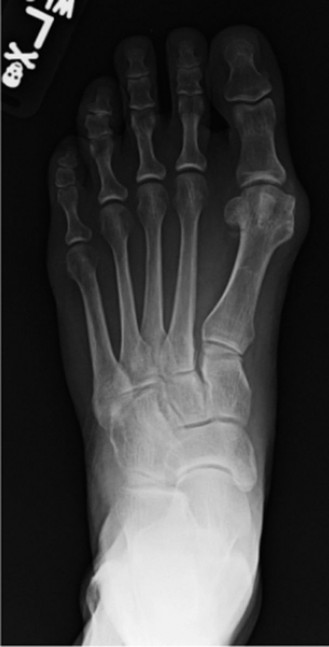
Consider this image depicting the lateral structures around the first MTP joint, illustrating the adductor hallucis tendon, lateral capsule, and fibular sesamoid ligament, emphasizing the targets for surgical release. -
Neurovascular Protection: Extreme caution is exercised during lateral release to avoid injury to the common digital nerve to the first web space (which branches into the dorsal proper digital nerve to the hallux and the medial proper digital nerve to the second toe) and the neurovascular bundles, particularly when working in the first intermetatarsal space. A small, blunt retractor is invaluable for this.
Adjunctive Bony Procedures (Contextual, Not Exhaustive)
Soft tissue release rarely stands alone. It typically precedes or accompanies a bony osteotomy to complete the correction.
*
Distal Metatarsal Osteotomy (e.g., Chevron, Reverdin-Green, Weil):
For mild-to-moderate IMA and HVA. The metatarsal head is shifted laterally, and then the lateral soft tissue release allows for further hallux correction.
*
Shaft Osteotomy (e.g., Scarf, Ludloff):
For moderate-to-severe IMA and HVA. Allows for greater correction and rotational control.
*
Proximal Metatarsal Osteotomy (e.g., crescentic, closing wedge):
For severe IMA. Corrects metatarsus primus varus at its origin.
*
Akin Osteotomy:
A medial closing wedge osteotomy of the proximal phalanx, used to correct residual hallux valgus interphalangeus or fine-tune hallux alignment after metatarsal osteotomy and soft tissue balancing.
Reduction and Fixation
- Reduction: After the lateral soft tissue release and any bony osteotomies, the hallux should be easily reducible into an anatomically aligned or slightly overcorrected position. The sesamoids should be centered beneath the first metatarsal head.
- Fixation: Any osteotomies are fixed with appropriate hardware (e.g., K-wires, screws, plates) to maintain the bony correction. The medial capsular plication provides soft tissue stability.
Intra-Operative Assessment
Before closure, actively and passively range the first MTP joint through its full arc of motion. The hallux should remain well-aligned, with no excessive tightness medially or laxity laterally. The sesamoids should track centrally. Any residual deformity or instability mandates further assessment and potential revision of soft tissue or bony correction.
Complications & Management
Despite meticulous surgical technique, complications can arise following hallux valgus correction with soft tissue release. A thorough understanding of their incidence, prevention, and management is crucial for optimal patient care.
| Complication | Incidence (Approx.) | Prevention Strategies | Salvage Strategies |
|---|---|---|---|
| Recurrence of Deformity | 5-15% | Accurate pre-op planning, complete lateral release, adequate medial plication, appropriate osteotomy, post-op splinting/shoe wear, address contributing factors (e.g., hypermobility, pes planus). | Mild: Orthotics, shoe modification. Moderate: Revision osteotomy, revisional soft tissue balancing, arthrodesis (if severe MTP arthritis). Severe: Arthrodesis. |
| Hallux Varus (Overcorrection) | 2-10% | Avoid aggressive medial capsular plication, ensure conservative lateral release for mild deformities, protect abductor hallucis, avoid over-angulation of osteotomies, judicious post-op splinting. | Flexible: Dynamic splinting, custom orthotics, abductor hallucis strengthening. Fixed: Lateral soft tissue release/capsulotomy, medial capsular plication/tenodesis (e.g., EHL transfer), revisional osteotomy, arthrodesis. |
| Avascular Necrosis (AVN) | 0.5-5% | Meticulous dissection to preserve vascular supply to metatarsal head (especially dorsal branch), avoid excessive periosteal stripping, limit aggressive subchondral drilling during osteotomy. | Early/Mild: Protected weight-bearing, immobilization. Late/Severe: Debridement, microfracture, cartilage restoration procedures, arthrodesis (if joint collapse and pain). |
| Nonunion/Malunion (Osteotomy) | 1-5% | Stable internal fixation, precise osteotomy cuts, appropriate bone graft (if indicated), optimize patient factors (nutrition, smoking cessation). | Nonunion: Revision with stable fixation, bone grafting, bone stimulator. Malunion: Revision osteotomy with corrective realignment. |
| Infection | <1-2% | Strict sterile technique, prophylactic antibiotics, careful wound management. | Superficial: Oral antibiotics, local wound care. Deep: IV antibiotics, surgical debridement, hardware removal (if applicable), irrigation. |
| Nerve Injury (Neuroma) | 2-5% | Meticulous identification and protection of dorsal medial cutaneous nerve and proper digital nerves, minimize retraction, careful dissection in first web space. | Mild: Conservative (NSAIDs, topical agents, injections). Persistent/Severe: Surgical neuroma excision, nerve grafting, nerve capping. |
| Stiffness/Loss of Motion | 5-10% | Early initiation of appropriate physical therapy, gentle range of motion exercises, avoid over-tightening of medial capsule, adequate lateral release to allow motion. | Aggressive physical therapy, manual mobilization, MTP joint manipulation under anesthesia, cheilectomy (if dorsal impingement), arthrolysis. |
| Hardware Irritation | 5-15% | Select low-profile hardware, ensure proper countersinking of screws, avoid placing hardware subcutaneously. | Symptomatic hardware removal (typically after bony union). |
| Metatarsalgia (Transfer) | 5-15% | Prevent over-shortening or excessive elevation of first metatarsal, maintain appropriate load-bearing with lesser metatarsals, correct equinus, consider plantar plate repair if needed. | Orthotics with metatarsal pads, shoe modifications, NSAIDs, physical therapy. Persistent: Lesser metatarsal osteotomy (e.g., Weil osteotomy) to unload the painful metatarsal. |
| Delayed Wound Healing | <5% | Careful soft tissue handling, proper closure, avoid excessive tension, optimize patient factors (diabetes control, smoking cessation). | Local wound care, débridement, negative pressure wound therapy, skin grafting (rarely). |
General Management Principles
- Early Recognition: Prompt identification of complications is paramount.
- Conservative First: Many complications (e.g., mild stiffness, early recurrence) can initially be managed non-operatively.
- Imaging: Appropriate imaging (X-rays, CT, MRI, ultrasound) can help diagnose the issue.
- Patient Communication: Open and honest communication with the patient regarding the complication, its implications, and the management plan is essential.
- Referral: Complex or persistent complications may warrant referral to a subspecialist experienced in revision foot and ankle surgery.
Post-Operative Rehabilitation Protocols
A structured and progressive post-operative rehabilitation protocol is critical for optimizing outcomes, restoring function, and preventing recurrence following hallux valgus surgery involving soft tissue release. Protocols vary based on the specific surgical procedure (e.g., osteotomy type, fixation stability), surgeon preference, and patient factors, but general principles apply.
Phase 1: Immediate Post-Operative (Weeks 0-2)
Goals: Protect surgical site, control pain and swelling, maintain reduction, prevent further deformity.
-
Weight Bearing:
- Protected Weight Bearing (PWB): Typically in a rigid post-operative shoe or cast. Weight-bearing through the heel or lateral column is often permitted immediately, avoiding direct pressure on the forefoot.
- Non-Weight Bearing (NWB): May be indicated for more complex procedures, unstable fixation, or in patients with poor bone quality.
-
Immobilization:
- Surgical Shoe/Boot: A rigid-soled, open-toe post-operative shoe is standard. Some surgeons prefer a controlled ankle motion (CAM) walker for better protection.
- Splinting/Taping: Often a soft compressive dressing is applied, followed by hallux varus taping (to maintain slight overcorrection) or a dynamic splint to maintain toe alignment and protect the soft tissue repair.
- Elevation & Ice: Continuous elevation of the foot above heart level and regular application of ice packs (over dressing) to minimize swelling and pain.
- Pain Management: Prescribed analgesics, NSAIDs (if no contraindications), and possibly nerve blocks.
- Dressing Changes: First dressing change typically at 1-2 weeks. Inspect wound, remove sutures/staples if appropriate. Reapply protective dressing and possibly hallux alignment tape.
-
Range of Motion (ROM):
- Passive ROM: Gentle passive range of motion of the first MTP joint (flexion/extension) may be initiated at 1-2 weeks, depending on surgical stability and osteotomy type. This is crucial for preventing stiffness, but must be guided carefully to avoid stressing the repair. Initial motion targets a pain-free arc.
- Active ROM: Typically delayed.
- Patient Education: Instruct patient on activity restrictions, signs of complications (infection, nerve issues), and proper use of assistive devices.
Phase 2: Early Mobilization (Weeks 2-6)
Goals: Gradual increase in weight bearing, restore initial MTP joint motion, maintain soft tissue balance.
-
Weight Bearing:
- Progress from PWB to Partial Weight Bearing (PWB) with increasing tolerance in the surgical shoe/boot.
- Transition to Full Weight Bearing (FWB) in the surgical shoe around week 4-6, assuming adequate bony healing and pain control.
-
ROM:
- Active-Assisted ROM: Begin gentle active-assisted and passive MTP joint flexion and extension exercises.
- Self-Mobilization: Instruct patient on techniques for gentle toe stretches.
- Strengthening (Isometric): Start with gentle isometric exercises for intrinsic foot muscles if comfortable.
- Massage: Scar massage once incisions are well-healed to minimize adhesions.
- Proprioception: Begin non-weight-bearing proprioceptive exercises (e.g., ankle alphabet).
Phase 3: Progressive Rehabilitation (Weeks 6-12)
Goals: Normalize gait, improve strength, restore full MTP joint ROM, transition to regular footwear.
-
Footwear:
- Gradual transition from surgical shoe to supportive, wide-toe-box athletic shoes . Avoid tight or high-heeled shoes for several months.
- Consider custom orthotics if biomechanical issues (e.g., pes planus, hypermobility) are present.
- Weight Bearing: FWB in appropriate footwear.
- ROM: Continue MTP joint ROM exercises, striving for full pain-free motion.
-
Strengthening:
- Progressive strengthening of intrinsic foot muscles (toe curls, toe spreads) and extrinsic muscles (calf raises, ankle eversion/inversion).
- Resistance band exercises for ankle and foot.
- Gait Training: Focus on normal heel-to-toe gait pattern, emphasizing push-off through the great toe.
- Balance & Proprioception: Single-leg stance, wobble board exercises.
- Activity Modification: Avoid high-impact activities initially.
Phase 4: Advanced Rehabilitation & Return to Activity (Weeks 12+)
Goals: Achieve full functional recovery, return to sports and high-impact activities, prevent recurrence.
- Continued Strengthening & Conditioning: Focus on sport-specific or activity-specific strengthening.
- Agility & Plyometrics: Gradually introduce agility drills, jumping, and running, as tolerated and depending on the activity level desired.
- Footwear: Gradual return to desired footwear, ensuring comfort and support.
- Long-Term Follow-up: Regular clinical and radiographic follow-up to monitor alignment and detect any early signs of recurrence. Continue with supportive shoe wear and orthotics as needed. Full recovery can take 6-12 months.
Key Considerations for Rehabilitation:
- Individualized Approach: Protocols must be tailored to the individual patient's progress, pain levels, and surgical findings.
- Pain as a Guide: Activities should generally be pain-free. Increased pain is a signal to slow down.
- Compliance: Patient compliance with exercises and activity restrictions is paramount for a successful outcome.
- Surgeon's Guidance: Rehabilitation should always be performed under the guidance of the operating surgeon and a qualified physical therapist.
Summary of Key Literature / Guidelines
The role of soft tissue release in hallux valgus surgery has evolved significantly over the past decades. While historically, standalone soft tissue procedures (e.g., McBride procedure) were common for mild deformities, current evidence strongly supports soft tissue release as an adjunctive procedure to bony osteotomies for the vast majority of symptomatic hallux valgus corrections.
Evidence for Soft Tissue Release
-
Necessity with Osteotomies:
Numerous studies and consensus statements highlight that comprehensive soft tissue balancing, encompassing both lateral release and medial capsular plication, is crucial for successful and stable correction of hallux valgus, especially in moderate-to-severe deformities. Isolated bony correction without addressing the soft tissue imbalance often leads to recurrence or incomplete correction.
- Myerson and Schon (1995): Emphasized that the contracted lateral structures (adductor hallucis, lateral capsule, fibular sesamoid ligament) are primary deforming forces that must be released to allow for anatomical repositioning of the hallux and sesamoids. Their work, and that of others, demonstrated that inadequate lateral release is a common cause of persistent hallux valgus or recurrence.
- Addressing Sesamoid Subluxation: The position of the sesamoids beneath the metatarsal head is a critical indicator of correction. Lateral soft tissue release is essential for recentering the fibular sesamoid, which is a key biomechanical goal. Studies using intraoperative fluoroscopy confirm that sesamoid recentering significantly correlates with successful long-term outcomes.
- Reducing Recurrence Rates: While soft tissue release alone is insufficient for most deformities, its meticulous application in conjunction with osteotomies has been shown to reduce recurrence rates compared to procedures that neglect soft tissue balancing. The medial capsular plication helps to stabilize the correction and prevent medial soft tissue attenuation from re-emerging.
- Influence on Joint Congruity: For incongruent joints, where the articular surfaces are malaligned despite passive correction of the HVA, a comprehensive soft tissue release is often necessary to restore joint congruity, which is predictive of better long-term function and less arthritis.
Guidelines and Consensus
- AAOS (American Academy of Orthopaedic Surgeons) Guidelines: While not specifically focused on soft tissue release, broad guidelines for hallux valgus surgery implicitly endorse its role as part of a comprehensive approach. The emphasis is on individualized treatment plans based on deformity severity, patient symptoms, and radiographic parameters.
- Meta-analyses and Systematic Reviews: Several meta-analyses comparing various hallux valgus surgical techniques consistently demonstrate that procedures combining osteotomy with soft tissue balancing generally yield superior and more stable corrections with lower complication rates than those that omit this critical component. For instance, reviews often show similar outcomes between different osteotomy types when adequate soft tissue release is performed .
- Cadaveric and Biomechanical Studies: These studies have provided a robust understanding of the forces involved in hallux valgus and validated the biomechanical rationale for releasing contracted lateral structures and plicating the attenuated medial capsule. They help quantify the amount of correction achievable with specific soft tissue releases.
Current Paradigms
- Tailored Approach: The modern approach to hallux valgus correction is highly individualized. The specific combination of soft tissue release techniques and osteotomies is chosen based on the HVA, IMA, DMAA, PASA, sesamoid position, and the flexibility of the deformity.
- Emphasis on Balanced Correction: The goal is not just to straighten the toe but to restore overall MTP joint alignment, congruity, and function. This necessitates balancing the soft tissue envelope in conjunction with bony realignment.
- Minimally Invasive Techniques: While traditional open approaches remain the gold standard, there's growing interest in minimally invasive hallux valgus surgery. These techniques still perform soft tissue release, but often through smaller percutaneous incisions, requiring specialized instrumentation and a steep learning curve. The principles of lateral release and medial plication remain fundamental, regardless of the access method.
- Lapiplasty® and other 3D corrections: Newer concepts, particularly focusing on triplanar correction of the first metatarsal at its base (e.g., Lapidus arthrodesis variants), inherently recognize the role of soft tissue balancing as they aim to restore the entire first ray alignment, thereby indirectly correcting forces on the MTP joint. Even with these procedures, distal soft tissue release and medial capsular plication are often performed to fine-tune the MTP joint alignment.
In conclusion, soft tissue release is not merely an optional step in hallux valgus surgery; it is an integral, often critical, component of a comprehensive surgical strategy. Its meticulous execution is essential for correcting the pathomechanics, achieving stable long-term results, and minimizing the risk of recurrence or overcorrection. Continuous adherence to sound anatomical principles and evolving evidence-based practices guides the modern orthopedic surgeon in optimizing patient outcomes.
