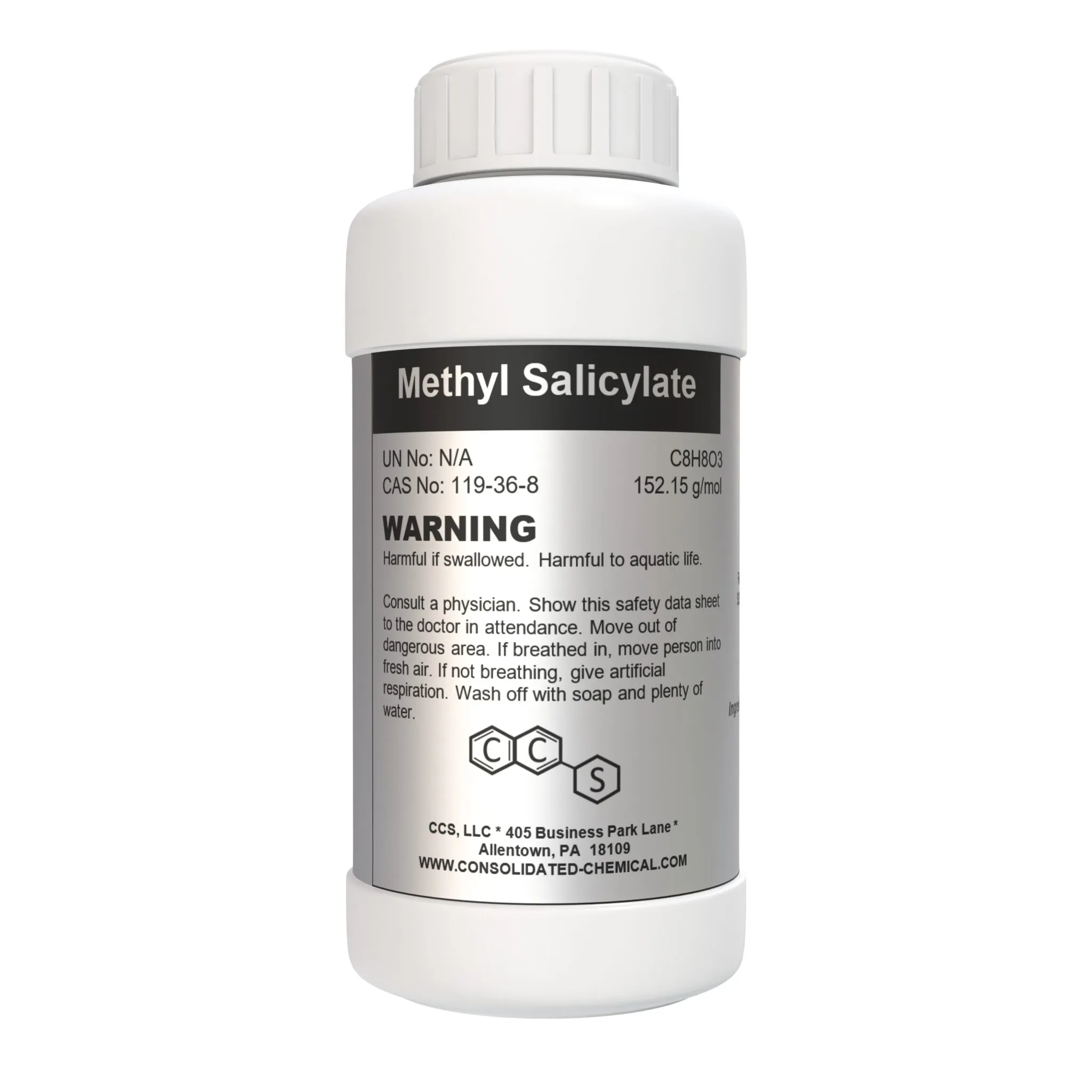
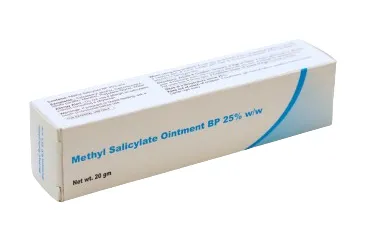
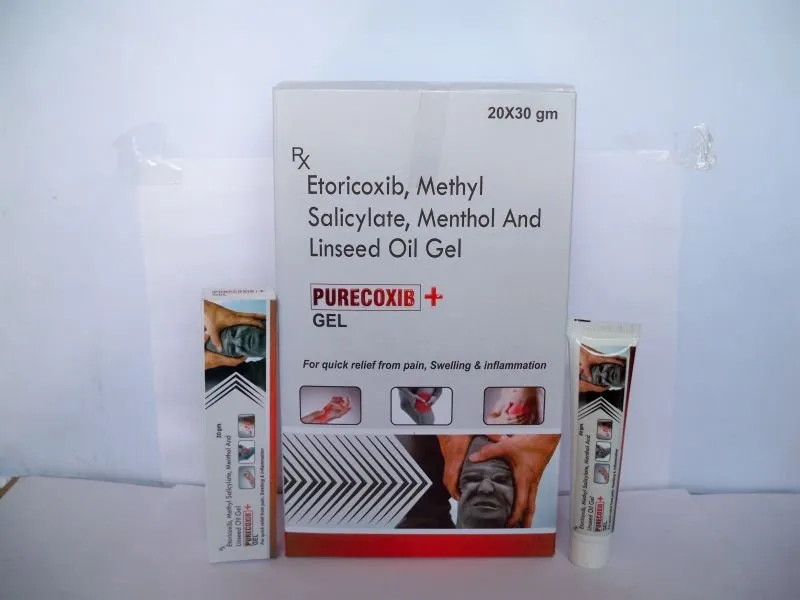

Methyl Salicylate Topical Cream: An Expert's Comprehensive Guide to Pain Relief
Welcome to this in-depth medical SEO guide on Methyl Salicylate Topical Cream, a widely used medication for localized pain relief. As an expert medical SEO copywriter and orthopedic specialist, my aim is to provide you with an exhaustive, authoritative resource that covers every facet of this topical analgesic. Whether you're seeking relief from muscle aches, joint stiffness, or minor arthritis pain, understanding the science behind Methyl Salicylate is crucial for safe and effective use.
Methyl Salicylate is a topical analgesic and counterirritant often found in creams, balms, and liniments. It belongs to a class of medications known as salicylates, closely related to aspirin. When applied to the skin, it delivers targeted relief, making it a popular choice for managing musculoskeletal discomfort without significant systemic exposure often associated with oral pain medications. This guide will delve into its mechanism, clinical applications, safety profile, and much more, empowering you with the knowledge to make informed decisions about your pain management strategy.
Deep-Dive into Technical Specifications and Mechanisms
Understanding how Methyl Salicylate works is fundamental to appreciating its therapeutic benefits. Its action is multifaceted, combining local effects with systemic absorption that contributes to its overall efficacy.
Mechanism of Action
Methyl Salicylate primarily acts through two key mechanisms:
-
Counterirritant Effect:
- When applied to the skin, Methyl Salicylate produces a sensation of warmth or coolness, followed by a distracting sensation that overrides the perception of pain. This is a classic counterirritant effect.
- It achieves this by stimulating nerve endings in the skin, causing local vasodilation (widening of blood vessels) and increased blood flow to the area. This enhanced circulation can help reduce muscle stiffness and promote a sense of relief.
- This "masking" effect helps divert attention from the underlying pain, providing symptomatic relief.
-
NSAID-like Properties (Local):
- Methyl Salicylate is a salicylate, and upon absorption into the skin, it is hydrolyzed (broken down) into salicylic acid.
- Salicylic acid is the active metabolite and shares biochemical properties with non-steroidal anti-inflammatory drugs (NSAIDs).
- It exerts its anti-inflammatory and analgesic effects by inhibiting the cyclooxygenase (COX) enzymes (COX-1 and COX-2) locally. This inhibition reduces the production of prostaglandins, which are inflammatory mediators responsible for pain, swelling, and fever.
- While the systemic anti-inflammatory effect from topical application is generally less pronounced than with oral NSAIDs, this local action contributes significantly to its efficacy in reducing pain and inflammation in superficial tissues.
Pharmacokinetics
The journey of Methyl Salicylate from the skin surface into the body and its eventual elimination is crucial for understanding its safety and efficacy.
- Absorption:
- Methyl Salicylate is readily absorbed through intact skin. The rate and extent of absorption can vary significantly based on several factors:
- Concentration: Higher concentrations lead to greater absorption.
- Application Area: Larger surface areas result in more absorption.
- Skin Integrity: Damaged or inflamed skin enhances absorption.
- Occlusion: Covering the treated area with a bandage or wrap significantly increases absorption and the risk of systemic effects.
- Heat: Application of heat (e.g., heating pads) can also increase absorption.
- Methyl Salicylate is readily absorbed through intact skin. The rate and extent of absorption can vary significantly based on several factors:
- Distribution:
- Once absorbed, Methyl Salicylate is rapidly hydrolyzed by esterases in the skin and plasma to its active metabolite, salicylic acid.
- Salicylic acid is then distributed to various tissues, with higher concentrations observed locally at the application site. Some systemic distribution occurs, especially with extensive application or occlusion.
- Metabolism:
- The primary metabolic pathway for Methyl Salicylate is its hydrolysis to salicylic acid.
- Salicylic acid itself undergoes further metabolism in the liver via conjugation with glycine (to form salicyluric acid) and glucuronic acid (to form salicyl phenolic glucuronide and salicyl acyl glucuronide).
- These metabolites are generally inactive.
- Excretion:
- Salicylic acid and its metabolites are primarily excreted by the kidneys via glomerular filtration and tubular secretion.
- The excretion rate is pH-dependent; alkalinization of urine increases the excretion of free salicylate.
- The half-life of salicylic acid is dose-dependent, ranging from 2-4.5 hours at low doses (e.g., therapeutic topical use) to much longer at higher, toxic doses due to saturation of metabolic pathways.
Extensive Clinical Indications & Usage
Methyl Salicylate Topical Cream is a versatile analgesic, providing relief for a wide array of musculoskeletal conditions. Its targeted action makes it ideal for localized pain.
Detailed Indications
| Indication | Description |
|---|---|
| Muscle Aches and Soreness | Post-exercise soreness, muscle fatigue, tension, and mild spasms. |
| Joint Pain (Arthralgia) | Localized pain associated with osteoarthritis, minor rheumatoid arthritis flare-ups, or general joint stiffness. |
| Back Pain | Acute or chronic lower back pain, muscle strains, and stiffness. |
| Sprains and Strains | Minor injuries to ligaments (sprains) and muscles/tendons (strains) resulting from overuse or trauma. |
| Bruises | Helps relieve pain associated with superficial bruises where the skin is not broken. |
| Tendinitis and Bursitis | Localized pain and inflammation in tendons and bursae (fluid-filled sacs near joints). |
| Neuropathic Pain (Adjunctive) | May offer some symptomatic relief as an adjunct therapy for superficial neuropathic pain. |
| Fibromyalgia (Localized Symptoms) | Can help manage localized tender points and muscle pain associated with fibromyalgia. |
Dosage Guidelines
Correct application is crucial for maximizing efficacy and minimizing potential side effects.
- General Application:
- Apply a thin, even layer of the cream to the affected area.
- Gently massage until the cream is fully absorbed into the skin.
- Wash hands thoroughly with soap and water immediately after application (unless the hands are the area being treated).
- Frequency:
- Typically, apply 3 to 4 times daily, or as directed by a healthcare professional.
- Do not exceed the recommended frequency or amount.
- Duration of Use:
- For self-treatment, use for no more than 7 days without consulting a doctor. If pain persists or worsens, seek medical advice.
- Important Precautions:
- Avoid Contact: Do not apply to eyes, mouth, nostrils, or other mucous membranes. If accidental contact occurs, rinse thoroughly with water.
- Broken or Irritated Skin: Never apply to broken skin, open wounds, cuts, scrapes, or areas of irritation (e.g., sunburn, eczema).
- Occlusive Dressings: Do not bandage the treated area tightly or apply heat (e.g., heating pads, hot water bottles) immediately after application, as this can significantly increase systemic absorption and risk of side effects.
- Children: Not recommended for use in children under 12 years of age without medical supervision due to the potential risk of salicylate toxicity, especially in children with viral infections (Reye's Syndrome concern, though topical risk is lower).
- Geriatric Use: Use with caution in elderly patients, who may have thinner skin or be on concomitant medications that could interact.
Risks, Side Effects, and Contraindications
While generally safe for topical use, Methyl Salicylate Topical Cream is not without its risks. Awareness of these is key to safe usage.
Contraindications
Do NOT use Methyl Salicylate Topical Cream if any of the following apply:
- Hypersensitivity: Known allergy or hypersensitivity to salicylates (e.g., aspirin), other NSAIDs, or any component of the cream.
- Broken or Damaged Skin: Application to open wounds, cuts, severe burns, or compromised skin integrity significantly increases systemic absorption and the risk of adverse effects.
- Children Under 12: Generally contraindicated or requires strict medical supervision due to the theoretical risk of Reye's Syndrome (though the risk from topical application is low, caution is paramount).
- Asthma, Nasal Polyps, or Aspirin-Induced Bronchospasm: Individuals with this triad are at higher risk for severe allergic reactions (bronchospasm) to salicylates.
- Concomitant Anticoagulant Therapy: Use with extreme caution or avoid if taking oral anticoagulants (e.g., Warfarin) due to increased bleeding risk.
Side Effects
Most side effects are localized and mild, but systemic effects can occur, especially with improper use.
- Local Side Effects (Common):
- Skin irritation, redness, rash, itching
- Burning or stinging sensation at the application site (mild warmth is expected, but intense burning is not)
- Dryness or peeling of the skin
- Systemic Side Effects (Rare, but Serious with Extensive Use/Overdose):
- Salicylism: Tinnitus (ringing in the ears), dizziness, headache, nausea, vomiting, confusion, hyperventilation.
- Allergic Reactions: Hives, swelling (especially of the face, tongue, throat), severe rash, difficulty breathing (anaphylaxis – extremely rare but medical emergency).
- Gastrointestinal: Although rare with topical use, potential for GI upset if significant systemic absorption occurs.
- Bleeding: Increased bruising or bleeding, particularly in susceptible individuals or with concomitant anticoagulant use.
Drug Interactions
Topical Methyl Salicylate can have drug interactions, primarily due to the systemic absorption of salicylic acid.
| Drug Class | Specific Interaction