Introduction & Overview: Targeted Relief for Musculoskeletal Pain
In the realm of orthopedic care and general pain management, topical analgesics play a crucial role in providing localized relief for a variety of musculoskeletal discomforts. Among these, the "Menthol and Methyl Salicylate Topical Spray" stands out as a widely recognized and effective formulation. This powerful combination harnesses the unique properties of two active ingredients to deliver a dual-action approach to pain: a rapid cooling sensation followed by deeper, anti-inflammatory relief.
Designed for external application, this spray offers a convenient and non-invasive alternative or adjunct to oral pain medications. It is a staple in the treatment of common ailments such as muscle aches, joint stiffness, backache, strains, sprains, and bruises, making it invaluable for athletes, individuals with physically demanding jobs, and anyone experiencing everyday musculoskeletal discomfort. As expert medical SEO copywriters and orthopedic specialists, we aim to provide an exhaustive guide to understanding this topical spray, delving into its scientific underpinnings, clinical applications, safety profile, and more.
Understanding the Science: Mechanism of Action and Pharmacokinetics
To truly appreciate the efficacy of Menthol and Methyl Salicylate Topical Spray, it’s essential to understand how its active ingredients interact with the body at a physiological level.
Mechanism of Action: How it Works
The therapeutic benefit of this topical spray stems from the synergistic action of menthol and methyl salicylate.
-
Menthol:
- Counter-irritant Effect: Menthol is a classic counter-irritant. When applied to the skin, it causes a sensation of coolness, which distracts the brain from the underlying pain. This "gating" effect helps to alleviate discomfort by overriding pain signals with a non-painful stimulus.
- TRPM8 Receptor Activation: Menthol specifically activates the transient receptor potential melastatin-8 (TRPM8) cold receptor. This activation leads to the characteristic cooling sensation and can also modulate pain pathways.
- Local Anesthetic Properties: At higher concentrations, menthol can exhibit mild local anesthetic effects by modulating sodium channels, further contributing to pain reduction.
- Vasodilation: Menthol can cause a mild, transient vasodilation (widening of blood vessels) in the superficial capillaries, which may increase local blood flow and contribute to a feeling of warmth after the initial cooling.
-
Methyl Salicylate:
- NSAID Precursor (Prodrug): Methyl salicylate is an ester of salicylic acid, which is the active metabolite of aspirin. When absorbed through the skin, it is hydrolyzed (broken down) into salicylic acid.
- Inhibition of Prostaglandin Synthesis: Salicylic acid acts as a non-steroidal anti-inflammatory drug (NSAID) by inhibiting cyclooxygenase (COX) enzymes (primarily COX-1 and COX-2). This inhibition reduces the production of prostaglandins, which are lipid compounds responsible for mediating pain, inflammation, and fever. By reducing prostaglandin levels locally, methyl salicylate effectively diminishes both pain and inflammation at the site of application.
- Counter-irritant Effect: Similar to menthol, methyl salicylate also possesses counter-irritant properties, contributing to the initial sensation and distraction from pain.
The combined effect is a rapid onset of cooling and pain distraction from menthol, followed by sustained anti-inflammatory and analgesic action from methyl salicylate, targeting both the sensation of pain and its underlying inflammatory cause.
Pharmacokinetics: Absorption, Distribution, Metabolism, Excretion
Understanding the pharmacokinetics of menthol and methyl salicylate provides insight into how these compounds are handled by the body after topical application.
- Absorption:
- Both menthol and methyl salicylate are readily absorbed through the skin (transdermal absorption).
- The rate and extent of absorption can be influenced by several factors:
- Skin Integrity: Application to intact skin is crucial; broken or damaged skin can significantly increase absorption and the risk of systemic effects.
- Application Area: Larger surface areas lead to greater absorption.
- Occlusion: Covering the treated area with bandages or heat packs can enhance absorption.
- Heat: Warm skin or external heat application can increase permeability.
- Concentration: Higher concentrations in the spray lead to greater absorption.
- Distribution:
- Once absorbed, both compounds exert their primary therapeutic effects locally within the skin and underlying tissues (muscles, joints).
- Methyl salicylate, after hydrolysis to salicylic acid, can achieve systemic levels, though these are typically much lower than those achieved with oral NSAIDs, provided the product is used as directed.
- Metabolism:
- Menthol: Primarily metabolized in the liver via glucuronidation and sulfation, forming inactive metabolites.
- Methyl Salicylate: Rapidly hydrolyzed in the skin and liver to salicylic acid. Salicylic acid itself undergoes further metabolism in the liver to various glucuronide conjugates and salicyluric acid.
- Excretion:
- Salicylic acid and its metabolites are primarily excreted by the kidneys in the urine.
- Menthol and its metabolites are also excreted renally.
- The half-life of salicylic acid can vary depending on the dose and individual metabolic capacity, but with topical application, systemic exposure is generally transient and low.
Extensive Clinical Indications & Usage Guidelines
The Menthol and Methyl Salicylate Topical Spray is indicated for a broad spectrum of musculoskeletal conditions, offering relief for both acute and chronic discomfort.
Primary Indications
This topical analgesic is highly effective for:
- Muscle Aches and Pains (Myalgia): Including general muscle soreness, stiffness, and fatigue, often post-exercise or due to overuse.
- Joint Pain (Arthralgia): Especially for mild to moderate pain associated with conditions like osteoarthritis, rheumatoid arthritis (localized flare-ups), and general joint stiffness.
- Backache: For relief of lower back pain, muscle spasms, and stiffness in the thoracic and lumbar regions.
- Strains and Sprains: Effective for minor ligamentous sprains (e.g., ankle sprain, wrist sprain) and muscular strains (e.g., hamstring strain, quadriceps strain), helping to reduce pain and inflammation.
- Bruises: Can help alleviate pain and discomfort associated with superficial bruising.
- Sports Injuries: Commonly used by athletes for post-activity soreness, minor trauma, and to aid in recovery from mild sports-related injuries.
- Tendonitis and Bursitis: May provide symptomatic relief for localized pain and inflammation in conditions like tennis elbow, golfer's elbow, or shoulder bursitis.
Detailed Dosage and Administration
Proper application is crucial for maximizing efficacy and minimizing risks.
- Application:
- Hold the spray nozzle approximately 6-10 inches (15-25 cm) from the affected area.
- Spray liberally and evenly over the painful or stiff muscles/joints. Ensure the entire affected area is covered.
- Do not rub in the product after spraying, as it is designed to be absorbed on its own.
- Frequency:
- Typically, apply to the affected area 3 to 4 times daily.
- Do not exceed the recommended frequency or duration of use without consulting a healthcare professional.
- Precautions During Application:
- Avoid Contact: Do NOT apply to eyes, mouth, nose, genitals, or any mucous membranes. In case of accidental contact, rinse thoroughly with water.
- Skin Integrity: Do NOT apply to broken, cut, abraded, infected, or irritated skin. Only apply to intact skin.
- Washing Hands: Always wash hands thoroughly with soap and water after applying the spray, unless the hands are the area being treated.
- Ventilation: Use in a well-ventilated area to avoid inhaling the spray mist.
- Occlusion/Heat: Avoid wrapping the treated area tightly with bandages or applying external heat (e.g., heating pads, hot water bottles) immediately after application, as this can significantly increase systemic absorption and potential for side effects.
- Duration of Use:
- For self-treatment, use for a maximum of 7 days for adults. If pain persists or worsens after 7 days, or if new symptoms appear, discontinue use and consult a doctor.
- Prolonged or chronic use should only be under the guidance of a healthcare professional.
- Specific Patient Populations:
- Children: Use in children should be approached with extreme caution. Products containing methyl salicylate are generally contraindicated in children under 12 years of age due to the risk of Reye's Syndrome (associated with systemic salicylate exposure) and increased sensitivity to menthol. Always consult a pediatrician before using any salicylate-containing product in children.
- Elderly: No specific dosage adjustments are typically needed, but elderly patients may have thinner, more fragile skin, increasing the risk of irritation or enhanced absorption. Monitor for skin sensitivity.
- Patients with Asthma/Allergies: Use with caution due to potential for salicylate-induced bronchospasm.
Risks, Side Effects, and Contraindications
While generally safe for topical use, it's crucial to be aware of the potential risks, side effects, and situations where Menthol and Methyl Salicylate Topical Spray should not be used.
Contraindications: When NOT to Use
The spray should be avoided in individuals with:
- Hypersensitivity: Known allergy or hypersensitivity to menthol, methyl salicylate, other salicylates (e.g., aspirin), or any other component of the formulation. Patients with "aspirin allergy" should particularly avoid this product due to the methyl salicylate content.
- Broken or Damaged Skin: Application to open wounds, cuts, abraded skin, or severely irritated skin can lead to increased systemic absorption and potential toxicity.
- Children Under 12 Years: Due to the risk of Reye's Syndrome (a rare but serious condition affecting the brain and liver) associated with salicylates, especially in children recovering from viral infections (e.g., flu, chickenpox). Specific age limits may vary by product and region, but generally, use in young children is not recommended.
- Asthma, Nasal Polyps, or Aspirin-Exacerbated Respiratory Disease (AERD): Individuals with these conditions are at higher risk for NSAID-induced bronchospasm or allergic reactions.
- Severe Renal or Hepatic Impairment: While systemic absorption is usually low, caution is advised as accumulation of metabolites could occur in severe organ dysfunction.
- Concomitant Use with Oral Anticoagulants: Due to the potential for systemic salicylate absorption, which can inhibit platelet aggregation and increase the risk of bleeding.
Potential Side Effects
Most side effects are localized and mild, but systemic reactions can occur with excessive use or in sensitive individuals.
- Common (Local Reactions):
- Skin irritation, redness (erythema).
- Burning or stinging sensation at the application site.
- Itching (pruritus).
- Rash, hives (urticaria).
- Blistering (rare, but indicates severe irritation).
- Rare (Systemic Reactions - typically due to excessive absorption or hypersensitivity):
- Salicylate Toxicity (Salicylism): Symptoms may include tinnitus (ringing in the ears), nausea, vomiting, dizziness, headache, hyperventilation, and confusion. This is more likely with overuse, application to large skin areas, or damaged skin.
- Allergic Reactions: Severe allergic reactions (anaphylaxis) are rare but possible, presenting as widespread hives, swelling of the face/throat (angioedema), severe dizziness, or difficulty breathing.
- Asthma Exacerbation: Wheezing or difficulty breathing in susceptible individuals.
- Gastrointestinal Upset: Nausea or stomach discomfort (rare, due to systemic salicylate).
If any severe or persistent side effects occur, discontinue use immediately and seek medical attention.
Drug Interactions
While systemic absorption is generally low, potential drug interactions exist, especially with medications that affect blood clotting or are highly protein-bound.
- Anticoagulants (e.g., Warfarin, Heparin, direct oral anticoagulants like Apixaban, Rivaroxaban): Methyl salicylate, upon absorption and conversion to salicylic acid, can inhibit platelet aggregation and may enhance the anticoagulant effect, increasing the risk of bleeding. Concurrent use should be avoided or closely monitored by a healthcare professional.
- Other NSAIDs (Oral or Topical): Concurrent use with other NSAIDs (e.g., ibuprofen, naproxen, diclofenac) may increase the risk of systemic side effects, particularly gastrointestinal or renal issues, although the risk is lower with topical application.
- Sulfonylureas (e.g., Glipizide, Glyburide): Salicylates can potentially enhance the hypoglycemic effect of sulfonylurea antidiabetic agents.
- Methotrexate: Salicylates can reduce the renal clearance of methotrexate, potentially leading to increased methotrexate toxicity.
- Uricosuric Agents (e.g., Probenecid): Salicylates can antagonize the uricosuric effect of these medications.
Always inform your doctor or pharmacist about all medications, supplements, and herbal remedies you are currently taking before using this spray.
Pregnancy and Lactation Warnings
- Pregnancy:
- Category C: Most topical salicylate products are classified as Pregnancy Category C, meaning animal studies have shown an adverse effect on the fetus and there are no adequate and well-controlled studies in humans, or no animal studies have been conducted.
- Third Trimester (Category D): Systemic salicylates (including those absorbed topically in significant amounts) are generally contraindicated in the third trimester of pregnancy (after 20 weeks gestation) due to the risk of premature closure of the fetal ductus arteriosus, fetal renal dysfunction, and potential prolongation of labor or increased maternal/fetal bleeding.
- Recommendation: It is generally not recommended for use during pregnancy, especially in the third trimester. Consult a healthcare provider before use.
- Lactation (Breastfeeding):
- Salicylates are known to be excreted into breast milk. Although the amount transferred with topical application is likely small, there is a theoretical risk of adverse effects in a nursing infant.
- Recommendation: Use with caution, or preferably avoid during breastfeeding. Consult a healthcare provider to weigh the potential benefits against the risks.
Overdose Management
Accidental ingestion or excessive topical application, especially on compromised skin, can lead to systemic salicylate toxicity.
- Symptoms of Overdose (Salicylate Toxicity/Salicylism):
- Mild: Tinnitus (ringing in the ears), hearing loss, dizziness, headache, nausea, vomiting, hyperventilation (rapid breathing).
- Moderate to Severe: Confusion, agitation, lethargy, seizures, metabolic acidosis, severe hyperthermia (fever), respiratory depression, coma.
- Local Overdose: Severe skin irritation, redness, blistering.
- Treatment:
- Discontinue Use: Immediately stop using the product.
- Seek Medical Attention: Contact a poison control center or emergency services immediately.
- Supportive Care: Maintain airway, breathing, and circulation.
- Gastric Decontamination: If recent oral ingestion, activated charcoal may be administered.
- Alkalinization of Urine: Intravenous sodium bicarbonate may be used to increase urinary pH, enhancing salicylate excretion.
- Fluid and Electrolyte Management: Correct dehydration and electrolyte imbalances.
- Hemodialysis: In severe cases of salicylate toxicity, hemodialysis may be necessary to rapidly remove salicylates from the blood.
- Local Reactions: For severe skin reactions, cleanse the area and apply soothing topical agents as directed by a healthcare professional.
Frequently Asked Questions (FAQ)
1. What is Menthol and Methyl Salicylate Topical Spray primarily used for?
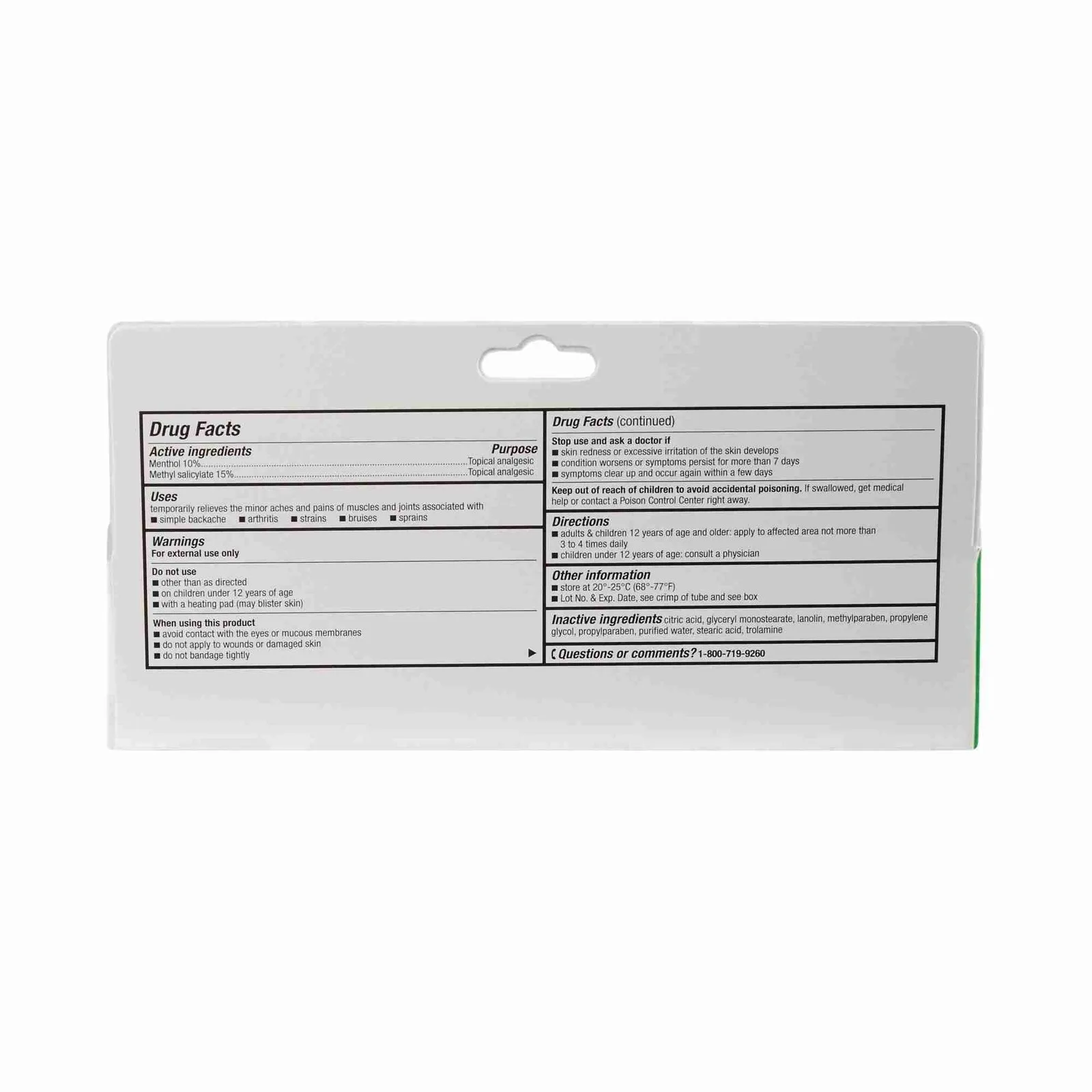
It's primarily used for temporary relief of minor aches and pains of muscles and joints associated with simple backache, arthritis, strains, bruises, and sprains.
2. How often can I use this spray?
Typically, you can apply it to the affected area 3 to 4 times daily. Do not exceed the recommended frequency or duration of use without consulting a healthcare professional.
3. Can I use this on broken or irritated skin?
No, you should never apply this spray to broken, cut, abraded, infected, or severely irritated skin. Only apply it to intact skin to prevent increased absorption and potential side effects.
4. Is it safe for children?
Generally, products containing methyl salicylate are not recommended for children under 12 years of age due to the risk of Reye's Syndrome. Always consult a pediatrician before using any salicylate-containing product in children.
5. What should I do if I experience skin irritation after using the spray?
If you experience severe burning, stinging, redness, or a rash, discontinue use immediately. Wash the area thoroughly with soap and water. If irritation persists or worsens, consult a doctor.
6. Can I use this if I'm pregnant or breastfeeding?
It is generally not recommended for use during pregnancy, especially in the third trimester, and should be used with caution or avoided during breastfeeding. Always consult your healthcare provider before using this product if you are pregnant or breastfeeding.
7. Does it interact with other medications?
Yes, it can interact with certain medications. Most notably, it may increase the risk of bleeding if used concurrently with oral anticoagulants (blood thinners) like Warfarin. Always inform your doctor or pharmacist about all medications you are taking.
8. How long does it take for the spray to start working?
You should feel the cooling sensation from menthol almost immediately, providing rapid distraction from pain. The analgesic and anti-inflammatory effects of methyl salicylate may take a bit longer to become noticeable, typically within 15-30 minutes.
9. What's the difference between this topical spray and oral pain relievers?
Topical sprays like this deliver active ingredients directly to the site of pain, leading to localized relief with generally lower systemic absorption and fewer systemic side effects compared to oral pain relievers, which affect the entire body.
10. How should I store the spray?
Store the spray at room temperature, away from direct heat and open flames. Keep the container tightly closed and out of reach of children and pets.
11. Can I apply heat (e.g., a heating pad) after using the spray?
No, it is strongly advised not to apply external heat (such as heating pads, hot water bottles, or tight bandages) immediately after applying the spray. Heat can significantly increase the absorption of methyl salicylate, raising the risk of systemic side effects.
12. What are the signs of an allergic reaction to this product?
Signs of an allergic reaction may include widespread rash, hives, itching, swelling of the face, lips, tongue, or throat, severe dizziness, or difficulty breathing. If you experience any of these symptoms, seek immediate medical attention.
13. Is this product addictive?
No, Menthol and Methyl Salicylate Topical Spray is not considered addictive. It does not contain opioids or other habit-forming substances.
14. Can athletes use this product for sports injuries?
Yes, it is commonly used by athletes for temporary relief of muscle soreness, strains, sprains, and general aches following physical activity or minor sports injuries. However, it should only be applied to intact skin and not before or during competition if it's considered a banned substance by relevant sports authorities (though generally not the case for topical analgesics).
15. What if I accidentally spray it in my eyes?
If the spray accidentally gets into your eyes, rinse them thoroughly with plenty of clean water for at least 15 minutes. If irritation persists, seek medical advice.