🇬🇧 Overview & Clinical Usage
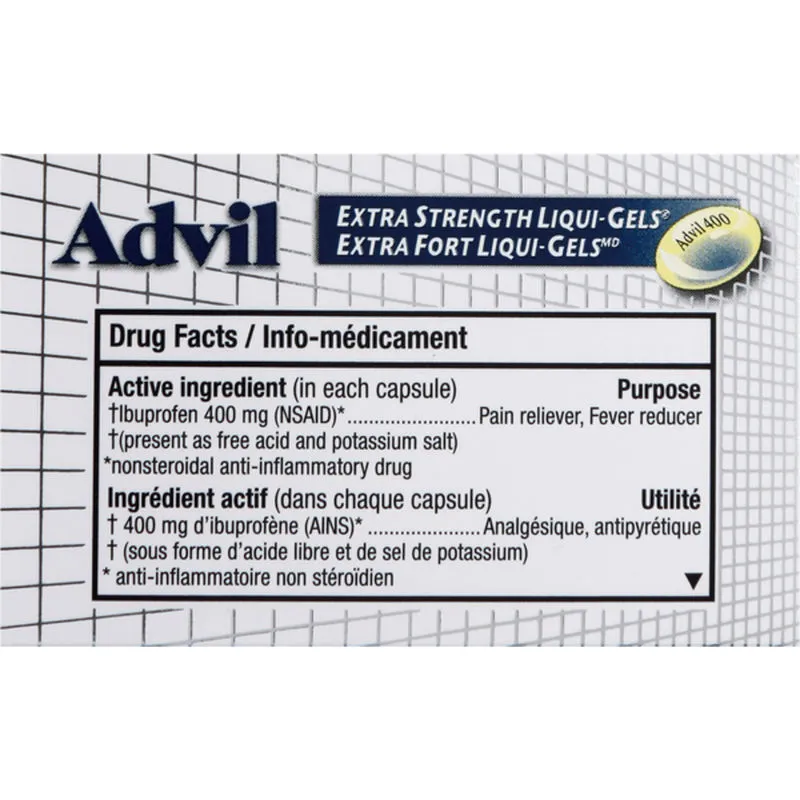
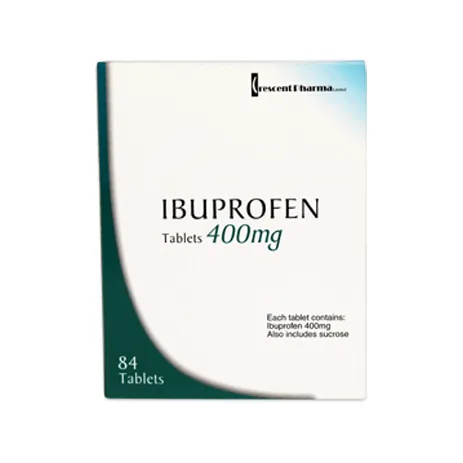
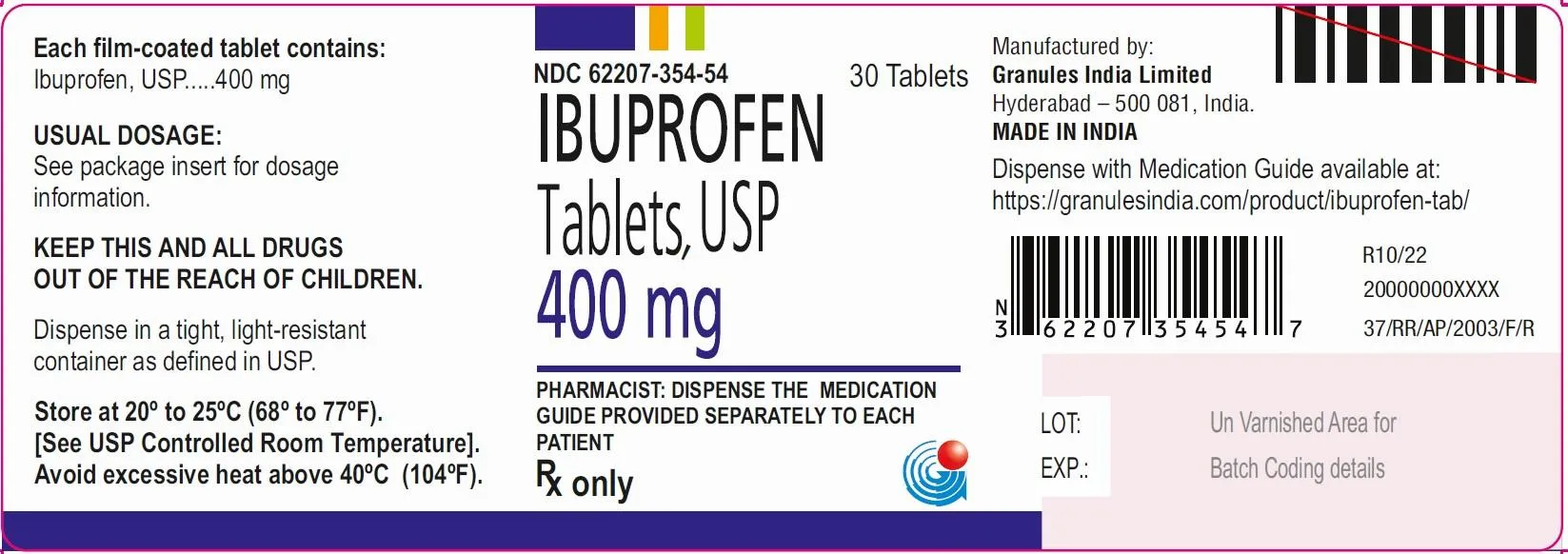
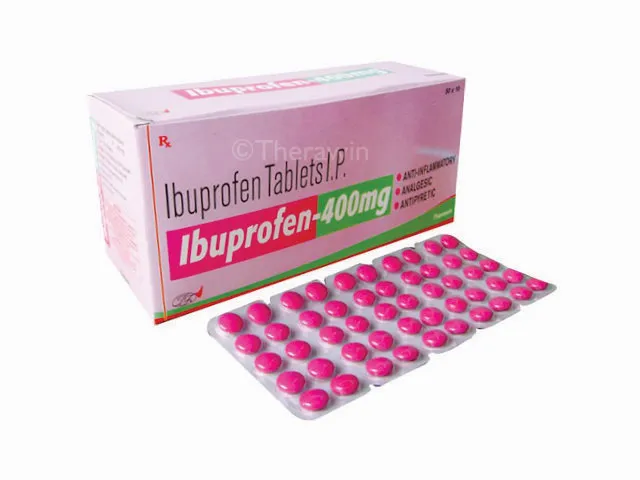
Ibuprofen is a widely utilized non-steroidal anti-inflammatory drug (NSAID) that functions primarily by inhibiting the cyclooxygenase (COX-1 and COX-2) enzymes. By blocking these enzymes, it reduces the synthesis of prostaglandins, which are lipid compounds that mediate pain, fever, and inflammatory responses in the body. It is clinically indicated for the management of mild to moderate pain, such as headaches, dental pain, menstrual cramps, and musculoskeletal injuries, as well as for the reduction of fever and the management of inflammatory conditions like rheumatoid arthritis and osteoarthritis.
While highly effective, ibuprofen use requires clinical monitoring, particularly regarding gastrointestinal and cardiovascular safety. Common side effects include dyspepsia, nausea, and abdominal pain; however, chronic use or use in susceptible populations can lead to more serious complications, including gastrointestinal ulceration, renal toxicity, and an increased risk of thrombotic events. It is generally recommended to administer the medication with food to minimize gastric irritation and to avoid use in patients with active gastrointestinal bleeding or severe renal insufficiency.
🇸🇦 نظرة عامة والاستخدام السريري
يعد الإيبوبروفين أحد الأدوية المضادة للالتهابات غير الستيرويدية (NSAIDs) واسعة الانتشار، ويعمل بشكل أساسي عن طريق تثبيط إنزيمات الأكسدة الحلقية (COX-1 و COX-2). ومن خلال تثبيط هذه الإنزيمات، يقلل الدواء من تصنيع البروستاجلاندين، وهي مركبات دهنية تتوسط الألم والحمى والاستجابات الالتهابية في الجسم. يُستخدم الإيبوبروفين سريريًا لعلاج الآلام الخفيفة إلى المتوسطة، مثل الصداع، وآلام الأسنان، وتشنجات الدورة الشهرية، والإصابات العضلية الهيكلية، بالإضافة إلى خفض الحمى وإدارة الحالات الالتهابية مثل التهاب المفاصل الروماتويدي والتهاب المفاصل التنكسي.
على الرغم من فعاليته الكبيرة، يتطلب استخدام الإيبوبروفين مراقبة سريرية، خاصة فيما يتعلق بالسلامة الهضمية والقلبية الوعائية. تشمل الآثار الجانبية الشائعة عسر الهضم، والغثيان، وآلام البطن؛ ومع ذلك، فإن الاستخدام المزمن أو الاستخدام لدى الفئات الحساسة قد يؤدي إلى مضاعفات أكثر خطورة، بما في ذلك تقرحات الجهاز الهضمي، والسمية الكلوية، وزيادة خطر الإصابة بالأحداث التخثرية. يُنصح عمومًا بتناول الدواء مع الطعام لتقليل تهيج المعدة، وتجنب استخدامه لدى المرضى الذين يعانون من نزيف نشط في الجهاز الهضمي أو قصور كلوي حاد.