Fentanyl Patch: Your Comprehensive Medical SEO Guide to Transdermal Opioid Therapy
Comprehensive Introduction & Overview
The Fentanyl Patch represents a significant advancement in the management of chronic, severe pain, offering a continuous and controlled release of medication through the skin. As an expert medical SEO copywriter and orthopedic specialist, we understand the critical need for accurate, comprehensive, and accessible information regarding this powerful analgesic. This guide aims to provide an exhaustive resource for patients, caregivers, and healthcare professionals, detailing the intricacies of fentanyl transdermal system use.
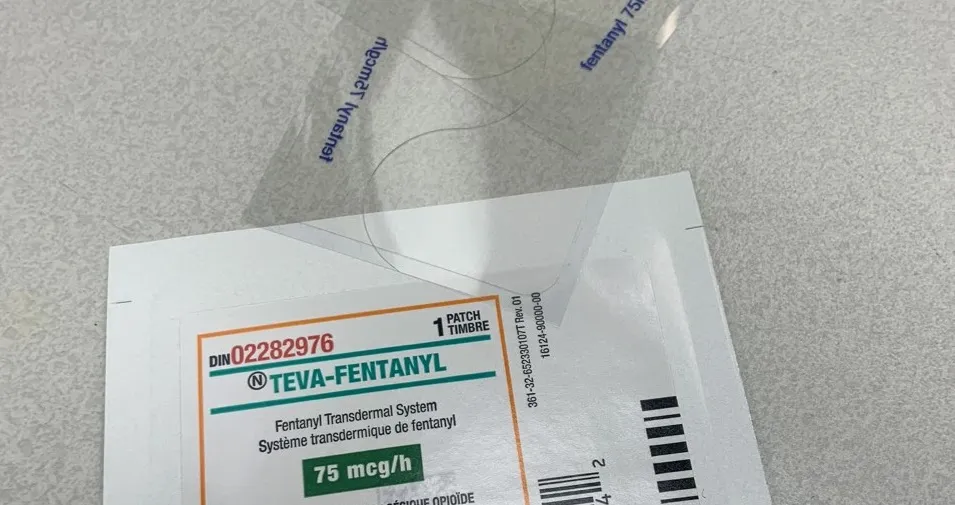
Fentanyl is a potent synthetic opioid analgesic, significantly more powerful than morphine. Administered via a transdermal patch, it is designed for the long-term management of persistent, moderate to severe chronic pain in opioid-tolerant patients who require continuous, around-the-clock opioid analgesia and for whom alternative treatments are inadequate. The patch delivers fentanyl systemically at a controlled rate, bypassing the digestive system and providing stable blood concentrations over a prolonged period, typically 72 hours. This method minimizes peaks and troughs in medication levels, aiming for more consistent pain relief and potentially fewer side effects compared to oral dosing.
It is crucial to emphasize that the Fentanyl Patch is a Schedule II controlled substance due to its high potential for abuse, dependence, and addiction. Its use demands careful patient selection, meticulous dosing, and diligent monitoring by a healthcare professional. Misuse or accidental exposure can lead to serious adverse events, including fatal overdose. This guide will delve into its mechanism, clinical applications, risks, and safe management practices to ensure optimal patient outcomes.
Deep-Dive into Technical Specifications & Mechanisms
Understanding how the Fentanyl Patch works at a physiological level is key to appreciating its efficacy and potential risks.
Mechanism of Action
Fentanyl exerts its potent analgesic effects primarily through its action as a full agonist at the mu-opioid receptors within the central nervous system (CNS). These receptors are G-protein coupled receptors located throughout the brain and spinal cord, particularly in areas involved in pain perception, emotional response to pain, and respiratory control.
When fentanyl binds to mu-opioid receptors:
* Inhibition of Neurotransmitter Release: It hyperpolarizes neuronal membranes, reducing neuronal excitability. This leads to a decrease in the release of various neurotransmitters involved in pain signaling, such as substance P, acetylcholine, norepinephrine, dopamine, and gamma-aminobutyric acid (GABA).
* Analgesia: The primary effect is profound analgesia, mediated at both spinal and supraspinal levels. It alters the perception of pain and the emotional response to pain.
* Other CNS Effects: Fentanyl also produces other characteristic opioid effects including:
* Respiratory Depression: A dose-dependent reduction in the sensitivity of the respiratory center in the brainstem to carbon dioxide, leading to decreased respiratory rate and depth. This is the most serious adverse effect.
* Euphoria: Activation of the reward pathways in the brain.
* Miosis: Constriction of pupils.
* Sedation: Drowsiness and decreased alertness.
* Antitussive Effect: Suppression of cough reflex.
* Nausea and Vomiting: Stimulation of the chemoreceptor trigger zone.
Pharmacokinetics
The transdermal delivery system of the Fentanyl Patch provides a unique pharmacokinetic profile, characterized by slow absorption and sustained release.
Absorption
- Transdermal Flux: Fentanyl is absorbed through the skin, primarily by passive diffusion, and enters the systemic circulation. The rate of absorption is dependent on factors such as skin temperature, blood flow to the skin, and skin integrity.
- Reservoir System: The patch contains a reservoir of fentanyl that continuously releases the drug into the skin.
- Skin Depot: Fentanyl accumulates in the upper layers of the skin, forming a depot that continues to release the drug into the systemic circulation even after the patch is removed.
- Onset of Action: Due to the slow absorption, significant serum concentrations are not achieved for 12-24 hours, and full analgesic effect may take 24-72 hours after initial application. This is why it's not suitable for acute pain.
- Steady State: Plasma concentrations typically reach a steady state within 12-24 hours of the second patch application (i.e., 36-48 hours after the first patch is applied).
Distribution
- Lipophilicity: Fentanyl is highly lipophilic, meaning it readily dissolves in fats. This property allows it to rapidly cross the blood-brain barrier and distribute into various tissues, including fat and muscle.
- Protein Binding: Approximately 80-85% of fentanyl is bound to plasma proteins, primarily alpha-1-acid glycoprotein.
Metabolism
- Hepatic Metabolism: Fentanyl is primarily metabolized in the liver by the cytochrome P450 3A4 (CYP3A4) isoenzyme.
- N-dealkylation: The main metabolic pathway is N-dealkylation to norfentanyl, which is pharmacologically inactive.
- Drug Interactions: Concomitant use with CYP3A4 inhibitors or inducers can significantly alter fentanyl plasma concentrations, leading to increased risk of toxicity or reduced efficacy, respectively.
Elimination
- Excretion: Fentanyl and its metabolites are primarily excreted via the kidneys (approximately 75% in urine, mostly as metabolites) and to a lesser extent in feces (approximately 9% as metabolites).
- Terminal Half-life: The elimination half-life of fentanyl after transdermal patch removal is prolonged, ranging from 17 to 27 hours (average 20-25 hours). This is due to the continued absorption from the skin depot.
Extensive Clinical Indications & Usage
The Fentanyl Patch is a powerful tool in pain management, but its specific indications and usage guidelines must be strictly adhered to for patient safety and efficacy.
Detailed Indications
The Fentanyl Transdermal System is indicated for the management of chronic, severe pain in patients who:
* Are opioid-tolerant, meaning they have been receiving around-the-clock opioid analgesia for at least a week or longer, and for whom the benefits outweigh the risks of addiction, abuse, and misuse.
* Require continuous, around-the-clock opioid analgesia for an extended period.
* Are inadequate or intolerant to other analgesics or non-opioid treatments.
It is NOT indicated for:
* Acute pain: Due to the delayed onset of action, it is unsuitable for acute pain, including post-operative pain.
* Intermittent pain: It is designed for continuous pain management.
* Opioid-naïve patients: Starting opioid-naïve patients on a Fentanyl Patch can lead to fatal respiratory depression.
* Mild pain: Its potency makes it inappropriate for mild pain.
Specific Conditions where Fentanyl Patch may be considered:
* Cancer Pain: Often a cornerstone for severe, persistent cancer-related pain.
* Neuropathic Pain: In cases where neuropathic pain is severe and unresponsive to conventional treatments, and the patient is opioid-tolerant.
* Chronic Musculoskeletal Pain: For conditions like severe chronic back pain, osteoarthritis (in advanced stages), or other musculoskeletal disorders, but only after careful consideration and failure of other therapies, and in opioid-tolerant individuals.
Dosage Guidelines
Dosing with the Fentanyl Patch requires meticulous attention to detail and individualized assessment.
Initial Dosing
- Opioid-Tolerant Patients Only: The initial dose must be based on the patient's prior 24-hour opioid requirement. Conversion tables are used to estimate an equivalent fentanyl patch dose.
- Lowest Effective Dose: Always start with the lowest available patch strength (e.g., 12 mcg/hour) unless the patient's prior opioid intake clearly warrants a higher initial dose.
- Conversion from Oral Opioids:
- Calculate the total 24-hour oral morphine equivalent (OME) dose.
- Use established conversion tables provided in product monographs.
- Example: A patient on 60-134 mg/day oral morphine equivalent might start on a 25 mcg/hour patch.
Application and Titration
- Application Site: Apply the patch to a clean, dry, non-hairy, flat surface of the torso or upper arm. Rotate application sites with each new patch to minimize skin irritation.
- Frequency: The patch is typically changed every 72 hours (3 days). Some patients may require changing every 48 hours, but this should be determined by a physician.
- Titration: Dosage adjustments should not be made more frequently than every 3 days after the initial dose, and ideally, after two applications of the same dose (i.e., after 6 days). Titrate upwards in increments of 12 or 25 mcg/hour, based on analgesic response and tolerability, until effective pain relief is achieved with acceptable side effects.
- Supplemental Analgesia: Short-acting opioids may be used for breakthrough pain during the titration phase or for incidental pain.
Discontinuation
- Tapering Required: Abrupt discontinuation of the Fentanyl Patch can lead to severe opioid withdrawal symptoms.
- Gradual Reduction: Gradually reduce the dose by removing patches and replacing them with a lower strength patch, or by extending the interval between patch changes, under medical supervision.
- Transition to Oral Opioids: Patients may be transitioned to oral opioids during the tapering process.
Special Populations
- Elderly Patients: Start with lower doses and titrate slowly due to decreased hepatic/renal function and increased sensitivity to opioids.
- Renal or Hepatic Impairment: Use with extreme caution. Start with the lowest dose and monitor closely for signs of toxicity. Reduced metabolism and excretion can lead to accumulation.
Risks, Side Effects, & Contraindications
The Fentanyl Patch, while effective, carries significant risks. A thorough understanding of its contraindications, potential drug interactions, and adverse effects is paramount.
Contraindications
The Fentanyl Patch is absolutely contraindicated in the following situations:
* Opioid Non-Tolerant Patients: Use in patients who are not opioid-tolerant can result in fatal respiratory depression.
* Acute or Post-Operative Pain: Not suitable for acute pain management due to delayed onset and prolonged duration of action.
* Significant Respiratory Depression: Pre-existing severe respiratory compromise.
* Acute or Severe Bronchial Asthma: In an unmonitored setting or in the absence of resuscitative equipment.
* Paralytic Ileus: Or suspected paralytic ileus.
* Hypersensitivity: To fentanyl or any component of the patch.
* Children Under 2 Years Old: Or any child weighing less than 18 kg.
* Fever/Increased Body Temperature: Increased body temperature can significantly increase fentanyl absorption, leading to dangerously high serum concentrations and potential overdose. Patients with fever should be closely monitored; dose reduction or temporary discontinuation may be necessary.
* Conditions with Increased Fentanyl Absorption: External heat sources (heating pads, electric blankets, hot tubs, saunas, prolonged sun exposure) applied to the patch site can increase absorption.
Drug Interactions
Fentanyl is metabolized by CYP3A4, making it susceptible to interactions with drugs affecting this enzyme.
* CNS Depressants:
* Benzodiazepines, other opioids, alcohol, sedatives, hypnotics, general anesthetics, tricyclic antidepressants, phenothiazines: Concomitant use can lead to additive CNS depression, severe respiratory depression, profound sedation, coma, or death. Avoid concomitant use or reduce doses significantly.
* CYP3A4 Inhibitors:
* Macrolide antibiotics (e.g., erythromycin, clarithromycin), azole antifungals (e.g., ketoconazole, itraconazole, fluconazole), protease inhibitors (e.g., ritonavir, nelfinavir), verapamil, diltiazem, grapefruit juice: These agents can decrease fentanyl metabolism, leading to increased fentanyl plasma concentrations and a heightened risk of serious adverse reactions, including potentially fatal respiratory depression. Avoid co-administration or reduce fentanyl dose and monitor closely.
* CYP3A4 Inducers:
* Rifampin, carbamazepine, phenytoin, phenobarbital: These agents can increase fentanyl metabolism, leading to decreased fentanyl plasma concentrations, reduced efficacy, and potential withdrawal symptoms. If co-administration is necessary, monitor for reduced analgesia and consider dose adjustment.
* Serotonergic Drugs:
* SSRIs, SNRIs, TCAs, MAOIs, triptans, mirtazapine, trazodone, linezolid: Concomitant use can increase the risk of serotonin syndrome, a potentially life-threatening condition. Symptoms include mental status changes, autonomic instability, neuromuscular abnormalities, and/or gastrointestinal symptoms. If concomitant use is warranted, monitor patients closely.
* Mixed Agonist/Antagonists:
* Butorphanol, nalbuphine, pentazocine, buprenorphine: These drugs can reduce the analgesic effect of fentanyl and/or precipitate withdrawal symptoms in opioid-dependent patients. Avoid concomitant use.
Common Side Effects
Many side effects are typical of opioid analgesics:
* Gastrointestinal: Nausea, vomiting, constipation, dry mouth.
* CNS: Drowsiness, dizziness, headache, sedation.
* Dermatological: Application site reactions (redness, itching, rash, edema).
* Other: Sweating, asthenia (weakness).
Serious Side Effects
These require immediate medical attention:
* Respiratory Depression: The most dangerous side effect, characterized by shallow breathing, slow breathing rate, or difficulty breathing. Can be fatal.
* Severe Hypotension: Especially in patients with compromised circulatory volume or concurrent use of other hypotensive agents.
* Bradycardia: Slow heart rate.
* Adrenal Insufficiency: Symptoms like nausea, vomiting, anorexia, fatigue, weakness, dizziness, and low blood pressure.
* Androgen Deficiency: Long-term opioid use can lead to symptoms like decreased libido, impotence, erectile dysfunction, amenorrhea, or infertility.
* Serotonin Syndrome: (See Drug Interactions above).
* Opioid-Induced Hyperalgesia (OIH): Paradoxical increase in pain sensitivity despite increasing opioid doses.
* Addiction, Dependence, Withdrawal: Fentanyl has a high potential for physical dependence and addiction. Abrupt cessation will lead to withdrawal symptoms.
Pregnancy & Lactation Warnings
- Pregnancy Category C: There are no adequate and well-controlled studies of fentanyl in pregnant women. Fentanyl should be used during pregnancy only if the potential benefit justifies the potential risk to the fetus. Prolonged use during pregnancy can result in neonatal opioid withdrawal syndrome, which may be life-threatening if not recognized and treated.
- Lactation: Fentanyl is excreted into breast milk. Nursing mothers should not use the Fentanyl Patch as it can cause serious adverse reactions in breastfed infants, including sedation and respiratory depression. A decision should be made whether to discontinue nursing or to discontinue the drug, taking into account the importance of the drug to the mother.
Overdose Management
Fentanyl overdose is a medical emergency that can be fatal. Prompt recognition and aggressive management are critical.
Symptoms of Overdose
- Respiratory Depression: The primary and most dangerous symptom. Characterized by shallow breathing, slow breathing (bradypnea), cyanosis (bluish discoloration of lips/fingernails), or apnea.
- CNS Depression: Extreme somnolence progressing to stupor or coma.
- Miosis: Pinpoint pupils (though in severe hypoxia, pupils may dilate).
- Cardiovascular: Bradycardia, hypotension.
- Neuromuscular: Flaccid skeletal muscle, cold and clammy skin.
- Other: Pulmonary edema, circulatory collapse, cardiac arrest, death.
Immediate Action
- Remove the Patch: Immediately remove the Fentanyl Patch from the patient's skin. Do not assume that removing the patch will immediately reverse the overdose, as fentanyl from the skin depot will continue to be absorbed.
- Call for Emergency Medical Help: Dial emergency services (e.g., 911) immediately.
- Ensure Airway and Breathing:
- Position the patient to maintain an open airway.
- If the patient is not breathing or breathing inadequately, initiate assisted or controlled ventilation with supplemental oxygen.
- Use a bag-valve-mask device if available.
Naloxone Administration
- Opioid Antagonist: Naloxone is a pure opioid antagonist that rapidly reverses the effects of opioids, including respiratory depression.
- Dosage and Route: Administer naloxone intravenously (IV), intramuscularly (IM), or subcutaneously (SC). The initial adult dose is typically 0.4 to 2 mg.
- Repeat Doses: Due to the prolonged duration of action of fentanyl (especially from the skin depot), the effects of naloxone may wear off before all fentanyl is eliminated. Therefore, repeat doses of naloxone may be necessary, or a continuous naloxone infusion may be required.
- Monitoring: Continuous monitoring for recurrence of respiratory depression is essential.
Supportive Care
- Cardiovascular Support: Administer IV fluids and vasopressors as needed to manage hypotension and circulatory shock.
- Temperature Management: Address hypothermia if present.
- Electrolyte Balance: Maintain fluid and electrolyte balance.
- Observation: Patients must be observed for an extended period (at least 24 hours, or longer if severe overdose) in a medically supervised setting, due to the possibility of delayed or recurrent respiratory depression.
Massive FAQ Section
1. What is the Fentanyl Patch used for?
The Fentanyl Patch is used for the management of chronic, severe pain in opioid-tolerant patients who require continuous, around-the-clock opioid analgesia and for whom alternative treatments are inadequate. It is not for acute or intermittent pain.
2. How often do I change the Fentanyl Patch?
Typically, the Fentanyl Patch is changed every 72 hours (every 3 days). In some specific cases, your doctor may instruct you to change it every 48 hours, but this should only be done under strict medical guidance.
3. Can I cut the Fentanyl Patch?
No, you should never cut or alter the Fentanyl Patch. Cutting the patch can damage the controlled-release membrane, leading to a rapid and potentially fatal release of fentanyl. Always use the patch as prescribed and intact.
4. What should I do if the patch falls off?
If your Fentanyl Patch falls off, dispose of it properly and apply a new patch to a different skin site. Contact your doctor immediately to inform them and receive further instructions, as your next patch change schedule might need adjustment.
5. Is Fentanyl Patch safe for everyone?
No. The Fentanyl Patch is only safe for opioid-tolerant patients. It is highly dangerous and potentially fatal for opioid-naïve individuals or those with acute pain, severe respiratory issues, or certain other medical conditions. Your doctor will assess if it's appropriate for you.
6. What are the signs of a Fentanyl overdose?
Signs of a fentanyl overdose include extremely slow or shallow breathing, difficulty breathing, pinpoint pupils, extreme drowsiness or inability to wake up, slow heartbeat, low blood pressure, and cold, clammy skin. If you suspect an overdose, remove the patch immediately and call emergency services (e.g., 911) right away.
7. Can I drink alcohol while using the Fentanyl Patch?
No, you should strictly avoid alcohol consumption while using the Fentanyl Patch. Alcohol is a central nervous system depressant, and combining it with fentanyl can lead to severe respiratory depression, profound sedation, coma, or death.
8. How do I dispose of a used Fentanyl Patch?
To dispose of a used Fentanyl Patch, fold the patch in half so the adhesive side sticks to itself, then flush it down the toilet immediately. This prevents accidental exposure to children, pets, or others who might misuse the drug. Some local regulations might also recommend returning unused patches to a pharmacy.
9. What if I have a fever while wearing the patch?
A fever can increase your body temperature, which can significantly increase the absorption of fentanyl from the patch, potentially leading to an overdose. If you develop a fever while wearing the patch, contact your doctor immediately. They may advise you to remove the patch or adjust your treatment. Avoid external heat sources near the patch site.
10. How long does it take for the Fentanyl Patch to start working?
Due to its transdermal delivery system, the Fentanyl Patch has a delayed onset of action. It can take 12 to 24 hours for sufficient fentanyl to be absorbed to provide initial pain relief, and the full analgesic effect may not be achieved for 24 to 72 hours after the first patch application. This is why it's not suitable for acute pain.
11. Will I experience withdrawal symptoms if I stop the patch suddenly?
Yes, if you are physically dependent on fentanyl, abruptly stopping the patch can lead to severe opioid withdrawal symptoms, including restlessness, anxiety, muscle aches, sweating, chills, nausea, vomiting, and diarrhea. Always consult your doctor to gradually taper off the medication.
12. Is the Fentanyl Patch addictive?
Yes, fentanyl, like other opioids, carries a high risk of developing physical dependence, psychological dependence, and addiction. It is a Schedule II controlled substance, meaning it has a high potential for abuse. It should only be used under strict medical supervision.