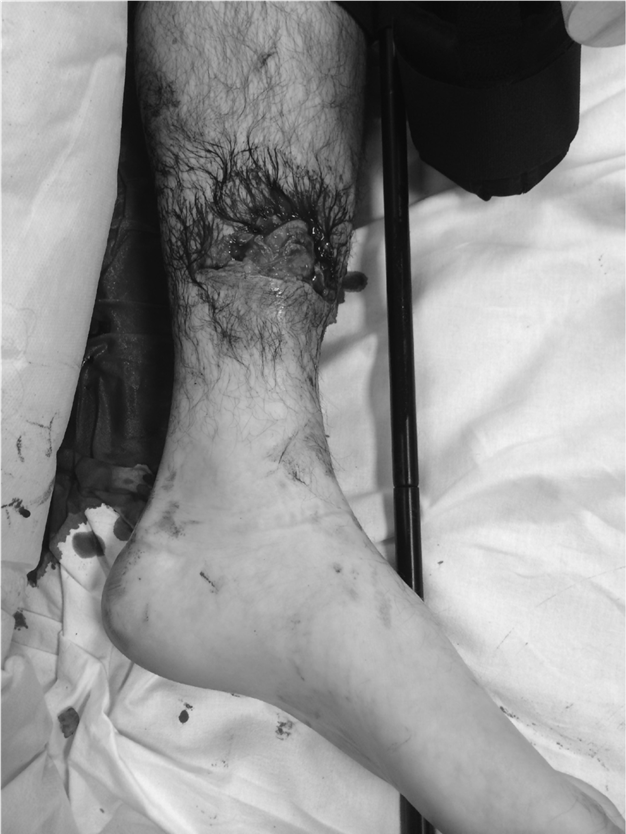
Acute Dislocations: Pathoanatomy, Evaluation, and Indications for Open Reduction
Key Takeaway
Acute dislocations require emergent evaluation and prompt reduction to mitigate risks of osteonecrosis, posttraumatic arthritis, and neurovascular compromise. While closed reduction under adequate sedation remains the gold standard, open reduction is mandated for irreducible joints, post-reduction instability, or new-onset neurovascular deficits. This guide details the biomechanical principles, clinical evaluation, and definitive surgical indications for managing acute orthopedic dislocations in clinical practice.
Principles of Acute Dislocations
Acute joint dislocations represent true orthopedic emergencies that demand immediate, systematic evaluation and prompt intervention. The displacement of congruent articular surfaces requires catastrophic failure of the surrounding capsuloligamentous envelope, often accompanied by significant trauma to the articular cartilage, subchondral bone, and adjacent neurovascular structures.
While the vast majority of uncomplicated acute dislocations can and should be managed with closed reduction techniques, the orthopedic surgeon must be intimately familiar with the strict indications for open reduction. Failure to recognize an irreducible or unstable dislocation, or a concomitant neurovascular injury, can lead to devastating complications, including permanent ischemic contractures, profound neurological deficits, osteonecrosis, and rapidly progressive posttraumatic arthritis.
Clinical Pearl: Immediate reduction of an acute dislocation mitigates, but does not eliminate, the risk of long-term sequelae. Patients must be counseled at the time of initial evaluation that the immense forces required to dislocate a major joint inherently cause irreversible damage to articular cartilage and soft tissues, predisposing the joint to posttraumatic arthritis and ectopic ossification regardless of the reduction method.
Pathoanatomy and Biomechanics
The stability of any synovial joint relies on a complex interplay between static stabilizers (bony congruency, labral structures, joint capsule, and ligaments) and dynamic stabilizers (musculotendinous units). An acute dislocation occurs when external forces exceed the tensile strength of these stabilizing structures.
Soft Tissue and Articular Cartilage Injury
The translation of the articular surfaces during a dislocation results in a shearing force across the chondral surfaces. This can cause acute chondral or osteochondral fractures, which may become loose bodies within the joint space. Furthermore, the joint capsule is invariably torn or avulsed from its bony attachments. In high-energy trauma, the capsule may "buttonhole" around the dislocated osseous structures, creating a mechanical block to closed reduction.
Neurovascular Compromise
Neurovascular structures traversing the dislocated joint are subjected to severe traction, contusion, or direct laceration.
* Neurological Injury: Nerves are most commonly subjected to traction injuries (neuropraxia or axonotmesis). Complete physiological block or persistent neuritis can result.
* Vascular Injury: Arteries tethered across joints (e.g., the popliteal artery posterior to the knee) are highly susceptible to intimal tearing, thrombosis, or complete transection.
Surgical Warning: Vascular compromise is a limb-threatening emergency. In acute knee dislocations, vascular injuries occur in a high percentage of cases. Arteriograms or CT angiography are necessary in 15% to 25% of knee dislocations to rule out occult popliteal artery injury, even if distal pulses are palpable initially.
Initial Clinical Evaluation
The initial management of a patient with an acute dislocation must follow Advanced Trauma Life Support (ATLS) protocols, as high-energy dislocations are frequently associated with polytrauma.
Neurovascular Documentation
The most critical step prior to any reduction attempt is the meticulous documentation of the neurovascular status of the affected extremity.
1. Motor and Sensory Function: Each peripheral nerve must be tested and documented. Any pre-existing deficit must be recorded in the patient's chart. This is both a clinical necessity and a medicolegal imperative.
2. Vascular Status: Palpation of distal pulses, assessment of capillary refill, and measurement of the Ankle-Brachial Index (ABI) or Arterial Pressure Index (API) are mandatory. An ABI < 0.9 in the setting of a knee dislocation mandates advanced vascular imaging.
Radiographic Assessment
Standard orthogonal radiographs of the affected joint, including the joints above and below the injury, are required. Radiographs confirm the direction of the dislocation, identify associated fractures (fracture-dislocations), and help formulate the reduction strategy.
Principles of Closed Reduction
Open techniques are rarely necessary as the first line of treatment for acute dislocations. Closed reduction should be attempted promptly to relieve tension on the neurovascular structures, restore circulation, and minimize the risk of osteonecrosis (particularly in the hip).
Anesthesia and Muscle Relaxation
Successful closed reduction relies on overcoming the reflex muscle spasm that splints the dislocated joint. This requires adequate intravenous analgesia and sedation (conscious sedation) or, in refractory cases, general anesthesia.
Reduction Technique
- Gentle Traction: Reduction should be achieved through sustained, gentle, in-line traction.
- Avoidance of Leverage: Excessive force or forceful leverage manipulation must never be used. If soft tissue (e.g., capsule, tendons) or osteochondral fragments become interposed between the articular surfaces, closed reduction becomes mechanically impossible. Forceful manipulation under these conditions will inevitably result in iatrogenic fractures or catastrophic additional articular trauma.
- Fluoroscopic Assistance: The use of image intensification (C-arm fluoroscopy) in the emergency department or operating room is highly recommended. It aids in visualizing the reduction trajectory and helps prevent iatrogenic complications.
Pitfall: Repeated, forceful attempts at closed reduction in the emergency department without adequate muscle relaxation are contraindicated. If one or two well-executed attempts fail, the patient should be taken to the operating room for reduction under general anesthesia, with preparations made for an open reduction if necessary.
Strict Indications for Open Reduction
When closed reduction fails or is contraindicated, open reduction becomes mandatory. The operating room personnel must always be prepared for the possibility of an open surgical procedure when a patient is brought in for a closed reduction under general anesthesia.
Open reduction of an acute dislocation is strictly indicated under the following five circumstances:
1. Irreducible Dislocation (Failure of Concentric Reduction)
If an anatomical, concentric reduction cannot be achieved by gentle, closed techniques with the patient under general anesthesia, open reduction is required. Irreducibility is almost always caused by interposed structures:
* Soft Tissue Interposition: The joint capsule, adjacent tendons (e.g., the long head of the biceps in shoulder dislocations, the posterior tibial tendon in subtalar dislocations), or ligaments can become entrapped within the joint space.
* Osteochondral Fragments: Intra-articular fracture fragments can block the congruent seating of the joint.
Surgical intervention involves arthrotomy, meticulous extraction of the interposed tissues or fragments, and direct visual confirmation of concentric reduction.
2. Unstable Reduction (Fracture-Dislocations)
If a stable reduction cannot be maintained after a successful closed reduction, surgical fixation is indicated. Pure ligamentous dislocations can often be stabilized with immobilization, but dislocations associated with significant articular fractures are inherently unstable.
* Examples: A posterior hip dislocation with a large posterior wall acetabular fracture; a fracture-dislocation of the elbow involving the radial head and coronoid process (the "terrible triad"); or a Monteggia fracture-dislocation (dislocation of the radial head with a fracture of the proximal third of the ulna).
These injuries require open reduction and internal fixation (ORIF) of the bony architecture to restore the skeletal buttress and ensure the stability of the joint.
3. Iatrogenic or New-Onset Neurological Deficit
If careful evaluation before closed reduction reveals normal neurological function, but a definite, complete motor and sensory nerve deficit becomes evident after reduction, immediate surgical exploration is indicated.
* Mechanism: This scenario suggests that the nerve has become entrapped within the joint space or severely compressed by the bony structures during the reduction maneuver.
* Pre-existing Deficits: Conversely, if a nerve injury (stretching or contusion) is present before reduction, the nerve usually recovers spontaneously. No attempt should be made to explore it at the time of open reduction unless the nerve is located directly within the immediate operative field. If signs of clinical and electromyographic recovery do not appear after a reasonable time (typically 3 to 6 months), delayed nerve exploration and neurolysis or grafting may be indicated.
4. Persistent Circulatory Impairment Post-Reduction
If circulatory impairment distal to the injury is well documented before reduction and persists after a confirmed concentric reduction, further assessment is an absolute emergency.
* Action: The persistence of ischemia despite the restoration of normal skeletal alignment indicates a primary vascular injury (e.g., intimal flap, thrombosis, or transection) rather than simple kinking of the vessel.
* Management: Immediate arteriography or CT angiography is essential, followed by emergent vascular surgical consultation for exploration and repair.
5. Persistent Ischemia Requiring Exploration
If ischemia is profound and persistent, time is of the essence to prevent irreversible muscle necrosis and subsequent amputation. Surgical exploration with appropriate management of the vascular injury (e.g., reverse saphenous vein grafting, primary anastomosis) is indicated simultaneously with orthopedic stabilization. In these complex cases, temporary stabilization with a spanning external fixator is often preferred to allow the vascular surgeon immediate access and to protect the vascular repair.
Joint-Specific Considerations in Acute Dislocations
While the general principles apply to all joints, certain anatomical regions present unique challenges that dictate specific surgical approaches and considerations.
The Hip Joint
Acute dislocations of the hip are high-energy injuries. Time is the most critical factor; reduction must be achieved within 6 hours to minimize the risk of avascular necrosis (osteonecrosis) of the femoral head.
* Open Reduction: If closed reduction fails, a posterior approach (Kocher-Langenbeck) is typically utilized for posterior dislocations, allowing for the extraction of interposed labrum or osteochondral fragments and the fixation of posterior wall fractures.
* Complications: Patients must be warned about the high incidence of posttraumatic arthritis and the potential for sciatic nerve neuropraxia.
The Knee Joint
Knee dislocations (tibiofemoral dislocations) are devastating injuries involving the rupture of multiple ligamentous structures (ACL, PCL, and collateral complexes).
* Vascular Threat: The popliteal artery is tethered at the adductor hiatus and the soleal arch, making it highly vulnerable. As noted, 15% to 25% of these injuries involve vascular compromise.
* Surgical Strategy: Acute open reduction is rarely needed for the joint itself unless it is a posterolateral dislocation irreducible due to medial capsule invagination (a "dimple sign" on the medial joint line). However, emergent surgery is frequently required for vascular repair, often accompanied by prophylactic fasciotomies.
The Elbow Joint
The elbow is the second most commonly dislocated major joint in adults.
* Complex Instability: While simple posterior dislocations are usually managed closed, fracture-dislocations with severe damage to the soft structures require meticulous surgical reconstruction.
* Radial Head and Ulna: Dislocation of the radial head combined with a fracture of the proximal ulna (Monteggia fracture) mandates rigid internal fixation of the ulna to restore length and alignment, which usually results in spontaneous reduction of the radial head. If the radial head remains dislocated, open reduction and annular ligament repair or reconstruction are required.
The Shoulder and Clavicular Joints
- Glenohumeral Joint: Acute open reduction is exceedingly rare but may be indicated for irreducible dislocations caused by interposition of the long head of the biceps tendon or a massive greater tuberosity fracture blocking reduction.
- Acromioclavicular (AC) and Sternoclavicular (SC) Joints: Posterior SC joint dislocations are life-threatening due to the proximity of the great vessels and trachea. If closed reduction (using a towel clip or direct traction) fails, open reduction requires the presence of a cardiothoracic surgeon.
General Surgical Techniques for Open Reduction
When open reduction is undertaken, the surgical approach must be carefully planned to provide adequate exposure while minimizing further devascularization of the osseous structures.
Positioning and Approach
The patient must be positioned on a radiolucent table to allow for unrestricted intraoperative fluoroscopy. The surgical approach should utilize internervous planes whenever possible. The incision must be extensile, anticipating the potential need for complex fracture fixation or vascular repair.
Joint Debridement and Reduction
Upon entering the joint, the surgeon must systematically inspect the articular surfaces.
1. Irrigation: The joint is copiously irrigated to remove hematoma and small cartilaginous debris.
2. Fragment Management: Large osteochondral fragments should be preserved and fixed if they involve critical weight-bearing areas. Small, non-fixable fragments must be excised to prevent third-body wear and mechanical locking.
3. Soft Tissue Clearance: Interposed capsule, labrum, or tendons are carefully retracted or repaired.
4. Reduction: The joint is then reduced under direct vision. The reduction must be concentric and stable throughout a functional range of motion.
Capsuloligamentous Repair
Following reduction, the integrity of the joint capsule and primary ligamentous stabilizers must be addressed. Depending on the joint and the patient's functional demands, primary repair of the avulsed capsule or ligaments using suture anchors or transosseous sutures may be indicated to restore acute stability and prevent recurrent instability.
Postoperative Management and Rehabilitation
The postoperative protocol following an open reduction of an acute dislocation is a delicate balance between protecting the surgical repair and preventing debilitating joint stiffness.
- Immobilization: A brief period of immobilization (typically 1 to 3 weeks) in a splint or brace is often necessary to allow for initial soft tissue healing. The position of immobilization should place the repaired structures in a relaxed state.
- Early Controlled Motion: Prolonged immobilization inevitably leads to arthrofibrosis. Early, controlled, protected range of motion should be initiated as soon as the soft tissue envelope permits. Continuous Passive Motion (CPM) machines or hinged braces with extension/flexion blocks are frequently utilized.
- Weight-Bearing: For lower extremity dislocations, weight-bearing is typically restricted for 6 to 12 weeks, particularly if concomitant articular fractures were addressed, to prevent subsidence of the fixation and protect the vulnerable articular cartilage.
Conclusion
The management of acute dislocations requires a high index of suspicion for associated injuries, a deep understanding of joint biomechanics, and a disciplined approach to reduction. While closed reduction remains the cornerstone of initial treatment, the orthopedic surgeon must be vigilant in identifying the strict indications for open reduction. By adhering to these evidence-based principles—prompt intervention, meticulous neurovascular assessment, gentle reduction techniques, and decisive surgical action when indicated—the surgeon can optimize patient outcomes and minimize the devastating complications associated with these severe injuries.
📚 Medical References
- acute dislocations of the acromioclavicular joint. Paper presented at clinical conference, University of Oklahoma Medical Center, April 1969.
- Kattan KR: Modifi ed view for use in roentgen examination of the sternoclavicular joints, Radiology 108:8, 1973.
- Kennedy JC: Retrosternal dislocation of the clavicle, J Bone Joint Surg 31B:74, 1949.
- Kennedy JC: Complete dislocation of the acromioclavicular joint: 14 years later, J Trauma 8:311, 1968.
- Kennedy JC, Cameron H: Complete dislocation of the acromioclavicular joint, J Bone Joint Surg 36B:202, 1954.
- Lancaster S, Horowitz M, Alonso J: Complete acromioclavicular separations: a comparison of operative methods, Clin Orthop Relat Res 216:809, 1987.
- Larsen E, Bjerg-Nielsen A, Christensen P: Conservative or surgical treatment of acromioclavicular dislocations: a prospective, controlled, randomized study, J Bone Joint Surg 68A:552, 1986.
- Lemos MJ: The evaluation and treatment of the injured acromioclavicular joints in athletes, Am J Sports Med 26:137, 1998.
- Lizaur A, Marco L, Cebrian R: Acute dislocation of the acromioclavicular joint: traumatic anatomy and the importance of deltoid and trapezius, J Bone Joint Surg 76B:602, 1994.
- McPhee IB: Inferior dislocation of the outer end of the clavicle, J Trauma 20:709, 1980.
- Moseley HF: Athletic injuries to the shoulder region, Am J Surg 98:401, 1959.
- Mouhsine E, Garofalo R, Crevoisier X, et al: Grade I and II acromioclavicular dislocations: results of conservative treatment, J Shoulder Elbow Surg 12:599, 2003.
- Mumford EB: Acromioclavicular dislocation: a new operative treatment, J Bone Joint Surg 23:799, 1941.
- Murray JWG: Reconstruction of the dislocated acromioclavicular joint: a simplifi ed method, Orthop Rev 2:55, 1973.
- Neer CS II: Shoulder reconstruction, Philadelphia, 1990, Saunders. Neviaser JS: Acromioclavicular dislocation treated by transference of the coraco-acromial ligament: a long-term follow-up in a series of 112 cases, Clin Orthop Relat Res 58:57, 1968.
- Neviaser JS: Injuries of the clavicle and its articulations, Orthop Clin North Am 11:233, 1980.
- Omer GE Jr: Osteotomy of the clavicle in surgical reduction of anterior sternoclavicular dislocation, J Trauma 7:584, 1967.
- Osti M, Seil R, Bachelier F, et al: Minimally invasive endoscopic reconstruction technique of acute AC-joint dislocations: a cadaver study, Knee Surg Sports Traumatol Arthrosc 14:686, 2006.
- Patterson WR: Inferior dislocation of the distal end of the clavicle, J Bone Joint Surg 49A:1184, 1967.
- Petersson CJ: Resection of the lateral end of the clavicle: 3to 30-year follow-up, Acta Orthop Scand 54:904, 1983.
- Phemister DB: The treatment of dislocation of the acromioclavicular joint by open reduction and threaded-wire fi xation, J Bone Joint Surg 24:166, 1942.
- Rockwood CA Jr: Dislocations of the sternoclavicular joint, Instr Course Lect 24:144, 1975.
- Rockwood CA Jr, Green DP: Fractures, vol 1, Philadelphia, 1966, Lippincott. Roper BA, Levack B: Surgical treatment of acromioclavicular dislocations, J Bone Joint Surg 64B:597, 1982.
- Rosenørn M, Pederson EB: A comparison between conservative and operative treatment of acute acromioclavicular dislocation, Acta Orthop Scand 45:50, 1974.
- Rosenørn M, Pedersen EB: The signifi cance of the coracoclavicular ligament in experimental dislocation of the acromioclavicular joint, Acta Orthop Scand 45:346, 1974.
- Rowe CR: Dislocations of the shoulder. In Rowe CR, ed: The shoulder, New York, 1988, Churchill Livingstone. Sage FP, Salvatore JE: Injuries of the acromioclavicular joint: a study of results in 96 patients, South Med J 56:486, 1963.
- Selesnick FH, Jablon M, Frank C, et al: Retrosternal dislocation of the clavicle: report of four cases, J Bone Joint Surg 66A:287, 1984.
- Skjeldl S, Lundblad R, Dullerud R: Coracoid process transfer for acromioclavicular dislocation, Acta Orthop Scand 59:180, 1988.
- Smith MJ, Stewart MJ: Acute acromioclavicular separations: a 20-year study, Am J Sports Med 7:62, 1979.
- Sundaram N, Patel DV, Porter DS: Stabilization of acute acromioclavicular dislocation by a modifi ed Bosworth technique: a long-term follow-up study, Injury 23:189, 1992.
- Taft TN, Wilson FC, Oglesby JW: Dislocation of the acromioclavicular joint: an end-result study, J Bone Joint Surg 69A:1045, 1987.
- Urist MR: Complete dislocations of the acromioclavicular joint: the nature of the traumatic lesion and effective methods of treatment with an analysis of forty-one cases, J Bone Joint Surg 28:813, 1946.
- Vere-Hodge N: Coraco-clavicular fi xation by screw. In Watson Jones R, ed: Fractures and joint injuries, Baltimore, 1946, Williams & Wilkins. Walsh WM, Peterson DA, Shelton G, et al: Shoulder strength following acromioclavicular injury, Am J Sports Med 13:153, 1985.
- Weaver JK, Dunn HK: Treatment of acromioclavicular injuries, especially complete acromioclavicular separation, J Bone Joint Surg 54A:1187, 1972.
- Weinstein DM, McCann PD, McIlveen SJ, et al: Surgical treatment of complete acromioclavicular dislocations, Am J Sports Med 23:324, 1995.
- Weitzman G: Treatment of acute acromioclavicular joint dislocation by a modifi ed Bosworth method, J Bone Joint Surg 49A:1167, 1967.
- Wirth MA Rockwood CA Jr: Acute and chronic traumatic injuries of the sternoclavicular joint, J Am Acad Orthop Surg 4:268:1996.
- Wolf EM, Pennington WT: Arthroscopic reconstruction for acromioclavicular joint dislocation, Arthroscopy 17:558, 2001.
- Worman LW, Leagus C: Intrathoracic injury following retrosternal dislocation of the clavicle, J Trauma 7:416, 1967.
- Zaricznyj B: Late reconstruction of the ligaments following acromioclavicular separation, J Bone Joint Surg 58A:792, 1976.
- Shoulder Arciero RA, St. Pierre P: Acute shoulder dislocation: indications and techniques for operative management, Clin Sports Med 14:937, 1995.
- Arciero RA, Wheeler JH, Ryan JB, et al:
You Might Also Like