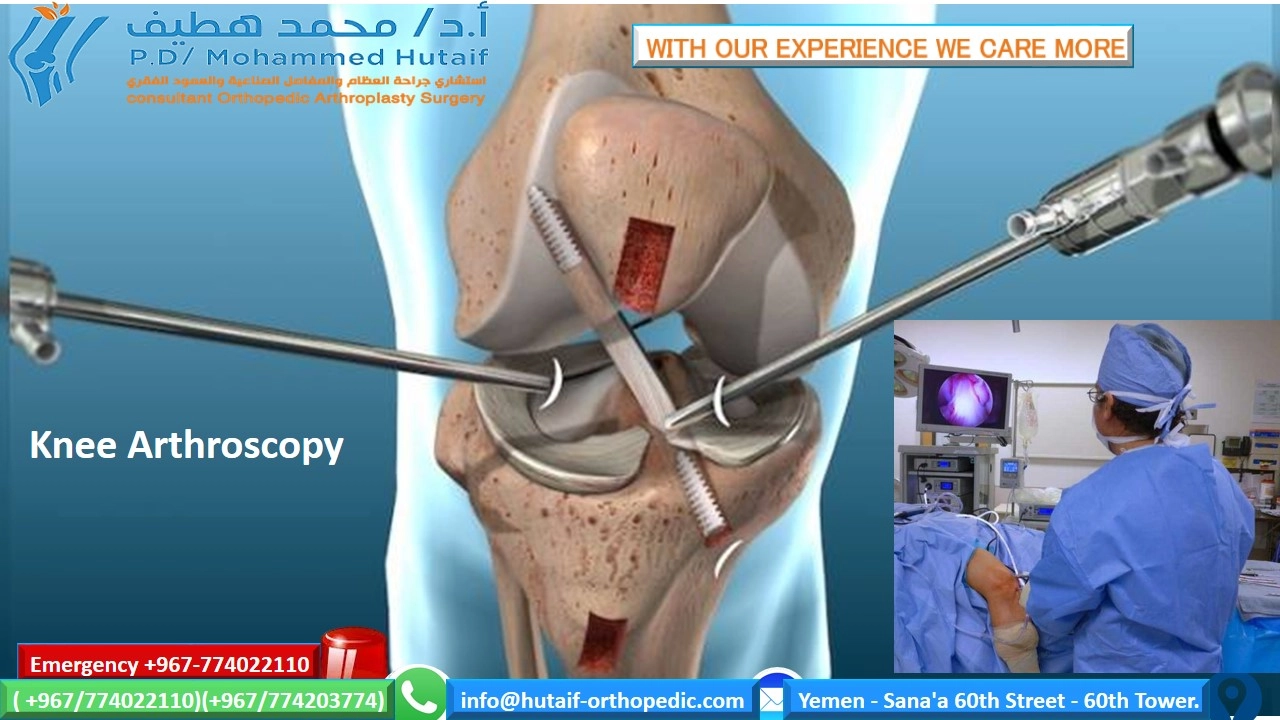
Introduction & Epidemiology
Knee arthroscopy represents a cornerstone of contemporary orthopedic surgical practice, offering a minimally invasive approach for the diagnosis and treatment of a diverse array of intra-articular knee pathologies. Originating from the pioneering work of Kenji Takagi in the early 20th century and later refined by Masaki Watanabe and Robert Jackson, arthroscopy has evolved from a purely diagnostic tool to a highly sophisticated platform for complex reconstructive procedures. The fundamental principle involves the introduction of a small-diameter optical instrument (arthroscope) and specialized surgical tools into the knee joint through strategically placed portals, facilitating direct visualization and manipulation of intra-articular structures on a video monitor. This technique largely supersedes traditional open arthrotomy for many indications due to its inherent advantages in minimizing tissue disruption, reducing post-operative pain, and potentially accelerating rehabilitation.
Epidemiologically, knee arthroscopy remains one of the most frequently performed orthopedic procedures worldwide. Data from various national registries indicates millions of procedures annually, with a broad spectrum of indications across all age groups. While the incidence of arthroscopy for degenerative conditions in older populations has undergone critical re-evaluation in recent literature, its utility for acute traumatic injuries, particularly meniscal tears and anterior cruciate ligament (ACL) ruptures in younger, active individuals, remains undisputed. Understanding the prevalence of specific knee pathologies amenable to arthroscopic intervention, such as meniscal lesions (which can exceed 60-70% in certain patient cohorts undergoing arthroscopy) and chondral defects, is crucial for resource allocation and surgical planning. The continuing evolution of arthroscopic techniques and instrumentation underscores its enduring relevance in orthopedic surgery.
Surgical Anatomy & Biomechanics
A thorough understanding of knee anatomy and biomechanics is paramount for safe and effective arthroscopic surgery. The knee joint, a modified hinge joint, is composed of the femorotibial and patellofemoral articulations.
Femorotibial Joint
The primary load-bearing surfaces involve the distal femoral condyles and the tibial plateau.
*
Articular Cartilage:
The hyaline cartilage covering these surfaces is critical for smooth, low-friction articulation. Lesions here vary from focal defects to diffuse degenerative changes. The thickness and integrity of this cartilage directly influence joint mechanics and surgical prognosis.
*
Menisci:
These two C-shaped fibrocartilaginous structures (medial and lateral) are wedge-shaped in cross-section, contributing significantly to load transmission, shock absorption, joint stability, and lubrication.
*
Medial Meniscus:
More rigidly attached to the tibial plateau via coronary ligaments and the deep medial collateral ligament. Its posterior horn is particularly susceptible to tears.
*
Lateral Meniscus:
More mobile, with attachments to the tibia anteriorly via coronary ligaments, and posteriorly through the popliteal hiatus, as well as the meniscofemoral ligaments (Humphry and Wrisberg) attaching to the PCL. Less prone to fixation, it is still vulnerable to tears, particularly radial and root avulsions.
*
Vascularity:
The periphery (red-red zone) is vascularized by geniculate arteries, making peripheral tears amenable to repair. The central portions (white-white zone) are avascular and generally heal poorly.
*
Ligaments:
The intra-articular cruciate ligaments (ACL and PCL) are central to anteroposterior stability, while the collateral ligaments (MCL and LCL) provide mediolateral stability. Although often arthroscopically assisted rather than purely arthroscopic, ACL and PCL reconstruction rely heavily on arthroscopic techniques for tunnel placement and graft fixation.
Patellofemoral Joint
This articulation involves the patella and the trochlear groove of the femur. Chondral lesions, maltracking, and plicae are common issues addressed arthroscopically. The dynamic stabilizers, primarily the vastus medialis obliquus, and static stabilizers, such as the medial patellofemoral ligament (MPFL), are critical for patellar tracking.
Synovial Structures
The knee joint is encapsulated by a synovial membrane, which produces synovial fluid. Pathologies include synovitis, plicae (e.g., medial patellar plica), and Hoffa's fat pad impingement.
Neurovascular Structures
Crucial for avoiding iatrogenic injury during portal placement and instrumentation:
*
Popliteal Artery and Vein:
Located posteriorly, vulnerable during posterior portal creation or deep posterior dissection.
*
Tibial Nerve:
Medial to the popliteal vessels, also posterior.
*
Common Peroneal Nerve:
Courses laterally around the fibular head, vulnerable during lateral portal placement or extensive lateral soft tissue release.
*
Saphenous Nerve and Vein:
Medial to the joint line, potentially injured during medial portal placement.
The biomechanical interplay of these structures dictates normal knee function. Meniscal integrity is crucial for distributing loads and protecting articular cartilage. Ligamentous stability ensures controlled motion. Any disruption affects the overall biomechanics, leading to pain, instability, and accelerated degenerative changes.
Indications & Contraindications
The decision for knee arthroscopy is made after thorough clinical evaluation, including patient history, physical examination, and appropriate diagnostic imaging (e.g., plain radiographs, MRI).
Indications for Knee Arthroscopy
-
Meniscal Pathology:
- Tears: Symptomatic meniscal tears (e.g., mechanical symptoms like locking, catching, persistent pain) unresponsive to conservative management. Indications for repair vs. partial meniscectomy are guided by tear location (vascular zone), pattern, stability, and patient factors (age, activity level).
- Cysts: Meniscal cysts often associated with horizontal meniscal tears.
-
Chondral and Osteochondral Lesions:
- Debridement/Chondroplasty: For symptomatic chondral flaps or unstable cartilage.
- Microfracture: For small, contained full-thickness chondral defects (<2-3 cm²) in appropriately selected patients.
- Osteochondral Autograft Transplantation (OATS) / Autologous Chondrocyte Implantation (ACI): While often open, arthroscopic assistance is frequently employed for debridement, preparation, and sometimes graft delivery.
- Loose Bodies: Symptomatic intra-articular loose bodies causing locking, pain, or effusion.
-
Ligamentous Instability:
- ACL Reconstruction: Arthroscopic-assisted technique is the gold standard for restoring anterior knee stability following ACL rupture.
- PCL Reconstruction: Less common, but also typically arthroscopic-assisted.
- Meniscofemoral Ligament Injury: Rare, but can be addressed.
-
Synovial Disorders:
- Synovitis: Chronic synovitis, pigmented villonodular synovitis (PVNS), or synovial chondromatosis.
- Plicae: Symptomatic medial patellar plica syndrome unresponsive to conservative measures.
- Infection: Septic arthritis (for lavage and debridement).
-
Patellofemoral Disorders:
- Lateral Retinacular Release: For recalcitrant lateral patellar compression syndrome, though less commonly performed as an isolated procedure now.
- Chondral lesions: On patella or trochlea.
- Diagnostic Arthroscopy: Infrequently a primary indication given advanced MRI capabilities, but valuable in cases of unresolved pain, equivocal imaging, or when assessing complex intra-articular pathology prior to definitive intervention.
- Arthrofibrosis/Stiffness: Arthroscopic lysis of adhesions.
Contraindications for Knee Arthroscopy
-
Absolute Contraindications:
- Active uncontrolled infection (localized cellulitis or distant sepsis): Risk of introducing infection into the joint or worsening systemic infection.
- Severe arthrofibrosis with significant contracture: May make portal placement and visualization exceedingly difficult and hazardous.
- Non-optimizable medical comorbidities: Patients unable to tolerate anesthesia or surgery due to severe cardiovascular, pulmonary, or systemic disease.
-
Relative Contraindications:
- Severe Tricompartmental Osteoarthritis: The role of arthroscopy in advanced degenerative arthritis is limited and often without significant long-term benefit; total knee arthroplasty is typically more appropriate.
- Extensive Soft Tissue Compromise: Impaired skin integrity, severe local edema, or vascular insufficiency around the knee.
- Morbid Obesity: Can complicate patient positioning, portal creation, visualization, and increase anesthetic risks.
- Significant Vascular Disease in the Limb: Increased risk of DVT/PE and impaired healing.
- Poor Patient Compliance: Critical for successful post-operative rehabilitation, especially for repair procedures.
- Unrealistic Patient Expectations: Important to manage expectations regarding outcomes, pain relief, and functional return.
Table: Operative vs. Non-Operative Indications
| Pathology / Condition | Operative Indications (Knee Arthroscopy) | Non-Operative Indications (Conservative Management) |
|---|---|---|
| Meniscal Tears | Symptomatic tears with mechanical symptoms (locking, catching), stable tears in vascular zone (for repair), displaced tears. | Asymptomatic tears, degenerative tears without mechanical symptoms, stable tears in avascular zone (if non-symptomatic). |
| Chondral Lesions | Symptomatic unstable flaps, focal full-thickness defects (e.g., for microfracture), symptomatic loose bodies of chondral origin. | Asymptomatic lesions, mild chondromalacia, diffuse osteoarthritis (unless debridement for mechanical symptoms). |
| ACL/PCL Rupture | Symptomatic instability interfering with ADLs or sport (for reconstruction). | Asymptomatic instability, low demand patients, concurrent medical contraindications. |
| Loose Bodies | Symptomatic (locking, pain, effusion). | Asymptomatic, incidentally found small bodies without mechanical symptoms. |
| Synovitis / Plica Syndrome | Chronic, recalcitrant symptoms unresponsive to conservative measures. | Acute inflammation, mild symptoms, initial management with NSAIDs, PT, injections. |
| Septic Arthritis | Acute joint infection for diagnostic aspiration, lavage, and debridement. | Early stage with good response to antibiotics and needle aspiration (rarely sole treatment). |
| Patellofemoral Pain | Recalcitrant lateral patellar compression (lateral release - declining), specific chondral lesions. | Vast majority of patellofemoral pain, patellar maltracking without mechanical obstruction (PT, bracing, NSAIDs). |
| Arthrofibrosis | Persistent symptomatic stiffness and restricted range of motion unresponsive to physical therapy. | Mild stiffness, early post-operative period (focus on PT). |
| Degenerative Arthritis (Moderate-Severe) | Limited role, potentially for mechanical symptoms (e.g., loose body, meniscal tear) in specific circumstances. | Primary treatment for most degenerative arthritis (PT, weight loss, NSAIDs, injections, eventually TKA). |
Pre-Operative Planning & Patient Positioning
Meticulous pre-operative planning and appropriate patient positioning are critical for successful arthroscopic surgery, minimizing complications, and optimizing visualization.
Pre-Operative Planning
- Clinical Assessment: Comprehensive history focusing on mechanism of injury, symptom duration, mechanical symptoms, previous treatments, and functional limitations. A thorough physical examination assesses range of motion, stability, effusion, patellar tracking, and specific meniscal/ligamentous tests.
-
Imaging Review:
- Plain Radiographs: Weight-bearing anteroposterior, lateral, skyline (patellofemoral), and 45-degree posteroanterior (Rosenberg) views are essential to assess alignment, joint space narrowing, and osteophyte formation.
- MRI: The gold standard for evaluating soft tissue pathology (menisci, ligaments, articular cartilage, synovium). Surgeons must review all sequences to identify specific tear patterns, chondral lesion characteristics, and collateral pathology.
- CT Scans: Reserved for complex osseous pathology, malalignment, or pre-operative planning for osteotomy/fracture fixation.
- Patient Counseling: Detailed discussion of the diagnosis, proposed procedure, potential benefits, risks (including specific neurovascular injuries, infection, DVT/PE, arthrofibrosis), expected recovery timeline, and alternative treatments. Managing patient expectations is crucial.
- Anesthesia Consultation: Evaluation for general, spinal, or epidural anesthesia. Multimodal analgesia protocols (local infiltrations, regional blocks) are increasingly common to optimize post-operative pain control.
- Tourniquet Considerations: Most knee arthroscopies are performed with a pneumatic tourniquet applied high on the thigh. Inflation pressures and durations must adhere to established guidelines to prevent nerve palsy or ischemic injury. Though some surgeons perform diagnostic arthroscopy without a tourniquet, therapeutic interventions often benefit from a bloodless field.
Patient Positioning
The standard position for knee arthroscopy is supine.
1.
Preparation:
* The patient is positioned supine on the operating table.
* A high thigh tourniquet is applied and secured.
* A commercially available thigh support/post is typically placed on the operating table, proximal to the tourniquet and lateral to the operative leg. This allows the knee to be flexed over the edge of the table, providing a stable fulcrum for valgus/varus stress and flexion/extension.
* The foot and ankle are often secured in a sterile leg holder or traction device, allowing for controlled distraction and manipulation of the tibia. This is particularly useful for visualizing posterior compartments or facilitating meniscal repairs.
* Paddings are used to protect pressure points (e.g., heel, peroneal nerve at fibular head).
2.
Sterile Prep and Drape:
The entire operative limb, from the tourniquet to the toes, is prepared with an antiseptic solution (e.g., chlorhexidine or povidone-iodine). Sterile drapes are then applied, creating a wide sterile field that allows for manipulation of the limb and access to the entire knee joint.
3.
Surgical Team Positioning:
The primary surgeon typically stands on the ipsilateral side of the knee. The assistant often stands opposite, and the video monitor is positioned directly across from the surgeon for optimal visualization.
* The collaborative effort of the entire surgical team is fundamental to the successful execution of complex arthroscopic procedures. The scrub nurse, circulating nurse, and anesthesia provider all play vital roles in ensuring patient safety, maintaining sterility, and facilitating the surgical flow. The expertise and coordination of this multidisciplinary team contribute directly to the efficiency and safety of the arthroscopic environment.

4.
Special Considerations:
* For posterior compartment visualization or specific posteromedial/posterolateral pathology, a "figure-of-four" position or placing the leg in a sterile leg holder with the hip internally rotated can facilitate access.
* Some surgeons prefer to position the patient at the very end of the table, allowing the leg to hang freely for maximal flexion, especially during ACL reconstruction.
Detailed Surgical Approach / Technique
A systematic approach to knee arthroscopy is crucial for comprehensive evaluation and effective treatment.
Joint Distension and Portal Placement
- Pre-distension: The knee joint is distended with sterile saline (typically 30-60 mL) via a large-bore needle (e.g., 18G) placed superolaterally, just superior to the patella, into the suprapatellar pouch. This separates articular surfaces and creates a working space.
- Standard Anterolateral Portal: This is typically the primary viewing portal. A small skin incision (approximately 5-7 mm) is made parallel to the joint line, just lateral to the patellar tendon, at the level of the inferior pole of the patella. A blunt trochar and cannula are advanced under direct visualization (or palpation if not pre-distended) through the retinaculum, joint capsule, and synovial membrane into the joint. Care is taken to avoid iatrogenic chondral damage.
- Standard Anteromedial Portal: This is the primary working portal. It is established under arthroscopic visualization from the anterolateral portal. A spinal needle is used to localize the ideal entry point, typically 1 cm superior to the medial meniscus and 1 cm medial to the patellar tendon, avoiding the saphenous nerve and vein. The needle also serves to confirm appropriate trajectory and prevent injury to articular cartilage or menisci. Once confirmed, the skin incision is made, and a blunt trochar and cannula are advanced into the joint.
- Superolateral Portal (Accessory): Used for inflow, outflow, or as an accessory working portal for procedures like patellofemoral debridement or lateral retinacular release. Located superior to the patella, lateral to the quadriceps tendon.
-
Posterior Portals (Posteromedial/Posterolateral):
Used for posterior compartment visualization (e.g., PCL, posterior horn meniscal tears, loose bodies).
- Posteromedial: Established 1 cm superior to the medial femoral epicondyle and 1 cm posterior to the medial collateral ligament, with the knee in a figure-of-four position. Extreme caution is needed to avoid the saphenous nerve and popliteal neurovascular bundle.
- Posterolateral: Established 1 cm superior to the lateral femoral epicondyle and 1 cm posterior to the lateral collateral ligament. Similarly, popliteal neurovascular structures and the common peroneal nerve are at risk.
Systematic Diagnostic Arthroscopy
Once portals are established, a systematic evaluation of all compartments is performed using a 30° arthroscope, with thorough irrigation fluid inflow and suction outflow.
1.
Suprapatellar Pouch:
Evaluate synovium, plicae (e.g., medial patellar plica), and patellar articular cartilage.
2.
Patellofemoral Joint:
Assess patellar tracking, trochlear groove, and articular cartilage of the patella and trochlea. Look for chondromalacia, osteochondral defects.
3.
Medial Compartment:
* Visualize the medial femoral condyle, tibial plateau, and medial meniscus.
* Probe the medial meniscus to assess stability, tear pattern (radial, longitudinal, horizontal, bucket-handle), and extent.
* Evaluate the integrity of the medial collateral ligament deep fibers, often visible from within.
4.
Intercondylar Notch:
* Assess ACL and PCL integrity, tension, and any associated injuries.
* Look for cyclops lesions or scar tissue.
* Identify meniscofemoral ligaments of Humphry and Wrisberg.
5.
Lateral Compartment:
* Visualize the lateral femoral condyle, tibial plateau, and lateral meniscus.
* Probe the lateral meniscus, assessing for tears, especially radial tears, root avulsions, and discoid morphology.
* Evaluate the popliteal hiatus and popliteus tendon.
Instrumentation and Specific Techniques
A wide array of specialized arthroscopic instruments are available:
*
Probes:
For palpating, assessing stability, and defining pathology.
*
Graspers/Forceps:
For retrieving loose bodies, resecting tissue, or holding meniscal fragments.
*
Motorized Shavers/Burrs:
For debridement of synovium, plicae, meniscal fragments, or chondroplasty.
*
Punches/Biters:
For precise resection of meniscal tears or unstable cartilage.
*
Radiofrequency Ablators:
For thermal shrinkage, hemostasis, or tissue ablation.
*
Suture Passers/Knot Pushers:
Essential for meniscal repair and ligament reconstruction.
Common Therapeutic Procedures:
- Partial Meniscectomy: For unstable or irreparable meniscal tears. The goal is to remove only the unstable, symptomatic portion while preserving as much functional meniscal tissue as possible. Techniques involve careful use of punches and shavers to achieve a stable, smooth rim.
-
Meniscal Repair:
Indicated for tears in the vascular zone (red-red, red-white) that are stable and amenable to repair. Techniques include:
- All-inside repair: Uses pre-loaded devices to place sutures entirely within the joint.
- Inside-out repair: Requires small accessory incisions to retrieve sutures placed from inside the joint, which are then tied over the capsule.
- Outside-in repair: Sutures are placed from outside the joint, traversing the meniscus, and then retrieved internally.
- Chondroplasty/Debridement: Removal of unstable chondral flaps using shavers or radiofrequency wands to create a stable edge.
- Microfracture: For contained full-thickness chondral defects. The superficial calcified cartilage layer is penetrated with an awl to allow egress of marrow elements (stem cells, growth factors) to form a fibrocartilaginous repair tissue. Strict post-operative non-weight-bearing is critical.
- Loose Body Removal: Identified and extracted using graspers, often requiring flushing and suction.
- Synovectomy/Plica Excision: Performed with shavers to remove hypertrophic synovium or symptomatic plicae.
-
ACL Reconstruction (Arthroscopic-Assisted):
- The remnant ACL is debrided.
- Femoral and tibial tunnels are created using anatomical landmarks (e.g., footprint of the native ACL) and specialized guides, confirmed arthroscopically.
- The graft (autograft or allograft) is passed through the tunnels and secured with various fixation devices (screws, buttons, staples) under tension.
- Debridement of Septic Arthritis: Thorough lavage with copious amounts of saline, debridement of fibrin and infected synovium. Multiple portals may be used for complete washout.
Closure
After completion of the procedure, a final thorough lavage is performed, and instruments are removed. Portal sites are closed with a simple suture or sterile adhesive strips. A sterile dressing is applied, often with a compressive wrap to minimize swelling.
Complications & Management
While knee arthroscopy is generally safe, a range of complications can occur, from minor irritations to limb-threatening events. Prompt recognition and appropriate management are crucial.
Table: Common Complications, Incidence, and Salvage Strategies
| Complication | Incidence (Approximate) | Salvage Strategies |
|---|---|---|
| Infection (Septic Arthritis) | 0.01-0.5% |
Prevention:
Strict aseptic technique, prophylactic antibiotics.
Management: Urgent arthroscopic lavage and debridement, synovial biopsy for culture, aggressive intravenous antibiotics tailored to sensitivities, repeat irrigation if necessary. |
| DVT/Pulmonary Embolism (PE) | 0.1-2% |
Prevention:
Early mobilization, chemical prophylaxis (low molecular weight heparin) for high-risk patients.
Management: Anticoagulation (LMWH, oral anticoagulants), inferior vena cava (IVC) filter for recurrent PE or contraindication to anticoagulation. |
| Neurovascular Injury | <0.1% (rare) |
Prevention:
Precise portal placement, careful instrument handling, use of blunt trocars, identification of anatomical landmarks.
Management: Immediate vascular surgical consultation for arterial injury (repair, grafting); neurolysis, observation, or repair for nerve injury. |
| Hemarthrosis/Effusion | 1-5% |
Prevention:
Meticulous hemostasis, tourniquet release before closure, compressive dressing.
Management: Aspiration (if tense or persistent), compressive dressing, rest, RICE protocol. |
| Arthrofibrosis/Stiffness | 1-10% |
Prevention:
Early, aggressive ROM exercises, appropriate pain control.
Management: Intensive physical therapy, dynamic splinting, manipulation under anesthesia (MUA), arthroscopic lysis of adhesions (LOA) for recalcitrant cases. |
| Cartilage Damage (Iatrogenic) | <1% |
Prevention:
Careful portal placement, protective cannulas, maintaining joint distension, direct visualization.
Management: Minor defects usually observed; larger or symptomatic defects may require debridement, microfracture, or other chondral repair techniques. |
| Portal Site Complications | 1-3% |
Prevention:
Small, well-placed incisions, careful closure.
Management: Scar revision, local nerve blocks/excision for neuromas, warm compresses for cellulitis, excision for granuloma. |
| Instrument Breakage | Rare |
Prevention:
Careful handling, inspection of instruments, avoiding excessive force.
Management: Immediate retrieval attempts (arthroscopic or open), careful documentation, patient counseling. |
| Reflex Sympathetic Dystrophy (CRPS) | <1% (variable) |
Prevention:
Careful surgical technique, pain management.
Management: Early diagnosis, aggressive physical therapy, pain management consultation (nerve blocks, sympathetic blocks, medications). |
| Fluid Extravasation/Compartment Syndrome | Rare |
Prevention:
Maintaining controlled inflow pressure, careful assessment of swelling.
Management: Immediate cessation of procedure, limb elevation, observation. Fasciotomy for confirmed compartment syndrome. |
| Recurrence of Pathology/Incomplete Treatment | Variable, procedure-dependent |
Prevention:
Thorough diagnostic arthroscopy, appropriate surgical technique.
Management: Revision surgery, re-evaluation of diagnosis, alternative treatment strategies. |
General Management Principles for Complications
- Prophylaxis: Antibiotics (pre-operative), DVT prophylaxis for high-risk patients, adequate hydration, meticulous surgical technique, and strict adherence to anatomical landmarks.
- Early Recognition: High index of suspicion for developing complications, especially post-operatively.
- Timely Intervention: Prompt diagnosis and aggressive management can prevent minor issues from escalating into major problems. This includes urgent re-operation for infection or compartment syndrome, immediate consultation for neurovascular compromise, and early referral for persistent pain or stiffness.
- Documentation and Patient Communication: Thorough documentation of all complications, discussions with the patient regarding their occurrence, and proposed management.
Post-Operative Rehabilitation Protocols
Post-operative rehabilitation is an integral component of successful knee arthroscopic surgery, directly influencing functional outcomes and return to activity. Protocols vary significantly based on the specific procedure performed.
General Principles Applicable to All Protocols:
-
Pain and Swelling Management:
- Pain: Multimodal analgesia (NSAIDs, acetaminophen, opioids as needed), cryotherapy, elevation. Regional nerve blocks can be highly effective.
- Swelling: RICE (Rest, Ice, Compression, Elevation) protocol, early gentle range of motion (ROM) to promote fluid egress.
- Early Range of Motion (ROM): Generally encouraged to prevent arthrofibrosis, with specific restrictions for repair procedures.
- Quadriceps Activation: Essential for preventing atrophy and re-establishing neuromuscular control (e.g., quadriceps sets, straight leg raises).
- Weight-Bearing: Determined by the procedure and stability of repair.
- Progressive Strengthening: Gradually increasing resistance and complexity of exercises.
- Proprioception and Balance Training: Crucial for regaining stability and preventing re-injury.
- Functional Activities: Sport-specific drills, agility training.
Procedure-Specific Rehabilitation Protocols:
1. Diagnostic Arthroscopy / Simple Debridement / Partial Meniscectomy
-
Phase I (0-2 weeks):
- Weight-Bearing: Weight-bearing as tolerated (WBAT), often with crutches for comfort initially.
- ROM: Full active and passive ROM encouraged immediately, as tolerated.
- Strengthening: Quadriceps sets, straight leg raises (SLR), ankle pumps, glut sets.
- Goal: Control pain/swelling, restore full ROM, achieve independent ambulation.
-
Phase II (2-6 weeks):
- Weight-Bearing: Full weight-bearing.
- Strengthening: Progress to closed-chain exercises (mini-squats, lunges), stationary cycling, elliptical.
- Proprioception: Single leg stance.
- Goal: Restore strength and endurance, normalize gait.
-
Phase III (6+ weeks):
- Return to Activity: Gradually return to sports or higher-impact activities as tolerated, guided by strength, balance, and lack of pain.
2. Meniscal Repair
-
Phase I (0-6 weeks):
- Weight-Bearing: Non-weight-bearing (NWB) or touch-down weight-bearing (TDWB) with crutches for 4-6 weeks, or until repair deemed stable. Some protocols allow limited weight-bearing in full extension.
- ROM: Restricted, often 0-90° flexion, using a hinged knee brace with limits. Avoid deep squats or pivoting.
- Strengthening: Isometric quadriceps and hamstring exercises, SLR in brace.
- Goal: Protect repair, control pain/swelling, initiate gentle ROM.
-
Phase II (6-12 weeks):
- Weight-Bearing: Gradually progress to full weight-bearing.
- ROM: Gradual increase in flexion, aiming for full ROM by end of phase.
- Strengthening: Begin light closed-chain exercises, stationary bike, pool exercises.
- Goal: Restore full ROM, improve strength and endurance.
-
Phase III (12-24 weeks):
- Strengthening: Progress to advanced strengthening, sport-specific drills, agility.
- Return to Activity: Gradual return to sports typically 4-6 months, depending on repair integrity and functional assessment.
3. Microfracture Procedure
-
Phase I (0-6 weeks):
- Weight-Bearing: Strict non-weight-bearing (NWB) on operative leg with crutches.
- ROM: Continuous passive motion (CPM) device often used for 6-8 hours daily (0-60° initially, progressing to 0-90°). Gentle active ROM.
- Strengthening: Isometric quadriceps sets, SLR in brace.
- Goal: Protect cartilage healing, promote motion, prevent stiffness.
-
Phase II (6-12 weeks):
- Weight-Bearing: Gradual progression to partial weight-bearing (PWB) then WBAT.
- ROM: Progress to full ROM. CPM may be continued.
- Strengthening: Low-impact exercises (stationary bike, pool), light closed-chain.
- Goal: Continue cartilage healing, restore strength.
-
Phase III (3-6 months):
- Strengthening: Advance strengthening, proprioception.
- Return to Activity: Low-impact activities at 4-6 months, gradual return to higher impact sports typically not before 9-12 months.
4. Arthroscopic-Assisted ACL Reconstruction (Brief Overview)
- Phase I (0-2 weeks): Protect graft, control swelling, immediate full extension, early flexion (up to 90°), quadriceps activation, NWB or PWB.
- Phase II (2-6 weeks): Restore full ROM, progress weight-bearing, initial strengthening (closed chain), restore neuromuscular control.
- Phase III (6-12 weeks): Maximize strength, power, and endurance, begin proprioceptive training, light jogging.
- Phase IV (3-6 months): Agility, plyometrics, sport-specific training.
- Return to Sport: Typically 9-12 months, based on functional testing (e.g., hop tests), strength symmetry (>90%), psychological readiness, and absence of pain/effusion.
Rehabilitation protocols must be individualized, considering patient factors (age, activity level, comorbidities), surgeon preferences, and the specific findings at surgery. Close communication between the surgeon and physical therapist is paramount.
Summary of Key Literature / Guidelines
The landscape of knee arthroscopy is continually shaped by evidence-based medicine and evolving guidelines from professional societies. Key areas of literature inform current practice and highlight ongoing controversies.
1. Degenerative Meniscal Tears (DMTs)
- Key Literature: Multiple randomized controlled trials (e.g., Teh et al., NEJM 2013 ; Kise et al., BMJ 2016 ; Katz et al., NEJM 2013 ) and meta-analyses have consistently demonstrated that arthroscopic partial meniscectomy (APM) for DMTs is often no more effective than structured physical therapy and exercise in improving pain or function in patients without mechanical locking symptoms and with underlying osteoarthritis.
- Guidelines: Professional societies (e.g., AAOS, British Medical Journal Rapid Recommendations) generally recommend a trial of non-operative management (physical therapy, NSAIDs, activity modification) as the first-line treatment for most symptomatic DMTs, particularly in the presence of mild-to-moderate osteoarthritis. Surgical intervention is reserved for persistent mechanical symptoms (true locking) or failure of comprehensive conservative care.
2. Articular Cartilage Repair
- Key Literature: Research on chondral defects continues to evolve. Microfracture (first-generation technique) demonstrates good short-to-medium term results for small, contained lesions, particularly in younger patients. However, the fibrocartilaginous repair tissue is biomechanically inferior to hyaline cartilage, leading to concerns about durability. Second-generation techniques like Autologous Chondrocyte Implantation (ACI), Matrix-induced ACI (MACI), and Osteochondral Autograft/Allograft Transplantation (OATS/OCA) have shown promise for larger defects and select patients, often yielding superior hyaline-like repair tissue but with greater morbidity and cost.
- Guidelines: Current recommendations suggest microfracture for defects <2-3 cm², while advanced techniques are considered for larger or recurrent defects, often following a failed microfracture, or for specific patient profiles. The choice of technique is heavily influenced by defect size, location, patient age, activity level, and surgeon experience.
3. Meniscal Repair vs. Meniscectomy
- Key Literature: Studies consistently show that meniscal repair, when feasible, is superior to meniscectomy in preserving long-term knee health by reducing the risk of osteoarthritis progression ( Shelbourne et al., AJSM 2010 ). However, meniscal repair carries a higher re-operation rate for failure. Factors influencing repair success include tear location (vascularity), tear pattern, chronicity, and concomitant ACL reconstruction.
- Guidelines: The strong emphasis is on preserving meniscal tissue whenever possible, particularly in young, active patients with reparable tears. Decision-making algorithms guide surgeons towards repair based on tear characteristics and patient factors.
4. ACL Reconstruction
- Key Literature: Extensive literature supports arthroscopic-assisted ACL reconstruction as the standard of care for symptomatic instability. Debate continues regarding graft choice (bone-patellar tendon-bone vs. hamstring autografts, or allografts), tunnel placement (anatomic vs. isometric), and fixation methods. Evidence supports the superior stability of BTB grafts but also highlights hamstring's comparable outcomes with less anterior knee pain. Anatomic single-bundle reconstruction has largely replaced non-anatomic approaches.
- Guidelines: AAOS and ISAKOS guidelines provide comprehensive recommendations on surgical indications, technical aspects, graft selection, and rehabilitation protocols, emphasizing shared decision-making with patients.
5. Role of Arthroscopy in Osteoarthritis (OA)
- Key Literature: Seminal studies (e.g., Moseley et al., NEJM 2002 ; Kirkley et al., NEJM 2008 ) and numerous meta-analyses have conclusively demonstrated that arthroscopic debridement (lavage and partial meniscectomy) offers no significant long-term benefit over sham surgery or physical therapy for pain and function in patients with knee OA, even with associated degenerative meniscal tears.
- Guidelines: The role of arthroscopy in the management of knee OA is extremely limited. It is generally not recommended for mechanical symptoms in the setting of established osteoarthritis, except in rare instances for specific, clear mechanical issues like a large, unstable meniscal tear causing true locking, or for the removal of a symptomatic loose body, where mechanical symptoms are clearly attributable to these lesions and not simply to the underlying OA.
Current Trends and Future Directions:
- Biologics: Growing interest in augmenting meniscal repairs or cartilage procedures with biologics (e.g., PRP, bone marrow aspirate concentrate) to enhance healing, though evidence is still developing.
- Robotics and Navigation: Emerging applications in ACL reconstruction and total knee arthroplasty, potentially improving precision and consistency.
- Patient-Reported Outcome Measures (PROMs): Increased emphasis on standardized PROMs to evaluate surgical efficacy and patient satisfaction.
- AI and Imaging: Integration of artificial intelligence in MRI interpretation and surgical planning promises enhanced diagnostic accuracy and personalized treatment strategies.
The continuous appraisal of scientific evidence and adherence to updated guidelines are essential for orthopedic surgeons to provide optimal, evidence-based care in knee arthroscopy.
