Anterior Shoulder Dislocation: Epidemiology, Pathoanatomy, Diagnosis & Management
Key Takeaway
Anterior shoulder dislocation is the anterior translation of the humeral head, typically from abduction-external rotation. Common in young, active individuals, it has high recurrence rates and frequently involves Bankart lesions, Hill-Sachs defects, and glenoid bone loss. Effective management requires understanding epidemiology, surgical anatomy, and tailored treatment strategies.
Shoulder Dislocation: Managing Anterior Shoulder Dislocation
Introduction & Epidemiology
Anterior glenohumeral instability, manifesting most commonly as an anterior shoulder dislocation, represents a significant orthopedic pathology, particularly among young, active populations. The glenohumeral joint, by virtue of its inherent bony incongruence designed for maximal mobility, relies heavily on soft tissue restraints for stability. An anterior dislocation occurs when the humeral head translates anteriorly and inferiorly relative to the glenoid fossa, often due to an abduction-external rotation force.
The incidence of primary shoulder dislocations is estimated to be between 1.7% and 2% in the general population, with a disproportionately high occurrence in males under the age of 30, often associated with sports injuries (e.g., contact sports, overhead sports). Recurrence rates are highly dependent on age at the time of the primary dislocation, with rates as high as 70-90% in individuals under 20 years old, decreasing to approximately 10-15% in those over 40. This age-related disparity is attributed to differences in capsulolabral tissue quality and the prevalence of associated injuries such as rotator cuff tears in older patients.
Associated injuries are common and critical to identify. The classic Bankart lesion, an avulsion of the anterior-inferior labrum and anterior band of the inferior glenohumeral ligament (AIGHL) from the glenoid rim, is present in over 85% of traumatic anterior dislocations. A Hill-Sachs lesion, a compression fracture of the posterior-superior humeral head caused by impaction against the anterior glenoid rim during dislocation, is found in 40-80% of cases. Glenoid bone loss, whether from an acute fracture (bony Bankart) or chronic erosion, significantly impacts recurrence rates and often dictates surgical strategy. Rotator cuff tears are observed in up to 30% of patients over 40 and neurovascular injuries, though less common (<5%), primarily involve the axillary nerve.
Effective management of anterior shoulder dislocation hinges on accurate diagnosis, meticulous assessment of associated pathology, and a tailored treatment strategy that considers patient age, activity level, sport demands, and the extent of labral and bony damage.
Surgical Anatomy & Biomechanics
A comprehensive understanding of glenohumeral anatomy and biomechanics is paramount for successful management of anterior shoulder instability. The glenohumeral joint is a ball-and-socket articulation, inherently unstable due to the small, shallow glenoid fossa articulating with the larger humeral head, allowing for a wide range of motion. Stability is conferred by both static and dynamic stabilizers.
Static Stabilizers:
*
Glenoid Labrum:
A fibrocartilaginous ring that deepens the glenoid fossa by approximately 50%, effectively increasing the contact area and providing a bumper effect. The anterior-inferior portion is particularly critical for anterior stability.
*
Glenohumeral Capsule & Ligaments:
The joint capsule is relatively loose, but thickened in certain regions to form the glenohumeral ligaments:
*
Superior Glenohumeral Ligament (SGHL):
Primary restraint to inferior translation of the adducted shoulder.
*
Middle Glenohumeral Ligament (MGHL):
A variable structure, it is a secondary restraint to anterior translation in approximately 45 degrees of abduction.
*
Inferior Glenohumeral Ligament (IGHL) Complex:
This is the primary static restraint to anterior shoulder dislocation in abduction and external rotation. It consists of an anterior band, a posterior band, and an intervening axillary pouch. The anterior band of the IGHL is the most critical structure preventing anterior dislocation.
*
Negative Intra-articular Pressure:
Contributes to joint coaptation, though its role in gross instability is minor.
Dynamic Stabilizers:
*
Rotator Cuff Muscles (Supraspinatus, Infraspinatus, Teres Minor, Subscapularis):
These muscles provide compressive forces across the joint, actively stabilizing the humeral head within the glenoid fossa. The subscapularis muscle is particularly important for anterior stability.
*
Long Head of Biceps Tendon:
While its primary role is elbow flexion and forearm supination, it also contributes to superior and anterior stability, especially when the arm is abducted and externally rotated.
*
Periscapular Muscles:
Contribute to scapular rhythm and proper glenoid positioning, indirectly aiding glenohumeral stability.
Pathomechanics of Anterior Dislocation:
Anterior shoulder dislocation typically occurs with the arm in abduction and external rotation. This position maximally stresses the anterior band of the IGHL. A traumatic event in this position can lead to:
*
Bankart Lesion:
Avulsion of the anterior-inferior labrum and AIGHL from the glenoid rim. This compromises the primary static restraint.
*
Bony Bankart Lesion:
A fracture of the anterior-inferior glenoid rim, resulting in bone loss.
*
Hill-Sachs Lesion:
Compression fracture on the posterior-superior aspect of the humeral head as it impacts the anterior glenoid rim. An "engaging" Hill-Sachs lesion occurs when the defect is large enough to engage over the anterior glenoid rim during abduction and external rotation, contributing to recurrent dislocation.
*
Glenoid Bone Loss:
This can be acute (bony Bankart) or chronic, often representing a significant factor in recurrent instability. A critical amount of glenoid bone loss (generally >15-20% of the inferior glenoid width) effectively reduces the articular arc, leading to a higher likelihood of recurrent instability even after soft tissue repair. The "inverted pear" glenoid appearance on axial imaging signifies significant bone loss.
*
Rotator Cuff Tears:
More common in older patients, these can exacerbate instability and contribute to pain and dysfunction.
Understanding the interplay of these structures and their potential disruption is crucial for selecting the appropriate surgical intervention.
Figure: Illustration depicting the key anatomical structures involved in anterior shoulder stability, including the glenoid labrum, glenohumeral ligaments, and common lesions such as Bankart and Hill-Sachs lesions.
Indications & Contraindications
The decision to pursue operative versus non-operative management for anterior shoulder dislocation is multifactorial, depending on patient age, activity level, recurrence risk, and the presence and severity of associated lesions.
Non-Operative Indications:
*
First-time dislocation:
Especially in patients over 30-40 years old, with low activity demands, and without significant bony or soft tissue defects.
*
Low recurrence risk profiles:
E.g., older patients, less active individuals, non-contact sport participants.
*
Absence of significant associated injuries:
No large Hill-Sachs lesion, no significant glenoid bone loss (<15-20%), no acute, large rotator cuff tear, no neurovascular compromise that requires immediate surgical intervention.
*
Patient preference:
After thorough discussion of risks, benefits, and recurrence rates.
Operative Indications:
*
Recurrent dislocations:
The most common indication.
*
Young, active patients (especially <20-25 years old) with a first-time dislocation and high-risk factors:
E.g., collision athletes, military personnel, overhead athletes. Prophylactic surgery after a first dislocation in this demographic has shown to significantly reduce recurrence.
*
Significant glenoid bone loss (>15-20%):
Especially if a Bankart repair alone is deemed insufficient to restore stability. This often necessitates bone augmentation procedures (e.g., Latarjet).
*
Engaging Hill-Sachs lesion:
Where the Hill-Sachs defect consistently engages over the anterior glenoid rim during functional range of motion, contributing to recurrent instability. May require Remplissage or Latarjet.
*
Failed non-operative management:
Persistent instability despite adequate rehabilitation.
*
Irreparable Bankart lesion or poor tissue quality:
Where primary repair is unlikely to hold.
*
Associated pathology requiring surgical intervention:
E.g., large, reparable rotator cuff tears that are causing functional impairment and contribute to instability.
*
Dislocation with locked posterior reduction requiring surgical release.
(Though less common for anterior dislocation, critical to mention for completeness in instability context).
Contraindications:
*
Absolute Contraindications:
* Active infection in the joint or surrounding tissues.
* Uncontrolled systemic medical comorbidities precluding safe anesthesia and surgery.
* Non-displaceable fractures requiring different management.
*
Relative Contraindications:
* Extremely poor tissue quality or severe osteopenia that may compromise anchor fixation.
* Patient non-compliance with post-operative rehabilitation protocols.
* Severe glenohumeral arthritis (may warrant arthroplasty rather than stabilization).
* Neurological deficits that render the shoulder non-functional or anesthetic.
Table 1: Operative vs. Non-Operative Indications for Anterior Shoulder Dislocation
| Feature/Parameter | Non-Operative Management | Operative Management |
|---|---|---|
| Recurrence Status | First-time dislocation | Recurrent dislocations (≥2 episodes) |
| Patient Age | >30-40 years | <20-25 years (especially high-risk athletes), any age with recurrence |
| Activity Level | Low-demand, sedentary, non-contact sports | High-demand, contact sports, overhead athletes |
| Glenoid Bone Loss | <15% of glenoid width | ≥15-20% of glenoid width (consider bone augmentation) |
| Hill-Sachs Lesion | Non-engaging, small defect | Engaging Hill-Sachs lesion (consider Remplissage/Latarjet) |
| Labral Pathology | Mild injury, stable reduction, no gross tears | Significant Bankart lesion, irreparable tear, poor tissue quality |
| Rotator Cuff Injury | Absent or small, non-displaced, asymptomatic tears | Large, symptomatic, or unstable tears impacting stability |
| Neurovascular Injury | Absent or mild neuropraxia with signs of recovery | Acute, persistent neurological deficit or vascular compromise |
| Patient Compliance | High likelihood of adherence to rehabilitation | High likelihood of adherence to rehabilitation |
| Previous Treatment | No previous surgical stabilization | Failed prior non-operative management or previous failed stabilization |
Pre-Operative Planning & Patient Positioning
Thorough pre-operative planning is essential for anticipating potential surgical challenges and ensuring optimal patient outcomes.
Pre-Operative Planning:
1.
Clinical Assessment:
* Detailed history of dislocation mechanism, frequency, and associated symptoms (e.g., pain, numbness, weakness).
* Physical examination focusing on range of motion, apprehension tests (e.g., apprehension-relocation test), neurovascular status (axillary nerve, musculocutaneous nerve, distal pulses), and rotator cuff strength.
2.
Imaging Studies:
*
Plain Radiographs:
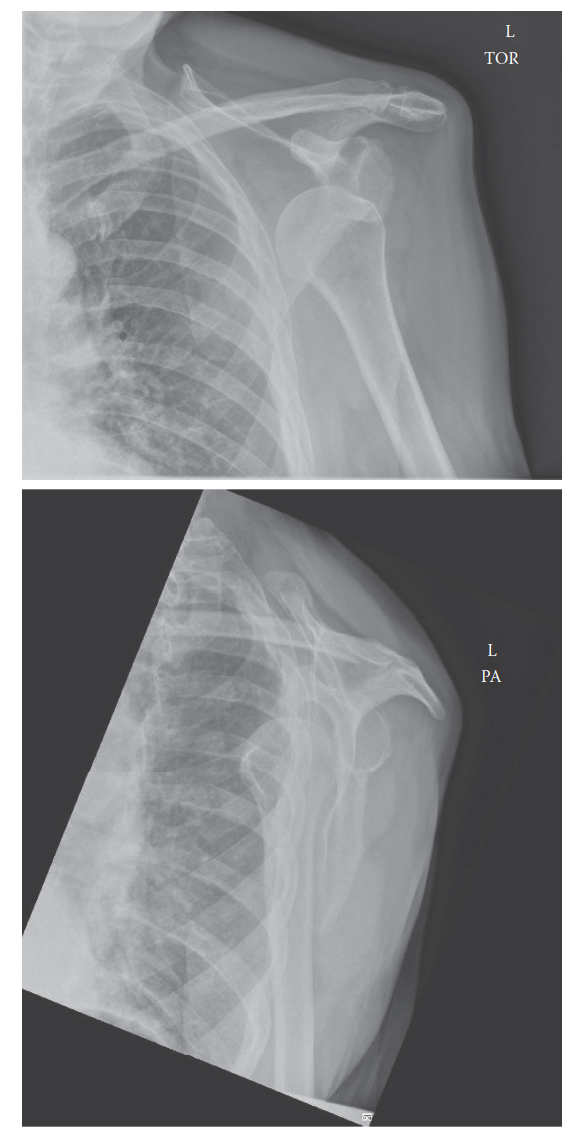
AP, Y-scapular, and axillary views are standard to confirm reduction, identify glenoid rim fractures (bony Bankart), and evaluate for significant Hill-Sachs lesions. Stryker notch view or West Point axillary view can enhance visualization of Hill-Sachs and bony Bankart lesions, respectively.
*
Magnetic Resonance Imaging (MRI) or MR Arthrography:
Gold standard for soft tissue evaluation. Identifies labral tears (Bankart lesion), capsular pathology, IGHL integrity, rotator cuff tears, and can visualize articular cartilage damage. MR Arthrography enhances visualization of subtle labral injuries and capsular detachment.
*
Computed Tomography (CT) with 3D Reconstructions:
Crucial for quantifying glenoid bone loss and characterizing the size and location of Hill-Sachs lesions, especially when bone loss is suspected or recurrent dislocations are present. Specific measurements (e.g., "en face" method, PICO method) are used to quantify bone loss relative to the inferior glenoid diameter. This information is critical for determining the need for bone augmentation procedures (e.g., Latarjet).
*
Dynamic Ultrasound:
Can be useful for assessing rotator cuff integrity and dynamic instability in certain cases, although less commonly a primary diagnostic tool for anterior instability.
3.
Risk Stratification:
Evaluate patient comorbidities, obtain necessary medical clearances, and discuss specific risks (e.g., infection, neurovascular injury, recurrence) with the patient. For athletes, discuss return-to-sport expectations.
Patient Positioning:
Two primary positions are utilized for shoulder arthroscopy and open instability procedures:
-
Beach Chair Position:
- Setup: Patient is semi-recumbent (30-70 degrees of trunk elevation) with the head secured, often in a headrest. The operative arm is draped free. A small bump under the ipsilateral scapula can protract the scapula, improving posterior access. The table is typically broken at the knees and hips to prevent sliding.
- Advantages: Ergonomically favorable for the surgeon, allows for easy conversion to an open procedure if necessary, facilitates neurovascular monitoring of the ipsilateral arm, and allows for simultaneous examination of the ipsilateral elbow/hand. Gravity-assisted shoulder distraction can be achieved.
- Disadvantages: Risk of cerebral hypoperfusion (though rare with proper monitoring), potential for cervical spine issues in patients with pre-existing conditions, increased risk of brachial plexus traction injury if arm is excessively tractioned inferiorly.
-
Lateral Decubitus Position:
- Setup: Patient is positioned on their contralateral side, secured to the operating table with beanbags or supportive bolsters. The torso is angled 30 degrees posteriorly. The operative arm is placed in an arm holder with traction, typically 10-15 lbs of longitudinal traction with 30-45 degrees of abduction and 15 degrees of forward flexion.
- Advantages: Excellent visualization of the glenohumeral joint due to constant distraction, lower risk of cerebral hypoperfusion, suitable for heavier patients.
- Disadvantages: More complex patient positioning, limited ability to convert to an open procedure, potential for fluid extravasation into surrounding tissues, risk of traction-related neuropraxia.
The choice of position is surgeon preference, but the beach chair position is generally preferred for arthroscopic Bankart repairs, while the lateral decubitus position is favored by some for better access to posterior portals or specific arthroscopic techniques. Open Latarjet procedures are typically performed in the beach chair position.
Detailed Surgical Approach / Technique
The surgical management of anterior shoulder dislocation ranges from arthroscopic soft tissue repair to open bone augmentation procedures, dictated by the extent of labral, capsular, and bony pathology.
Arthroscopic Bankart Repair
This is the most common surgical procedure for anterior glenohumeral instability in the absence of significant bone loss or engaging Hill-Sachs lesions.
- Anesthesia and Positioning: General anesthesia, typically in the beach chair position. A standard non-invasive blood pressure cuff is placed on the contralateral arm. Interscalene block may be used for post-operative pain control.
-
Diagnostic Arthroscopy & Portal Placement:
- Posterior Portal: Approximately 2 cm medial and 1 cm inferior to the posterolateral acromial corner. Used for initial diagnostic arthroscopy and visualization.
- Anterior-Superior Portal: Typically a "Neviaser" portal, created via an outside-in technique or by passing a spinal needle superior to the subscapularis tendon, anterior to the biceps anchor. Primary working portal.
- Anterior-Inferior Portal: Established under direct visualization from the posterior portal, typically through the rotator interval, approximately 1-2 cm medial to the anterolateral acromial edge, or by "split cannulation" for a wider angle. This is the main working portal for anchor placement and suture management.
- 5 O'Clock Portal (Optional): An accessory portal, often created inferiorly, used for specific suture management or addressing inferior tears.
- Diagnostic Survey: Systematically examine the glenohumeral joint (biceps anchor, rotator cuff, articular cartilage of humeral head and glenoid, subscapularis, labrum, capsule). Confirm the Bankart lesion (anterior-inferior labral detachment). Assess for Hill-Sachs lesion and determine if it engages the glenoid rim.
-
Glenoid and Labral Preparation:
- Labral Mobilization: The detached labrum is carefully mobilized off the anterior glenoid neck using a shaver or periosteal elevator. This "medialization" of the labrum and capsule is crucial for anatomic reduction and allows for adequate tensioning.
- Glenoid Neck Preparation: The anterior glenoid neck is debrided of any soft tissue and lightly decorticated (rasped or burred) to promote a bleeding bone bed for healing. This is done carefully to avoid removing too much bone.
-
Suture Anchor Placement:
- Typically 3-5 suture anchors are used, depending on the extent of the labral tear. Anchor placement starts at the 5 or 6 o'clock position (inferiorly) and progresses superiorly along the anterior glenoid rim to the 2 or 3 o'clock position.
- Anchors are placed just off the articular cartilage margin, aiming slightly medially into the glenoid neck.
- Modern anchors are often knotless or have self-tying mechanisms, but traditional knotted anchors remain common.
-
Suture Management and Labral Repair:
- Each anchor will have one or two sutures. Suture passers are used to retrieve the sutures and pass them through the mobilized labrum and capsule, typically in a horizontal mattress or simple stitch configuration.
- The goal is to reattach the labrum anatomically to the glenoid rim and tension the capsule, thereby restoring the anterior bumper and capsular restraint.
- Knot tying (for knotted anchors) is performed meticulously to achieve appropriate tension without overtightening, which can lead to stiffness. Knotless anchors provide consistent tension.
- Assessment of Stability: After all anchors are placed and sutures tied, the shoulder is taken through a full range of motion under arthroscopic visualization to confirm stability, particularly in abduction and external rotation. No engaging or apprehension should be noted.
Open Bankart Repair (e.g., Deltopectoral Approach)
Indications include failed arthroscopic repair, significant capsular redundancy, poor tissue quality, or surgeon preference in specific complex cases.
- Incision: A deltopectoral incision, approximately 6-8 cm long, starting just inferior to the coracoid process and extending distally.
- Internervous Plane: The deltopectoral interval is identified between the deltoid (axillary nerve innervation) laterally and the pectoralis major (medial and lateral pectoral nerve innervation) medially.
- Mobilization: The cephalic vein is identified and typically retracted laterally with the deltoid. The clavipectoral fascia is incised medial to the deltoid.
-
Conjoined Tendon & Subscapularis:
The conjoined tendon (coracobrachialis and short head of biceps) is identified and retracted medially. The subscapularis muscle is identified.
- Subscapularis Split: A common approach involves splitting the subscapularis tendon in line with its fibers, typically 1-2 cm medial to its insertion.
- Subscapularis Tenotomy: Alternatively, the subscapularis can be detached from its insertion (often with a small humeral bone block) and repaired later. This provides excellent exposure but requires meticulous repair.
- Capsular Incision: The anterior capsule is identified and incised, typically in an inverted T-fashion or linearly, to expose the glenohumeral joint.
- Labral Repair: The detached labrum is identified and mobilized. The anterior glenoid neck is prepared (decorticated). Suture anchors or transosseous sutures are used to reattach the labrum and capsule to the glenoid rim, recreating the anterior bumper. A capsular shift may be performed to reduce capsular laxity.
- Closure: The capsule is repaired, the subscapularis is repaired (if tenotomized or split), the deltopectoral interval is closed, and skin closure.
Latarjet Procedure (Coracoid Transfer)
Indicated for significant glenoid bone loss (>15-20%), engaging Hill-Sachs lesions, failed previous soft tissue repairs, or hyperlaxity. It involves transferring the coracoid process with its attached conjoined tendon to the anterior-inferior glenoid rim.
- Approach: Deltopectoral approach is standard.
- Coracoid Osteotomy: The coracoid process is exposed, and an osteotomy is performed at its base, preserving the conjoined tendon and pectoralis minor attachments.
- Glenoid Preparation: The anterior capsule is incised, and the anterior-inferior glenoid neck is exposed and prepared by debriding soft tissue and flattening the surface.
- Coracoid Transfer: The coracoid graft, oriented usually horizontally or vertically, is fixed to the anterior glenoid neck using two cancellous screws. The goal is to create a congruent arc of bone extending the glenoid articular surface.
- Sling Effect: The conjoined tendon, now positioned anterior to the subscapularis, provides a dynamic sling effect, further stabilizing the joint, particularly in abduction and external rotation.
- Optional Capsular Repair: A capsular repair or plication can be performed over the transferred coracoid if additional soft tissue tightening is required.
- Closure: Layered closure of the subscapularis (if split/detached), deltopectoral interval, and skin.
Remplissage Procedure (for Engaging Hill-Sachs)
Often performed concurrently with arthroscopic Bankart repair when an engaging Hill-Sachs lesion is present. It aims to fill the Hill-Sachs defect to prevent engagement.
- Arthroscopic Approach: Performed arthroscopically, often through a posterior portal or a dedicated postero-lateral portal.
- Defect Preparation: The Hill-Sachs lesion on the posterior humeral head is identified and debrided.
- Capsule/Infraspinatus Tenodesis: Sutures (typically from suture anchors placed in the Hill-Sachs defect) are passed through the posterior capsule and infraspinatus tendon.
- Suture Tying: Tying these sutures effectively "fills" the Hill-Sachs defect by tethering the posterior capsule and infraspinatus into it, preventing it from engaging the anterior glenoid rim.
- Caution: Overtightening can lead to loss of external rotation.
Complications & Management
Despite meticulous surgical technique, complications can occur following anterior shoulder stabilization procedures. Proactive identification and appropriate management are crucial for mitigating adverse outcomes.
Table 2: Common Complications, Incidence, and Salvage Strategies for Anterior Shoulder Stabilization
| Complication | Incidence (%) | Contributing Factors | Clinical Presentation | Management / Salvage Strategy |
|---|---|---|---|---|
| Recurrent Instability | 5-15% (Bankart), 2-5% (Latarjet) | Inadequate repair, significant bone loss, engaging Hill-Sachs, trauma, poor rehab compliance, hyperlaxity | Recurrent subluxation/dislocation, apprehension | Re-evaluate bone loss/Hill-Sachs. If initial Bankart failed due to bone loss, consider Latarjet. If Latarjet failed, revision Latarjet or other bone graft options (e.g., distal tibia allograft). Address remaining soft tissue laxity or Hill-Sachs with Remplissage. |
| Stiffness/Adhesive Capsulitis | 5-20% | Overtightening, inadequate early ROM, inflammation, poor compliance | Reduced ROM, pain, particularly external rotation | Aggressive physical therapy, NSAIDs. If refractory, consider MUA (Manipulation Under Anesthesia) and/or arthroscopic capsular release. Prevention: Careful capsular tensioning, early controlled ROM. |
| Neurovascular Injury | 1-3% (Axillary nerve most common), <0.5% vascular | Direct trauma during portal placement/dissection, traction, thermal injury | Numbness, weakness (deltoid for axillary), motor deficits, pain, cool/pale limb | Axillary Nerve: Observe, EMG studies. Most neuropraxias recover. Surgical exploration if no recovery after 3-6 months. Vascular: Immediate surgical exploration and repair by vascular surgeon. |
| Infection | 0.5-2% | Breach in sterile technique, prolonged surgery, immunocompromised patient | Pain, swelling, warmth, redness, fever, purulent discharge | Prompt IV antibiotics. Surgical debridement and irrigation, possibly hardware removal (after soft tissue healing). If chronic, may require staged reconstruction. |
| Hardware Complications | 2-10% (Anchor pull-out, breakage, prominence, screw issues) | Poor bone quality, improper anchor placement, early trauma, improper screw length/placement | Pain, palpable hardware, mechanical symptoms (e.g., clicking), anchor migration/loosening, nerve irritation | Symptomatic hardware removal (often delayed until healing). If anchor pull-out leads to recurrence, consider revision surgery addressing underlying cause. For Latarjet screws, symptomatic prominence may require removal after bone graft union. |
| Glenoid Chondrolysis | Rare, but debilitating | Thermal injury from shaver/ablation, over-aggressive debridement, chronic inflammation, joint incongruity | Persistent pain, crepitus, progressive arthritis | Conservative management (NSAIDs, injections). If severe, microfracture, osteochondral allograft, or ultimately arthroplasty (total or hemi). |
| Pain | Common, variable etiology | Inflammation, nerve irritation, hardware, capsulitis, residual instability | Localized or diffuse shoulder pain | R/o infection, hardware, instability. NSAIDs, physical therapy, local injections. Address specific cause if identified. |
| Fracture | Rare (glenoid, humeral head, coracoid) | Anchor insertion, trauma during reduction/fixation, stress riser | Acute pain, deformity, crepitus, imaging confirmation | Dependent on fracture pattern. Non-operative management if stable and non-displaced. Open reduction internal fixation (ORIF) for displaced or unstable fractures. |
| Coracoid Non-Union (Latarjet) | 1-5% | Inadequate fixation, poor graft incorporation, early return to activity | Persistent pain, instability, imaging showing lack of union | Revision fixation, bone grafting. |
Post-Operative Rehabilitation Protocols
Post-operative rehabilitation is a critical determinant of surgical outcome, aiming to protect the repair, restore range of motion, regain strength, and facilitate a safe return to activity. Protocols vary based on the specific procedure performed (e.g., Bankart vs. Latarjet), surgeon preference, tissue quality, and patient-specific factors (e.g., age, activity level, concomitant procedures). The principles, however, remain consistent: protection, early motion, strengthening, and functional progression.
General Phases of Rehabilitation:
Phase 1: Protection & Early Motion (Weeks 0-6)
*
Goals:
Protect surgical repair, minimize pain and inflammation, initiate controlled passive range of motion (PROM).
*
Immobilization:
Sling for 4-6 weeks, typically with some restrictions on external rotation (e.g., <0-15 degrees) and abduction, especially for anterior repairs. The exact position (neutral vs. slight internal rotation) may vary.
*
Exercises:
*
Passive Range of Motion (PROM):
Pendulum exercises, supine passive flexion, passive external rotation to prescribed limits.
*
Scapular Mobilization:
Gentle scapular retraction and protraction.
*
Elbow, Wrist, Hand ROM:
Active exercises to prevent stiffness.
*
Ice and NSAIDs:
For pain and swelling management.
*
Restrictions:
No active shoulder motion, no lifting, pushing, or pulling with the affected arm. Avoid overhead activities. Avoid weight-bearing through the arm.
Phase 2: Intermediate Motion & Early Strengthening (Weeks 6-12)
*
Goals:
Progress to active-assisted range of motion (AAROM) and active range of motion (AROM), initiate gentle isometric strengthening, restore normal scapular mechanics.
*
Discontinuation of Sling:
Gradual weaning from the sling at 6 weeks, as tolerated.
*
Exercises:
*
AAROM:
Pulley exercises, stick exercises (flexion, abduction, external rotation within limits).
*
AROM:
Gradual progression to full active range of motion, respecting pain.
*
Isometric Strengthening:
Rotator cuff (internal/external rotation), deltoid, scapular stabilizers.
*
Light Resistance:
Theraband exercises for rotator cuff and scapular muscles (e.g., rows, external rotation).
*
Restrictions:
Avoid heavy lifting, sudden movements, or forceful abduction/external rotation. No contact sports.
Phase 3: Advanced Strengthening & Proprioception (Weeks 12-20)
*
Goals:
Restore full strength, power, and endurance; enhance neuromuscular control and proprioception; prepare for return to activity.
*
Exercises:
*
Progressive Resistance Exercises (PRE):
dumbbells, resistance bands, cable machines for all major shoulder muscle groups (rotator cuff, deltoid, pectorals, latissimus, scapular stabilizers).
*
Proprioceptive Drills:
Stability ball exercises, rhythmic stabilization, dynamic balance activities.
*
Plyometrics:
Light plyometric exercises for athletes (e.g., medicine ball throws).
*
Core Strengthening:
Essential for proximal stability.
*
Restrictions:
Continue to avoid high-impact activities or uncontrolled movements. Gradual progression of sport-specific drills.
Phase 4: Return to Activity/Sport (Weeks 20-24+)
*
Goals:
Safe and progressive return to desired functional activities or sport.
*
Criteria for Return to Sport:
* Full, pain-free range of motion.
* Strength typically >90% of the contralateral limb.
* Absence of apprehension on clinical examination (e.g., apprehension-relocation test).
* Successful completion of sport-specific functional progression tests.
* Psychological readiness.
*
Exercises:
Sport-specific drills, progressive loading, impact activities, and gradual reintroduction to full participation.
*
Latarjet Specifics:
Due to the bone block and potentially greater inherent stability, Latarjet patients might have a slightly accelerated strengthening phase but often have similar protective phases for bone graft healing. External rotation restrictions might be less stringent.
Key Considerations for Rehabilitation:
*
Patient Compliance:
Essential for success; consistent engagement in therapy and adherence to restrictions.
*
Individualization:
Protocols must be tailored to the individual patient, their pathology, and their goals.
*
Communication:
Close communication between the surgeon and physical therapist is vital.
*
Pain Management:
Effective pain control allows for better participation in therapy.
Summary of Key Literature / Guidelines
The management of anterior shoulder dislocation has evolved significantly with advances in arthroscopic techniques and a deeper understanding of underlying biomechanics and risk factors. A review of key literature and current guidelines highlights several consensus points and areas of ongoing debate.
-
Arthroscopic Bankart Repair vs. Open Repair:
- Early studies and meta-analyses (e.g., published in AJSM, JBJS) often showed lower recurrence rates with open Bankart repair compared to early generation arthroscopic techniques. However, with improved arthroscopic techniques, suture anchor technology, and surgeon experience, current arthroscopic Bankart repair outcomes are largely comparable to open repair for soft tissue lesions, with the advantage of less soft tissue dissection and potentially less post-operative pain and stiffness.
- A significant systematic review by Lenters et al. (AJSM 2007) and similar studies highlighted that modern arthroscopic techniques can achieve similar recurrence rates to open stabilization in patients without significant bone loss.
- Guideline Implication: Arthroscopic Bankart repair is the preferred first-line treatment for anterior instability in patients with isolated soft tissue Bankart lesions and no significant glenoid bone loss.
-
Importance of Glenoid Bone Loss:
- The concept of critical glenoid bone loss has been emphasized by numerous studies. Burkhart and De Beer (Arthroscopy 2000) popularized the "inverted pear" glenoid and highlighted bone loss as a major predictor of failure after arthroscopic Bankart repair.
- Quantification of glenoid bone loss, typically >15-20% of the inferior glenoid diameter, is a strong indication for bone augmentation procedures (e.g., Latarjet).
- Guideline Implication: Pre-operative CT imaging with 3D reconstruction is crucial to assess glenoid bone loss, especially in recurrent cases or high-risk populations.
-
Latarjet Procedure for Bone Loss and High-Risk Patients:
- The Latarjet procedure has demonstrated superior recurrence rates compared to soft tissue Bankart repair in patients with significant glenoid bone loss, engaging Hill-Sachs lesions, or in contact athletes with a high risk of recurrence.
- Systematic reviews and comparative studies (e.g., from European Shoulder Societies such as ESSKA) consistently show lower recurrence rates for Latarjet compared to arthroscopic Bankart repair in specific high-risk cohorts, although with a higher risk of specific complications like neurovascular injury or hardware-related issues.
- Guideline Implication: Latarjet is considered the gold standard for recurrent anterior instability with significant glenoid bone loss, engaging Hill-Sachs, or in high-demand overhead/collision athletes after initial dislocations or failed Bankart repairs.
-
Management of Engaging Hill-Sachs Lesions:
- The "on-track/off-track" concept (Di Giacomo et al., Arthroscopy 2014) provides a clearer understanding of engaging Hill-Sachs lesions. An "off-track" lesion indicates that the Hill-Sachs defect will engage the glenoid rim during functional range of motion, significantly increasing recurrence risk.
- Remplissage procedure, performed concurrently with Bankart repair, has shown efficacy in preventing engagement of "off-track" Hill-Sachs lesions and reducing recurrence rates, although it can lead to some loss of external rotation.
- Guideline Implication: For engaging Hill-Sachs lesions without significant glenoid bone loss, Remplissage combined with Bankart repair is an effective strategy. If significant bone loss is also present, Latarjet may be preferred.
-
Age and Activity Level as Prognosticators:
- Young age (<20-25 years) at the time of first dislocation and participation in contact/overhead sports are consistently identified as independent risk factors for recurrence, even after successful reduction.
- Many guidelines support considering early surgical stabilization in these high-risk demographics, even after a first-time dislocation, to mitigate high recurrence rates and prevent further joint damage.
- Guideline Implication: Shared decision-making with young, athletic patients should include a robust discussion of the benefits of early surgical stabilization versus non-operative management, considering their high recurrence risk.
In summary, current evidence supports a personalized approach to anterior shoulder instability. Arthroscopic Bankart repair remains the workhorse for isolated soft tissue lesions. However, meticulous pre-operative assessment for bone loss and engaging Hill-Sachs lesions, guided by advanced imaging, is paramount. For patients with these complex pathologies or high-risk profiles, bone augmentation procedures like the Latarjet or adjunctive procedures like Remplissage offer superior stability and reduced recurrence rates, albeit with their own unique risk profiles. Ongoing research continues to refine indications and optimize surgical techniques and rehabilitation protocols.
You Might Also Like