Traumatic Carpometacarpal (CMC) Joint Injuries: Anatomy, Biomechanics & Clinical Management
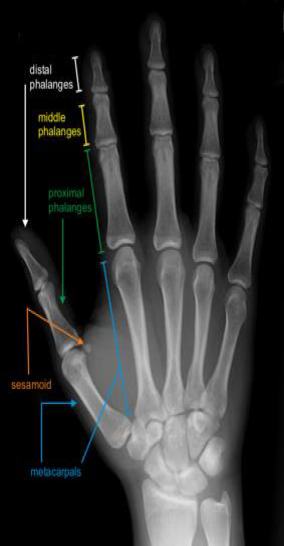
Key Takeaway
Carpometacarpal (CMC) joint injuries are typically traumatic fracture-dislocations, often from high-energy mechanisms. Management requires deep insight into the intricate surgical anatomy and biomechanics of both thumb and finger CMC joints. Accurate diagnosis and timely intervention are crucial to prevent long-term complications and restore optimal hand function.
Carpalmetacarpal Joints: Understanding Injuries & Managing CMC Pain
Introduction & Epidemiology
Carpometacarpal (CMC) joints are critical components of hand function, forming the articulation between the distal carpal row and the metacarpal bases. While the term "CMC pain" encompasses a broad spectrum, this discussion focuses primarily on acute traumatic injuries and their sequelae, which represent a significant challenge in orthopedic hand surgery. These injuries, though relatively uncommon compared to other hand fractures, frequently result from high-energy mechanisms and often present as complex fracture-dislocations.
The mobility and stability of the CMC joints vary significantly across the hand. The first CMC joint (thumb) is a highly mobile saddle joint, vital for pinch and grasp. The second and third CMC joints are relatively rigid, contributing to the stability of the central pillar of the hand. In contrast, the fourth and fifth CMC joints offer greater mobility, allowing the hand to cup and conform during power grip. This differential mobility dictates varying injury patterns and management strategies.
Epidemiologically, traumatic CMC injuries are predominantly seen in younger, active individuals involved in sports, motor vehicle accidents, or falls. High-energy mechanisms are the norm, necessitating a thorough evaluation for associated injuries, including other carpal fractures, metacarpal shaft fractures, and neurovascular compromise. Simple dislocations are rare; most traumatic CMC injuries present as fracture-dislocations, highlighting the robust ligamentous and osseous structures involved. The accurate diagnosis and management of these injuries are paramount to restoring hand function and preventing long-term sequelae such as post-traumatic arthritis, pain, and instability. The potential for compartment syndrome, particularly in the context of high-energy trauma, further underscores the need for vigilant assessment and prompt intervention.
Surgical Anatomy & Biomechanics
The anatomy and biomechanics of the CMC joints are intricate, contributing to the diverse functions of the hand. A thorough understanding is crucial for the diagnosis and management of injuries.
First Carpalmetacarpal (Thumb CMC) Joint
The first CMC joint, articulating the base of the first metacarpal with the trapezium, is a diarthrodial saddle joint. This unique morphology allows for a wide range of motion, including flexion, extension, abduction, adduction, and circumduction, which facilitates opposition – the cornerstone of fine motor skills and pinch grip.
- Articular Surfaces: The trapezium is convex in the dorsopalmar direction and concave in the mediolateral direction. The base of the first metacarpal is reciprocally concave dorsopalmar and convex mediolateral. This saddle configuration provides inherent stability while permitting significant mobility.
-
Ligamentous Stabilizers:
- Volar Oblique Ligament (Beak Ligament): This is the primary static stabilizer, originating from the volar tubercle of the trapezium and inserting onto the volar ulnar aspect of the first metacarpal base. It resists dorsal and radial subluxation of the metacarpal.
- Dorsoradial Ligament: Originating from the dorsal aspect of the trapezium, inserting dorsoradially on the metacarpal base. Disruption of this ligament is often implicated in dorsal dislocations.
- Posterior Oblique Ligament: Located dorsally.
- Ulnar Collateral Ligament: Reinforces the ulnar aspect.
- Intermetacarpal Ligament: Connects the bases of the first and second metacarpals, contributing to stability.
-
Dynamic Stabilizers:
Muscles crossing the joint contribute to stability and motion.
- Abductor Pollicis Longus (APL): Inserts on the radial aspect of the first metacarpal base, responsible for abduction and radial deviation. Its deforming force is radial and proximal.
- Extensor Pollicis Brevis (EPB): Inserts on the proximal phalanx, assists in extension.
- Adductor Pollicis: Inserts on the ulnar aspect of the first metacarpal base and proximal phalanx. Its deforming force is adduction and supination.
- Thenar Muscles: Abductor Pollicis Brevis (APB), Flexor Pollicis Brevis (FPB), Opponens Pollicis (OP) contribute to thumb positioning and opposition.
- Biomechanics: The joint is most stable in pronation and extension, which "locks" the saddle configuration. Injuries often occur from axial loading of a partially flexed thumb, forcing the metacarpal base out of its stable position.
- Neurovascular Structures: The radial artery passes beneath the APL and EPB tendons just proximal to the CMC joint, rendering it vulnerable during surgical approaches. Branches of the superficial radial nerve are also at risk.
Second to Fifth Carpalmetacarpal Joints
These joints form the interface between the distal carpal row (trapezoid, capitate, hamate) and the bases of the second through fifth metacarpals. Their varying degrees of mobility are critical for conforming the hand during grasp.
- Second CMC Joint: Articulates with the trapezoid, trapezium, and capitate. It is the most rigid of the finger CMCs, providing a stable pillar for the index finger.
- Third CMC Joint: Articulates primarily with the capitate. Also relatively rigid, forming another stable central pillar.
- Fourth CMC Joint: Articulates with the hamate and a small facet of the capitate. Exhibits moderate mobility, contributing to the transverse arch.
- Fifth CMC Joint: Articulates with the hamate. This is the most mobile of the finger CMCs, allowing significant flexion and rotation, crucial for conforming the hand to objects during power grip.
- Ligamentous Stabilizers: These joints are extensively reinforced by strong dorsal, volar, and interosseous ligaments. The intermetacarpal ligaments, particularly between the second and third metacarpal bases, further enhance stability.
- Biomechanics: The rigidity of the second and third CMCs transmits forces efficiently from the forearm to the hand, while the mobility of the fourth and fifth CMCs allows for adaptive gripping. Disruption of these joints impairs the hand's ability to form a functional arch.
- Neurovascular Structures: Dorsal approaches to these joints must be mindful of extensor tendons and branches of the dorsal sensory nerves (radial and ulnar). The deep palmar arch and digital nerves are volar to the CMCs and are rarely directly involved in dorsal approaches but remain a concern in severe trauma or volar approaches.
Hand Compartments
The hand is anatomically divided into 10 distinct osseo-fascial compartments, each containing muscles, nerves, and vessels. Understanding these compartments is vital for diagnosing and managing compartment syndrome, a severe complication of high-energy hand trauma.
- Dorsal Interossei (4 compartments): Each contains a dorsal interosseous muscle.
- Palmar Interossei (3 compartments): Each contains a palmar interosseous muscle.
- Thenar Compartment: Contains the thenar muscles (APB, FPB, OP).
- Hypothenar Compartment: Contains the hypothenar muscles (Abductor Digiti Minimi, Flexor Digiti Minimi, Opponens Digiti Minimi).
- Adductor Pollicis Compartment: Contains the adductor pollicis muscle.
Compartment Syndrome:
This limb-threatening condition results from a sustained increase in compartment pressure due to inflammation and edema, leading to vascular compromise and muscle ischemia, eventually necrosis.
*
Signs:
Tense swelling, pain out of proportion to injury, pain with passive stretch of involved muscles, and loss of active motion. Sensory examination may be normal early in the process. The hand may assume an intrinsic minus position (MCP extension, IP flexion) due to interossei muscle dysfunction.
*
Diagnosis:
Clinical suspicion mandates objective measurement of compartment pressures. A delta pressure (diastolic blood pressure minus compartment pressure) less than 30 mmHg or an absolute compartment pressure greater than 15-20 mmHg for a sustained period warrants immediate surgical intervention.
*
Treatment:
Emergent fasciotomy involving the release of all 10 hand compartments and often the transverse carpal ligament.
Indications & Contraindications
The decision-making process for managing CMC injuries involves careful consideration of fracture stability, articular involvement, soft tissue status, and patient factors.
Operative Indications
Surgical intervention is generally indicated for unstable injuries, those with significant displacement, articular incongruity, or associated neurovascular compromise.
-
Thumb CMC Injuries:
-
Unstable Bennett's fracture-dislocations:
Particularly when closed reduction is unstable or articular step-off is >1-2 mm. The typical displacement pattern is dorsoradial subluxation of the metacarpal shaft with the volar ulnar fragment remaining attached to the trapezium.
-
-
Rolando's fractures:
Comminuted intra-articular fractures of the first metacarpal base, often T or Y-shaped, that cannot be anatomically reduced and stably fixed closed.
-
- Irreducible simple CMC dislocations: Due to interposed soft tissue (e.g., APL tendon, capsule).
- Any fracture-dislocation with significant articular incongruity (>1-2 mm step-off) or rotational deformity.
- Open CMC injuries.
-
Unstable Bennett's fracture-dislocations:
Particularly when closed reduction is unstable or articular step-off is >1-2 mm. The typical displacement pattern is dorsoradial subluxation of the metacarpal shaft with the volar ulnar fragment remaining attached to the trapezium.
-
Finger CMC Injuries (2nd-5th CMCs):
- Unstable dislocations or fracture-dislocations: Especially of the 4th and 5th CMCs, which are more mobile and prone to instability.
- Displaced intra-articular fractures of the metacarpal bases with significant step-off.
- Dorsal or volar dislocations that are irreducible by closed means.
- Associated carpal or metacarpal fractures that compromise stability or reduction.
- Open injuries.
- Evidence of acute compartment syndrome.
- Neurovascular compromise: Any CMC injury causing acute or progressive neurovascular deficit necessitates immediate surgical exploration.
Non-Operative Indications
Conservative management is reserved for stable injuries without significant displacement or articular involvement.
-
Thumb CMC Injuries:
- Minimally displaced extra-articular fractures of the first metacarpal base.
- Stable, reducible Bennett's fracture-dislocations without significant articular step-off, which can be maintained in a cast or splint.
-
Finger CMC Injuries:
- Minimally displaced and stable fracture-dislocations of the 2nd-5th CMCs, particularly those that maintain reduction in a short arm cast or splint.
- Undisplaced or minimally displaced extra-articular metacarpal base fractures.
- Patient factors: Severe medical comorbidities precluding surgery, or patient refusal.
Contraindications
Absolute contraindications are rare but include an active infection in the surgical field (relative contraindication necessitating infection control prior to definitive fixation) or severe medical instability of the patient. Relative contraindications may include severe osteoporosis that compromises hardware purchase, or patient non-compliance with post-operative protocols.
Table: Operative vs. Non-Operative Indications for CMC Injuries
| Feature / Injury Type | Operative Management | Non-Operative Management |
|
Metacarpal Fractures
|
Primary Stabilization:
Fixation with lag screws, mini-plates, or K-wires for unstable or displaced fractures (e.g., Bennett's, Rolando's, displaced intra-articular fractures). the pain following passive movement of the thumb (CMC) joint.
The joint is considered stable if there is no pain or displacement of the first metacarpal with gentle, repeated stresses at various degrees of flexion, extension, abduction, and adduction. If pain persists or there is obvious laxity or displacement, dynamic or static instability exists.
Pre-Operative Planning & Patient Positioning
Thorough pre-operative planning is essential to anticipate potential challenges and optimize surgical outcomes.
Imaging
-
Standard Radiographs:
Initial evaluation includes standard PA, lateral, and oblique views of the hand and wrist.
- For the thumb CMC , a specific Robert's view (true AP of the thumb CMC joint with the hand flat on the cassette and the forearm fully pronated) is crucial for assessing articular congruence and fracture patterns, especially for Bennett's and Rolando's.
- For the 4th and 5th CMCs , a 30-degree pronated oblique view can better visualize their articulations with the hamate.
- Computed Tomography (CT) Scan: Indicated for most traumatic CMC injuries, especially those involving the articular surface or with comminution. CT provides detailed information regarding fracture lines, fragment displacement, articular step-off, rotational malalignment, and associated carpal bone injuries. Multiplanar reconstructions and 3D imaging are invaluable for surgical planning and understanding complex fracture morphology.
- Magnetic Resonance Imaging (MRI): Rarely indicated for acute traumatic CMC injuries unless ligamentous injury is suspected without clear osseous pathology, or for evaluating chronic pain and subtle instability not evident on other imaging modalities.
Patient Assessment & Consent
- Medical Evaluation: A comprehensive medical assessment to identify comorbidities that might impact surgical risk or recovery (e.g., diabetes, peripheral vascular disease, smoking, steroid use).
- Functional Demands: Evaluate hand dominance, occupation, hobbies, and the patient's functional expectations to tailor treatment and rehabilitation goals.
- Informed Consent: Detailed discussion with the patient regarding the nature of the injury, proposed surgical procedure, expected outcomes, and potential complications including infection, nonunion, malunion, stiffness, nerve injury, hardware issues, and the possibility of re-operation or chronic pain.
Equipment & Anesthesia
- Surgical Equipment: A mini-fragment fixation set (1.5mm or 2.0mm screws and plates), various sizes of K-wires (0.035", 0.045"), K-wire driver/power drill, small osteotomes, bone hooks, dental picks for reduction, specialized hand retractors, loupes for magnification, and a high-quality fluoroscopy unit (C-arm).
- Anesthesia: A regional anesthetic block (e.g., axillary or supraclavicular block) combined with general anesthesia is often preferred. The regional block provides excellent intra-operative and post-operative analgesia and aids in reducing tourniquet discomfort.
- Tourniquet: A pneumatic tourniquet is applied to the upper arm for a bloodless field, typically inflated to 250-300 mmHg.
Patient Positioning & Surgical Field Preparation
- Positioning: The patient is positioned supine on the operating table. The affected arm is abducted and placed on a specialized hand table, with the elbow flexed to 90 degrees. The forearm can be positioned in neutral, pronation, or supination as dictated by the specific approach, allowing optimal visualization and access to the CMC joints.
- Sterile Preparation: The entire limb, from the tourniquet to the fingertips, is prepped and draped using sterile technique. This extensive field ensures maximal mobility of the wrist and fingers during the procedure and allows for extension of incisions if necessary.
Detailed Surgical Approach / Technique
The goal of surgical management for traumatic CMC injuries is anatomical reduction of the articular surface, restoration of joint stability, and stable fixation to allow for early motion and optimal functional recovery.
General Principles of Open Reduction Internal Fixation (ORIF)
- Careful Soft Tissue Handling: Minimize iatrogenic soft tissue damage to preserve vascularity and reduce scarring.
- Anatomical Reduction: Achieve precise reduction of articular fragments to prevent post-traumatic arthritis.
- Stable Fixation: Employ fixation constructs strong enough to withstand early motion while avoiding excessive hardware bulk.
- Early Motion: Encourage controlled early active and passive range of motion to prevent stiffness.
Thumb CMC (First CMC) Injuries
Surgical approaches for the first CMC joint must protect the superficial radial nerve branches and the radial artery.
Dorsoradial Approach
This is the most common approach.
*
Incision:
A curvilinear incision approximately 3-4 cm long centered over the dorsoradial aspect of the first CMC joint, extending distally towards the first metacarpal base.
*
Dissection:
* Carefully incise the skin and subcutaneous tissue. Identify and protect branches of the
superficial radial nerve
. These nerves are highly variable and prone to injury, leading to sensory deficits or painful neuromas.
* Incise the fascia, exposing the abductor pollicis longus (APL) and extensor pollicis brevis (EPB) tendons.
* The approach can proceed
between the APL and EPB tendons
or
ulnar to the APL tendon
. The radial artery is typically volar and deep to the APL/EPB tendons and must be protected.
* Retract the tendons to expose the joint capsule. A longitudinal capsulotomy or L-shaped capsulotomy provides access to the articular surface.
*
Reduction:
*
Deforming forces:
Recall that the adductor pollicis exerts adduction and supination forces, while the APL pulls the metacarpal radially and proximally. These forces must be overcome.
* Reduction often involves longitudinal traction on the thumb, followed by forced abduction, extension, and pronation of the first metacarpal. Direct manipulation of fragments with dental picks or Kirschner wires (K-wires) may be required. Fluoroscopic guidance is essential to confirm anatomical reduction.
*
Fixation:
*
K-wires:
The mainstay for temporary or definitive fixation.
* For simple dislocations or stable fracture-dislocations: K-wires (0.035" or 0.045") are drilled across the reduced CMC joint into the trapezium, typically from the metacarpal base distally into the trapezium proximally. One or two wires are often sufficient. Care must be taken to avoid neurovascular structures, especially the radial artery on the volar aspect. Wires can also be placed from the metacarpal base into the shaft of the second metacarpal for additional stability (intermetacarpal pinning).
*
Small Screws (1.5mm or 2.0mm):
Used for larger, amenable fracture fragments, particularly in Bennett's fractures or Rolando's fractures, to achieve interfragmentary compression.
*
Mini-plates:
For comminuted fractures or significant instability where K-wires alone are insufficient. Locking plates are becoming more common for complex fracture patterns, providing better stability in osteoporotic bone.
*
Ligament Repair/Reconstruction:
In cases of irreducible simple dislocations or severe ligamentous disruption, direct repair of torn ligaments (e.g., dorsoradial ligament) can be performed. This is then protected with K-wire stabilization.
Specific Injury Management:
-
Bennett's Fracture-Dislocation:
- Characterized by an intra-articular fracture of the ulnar base of the first metacarpal, with a small volar-ulnar fragment remaining attached to the trapezium via the volar oblique (beak) ligament. The main metacarpal shaft displaces dorsoradially due to the pull of the APL.
- Reduction: Apply longitudinal traction, pronation, abduction, and direct pressure on the dorsoradially displaced metacarpal base.
-
Fixation:
- Closed Reduction and Percutaneous Pinning (CRPP): Often achievable. One or two K-wires are placed from the metacarpal shaft, obliquely across the reduced joint, into the trapezium. An alternative technique involves pinning the metacarpal to the second metacarpal.
- Open Reduction Internal Fixation (ORIF): If closed reduction is unsuccessful or unstable, an open approach is used. The volar-ulnar fragment can sometimes be secured with a small screw, or the main metacarpal is fixed to the trapezium with K-wires.
-
Rolando's Fracture:
- A comminuted T or Y-shaped intra-articular fracture of the first metacarpal base. More challenging to treat due to multiple fragments.
- Reduction: Similar principles as Bennett's, but fragment manipulation is more complex.
-
Fixation:
- K-wires: May be used to buttress individual fragments or for trans-articular stabilization.
- Mini-plates: Small T or Y-plates can be used to capture and stabilize articular fragments, if bone quality allows.
- External Fixation: In severe comminution where stable internal fixation is not possible, an external fixator can be used to maintain length, alignment, and indirectly reduce fragments. This is often combined with limited K-wire fixation of larger fragments.
Finger CMCs (Second to Fifth CMCs) Injuries
These joints are typically approached dorsally. Protecting extensor tendons and dorsal sensory nerves is crucial.
Dorsal Approach
- Incision: Longitudinal incision directly over the involved metacarpal base and distal carpus. For multiple adjacent injuries, a single curvilinear or zigzag incision may be used.
-
Dissection:
- Incise skin and subcutaneous tissue. Identify and protect the dorsal sensory branches of the radial and ulnar nerves, which are highly variable.
- Carefully retract the extensor tendons. The extensor retinaculum may need to be incised longitudinally over the specific compartments.
- The joint capsule is exposed. A longitudinal capsulotomy provides access.
-
Reduction:
- Apply longitudinal traction to the involved digit. Direct manipulation of the metacarpal base or carpal bone with forceps or bone hooks. Fluoroscopic visualization is critical to confirm anatomical alignment and reduction.
- Ensure any rotational deformities are corrected.
-
Fixation:
- K-wires: The most common method. Wires (0.035" or 0.045") are typically driven from the metacarpal base, across the reduced CMC joint, into the adjacent carpal bone (e.g., 2nd MC into trapezoid, 3rd MC into capitate, 4th/5th MC into hamate). Wires can also be placed into adjacent stable metacarpals (intermetacarpal pinning).
- Mini-plates and Screws: For significantly displaced intra-articular fractures or unstable fracture-dislocations, small plates and screws (1.5mm or 2.0mm) can provide more rigid fixation. This is particularly relevant for injuries to the 2nd and 3rd CMCs where less motion is desired.
-
 (This image, likely depicting K-wire or plate fixation for finger CMCs, fits well here.)
Compartment Syndrome Management
If clinical signs are present or compartment pressures exceed critical thresholds, emergent fasciotomy is mandatory.
- Diagnosis: Clinical signs include tense swelling, pain out of proportion to injury, pain with passive stretch, and loss of motion. Pressure measurement confirms the diagnosis (absolute pressure >15-20 mmHg or delta pressure <30 mmHg).
-
Technique (Complete Hand Fasciotomy):
This typically involves a combination of dorsal and volar incisions to release all 10 hand compartments.
-
Dorsal Incisions:
Two longitudinal incisions are made on the dorsum of the hand, usually over the 2nd and 4th metacarpal shafts. These incisions allow access to:
- Release of the 4 dorsal interossei compartments.
- Release of the 3 palmar interossei compartments (by cutting the dorsal interosseous membrane from dorsal approaches).
-
Volar Incisions:
- Thenar Incision: A curvilinear incision along the thenar crease. This allows release of the thenar compartment and the adductor pollicis compartment (by incising the septum between the adductor pollicis and the third metacarpal). The transverse carpal ligament is released as part of this incision or as a separate transverse incision at the wrist crease, if carpal tunnel decompression is also required.
- Hypothenar Incision: A longitudinal incision along the hypothenar eminence. This releases the hypothenar compartment.
- Wound Management: The fasciotomy wounds are left open and dressed with sterile, non-adherent dressings. Delayed primary closure or split-thickness skin grafting is performed typically 3-7 days later, once swelling has subsided.
-
Dorsal Incisions:
Two longitudinal incisions are made on the dorsum of the hand, usually over the 2nd and 4th metacarpal shafts. These incisions allow access to:
Complications & Management
Despite meticulous surgical technique, CMC injuries can be associated with various complications, requiring vigilant post-operative monitoring and timely intervention.
Table: Common Complications, Incidence, and Salvage Strategies
| Complication | Incidence (Approximate) | Salvage Strategy
|
Post-traumatic Arthritis
| 10-50% (higher for intra-articular) | Conservative initially (NSAIDs, injections). Surgical options: arthrodesis (fusion) for painful instability (especially thumb CMC), or arthroplasty (interposition arthroplasty, total joint replacement) for thumb CMC to preserve motion. **
## Pre-Operative Planning & Patient Positioning
Thorough pre-operative planning is essential to anticipate potential challenges and optimize surgical outcomes.
Imaging
-
Standard Radiographs:
Initial evaluation includes standard PA, lateral, and oblique views of the hand and wrist.
- For the thumb CMC , a specific Robert's view (true AP of the thumb CMC joint with the hand flat on the cassette and the forearm fully pronated) is crucial for assessing articular congruence and fracture patterns, especially for Bennett's and Rolando's.
- For the 4th and 5th CMCs , a 30-degree pronated oblique view can better visualize their articulations with the hamate.
- Computed Tomography (CT) Scan: Indicated for most traumatic CMC injuries, especially those involving the articular surface or with comminution. CT provides detailed information regarding fracture lines, fragment displacement, articular step-off, rotational malalignment, and associated carpal bone injuries. Multiplanar reconstructions and 3D imaging are invaluable for surgical planning and understanding complex fracture morphology.
- Magnetic Resonance Imaging (MRI): Rarely indicated for acute traumatic CMC injuries unless ligamentous injury is suspected without clear osseous pathology, or for evaluating chronic pain and subtle instability not evident on other imaging modalities.
Patient Assessment & Consent
- Medical Evaluation: A comprehensive medical assessment to identify comorbidities that might impact surgical risk or recovery (e.g., diabetes, peripheral vascular disease, smoking, steroid use).
- Functional Demands: Evaluate hand dominance, occupation, hobbies, and the patient's functional expectations to tailor treatment and rehabilitation goals.
- Informed Consent: Detailed discussion with the patient regarding the nature of the injury, proposed surgical procedure, expected outcomes, and potential complications including infection, nonunion, malunion, stiffness, nerve injury, hardware issues, and the possibility of re-operation or chronic pain.
Equipment & Anesthesia
- Surgical Equipment: A mini-fragment fixation set (1.5mm or 2.0mm screws and plates), various sizes of K-wires (0.035", 0.045"), K-wire driver/power drill, small osteotomes, bone hooks, dental picks for reduction, specialized hand retractors, loupes for magnification, and a high-quality fluoroscopy unit (C-arm).
- Anesthesia: A regional anesthetic block (e.g., axillary or supraclavicular block) combined with general anesthesia is often preferred. The regional block provides excellent intra-operative and post-operative analgesia and aids in reducing tourniquet discomfort.
- Tourniquet: A pneumatic tourniquet is applied to the upper arm for a bloodless field, typically inflated to 250-300 mmHg.
Patient Positioning & Surgical Field Preparation
- Positioning: The patient is positioned supine on the operating table. The affected arm is abducted and placed on a specialized hand table, with the elbow flexed to 90 degrees. The forearm can be positioned in neutral, pronation, or supination as dictated by the specific approach, allowing optimal visualization and access to the CMC joints.
- Sterile Preparation: The entire limb, from the tourniquet to the fingertips, is prepped and draped using sterile technique. This extensive field ensures maximal mobility of the wrist and fingers during the procedure and allows for extension of incisions if necessary.
Detailed Surgical Approach / Technique
The goal of surgical management for traumatic CMC injuries is anatomical reduction of the articular surface, restoration of joint stability, and stable fixation to allow for early motion and optimal functional recovery.
General Principles of Open Reduction Internal Fixation (ORIF)
- Careful Soft Tissue Handling: Minimize iatrogenic soft tissue damage to preserve vascularity and reduce scarring.
- Anatomical Reduction: Achieve precise reduction of articular fragments to prevent post-traumatic arthritis.
- Stable Fixation: Employ fixation constructs strong enough to withstand early motion while avoiding excessive hardware bulk.
- Early Motion: Encourage controlled early active and passive range of motion to prevent stiffness.
Thumb CMC (First CMC) Injuries
Surgical approaches for the first CMC joint must protect the superficial radial nerve branches and the radial artery.
Dorsoradial Approach
This is the most common approach.
*
Incision:
A curvilinear incision approximately 3-4 cm long centered over the dorsoradial aspect of the first CMC joint, extending distally towards the first metacarpal base.
*
Dissection:
* Carefully incise the skin and subcutaneous tissue. Identify and protect branches of the
superficial radial nerve
. These nerves are highly variable and prone to injury, leading to sensory deficits or painful neuromas.
* Incise the fascia, exposing the abductor pollicis longus (APL) and extensor pollicis brevis (EPB) tendons.
* The approach can proceed
between the APL and EPB tendons
or
ulnar to the APL tendon
. The radial artery is typically volar and deep to the APL/EPB tendons and must be protected.
* Retract the tendons to expose the joint capsule. A longitudinal capsulotomy or L-shaped capsulotomy provides access to the articular surface.
*
Reduction:
*
Deforming forces:
Recall that the adductor pollicis exerts adduction and supination forces, while the APL pulls the metacarpal radially and proximally. These forces must be overcome.
* Reduction often involves longitudinal traction on the thumb, followed by forced abduction, extension, and pronation of the first metacarpal. Direct manipulation of fragments with dental picks or Kirschner wires (K-wires) may be required. Fluoroscopic guidance is essential to confirm anatomical reduction.
*
Fixation:
*
K-wires:
The mainstay for temporary or definitive fixation.
* For simple dislocations or stable fracture-dislocations: K-wires (0.035" or 0.045") are drilled across the reduced CMC joint into the trapezium, typically from the metacarpal base distally into the trapezium proximally. One or two wires are often sufficient. Care must be taken to avoid neurovascular structures, especially the radial artery on the volar aspect. Wires can also be placed from the metacarpal base into the shaft of the second metacarpal for additional stability (intermetacarpal pinning).
*
Small Screws (1.5mm or 2.0mm):
Used for larger, amenable fracture fragments, particularly in Bennett's fractures or Rolando's fractures, to achieve interfragmentary compression.
*
Mini-plates:
For comminuted fractures or significant instability where K-wires alone are insufficient. Locking plates are becoming more common for complex fracture patterns, providing better stability in osteoporotic bone.
*
Ligament Repair/Reconstruction:
In cases of irreducible simple dislocations or severe ligamentous disruption, direct repair of torn ligaments (e.g., dorsoradial ligament) can be performed. This is then protected with K-wire stabilization.
Specific Injury Management:
-
Bennett's Fracture-Dislocation:
- Characterized by an intra-articular fracture of the ulnar base of the first metacarpal, with a small volar-ulnar fragment remaining attached to the trapezium via the volar oblique (beak) ligament. The main metacarpal shaft displaces dorsoradially due to the pull of the APL.
- Reduction: Apply longitudinal traction, pronation, abduction, and direct pressure on the dorsoradially displaced metacarpal base.
-
Fixation:
- Closed Reduction and Percutaneous Pinning (CRPP): Often achievable. One or two K-wires are placed from the metacarpal shaft, obliquely across the reduced joint, into the trapezium. An alternative technique involves pinning the metacarpal to the second metacarpal.
- Open Reduction Internal Fixation (ORIF): If closed reduction is unsuccessful or unstable, an open approach is used. The volar-ulnar fragment can sometimes be secured with a small screw, or the main metacarpal is fixed to the trapezium with K-wires.
-

-

-
Rolando's Fracture:
- A comminuted T or Y-shaped intra-articular fracture of the first metacarpal base. More challenging to treat due to multiple fragments.
- Reduction: Similar principles as Bennett's, but fragment manipulation is more complex.
-
Fixation:
- K-wires: May be used to buttress individual fragments or for trans-articular stabilization.
- Mini-plates: Small T or Y-plates can be used to capture and stabilize articular fragments, if bone quality allows.
- External Fixation: In severe comminution where stable internal fixation is not possible, an external fixator can be used to maintain length, alignment, and indirectly reduce fragments. This is often combined with limited K-wire fixation of larger fragments.
-

-

Finger CMCs (Second to Fifth CMCs) Injuries
These joints are typically approached dorsally. Protecting extensor tendons and dorsal sensory nerves is crucial.
Dorsal Approach
- Incision: Longitudinal incision directly over the involved metacarpal base and distal carpus. For multiple adjacent injuries, a single curvilinear or zigzag incision may be used.
-
Dissection:
- Incise skin and subcutaneous tissue. Identify and protect the dorsal sensory branches of the radial and ulnar nerves, which are highly variable.
- Carefully retract the extensor tendons. The extensor retinaculum may need to be incised longitudinally over the specific compartments.
- The joint capsule is exposed. A longitudinal capsulotomy provides access.
-
Reduction:
- Apply longitudinal traction to the involved digit. Direct manipulation of the metacarpal base or carpal bone with forceps or bone hooks. Fluoroscopic visualization is critical to confirm anatomical alignment and reduction.
- Ensure any rotational deformities are corrected.
-
Fixation:
- K-wires: The most common method. Wires (0.035" or 0.045") are typically driven from the metacarpal base, across the reduced CMC joint, into the adjacent carpal bone (e.g., 2nd MC into trapezoid, 3rd MC into capitate, 4th/5th MC into hamate). Wires can also be placed into adjacent stable metacarpals (intermetacarpal pinning).
- Mini-plates and Screws: For significantly displaced intra-articular fractures or unstable fracture-dislocations, small plates and screws (1.5mm or 2.0mm) can provide more rigid fixation. This is particularly relevant for injuries to the 2nd and 3rd CMCs where less motion is desired.
-
Compartment Syndrome Management
If clinical signs are present or compartment pressures exceed critical thresholds, emergent fasciotomy is mandatory.
- Diagnosis: Clinical signs include tense swelling, pain out of proportion to injury, pain with passive stretch, and loss of motion. Sensory exam may be normal. The hand may assume intrinsic minus position (MCP extension, IP flexion). Pressure measurement confirms the diagnosis (absolute pressure >15-20 mmHg or delta pressure <30 mmHg).
-
Technique (Complete Hand Fasciotomy):
This typically involves a combination of dorsal and volar incisions to release all 10 hand compartments.
-
Dorsal Incisions:
Two longitudinal incisions are made on the dorsum of the hand, usually over the 2nd and 4th metacarpal shafts. These incisions allow access to:
- Release of the 4 dorsal interossei compartments.
- Release of the 3 palmar interossei compartments (by cutting the dorsal interosseous membrane from dorsal approaches).
-
Volar Incisions:
- Thenar Incision: A curvilinear incision along the thenar crease. This allows release of the thenar compartment and the adductor pollicis compartment (by incising the septum between the adductor pollicis and the third metacarpal). The transverse carpal ligament is released as part of this incision or as a separate transverse incision at the wrist crease, if carpal tunnel decompression is also required.
- Hypothenar Incision: A longitudinal incision along the hypothenar eminence. This releases the hypothenar compartment.
- Wound Management: The fasciotomy wounds are left open and dressed with sterile, non-adherent dressings. Delayed primary closure or split-thickness skin grafting is performed typically 3-7 days later, once swelling has subsided.
-
Dorsal Incisions:
Two longitudinal incisions are made on the dorsum of the hand, usually over the 2nd and 4th metacarpal shafts. These incisions allow access to:
Complications & Management
Despite meticulous surgical technique, CMC injuries can be associated with various complications, requiring vigilant post-operative monitoring and timely intervention.
Table: Common Complications, Incidence, and Salvage Strategies
| Complication | Incidence (Approximate) | Salvage Strategy |
|
Infection
| ~2-5% (higher for open trauma) | Surgical debridement, repeated washouts, appropriate antibiotic regimen based on deep tissue culture. ## Carpalmetacarpal Joints: Understanding Injuries & Managing CMC Pain
Introduction & Epidemiology
Carpometacarpal (CMC) joints are critical components of hand function, forming the articulation between the distal carpal row and the metacarpal bases. While the term "CMC pain" broadly refers to discomfort originating from these joints, this discussion will primarily focus on the evaluation and surgical management of acute traumatic injuries, as these represent a significant challenge in orthopedic hand surgery. These injuries, though relatively uncommon compared to other hand fractures, frequently result from high-energy mechanisms and often present as complex fracture-dislocations.
The mobility and inherent stability of the CMC joints vary significantly across the hand, a factor that dictates specific injury patterns and management strategies. The first CMC joint, involving the thumb, is a highly mobile saddle joint, indispensable for pinch and grasp. In contrast, the second and third CMC joints are relatively rigid, contributing to the stability of the central pillar of the hand and efficient force transmission. The fourth and fifth CMC joints, however, offer greater intrinsic mobility, allowing the ulnar side of the hand to cup and conform around objects during power grip.
Epidemiologically, traumatic CMC injuries are predominantly observed in younger, active individuals involved in sports, motor vehicle accidents, industrial mishaps, or falls. The high-energy nature of these mechanisms necessitates a thorough assessment for associated injuries, which may include other carpal fractures, metacarpal shaft fractures, and potential neurovascular compromise. It is crucial to recognize that simple dislocations of the CMC joints are rare; the majority of traumatic presentations are complex fracture-dislocations, underscoring the robust ligamentous and osseous structures involved. The precise diagnosis and anatomical management of these injuries are paramount to restoring optimal hand function and preventing long-term sequelae such as post-traumatic arthritis, chronic pain, and instability. Furthermore, the potential for acute compartment syndrome, particularly in the context of high-energy trauma, mandates vigilant clinical assessment and prompt, often emergent, surgical intervention.
Surgical Anatomy & Biomechanics
A comprehensive understanding of the intricate anatomy and biomechanics of the CMC joints is fundamental for accurate diagnosis, meticulous surgical planning, and effective management of injuries.
First Carpalmetacarpal (Thumb CMC) Joint
The first CMC joint, articulating the base of the first metacarpal with the trapezium, is a diarthrodial saddle joint. This unique articular morphology confers a wide range of motion, encompassing flexion, extension, abduction, adduction, and circumduction, which culminates in opposition – a pivotal movement for intricate fine motor skills and powerful pinch grip.
- Articular Surfaces: The trapezium presents a convex surface in the dorsopalmar plane and a concave surface in the mediolateral plane. Reciprocally, the base of the first metacarpal is concave dorsopalmar and convex mediolateral. This saddle configuration provides a degree of inherent stability while facilitating significant multi-planar mobility.
-
Ligamentous Stabilizers:
The static stability of the first CMC joint is predominantly maintained by a complex network of ligaments.
- Volar Oblique Ligament (VOL), or Beak Ligament: This is considered the primary static stabilizer. It originates from the volar tubercle of the trapezium and inserts onto the volar ulnar aspect of the first metacarpal base. Its principal function is to resist dorsal and radial subluxation of the metacarpal, particularly during axial loading and pinch.
- Dorsoradial Ligament: Originating from the dorsal aspect of the trapezium, it inserts dorsoradially on the first metacarpal base. Disruption of this ligament is frequently implicated in acute dorsal dislocations of the thumb CMC joint.
- Posterior Oblique Ligament: Located dorsally, complementing the dorsoradial ligament.
- Ulnar Collateral Ligament: Reinforces the ulnar aspect of the joint.
- Intermetacarpal Ligament: A stout ligament connecting the bases of the first and second metacarpals, providing additional stability.
-
Dynamic Stabilizers:
Several muscles crossing the joint contribute significantly to both dynamic stability and motion.
- Abductor Pollicis Longus (APL): Inserts on the radial aspect of the first metacarpal base. It is the primary abductor and radial deviator of the thumb. Its persistent pull often generates a deforming force, causing radial and proximal displacement in fracture-dislocations.
- Extensor Pollicis Brevis (EPB): Inserts on the proximal phalanx, assisting in thumb extension and acting as a secondary abductor.
- Adductor Pollicis: Originating from the capitate and third metacarpal, inserting onto the ulnar aspect of the first metacarpal base and proximal phalanx. Its strong deforming forces include adduction and supination of the first metacarpal.
- Thenar Muscles: The Abductor Pollicis Brevis (APB), Flexor Pollicis Brevis (FPB), and Opponens Pollicis (OP) contribute to various components of thumb positioning, particularly opposition.
- Biomechanics: The first CMC joint exhibits its greatest stability when the thumb is in pronation and extension, a position that optimizes the reciprocal saddle-joint engagement. Injuries often occur from axial loading of a partially flexed thumb, which can force the metacarpal base out of its stable articular configuration.
- Neurovascular Structures: The radial artery passes deep to the APL and EPB tendons just proximal to the CMC joint, rendering it vulnerable during surgical dissection. Branches of the superficial radial nerve are also at considerable risk of injury.
Second to Fifth Carpalmetacarpal Joints
These articulations form the interface between the distal carpal row (trapezoid, capitate, hamate) and the bases of the second through fifth metacarpals. The differential degrees of mobility inherent to these joints are fundamental for the hand's ability to conform during gripping activities.
- Second CMC Joint: Articulates with the trapezoid, trapezium, and capitate. It is the most rigid of the finger CMC joints, forming a stable pillar for the index finger.
- Third CMC Joint: Articulates primarily with the capitate. Also relatively rigid, it forms another critical stable central pillar of the hand.
- Fourth CMC Joint: Articulates with the hamate and a smaller facet of the capitate. This joint exhibits moderate mobility, contributing significantly to the transverse arch of the hand.
- Fifth CMC Joint: Articulates exclusively with the hamate. This is the most mobile of the finger CMC joints, allowing substantial flexion and rotation. This mobility is paramount for the small finger's ability to cup and conform to objects during a power grip.
- Ligamentous Stabilizers: These joints are extensively reinforced by strong dorsal, volar, and interosseous ligaments. The intermetacarpal ligaments, particularly the robust connections between the second and third metacarpal bases, further enhance their intrinsic stability.
- Biomechanics: The intrinsic rigidity of the second and third CMCs efficiently transmits axial forces from the forearm through the wrist to the hand. Conversely, the greater mobility of the fourth and fifth CMCs allows for the dynamic formation of the palmar arch, which is crucial for adaptive gripping and object manipulation. Disruption of these joints, especially the more mobile ulnar ones, can significantly impair the hand's ability to form a functional arch and compromise power grip.
- Neurovascular Structures: Dorsal surgical approaches to these joints necessitate careful dissection to avoid injury to the extensor tendons and the terminal branches of the dorsal sensory nerves (derived from the radial and ulnar nerves). The deep palmar arch and digital nerves lie volar to the CMC joints and are typically not directly endangered by dorsal approaches, but remain a concern in cases of severe trauma or specific volar surgical interventions.
Hand Compartments
The hand is anatomically segmented into 10 distinct osseo-fascial compartments. Each compartment encapsulates specific muscles, nerves, and vessels. A comprehensive understanding of these compartments is critical for the timely diagnosis and effective management of acute compartment syndrome, a potentially devastating complication of high-energy hand trauma.
- Dorsal Interossei Compartments (4): Each houses a dorsal interosseous muscle, responsible for finger abduction.
- Palmar Interossei Compartments (3): Each contains a palmar interosseous muscle, responsible for finger adduction.
- Thenar Compartment: Contains the thenar muscle group (Abductor Pollicis Brevis, Flexor Pollicis Brevis, Opponens Pollicis).
- Hypothenar Compartment: Contains the hypothenar muscle group (Abductor Digiti Minimi, Flexor Digiti Minimi, Opponens Digiti Minimi).
- Adductor Pollicis Compartment: Contains the powerful Adductor Pollicis muscle.
Compartment Syndrome:
This limb-threatening condition arises from a sustained, pathological increase in intra-compartmental pressure, typically due to post-traumatic inflammation and edema. This elevated pressure compromises local vascular perfusion, leading to muscle ischemia and eventual necrosis if not promptly alleviated.
*
Signs:
Clinical presentation includes
tense swelling
of the hand,
pain out of proportion to the apparent injury
, and
severe pain with passive stretch
of the muscles within the affected compartments. A progressive
loss of active motion
is also characteristic. It is critical to note that the sensory examination may initially be normal or deceptively intact. In advanced stages, the hand may assume an
intrinsic minus position
(metacarpophalangeal joint extension with interphalangeal joint flexion) due to ischemic dysfunction of the interossei muscles.
*
Diagnosis:
Clinical suspicion of compartment syndrome mandates objective measurement of compartment pressures using a dedicated pressure monitoring device (e.g., Stryker device). A
delta pressure
(diastolic blood pressure minus compartment pressure) less than 30 mmHg, or an
absolute compartment pressure consistently greater than 15-20 mmHg
, particularly in the presence of compelling clinical signs, constitutes a critical threshold warranting immediate surgical intervention.
*
Treatment:
Emergent complete hand fasciotomy. This involves the surgical release of all 10 hand compartments, often coupled with a release of the transverse carpal ligament to decompress the carpal tunnel, which is frequently involved.
Indications & Contraindications
The decision-making process for managing CMC injuries requires a nuanced assessment that considers fracture stability, the extent of articular involvement, the status of the surrounding soft tissues, and overarching patient factors.
Operative Indications
Surgical intervention is generally indicated for unstable injuries, those presenting with significant displacement, articular incongruity, or any associated neurovascular compromise.
-
Thumb CMC Injuries:
-
Unstable Bennett's fracture-dislocations:
Particularly when closed reduction is inherently unstable, or when residual articular step-off exceeds 1-2 mm. The hallmark displacement pattern involves dorsoradial subluxation of the first metacarpal shaft, while the characteristic volar-ulnar fragment remains tethered to the trapezium by the robust volar oblique ligament.
-
-
Rolando's fractures:
These are comminuted, intra-articular fractures of the first metacarpal base, typically manifesting as T or Y-shaped patterns. Surgical intervention is indicated when anatomical reduction cannot be achieved or stably maintained via closed means.
-
- Irreducible simple CMC dislocations: Often a result of interposed soft tissue structures (e.g., APL tendon, capsule) preventing concentric reduction.
- Any fracture-dislocation demonstrating significant articular incongruity (exceeding 1-2 mm step-off) , substantial angulation, or rotational deformity.
- Open CMC injuries: Necessitate surgical debridement and fixation due to the risk of infection and complex soft tissue involvement.
-
Unstable Bennett's fracture-dislocations:
Particularly when closed reduction is inherently unstable, or when residual articular step-off exceeds 1-2 mm. The hallmark displacement pattern involves dorsoradial subluxation of the first metacarpal shaft, while the characteristic volar-ulnar fragment remains tethered to the trapezium by the robust volar oblique ligament.
-
Finger CMC Injuries (2nd-5th CMCs):
- Unstable dislocations or fracture-dislocations: Particularly observed in the more mobile 4th and 5th CMCs, which are inherently more prone to instability.
- Displaced intra-articular fractures of the metacarpal bases with a significant articular step-off or incongruity.
- Dorsal or volar dislocations that prove irreducible through closed manipulation.
- Associated carpal or metacarpal fractures that compromise the stability or ability to achieve anatomical reduction of the CMC joint.
- Open injuries: Requiring surgical debridement and stabilization.
- Evidence of acute compartment syndrome: An absolute indication for emergent fasciotomy.
- Neurovascular compromise: Any CMC injury that causes acute or progressive neurovascular deficit constitutes a surgical emergency necessitating immediate exploration and intervention.
Non-Operative Indications
Conservative management is typically reserved for stable injuries that exhibit minimal displacement, lack significant articular involvement, and can be reliably maintained in a reduced position.
-
Thumb CMC Injuries:
- Minimally displaced extra-articular fractures of the first metacarpal base.
- Stable, reducible Bennett's fracture-dislocations without significant articular step-off, which demonstrate maintenance of reduction in a short arm cast or thumb spica splint.
-
Finger CMC Injuries:
- Minimally displaced and inherently stable fracture-dislocations of the 2nd-5th CMCs, particularly those that maintain acceptable reduction within a short arm cast or customized splint.
- Undisplaced or minimally displaced extra-articular metacarpal base fractures.
- Patient factors: Severe medical comorbidities that significantly increase surgical risk, or explicit patient refusal of surgical intervention after comprehensive counseling.
Contraindications
Absolute contraindications for surgical management are infrequent but include the presence of an active, uncontrolled infection in the proposed surgical field (which would be a relative contraindication mandating infection control prior to definitive fixation) or profound medical instability of the patient that precludes safe anesthesia and surgery. Relative contraindications may include severe osteoporosis, which could compromise the purchase and stability of internal fixation hardware, or documented patient non-compliance with post-operative rehabilitation protocols.
Table: Operative vs. Non-Operative Indications for CMC Injuries
| Feature / Injury Type | Operative Management |
|
CMC Dislocation/Fracture-Dislocation | Unstable reduction, open injury, >1-2mm articular step-off, rotational deformity, neurovascular compromise, severe comminution, failed closed reduction. | Stable closed reduction with minimal displacement, no significant articular step-off, minor extra-articular fractures, stable with immobilization. |
|
Infection
| 2-5% (higher for open trauma) | Surgical debridement, repeated washouts, appropriate antibiotic regimen based on deep tissue culture. For superficial infections, oral antibiotics and local wound care. |
|
Nonunion / Malunion** | 5-15% (thumb CMC is ~5%, finger CMCs vary with stability) | Symptomatic nonunion: Revision ORIF with bone grafting. Symptomatic malunion: Corrective osteotomy. Non-symptomatic: Observation.
Clinical & Radiographic Imaging


You Might Also Like
