Principles of Microvascular Free Tissue Transfer in Orthopaedic Reconstruction
Key Takeaway
Microvascular free tissue transfer is a cornerstone of complex orthopaedic reconstruction, enabling the salvage of severely traumatized or infected extremities. This comprehensive guide details the critical preoperative assessments, precise surgical techniques, and rigorous postoperative protocols required for successful free flap survival. By mastering flap selection, vascular anastomosis, and complication management, orthopaedic surgeons can effectively restore both form and function in challenging upper and lower extremity defects.
INTRODUCTION TO MICROVASCULAR RECONSTRUCTION
The advent of microvascular free tissue transfer has revolutionized orthopaedic surgery, providing robust solutions for complex reconstructive challenges that were previously deemed unsalvageable. By allowing the immediate transfer of composite tissues—including skin, fascia, muscle, and bone—along with their native blood supply, microsurgery facilitates the reconstruction of massive traumatic defects, the eradication of chronic osteomyelitis, and the restoration of functional deficits. Success in this highly demanding field requires not only meticulous surgical technique but also rigorous preoperative planning, an intimate understanding of vascular anatomy, and flawless postoperative care.
CONTRAINDICATIONS AND DISADVANTAGES
While absolute contraindications to free tissue transfer are relatively few, the procedure carries significant risks. A failed free flap often leaves the patient with a larger defect than the original presentation, alongside donor site morbidity. Consequently, the reconstructive surgeon must exercise profound clinical judgment and maintain a high threshold for patient selection.
The use of free flaps should be approached with extreme caution, or avoided entirely, in the following scenarios:
- Inadequate Surgeon Experience: The operating surgeon must possess formal microsurgical training and maintain a high-volume practice to ensure proficiency. Microvascular anastomosis is unforgiving; technical errors invariably lead to thrombosis and flap loss.
- Insufficient Institutional Support: A successful microsurgical program requires a dedicated multidisciplinary team, including specialized nursing staff, intensive care facilities, and 24-hour availability for emergency re-exploration.
- Absence of Suitable Recipient Vessels: Severe zone of injury, extensive scarring, or peripheral vascular disease may obliterate local recipient vessels, rendering anastomosis impossible.
- Prior Trauma or Irradiation: Tissues subjected to high-energy trauma or therapeutic radiation exhibit profound microvascular fibrosis and intimal damage. Using these vessels as recipients drastically increases the risk of anastomotic failure.
- Single-Vessel Runoff: In the upper or lower extremity, if only a single major artery supplies the distal limb (e.g., a solitary posterior tibial artery in the leg), utilizing it as a recipient vessel—even via an end-to-side anastomosis—risks catastrophic distal ischemia and potential amputation.
- Severe Systemic Illness: While advanced age alone is not an absolute contraindication, significant medical comorbidities (e.g., severe cardiopulmonary disease) that elevate anesthetic risk may preclude a lengthy microsurgical procedure. In such cases, alternative treatments, such as amputation or palliative wound care, must be considered.
- Advanced Vascular Disease: Systemic conditions such as severe atherosclerosis, poorly controlled diabetes mellitus, or autoimmune vasculitis compromise the endothelial integrity of both donor and recipient vessels. While not guaranteeing failure, these conditions exponentially increase the risk of microvascular thrombosis.
Surgical Warning: Never compromise the primary vascular supply of a limb to salvage a soft tissue defect. Preoperative identification of a single-vessel limb is an absolute contraindication to utilizing that vessel for end-to-end flap anastomosis.
PREOPERATIVE REQUIREMENTS AND VASCULAR ASSESSMENT
The foundation of a successful free flap is laid long before the patient enters the operating theater. Proficiency in microvascular techniques must be complemented by an exhaustive familiarity with the vascular anatomy of various donor sites, ideally acquired through extensive cadaveric dissection.
Patient Optimization
The candidate for a free flap must undergo rigorous preoperative medical optimization. The patient must be hemodynamically stable and capable of tolerating a surgical procedure that may last anywhere from 4 to 12 hours. Nutritional status should be optimized, and strict smoking cessation must be enforced, as nicotine-induced vasoconstriction is a leading cause of flap necrosis. Laboratory studies must include a comprehensive assessment of bleeding and clotting factors to rule out underlying coagulopathies. Adequate blood replacement arrangements must be confirmed prior to induction.
Vascular Evaluation
Demonstrably normal donor and recipient vasculature is a non-negotiable prerequisite.
* Clinical Examination: Assessment begins with the clinical palpation of peripheral pulses and the Allen test in the hand to ensure an intact palmar arch.
* Doppler Ultrasonography: A handheld ultrasonic Doppler probe is utilized to map the course of perforators and major axial vessels.
* Advanced Imaging: While clinical and Doppler assessments are foundational, they are often insufficient in the setting of high-energy trauma. Preoperative angiography (or modern Computed Tomography Angiography - CTA) is highly recommended to delineate the zone of injury, identify the level of healthy recipient vessels, and confirm distal runoff.
Clinical Pearl: While traditional angiography provides excellent resolution, it carries a risk of iatrogenic intimal injury or vasospasm. Modern multi-detector CTA offers a non-invasive, highly detailed alternative for mapping both donor perforators and recipient vessel patency. Venography may also be indicated if the superficial venous system is incompetent and deep venous adequacy is questionable.
FLAP SELECTION AND BIOMECHANICS
The choice of free flap is dictated by the size of the defect, the required tissue components (skin, muscle, bone, nerve), the length of the vascular pedicle needed, and the desired functional outcome.
Upper Extremity Reconstruction
In the upper extremity, free tissue transfer is utilized for soft tissue coverage, restoration of sensibility, skeletal reconstruction, and functional muscle replacement.
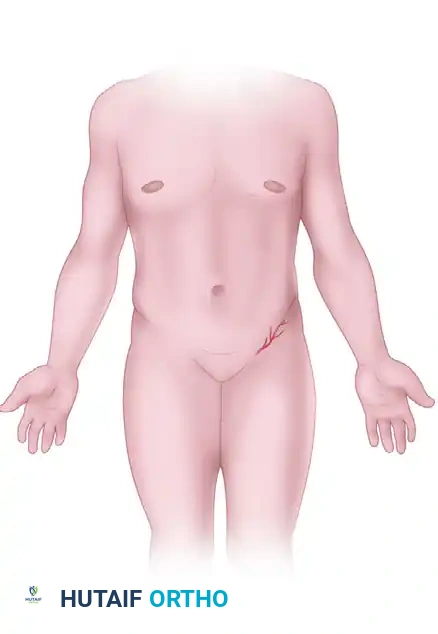
- Soft Tissue Coverage: The groin cutaneous flap and the dorsalis pedis cutaneous flap are historical workhorses. The dorsalis pedis flap is particularly valuable as it can be harvested as a neurosensory flap (incorporating the deep and superficial peroneal nerves) to restore critical sensibility to the palmar hand.
- Large Dead Space Management: For extensive defects, particularly around the elbow or forearm, free muscle transfers such as the latissimus dorsi, serratus anterior, and rectus abdominis provide excellent contouring and robust vascularity.
- Functional Muscle Transfer: The gracilis and latissimus dorsi muscles are frequently employed to restore skeletal muscle function, such as finger flexion or elbow flexion following devastating Volkmann's ischemic contracture or brachial plexus injuries.
- Skeletal and Digital Reconstruction: Vascularized bone grafts (fibula, iliac crest) are utilized for intercalary bone defects. For thumb and digital reconstruction, partial or complete toe-to-hand transfers (great, second, or third toes) provide unparalleled functional and aesthetic restoration. Furthermore, the transfer of vascularized toe joints and physes shows immense promise in pediatric reconstructive challenges.
Lower Extremity Reconstruction
Lower extremity reconstruction frequently involves the management of high-energy open fractures (Gustilo-Anderson Type IIIB/IIIC) and chronic osteomyelitis.
- Soft Tissue and Infection Management: Myocutaneous and pure muscle flaps (latissimus dorsi, serratus anterior, rectus abdominis, gracilis) are preferred over fasciocutaneous flaps in the setting of infection. Muscle tissue conforms better to irregular three-dimensional defects, obliterates dead space, and delivers a superior blood supply that enhances local antibiotic delivery and phagocytic activity.
- Defect-Specific Selection: For massive soft tissue defects (>15 cm), the latissimus dorsi is the flap of choice due to its expansive surface area and long, reliable pedicle (thoracodorsal artery). For smaller defects (<15 cm) in the distal third of the tibia or foot—often following sequestrectomy for osteomyelitis—the gracilis, serratus anterior, or rectus abdominis are highly effective.
- Sensory Restoration: The neurovascular dorsalis pedis flap can be utilized to provide durable, sensate coverage to the weight-bearing plantar surface of the foot.
- Skeletal Reconstruction: While the rib and iliac crest have been used historically, their curvature and biomechanical weakness limit their utility in the weight-bearing lower limb. The vascularized free fibula is the gold standard for bridging segmental bone defects (>6 cm) resulting from tumor resection, trauma, or congenital pseudarthrosis of the tibia. Its straight, tubular cortical geometry provides excellent biomechanical strength once hypertrophied.
Management of Infected Nonunions
The management of infected tibial nonunions requires a staged, multidisciplinary approach. Radical debridement of all necrotic bone and soft tissue is the critical first step. As demonstrated by Gordon and Chiu, free muscle transfer alone can be highly effective in managing infected nonunions provided there is no segmental bone loss.
* Small Defects (<3 cm): A posterolateral autologous bone graft is recommended after successful free flap coverage and eradication of infection.
* Segmental Defects (>3 cm): These are best managed with a subsequent vascularized free fibular transfer once the soft tissue envelope is stable and sterile.
GENERAL PLAN OF PROCEDURE AND OPERATIVE TECHNIQUE
Microsurgery demands a meticulously controlled operative environment and a highly choreographed surgical plan.
Environmental Control and Patient Positioning
Vasospasm is the enemy of microvascular anastomosis. To prevent hypothermia-induced peripheral vasoconstriction, the operating room ambient temperature must be elevated. The patient is placed on a forced-air warming blanket, and core body temperature is continuously monitored via rectal or esophageal probes. Intravenous fluids must be warmed. Given the anticipated duration of the procedure, an indwelling urinary catheter is mandatory.
The patient is positioned to allow simultaneous access to both the donor and recipient sites, facilitating a two-team approach. All bony prominences and neurovascular structures must be heavily padded to prevent iatrogenic compression neuropathies during the prolonged surgery.
Defect Mapping and Flap Harvest
Following radical debridement, the recipient defect is precisely measured. A template is created and superimposed onto the donor area to ensure the harvested tissue will adequately fill the defect without tension. The courses of the donor and recipient vessels are mapped using a Doppler probe and marked.
In extremity surgery, a pneumatic tourniquet is utilized to maintain a bloodless field during the initial dissection and recipient vessel preparation. However, the tourniquet must be deflated, and meticulous hemostasis achieved, prior to the microvascular anastomosis.
Microvascular Anastomosis and Patency Assessment
Once the flap is harvested and transferred to the recipient bed, the operating microscope is brought into the field. Prior to clamping the recipient vessels, systemic anticoagulation is often initiated; intravenous heparin or low-molecular-weight dextran are commonly utilized protocols, depending on institutional preference.
Following the completion of the arterial and venous anastomoses, the vascular clips are removed. Immediate assessment of flap perfusion is critical:
1. Visual Inspection: A successful arterial anastomosis is evidenced by immediate flow across the repair and the rapid filling of the emptying veins. The flap should become pink and warm.
2. Capillary Refill: Rapid capillary refill (1-2 seconds) without demonstrable venous congestion (which would present as a bluish, swollen flap with brisk, dark bleeding) indicates balanced perfusion.
3. Dermal Bleeding: Bright red bleeding from the skin edges or from small needle stab wounds in the flap margin is a highly reliable indicator of arterial inflow.
Pitfall: Sluggish capillary refill, a pale flap, and empty veins indicate arterial thrombosis or severe spasm. Conversely, a rapidly swelling, purple flap with dark, brisk bleeding from the margins indicates venous outflow obstruction. Both scenarios demand immediate re-exploration of the anastomoses.
If flow is questionable, an intraoperative Doppler probe or implantable venous Doppler can be utilized. Intravenous fluorescein dye, evaluated under an ultraviolet (Wood's) lamp, provides a definitive assessment of microvascular tissue perfusion.
Management of Vasospasm
Arterial spasm can severely compromise flow even in the presence of a technically perfect anastomosis. Intraoperative management includes bathing the vessels in topical vasodilators such as papaverine or lidocaine. In the upper extremity, if refractory vessel spasm persists, a stellate sympathetic ganglion block may be administered to abolish sympathetic tone and induce vasodilation.
CLOSURE AND POSTOPERATIVE PROTOCOLS
Once satisfactory perfusion is established, attention turns to secondary reconstructive procedures (e.g., nerve grafting, tendon transfers) only if the patient's physiological status and the flap's ischemic time permit. Otherwise, these are delayed.
Insetting the Flap
The margins of the flap are sutured into the recipient bed with absolute care to avoid any tension over the vascular pedicle. The anastomotic site must be protected, ideally covered by the skin of the flap itself or healthy local tissue. If the muscle flap is too bulky to allow primary skin closure, split-thickness skin grafts are applied directly over the muscle.
Clinical Pearl: To allow for unimpeded visual inspection and Doppler monitoring of the muscle surface postoperatively, many surgeons avoid covering the entire free muscle transfer with a skin graft during the index procedure, opting for delayed grafting once flap survival is assured.
If a suction drain is required to manage dead space, it must be placed meticulously, well away from the vascular pedicle, to prevent catastrophic disruption of the anastomosis during drain removal.
Dressings and Immobilization
The application of the postoperative dressing is as critical as the surgery itself. Circumferential or compressive dressings are strictly forbidden.
* A wide-mesh petrolatum gauze is applied to the wound edges and skin grafts.
* This is covered with a loose, non-constricting gauze bandage.
* Cotton cast padding is applied evenly, followed by a custom-molded plaster splint to support the adjacent joints (wrist/hand or ankle/foot) in a functional position, preventing any mechanical sheer or traction on the pedicle.
Emergence from Anesthesia
The extubation and emergence phase is a period of high vulnerability. The anesthesia team must ensure a smooth, cough-free emergence. Violent straining, shivering, or flailing causes massive sympathetic surges, leading to peripheral vasoconstriction, hypertension, and potential disruption or thrombosis of the microvascular repair. Deep extubation or the use of dexmedetomidine infusions are frequently employed to ensure a tranquil transition to the intensive care unit, where rigorous hourly flap monitoring will commence.
You Might Also Like