Comprehensive Introduction and Patho-Epidemiology
The evaluation, diagnosis, and surgical management of axial lumbar pain and progressive spinal degeneration constitute a fundamental pillar of orthopaedic spine surgery. To effectively navigate the complex landscape of these conditions, the spine surgeon must possess a profound and nuanced understanding of the biomechanical, biochemical, and pathoanatomical alterations that occur within the functional spinal unit (FSU). Axial low back pain is a ubiquitous human experience, representing the leading cause of years lived with disability globally and imposing a staggering socioeconomic burden. The etiology of this pain is multifactorial, encompassing mechanical degradation, neurochemical sensitization, and profound psychosocial elements that complicate both presentation and recovery.
The predictable sequence of spinal degeneration, classically described by Kirkaldy-Willis, provides a critical framework for understanding the natural history of the aging spine. This cascade is divided into three overlapping, yet distinct, phases: Dysfunction, Instability, and Stabilization. The dysfunction phase marks the insidious onset of the degenerative cascade, typically occurring in early adulthood (ages 15 to 45). It is characterized by subtle biomechanical alterations without gross morphological instability. At a cellular level, this phase is initiated by an upregulation of matrix metalloproteinases (MMPs) and a shift in collagen synthesis from Type II to Type I within the nucleus pulposus. The resulting loss of proteoglycans, specifically aggrecan, reduces the hydrostatic pressure of the disc, shifting axial loads directly onto the annulus fibrosus and the posterior facet joints. Patients in this phase typically present with localized, intermittent axial back pain exacerbated by loading and relieved by rest.
As degeneration relentlessly progresses, the FSU enters the instability phase, typically affecting patients between 35 and 70 years of age. The structural integrity of the disc and facet joints is profoundly compromised, leading to abnormal translation and rotation. Progressive disc resorption leads to a significant loss of disc height, causing capsular laxity in the zygapophysial joints. The combination of annular incompetence and facet subluxation results in true segmental instability. Patients experience more frequent and severe episodes of back pain, often described as a "catching" or "giving way" sensation, and radicular symptoms may emerge due to dynamic foraminal stenosis. The final phase, stabilization, is the body's physiological attempt to arrest the abnormal motion of the unstable segment through osteoblastic proliferation. While the segment becomes stiffer and less painful from a mechanical standpoint, the hypertrophic bone and thickened ligamentum flavum encroach upon the neural elements, leading to the classic presentation of neurogenic claudication associated with central or lateral recess stenosis.
Beyond the purely mechanical and anatomical considerations, the spine surgeon must recognize the profound impact of psychosocial factors and occupational dynamics on the presentation and prognosis of axial back pain. The biopsychosocial model dictates that depression, occupational mental stress, job dissatisfaction, anxiety, and litigation are heavily correlated with complaints of pain and prolonged disability. In many instances, psychological stress precedes the onset of physical pain complaints. Surgeons must utilize specific, validated psychometric instruments (e.g., the Waddell signs, Oswestry Disability Index, SF-36) during the evaluation of chronic back pain to avoid disastrous surgical interventions on non-organic pain generators. Furthermore, occupational metrics are critical; the longer a patient is limited by pain and out of work, the less likely they are to ever return to full activity.
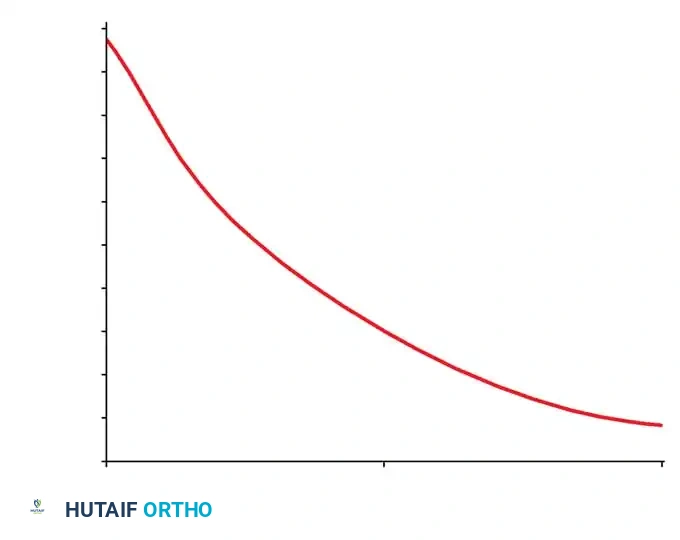
The Biochemical Cascade of Degeneration
The intervertebral disc is the largest avascular structure in the human body, relying entirely on diffusion through the cartilaginous endplates for nutrient supply and waste removal. As the endplates calcify with age, this delicate diffusion gradient is disrupted. The resulting hypoxic and acidic microenvironment triggers cellular senescence and apoptosis within the nucleus pulposus. The subsequent inflammatory cascade, mediated by interleukins (IL-1, IL-6) and tumor necrosis factor-alpha (TNF-α), not only accelerates matrix degradation but also sensitizes the nociceptive nerve endings within the outer annulus and the sinuvertebral nerve, directly contributing to discogenic pain.
Epidemiology and Socioeconomic Impact
Epidemiological data reveals that up to 80% of the population will experience a clinically significant episode of low back pain during their lifetime. While the majority of acute episodes are self-limiting and resolve within 4 to 6 weeks with non-operative management, approximately 10% to 15% of patients will progress to chronic, disabling pain. The economic impact is colossal, encompassing direct medical costs, lost wages, and decreased productivity. Consequently, the orthopaedic surgeon's role extends beyond mere structural repair; it involves the judicious allocation of healthcare resources, avoiding costly and morbid surgical interventions in patients whose primary pathology is driven by psychosocial distress or self-limiting mechanical dysfunction.
Detailed Surgical Anatomy and Biomechanics
A masterful command of lumbar surgical anatomy and biomechanics is the sine qua non of safe and effective spine surgery. The functional spinal unit (FSU), also known as the motion segment, is the fundamental biomechanical unit of the spine. It comprises two adjacent vertebral bodies, the intervening intervertebral disc, the paired posterior facet (zygapophysial) joints, and the intricate network of connecting ligaments. The FSU functions as a sophisticated three-joint complex. When the anterior column (the disc) undergoes degenerative collapse, the instantaneous axis of rotation shifts posteriorly, subjecting the facet joints to abnormal shear and compressive forces. This altered load sharing is the primary catalyst for facet hypertrophy, capsular incompetence, and subsequent degenerative spondylolisthesis.
The intervertebral disc itself is a highly specialized, composite structure designed to resist complex multi-axial loads. The central nucleus pulposus, a gelatinous matrix rich in water and proteoglycans, acts as a shock absorber, distributing compressive forces radially outward. The surrounding annulus fibrosus consists of 15 to 25 concentric lamellae of highly organized collagen fibers, predominantly Type I at the periphery, oriented at alternating angles of approximately 30 degrees to the horizontal. This lamellar architecture is exquisitely designed to resist tensile and torsional forces. However, it is highly susceptible to repetitive microtrauma, particularly combined flexion and rotation, which can lead to circumferential and radial annular tears, paving the way for nuclear herniation.
The neural anatomy of the lumbar spine dictates the clinical presentation of compressive pathologies and defines the safe zones for surgical intervention. The spinal cord typically terminates at the conus medullaris at the L1-L2 level, below which the neural elements continue as the cauda equina within the thecal sac. At each level, the exiting nerve root travels inferiorly and laterally, exiting the neuroforamen below the pedicle of its correspondingly numbered vertebra (e.g., the L4 root exits the L4-L5 foramen). The traversing nerve root, destined for the foramen one level below, travels across the disc space and is highly vulnerable to compression from a paracentral disc herniation or lateral recess stenosis. A thorough understanding of Kambin's triangle—defined anteriorly by the exiting nerve root, inferiorly by the superior endplate of the caudal vertebra, and posteriorly by the superior articular process—is critical for safe access during minimally invasive and endoscopic procedures.
The Posterior Ligamentous Complex and Stability
The posterior ligamentous complex (PLC), comprising the supraspinous ligament, interspinous ligament, ligamentum flavum, and facet capsules, plays a paramount role in resisting flexion and preventing catastrophic translation. The ligamentum flavum, rich in elastin, is under continuous resting tension, preventing it from buckling into the spinal canal during extension. However, with advancing age and disc space collapse, the elastin fibers undergo hypertrophy and fibrosis, replacing the elastic tissue with rigid collagen. This hypertrophic, redundant ligamentum flavum is a primary contributor to central canal and lateral recess stenosis, necessitating meticulous resection during decompressive laminectomy.
Biomechanics of Spinal Instrumentation
The introduction of pedicle screw fixation revolutionized the surgical management of lumbar instability. The pedicle represents the strongest anatomical bridge between the posterior elements and the anterior column, providing a robust anchor for three-column control. The biomechanical efficacy of a pedicle screw is dictated by its diameter, length, thread design, and the bone mineral density of the vertebra. Maximizing the screw diameter to occupy 70-80% of the pedicle width significantly enhances pull-out strength. Furthermore, achieving a trajectory that parallels the superior endplate and approaches the anterior vertebral cortex optimizes the construct's resistance to cyclical loading and cantilever forces, which are critical in preventing construct failure prior to the establishment of a solid arthrodesis.
Exhaustive Indications and Contraindications
The decision to proceed with surgical intervention in the setting of lumbar degeneration is one of the most complex and nuanced processes in orthopaedic surgery. The surgeon must meticulously correlate the patient's subjective complaints with objective neurological deficits and precise radiographic findings. Matching a surgical treatment solely to the results of an imaging study—without strict clinical correlation—is fraught with difficulty and remains a primary etiology of failed back surgery syndrome (FBSS). The overarching goals of lumbar spine surgery are to decompress neural elements, stabilize macroscopic instability, and correct significant sagittal or coronal deformity. Surgery is rarely indicated for isolated, non-specific axial low back pain in the absence of instability or deformity.
Absolute indications for urgent or emergent surgical intervention include the presence of cauda equina syndrome, progressive and profound motor deficits (e.g., foot drop), and instability secondary to acute trauma, pathological fractures, or severe epidural abscesses. Cauda equina syndrome, characterized by saddle anesthesia, bowel or bladder dysfunction, and bilateral lower extremity weakness, constitutes a surgical emergency necessitating immediate decompression to prevent irreversible neurological devastation. Relative indications include intractable radicular pain that has failed a rigorous 6-to-8-week trial of conservative management (comprising physical therapy, NSAIDs, and potentially epidural steroid injections), neurogenic claudication severely limiting the patient's activities of daily living, and documented progressive radiographic instability (e.g., a degenerative spondylolisthesis with dynamic translation on flexion-extension radiographs).
Contraindications to lumbar spine surgery must be rigorously evaluated to prevent catastrophic outcomes. Absolute contraindications include active systemic infection (unless the spine is the primary source requiring debridement), severe medical comorbidities precluding general anesthesia (e.g., unstable angina, severe chronic obstructive pulmonary disease), and the presence of overwhelming, unaddressed psychosocial distress or overt malingering. Relative contraindications include profound osteopenia or osteoporosis, which significantly compromises hardware purchase and increases the risk of adjacent segment fracture or hardware pull-out, morbid obesity, and active nicotine use, which drastically reduces fusion rates and increases the incidence of postoperative infection.
| Category | Indications | Contraindications (Absolute & Relative) |
|---|---|---|
| Neurological | Cauda Equina Syndrome (Absolute/Emergent) Progressive motor deficit (e.g., acute foot drop) Intractable radiculopathy failing >6 weeks conservative care Severe neurogenic claudication limiting ADLs |
Non-organic neurological signs (Waddell's signs) Mild, non-progressive sensory deficits Asymptomatic imaging findings (e.g., incidental stenosis) |
| Mechanical / Structural | Degenerative spondylolisthesis with dynamic instability Iatrogenic instability post-decompression Progressive degenerative scoliosis with coronal/sagittal imbalance |
Isolated axial back pain without instability (Relative) Severe, uncorrected osteoporosis (T-score < -2.5) (Relative) Active systemic infection (Absolute) |
| Patient Factors | Failure of exhaustive conservative management Clear clinical-radiographic correlation Motivated patient with realistic expectations |
Active, untreated severe psychiatric illness (Absolute) Active nicotine use (Relative - high pseudarthrosis risk) Medical comorbidities precluding anesthesia (Absolute) |
The Role of Conservative Management
For the vast majority of patients presenting with lumbar degeneration and axial back pain, non-operative management is the absolute gold standard. The initial phase should focus on pain modulation through a brief period of modified activity (strict bed rest exceeding 48 hours is deleterious and actively discouraged), non-steroidal anti-inflammatory drugs (NSAIDs), and muscle relaxants. This must be rapidly followed by a structured physical therapy program emphasizing core stabilization, McKenzie extension exercises, and aerobic conditioning. The surgeon must educate the patient that the natural history of acute radiculopathy secondary to disc herniation is highly favorable, with up to 80% of patients experiencing spontaneous resorption of the extruded fragment and resolution of symptoms within 6 to 12 weeks.
Deformity and Sagittal Balance Considerations
When evaluating a patient for potential lumbar fusion, the surgeon must look beyond the isolated FSU and consider the global spinal alignment. The concept of sagittal balance—specifically the relationship between pelvic incidence (PI) and lumbar lordosis (LL)—is critical. A mismatch between PI and LL greater than 10 degrees is highly correlated with adjacent segment disease, persistent axial pain, and poor clinical outcomes. Therefore, if a fusion is indicated, the surgical plan must include strategies to restore or maintain appropriate lumbar lordosis, whether through posterior column osteotomies, hyperlordotic interbody cages, or careful patient positioning during instrumentation.
Pre-Operative Planning, Templating, and Patient Positioning
Meticulous preoperative planning is the foundation of a successful and complication-free lumbar spine surgery. The surgeon must synthesize data from multiple imaging modalities to formulate a precise, three-dimensional understanding of the patient's unique pathoanatomy. Standard standing anteroposterior (AP) and lateral radiographs are mandatory to assess global alignment, disc height loss, and the presence of osteophytes or vacuum disc phenomena. Dynamic flexion-extension radiographs are critical for unmasking occult instability, defined as greater than 3 to 4 millimeters of translation or greater than 10 degrees of angular change between adjacent endplates. Magnetic Resonance Imaging (MRI) remains the gold standard for evaluating soft tissue structures, defining the exact morphology of disc herniations, and grading the severity of central canal, lateral recess, and neuroforaminal stenosis.
In cases where instrumentation and fusion are planned, a fine-cut computed tomography (CT) scan is indispensable. CT provides unparalleled visualization of the bony architecture, allowing for precise preoperative templating of pedicle screw trajectories, diameters, and lengths. The surgeon must carefully evaluate the pedicle morphometry, noting the transverse and sagittal angles, the pedicle width (isthmus), and the presence of any sclerotic or dysplastic changes. Furthermore, CT is invaluable for assessing the bone quality and identifying the presence of pars interarticularis defects or congenital anomalies, such as transitional vertebrae (lumbarization of S1 or sacralization of L5), which can lead to disastrous wrong-level surgery if not recognized preoperatively.
Patient positioning is a critical, yet often underappreciated, phase of the surgical procedure. The patient is typically induced with general endotracheal anesthesia on the transport stretcher before being carefully log-rolled prone onto a radiolucent Jackson spinal table or an equivalent frame. The primary goals of positioning are to maintain the cervical spine in a neutral alignment, pad all bony prominences to prevent peripheral neuropathies (particularly the ulnar nerve at the cubital tunnel and the common peroneal nerve at the fibular head), and ensure the abdomen hangs completely free. Abdominal compression leads to increased intra-abdominal pressure, which is directly transmitted to the epidural venous plexus (Batson's plexus) via the inferior vena cava. Venous engorgement dramatically increases intraoperative bleeding, obscures the surgical field, and significantly elevates the risk of iatrogenic neural injury.
Neuromonitoring Baseline Acquisition
Prior to positioning, baseline neurophysiological monitoring—including Somatosensory Evoked Potentials (SSEPs) and Motor Evoked Potentials (MEPs), along with spontaneous and triggered Electromyography (EMG)—should be obtained. These baselines are critical for detecting intraoperative neural compromise related to positioning, decompression, or hardware placement. The anesthesia team must be instructed to utilize a total intravenous anesthesia (TIVA) protocol, avoiding volatile halogenated anesthetics and neuromuscular blocking agents, which profoundly depress MEP and EMG signals, rendering the monitoring ineffective.
Ocular and Hemodynamic Considerations
The surgeon must be acutely aware of the risk of Postoperative Visual Loss (POVL), a devastating complication associated with prolonged prone positioning, massive blood loss, and intraoperative hypotension. The patient's head must be positioned in a specialized foam prone-view helmet, ensuring absolutely no pressure is applied to the globes. The eyes should be checked repeatedly throughout long procedures. Hemodynamically, the anesthesia team should maintain a mean arterial pressure (MAP) sufficient to perfuse the spinal cord and optic nerve, typically avoiding MAPs below 65 mmHg, particularly in patients with chronic hypertension or severe myelopathy.
Step-by-Step Surgical Approach and Fixation Technique
The posterior midline approach is the absolute workhorse of lumbar spine surgery, providing versatile access for central decompressions, microdiscectomies, and posterior or transforaminal lumbar interbody fusions (PLIF/TLIF). Following precise fluoroscopic localization of the target level, a midline longitudinal incision is made through the skin and subcutaneous tissues down to the lumbodorsal fascia. Hemostasis is meticulously achieved using bipolar electrocautery. The lumbodorsal fascia is incised precisely in the avascular midline raphe over the spinous processes. Utilizing a Cobb elevator and Bovie electrocautery, the paraspinal musculature (multifidus and longissimus) is elevated subperiosteally off the spinous processes and laminae.
The extent of the lateral dissection is dictated by the surgical goals. For a simple decompression (laminectomy or discectomy) without planned fusion, the dissection must strictly stop at the medial border of the facet joint. Straying lateral to the facet joint capsule will inadvertently destroy the capsular integrity, leading to iatrogenic postoperative instability and necessitating a subsequent fusion. Conversely, if a fusion is planned, the dissection is carried aggressively lateral over the pars interarticularis to expose the entire posterior aspect of the transverse processes, providing the necessary real estate for pedicle screw entry points and the posterolateral fusion bed. Self-retaining retractors (e.g., McCulloch, Gelpi, or rigid table-mounted systems) are deployed to maintain the exposure.
The decompression commences with the removal of the spinous process and interspinous ligament using a large Leksell rongeur. A high-speed burr (e.g., 4mm matchstick or acorn) or a large Kerrison rongeur is utilized to perform the laminectomy, thinning the lamina until the underlying ligamentum flavum is exposed. The ligamentum flavum is then carefully detached from its bony insertions using a curette and meticulously excised using a 3mm or 4mm 40-degree up-angled Kerrison rongeur. This critical step exposes the underlying dura mater and the traversing nerve roots. The decompression must be carried laterally into the recess, undercutting the medial aspect of the superior articular process to ensure the traversing root is completely free from compression.
Discectomy and Nerve Root Management
If a discectomy is indicated for a herniated nucleus pulposus, the traversing nerve root and thecal sac are gently retracted medially using a Penfield #4 dissector or a specialized nerve root retractor. The epidural venous plexus is carefully coagulated with bipolar cautery to maintain a bloodless field. A cruciform or box annulotomy is performed using a #15 blade on a long bayoneted handle. Pituitary rongeurs of varying angles (straight, up-biting, down-biting) are introduced into the disc space to extract the extruded and loose fragments of the nucleus pulposus. The disc space is thoroughly irrigated with sterile saline, and a Woodson elevator is passed along the ventral aspect of the dura and out the neuroforamen to ensure no retained fragments or residual compression remain.
Pedicle Screw Fixation Technique
When stabilization is required, pedicle screw instrumentation is performed. The classic anatomical entry point for a lumbar pedicle screw is at the intersection of the pars interarticularis, the midpoint of the transverse process, and the lateral border of the superior articular process. The cortical bone is breached using a high-speed burr or an awl. A curved pedicle probe (gearshift) is advanced down the cancellous core of the pedicle, parallel to the superior endplate, and converging medially toward the vertebral body. The trajectory is verified using a ball-tipped sound to palpate the floor and all four walls (medial, lateral, superior, inferior) of the pedicle tract, ensuring no cortical breaches have occurred. The tract is then tapped, and the appropriately sized pedicle screw is inserted. In modern practice, this free-hand technique is frequently augmented by intraoperative fluoroscopy, robotic assistance, or 3D stereotactic navigation to maximize accuracy and minimize the risk of neurovascular injury.
Complications, Incidence Rates, and Salvage Management
Despite meticulous surgical technique and exhaustive preoperative planning, lumbar spine surgery carries a distinct profile of inherent risks and potential complications. The surgeon must be intimately familiar with the prevention, immediate recognition, and definitive salvage management of these adverse events. A profound understanding of complication management separates the master surgeon from the technician. Complications can be broadly categorized into intraoperative events (e.g., dural tears, neural injury, vascular injury), early postoperative events (e.g., surgical site infection, epidural hematoma), and late complications (e.g., pseudarthrosis, adjacent segment disease).
Incidental durotomy (dural tear) is one of the most common intraoperative complications, occurring in approximately 3% to 14% of primary lumbar surgeries, with the incidence rising precipitously in revision cases due to dense epidural fibrosis. Failure to recognize and adequately repair a dural tear can lead to a persistent cerebrospinal fluid (CSF) leak, resulting in postural headaches, pseudomeningocele formation, delayed wound healing, and potentially devastating meningitis. When a tear occurs, the primary salvage strategy is a watertight primary repair using a 4-0 or 5-0 non-absorbable monofilament suture (e.g., Prolene or Gore-Tex). The repair should be augmented with a dural sealant (e.g., fibrin glue or polyethylene glycol hydrogel) and an onlay graft of muscle, fat, or a synthetic collagen matrix. If a subfascial drain is placed, it must not be placed under high wall suction, as this can actively pull CSF through the repair.
Neurological injury, ranging from transient neuropraxia to permanent motor deficits, is the most feared complication. The incidence of new, permanent neurological deficit following elective lumbar decompression or fusion is generally less than 1% to 2%. Injuries typically occur secondary to excessive traction on the nerve root during discectomy, direct laceration with a Kerrison rongeur, or medial breach of a pedicle screw into the spinal canal. If a medial pedicle breach is detected intraoperatively via ball-tipped sounding, triggered EMG (thresholds < 8 mA strongly suggest a breach), or fluoroscopy, the screw must be immediately redirected or removed. Postoperatively, if a patient wakes up with a new, profound motor deficit, an emergent MRI is mandatory to rule out a compressive epidural hematoma, which requires immediate return to the operating room for evacuation.
| Complication | Estimated Incidence | Salvage Management & Prevention Strategies |
|---|---|---|
| Incidental Durotomy | 3% - 14% (Higher in revisions) | Salvage: Primary watertight suture repair (4-0/5-0 Prolene), dural sealant, bed rest x 24-48 hrs. Prevention: Meticulous dissection in revision planes, use of cottonoid patties to protect dura. |
| Surgical Site Infection (SSI) | 1% - 4% (Deep) | Salvage: Prompt return to OR for aggressive I&D, copious irrigation, deep cultures, prolonged culture-directed IV antibiotics. Hardware is generally retained if stable. Prevention: Preoperative optimization (HbA1c < 7.0), weight-based prophylactic antibiotics, intrawound vancomycin powder. |
| Epidural Hematoma | < 1% (Symptomatic) | Salvage: Emergent MRI followed by immediate surgical evacuation if causing progressive neurological deficit or cauda equina symptoms. Prevention: Meticulous bipolar hemostasis, meticulous control of bone bleeding (bone wax/hemostatic agents), subfascial drain placement in high-risk cases. |
| Pseudarthrosis (Non-union) | 5% - 15% (Patient/technique dependent) | Salvage: Revision surgery with hardware exchange, aggressive decortication, and optimization of bone graft (autograft + BMP-2). Prevention: Smoking cessation mandate, optimization of bone density, meticulous endplate preparation during interbody fusion. |
| Adjacent Segment Disease (ASD) | 2% - 3% per year post-fusion | Salvage: Extension of the fusion construct to the adjacent level, decompression of new stenosis. Prevention: Preservation of adjacent facet capsules during initial surgery, restoration of optimal sagittal balance and lumbar lordosis. |
Vascular Complications
Major vascular injury during lumbar spine surgery is rare (incidence < 0.05%) but potentially catastrophic. It most commonly occurs during aggressive pituitary rongeur use during a discectomy, where the instrument breaches the anterior annulus and lacerates the common iliac artery or vein lying directly ventral to the disc space. Immediate recognition is critical; signs include sudden, massive hemorrhage welling up from the disc space, or unexplained profound hypotension if the bleeding is contained in the retroperitoneum. Salvage requires immediate packing of the disc space, emergent consultation with a vascular surgeon, and rapid repositioning of the patient supine for an exploratory laparotomy to achieve primary vascular repair.
Phased Post-Operative Rehabilitation Protocols
The surgical intervention itself represents only one facet of the comprehensive management of lumbar degenerative disease. A meticulously structured, phased postoperative rehabilitation protocol is imperative to maximize functional outcomes, minimize scar tissue formation, and facilitate a safe return to occupational and recreational activities. The rehabilitation trajectory must be tailored to the specific surgical procedure performed—a simple microdiscectomy requires a vastly different protocol than a multi-level instrumented fusion. Regardless of the procedure, the overarching philosophy has shifted away from prolonged bed rest toward early, protected mobilization.
Phase I: Immediate Postoperative and Tissue Healing (Weeks 0 to 4)
The primary goals of Phase I are to protect the surgical site, manage postoperative pain and inflammation, and initiate early mobilization to prevent deep vein thrombosis (DVT) and pulmonary complications. Patients are typically mobilized out of bed with physical therapy on postoperative day zero or one. For simple decompressions, bracing is generally unnecessary. For fusion procedures, a rigid Lumbar Sacral Orthosis (LSO) may be prescribed primarily for patient comfort and to restrict extreme ranges of motion (bending, lifting, twisting - the "BLT" restrictions) while the initial osteogenic matrix forms. Physical therapy in this phase focuses on gentle walking programs, instruction in log-rolling techniques for bed mobility, and basic isometric transverse abdominis activation.
Phase II: Core Stabilization and Early Strengthening (Weeks 4 to 8)
As the soft tissues heal and the acute inflammatory phase subsides, the focus shifts to restoring neuromuscular control and enhancing core stability. The LSO brace, if used, is gradually weaned. Physical therapy introduces closed-kinetic-chain exercises and progressive core stabilization routines, such as modified planks, bird-dog exercises, and pelvic tilts. The goal is to strengthen the "muscular corset"—the multifidus, transverse abdominis, and paraspinal musculature—which acts to dynamically stabilize the functional spinal units. Cardiovascular conditioning is advanced using a stationary bicycle or aquatic therapy, avoiding high-impact activities like running.
Phase III: Advanced Strengthening and Functional Restoration (Weeks 8 to 12)
During Phase III, the rehabilitation program becomes highly individualized, focusing on the patient's specific occupational and recreational demands. For fusion patients, radiographic evidence of early bridging trabecular bone is typically assessed at the 12-week mark. Therapy advances to include dynamic stabilization, resistance training, and functional movement patterns. Flexibility exercises for the hamstrings and hip flexors are critical, as tightness in these muscle groups alters pelvic tilt and places abnormal stress on the lumbar spine. Sedentary or light-duty workers are generally cleared to return to work during this phase, provided they can frequently change positions and adhere to lifting restrictions.
Phase IV: Maintenance and Return to Heavy Labor (Months 3 to 6+)
The final phase focuses on maximizing strength, endurance, and work-hardening for patients returning to heavy manual labor. This phase incorporates simulated work activities, advanced plyometrics (if appropriate), and heavy lifting mechanics. The spine surgeon must engage in realistic goal-setting with the patient; while a return to heavy labor is possible following a single-level fusion, multi-level fusions may necessitate permanent occupational modifications. The ultimate success of the surgical intervention is frequently judged by the patient's ability to reintegrate into their desired lifestyle, underscoring the critical importance of this final rehabilitation phase.
Summary of Landmark Literature and Clinical Guidelines
The practice of evidence-based orthopaedic spine surgery relies heavily on a robust understanding of landmark clinical trials and established societal guidelines. These studies provide the empirical foundation for surgical decision-making, helping to delineate which patients will benefit from intervention and which are best served by continued conservative care.
The **Spine Patient
