Introduction & Epidemiology
Surgical hip dislocation (SHD), specifically the trochanteric flip osteotomy approach popularized by Ganz and colleagues, represents a cornerstone in the management of complex intra-articular hip pathologies, particularly femoroacetabular impingement (FAI) and its sequelae. This open surgical technique provides a comprehensive, 360-degree view of the femoral head and acetabulum, allowing for direct visualization and precise correction of deformities and repair of associated soft tissue injuries that may be challenging or impossible to address arthroscopically.
FAI is a motion-dependent conflict between the proximal femur and the acetabular rim, leading to repetitive microtrauma to the labrum and articular cartilage. It is broadly categorized into CAM-type (abnormal morphology of the femoral head-neck junction), Pincer-type (acetabular overcoverage), or mixed type, which combines features of both. The prevalence of FAI morphological features is high in asymptomatic populations, with symptomatic FAI typically affecting young, active adults. While hip arthroscopy has become the predominant approach for many FAI cases, SHD offers distinct advantages for specific indications, including large or complex osseous deformities, extensive chondrolabral damage, the presence of loose bodies difficult to retrieve arthroscopically, or in revision cases following failed arthroscopy.
Epidemiologically, symptomatic FAI is a significant contributor to hip pain and is implicated in the early onset of osteoarthritis. The decision between arthroscopic and open management hinges on the specific morphologic and pathological findings, the surgeon's experience, and the patient's individual circumstances. SHD, while more invasive, allows for superior direct visualization and correction of severe bony impingement and provides a robust platform for complex labral repair or reconstruction and management of large chondral lesions.
Surgical Anatomy & Biomechanics
A thorough understanding of the regional anatomy and the biomechanics of FAI is paramount for safe and effective surgical hip dislocation.
Key Anatomical Considerations
- Femoral Head and Neck: The anatomical relationship between the femoral head and neck is crucial. A CAM lesion manifests as an increased radius of curvature at the anterior-superior femoral head-neck junction, leading to abutment against the acetabular rim, particularly during hip flexion and internal rotation. This contact causes shear forces on the labrum and adjacent articular cartilage.
-
Acetabulum and Labrum:
The acetabulum is a deep, cup-shaped fossa. The labrum is a fibrocartilaginous ring that deepens the acetabulum, contributes to joint stability, and acts as a suction seal. In Pincer impingement, excessive acetabular overcoverage (e.g., coxa profunda, protrusio acetabuli, or global/focal retroversion) causes the labrum to be crushed between the femoral neck and the acetabular rim. Labral tears, chondral delamination, and subchondral edema are common findings.
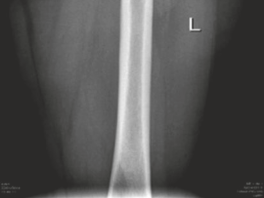
- Articular Cartilage: Chondral lesions, particularly at the anterior-superior acetabular rim and posterior-inferior femoral head, are frequently observed in FAI. These lesions can range from mild fraying to complete delamination. SHD provides unparalleled access for chondroplasty, microfracture, or osteochondral grafting.
- Ligamentum Teres: This intra-articular ligament plays a minor role in hip stability but is rich in nociceptive fibers. It may become hypertrophied or torn in FAI, requiring debridement.
-
Neurovascular Structures:
- Sciatic Nerve: Located posterior to the hip joint, it is vulnerable during posterior retraction or excessive hip flexion, adduction, and internal rotation during dislocation.
- Superior Gluteal Nerve and Vessels: Lie superior to the gluteus medius, providing innervation to the gluteus medius and minimus, muscles which are mobilized during the trochanteric osteotomy.
- Medial Femoral Circumflex Artery (MFCA): This artery is the primary blood supply to the femoral head, particularly its deep branch which runs posteriorly along the quadratus femoris muscle and enters the femoral head via the retinacular vessels. Its protection is paramount during the trochanteric flip osteotomy. The MFCA typically courses between the piriformis and the gemelli muscles. The perforating branch of the MFCA is vulnerable during the initial exposure and osteotomy. Disruption carries a significant risk of femoral head avascular necrosis (AVN).
Biomechanics of Impingement
FAI is characterized by abnormal contact kinematics.
*
CAM Impingement:
The aspherical femoral head-neck junction abuts the acetabular rim and labrum during hip flexion and internal rotation, causing a "pistoning" effect that shears the labrum off the cartilage and leads to chondral damage from the periphery inwards. The alpha angle, a radiographic measure, quantifies the femoral head-neck sphericity.
*
Pincer Impingement:
Overcoverage of the acetabulum leads to premature contact between the acetabular rim and the femoral neck. This crushes the labrum, leading to degeneration, ossification, and hypertrophy. The labrum itself can become the point of impingement. Cartilage damage in pincer impingement tends to start centrally and spread radially.
*
Mixed Impingement:
The most common type, presenting features of both CAM and Pincer, requiring addressing both components for comprehensive correction.
Surgical hip dislocation allows for precise modification of the femoral head-neck junction (femoral osteochondroplasty for CAM) and acetabular rim (acetabuloplasty for Pincer) under direct vision, ensuring adequate decompression and restoration of a physiological range of motion without impingement. Labral repair or reconstruction can also be performed with direct access, ensuring optimal purchase and tensioning.
Indications & Contraindications
The decision to proceed with surgical hip dislocation is based on a careful assessment of patient symptoms, physical examination findings, and advanced imaging.
Indications for Surgical Hip Dislocation (Operative)
-
Complex Femoroacetabular Impingement (FAI):
- Large CAM lesions (alpha angle > 70-80 degrees) that are difficult to fully resect arthroscopically without risking iatrogenic fracture.
- Extensive or global Pincer lesions (e.g., severe acetabular retroversion, protrusio acetabuli) requiring significant osteoplasty or reorientation that is not feasible arthroscopically.
- Combined FAI with severe deformities of both the femur and acetabulum.
- Recalcitrant FAI symptoms after failed hip arthroscopy where residual impingement is identified.
-
Labral Pathologies:
- Extensive or complex labral tears (e.g., circumferential tears, calcified tears) requiring meticulous repair or reconstruction.
- Labral avulsion with underlying acetabular rim pathology requiring simultaneous osteoplasty.
-
Articular Cartilage Lesions:
- Large, contained chondral or osteochondral lesions (OCLs) of the femoral head or acetabulum requiring debridement, microfracture, autologous chondrocyte implantation (ACI), or osteochondral allograft/autograft transplantation.
- Chondral flaps or delamination requiring stable fixation.
-
Femoral Head Deformities:
- Sequelae of Legg-Calvé-Perthes disease with associated FAI and deformities requiring osteochondroplasty.
- Residual deformities from slipped capital femoral epiphysis (SCFE) that cause impingement.
- Femoral head sphericity correction.
-
Intra-articular Loose Bodies:
- Large or multiple loose bodies that are difficult to retrieve arthroscopically.
- Osteochondromatosis requiring extensive synovectomy and loose body removal.
- Borderline Dysplasia with Impingement: In select cases, where mild acetabular dysplasia coexists with impingement, SHD can be used to perform limited acetabular reorientation (e.g., rim trimming combined with specific periacetabular osteotomy techniques) to improve coverage and address impingement.
-
Specific Conditions:
- Pigmented Villonodular Synovitis (PVNS) requiring extensive synovectomy.
- Synovial chondromatosis.
- Certain forms of osteonecrosis of the femoral head if identified early and amenable to core decompression with grafting.
Contraindications for Surgical Hip Dislocation (Non-Operative)
- Advanced Osteoarthritis: Tönnis grade > 2 or significant joint space narrowing (typically < 2mm) is generally considered a contraindication, as outcomes are poor. The goal of SHD is joint preservation, not replacement.
- Severe Femoral Head Avascular Necrosis (AVN): Established AVN with collapse or significant involvement is a contraindication.
- Active Infection: Absolute contraindication.
- Generalized Ligamentous Laxity: May compromise joint stability after capsular repair.
- Significant Medical Comorbidities: Patients unable to tolerate a prolonged, complex surgical procedure and subsequent rehabilitation.
- Unrealistic Patient Expectations: Poor understanding of the recovery process, potential complications, or expected outcomes.
- Symptomatic Lumbar Spine Pathology or Sacroiliac Joint Dysfunction: Unless addressed, hip pain may persist.
- Severe Obesity: May increase surgical risk and hinder recovery.
- Prior Surgery: Previous extensive surgery that significantly altered anatomy or compromised blood supply to the trochanter or femoral head.
Summary of Indications
| Category | Operative Indications (Surgical Hip Dislocation) | Non-Operative/Relative Contraindications |
|---|---|---|
| FAI Morphology | Large/complex CAM, global/severe Pincer, mixed FAI, failed arthroscopy with residual impingement, significant acetabular retroversion. | Mild FAI with minimal symptoms, FAI amenable to arthroscopy (most common scenarios), advanced OA (Tönnis > 2), severe dysplasia (requiring reconstructive surgery). |
| Labral Pathology | Extensive tears, complex avulsions, ossified labrum requiring reconstruction, calcified labrum. | Minor labral fraying, asymptomatic labral tears. |
| Cartilage | Large chondral/osteochondral defects amenable to grafting/repair, chondral delamination, OCLs. | Diffuse, severe chondral loss, full-thickness defects with underlying subchondral cyst formation (suggesting advanced OA). |
| Other Intra-Articular | Large/multiple loose bodies, PVNS, synovial chondromatosis, early femoral head AVN amenable to grafting. | Small, asymptomatic loose bodies, conditions better treated arthroscopically, advanced AVN with collapse. |
| Patient Factors | Medically fit, compliant with rehab, realistic expectations, symptomatic joint pain refractory to conservative care. | Advanced age (relative), severe medical comorbidities, active infection, generalized ligamentous laxity, unrealistic expectations, severe obesity. |
Pre-Operative Planning & Patient Positioning
Meticulous pre-operative planning is essential to minimize complications and optimize outcomes in surgical hip dislocation.
Pre-Operative Planning
- Clinical Assessment: Detailed history focusing on pain location, character, aggravating and relieving factors, and functional limitations. A thorough physical exam including assessment of range of motion (ROM), specific impingement tests (e.g., FADIR, FABER), and gait analysis.
-
Imaging Review:
- Plain Radiographs: AP pelvis, lateral Dunn view (45° flexion, 20° abduction), false profile view, and cross-table lateral are crucial to assess femoral and acetabular morphology. Identify alpha angle, lateral center-edge angle, Tönnis angle, presence of crossover sign, posterior wall sign, and ischial spine sign.
- MRI (with or without arthrogram): Essential for evaluating labral tears, articular cartilage integrity, subchondral bone edema, and soft tissue pathologies. Allows for assessment of ligamentum teres.
-
CT with 3D Reconstruction:
Considered the gold standard for defining complex osseous deformities, particularly for planning precise osteotomies of the femoral head-neck junction and acetabular rim. Critical for assessing femoral version and acetabular version. Templating of osteotomies can be performed using 3D models.
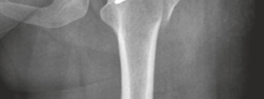
- Surgical Templating: Based on 3D CT reconstructions, surgeons can precisely plan the amount of femoral head-neck osteochondroplasty and acetabular rim trimming required to restore normal morphology and achieve impingement-free range of motion. This also helps anticipate the size and location of fixation for the trochanteric osteotomy.
- Blood Management: Given the potential for blood loss, especially with larger patients or extensive osteotomies, pre-operative hemoglobin optimization and potential blood banking should be considered.
- Anesthesia Consultation: Discuss anesthetic approach, pain management strategies (e.g., regional blocks), and deep vein thrombosis (DVT) prophylaxis.
Patient Positioning
The standard position for surgical hip dislocation via the Ganz trochanteric flip approach is
lateral decubitus
.
1.
Preparation:
The patient is placed on their unaffected side on a well-padded operating table. Axillary roll for the dependent axilla.
2.
Padding:
All bony prominences (e.g., fibular head, greater trochanter of the non-operative hip) must be meticulously padded to prevent pressure sores or nerve palsies.
3.
Stability:
The patient is secured to the table using appropriate straps and bolsters (e.g., beanbag) to prevent rotation and ensure stability throughout the procedure. The operative hip should be positioned in neutral rotation to facilitate initial dissection.
4.
Draping:
The entire operative limb, from the iliac crest to the foot, is prepared and draped sterilely. This allows for full manipulation of the hip during dislocation, relocation, and assessment of impingement-free range of motion. The drape should allow the hip to be flexed, extended, abducted, adducted, and rotated.
5.
C-arm Access:
Ensure fluoroscopic capabilities are readily available and draped in the field for intraoperative assessment of osteotomies and fixation.
Detailed Surgical Approach / Technique
The trochanteric flip osteotomy, as described by Ganz, is the gold standard for surgical hip dislocation due to its muscle-sparing nature and reliable protection of the critical blood supply to the femoral head.
1. Incision and Initial Dissection
- A straight or slightly curved skin incision is made, centered over the greater trochanter, extending proximally towards the posterior-superior iliac spine (PSIS) and distally along the lateral aspect of the femur. The length varies but typically ranges from 15-20 cm.
- The fascia lata is incised, and the underlying gluteus maximus is split longitudinally in line with its fibers.
- The surgeon identifies the posterior border of the gluteus medius and palpates the piriformis tendon insertion on the greater trochanter.
2. Trochanteric Flip Osteotomy
- The goal of this osteotomy is to elevate a fragment of the greater trochanter with its attached abductor musculature (gluteus medius and minimus) and their nerve and blood supply (superior gluteal nerve and vessels) intact.
- Protection of MFCA: The deep branch of the medial femoral circumflex artery (MFCA) is crucial for femoral head vascularity. It runs posteriorly, typically between the piriformis and the superior gemellus. Careful dissection is performed to identify and protect this vessel.
- The gluteus medius and minimus tendons are partially detached from their superior aspect, leaving the anterior and lateral portions attached to the osteotomy fragment.
- A precisely measured osteotomy is performed, typically 1.5-2 cm thick, from posterior to anterior through the greater trochanter. The osteotomy angle is critical; it should be perpendicular to the lateral femoral cortex to provide a stable seating for re-fixation. The piriformis tendon insertion is typically left on the femoral shaft.
-
Once the osteotomy is complete, the trochanteric fragment with its attached muscles is "flipped" or retracted anteriorly and proximally. This exposes the posterior capsule and external rotators (superior gemellus, obturator internus, inferior gemellus, quadratus femoris).
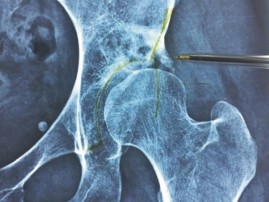
- The short external rotators (gemelli and obturator internus) are then carefully released from the posterior aspect of the greater trochanter/proximal femur. This exposes the posterior capsule. The MFCA branches running superficially to the obturator externus and quadratus femoris must be meticulously protected.
3. Capsular Incision and Hip Dislocation
- A Z-shaped or T-shaped capsulotomy is performed. The anterior limb of the Z-cut parallels the femoral neck, allowing for visualization of the head-neck junction. The posterior limb runs proximally and distally, providing wide exposure.
- Controlled Dislocation: The hip is dislocated under direct vision. This is typically achieved by a combination of hip flexion, adduction, and internal rotation, carefully guided by the surgeon while an assistant applies axial traction. The ligamentum teres is sharply divided. The dislocation should be slow and controlled to prevent iatrogenic fracture or neurovascular injury.
4. Intra-articular Work
With the hip dislocated, the entire femoral head, acetabulum, labrum, and joint capsule are now directly accessible.
*
Inspection:
A thorough inspection of the entire joint is performed, documenting the extent of labral tears, chondral lesions (Outerbridge grade), and the location and morphology of CAM and Pincer lesions.
*
Labral Repair/Debridement:
* Unstable labral tears are repaired using suture anchors. The goal is to restore the suction seal and anatomical integrity of the labrum. Repair involves debridement of unstable tissue, preparation of the acetabular rim for healing, and stable re-anchoring of the labrum.
* If the labrum is severely damaged or ossified, partial debridement or reconstruction may be necessary.
*
Acetabular Osteoplasty (for Pincer Lesions):
* Using osteotomes, burrs, or ronguers, the prominent acetabular rim is precisely resected to alleviate overcoverage and restore a normal acetabular rim profile. This is performed to the level of the stable articular cartilage. Fluoroscopy can be used to confirm adequate resection and absence of remaining impingement.
*
Femoral Osteochondroplasty (for CAM Lesions):
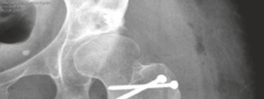
* The prominent aspect of the femoral head-neck junction (CAM lesion) is resected using osteotomes or high-speed burrs. The goal is to restore the normal offset and sphericity of the femoral head, preventing further impingement.
* The resection should be precisely controlled to avoid over-resection, which can lead to femoral neck fracture, or under-resection, which results in residual impingement. The alpha angle is assessed intraoperatively.
*
Chondral Lesion Management:
* Loose or delaminated chondral flaps are débrided. Microfracture can be performed for contained full-thickness chondral defects. For larger defects, osteochondral grafting (autograft or allograft) may be considered, taking advantage of the direct exposure.
5. Impingement Assessment and Reduction
- After performing all intra-articular procedures, the hip is brought through a full range of motion while maintaining careful control, simulating various functional positions. The surgeon directly observes for any residual impingement between the femoral neck and acetabular rim. Any areas of persistent impingement are further resected until a full, impingement-free range of motion is achieved.
- The hip is then carefully reduced under direct vision. The capsule is repaired using strong non-absorbable sutures in a watertight fashion to restore stability and maintain the suction seal.
6. Trochanteric Re-fixation and Closure
- The trochanteric osteotomy fragment is meticulously re-positioned onto its anatomical bed.
-
Fixation is typically achieved with two or three large-fragment cortical screws (e.g., 4.5 mm or 6.5 mm fully threaded screws) inserted through the trochanter into the lateral femoral cortex. Some surgeons prefer a tension band wiring technique or a combination. Secure fixation is paramount for early rehabilitation and prevention of nonunion.
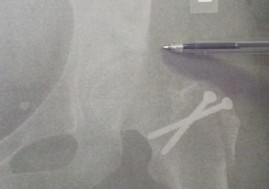
- The fascia lata is repaired, and subcutaneous tissues and skin are closed in layers. A drain may be placed depending on surgical preference.
Complications & Management
While surgical hip dislocation provides excellent outcomes for selected pathologies, it is a demanding procedure associated with a specific spectrum of potential complications.
Common Complications and Management Strategies
| Complication | Incidence (Approximate) | Salvage Strategies & Management |
|---|---|---|
| Avascular Necrosis (AVN) of Femoral Head | 0.5% - 5% | Prevention: Meticulous protection of the medial femoral circumflex artery (MFCA) deep branch, gentle tissue handling, avoiding excessive traction during dislocation. Management: Early diagnosis is key. Non-weight bearing, core decompression, vascularized or non-vascularized bone grafting (e.g., fibula strut graft), total hip arthroplasty (THA) for established collapse. |
| Trochanteric Nonunion or Malunion | 1% - 10% | Prevention: Secure, stable fixation of the osteotomy, anatomical reduction, early protected weight-bearing. Management: Symptomatic nonunion may require revision fixation with bone grafting. Malunion may require corrective osteotomy if symptomatic (e.g., causing abductor weakness or limp). Asymptomatic nonunion may be observed. |
| Heterotopic Ossification (HO) | 10% - 30% (clinical HO 1-5%) | Prevention: Post-operative NSAIDs (e.g., Indomethacin) for 3-6 weeks, or single-dose radiation therapy (7-8 Gy) within 72 hours of surgery, particularly in high-risk patients (e.g., prior HO, ankylosing spondylitis). Management: Mild HO may not require intervention. Symptomatic HO causing pain or restricted motion may require surgical excision after maturation (usually 9-12 months post-op). |
| Sciatic Nerve Palsy | < 1% | Prevention: Avoid excessive traction, hyperflexion, adduction, and internal rotation during dislocation. Meticulous soft tissue handling. Management: Observation for spontaneous recovery. Nerve conduction studies (NCS) and electromyography (EMG) to assess severity. Physical therapy. Exploration if no recovery. |
| Lateral Femoral Cutaneous Nerve (LFCN) Injury | Up to 10% (sensory) | Prevention: Careful incision planning and dissection in the superficial layers. Management: Primarily symptomatic. Reassurance, analgesics. Usually resolves spontaneously over time (neuropraxia). Surgical neurolysis is rarely indicated. |
| Deep Vein Thrombosis (DVT) / Pulmonary Embolism (PE) | 1% - 5% | Prevention: Pharmacological prophylaxis (e.g., LMWH, aspirin) according to institutional guidelines, mechanical prophylaxis (e.g., intermittent pneumatic compression devices), early mobilization. Management: Anticoagulation for DVT/PE. Vena cava filter in selected cases. |
| Infection (Superficial/Deep) | < 1% - 3% | Prevention: Standard sterile surgical techniques, prophylactic antibiotics. Management: Superficial infections: local wound care, oral antibiotics. Deep infections: surgical debridement, irrigation, retention or removal of implants (if unstable), and prolonged intravenous antibiotics. |
| Femoral Neck Fracture | < 1% | Prevention: Careful dislocation technique, avoiding excessive force, adequate neck osteochondroplasty. Management: Immediate reduction and internal fixation (e.g., cannulated screws) with consideration of vascularity. May require revision surgery or THA if fixation fails or AVN develops. |
| Persistent Pain/Residual Impingement | 5% - 15% | Prevention: Thorough intraoperative assessment of impingement-free range of motion, accurate osteoplasty. Management: Rehabilitation, targeted injections. Imaging to identify residual impingement. Revision surgery (arthroscopic or open) to address remaining deformities. |
| Hardware Irritation | 5% - 15% | Prevention: Appropriate screw length and position, countersinking screw heads. Management: Usually resolves with time. If persistent and symptomatic, hardware removal after osteotomy healing (typically 6-12 months). |
| Capsular Instability / Hip Dislocation | Rare | Prevention: Meticulous capsular repair, careful intraoperative assessment of stability, appropriate post-operative precautions. Management: Closed reduction. If recurrent, consider revision capsular repair or reconstruction. |
General Principles of Complication Management
- Early Recognition: Vigilant post-operative monitoring for signs and symptoms of complications is crucial.
- Multidisciplinary Approach: Management often involves collaboration with infectious disease specialists, neurologists, physical therapists, and other specialists.
- Patient Counseling: Thoroughly discuss potential complications pre-operatively and manage expectations for recovery.
Post-Operative Rehabilitation Protocols
A structured and progressive rehabilitation protocol is critical to achieving optimal outcomes following surgical hip dislocation. The protocol is designed to protect the healing soft tissues and osteotomy, gradually restore range of motion, strength, and function, and prevent recurrent impingement. It typically spans 6-12 months, with return to sport activities potentially longer.
Phase 1: Protective Phase (Weeks 0-6)
- Goals: Protect trochanteric osteotomy, protect labral repair/capsular closure, control pain and swelling, initiate early, protected range of motion.
- Weight Bearing: Non-weight bearing (NWB) or touch-down weight bearing (TDWB) on the operative extremity, typically for 6-8 weeks, to allow for osteotomy healing. Crutches or a walker are used.
-
Range of Motion (ROM):
- Continuous Passive Motion (CPM) machine may be used (0-70 degrees flexion, 0-10 degrees abduction, neutral rotation) depending on surgeon preference.
-
Passive ROM within protected ranges:
- Flexion: Limited to 70-90 degrees.
- Abduction: Limited to 10-20 degrees.
- Rotation: Neutral or slight external rotation. Internal rotation is typically avoided for the first 6 weeks to protect the capsule and avoid impingement.
- No active hip flexion against gravity to protect the abdominal muscles and hip flexors.
-
Muscle Activation:
- Gentle isometric gluteal sets, quadriceps sets.
- Ankle pumps to prevent DVT.
-
Precautions:
- No active hip flexion past 90 degrees.
- No internal rotation or adduction across midline.
- Avoid direct pressure on the trochanter.
- Avoid Valsalva maneuvers.
- Pain Management: Opioids, NSAIDs (if not contraindicated by HO prophylaxis), muscle relaxants.
Phase 2: Intermediate Phase (Weeks 6-12)
- Goals: Progress weight bearing, gradually increase ROM, restore basic strength and neuromuscular control.
- Weight Bearing: Progress from TDWB to partial weight bearing (PWB) and then full weight bearing (FWB) over several weeks, depending on radiographic evidence of trochanteric osteotomy healing. Discontinue crutches once FWB is comfortable and gait is normalized.
-
Range of Motion:
- Gradual increase in passive and active-assisted ROM.
- Begin gentle active ROM within pain-free limits.
- Focus on achieving functional hip flexion and external rotation.
-
Strengthening:
- Begin light resistance exercises: supine abduction/adduction slides, heel slides, prone hip extension (mini lifts).
- Initiate core strengthening (e.g., planks, pelvic tilts).
- Light stationary cycling with minimal resistance.
- Precautions: Continue to avoid aggressive internal rotation, deep flexion, and adduction. No high-impact activities.
Phase 3: Advanced Strengthening & Functional Return (Weeks 12-24)
- Goals: Restore full ROM, maximize hip and core strength, improve neuromuscular control, prepare for activity-specific demands.
- Weight Bearing: Full weight bearing.
- Range of Motion: Work towards achieving full, pain-free ROM.
-
Strengthening:
- Progress to functional exercises: squats, lunges, step-ups, single-leg balance exercises.
- Progress resistance and intensity of all exercises.
- Focus on eccentric control and proprioception.
- Swimming, elliptical trainer, increased cycling resistance.
- Neuromuscular Training: Agility drills (lateral shuffling, mini-hops), sport-specific drills (non-impact initially).
- Precautions: Avoid ballistic movements or sudden twisting.
Phase 4: Return to Sport / Activity (Months 6-12+)
- Goals: Gradually return to full sport-specific activities, maintain strength and flexibility, prevent re-injury.
-
Activity Progression:
- Graduated return to running, jumping, cutting, and sport-specific drills.
- Must meet objective criteria (e.g., strength symmetry > 90%, pain-free ROM, dynamic stability) before full return to sport.
- May require an individualized sport-specific training program.
- Maintenance: Continue a regular exercise program focusing on hip and core strength, flexibility, and mobility.
- Monitoring: Regular follow-up appointments to monitor progress and address any residual symptoms.
Important Considerations:
* This is a general guideline; individual protocols may vary based on the specific procedures performed (e.g., extent of labral repair, chondral grafting) and surgeon preference.
* Progression is guided by patient symptoms, healing status, and objective clinical findings.
* Close communication between the surgeon and physical therapist is essential.
Summary of Key Literature / Guidelines
Surgical hip dislocation, particularly the Ganz trochanteric flip osteotomy, has been extensively studied since its original description, solidifying its role in joint preservation surgery.
- Seminal Work (Ganz et al., 2001): The landmark paper by Ganz, Gill, Gautier, et al., "Surgical dislocation of the adult hip for the treatment of femoroacetabular impingement," published in the Journal of Bone and Joint Surgery (Br) , revolutionized hip preservation. This work meticulously detailed the surgical technique, emphasizing the protection of the MFCA blood supply and demonstrating the feasibility of open correction of FAI deformities with low rates of AVN. This established the fundamental principles and safety of the approach.
- Long-Term Outcomes: Numerous studies have demonstrated favorable long-term outcomes following SHD for FAI and other pathologies. While rates of subsequent total hip arthroplasty (THA) vary, SHD has shown the potential to delay or prevent THA in a significant proportion of patients, especially in younger populations without significant pre-existing osteoarthritis. Bugbee et al. (2014) and Sinkov et al. (2015) are examples of studies reporting on the durability and clinical outcomes, showing good to excellent results in up to 70-80% of patients at 5-10 years.
-
Comparison with Hip Arthroscopy:
The choice between SHD and hip arthroscopy remains a topic of ongoing debate and depends heavily on the pathology.
- Arthroscopy: Offers less invasiveness, faster initial recovery, and is highly effective for isolated labral tears and smaller CAM/Pincer lesions.
- SHD: Provides superior visualization and direct access for complex deformities, extensive chondral lesions, large loose bodies, and revision cases.
- Studies comparing the two techniques, such as those by Philippon et al. (2015) and Siebenrock et al. (2016), suggest that for highly complex or revision cases, SHD may offer a more complete correction. However, direct head-to-head randomized controlled trials for specific indications are challenging to conduct.
-
Indications for SHD:
Consensus has evolved to reserve SHD for specific, more complex scenarios where arthroscopy may be insufficient:
- Large, complex CAM or Pincer deformities.
- Extensive or calcified labral pathology.
- Advanced chondral lesions requiring grafting.
- Sequelae of SCFE, Perthes disease, or other pediatric hip disorders causing impingement.
- Failed prior hip arthroscopy due to residual impingement or unaddressed pathology.
- Complication Profile: The literature consistently highlights AVN as the most feared complication, though incidence is low (<1-5%) with experienced surgeons. Heterotopic ossification remains a common radiological finding, but clinically significant HO is much lower (1-5%), and prevention strategies (NSAIDs, radiation) are well-established. Trochanteric nonunion is another recognized complication that can lead to pain and abductor weakness, emphasizing the need for robust fixation.
- Future Directions: Research continues to refine patient selection, optimize rehabilitation protocols, and explore the long-term efficacy of SHD in preventing hip osteoarthritis. Advances in imaging and 3D planning further enhance precision.
In summary, surgical hip dislocation, through the trochanteric flip osteotomy, is a technically demanding yet highly effective procedure for complex intra-articular hip pathologies. Guided by seminal literature and ongoing research, it remains an indispensable tool in the armamentarium of the hip preservation surgeon.
