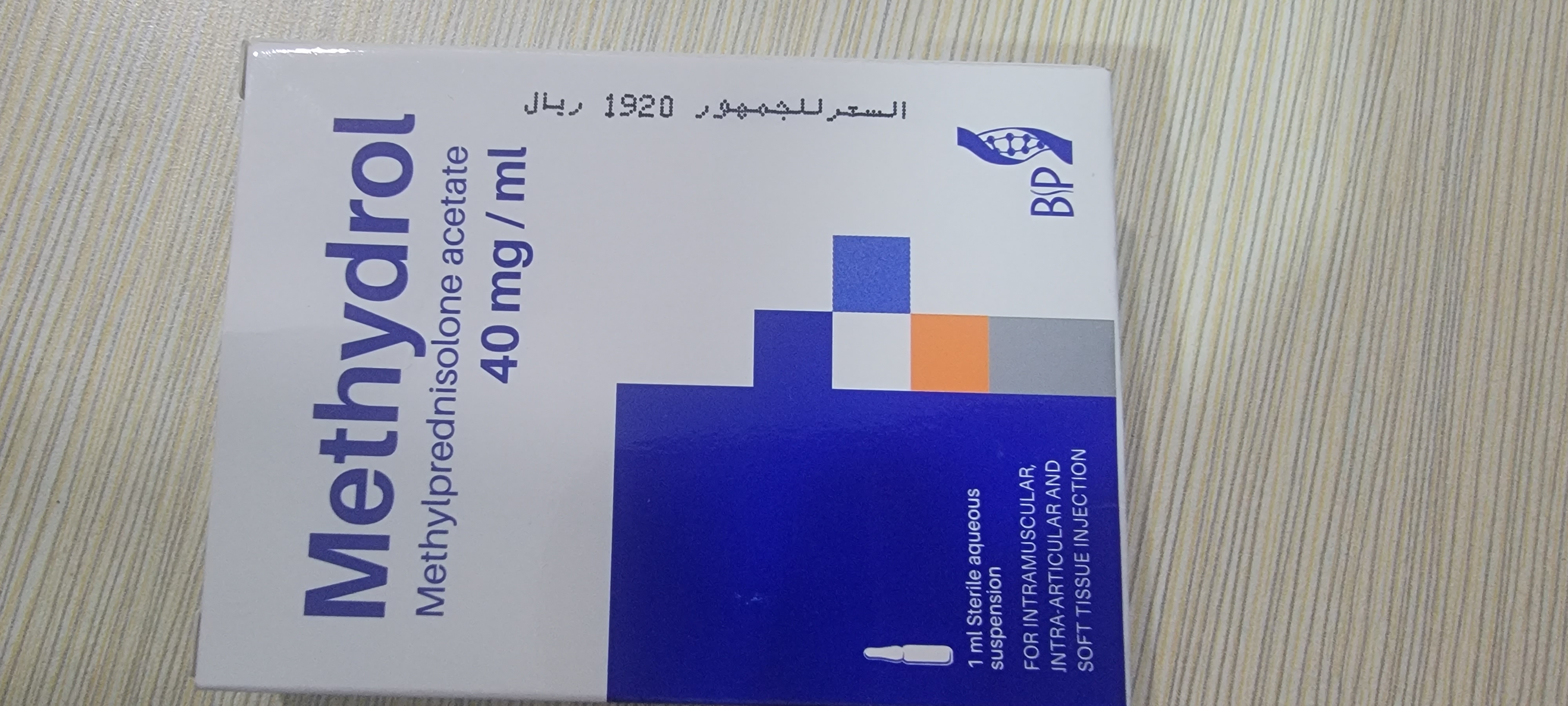
Introduction to Methydrol (Methylprednisolone) Ampoules
Methydrol is a potent synthetic glucocorticoid utilized extensively in clinical orthopedics, rheumatology, and emergency medicine. As a derivative of prednisolone, it possesses strong anti-inflammatory and immunosuppressive properties. The "amp" formulation refers to the injectable form, typically administered via intravenous (IV) or intramuscular (IM) routes, allowing for rapid systemic delivery or localized therapeutic action.
In an orthopedic context, Methydrol is frequently employed to manage acute inflammatory responses, severe allergic reactions, and exacerbations of autoimmune conditions. Its high potency and relatively low mineralocorticoid activity make it a preferred choice for clinicians requiring rapid symptom suppression with minimal fluid retention compared to older corticosteroids.
Mechanism of Action: The Pharmacological Deep-Dive
The clinical efficacy of Methydrol is rooted in its ability to penetrate cell membranes and bind to high-affinity cytoplasmic glucocorticoid receptors.
Cellular Pathways
- Genomic Mechanism: Once the Methydrol-receptor complex enters the nucleus, it binds to specific DNA sequences known as glucocorticoid response elements (GREs). This modulates the transcription of various genes, resulting in the upregulation of anti-inflammatory proteins (like lipocortin-1) and the downregulation of pro-inflammatory cytokines (such as IL-1, IL-6, and TNF-alpha).
- Non-Genomic Mechanism: At high doses, Methydrol exerts rapid effects through membrane-bound receptors and direct interaction with signal transduction pathways, which is crucial in the management of acute spinal cord injuries or anaphylaxis.
Pharmacokinetics
Understanding the pharmacokinetic profile is vital for dosing accuracy:
* Onset of Action: Rapid, particularly with IV administration.
* Metabolism: Primarily hepatic, via cytochrome P450 enzymes.
* Excretion: Primarily renal.
* Half-life: Plasma half-life is approximately 3 hours, but the biological half-life (the duration of its effect on the HPA axis) ranges from 18 to 36 hours.
Clinical Indications and Orthopedic Usage
Methydrol ampoules are indicated for a wide array of conditions where systemic or local corticosteroid administration is required.
Primary Indications
| Category | Condition |
|---|---|
| Rheumatology | Rheumatoid arthritis, systemic lupus erythematosus (SLE), polymyalgia rheumatica. |
| Orthopedics | Acute exacerbations of osteoarthritis, bursitis, tendonitis, and post-traumatic inflammation. |
| Neurology | Acute spinal cord injury (high-dose protocols), multiple sclerosis relapses. |
| Allergy/Immunology | Severe anaphylaxis, angioedema, contact dermatitis. |
| Respiratory | Status asthmaticus, severe COPD exacerbations. |
Dosing Guidelines
Dosage must be individualized based on the severity of the condition and the patient's response.
- Pulse Therapy: Used in severe autoimmune crises, often involving doses of 500mg to 1000mg IV daily for 3 days.
- Standard Anti-inflammatory: Typically ranges from 10mg to 40mg IM or IV, depending on the severity of the condition.
- Pediatric Dosing: Must be strictly calculated based on body weight or surface area, usually starting at 0.5–1.7 mg/kg/day in divided doses.
Risks, Side Effects, and Contraindications
While highly effective, Methydrol carries significant risks, especially with prolonged use.
Common Side Effects
- Metabolic: Hyperglycemia, weight gain, fluid retention, and hypokalemia.
- Musculoskeletal: Muscle weakness, osteoporosis (with chronic use), and aseptic necrosis of the femoral head.
- Gastrointestinal: Peptic ulceration, gastritis, and abdominal distension.
- Neuropsychiatric: Insomnia, mood swings, psychosis, and anxiety.
Contraindications
- Systemic Fungal Infections: Corticosteroids can exacerbate these infections.
- Hypersensitivity: Known allergy to methylprednisolone or any component of the formulation.
- Administration of Live Vaccines: Methydrol induces immunosuppression, making live vaccines unsafe during treatment.
Pregnancy and Lactation
- Pregnancy: Methydrol crosses the placental barrier. It should only be used if the potential benefit justifies the risk to the fetus. Infants born to mothers who received substantial doses should be monitored for signs of hypoadrenalism.
- Lactation: Methylprednisolone is excreted in breast milk. Caution is advised, and clinicians should weigh the necessity of the drug against the potential for infant exposure.
Drug Interactions
Methydrol interacts with several classes of medications, necessitating careful medication reconciliation:
- CYP3A4 Inducers (e.g., Rifampin, Phenytoin): May increase the metabolism of Methydrol, reducing its efficacy.
- CYP3A4 Inhibitors (e.g., Ketoconazole, Erythromycin): May increase serum levels of Methydrol, elevating the risk of toxicity.
- NSAIDs: Concomitant use significantly increases the risk of gastrointestinal ulceration.
- Diuretics: Potential for additive hypokalemia.
- Anticoagulants: Corticosteroids may alter the response to warfarin; monitor INR closely.
Overdose Management
Acute overdosage is rarely life-threatening due to the nature of the drug, but chronic overdosage leads to Cushingoid symptoms.
- Immediate Action: In cases of acute overdose, there is no specific antidote. Treatment is supportive.
- Monitoring: Monitor blood glucose levels, electrolyte balance (specifically potassium), and blood pressure.
- Tapering: If a patient has been on chronic high-dose therapy, do not stop abruptly. Gradual tapering is required to prevent acute adrenal insufficiency.
Frequently Asked Questions (FAQ)
1. Can Methydrol be injected directly into a joint?
Yes, Methydrol is frequently used for intra-articular injections to manage local inflammation, though the specific injectable formulation must be verified for joint use.
2. How long does it take for Methydrol to start working?
When administered intravenously, the effects can be felt within minutes to hours. Intramuscular administration may take slightly longer to reach peak systemic effect.
3. Will Methydrol cause weight gain?
Yes, fluid retention and metabolic changes associated with corticosteroids often lead to weight gain during a course of treatment.
4. Is Methydrol the same as Prednisone?
They are related. Methydrol (Methylprednisolone) is a methylated derivative of prednisolone, which generally allows for higher potency and less mineralocorticoid effect.
5. Can I stop taking Methydrol suddenly after a long course?
No. Sudden cessation can lead to adrenal crisis. Always follow a tapering schedule prescribed by your physician.
6. Does Methydrol affect blood sugar levels?
Yes, it is a potent inducer of hyperglycemia. Diabetic patients require frequent monitoring and potential adjustment of their insulin or oral hypoglycemic agents.
7. What should I do if I miss a dose?
If you miss a dose, take it as soon as you remember. However, if it is close to your next scheduled dose, skip the missed dose and resume your regular schedule. Do not double the dose.
8. Are there any dietary restrictions while on Methydrol?
A low-sodium, high-potassium diet is often recommended to mitigate fluid retention and electrolyte imbalances.
9. Can I receive a flu shot while taking Methydrol?
You should consult your doctor. Because Methydrol suppresses the immune system, you may not develop a sufficient immune response to the vaccine, or you may be at risk if the vaccine contains live viruses.
10. Does Methydrol cause bone thinning?
Yes, long-term use is associated with a decrease in bone density. Supplementation with Calcium and Vitamin D is often recommended for patients on long-term steroid therapy.
Conclusion
Methydrol amp is a cornerstone of modern medical therapy, offering rapid relief from inflammatory and immune-mediated conditions. However, its power comes with the requirement for clinical vigilance. Whether used for a single emergency dose or a short-term course for orthopedic flare-ups, clinicians must balance the therapeutic benefits against the potential for metabolic, musculoskeletal, and systemic side effects. Always prioritize patient history, monitor for contraindications, and ensure that any withdrawal is managed through a medically supervised taper.
Disclaimer: This guide is for educational purposes only and does not constitute professional medical advice. Always consult with a licensed healthcare provider before initiating or adjusting any medication regimen.