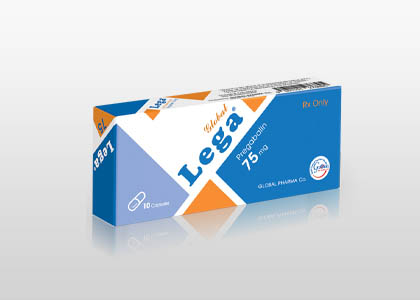
🇬🇧 Overview & Clinical Usage
Pregabalin is an anticonvulsant medication that is structurally related to the neurotransmitter gamma-aminobutyric acid (GABA). However, it does not bind to GABA receptors. Instead, its primary mechanism of action involves binding to the alpha-2-delta (α2δ) subunit of voltage-gated calcium channels in the central nervous system. By binding to this subunit, pregabalin reduces the influx of calcium into presynaptic nerve terminals. This, in turn, leads to a decrease in the release of several excitatory neurotransmitters, including glutamate, norepinephrine, and substance P. This modulation of neurotransmitter release is believed to be responsible for its therapeutic effects in various neurological and psychiatric conditions.
Clinically, pregabalin is indicated for the treatment of neuropathic pain, which can arise from conditions such as diabetic peripheral neuropathy, postherpetic neuralgia, and spinal cord injury. It is also used as an adjunctive therapy for partial-onset seizures in epilepsy. Furthermore, pregabalin is effective in managing generalized anxiety disorder (GAD), often providing relief from symptoms like excessive worry, restlessness, and muscle tension. Common side effects include dizziness, somnolence (drowsiness), dry mouth, blurred vision, and weight gain. Caution is advised due to the potential for cognitive impairment, dependence, and withdrawal symptoms upon abrupt discontinuation.
🇸🇦 نظرة عامة والاستخدام السريري
البريجابالين هو دواء مضاد للاختلاج يرتبط هيكليًا بالناقل العصبي حمض جاما أمينوبيوتيريك (GABA). ومع ذلك، فإنه لا يرتبط بمستقبلات GABA. بدلاً من ذلك، يتضمن آلية عمله الأساسية الارتباط بالوحدة الفرعية ألفا-2-دلتا (α2δ) لقنوات الكالسيوم المعتمدة على الجهد في الجهاز العصبي المركزي. من خلال الارتباط بهذه الوحدة الفرعية، يقلل البريجابالين من تدفق الكالسيوم إلى النهايات العصبية قبل المشبكية. وهذا بدوره يؤدي إلى انخفاض في إطلاق العديد من النواقل العصبية المثيرة، بما في ذلك الغلوتامات والنورإبينفرين والمادة P. يُعتقد أن هذا التعديل في إطلاق النواقل العصبية هو المسؤول عن آثاره العلاجية في مختلف الحالات العصبية والنفسية.
سريريًا، يُشار إلى البريجابالين لعلاج آلام الأعصاب، والتي يمكن أن تنشأ من حالات مثل اعتلال الأعصاب المحيطي السكري، والألم العصبي التالي للهربس، وإصابات الحبل الشوكي. كما أنه يستخدم كعلاج مساعد لنوبات الصرع الجزئية في الصرع. علاوة على ذلك، فإن البريجابالين فعال في إدارة اضطراب القلق العام (GAD)، وغالبًا ما يوفر الراحة من الأعراض مثل القلق المفرط، والتململ، وتوتر العضلات. تشمل الآثار الجانبية الشائعة الدوخة، والنعاس (الخمول)، وجفاف الفم، وتشوش الرؤية، وزيادة الوزن. يُنصح بالحذر بسبب احتمالية حدوث ضعف إدراكي، والاعتماد، وأعراض الانسحاب عند التوقف المفاجئ.