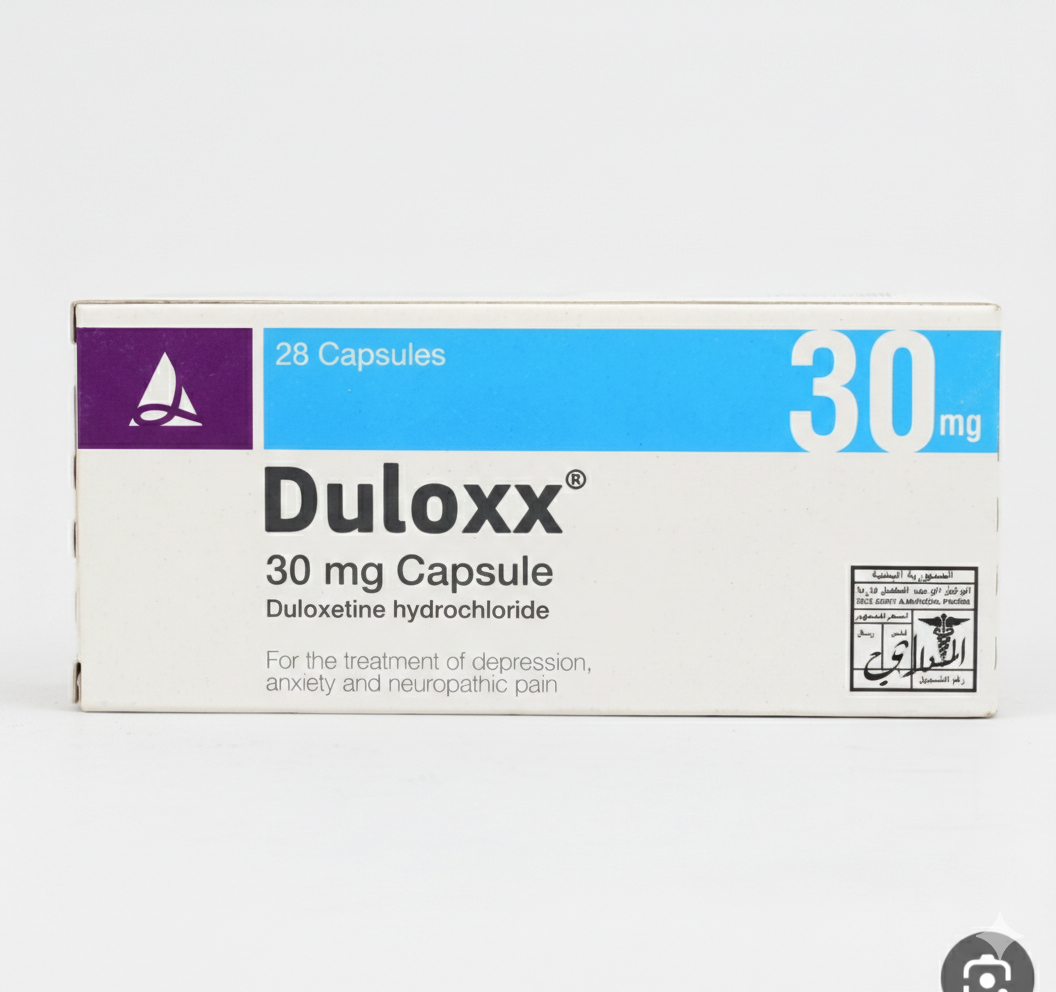
🇬🇧 Overview & Clinical Usage
Duloxetine is a potent serotonin-norepinephrine reuptake inhibitor (SNRI) that exerts its therapeutic effects by increasing the levels of these neurotransmitters in the brain. This mechanism is believed to be responsible for its efficacy in treating a range of conditions, including major depressive disorder, generalized anxiety disorder, diabetic peripheral neuropathic pain, fibromyalgia, and chronic musculoskeletal pain. By modulating serotonergic and noradrenergic pathways, duloxetine helps to alleviate symptoms associated with these disorders, such as persistent sadness, worry, pain perception, and fatigue. It is typically administered orally in capsule form and is available in various strengths to allow for individualized dosing.
When initiating duloxetine therapy, it is crucial for healthcare providers to monitor patients closely for any signs of worsening depression, suicidal thoughts, or unusual changes in behavior, particularly during the initial weeks of treatment or when the dosage is adjusted. Common side effects may include nausea, dry mouth, insomnia, dizziness, and fatigue. Less common but serious adverse effects can include liver problems, serotonin syndrome, and an increased risk of bleeding. Patients with a history of bipolar disorder, seizure disorders, or glaucoma should be managed with caution. Discontinuation of duloxetine should be gradual to avoid withdrawal symptoms, which can include dizziness, nausea, headache, and sensory disturbances.
🇸🇦 نظرة عامة والاستخدام السريري
دولوكسيتين هو مثبط قوي لاسترداد السيروتونين والنورإبينفرين (SNRI) يمارس آثاره العلاجية عن طريق زيادة مستويات هذه النواقل العصبية في الدماغ. يُعتقد أن هذه الآلية مسؤولة عن فعاليته في علاج مجموعة من الحالات، بما في ذلك اضطراب الاكتئاب الشديد، واضطراب القلق العام، وآلام الأعصاب الطرفية السكري، والفيبروميالجيا، وآلام العضلات والعظام المزمنة. من خلال تعديل مسارات السيروتونين والنورأدرينالين، يساعد دولوكسيتين في تخفيف الأعراض المرتبطة بهذه الاضطرابات، مثل الحزن المستمر، والقلق، وإدراك الألم، والتعب. يتم تناوله عادة عن طريق الفم في شكل كبسولات وهو متاح بقوى مختلفة للسماح بالجرعات الفردية.
عند بدء العلاج بدولوكسيتين، من الضروري أن يراقب مقدمو الرعاية الصحية المرضى عن كثب بحثًا عن أي علامات لتفاقم الاكتئاب، أو الأفكار الانتحارية، أو التغيرات غير العادية في السلوك، خاصة خلال الأسابيع الأولى من العلاج أو عند تعديل الجرعة. قد تشمل الآثار الجانبية الشائعة الغثيان، وجفاف الفم، والأرق، والدوخة، والتعب. يمكن أن تشمل الآثار الضارة الأقل شيوعًا ولكنها خطيرة مشاكل الكبد، ومتلازمة السيروتونين، وزيادة خطر النزيف. يجب التعامل مع المرضى الذين لديهم تاريخ من اضطراب ثنائي القطب، أو اضطرابات النوبات، أو الجلوكوما بحذر. يجب أن يكون التوقف عن تناول دولوكسيتين تدريجيًا لتجنب أعراض الانسحاب، والتي يمكن أن تشمل الدوخة، والغثيان، والصداع، واضطرابات الحس.