
Co-Codamol: An Expert's Guide to Combined Analgesia for Pain Management
As an expert in orthopedic care and medical SEO copywriting, we understand the critical need for clear, accurate, and comprehensive information regarding medications crucial for pain management. Co-Codamol is a widely prescribed analgesic combination, and understanding its intricacies is vital for both healthcare professionals and patients seeking effective pain relief. This extensive guide aims to demystify Co-Codamol, providing an authoritative resource on its mechanism, clinical applications, safety profile, and more.
Comprehensive Introduction & Overview
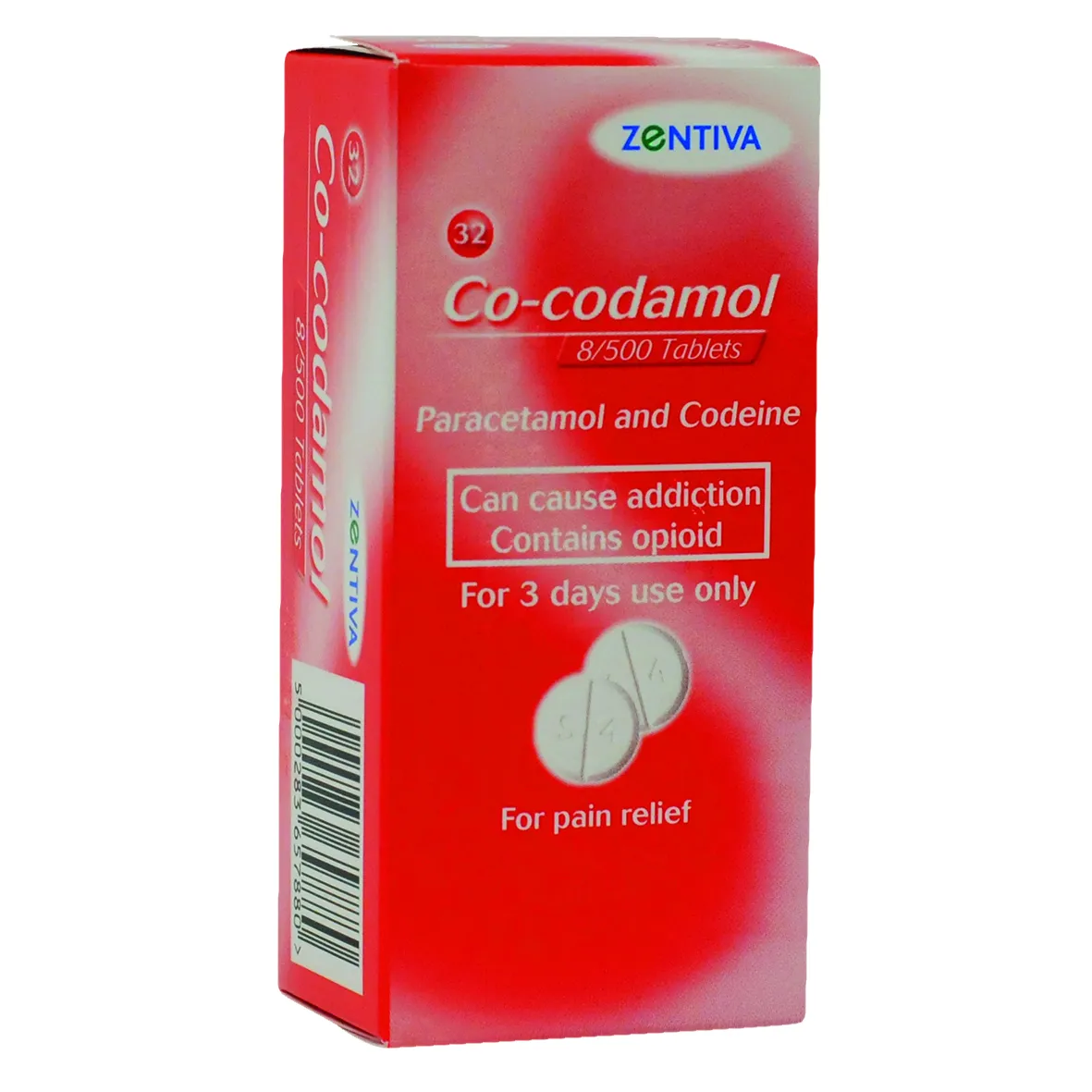
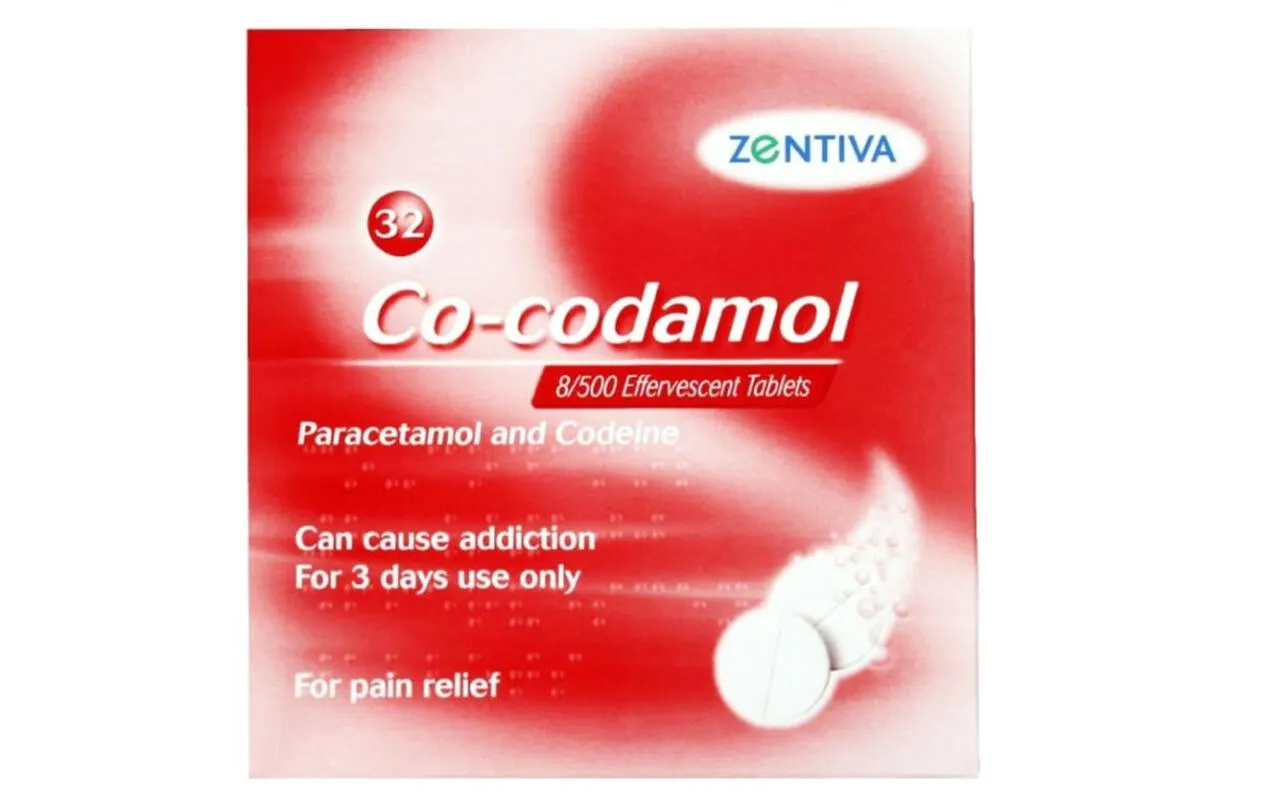
Co-Codamol is a compound analgesic medication that combines two distinct pain-relieving agents: Paracetamol (also known as Acetaminophen) and Codeine Phosphate. This synergistic combination is specifically formulated to provide more potent pain relief than either component could offer alone, making it a valuable option for managing moderate to severe pain that has not responded adequately to single-agent analgesics like paracetamol or NSAIDs.
The rationale behind combining these two drugs lies in their complementary mechanisms of action. Paracetamol provides non-opioid analgesia and antipyretic effects, while codeine, an opioid, modulates pain perception in the central nervous system. This dual approach allows for effective pain management while potentially minimizing the individual doses of each component, which can be beneficial in reducing the risk of side effects associated with higher doses of either drug.
However, the presence of codeine, an opioid, necessitates careful consideration of its use due to the potential for dependence, respiratory depression, and specific metabolic considerations. This guide will delve into these aspects to ensure a thorough understanding of Co-Codamol's role in pain management.
Deep-dive into Technical Specifications / Mechanisms
Understanding how Co-Codamol works at a cellular and systemic level is crucial for appreciating its efficacy and potential risks.
Mechanism of Action
Co-Codamol's effectiveness stems from the distinct, yet complementary, actions of its two active ingredients:
-
Paracetamol (Acetaminophen):
- Analgesic and Antipyretic: Paracetamol is primarily known for its pain-relieving and fever-reducing properties. Unlike NSAIDs, it exhibits very weak anti-inflammatory effects.
- Proposed Mechanisms: Its exact mechanism is not fully understood but is believed to involve central nervous system (CNS) pathways. It is thought to inhibit prostaglandin synthesis primarily in the CNS, rather than peripherally. This central action may involve the inhibition of cyclooxygenase (COX) enzymes, particularly COX-2 and a theoretical COX-3 isoform, or through modulation of serotonergic descending pain pathways. Some research also suggests involvement in the endocannabinoid system.
- Safety Profile: Generally well-tolerated at therapeutic doses, but severe liver damage can occur with overdose.
-
Codeine (Opioid Analgesic):
- Prodrug Conversion: Codeine itself has relatively low affinity for opioid receptors. It acts as a prodrug, meaning it must be metabolized in the liver to its active form, morphine, primarily by the cytochrome P450 enzyme CYP2D6.
- Opioid Receptor Agonism: Morphine then acts as an agonist at mu-opioid receptors located throughout the central nervous system (brain and spinal cord). Activation of these receptors leads to:
- Analgesia: Decreased perception of pain and altered emotional response to pain.
- Sedation: Drowsiness and reduced alertness.
- Respiratory Depression: Decreased sensitivity of the brainstem respiratory centers to carbon dioxide.
- Cough Suppression: Direct effect on the cough center in the medulla.
- Gastrointestinal Effects: Increased smooth muscle tone in the GI tract, leading to constipation.
- Genetic Variability: The efficacy and safety of codeine are significantly influenced by genetic variations in the CYP2D6 enzyme. Individuals can be ultrarapid, extensive (normal), intermediate, or poor metabolizers, affecting how much codeine is converted to morphine. Ultrarapid metabolizers may experience exaggerated opioid effects, while poor metabolizers may experience little to no pain relief.
Pharmacokinetics
Pharmacokinetics describes how the body handles the drug—absorption, distribution, metabolism, and excretion.
- Absorption:
- Both paracetamol and codeine are well absorbed from the gastrointestinal tract following oral administration.
- Peak plasma concentrations are typically reached within 30-60 minutes for paracetamol and 1-2 hours for codeine.
- Distribution:
- Both drugs are widely distributed throughout body tissues and fluids.
- Codeine, being lipophilic, readily crosses the blood-brain barrier to exert its central effects.
- Metabolism:
- Paracetamol: Primarily metabolized in the liver through conjugation reactions (glucuronidation and sulfation) to inactive metabolites. A small portion is metabolized by the cytochrome P450 enzyme system (CYP2E1) to a highly reactive and toxic intermediate metabolite, N-acetyl-p-benzoquinone imine (NAPQI). At therapeutic doses, NAPQI is rapidly detoxified by conjugation with glutathione. In overdose, glutathione stores are depleted, leading to NAPQI accumulation and hepatotoxicity.
- Codeine: Undergoes extensive hepatic metabolism. The most critical pathway is O-demethylation to morphine by CYP2D6. Other pathways include N-demethylation to norcodeine (by CYP3A4) and conjugation to codeine-6-glucuronide. The genetic polymorphism of CYP2D6 is a major determinant of codeine's clinical effects.
- Excretion:
- Both paracetamol and codeine and their metabolites are primarily excreted in the urine.
- Half-life:
- Paracetamol: Approximately 2-3 hours.
- Codeine: Approximately 2-4 hours.
Extensive Clinical Indications & Usage
Co-Codamol is a versatile analgesic used for various pain conditions where paracetamol alone is insufficient.
Detailed Indications
Co-Codamol is indicated for the short-term treatment of acute moderate pain in patients aged 12 years and older, which is not relieved by other analgesics such as paracetamol or ibuprofen alone. Common indications include:
- Post-operative pain: Following minor surgical procedures.
- Dental pain: Such as toothache or pain after dental extractions.
- Headaches and Migraines: For moderate to severe forms.
- Musculoskeletal pain: Including back pain, sprains, strains, and pain associated with osteoarthritis flare-ups.
- Neuropathic pain: Can be used as an adjunct in some cases, though not a first-line treatment.
- Dysmenorrhea: Severe menstrual pain.
- Cancer pain: In some palliative care settings, often as part of a step-ladder approach.
It is crucial to emphasize that Co-Codamol is generally recommended for short-term use due to the codeine component's potential for dependence and tolerance development.
Dosage Guidelines
Co-Codamol is available in various strengths, typically denoted by the amount of codeine first, followed by paracetamol (e.g., 8/500mg, 15/500mg, 30/500mg). Each tablet contains 500mg of paracetamol, while the codeine content varies.
- Adults and adolescents (16 years and older):
- The usual dose is 1 or 2 tablets of the prescribed strength every 4-6 hours as needed.
- Maximum daily dose: Do not exceed 8 tablets (4000 mg paracetamol) in any 24-hour period. For codeine, the maximum daily dose is typically 240 mg. Always adhere strictly to the prescribed dose and frequency.
- Adolescents (12-15 years):
- Typically 1 tablet every 6 hours as needed.
- Maximum daily dose: Do not exceed 4 tablets (2000 mg paracetamol) in any 24-hour period.
- Children under 12 years:
- Co-Codamol is contraindicated in children under 12 years of age due to the risk of opioid toxicity, especially in those who are ultrarapid metabolizers of codeine.
- Special Populations:
- Elderly: A reduced dose may be required due to decreased hepatic or renal function and increased sensitivity to opioid effects.
- Renal Impairment: Dose reduction and/or extended dosing intervals may be necessary.
- Hepatic Impairment: Use with extreme caution, and dose reduction is often required due to the risk of paracetamol hepatotoxicity.
Administration Considerations
- Oral Administration: Tablets should be swallowed whole with water. They can be taken with or without food, though taking them with food may help reduce gastrointestinal upset.
- Duration of Use: Co-Codamol is intended for short-term use only. Prolonged use increases the risk of dependence and other side effects. If pain persists, a medical review is necessary.
- Avoid Self-Medication: Always use Co-Codamol under the guidance of a healthcare professional. Do not exceed the prescribed dose or frequency.
- Alcohol: Avoid alcohol consumption while taking Co-Codamol as it can enhance the sedative effects of codeine and increase the risk of liver damage with paracetamol.
- Driving and Operating Machinery: Due to the sedative effects of codeine, patients should be warned against driving or operating heavy machinery until they know how Co-Codamol affects them.
Risks, Side Effects, and Contraindications
While effective, Co-Codamol carries a range of potential risks and side effects, and its use is contraindicated in certain situations.
Side Effects
Side effects can vary in severity and frequency. They are primarily attributable to the codeine component.
| System Organ Class | Common Side Effects (≥1/100 to <1/10)