Biofreeze Gel: A Comprehensive Medical SEO Guide for Orthopedic Pain Management
As an expert Medical SEO Copywriter and Orthopedic Specialist, I frequently encounter patients seeking effective, non-pharmacological, or adjunctive solutions for musculoskeletal pain. Biofreeze Gel stands out as a widely recognized and utilized topical analgesic, offering a unique approach to temporary pain relief. This exhaustive guide aims to provide a deep dive into Biofreeze Gel, covering its scientific underpinnings, clinical applications, safety profile, and practical usage, ensuring both healthcare professionals and patients are thoroughly informed.
1. Introduction & Overview: Understanding Biofreeze Gel
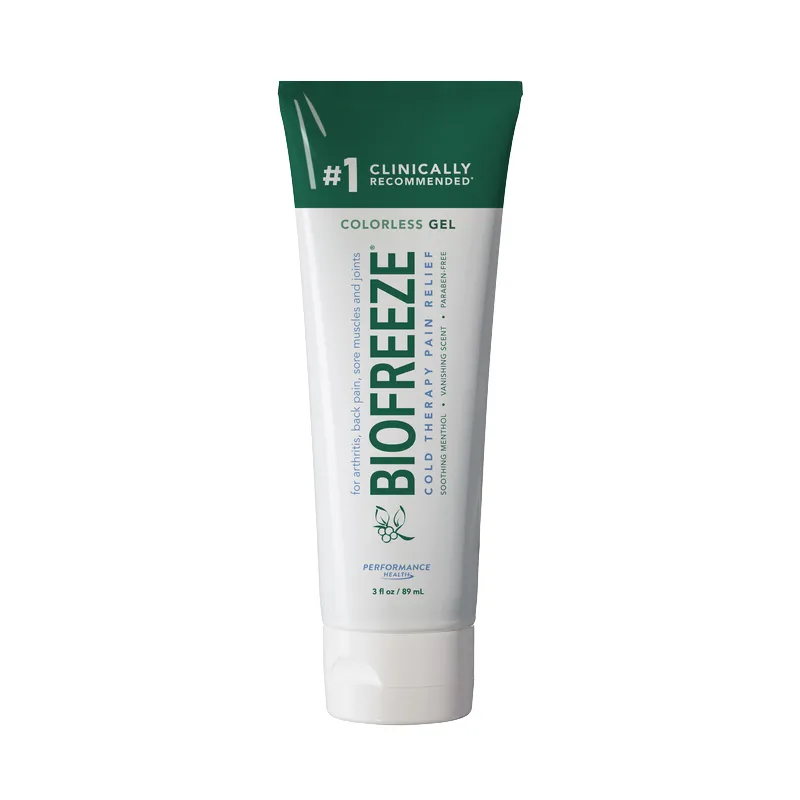
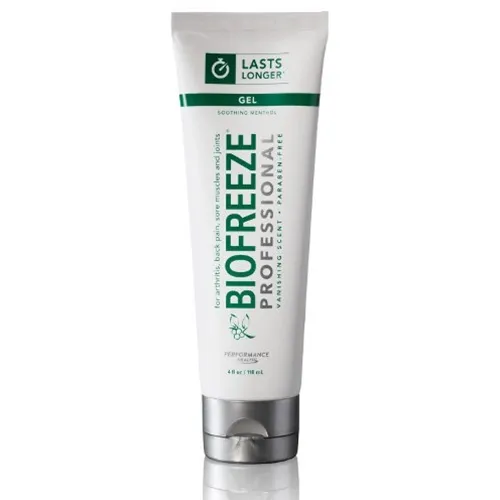
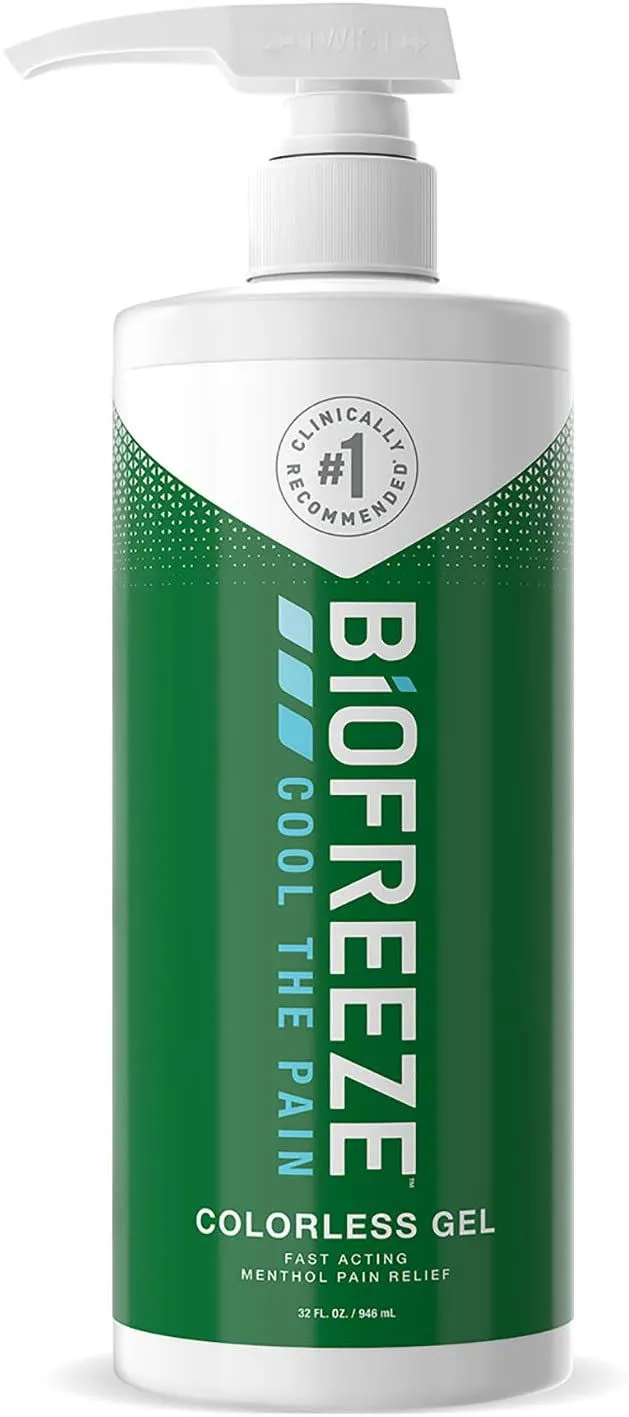
Biofreeze Gel is a leading topical analgesic formulated to provide temporary relief from minor aches and pains of muscles and joints associated with simple backache, arthritis, strains, bruises, and sprains. Its distinctive cooling sensation sets it apart from heat-based balms, offering a different modality for pain management. The cornerstone of Biofreeze's efficacy lies in its active ingredient: menthol.
Menthol, a natural organic compound derived from peppermint or other mint oils, has been used for centuries for its medicinal properties. In Biofreeze, it functions as a counter-irritant, creating a sensation that distracts from pain, and as a local anesthetic, numbing the affected area. Biofreeze is a popular choice in physical therapy clinics, chiropractic offices, and athletic training rooms, reflecting its broad acceptance in professional settings for managing acute and chronic musculoskeletal conditions.
This guide will delve into the intricate details of how Biofreeze works, its appropriate clinical applications, precise dosage instructions, potential risks, and critical safety considerations, empowering users to make informed decisions regarding their pain management strategy.
2. Deep-Dive into Technical Specifications & Mechanisms
Understanding the science behind Biofreeze Gel is crucial for appreciating its role in pain management. Its primary action is mediated by its active ingredient, menthol.
2.1. Mechanism of Action
The analgesic effect of Biofreeze Gel is primarily attributed to menthol's interaction with specific thermoreceptors in the skin and its counter-irritant properties.
- TRPM8 Receptor Agonism: Menthol is a selective agonist for the transient receptor potential melastatin 8 (TRPM8) receptor, also known as the cold and menthol receptor 1 (CMR1). These receptors are found on sensory neurons in the skin. When menthol binds to TRPM8, it causes an influx of calcium ions into the cell, leading to depolarization and the generation of action potentials that are perceived by the brain as a sensation of cold. This "cooling" sensation occurs without any actual decrease in skin temperature and helps to distract the brain from the underlying pain signals.
- Counter-Irritant Effect: By creating a strong, distinct sensation (the cooling effect), menthol effectively "overrides" or distracts from the perception of pain originating from deeper tissues. This mechanism aligns with the "gate control theory of pain," where non-painful input closes the nerve "gates" to painful input, preventing pain sensations from reaching the central nervous system.
- Local Analgesic Properties: Beyond its counter-irritant role, menthol also exhibits mild local anesthetic properties. It can modulate voltage-gated sodium channels, similar to conventional local anesthetics, thereby reducing the excitability of pain-sensing nerves and diminishing the transmission of pain signals.
- Vasodilation: Menthol can induce a transient vasodilation (widening of blood vessels) in the superficial capillaries, leading to a slight increase in local blood flow. This effect is generally mild and contributes to the overall sensation but is not the primary mechanism of pain relief.
2.2. Pharmacokinetics
Given its topical application, the pharmacokinetic profile of Biofreeze Gel is characterized by localized action and minimal systemic absorption.
- Absorption: When applied to the skin, menthol is readily absorbed across the stratum corneum. However, due to its lipophilic nature and the relatively small amount applied, systemic absorption into the bloodstream is typically very low. This localized absorption minimizes the risk of systemic side effects and drug interactions.
- Distribution: Once absorbed, menthol primarily distributes within the local tissues where it was applied, exerting its effects directly on the peripheral nerve endings and receptors.
- Metabolism: Any systemically absorbed menthol is primarily metabolized in the liver into various glucuronide conjugates, which are then excreted. However, the extent of systemic metabolism is negligible given the minimal systemic exposure.
- Excretion: The majority of menthol's action is local. Any minor systemic metabolites are excreted via urine.
- Onset and Duration of Action: The cooling sensation and pain relief typically begin within minutes of application. The duration of relief varies among individuals but generally lasts for several hours, necessitating reapplication as directed.
3. Extensive Clinical Indications & Usage
Biofreeze Gel is a versatile topical analgesic with a broad range of indications for temporary pain relief. Its non-greasy, fast-acting formula makes it a preferred choice for various musculoskeletal conditions.
3.1. Detailed Indications
Biofreeze Gel is indicated for the temporary relief of minor aches and pains associated with:
- Musculoskeletal Strains and Sprains:
- Muscle strains (e.g., hamstring pull, calf strain)
- Ligament sprains (e.g., ankle sprain, wrist sprain)
- Overuse injuries (e.g., tennis elbow, golfer's elbow)
- Arthritic Conditions:
- Osteoarthritis (degenerative joint disease) in knees, hips, hands, and spine.
- Rheumatoid Arthritis (for symptomatic relief of joint pain).
- Other forms of inflammatory arthritis causing localized pain.
- Back and Neck Pain:
- Acute and chronic low back pain.
- Neck stiffness and pain (e.g., from poor posture, whiplash).
- Muscle spasms and tension in the back and neck region.
- Shoulder Pain:
- Rotator cuff tendinitis/tendinopathy.
- Bursitis.
- General muscle soreness.
- Knee Pain:
- Patellofemoral pain syndrome.
- Meniscal tears (for symptomatic pain relief).
- General knee joint aches.
- Foot and Ankle Pain:
- Plantar fasciitis (for temporary heel pain relief).
- Achilles tendinitis.
- General foot soreness from prolonged standing or activity.
- Sports Injuries:
- Post-exercise muscle soreness (DOMS - Delayed Onset Muscle Soreness).
- Bruises (contusions).
- Shin splints.
- General Aches and Pains:
- Muscle fatigue.
- Tension headaches (applied to temples, avoiding eyes).
- Discomfort from prolonged sitting or standing.
Note: Biofreeze is intended for minor aches and pains. For severe, persistent, or worsening pain, consultation with a healthcare professional is imperative to determine the underlying cause and appropriate treatment.
3.2. Dosage Guidelines
Correct application of Biofreeze Gel is essential for maximizing its efficacy and ensuring user safety.
- Application Method:
- Ensure the skin is clean, dry, and intact before application.
- Apply a thin, even layer of Biofreeze Gel to the affected area.
- Gently massage the gel into the skin until it is fully absorbed.
- Amount: Use only enough to cover the painful area. Excessive application does not enhance efficacy and may increase the risk of skin irritation.
- Frequency: Apply to the affected area not more than 3 to 4 times daily. Adhere strictly to the recommended frequency to avoid potential skin reactions.
- Target Population:
- Adults and children 2 years of age and older: Biofreeze Gel can be safely used.
- Children under 2 years of age: Consult a physician before use.
- Post-Application Care:
- Always wash hands thoroughly with soap and water immediately after applying Biofreeze Gel to prevent accidental contact with eyes, mouth, or other sensitive areas.
- Avoid wrapping or bandaging the treated area tightly, as this can increase systemic absorption and skin irritation.
- Do not apply heat to the treated area (e.g., heating pads, hot water bottles) immediately before or after application, as this can intensify the cooling sensation to an uncomfortable or even painful level, potentially causing skin burns or blistering.
- Duration of Use: If pain persists for more than 7 days, or clears up and then recurs within a few days, discontinue use and consult a physician.
4. Risks, Side Effects, and Contraindications
While generally safe for topical use, Biofreeze Gel, like all medications, carries potential risks, side effects, and specific contraindications that users must be aware of.
4.1. Contraindications
Biofreeze Gel should NOT be used in the following circumstances:
- Hypersensitivity/Allergy: Individuals with a known allergy or hypersensitivity to menthol, isopropyl alcohol, or any other ingredients in Biofreeze Gel.
- Damaged or Broken Skin: Do not apply to open wounds, cuts, abrasions, or irritated skin, as this can lead to increased absorption, severe irritation, or infection.
- Mucous Membranes and Eyes: Avoid contact with eyes, mouth, nose, genitals, or other mucous membranes. If accidental contact occurs, rinse thoroughly with water.
- Children Under 2 Years: Use in infants and very young children is generally discouraged due to increased skin sensitivity and potential for systemic effects from absorption, or if ingested. Always consult a physician for children under 2.
- Internal Use: Biofreeze Gel is for external use only. It should never be ingested.
- With Heating Pads/Devices: As previously mentioned, combining Biofreeze with external heat sources can cause severe burning sensations, skin irritation, or blistering.
4.2. Potential Side Effects
Side effects from Biofreeze Gel are typically mild and localized, primarily affecting the skin at the application site.
- Common Local Reactions:
- Skin Irritation: Redness (erythema), mild rash, itching (pruritus).
- Burning Sensation: A sensation of burning or stinging, especially if applied excessively, on sensitive skin, or after hot showers. This is usually transient.
- Dryness or Peeling: Prolonged or frequent use might lead to skin dryness or mild peeling in some individuals.
- Rare but Serious Reactions:
- Allergic Contact Dermatitis: In rare cases, an allergic reaction may manifest as more severe itching, rash, swelling, or blistering beyond the application site. Discontinue use immediately and seek medical attention if this occurs.
- Chemical Burns: Extremely rare but possible, particularly if applied excessively, under occlusive dressings, or in combination with heat. Symptoms include severe pain, blistering, and discoloration of the skin.
- Systemic Effects: While highly unlikely due to minimal systemic absorption, very large applications over extensive body areas, particularly on damaged skin, could theoretically lead to systemic effects of menthol, such as nausea, vomiting, or central nervous system depression (drowsiness, ataxia). This is exceedingly rare with proper use.
4.3. Drug Interactions
Due to its minimal systemic absorption, Biofreeze Gel is generally considered to have a low potential for significant drug interactions with systemic medications.
- Other Topical Agents: Caution should be exercised when using Biofreeze Gel concurrently with other topical pain relief products (e.g., capsaicin creams, NSAID gels). Combining multiple topical agents on the same area might increase the risk of skin irritation or enhance the cooling/burning sensations, potentially leading to discomfort or adverse reactions. It is advisable to allow sufficient time between applications of different topical products or to consult a healthcare professional.
- Occlusive Dressings: Using occlusive dressings (e.g., tight bandages) over the treated area can increase the absorption of menthol and potentially increase the risk of local skin reactions. Avoid such practices.
4.4. Pregnancy and Lactation Warnings
The use of topical menthol-containing products during pregnancy and lactation warrants caution due to limited comprehensive safety data.
- Pregnancy: Menthol is generally classified as a Pregnancy Category C drug. This means that animal reproduction studies have shown an adverse effect on the fetus, but there are no adequate and well-controlled studies in humans. The potential benefits may warrant use of the drug in pregnant women despite potential risks.
- Recommendation: Pregnant women should consult their physician or obstetrician before using Biofreeze Gel. The decision to use should be based on a careful assessment of the potential benefits versus the unknown risks to the fetus. It's generally prudent to avoid unnecessary medication use during pregnancy, especially during the first trimester.
- Lactation (Breastfeeding): There is limited data on the excretion of menthol into human breast milk following topical application. While systemic absorption is minimal, the possibility of menthol or its metabolites passing into breast milk cannot be entirely ruled out.
- Recommendation: Breastfeeding mothers should also consult their physician before using Biofreeze Gel. If use is deemed necessary, avoid applying the gel to areas where the infant might come into direct contact with the treated skin or ingest the product (e.g., breast area).
4.5. Overdose Management
Overdose with topical Biofreeze Gel is rare and typically limited to localized skin reactions. However, accidental ingestion or excessive application can lead to more significant issues.
- Topical Overdose (Excessive Application):
- Symptoms: Intense burning sensation, severe skin irritation, redness, blistering.
- Management: Immediately wash the affected area thoroughly with cool water and mild soap. Do NOT use hot water, as this can intensify the sensation. Apply a cool compress. If irritation persists or worsens, seek medical attention.
- Accidental Ingestion:
- Menthol, if ingested in large quantities, can be toxic.
- Symptoms: Nausea, vomiting, abdominal pain, diarrhea, headache, dizziness, drowsiness, confusion, ataxia (lack of muscle coordination), and in severe cases, central nervous system depression, seizures, or respiratory depression.
- Management: Seek immediate medical attention (call emergency services or poison control center) without delay. Do not induce vomiting unless specifically instructed by medical personnel. Provide information about the product ingested.
- Accidental Eye Contact:
- Symptoms: Severe burning, stinging, redness, tearing, blurred vision.
- Management: Immediately flush eyes with copious amounts of cool water for at least 15-20 minutes, ensuring eyelids are held open. If irritation persists, seek medical attention.
- Inhalation of Fumes:
- If large quantities are used in a poorly ventilated area, menthol fumes can cause respiratory irritation.
- Management: Move to fresh air. If symptoms persist, seek medical attention.
5. Massive FAQ Section
Here are answers to frequently asked questions about Biofreeze Gel:
1. Is Biofreeze safe for daily use?
Yes, Biofreeze Gel can be used up to 3-4 times daily as directed for temporary relief of minor aches and pains. However, if pain persists for more than 7 days, or clears up and then recurs, consult a healthcare professional.
2. Can Biofreeze be used on open wounds?
No, Biofreeze Gel should never be applied to open wounds, cuts, damaged, or irritated skin, as this can lead to severe irritation, increased absorption, and potential infection.
3. How long does Biofreeze last?
The pain-relieving effects of Biofreeze typically last for several hours, varying from person to person. Reapplication is recommended up to 3-4 times daily as needed.
4. What's the difference between Biofreeze gel, roll-on, and spray?
The active ingredient (menthol) and primary function are the same across these formats. The difference lies in the application method:
* Gel: Applied by hand, allowing for massage into the skin.
* Roll-on: Offers a hands-free application, ideal for hard-to-reach areas and preventing gel on hands.
* Spray: Provides touch-free application, suitable for broad areas or where direct contact is difficult.
The choice depends on personal preference and the area of application.
5. Can children use Biofreeze?
Biofreeze Gel is safe for children 2 years of age and older. For children under 2 years, consultation with a physician is required before use. Always supervise application in children to ensure proper use and prevent accidental ingestion or contact with sensitive areas.
6. Is Biofreeze an anti-inflammatory?
Biofreeze's primary mechanism is as a counter-irritant and local analgesic, providing a cooling sensation and distracting from pain. While some studies suggest menthol may have mild anti-inflammatory properties, it is not primarily classified or marketed as an anti-inflammatory drug like NSAIDs. Its main role is symptomatic pain relief.
7. Can I use Biofreeze with a heating pad?
Absolutely NOT. Combining Biofreeze with a heating pad or any other external heat source is strongly contraindicated. The combination can intensify the cooling sensation to a painful burning, potentially leading to severe skin irritation, blistering, or even chemical burns.
8. What should I do if I get Biofreeze in my eyes?
Immediately flush your eyes thoroughly with copious amounts of cool water for at least 15-20 minutes, ensuring your eyelids are held open. If irritation, pain, or blurred vision persists, seek immediate medical attention.
9. Does Biofreeze have a strong smell?
Yes, Biofreeze has a distinct menthol scent, which is characteristic of its active ingredient. While noticeable, it typically dissipates after application. Biofreeze also offers a "dye-free" and "fragrance-free" version for those sensitive to scents or dyes.
10. Is Biofreeze safe during pregnancy or while breastfeeding?
Due to limited comprehensive safety data, pregnant and breastfeeding women should consult their physician or obstetrician before using Biofreeze Gel. It is generally advisable to avoid unnecessary medication during these periods.
11. How quickly does Biofreeze work?
Users typically report experiencing the cooling sensation and initial pain relief within minutes of applying Biofreeze Gel.
12. Can Biofreeze cause skin irritation?
Yes, mild skin irritation such as redness, itching, or a burning sensation can occur, especially if applied excessively or on sensitive skin. If severe irritation, blistering, or an allergic reaction develops, discontinue use and seek medical attention.
13. What are the active ingredients in Biofreeze?
The primary active ingredient in Biofreeze Gel is menthol, typically at a concentration of 4% to 10%, depending on the specific product formulation. Other inactive ingredients include isopropyl alcohol, carbomer, camphor, glycerine, herbal extracts (e.g., Ilex paraguariensis), propylene glycol, silicon dioxide, and triethanolamine.
14. Can I use Biofreeze for nerve pain (neuropathy)?
While Biofreeze is primarily indicated for musculoskeletal pain, some individuals with mild neuropathic pain (e.g., from diabetic neuropathy or sciatica) report temporary symptomatic relief from the cooling sensation. However, it is not a primary treatment for nerve damage, and its efficacy for neuropathy is not extensively studied or proven. Consult your physician for proper management of neuropathic pain.
15. Does Biofreeze interact with oral medications?
Due to its minimal systemic absorption, Biofreeze Gel has a very low potential for significant interactions with oral medications. However, always inform your healthcare provider about all medications and supplements you are using.
This comprehensive guide underscores Biofreeze Gel's position as a valuable tool in the temporary management of minor musculoskeletal pain, offering a non-pharmacological adjunct to broader treatment plans. Its efficacy, combined with its relatively safe profile when used correctly, makes it a popular choice for both patients and healthcare providers in the orthopedic and rehabilitation fields. Always prioritize consulting a healthcare professional for persistent pain or any concerns regarding medication use.